Barley: Calories, Nutrition and Health Benefits
Ancient whole grain packed with heart-healthy fiber, essential minerals, and blood sugar-balancing beta-glucan for sustained energy.
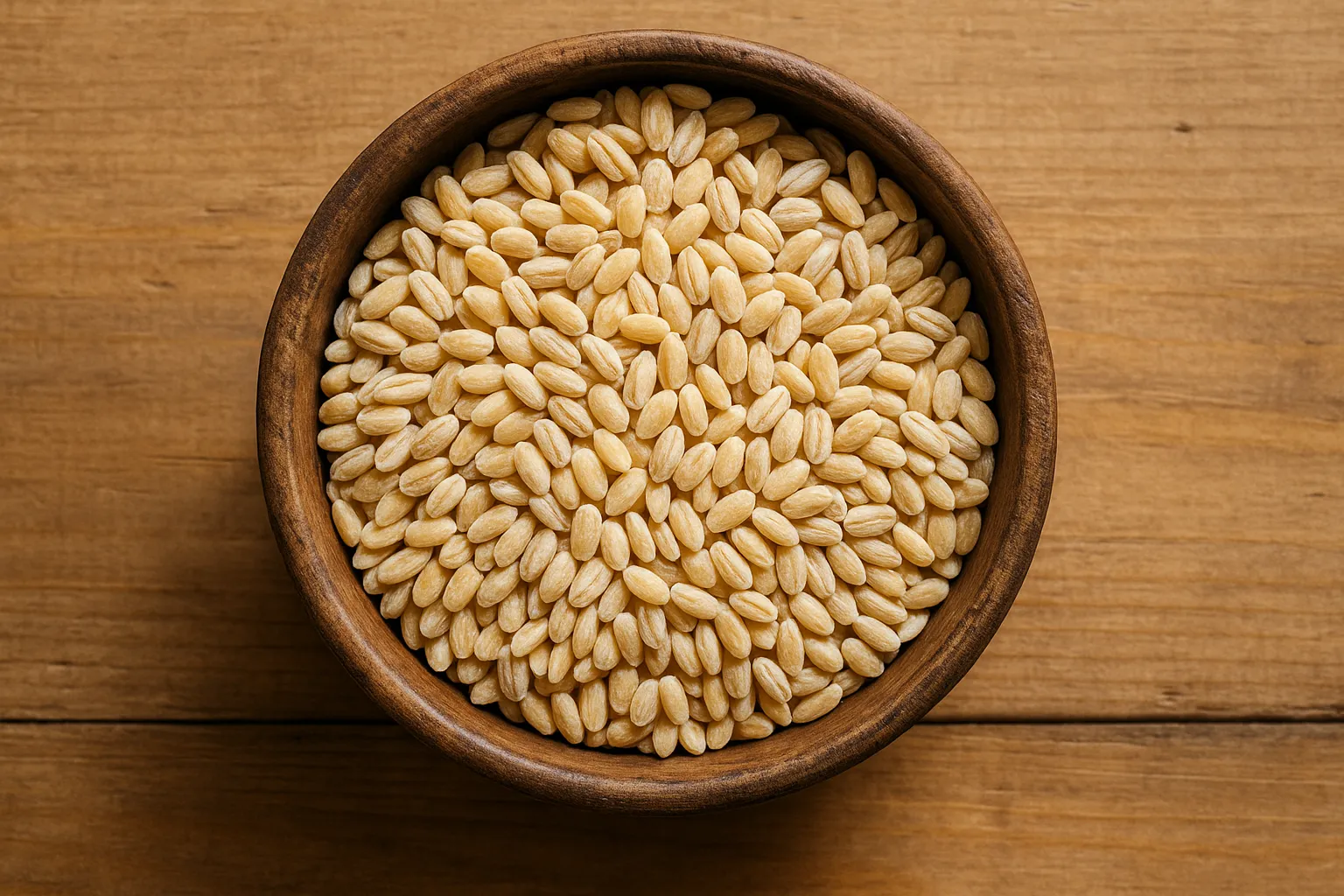
Quick Nutrition Facts
Per 100g Cooked Pearl Barley
| Nutrient | Amount |
|---|---|
| Calories | 123 kcal |
| Protein | 2.3g |
| Carbohydrates | 28.2g |
| Fiber | 3.8g |
| Sugars | 0.8g |
| Fat | 0.4g |
| Selenium | 13.8mcg |
| Manganese | 0.3mg |
| Phosphorus | 54mg |
| Magnesium | 22mg |
Macronutrient Breakdown
 ChatGPT
  Claude
  AI Mode
  Perplexity
NUTRITIONIST INSIGHT
Barley contains beta-glucan, a unique soluble fiber that forms a gel in the digestive tract, slowing glucose absorption and lowering cholesterol. Just 3g of beta-glucan daily (1.5 cups cooked barley) can reduce LDL cholesterol by 5-10%.
Does Barley Make You Gain Weight?
No, barley does not make you gain weight on its own. Cooked pearl barley is 123 calories per 100 g, and weight comes from the total calories in your day, not from one grain.
What works in its favor
- 3.8 g fiber per 100 g, mostly beta-glucan, which slows stomach emptying and keeps you full longer than most grains.
- A glycemic index of 28, the lowest of the common grains, so energy arrives slowly and hunger spikes are rarer.
- Only 0.4 g fat per 100 g cooked, so it fills the plate with very little calorie density.
What can work against you
- A generous helping adds up: 250 g cooked is 308 calories, easy to miss when barley goes on the plate as an extra side.
- Barley is rarely eaten plain. Butter, cheese or a fatty dressing move the number far more than the grain does.
Sensible portion: 150 to 200 g cooked, which is 185 to 246 calories and 5.7 to 7.6 g fiber. For context, quinoa is 120 calories per 100 g and brown rice 112, so at equal weight all three sit in the same range and the serving size is what decides the outcome.
Myth Busters
MYTH #1: Barley Is Just Beer Grain With No Nutritional Value
TRUTH: While malted barley makes beer, whole grain barley is a nutritional powerhouse. Studies show barley improves cholesterol, blood sugar, and gut health. FDA recognizes barley as reducing heart disease risk.
MYTH #2: Pearl Barley Is Not Nutritious Since It's Refined
TRUTH: Unlike white rice, pearl barley retains much of its fiber and nutrients even after polishing. It still provides 3.8g fiber per 100g and significant beta-glucan. Hulled barley is slightly more nutritious but both are excellent choices.
MYTH #3: Barley Spikes Blood Sugar Like Other Grains
TRUTH: Barley has a low glycemic index (28) and reduces post-meal blood sugar by 25-30% compared to white bread or rice. Beta-glucan fiber slows carbohydrate digestion significantly.
MYTH #4: Barley Is Gluten-Free
TRUTH: Barley contains gluten and is NOT safe for celiac disease or gluten sensitivity. Confusion arises because barley looks similar to gluten-free grains like buckwheat. Always check labels.
MYTH #5: Barley Takes Too Long to Cook
TRUTH: Pearl barley cooks in 25-30 minutes (faster than brown rice). Hulled barley takes 45-60 minutes but can be soaked overnight to reduce to 30 minutes. Pressure cookers cut time to 15-20 minutes.
MYTH #6: Barley Is Only for Soups and Stews
TRUTH: Barley is incredibly versatile - use as rice substitute, cold in salads, as risotto-style "barlotto," breakfast porridge, grain bowls, or ground into flour for baking.
NutriScore by Health Goals
| Health Goal | NutriScore | Why This Score? |
|---|---|---|
| Weight Loss |  | High fiber (3.8g per 100g), beta-glucan increases satiety hormones and reduces hunger. Low glycemic load prevents cravings. |
| Muscle Gain |  | Provides 2.3g protein per 100g plus complex carbs for sustained energy. Selenium supports muscle recovery and antioxidant function. |
| Diabetes Management | | Extremely low GI (28), beta-glucan improves insulin sensitivity by 20-30%. FDA-recognized for blood sugar control. |
| PCOS Management | | Low glycemic impact reduces insulin spikes critical for PCOS. Fiber supports hormonal balance and gut health. |
| Pregnancy Nutrition | | Rich in folate, selenium, and phosphorus. Fiber prevents pregnancy constipation. Safe whole grain option. |
| Heart Health | | FDA-approved claim: 3g beta-glucan daily reduces heart disease risk. Lowers LDL. |
PERSONALIZED NUTRITION
Track your meals with NutriScan for personalized NutriScores based on your specific health goals!
Blood Sugar Response to Barley
Understanding how barley affects blood glucose shows why it's superior to refined grains for metabolic health.
Typical Glucose Response Curve
This chart shows typical low blood glucose response for general healthy individuals. Individual responses may vary. Not medical advice.
Why Barley Stabilizes Blood Sugar
With a glycemic index of only 28 (lower than most grains), barley provides sustained energy without spikes:
- 🌾 Beta-glucan fiber - Forms gel that slows carbohydrate absorption by 25-30%
- 🥣 Resistant starch - Bypasses digestion, feeds beneficial gut bacteria
- ⏱️ Slow-release carbs - Gradual glucose elevation over 2-3 hours
- 💪 Improved insulin sensitivity - Regular consumption enhances metabolic response
Best Pairings for Diabetics:
- 🥗 Mixed grain salads with vegetables and lean protein
- 🍲 Barley soup with lentils or chicken
- 🥘 Barley risotto with mushrooms and greens
- 🥣 Breakfast barley with nuts and berries
Cultural Significance
Barley is one of humanity's oldest cultivated grains, with evidence dating back 10,000 years to the Fertile Crescent.
Historical Importance:
- First grain cultivated by humans alongside wheat
- Ancient Egyptians used barley for bread and beer (depicted in hieroglyphs)
- Roman gladiators called "hordearii" (barley eaters) for its strength-building properties
- Biblical references as one of the Seven Species of the Land of Israel
In India:
- Known as "Jau" in Hindi, traditional winter crop
- Ayurveda considers barley cooling, balancing for pitta dosha
- Sattu (roasted barley flour) popular in Bihar, Uttar Pradesh
- Barley water (jau ka paani) traditional remedy for urinary health
- Used in religious offerings and fasting foods
Global Impact:
- Fourth most produced grain globally (after wheat, rice, corn)
- Essential crop in Tibet, Ethiopia, Scandinavia (harsh climates)
- Tibetan "tsampa" (roasted barley flour) is staple food
- Scottish tradition: barley in soups, broths, and whisky production
Compare & Substitute
Barley vs Similar Grains (Per 100g Cooked)
| Nutrient | 🌾 Barley (Pearl) | 🍚 Brown Rice | 🌾 Quinoa | 🌾 Oats (Cooked) |
|---|---|---|---|---|
| Calories | 123 kcal | 112 kcal | 120 kcal | 71 kcal |
| Carbs | 28.2g | 23.5g | 21.3g | 12g |
| Fiber | 3.8g | 1.8g | 2.8g | 1.7g |
| Protein | 2.3g | 2.6g | 4.4g | 2.5g |
| Fat | 0.4g | 0.9g | 1.9g | 1.5g |
| GI | 28 (Low) | 50 (Medium) | 53 (Low-Medium) | 55 (Medium) |
| Selenium | 13.8mcg (25% DV) | 9.8mcg | 2.8mcg | 13.4mcg |
| Magnesium | 22mg | 43mg | 64mg | 27mg |
| Best For | Cholesterol, diabetes | Everyday grain | Complete protein | Heart health |
Frequently Asked Questions
Is barley good for weight loss?
Yes, barley is excellent for weight loss due to its high fiber content and low glycemic index. One cup cooked barley provides 6g fiber (24% DV) that increases satiety and reduces overall calorie intake.
Weight loss benefits: Beta-glucan fiber increases fullness hormones (CCK, GLP-1) by 20-30%; low GI prevents blood sugar crashes that trigger hunger; studies show barley eaters consume 200-300 fewer daily calories naturally.
Best practices: Replace white rice or pasta with barley; use in soups and salads for volume; cook 1/2-1 cup portions; combine with vegetables and lean protein.
Can diabetics eat barley?
Absolutely - barley is one of the best grain choices for diabetes. With a glycemic index of 28 and unique beta-glucan fiber, barley significantly improves blood sugar control.
Diabetes benefits: Reduces post-meal blood sugar by 25-30% compared to white rice; improves insulin sensitivity with regular consumption; FDA-recognized for reducing diabetes risk; lowers HbA1c in clinical studies.
Recommended intake: 1/2-1 cup cooked barley per meal. Choose hulled barley for maximum fiber. Monitor blood sugar to find your ideal portion.
What is the difference between pearl and hulled barley?
Both are nutritious whole grains with slight processing differences:
Hulled Barley (Pot Barley):
- Only inedible outer hull removed
- Retains bran layer (more fiber, vitamins, minerals)
- 17.3g fiber per 100g raw
- Cooking time: 45-60 minutes (or 30 if pre-soaked)
- Chewier texture, nuttier flavor
Pearl Barley:
- Hull and bran partially removed (polished)
- Still nutritious: 15.6g fiber per 100g raw
- Cooking time: 25-30 minutes
- Softer, creamier texture
- Better for creamy dishes
Recommendation: Both are excellent. Choose hulled for maximum nutrition; pearl for convenience and creamy texture.
Is barley high in protein?
Barley provides moderate protein compared to other grains. One cup cooked barley contains 3.6g protein (7% of calories).
Protein profile: Contains all essential amino acids but low in lysine (like most grains); pair with legumes (lentils, beans) for complete protein; higher protein than white rice (2.7g) but lower than quinoa (8g).
For muscle gain: Combine barley with high-protein foods (chicken, fish, tofu, beans). Use as carbohydrate source alongside 20-30g protein per meal.
How much barley should I eat per day?
General Guidelines:
- 1/2 to 1 cup cooked (78-157g) - Most people, provides 3-6g fiber
- 1-1.5 cups cooked - Athletes, high-calorie needs
- 1/2 cup cooked - Weight loss, diabetes (smaller portions)
- 3+ servings weekly - Minimum for heart health benefits
Whole grain recommendations: USDA suggests 3-5 servings whole grains daily. One serving barley = 1/2 cup cooked.
Avoid excess: Barley contains gluten; not suitable for celiac disease. High fiber intake requires adequate water (8-10 cups daily).
Does barley lower cholesterol?
Yes, barley effectively lowers LDL ("bad") cholesterol by 5-10% when consumed regularly. The FDA has approved a health claim that barley reduces heart disease risk.
Mechanism: Beta-glucan fiber binds to bile acids (made from cholesterol) in the intestine, forcing the liver to use blood cholesterol to make more bile acids. This reduces circulating LDL.
Recommended intake: 3g beta-glucan daily (approximately 1.5 cups cooked barley) to see cholesterol-lowering effects. Studies show 5-8 weeks of daily consumption produces measurable results.
Additional heart benefits: Reduces inflammation (C-reactive protein); improves blood pressure; provides antioxidants (selenium, vitamin E).
Track your nutrition with NutriScan app to monitor whole grain and fiber intake.
Does barley make you gain weight if you eat it every day?
No, as long as it fits your daily calories. A 150 g cooked portion is 185 calories with 5.7 g fiber, which is filling for the space it takes on the plate. What actually adds up is what goes with it: butter, cheese or a fatty dressing can double the dish without you noticing.


Similar Nutritious Grains & Foods
4505 Chicharrones Classic Chili Salt
7 Eleven Japan Crispy Corn Cheese
Explore More Nutrition Tools & Resources
AI Calorie Counter App - Snap a Photo, Get Macros
AI Nutritionist App That Reads Your Logged Meals
Best Protein Supplements for Women
Bulking Meal Plan App That Sets Your Surplus
ChatGPT Calorie Counter Alternative That Keeps the Total
ChatGPT Diet Plan Alternative That Tracks What You Eat
ChatGPT Weight Loss Coach Alternative With a Food Log
Fast Food Calorie Counter App That Reads the Tray
Free Calorie Tracker App with AI Photo Scans | NutriScan
Indian Diet Plan App With Veg and Non Veg Meals
Indian Food Calorie Calculator - Get Instant Nutrition Facts for Desi Meals — 2026
Intermittent Fasting for Women, Timer and Meal Log App
Intermittent Fasting Tracker App - Free Fasting Timer
Macro Tracker App That Fills the Numbers From a Photo
Mediterranean Diet Meal Plan App That Counts the Oil
Micronutrient Tracker App for Vitamins and Minerals
MyFitnessPal Alternative That Stays Free | NutriScan
NutriScore App: A Free Grade on Every Meal | NutriScan
Nutrition Label Scanner App for the Amount You Ate
Second Trimester Protein Guide
Vegetarian Meal Plan App With a Protein Target
Voice Calorie Counter - Speak to Track Meals Hands-Free
Water and Calorie Tracker App - Free Water Log