Broccoli: Calories, Nutrition and Health Benefits
A nutrient-dense cruciferous powerhouse packed with vitamins, minerals, and cancer-fighting compounds for optimal health.
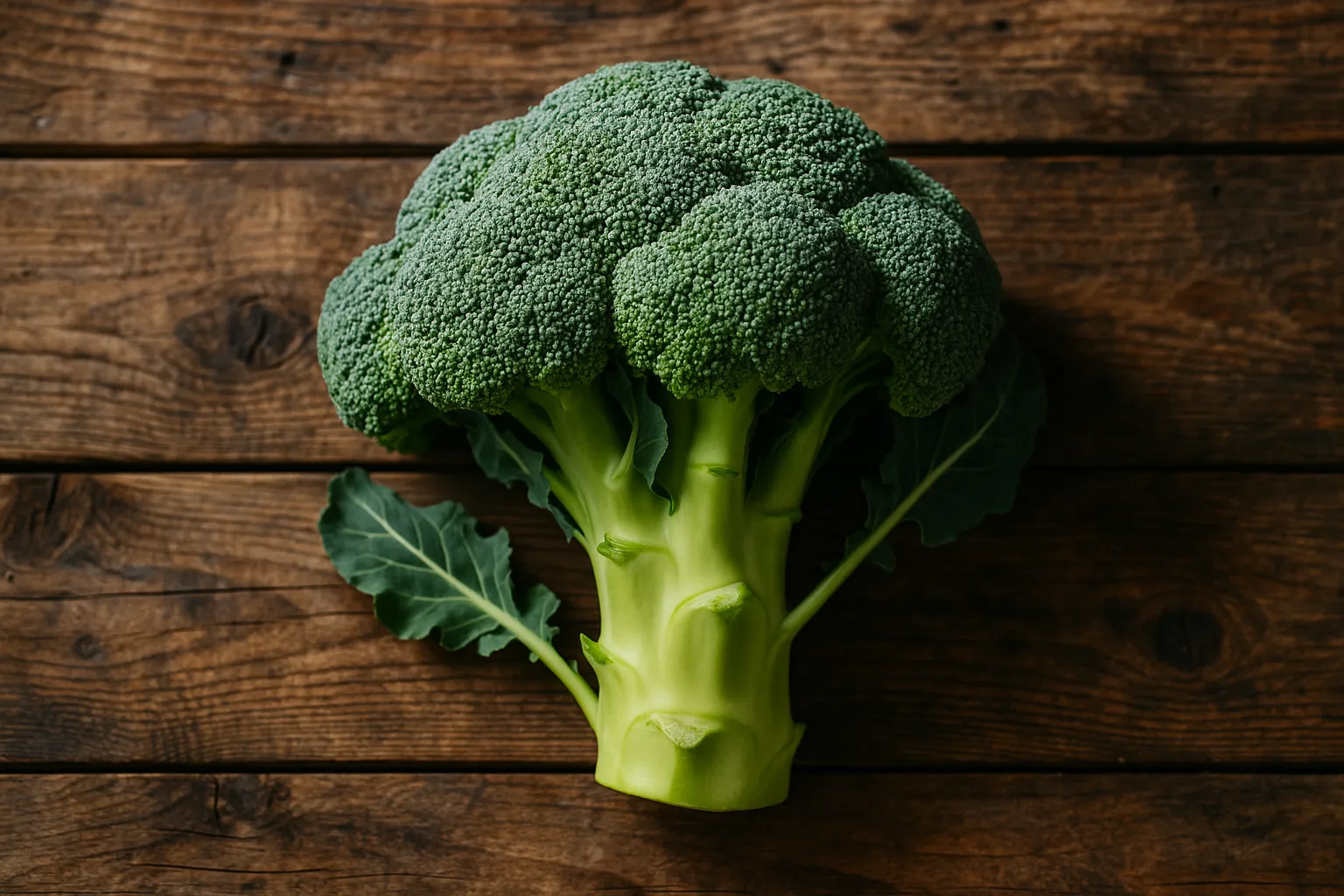
Quick Nutrition Facts
Per 100g Raw Broccoli (1 cup chopped)
| Nutrient | Amount |
|---|---|
| Calories | 34 kcal |
| Protein | 2.8g |
| Carbohydrates | 7g |
| Fiber | 2.6g |
| Sugars | 1.7g |
| Fat | 0.4g |
| Vitamin C | 89mg |
| Vitamin K | 102mcg |
| Folate | 63mcg |
| Potassium | 316mg |
Macronutrient Breakdown
 ChatGPT
  Claude
  AI Mode
  Perplexity
NUTRITIONIST INSIGHT
Broccoli delivers 99% of your daily vitamin C needs in just 100g. The compound sulforaphane found in broccoli has been studied for its potential cancer-prevention properties, especially when consumed raw or lightly steamed.
Myth Busters
MYTH #1: Broccoli Causes Thyroid Problems
TRUTH: Only excessive raw consumption (several cups daily) may affect thyroid in sensitive individuals. Cooking deactivates goitrogens, making broccoli safe even for thyroid patients. 1-2 cups cooked broccoli daily is perfectly safe.
MYTH #2: Frozen Broccoli Is Less Nutritious
TRUTH: Frozen broccoli is flash-frozen at peak freshness, preserving 90-95% of nutrients. Often more nutritious than "fresh" broccoli that's been stored for days.
MYTH #3: You Must Eat Broccoli Raw for Benefits
TRUTH: While raw preserves vitamin C, light steaming (3-4 minutes) actually increases availability of some compounds like lutein and beta-carotene. Steaming is the best cooking method for nutrient retention.
MYTH #4: Broccoli Has No Protein
TRUTH: Broccoli provides 2.8g protein per 100g, higher than most vegetables. While not a primary protein source, it contributes to daily intake with all essential amino acids present.
MYTH #5: Broccoli Causes Gas in Everyone
TRUTH: While broccoli contains raffinose (a complex sugar), not everyone experiences gas. Cooking breaks down these compounds, and regular consumption improves gut tolerance. Start with small portions and increase gradually.
MYTH #6: Broccoli Stems Are Waste
TRUTH: Stems contain the same nutrients as florets, plus extra fiber. Peel the tough outer layer and slice stems thinly for salads, stir-fries, or soups. Zero waste, maximum nutrition.
NutriScore by Health Goals
| Health Goal | NutriScore | Why This Score? |
|---|---|---|
| Weight Loss |  | Only 34 calories per 100g, 2.6g fiber promotes fullness, 89% water content adds volume without calories. Unlimited portions. |
| Muscle Gain |  | Provides 2.8g protein per 100g with complete amino acids, vitamin K supports bone health, sulforaphane aids recovery. |
| Diabetes Management | | Very low GI (10), high fiber slows glucose absorption, chromium supports insulin function. Include in both meals daily. |
| PCOS Management | | Anti-inflammatory compounds, fiber regulates insulin, sulforaphane supports hormone balance. 1-2 cups daily recommended. |
| Pregnancy Nutrition | | Rich in folate (63mcg) prevents neural tube defects, vitamin C aids iron absorption, fiber prevents constipation. Essential daily food. |
| Viral/Flu Recovery | | 89mg vitamin C (99% DV) boosts immunity, sulforaphane has antiviral properties, easy to digest when lightly steamed. |
PERSONALIZED NUTRITION
Track your meals with NutriScan for personalized NutriScores based on your specific health goals!
Blood Sugar Response to Broccoli
Broccoli has minimal impact on blood glucose levels, making it ideal for diabetes management and stable energy.
Typical Glucose Response Curve
*This chart shows typical blood glucose response for general healthy individuals. Individual responses may vary. Not medical advice.*
Optimal Broccoli Pairings
Combining broccoli with healthy fats increases absorption of fat-soluble vitamins (A, K, E):
- 🫒 Olive oil or ghee - Enhances vitamin K and sulforaphane absorption
- 🥜 Nuts or seeds - Adds healthy fats and complete protein profile
- 🥚 Eggs - Vitamin K2 in eggs synergizes with broccoli's K1
- 🐟 Fatty fish (salmon) - Omega-3s complement anti-inflammatory benefits
This combination maximizes nutrient absorption and provides sustained energy without blood sugar spikes.
Cultural Significance
Broccoli originated in Italy over 2,000 years ago, derived from wild cabbage by Roman farmers.
In India:
- Introduced during British colonial period, now grown in Punjab, Haryana, UP
- Called "hari phool gobi" (green cauliflower) in Hindi
- Used in Indian-Chinese fusion: broccoli manchurian, broccoli pakora
- Gaining popularity in metro cities for health benefits and salad bars
Global Impact:
- China produces 50% of world's broccoli supply
- Designated as "superfood" in Western nutrition science
- Cruciferous family includes cabbage, kale, cauliflower, Brussels sprouts
- Growing research focus on sulforaphane for cancer prevention
Compare & Substitute
Broccoli vs Similar Vegetables (Per 100g)
| Nutrient | 🥦 Broccoli | 🥬 Cauliflower | 🥬 Kale | 🥬 Brussels Sprouts |
|---|---|---|---|---|
| Calories | 34 kcal | 25 kcal | 35 kcal | 43 kcal |
| Carbs | 7g | 5g | 4.4g | 9g |
| Fiber | 2.6g | 2g | 4.1g | 3.8g |
| Protein | 2.8g | 1.9g | 2.9g | 3.4g |
| Fat | 0.4g | 0.3g | 1.5g | 0.3g |
| Vitamin C | 89mg (99% DV) | 48mg (53% DV) | 93mg (103% DV) | 85mg (94% DV) |
| Vitamin K | 102mcg (85% DV) | 16mcg (13% DV) | 390mcg (325% DV) | 177mcg (148% DV) |
| Folate | 63mcg | 57mcg | 62mcg | 61mcg |
| Best For | All-around benefits | Low-calorie, mild | Highest nutrients | Fiber, protein |
Frequently Asked Questions
Is broccoli good for weight loss?
Yes, broccoli is one of the best vegetables for weight loss. At just 34 calories per 100g with 2.6g fiber and 89% water content, it adds volume and fullness without excess calories. The high fiber promotes satiety and healthy digestion.
Best practices: Eat 1-2 cups daily, steamed or raw in salads; add to omelets, stir-fries, soups; pair with lean protein for complete meals.
Can diabetics eat broccoli?
Absolutely. Broccoli is ideal for diabetes management with a very low glycemic index (GI 10) and high fiber content that slows glucose absorption. The chromium in broccoli may improve insulin sensitivity.
Tips for diabetics:
- Include in both lunch and dinner without restrictions
- Combine with protein and healthy fat for balanced meals
- Steamed, roasted, or raw preparations all work well
- No blood sugar monitoring needed for broccoli consumption
Research shows cruciferous vegetables like broccoli reduce diabetes complications. Unlimited portions recommended.
How much protein is in broccoli?
100g of raw broccoli contains 2.8g of protein, which increases to approximately 3.7g per cup when cooked due to water loss. While not a primary protein source, broccoli provides all essential amino acids in a complete profile.
For muscle gain or high-protein diets, combine broccoli with chicken, tofu, lentils, or eggs for optimal protein intake.
What are the main health benefits of broccoli?
Key Benefits:
- Cancer Prevention: Sulforaphane compounds studied for anti-cancer properties, especially breast, prostate, colorectal cancers
- Immune Boost: 89mg vitamin C (99% DV) strengthens immune system
- Bone Health: Vitamin K and calcium support bone density
- Heart Health: Fiber, potassium, and antioxidants reduce cardiovascular risk
- Digestive Health: Fiber feeds beneficial gut bacteria
- Eye Health: Lutein and zeaxanthin protect against macular degeneration
Should I eat broccoli raw or cooked?
Both offer benefits - choose based on preference and digestive tolerance:
Raw Broccoli:
- Maximum vitamin C retention
- Highest sulforaphane content (cancer-fighting compound)
- Crunchy texture for salads
- May cause gas in sensitive individuals
Steamed Broccoli (3-4 minutes):
- Retains 90% of nutrients
- Easier to digest
- Enhances availability of lutein, beta-carotene
- Reduces goitrogens for thyroid patients
Avoid: Boiling (destroys 50% of vitamin C) and microwaving at high power.
Recommendation: Mix raw and lightly steamed throughout the week for maximum benefits.
How much broccoli should I eat per day?
General Guidelines:
- 1-2 cups daily - Optimal for most people (provides fiber, vitamins, antioxidants)
- Unlimited amounts - For weight loss and diabetes
- 1 cup daily - Thyroid patients (cook thoroughly to deactivate goitrogens)
Avoid excess (>3 cups raw daily): May cause digestive discomfort, gas, or affect thyroid function in sensitive individuals.
Track your meals with NutriScan app to see how broccoli fits your personal nutrition goals.
Does broccoli cause gas?
Broccoli contains raffinose, a complex sugar that can cause gas when gut bacteria break it down. However, not everyone experiences this.
Tips to reduce gas:
- Cook thoroughly: Steaming or roasting breaks down raffinose
- Start small: Begin with 1/2 cup and gradually increase
- Chew well: Better digestion reduces gas
- Add ginger or cumin: Natural digestive aids
- Regular consumption: Gut adapts over time
If gas persists, try blanching broccoli for 2 minutes before cooking, or switch to easier-to-digest vegetables initially.
Can I eat broccoli every day?
Yes, daily consumption is safe and beneficial for most people. 1-2 cups daily provides consistent nutrients without risks.
Only limit daily intake if you have:
- Hypothyroidism: Limit to 1 cup cooked daily (goitrogens)
- Blood thinners (warfarin): Vitamin K affects medication; maintain consistent intake
- Kidney disease: High potassium may be restricted; consult doctor
For the general population, daily broccoli consumption supports long-term health and chronic disease prevention.




Similar Nutritious Foods
4505 Chicharrones Classic Chili Salt
7 Eleven Japan Crispy Corn Cheese
Explore More Nutrition Tools & Resources
AI Calorie Counter App - Snap a Photo, Get Macros
AI Nutritionist App That Reads Your Logged Meals
Best Protein Supplements for Women
Bulking Meal Plan App That Sets Your Surplus
ChatGPT Calorie Counter Alternative That Keeps the Total
ChatGPT Diet Plan Alternative That Tracks What You Eat
ChatGPT Weight Loss Coach Alternative With a Food Log
Fast Food Calorie Counter App That Reads the Tray
Free Calorie Tracker App with AI Photo Scans | NutriScan
Indian Diet Plan App With Veg and Non Veg Meals
Indian Food Calorie Calculator - Get Instant Nutrition Facts for Desi Meals — 2026
Intermittent Fasting for Women, Timer and Meal Log App
Intermittent Fasting Tracker App - Free Fasting Timer
Macro Tracker App That Fills the Numbers From a Photo
Mediterranean Diet Meal Plan App That Counts the Oil
Micronutrient Tracker App for Vitamins and Minerals
MyFitnessPal Alternative That Stays Free | NutriScan
NutriScore App: A Free Grade on Every Meal | NutriScan
Nutrition Label Scanner App for the Amount You Ate
Second Trimester Protein Guide
Vegetarian Meal Plan App With a Protein Target
Voice Calorie Counter - Speak to Track Meals Hands-Free
Water and Calorie Tracker App - Free Water Log