Buttermilk: Calories, Nutrition and Health Benefits
Traditional fermented dairy powerhouse packed with probiotics, protein, and gut-healing benefits.
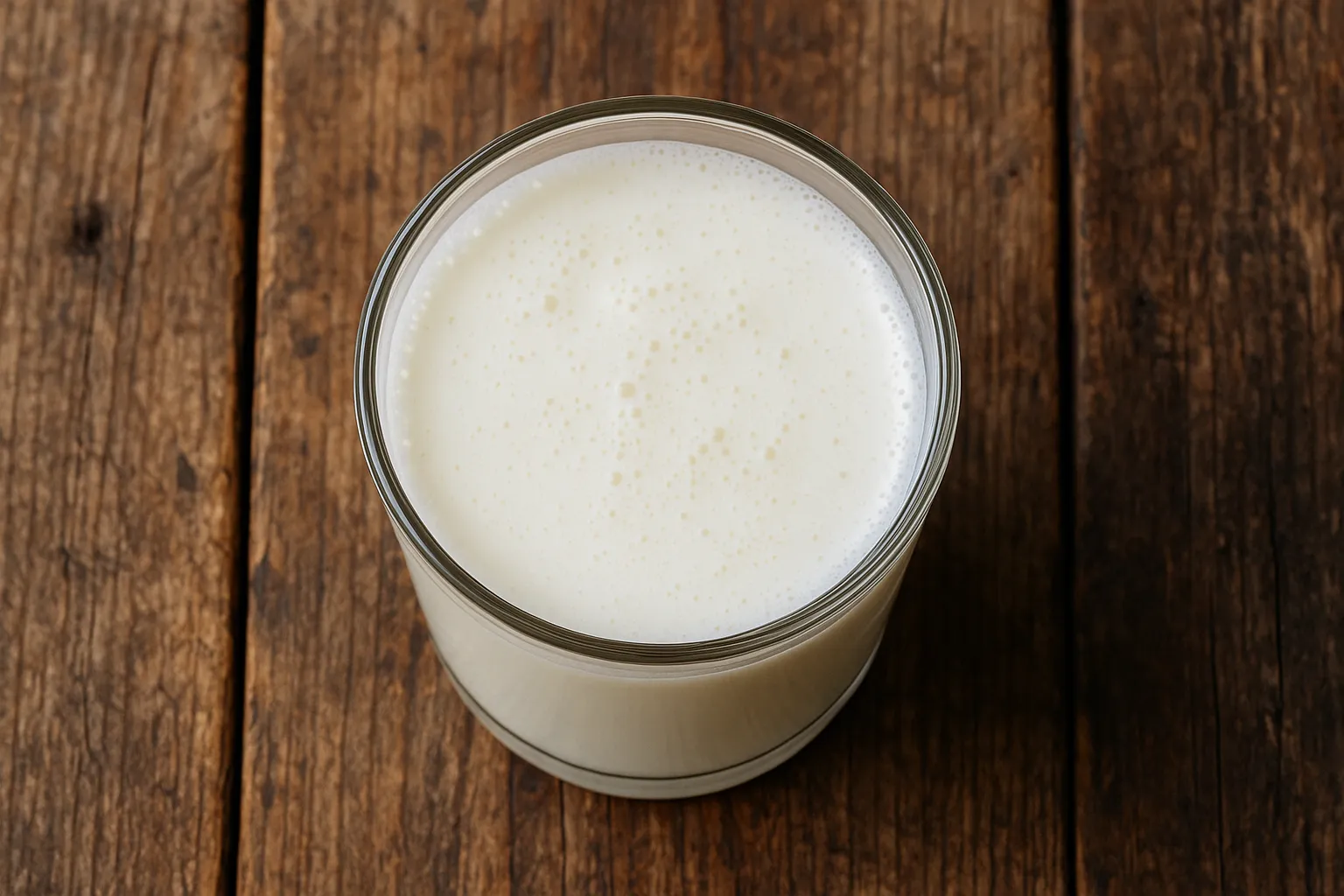
Quick Nutrition Facts
Per 1 Cup Buttermilk (245ml, Low-fat)
| Nutrient | Amount |
|---|---|
| Calories | 98 kcal |
| Protein | 8.1g |
| Carbohydrates | 12g |
| Fat | 2.2g |
| Fiber | 0g |
| Sugars | 12g |
| Calcium | 284mg |
| Potassium | 371mg |
| Vitamin B12 | 0.5mcg |
| Probiotics | Variable (live cultures) |
Macronutrient Breakdown
 ChatGPT
  Claude
  AI Mode
  Perplexity
NUTRITIONIST INSIGHT
Buttermilk is a fermented dairy superfood delivering more probiotics per calorie than Greek yogurt. The fermentation process reduces lactose by 90%, making it digestible for lactose-sensitive individuals. Live cultures like Lactobacillus produce short-chain fatty acids that heal the gut lining, boost immunity, and improve nutrient absorption.
Myth Busters
MYTH #1: Buttermilk is High-Fat and Unhealthy
TRUTH: Modern buttermilk is low-fat (2.2g per cup) with only 98 calories. The fat present includes conjugated linoleic acid (CLA), which supports fat loss. Buttermilk is healthier than regular milk for weight management.
MYTH #2: Buttermilk Has High Lactose Like Regular Milk
TRUTH: Fermentation breaks down 90% of lactose in buttermilk, making it accessible for lactose-intolerant individuals. The lactic acid bacteria consume lactose as fuel, leaving minimal lactose behind.
MYTH #3: Probiotics Are Only in Yogurt
TRUTH: Traditional buttermilk contains more probiotic diversity than most yogurts. Streptococcus lactis and Lactobacillus bacteria thrive in buttermilk. These live cultures survive stomach acid better than many yogurt strains, delivering probiotics to the colon.
MYTH #4: Buttermilk is Too High in Lactose for Diabetics
TRUTH: Buttermilk's 12g carbs (mostly lactose-derived) are mild. The 8.1g protein slows glucose absorption. The probiotics improve insulin sensitivity and glucose metabolism. Diabetics can safely consume 1 cup daily with meals.
MYTH #5: Store-Bought Buttermilk Has No Real Probiotics
TRUTH: Most commercial buttermilk is cultured with live bacterial strains (check labels). While not as diverse as traditional buttermilk, commercial varieties still deliver benefits. Opt for "cultured" buttermilk and refrigerate to preserve live cultures.
MYTH #6: Buttermilk is Only for Cooking
TRUTH: Traditional buttermilk (liquid byproduct of butter-making) is a beverage rich in probiotics and nutrients. While used in cooking, drinking buttermilk delivers maximum probiotic benefits. A 1-cup serving provides a complete digestive wellness boost.
NutriScore by Health Goals
| Health Goal | NutriScore | Why This Score? |
|---|---|---|
| Weight Loss |  | 98 calories, 8.1g protein promotes satiety, probiotics reduce bloating and improve metabolism. Low-fat (2.2g) with fat-burning CLA. |
| Muscle Gain |  | 8.1g protein supports muscle repair, 12g carbs aid recovery, 284mg calcium strengthens bones. Pair with carbs post-workout. |
| Diabetes Management | | Low lactose (90% fermented), high protein slows glucose absorption. Probiotics improve insulin sensitivity. Consume 1 cup with meals. |
| PCOS Management | | Low glycemic load, high protein, probiotics support hormonal balance and reduce inflammation. Calcium aids ovulation; probiotics reduce PCOS-related bloating. |
| Pregnancy Nutrition | | Rich in calcium (284mg) for fetal bone development, vitamin B12 for fetal brain, probiotics support maternal health. |
| Viral/Flu Recovery | | Probiotics boost immune recovery, easily digestible protein aids tissue repair, electrolytes (potassium) restore hydration. |
PERSONALIZED NUTRITION
Track your meals with NutriScan for personalized NutriScores based on your specific health goals!
Blood Sugar Response to Buttermilk
Buttermilk's protein and fermented nature create a minimal glucose impact, making it ideal for blood sugar management.
Typical Glucose Response Curve
This chart shows typical blood glucose response for buttermilk in healthy individuals. Individual responses may vary. Not medical advice.
How to Maximize Benefits
Pair buttermilk strategically to enhance nutrient absorption and stabilize energy:
- 🥬 With high-fiber foods (vegetables, whole grains) - Probiotics improve fiber fermentation
- 🍌 With complex carbs (oats, whole grain bread) - Protein slows carb absorption for sustained energy
- 🥚 With eggs or lean protein - Enhances amino acid absorption and muscle recovery
- 🥗 In smoothies with berries - Combines probiotics with antioxidants and polyphenols
This strategic pairing maximizes probiotic effectiveness and maintains stable blood glucose.
Cultural Significance
Buttermilk holds deep cultural significance across South Asia and beyond.
In India:
- Traditional buttermilk (chaach or lassi) is a staple summer beverage for cooling and hydration
- Used in Ayurvedic medicine for digestive health and balancing vata dosha
- Essential in Indian cooking: buttermilk marinades for meat, tenderizing agent in baking
- Produced daily in villages as a byproduct of traditional butter-making
- Lactose-friendly dairy option in Indian cuisine, accessible to most populations
Global Context:
- Scandinavian cultures ferment buttermilk for longevity and gut health
- German and Dutch cultures use cultured buttermilk in traditional breads and baking
- Increasing recognition in Western nutrition for probiotic benefits and weight management
- Premium fermented buttermilks now available globally, celebrated as a functional food
Compare & Substitute
Buttermilk vs Similar Dairy (Per 100ml)
| Nutrient | 🥛 Buttermilk (Low-fat) | 🥛 Regular Milk | 🥛 Greek Yogurt | 🥛 Kefir (Cultured) |
|---|---|---|---|---|
| Calories | 40 kcal | 61 kcal | 59 kcal | 41 kcal |
| Protein | 3.3g | 3.2g | 10g | 3.3g |
| Carbs | 4.8g | 4.8g | 3.2g | 4g |
| Fat | 0.9g | 3.3g | 0.4g | 0.9g |
| Lactose | 0.5g (fermented) | 4.8g | 3g | 0g (fermented) |
| Calcium | 116mg | 125mg | 127mg | 85mg |
| Probiotics | Yes (Lactobacillus) | No | Yes (Lactobacillus) | Yes (diverse strains) |
| Best For | Weight loss, digestion, gut health | Calcium-rich calcium source | Muscle gain, protein | Lactose-free, max probiotics |
Frequently Asked Questions
Is buttermilk good for weight loss?
Yes, buttermilk supports weight loss effectively. At 40 calories per 100ml with 3.3g protein, it promotes satiety without excess calories. The probiotics improve digestion, reduce bloating, and boost metabolism. The fat present includes CLA, which supports fat oxidation.
Best practices: Drink 1 cup (245ml) with meals, choose cultured varieties for maximum probiotics, consume daily for consistent digestive benefits.
Can diabetics drink buttermilk?
Buttermilk is excellent for diabetics. Fermentation reduces lactose by 90%, minimizing blood sugar impact. The 3.3g protein per 100ml slows carb absorption. Probiotics improve insulin sensitivity and glucose metabolism.
Tips for diabetics: Consume 1 cup daily with meals, avoid added-sugar varieties, pair with high-fiber foods for maximum benefit.
Does buttermilk have probiotics?
Traditional buttermilk contains live cultures of Lactobacillus and Streptococcus bacteria. These probiotics survive stomach acid and reach the colon, where they improve digestive health and boost immunity. Most cultured buttermilk available commercially contains live probiotic cultures; check the label for "cultured" designation.
What are the main health benefits of buttermilk?
Buttermilk delivers probiotics for gut healing, high-quality protein for muscle recovery, calcium (116mg per 100ml) for bone health, and vitamin B12 for energy metabolism. The fermented nature improves nutrient bioavailability, supporting digestion, immunity, and overall wellness.
How does buttermilk compare to regular milk?
Buttermilk has lower lactose (90% fermented), similar protein (3.3g), lower fat (0.9g vs 3.3g), and contains live probiotics unlike regular milk. Buttermilk is easier to digest, has fewer calories (40 vs 61 per 100ml), and delivers digestive benefits unavailable in regular milk.
When should I drink buttermilk?
Consume buttermilk with meals to maximize nutrient absorption and slow glucose impact. Post-workout (with carbs) for muscle recovery. Morning for digestive activation. Afternoon for sustained energy. Avoid on empty stomach if you have sensitive digestion; fermentation reduces lactose but doesn't eliminate it.


Similar Nutritious Dairy & Alternatives
4505 Chicharrones Classic Chili Salt
7 Eleven Japan Crispy Corn Cheese
Explore More Nutrition Tools & Resources
AI Calorie Counter App - Snap a Photo, Get Macros
AI Nutritionist App That Reads Your Logged Meals
Best Protein Supplements for Women
Bulking Meal Plan App That Sets Your Surplus
ChatGPT Calorie Counter Alternative That Keeps the Total
ChatGPT Diet Plan Alternative That Tracks What You Eat
ChatGPT Weight Loss Coach Alternative With a Food Log
Fast Food Calorie Counter App That Reads the Tray
Free Calorie Tracker App with AI Photo Scans | NutriScan
Indian Diet Plan App With Veg and Non Veg Meals
Indian Food Calorie Calculator - Get Instant Nutrition Facts for Desi Meals — 2026
Intermittent Fasting for Women, Timer and Meal Log App
Intermittent Fasting Tracker App - Free Fasting Timer
Macro Tracker App That Fills the Numbers From a Photo
Mediterranean Diet Meal Plan App That Counts the Oil
Micronutrient Tracker App for Vitamins and Minerals
MyFitnessPal Alternative That Stays Free | NutriScan
NutriScore App: A Free Grade on Every Meal | NutriScan
Nutrition Label Scanner App for the Amount You Ate
Second Trimester Protein Guide
Vegetarian Meal Plan App With a Protein Target
Voice Calorie Counter - Speak to Track Meals Hands-Free
Water and Calorie Tracker App - Free Water Log