Carrot Slices: Calories, Nutrition and Health Benefits
Nature's perfect low-calorie snack packed with vitamin A, beta-carotene, and antioxidants for eye health and overall wellness.
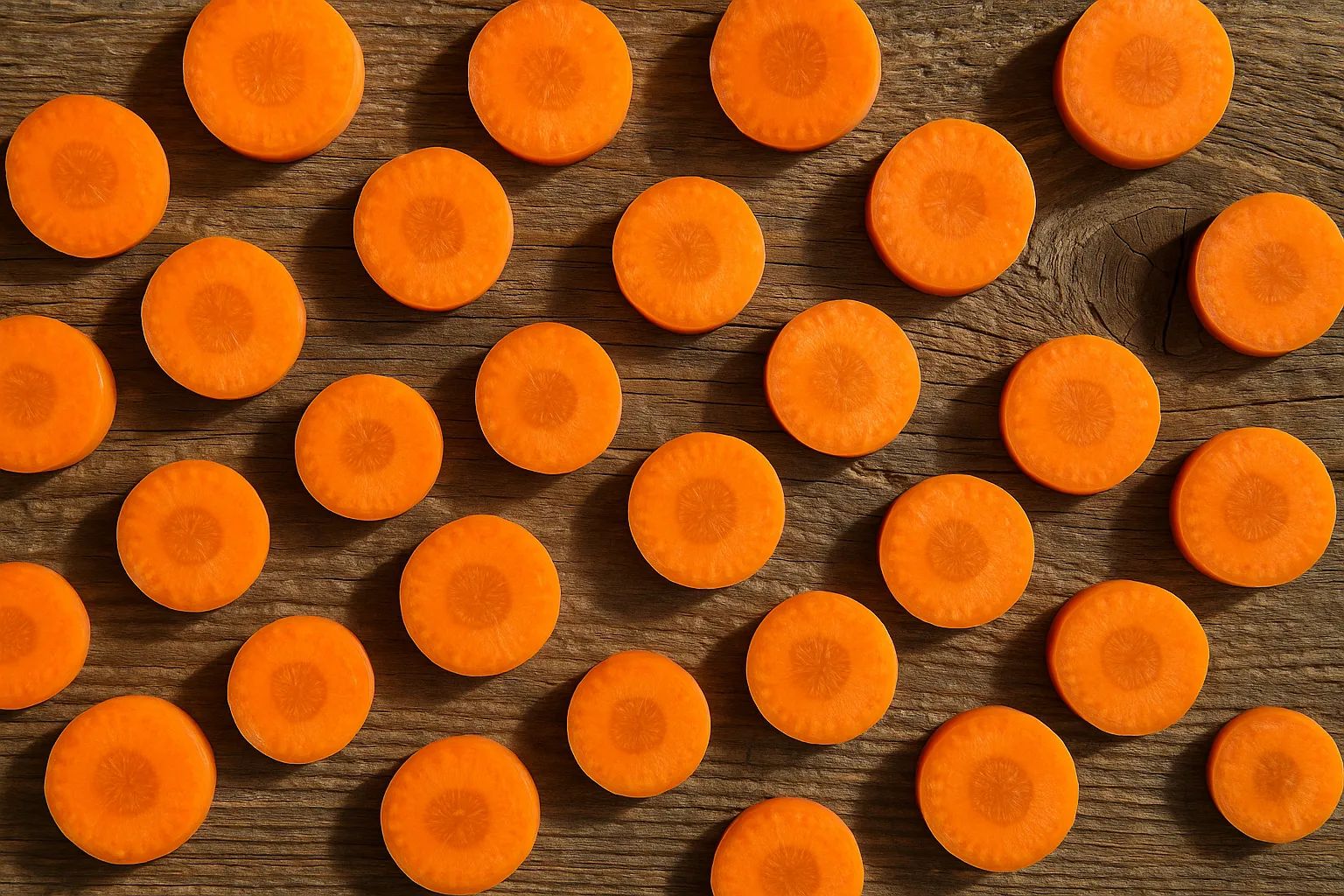
Quick Nutrition Facts
Per 100g (about 1 cup sliced)
| Nutrient | Amount |
|---|---|
| Calories | 41 kcal |
| Protein | 0.9g |
| Carbohydrates | 9.6g |
| Fiber | 2.8g |
| Sugars | 4.7g |
| Fat | 0.2g |
| Vitamin A | 835mcg |
| Beta-carotene | 8280mcg |
| Potassium | 320mg |
| Vitamin K | 13.2mcg |
Macronutrient Breakdown
 ChatGPT
  Claude
  AI Mode
  Perplexity
NUTRITIONIST INSIGHT
Carrot slices provide 93% of your daily vitamin A needs in just 100g. The beta-carotene in raw carrots is a powerful antioxidant that supports immune function, skin health, and eye protection. Pair with healthy fat (olive oil, nuts, hummus) for 3x better beta-carotene absorption.
Myth Busters
MYTH #1: Eating Too Many Carrots Will Turn Your Skin Orange
TRUTH: Only excessive consumption (multiple pounds daily for weeks) can cause harmless carotenemia (orange skin tint). Normal intake (1-2 cups daily) is perfectly safe. Beta-carotene is converted to vitamin A as needed, with excess stored safely in fat tissue.
MYTH #2: Carrots Are High in Sugar and Bad for Diabetics
TRUTH: Raw carrots have a low glycemic index (16-30) despite 4.7g natural sugars per 100g. The fiber slows sugar absorption, making them diabetes-friendly. Only cooked carrots have higher GI (40-50), but still moderate.
MYTH #3: Carrots Improve Your Vision If You Already See Well
TRUTH: Carrots prevent vitamin A deficiency-related vision problems and support night vision, but won't improve already healthy eyesight. They do protect against age-related macular degeneration through lutein and zeaxanthin antioxidants.
MYTH #4: You Need to Cook Carrots to Get Nutrients
TRUTH: Both raw and cooked have benefits. Raw carrots preserve vitamin C and have lower GI. Cooked carrots provide 3x more bioavailable beta-carotene. For maximum benefits, eat both forms.
MYTH #5: Baby Carrots Are a Different Variety
TRUTH: Most "baby carrots" are cut and shaped from regular carrots. They have identical nutrition to carrot slices. True baby carrots (harvested young) are less common and slightly sweeter.
MYTH #6: Carrots Have No Protein or Healthy Fats
TRUTH: Carrots are not significant protein or fat sources (0.9g protein, 0.2g fat per 100g). However, they're not meant to be - they excel as a low-calorie, high-fiber, vitamin A powerhouse that complements protein-rich meals.
NutriScore by Health Goals
| Health Goal | NutriScore | Why This Score? |
|---|---|---|
| Weight Loss |  | Only 41 calories per 100g, 2.8g fiber for satiety, high volume for fullness. Perfect guilt-free snack. |
| Muscle Gain |  | Low in protein (0.9g) and calories; not ideal for muscle building. Use as a low-calorie side, but prioritize protein sources. |
| Diabetes Management | | Low GI (16-30 raw), high fiber slows sugar absorption, beta-carotene may improve insulin sensitivity. |
| PCOS Management | | Low glycemic, anti-inflammatory antioxidants, supports hormonal balance. Ideal daily snack. |
| Pregnancy Nutrition | | Vitamin A essential for fetal development, folate (19mcg), safe low-calorie snack for pregnancy cravings. |
| Viral/Flu Recovery | | High vitamin A boosts immunity, antioxidants fight inflammation, easy to digest, hydrating (88% water). |
PERSONALIZED NUTRITION
Track your meals with NutriScan for personalized NutriScores based on your specific health goals!
Blood Sugar Response to Carrot Slices
Understanding how raw carrot slices affect your blood glucose can help you make informed snacking decisions.
Typical Glucose Response Curve
This chart shows typical blood glucose response for general healthy individuals eating raw carrots. Individual responses may vary. Not medical advice.
How to Keep Blood Sugar Stable
Pairing carrot slices with protein or healthy fat minimizes any blood sugar impact and improves vitamin A absorption:
- 🥜 Hummus or tahini - Adds healthy fats, protein, and extra fiber
- 🧀 Cheese cubes or string cheese - Provides protein and fat
- 🥜 Almond or peanut butter - Healthy fats boost beta-carotene absorption by 3x
- 🥛 Greek yogurt dip - Protein slows digestion, improves satiety
This combination keeps blood sugar stable while maximizing nutrient absorption.
Cultural Significance
Carrots (Daucus carota) originated in Afghanistan over 1,000 years ago. Originally purple or white, orange carrots were developed in the Netherlands in the 17th century.
In India:
- Essential vegetable in Indian cuisine: gajar ka halwa (dessert), gajar matar sabzi (curry), salads
- Used in Ayurveda for digestive health, liver support, and eye care
- Kanji (fermented carrot drink) consumed during festivals, especially Holi
- Major producer: India grows over 1.5 million tons annually
Global Impact:
- Most popular root vegetable globally after potatoes
- Available year-round; peak season autumn and spring
- 40+ million tons produced worldwide annually
- Symbol of healthy eating campaigns in schools worldwide
Compare & Substitute
Carrot Slices vs Similar Vegetables (Per 100g)
| Nutrient | 🥕 Carrot Slices | 🥒 Cucumber Slices | 🍅 Cherry Tomatoes | 🫑 Bell Peppers |
|---|---|---|---|---|
| Calories | 41 kcal | 15 kcal | 18 kcal | 31 kcal |
| Carbs | 9.6g | 3.6g | 3.9g | 6g |
| Fiber | 2.8g | 0.5g | 1.2g | 2.1g |
| Protein | 0.9g | 0.7g | 0.9g | 1g |
| Fat | 0.2g | 0.1g | 0.2g | 0.3g |
| Vitamin A | 835mcg (93% DV) | 5mcg (1% DV) | 42mcg (5% DV) | 157mcg (17% DV) |
| Vitamin C | 5.9mg (7% DV) | 2.8mg (3% DV) | 13.7mg (15% DV) | 127.7mg (142% DV) |
| Potassium | 320mg | 147mg | 237mg | 211mg |
| Best For | Eye health, vitamin A | Hydration, very low calorie | Antioxidants, lycopene | Vitamin C, weight loss |
Frequently Asked Questions
Are carrot slices good for weight loss?
Yes, carrot slices are excellent for weight loss. With only 41 calories per 100g and 2.8g fiber, they provide satisfying crunch and volume without excess calories. The fiber promotes fullness, aids digestion, and supports healthy gut bacteria.
Best practices: Eat raw as snacks (with hummus, Greek yogurt, or alone); prepare 1-2 cups for afternoon snacks; use as low-calorie meal fillers; avoid high-calorie dips like ranch dressing.
Can diabetics eat carrot slices?
Yes, diabetics can safely eat carrot slices. Raw carrots have a low glycemic index (16-30), making them one of the most diabetes-friendly vegetables.
Tips for diabetics: Always eat raw (cooking increases GI); pair with protein or fat; monitor portions (1 cup = 12g carbs); test blood sugar response; excellent afternoon snack choice.
Beta-carotene may also improve insulin sensitivity. Always consult your healthcare provider.
How much vitamin A is in carrot slices?
Carrot slices provide 835 mcg RAE of vitamin A per 100g, which is 93% of the daily requirement for men and 110% for women. They contain 8280 mcg of beta-carotene, which the body converts to vitamin A as needed.
This makes carrots one of the richest food sources of vitamin A, essential for eye health, immune function, skin health, and cell growth.
What are the main health benefits of carrot slices?
Key Benefits:
- Eye Health: Vitamin A and beta-carotene support night vision, prevent dry eyes, and reduce risk of age-related macular degeneration
- Weight Management: Only 41 calories with high fiber and water content (88%) for satiety
- Heart Health: Potassium supports blood pressure; antioxidants reduce inflammation
- Immune Support: Vitamin A strengthens immune system; vitamin C fights infections
- Digestive Health: 2.8g fiber promotes regular bowel movements and gut health
- Cancer Prevention: Antioxidants (beta-carotene, lutein) may reduce cancer risk
Should I eat carrots raw or cooked?
Both have unique benefits - choose based on your goals:
Raw Carrot Slices:
- More vitamin C (heat destroys some)
- Lower glycemic index (better for blood sugar)
- Crunchier texture for weight loss satisfaction
- Better for salads and snacking
Cooked Carrots:
- 3x more bioavailable beta-carotene (vitamin A)
- Easier to digest
- Sweeter, softer taste
- Better for soups, stews, and roasting
Recommendation: Eat both forms to maximize benefits. Raw for weight loss and blood sugar control; cooked for maximum vitamin A absorption.
Do carrots really improve eyesight?
Carrots support eye health but won't improve already healthy vision. They provide vitamin A and beta-carotene, essential for:
- Night vision: Vitamin A produces rhodopsin pigment in the eye
- Preventing deficiency: Vitamin A deficiency causes blindness
- Age-related protection: Lutein and zeaxanthin protect against macular degeneration and cataracts
The truth: Carrots maintain healthy vision and prevent deterioration but won't give you superhuman eyesight or eliminate the need for glasses.
How many carrot slices should I eat per day?
General Guidelines:
- 1-2 cups daily (100-200g) - Most people for general health
- 1/2-1 cup daily - Weight loss or very low-carb diets
- 2-3 cups daily - Athletes, pregnancy, or vitamin A deficiency
Maximum intake: 3-4 cups daily maximum to avoid carotenemia (harmless orange skin tint from excessive beta-carotene).
Best timing: As snacks between meals, with lunch, or pre-dinner to curb appetite. Pair with healthy fat for better nutrient absorption.
Track your meals with NutriScan app to see how carrot slices fit your personal nutrition goals.
Are carrot slices safe during pregnancy?
Yes, carrot slices are highly beneficial during pregnancy. They provide vitamin A (essential for fetal eye and organ development), folate, fiber, and potassium without excess calories.
Pregnancy benefits:
- Vitamin A: Supports fetal development (avoid high-dose supplements, food sources are safe)
- Folate (19mcg): Prevents neural tube defects
- Fiber: Relieves pregnancy constipation
- Hydration: 88% water content
Recommendation: 1-2 cups daily is safe and beneficial. Always wash thoroughly. Consult your healthcare provider.


Similar Nutritious Vegetables
4505 Chicharrones Classic Chili Salt
7 Eleven Japan Crispy Corn Cheese
Explore More Nutrition Tools & Resources
AI Calorie Counter App - Snap a Photo, Get Macros
AI Nutritionist App That Reads Your Logged Meals
Best Protein Supplements for Women
Bulking Meal Plan App That Sets Your Surplus
ChatGPT Calorie Counter Alternative That Keeps the Total
ChatGPT Diet Plan Alternative That Tracks What You Eat
ChatGPT Weight Loss Coach Alternative With a Food Log
Fast Food Calorie Counter App That Reads the Tray
Free Calorie Tracker App with AI Photo Scans | NutriScan
Indian Diet Plan App With Veg and Non Veg Meals
Indian Food Calorie Calculator - Get Instant Nutrition Facts for Desi Meals — 2026
Intermittent Fasting for Women, Timer and Meal Log App
Intermittent Fasting Tracker App - Free Fasting Timer
Macro Tracker App That Fills the Numbers From a Photo
Mediterranean Diet Meal Plan App That Counts the Oil
Micronutrient Tracker App for Vitamins and Minerals
MyFitnessPal Alternative That Stays Free | NutriScan
NutriScore App: A Free Grade on Every Meal | NutriScan
Nutrition Label Scanner App for the Amount You Ate
Second Trimester Protein Guide
Vegetarian Meal Plan App With a Protein Target
Voice Calorie Counter - Speak to Track Meals Hands-Free
Water and Calorie Tracker App - Free Water Log