Chai (Indian Tea): Calories, Nutrition and Health Benefits
India's beloved beverage brewed with aromatic spices, black tea leaves, milk, and sweetness - a cultural staple enjoyed billions of times daily.
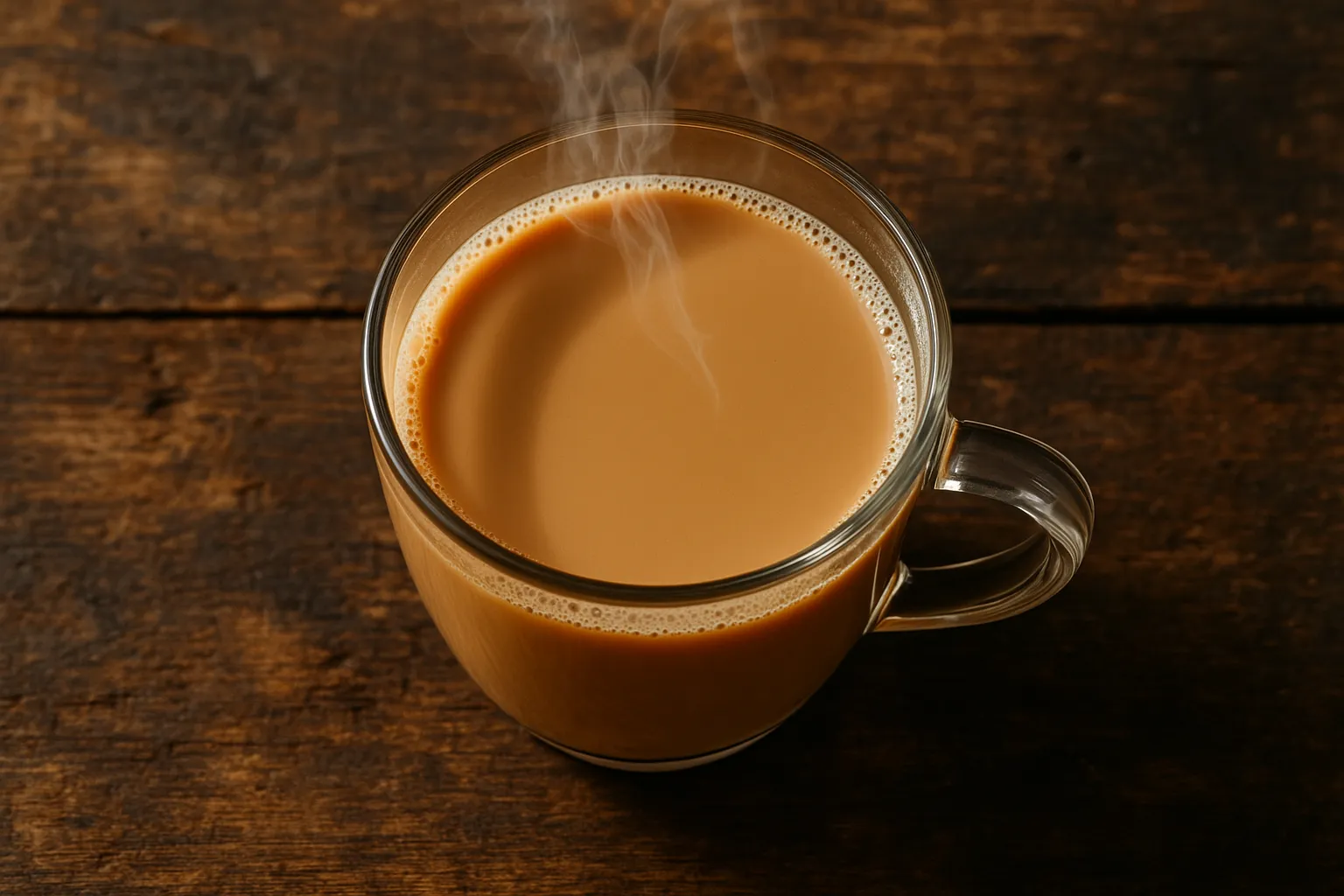
Quick Nutrition Facts
Per 1 Cup with Milk & Sugar (240ml)
| Nutrient | Amount |
|---|---|
| Calories | 120 kcal |
| Protein | 4g |
| Carbohydrates | 18g |
| Fiber | 0g |
| Sugars | 15g |
| Fat | 3g |
| Calcium | 150mg |
| Caffeine | 50mg |
| Potassium | 180mg |
Macronutrient Breakdown
 ChatGPT
  Claude
  AI Mode
  Perplexity
NUTRITIONIST INSIGHT
Chai's spices - ginger, cinnamon, cardamom, and cloves - provide powerful anti-inflammatory compounds. Black tea polyphenols may improve insulin sensitivity, making unsweetened chai a metabolically beneficial beverage.
Myth Busters
MYTH #1: Chai Causes Weight Gain
TRUTH: Traditional sweet chai has 120 calories, but plain chai with milk has only 50-60 calories. The spices in chai may boost metabolism. Weight gain comes from excessive sugar, not the tea itself. Switch to stevia or drink black chai.
MYTH #2: Chai Dehydrates You
TRUTH: While caffeine has mild diuretic effects, research shows tea contributes to daily fluid intake. The water content outweighs caffeine's diuretic effect. Chai counts toward your daily hydration goals.
MYTH #3: Chai on Empty Stomach Is Harmful
TRUTH: For most people, morning chai is fine. Only avoid if you have GERD, acidity, or ulcers. The tannins in tea can irritate sensitive stomachs. If prone to acidity, drink chai after breakfast with ginger for better tolerance.
MYTH #4: All Chai Has the Same Caffeine
TRUTH: Caffeine varies significantly: strong cutting chai (70mg), regular chai (50mg), tea bag chai (30mg). Brewing time, leaf type, and milk ratio affect caffeine content. Longer steeping = more caffeine.
MYTH #5: Adding Milk Destroys Tea Antioxidants
TRUTH: Milk proteins may bind to some antioxidants but don't eliminate benefits. Studies show milk tea still provides significant polyphenol absorption. The spices in chai add additional antioxidant compounds.
NutriScore by Health Goals
| Health Goal | NutriScore | Why This Score? |
|---|---|---|
| Weight Loss |  | Black chai (5-10 cal) or unsweetened with milk (50 cal) supports weight loss. Spices boost metabolism; caffeine increases fat oxidation. |
| Muscle Gain |  | 4g protein per cup is minimal. Better as pre-workout energizer. Pair with protein-rich breakfast. |
| Diabetes Management |  | Unsweetened chai excellent choice. Black tea may improve insulin sensitivity; cinnamon helps regulate blood sugar. |
| PCOS Management | | Unsweetened chai with anti-inflammatory spices supports PCOS. Cinnamon may improve insulin resistance; avoid sugar. |
| Pregnancy Nutrition | | Moderate caffeine (50mg) safe during pregnancy. Provides calcium (150mg). Limit to 2 cups daily; avoid excess ginger in first trimester. |
| Viral/Flu Recovery | | Ginger reduces nausea, turmeric fights inflammation, warm liquid soothes throat. Rich in antioxidants for immune support. |
PERSONALIZED NUTRITION
Track your beverages with NutriScan for personalized NutriScores based on your specific health goals!
Blood Sugar Response to Chai
Understanding how different chai preparations affect blood glucose helps optimize your tea routine.
Typical Glucose Response Curve
This chart shows blood glucose response for chai with milk and 2 teaspoons sugar. Unsweetened chai has minimal impact on blood sugar. Individual responses vary. Not medical advice.
How to Minimize Blood Sugar Impact
Chai preparation significantly affects glucose response. Choose modifications based on your goals:
- 🌿 Stevia or monk fruit - Zero-calorie natural sweeteners, no glucose spike
- 🥛 Use low-fat milk - Reduces calories while maintaining calcium
- 🫖 Black chai (no milk, no sugar) - 5-10 calories, negligible blood sugar impact
- 🧡 Add extra cinnamon - May improve insulin sensitivity and glucose metabolism
Avoid pairing sweet chai with sugary snacks or biscuits, which compound the glucose spike.
Cultural Significance
Chai is more than a beverage in India - it's a social ritual, a moment of pause, and a symbol of hospitality woven into daily life.
In India:
- Originated from British colonial tea plantations in Assam and Darjeeling
- "Chai pe charcha" (discussion over tea) is foundational to Indian social culture
- Sold by street vendors (chaiwalas) in clay cups (kulhad) across the nation
- Regional variations: kadak (strong), adrak (ginger-heavy), masala (spiced), cutting (half cup)
- Served to guests as first gesture of hospitality
Global Impact:
- Chai latte popularized in Western coffee shops (Starbucks, Peet's Coffee)
- Chai masala blend exported worldwide; pre-mixed powders available globally
- "Chai" means tea in Hindi, so "chai tea" is redundant (tea tea)
- Growing appreciation for authentic masala chai vs commercial chai lattes
Compare & Substitute
Chai vs Similar Beverages (Per 240ml cup)
| Nutrient | ☕ Chai (milk+sugar) | ☕ Black Coffee | 🍵 Green Tea | 🥛 Turmeric Latte |
|---|---|---|---|---|
| Calories | 120 kcal | 5 kcal | 2 kcal | 150 kcal |
| Carbs | 18g | 0g | 0g | 20g |
| Protein | 4g | 0.3g | 0g | 5g |
| Fat | 3g | 0g | 0g | 7g |
| Caffeine | 50mg | 95mg | 25mg | 0mg |
| Calcium | 150mg | 5mg | 0mg | 180mg |
| Sugar | 15g | 0g | 0g | 18g |
| Best For | Energy + spices | High caffeine | Antioxidants | Anti-inflammatory |
Frequently Asked Questions
Is chai good for weight loss?
Chai can support weight loss when prepared mindfully. The key is reducing or eliminating added sugar.
Weight loss approach:
- Black chai: 5-10 calories, zero sugar, maximum metabolic benefits
- Unsweetened milk chai: 50-60 calories, provides calcium and protein
- Metabolism boost: Ginger, cinnamon, black pepper increase thermogenesis
- Caffeine benefit: 50mg caffeine enhances fat oxidation during exercise
Limit to 2-3 cups daily; excessive caffeine can increase cortisol and stress hormones, which may hinder weight loss. Track in NutriScan to monitor daily calories.
How much caffeine is in chai?
Caffeine content varies by preparation method and tea leaf type:
Typical caffeine levels:
- Cutting chai (strong): 70mg per cup
- Regular milk chai: 50mg per cup
- Tea bag chai: 30mg per cup
- Masala chai: 45-55mg per cup
For comparison: Coffee (95mg), Green tea (25mg), Black tea (40-70mg)
Factors affecting caffeine: Leaf type (Assam higher than Darjeeling); brewing time (longer = more); leaf-to-water ratio; milk dilution.
Pregnant women should limit to 200mg caffeine daily (max 4 cups chai).
Can diabetics drink chai?
Yes, diabetics can drink chai by eliminating or minimizing sugar and choosing the right preparation.
Diabetes-friendly chai tips:
- Skip sugar entirely or use stevia, erythritol, or monk fruit
- Use low-fat milk to reduce saturated fat
- Add cinnamon - studies show it may improve insulin sensitivity
- Time it right: Avoid with sweet snacks; pair with protein-rich breakfast
Black tea contains polyphenols that may improve glucose metabolism. Chai spices (ginger, cinnamon) have anti-inflammatory properties beneficial for diabetes management.
What are the health benefits of chai?
Scientifically-backed benefits:
- Antioxidant Power: Black tea provides theaflavins and catechins that fight oxidative stress
- Heart Health: Regular tea consumption associated with lower cardiovascular disease risk
- Anti-inflammatory: Ginger, cinnamon, cardamom reduce inflammation markers
- Digestive Support: Ginger eases nausea; fennel aids digestion; cardamom reduces bloating
- Cognitive Function: Caffeine + L-theanine improve focus and alertness
- Immune Boost: Spices contain antimicrobial compounds; vitamin C from lemon enhances immunity
Mineral content: Calcium (150mg per cup with milk), potassium, manganese from tea leaves.
When is the best time to drink chai?
Optimal timing depends on your goals:
- Morning (6-10 AM): Best for energy boost, kickstarts metabolism, pairs well with breakfast
- Mid-afternoon (3-5 PM): Combats post-lunch fatigue, improves focus for work
- Post-meal: Aids digestion (especially with ginger), traditional Indian practice
- Pre-workout: Caffeine enhances exercise performance and fat burning
AVOID THESE TIMES
- On empty stomach (if prone to acidity/GERD)
- 2-3 hours before bed (caffeine disrupts sleep quality)
- Immediately after iron-rich meals (tannins reduce iron absorption)
Is chai healthier than coffee?
Both beverages offer health benefits; choice depends on personal health goals and tolerance.
Chai advantages:
- Lower caffeine (50mg) = gentler energy, less jitters, better sleep
- Anti-inflammatory spices provide additional health compounds
- Easier on stomach; less acidic than coffee
- Provides calcium (150mg) when made with milk
- Sustained energy without sharp crash
Coffee advantages:
- Higher caffeine (95mg) for stronger alertness
- More potent metabolism boost
- Better for high-intensity pre-workout
- Fewer calories if black (5 kcal)
Recommendation: Chai for daily sipping and digestion; coffee for intense focus or morning kickstart. If sensitive to caffeine, chai is gentler option.
How to make healthy chai?
Healthier chai recipe (per cup):
- Use loose leaf tea: More antioxidants than tea bags
- Fresh spices: Crushed ginger, cinnamon stick, cardamom pods, black pepper, cloves
- Low-fat or plant milk: Reduces calories and saturated fat
- Natural sweetener or none: Stevia, monk fruit, or develop taste for unsweetened
- Brewing method: Simmer spices first, add tea last 2-3 minutes to preserve antioxidants
Ingredient modifications:
- Add turmeric for extra anti-inflammatory power
- Use tulsi (holy basil) leaves for adaptogenic benefits
- Add fennel seeds for digestive support
- Include lemongrass for fresh citrus notes
- Skip sugar; let natural spice flavors shine
Avoid: Pre-mixed chai powders (high sugar, artificial flavors), excessive boiling (destroys antioxidants), more than 3 cups daily (excess caffeine).


Similar Nutritious Beverages
4505 Chicharrones Classic Chili Salt
7 Eleven Japan Crispy Corn Cheese
Explore More Nutrition Tools & Resources
AI Calorie Counter App - Snap a Photo, Get Macros
AI Nutritionist App That Reads Your Logged Meals
Best Protein Supplements for Women
Bulking Meal Plan App That Sets Your Surplus
ChatGPT Calorie Counter Alternative That Keeps the Total
ChatGPT Diet Plan Alternative That Tracks What You Eat
ChatGPT Weight Loss Coach Alternative With a Food Log
Fast Food Calorie Counter App That Reads the Tray
Free Calorie Tracker App with AI Photo Scans | NutriScan
Indian Diet Plan App With Veg and Non Veg Meals
Indian Food Calorie Calculator - Get Instant Nutrition Facts for Desi Meals — 2026
Intermittent Fasting for Women, Timer and Meal Log App
Intermittent Fasting Tracker App - Free Fasting Timer
Macro Tracker App That Fills the Numbers From a Photo
Mediterranean Diet Meal Plan App That Counts the Oil
Micronutrient Tracker App for Vitamins and Minerals
MyFitnessPal Alternative That Stays Free | NutriScan
NutriScore App: A Free Grade on Every Meal | NutriScan
Nutrition Label Scanner App for the Amount You Ate
Second Trimester Protein Guide
Vegetarian Meal Plan App With a Protein Target
Voice Calorie Counter - Speak to Track Meals Hands-Free
Water and Calorie Tracker App - Free Water Log