Chia Seeds: Calories, Nutrition and Health Benefits
Ancient Aztec superfood packed with omega-3 fatty acids, complete protein, and extraordinary fiber—nature's ultimate nutritional powerhouse.
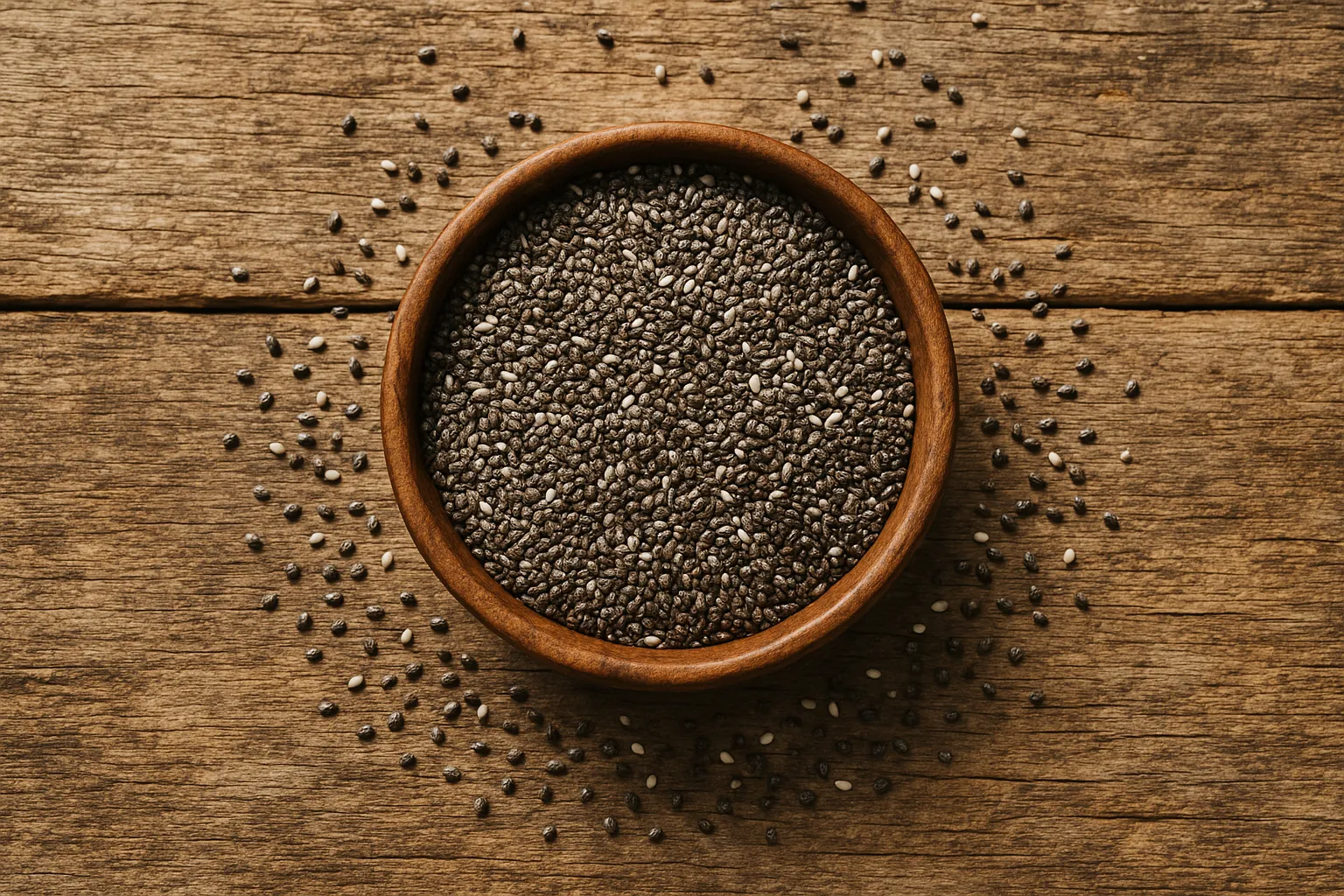
Quick Nutrition Facts
Per 2 Tablespoons (28g)
| Nutrient | Amount |
|---|---|
| Calories | 138 kcal |
| Protein | 4.7g |
| Carbohydrates | 12g |
| Fiber | 9.8g |
| Sugars | 0g |
| Fat | 8.7g |
| Omega-3 ALA | 5g |
| Calcium | 179mg |
| Magnesium | 95mg |
| Phosphorus | 244mg |
Macronutrient Breakdown
 ChatGPT
  Claude
  AI Mode
  Perplexity
NUTRITIONIST INSIGHT
Chia seeds contain the highest plant-based omega-3 content at 5g per serving—8x more than salmon per weight. The 10g fiber absorbs 12x its weight in water, creating exceptional satiety for weight management.
Myth Busters
MYTH #1: Chia Seeds Cause Weight Gain Because of High Calories
TRUTH: While 138 calories per 2 tbsp seems high, the 10g fiber and protein create fullness that reduces overall intake. Studies show chia seeds aid weight loss when replacing less nutritious foods.
MYTH #2: You Need to Grind Chia Seeds for Nutrient Absorption
TRUTH: Unlike flaxseeds, chia seeds can be eaten whole. Their outer layer softens when soaked, allowing nutrient absorption. Grinding is optional and doesn't significantly improve bioavailability.
MYTH #3: Chia Seeds Are Just a Fad with No Real Benefits
TRUTH: Chia seeds have 574 peer-reviewed studies confirming benefits for diabetes, heart health, inflammation, and weight management. Ancient Aztecs used them for sustained energy—time-tested, not trendy.
MYTH #4: Chia Seeds Cause Digestive Problems
TRUTH: Only if eaten dry in large amounts. Properly soaked chia seeds (15-30 min in water) are gentle on digestion. The fiber actually improves gut health, regularity, and microbiome diversity.
MYTH #5: Chia Seeds Are Expensive and Not Worth It
TRUTH: At $8-12 per pound, one serving (2 tbsp) costs $0.30-0.50. Compare to salmon ($4-6 per serving) for similar omega-3. The nutritional density—complete protein, fiber, omega-3, minerals—provides exceptional value.
MYTH #6: Pregnant Women Should Avoid Chia Seeds
TRUTH: Chia seeds are highly recommended during pregnancy. Rich in omega-3 for fetal brain development, calcium for bones, iron for blood, and fiber for constipation relief. Safe and beneficial.
NutriScore by Health Goals
| Health Goal | NutriScore | Why This Score? |
|---|---|---|
| Weight Loss |  | 10g fiber creates fullness; absorbs water to expand in stomach. Reduces appetite and food intake when consumed before meals. |
| Muscle Gain |  | 4.7g complete protein with all essential amino acids. Not high-protein source, but omega-3 reduces inflammation for recovery. Add to post-workout shakes. |
| Diabetes Management | | Improves insulin sensitivity and reduces post-meal glucose spikes. Fiber slows carb digestion. Excellent addition to diabetic meal plans. |
| PCOS Management | | High fiber improves insulin resistance, key PCOS factor. Omega-3 reduces inflammation and hormonal imbalance. Supports regular cycles. |
| Pregnancy Nutrition | | Omega-3 ALA supports fetal brain development, calcium builds bones, iron prevents anemia, fiber relieves constipation. |
| Viral/Flu Recovery | | Easy to digest when soaked, provides sustained energy. Antioxidants support immunity. Omega-3 reduces inflammation. Gentle on stomach during illness. |
PERSONALIZED NUTRITION
Track your meals with NutriScan for personalized NutriScores based on your specific health goals!
Blood Sugar Response to Chia Seeds
Chia seeds have minimal direct blood sugar impact due to extremely low net carbs (2g per serving). When added to meals, they significantly reduce glucose spikes.
Typical Glucose Response Curve
This chart shows typical blood glucose response when chia seeds are added to a meal with carbohydrates. Individual responses may vary. Not medical advice.
How to Use Chia Seeds for Blood Sugar Control
Adding chia seeds to carb-rich meals creates a "second meal effect"—improved glucose response hours later:
- 🥣 In oatmeal or porridge - Fiber slows oat carb absorption
- 🥤 In smoothies with fruits - Reduces fruit sugar spike
- 🍞 In bread or baked goods - Lowers glycemic index of baked items
- 🍚 Mixed with rice or grains - Moderates grain glucose impact
Studies show 1-2 tbsp chia seeds before a meal can reduce post-meal glucose by 15-30%.
Cultural Significance
Chia seeds (Salvia hispanica) were a cornerstone of Aztec and Mayan civilizations, cultivated in Mexico since 3500 BCE.
Historical Importance:
- Name derives from Mayan word "chiabaan" meaning "strengthening"
- Aztec warriors consumed chia for sustained energy during battles and long-distance runs
- Used as currency and offered to Aztec gods in religious ceremonies
- Disappeared after Spanish conquest; rediscovered in 1990s
In India:
- Similar to native sabja seeds (basil seeds), but nutritionally superior
- Growing popularity in health-conscious urban communities
- Used in detox waters, smoothie bowls, and health food cafes
- Ayurvedic practitioners incorporating for sattvic (pure) diets
Global Revival:
- Classified as superfood since 2000s
- Major producer: Argentina, Bolivia, Peru, Mexico
- NASA evaluated for astronaut nutrition on long-duration space missions
- Vegan and gluten-free communities embrace as protein and omega-3 source
Compare & Substitute
Chia Seeds vs Similar Superfoods (Per 2 tbsp/28g)
| Nutrient | 🌱 Chia Seeds | 🌱 Flaxseeds | 🌱 Hemp Seeds | 🌰 Almonds |
|---|---|---|---|---|
| Calories | 138 kcal | 150 kcal | 166 kcal | 164 kcal |
| Carbs | 12g | 8g | 2.6g | 6g |
| Fiber | 9.8g | 7.6g | 2.8g | 3.4g |
| Protein | 4.7g | 5.2g | 9.2g | 6g |
| Fat | 8.7g | 12g | 14g | 14g |
| Omega-3 | 5g (ALA) | 6.4g (ALA) | 2.8g (ALA + GLA) | 0.01g |
| Calcium | 179mg | 71mg | 20mg | 76mg |
| Best For | Weight loss, hydration, pregnancy | Digestive health, omega-3 (must grind) | Complete protein, balanced fats | Vitamin E, heart health |
Frequently Asked Questions
How many calories are in 2 tablespoons of chia seeds?
Two tablespoons of chia seeds (28g) have 138 calories, with 8.7g fat, 12g carbs, 9.8g fiber and 4.7g protein. Net carbs work out at about 2g once the fiber is subtracted. Soaking changes nothing about the calories, it only adds water and volume.
Per 1 tablespoon (14g): 69 calories, 2.4g protein, 4.9g fiber.
Are chia seeds good for weight loss?
Yes, chia seeds are exceptionally effective for weight loss. The 10g fiber per 2 tbsp absorbs up to 12x its weight in water, expanding in your stomach to create lasting fullness.
Weight loss strategies:
- Soak 2 tbsp in water 30 min before meals to reduce appetite
- Add to smoothies for sustained energy without hunger
- Mix into yogurt or oatmeal for fiber-rich breakfast
- Limit to 2-4 tbsp daily (stay within 200-300 calorie range)
Studies show participants eating chia seeds consume 25% fewer calories throughout the day.
Can diabetics eat chia seeds?
Absolutely—chia seeds are one of the best foods for diabetics. With only 2g net carbs per serving (12g total minus 10g fiber), they have minimal glucose impact.
Diabetes benefits:
- Improves insulin sensitivity over time
- Reduces post-meal blood sugar spikes by 15-30%
- Slows carbohydrate digestion and absorption
- Provides sustained energy without glucose crashes
Best practices: Add 1-2 tbsp to meals with carbs (rice, bread, oats); always soak before consuming; monitor blood sugar to assess personal response.
How much protein is in chia seeds?
Two tablespoons of chia seeds contain 4.7g of complete protein with all nine essential amino acids—rare for plant sources.
While not a high-protein food compared to meat or legumes, chia seeds boost protein intake for vegetarians and vegans. Combine with Greek yogurt, protein powder, or nuts for higher-protein meals.
What are the main health benefits of chia seeds?
Key Benefits:
- Heart Health: 5g omega-3 ALA reduces inflammation, cholesterol, blood pressure
- Blood Sugar Control: 10g fiber improves insulin sensitivity and reduces spikes
- Digestive Health: Prebiotic fiber feeds beneficial gut bacteria
- Bone Health: 179mg calcium (18% DV) plus magnesium and phosphorus
- Weight Management: Exceptional satiety from fiber and protein
- Brain Health: Omega-3 supports cognitive function and mood
- Antioxidants: Chlorogenic acid, caffeic acid protect cells from damage
Can I eat chia seeds during pregnancy?
Yes, chia seeds are highly recommended during pregnancy and considered safe by nutrition experts.
Pregnancy benefits:
- Omega-3 ALA: Supports fetal brain and nervous system development
- Calcium (179mg): Builds baby's bones and teeth
- Iron: Prevents maternal anemia
- Fiber (10g): Relieves pregnancy constipation
- Protein: Supports fetal tissue growth
Safe consumption: 1-2 tbsp daily in soaked form. Always hydrate seeds before eating. Consult your healthcare provider if you have specific concerns.
How should I eat chia seeds for maximum benefits?
Optimal Preparation:
- Always Soak First: Mix 2 tbsp chia with 1 cup water; wait 15-30 minutes until gel forms
- Stay Hydrated: Drink 8-10 glasses water daily when consuming chia
- Start Small: Begin with 1 tbsp daily; increase to 2-4 tbsp over 2 weeks
- Timing: Morning (in breakfast) for sustained energy; before meals for weight loss
Easy Recipes:
- Chia Water: 2 tbsp + lemon + honey in 500ml water
- Chia Pudding: 3 tbsp + 1 cup almond milk + overnight refrigeration
- Smoothie Boost: 1-2 tbsp in any smoothie
- Yogurt Mix: 1 tbsp stirred into Greek yogurt with berries
Never eat dry in large amounts—can cause choking or intestinal blockage.
Do chia seeds have any side effects?
Chia seeds are generally safe, but improper consumption can cause issues:
Potential Side Effects:
- Digestive discomfort: Only if eaten dry or in excess. Start with 1 tbsp daily.
- Choking hazard: Never eat dry; always hydrate first. Chia expands rapidly.
- Blood thinning: Omega-3 has mild blood-thinning effect. Consult doctor if on anticoagulants.
- Allergies: Rare, but possible. Stop if you notice itching, rash, or breathing difficulty.
Safe Consumption: Soak before eating; start with small amounts; drink plenty of water; stay within 2-4 tbsp daily.
Can chia seeds replace flaxseeds?
Yes, chia seeds can replace flaxseeds with several advantages:
Chia vs Flax:
- Chia: Can be eaten whole (no grinding needed); longer shelf life; neutral taste; higher calcium
- Flax: Must be ground for nutrient absorption; more omega-3 per serving; lignans for hormonal health
Recommendation: Both are excellent. Rotate between them for variety. If convenience matters, choose chia (no grinding). For maximum omega-3, choose ground flaxseeds.
Track your intake with NutriScan app to compare how each seed affects your nutrition goals.


Similar Nutritious Superfoods
4505 Chicharrones Classic Chili Salt
7 Eleven Japan Crispy Corn Cheese
Explore More Nutrition Tools & Resources
AI Calorie Counter App - Snap a Photo, Get Macros
AI Nutritionist App That Reads Your Logged Meals
Best Protein Supplements for Women
Bulking Meal Plan App That Sets Your Surplus
ChatGPT Calorie Counter Alternative That Keeps the Total
ChatGPT Diet Plan Alternative That Tracks What You Eat
ChatGPT Weight Loss Coach Alternative With a Food Log
Fast Food Calorie Counter App That Reads the Tray
Free Calorie Tracker App with AI Photo Scans | NutriScan
Indian Diet Plan App With Veg and Non Veg Meals
Indian Food Calorie Calculator - Get Instant Nutrition Facts for Desi Meals — 2026
Intermittent Fasting for Women, Timer and Meal Log App
Intermittent Fasting Tracker App - Free Fasting Timer
Macro Tracker App That Fills the Numbers From a Photo
Mediterranean Diet Meal Plan App That Counts the Oil
Micronutrient Tracker App for Vitamins and Minerals
MyFitnessPal Alternative That Stays Free | NutriScan
NutriScore App: A Free Grade on Every Meal | NutriScan
Nutrition Label Scanner App for the Amount You Ate
Second Trimester Protein Guide
Vegetarian Meal Plan App With a Protein Target
Voice Calorie Counter - Speak to Track Meals Hands-Free
Water and Calorie Tracker App - Free Water Log