Chickpeas: Calories, Nutrition and Health Benefits
Versatile legume powerhouse packed with plant protein, fiber, and micronutrients. Chickpeas fuel energy, satiety, and sustainable health across diverse cuisines.
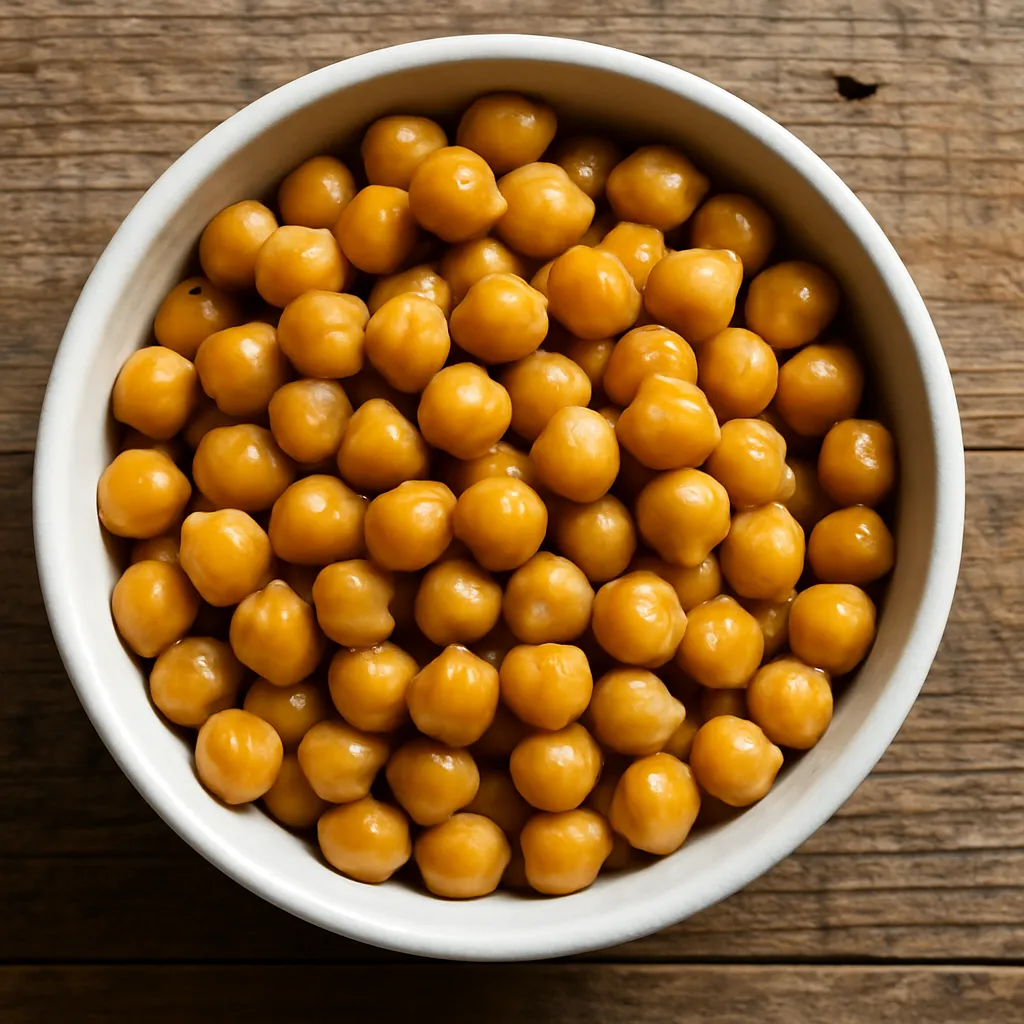
Quick Nutrition Facts
Per 1 Cup Cooked Chickpeas (164g)
| Nutrient | Amount |
|---|---|
| Calories | 269 kcal |
| Protein | 15g |
| Carbohydrates | 45g |
| Fiber | 12.2g |
| Sugars | 8g |
| Fat | 4.3g |
| Saturated Fat | 0.4g |
| Folate (B9) | 283mcg |
| Manganese | 1.68mg |
| Iron | 4.7mg |
Macronutrient Breakdown
 ChatGPT
  Claude
  AI Mode
  Perplexity
NUTRITIONIST INSIGHT
Chickpeas are a nutritional champion for plant-based diets. The 12.2g fiber per cup promotes excellent digestive health and stable blood sugar, while 15g protein rivals many animal sources. Combining chickpeas with whole grains creates complete proteins with all nine essential amino acids.
Do Chickpeas Make You Gain Weight?
No. Chickpeas do not make you gain weight on their own. Weight gain comes from the calorie total of the day, and 1 cup cooked (164 g) is 269 calories that arrive with 12.2 g of fiber and 15 g of protein, the pair that keeps you full longest. How they are cooked, and how much lands in the bowl, decide the rest.
Three reasons they help with weight control
- Half a cup cooked (82 g) is 135 calories and satisfies more than a pasta plate of the same calories.
- The 12.2 g of fiber per cup slows stomach emptying, so hunger comes back later.
- With 45 g of carbs and only 8 g of sugars per cup, energy releases slowly and you avoid the dip that sends you snacking.
Two situations where they do add up
- Preparation decides. Deep fried as falafel or tossed in generous oil, the fat multiplies the calories on the plate. Store-bought hummus runs about 166 calories per 100 g with 9 g of fat, and it goes down by the spoonful.
- Volume matters too. Chickpeas are denser than vegetables: a two-cup bowl is over 500 calories, a main course rather than a side.
Portion guidance: half a cup to one cup cooked (135 to 269 calories), once or twice a day, boiled or roasted with spices rather than fried. For the same fullness at fewer calories, compare lentils; if you like hummus, measure it with a spoon instead of eyeballing the scoop.
Myth Busters
MYTH #1: Chickpeas Cause Gas and Bloating in Everyone
TRUTH: Gas occurs primarily in digestive systems unaccustomed to fiber and oligosaccharides. Proper preparation (soaking, pressure cooking), gradual introduction, and sprouting dramatically reduce bloating. Most people adapt within 2-3 weeks.
MYTH #2: Canned Chickpeas Are Less Nutritious
TRUTH: Canned and dried chickpeas are nutritionally equivalent. Canned versions offer convenience and retain 95% of nutrients, though sodium content is higher. Draining and rinsing canned chickpeas reduces sodium by 40%.
MYTH #3: Chickpeas Don't Provide Complete Protein
TRUTH: While chickpeas alone lack methionine (one amino acid), combining with whole grains (rice, bread, pasta, quinoa) creates complete proteins with all nine amino acids. This is the foundation of traditional cuisines worldwide.
MYTH #4: Chickpeas Are High in Calories
TRUTH: One cup cooked chickpeas (269 calories) is nutrient-dense, not calorie-heavy. Compared to meat (300+ calories per 100g), chickpeas provide superior satiety through fiber and protein, making them ideal for calorie-controlled diets.
MYTH #5: Chickpeas Spike Blood Sugar
TRUTH: Chickpeas have low glycemic index (GI 28), and studies show chickpeas improve insulin sensitivity and blood sugar control in diabetics and prediabetics. Polyphenols reduce glucose absorption.
MYTH #6: Raw Chickpeas Are Edible
TRUTH: Raw dried chickpeas contain lectins and are indigestible. Chickpeas must be soaked and cooked thoroughly (pressure cook 15-20 minutes minimum) to inactivate lectins and make nutrients bioavailable.
NutriScore by Health Goals
| Health Goal | NutriScore | Why This Score? |
|---|---|---|
| Weight Loss |  | 269 calories, 15g protein, 12.2g fiber prevent overeating; low GI, resistant starch boost fat burning. Eat 1-2 cups weekly as protein replacement for calorie control. |
| Muscle Gain |  | 15g plant protein per cup supports muscle repair; combine with grains for complete amino acid profile; folate aids recovery. Pair with rice or pasta post-workout. |
| Diabetes Management | | Low GI (28), polyphenols improve insulin sensitivity, 12.2g fiber slows carb absorption. Highly recommended; monitor portions (1 cup max daily). |
| PCOS Management | | High fiber stabilizes insulin; plant polyphenols reduce inflammation; folate supports hormonal balance. 1-2 cups weekly optimizes metabolic health. |
| Pregnancy Nutrition | | Exceptional folate (283mcg—71% DV) prevents neural tube defects; 15g protein supports fetal development; iron aids oxygen delivery. Cook thoroughly; ensure adequate water intake. |
| Viral/Flu Recovery | | Easy to digest, provides sustained energy, rich in polyphenols boosting immune function; iron supports recovery. Pair with turmeric and ginger for anti-inflammatory benefits. |
PERSONALIZED NUTRITION
Track your meals with NutriScan for personalized NutriScores based on your specific health goals!
Blood Sugar Response to Chickpeas
Chickpeas' low glycemic index (28) and high fiber (12.2g) create a gradual, stable blood glucose response. This makes them ideal for diabetes management and sustained energy.
Typical Glucose Response Curve
*This chart shows typical blood glucose response for general healthy individuals. Individual responses may vary. Not medical advice.*
How to Maximize Stable Response
Enhance chickpea nutrition with complementary foods:
- 🌾 Whole grains (rice, pasta, bread) - Creates complete protein, extends satiety
- 🥬 Leafy greens (spinach, kale) - Adds iron, minerals, fiber synergy
- 🫒 Olive oil or healthy fat - Improves nutrient absorption and satiety
- 🧄 Spices (turmeric, cumin, ginger) - Reduce inflammation, aid digestion
These pairings maintain stable blood sugar while maximizing mineral bioavailability and digestive comfort.
Cultural Significance
Chickpeas are ancient legumes cultivated for 8,000+ years across Mediterranean, Middle Eastern, and South Asian regions. They form the foundation of countless traditional cuisines.
In India:
- Chana (Hindi name) essential to Indian protein culture; chickpea curries ubiquitous across regions
- Sattu (roasted chickpea powder) traditional energy source in Bihar and UP
- Chole Bhature iconic Delhi street food combining chickpeas with fried bread
- Religious significance in Hindu temples during festivals; used in offerings
- Sprouted chickpeas (moong-like) common breakfast protein
Global Adoption:
- Hummus (Middle Eastern chickpea paste) global staple in 150+ countries
- Falafel (fried chickpea patties) iconic Mediterranean/Middle Eastern fast food
- Chickpea flour (besan) substitute in gluten-free baking worldwide
- Vegan movement champion as primary plant protein alternative
- Growing commercial cultivation in Australia, Canada, USA driving global accessibility
Compare & Substitute
Chickpeas vs Similar Legumes (Per 100g cooked)
| Nutrient | 🫘 Chickpeas | 🫘 Lentils | 🫘 Black Beans | 🥜 Peanuts |
|---|---|---|---|---|
| Calories | 164 kcal | 116 kcal | 132 kcal | 567 kcal |
| Protein | 9.1g | 9.0g | 8.7g | 25.8g |
| Carbs | 27.4g | 20g | 24.3g | 16.1g |
| Fiber | 7.6g | 8g | 8.7g | 6.0g |
| Fat | 2.6g | 0.4g | 0.3g | 49.2g |
| Iron | 2.9mg | 3.3mg | 3.6mg | 1.7mg |
| Folate | 172mcg | 181mcg | 156mcg | 240mcg |
| Best For | Curries, hummus | Soups, quick meals | Mexican, Caribbean | Snacks, butters |
Frequently Asked Questions
Are chickpeas good for weight loss?
Absolutely. One cup (269 calories) provides exceptional satiety through 15g protein and 12.2g fiber. The low GI and resistant starch prevent blood sugar crashes that trigger hunger. Eat 1-2 cups weekly as meat replacement; they keep you full longer, reducing overall calorie intake.
Can diabetics eat chickpeas?
Chickpeas are a top choice for diabetics. Low GI (28) plus 12.2g fiber per cup minimizes blood sugar spikes. Studies confirm polyphenols improve insulin sensitivity. Eat half to one cup daily; pair with vegetables; choose dried over high-sodium canned varieties; monitor portion to maintain carb balance.
How much protein is in chickpeas?
One cup cooked chickpeas (164g) contains 15g plant protein. While lower than meat (25-30g per 100g), chickpeas are nutrient-dense with fiber and micronutrients. Combine chickpeas with grains (rice, bread, pasta) to create complete proteins with all nine amino acids needed by muscles.
What are the health benefits of chickpeas?
Chickpeas provide sustained energy (45g carbs, low GI), exceptional fiber (12.2g) supporting digestion and cholesterol, 15g plant protein for satiety, folate (283mcg) critical for pregnancy and cell division, manganese for bone health, and iron for oxygen transport.
When is the best time to eat chickpeas?
Lunch or dinner are optimal—slower carb absorption prevents evening blood sugar rise. Weight loss: include in balanced meal with vegetables (filling without excess calories). Muscle gain: post-workout with rice/bread aids glycogen replenishment. Diabetes: early day meals with salad enhance fiber effect.
How to reduce gas and bloating from chickpeas?
Soak dried chickpeas 8-12 hours before cooking (discard soaking water to remove oligosaccharides); pressure cook 15-20 minutes (breaks down remaining carbohydrates); chew thoroughly; drink water with meals; introduce gradually over 2-3 weeks; add cumin, ginger, or asafoetida (hing) during cooking; or sprout chickpeas to pre-digest starches.
Do chickpeas make you gain weight?
No. Chickpeas do not cause weight gain on their own. One cup cooked (164 g) is 269 calories with 12.2 g of fiber and 15 g of protein, which keeps you full and usually lowers the calorie total of the meal. Fried preparations like falafel, oily dressings and large bowls are what turn them into a heavy dish. Stick to half a cup to one cup cooked, boiled or roasted with spices.




Similar Nutritious Legumes & Proteins
4505 Chicharrones Classic Chili Salt
7 Eleven Japan Crispy Corn Cheese
Explore More Nutrition Tools & Resources
AI Calorie Counter App - Snap a Photo, Get Macros
AI Nutritionist App That Reads Your Logged Meals
Best Protein Supplements for Women
Bulking Meal Plan App That Sets Your Surplus
ChatGPT Calorie Counter Alternative That Keeps the Total
ChatGPT Diet Plan Alternative That Tracks What You Eat
ChatGPT Weight Loss Coach Alternative With a Food Log
Fast Food Calorie Counter App That Reads the Tray
Free Calorie Tracker App with AI Photo Scans | NutriScan
Indian Diet Plan App With Veg and Non Veg Meals
Indian Food Calorie Calculator - Get Instant Nutrition Facts for Desi Meals — 2026
Intermittent Fasting for Women, Timer and Meal Log App
Intermittent Fasting Tracker App - Free Fasting Timer
Macro Tracker App That Fills the Numbers From a Photo
Mediterranean Diet Meal Plan App That Counts the Oil
Micronutrient Tracker App for Vitamins and Minerals
MyFitnessPal Alternative That Stays Free | NutriScan
NutriScore App: A Free Grade on Every Meal | NutriScan
Nutrition Label Scanner App for the Amount You Ate
Second Trimester Protein Guide
Vegetarian Meal Plan App With a Protein Target
Voice Calorie Counter - Speak to Track Meals Hands-Free
Water and Calorie Tracker App - Free Water Log