Coriander: Calories, Nutrition and Health Benefits
The aromatic powerhouse herb packed with vitamins A, C, K, and antioxidants for digestion, blood sugar control, and overall wellness.
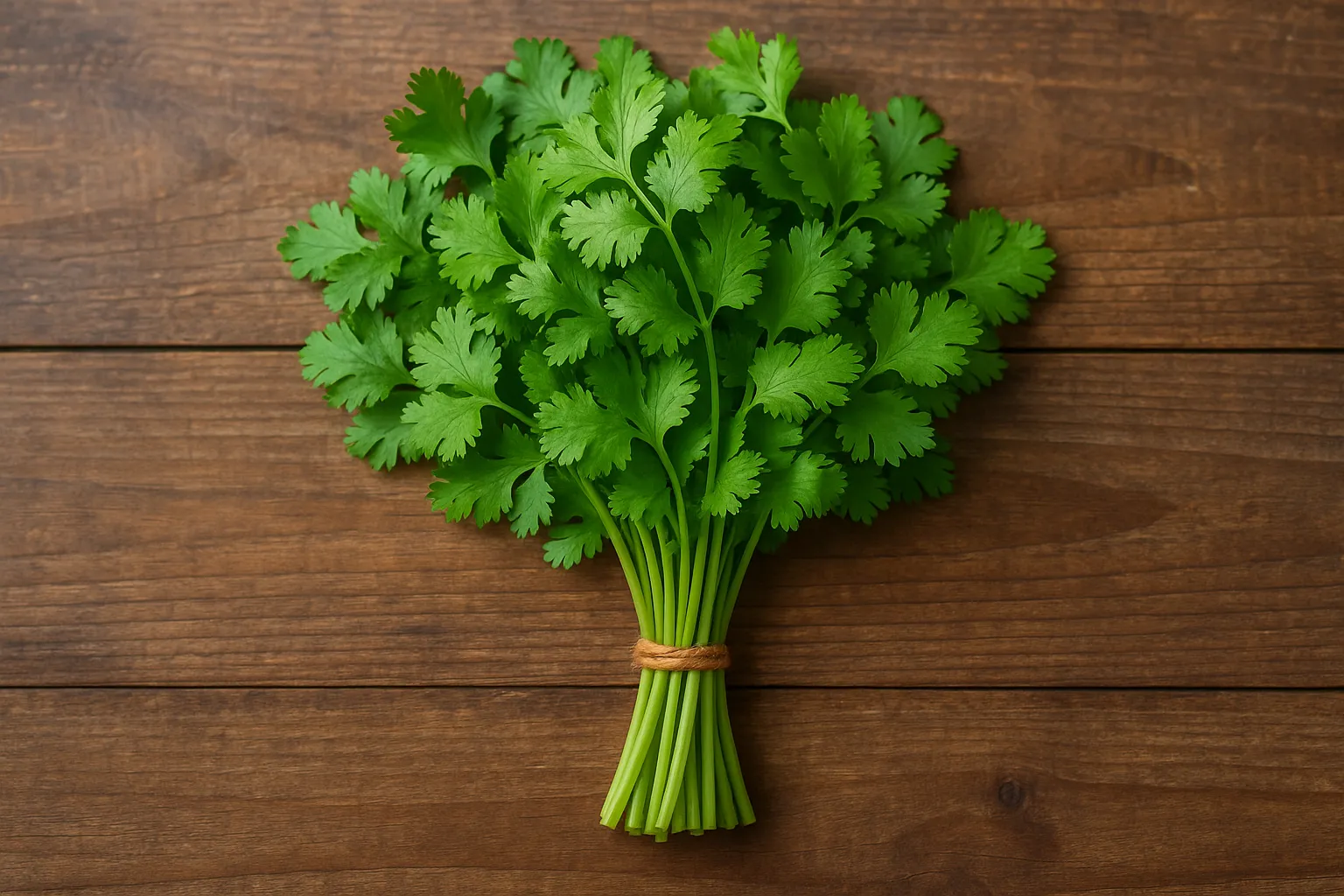
Quick Nutrition Facts
Per 100g Fresh Coriander Leaves
| Nutrient | Amount |
|---|---|
| Calories | 23 kcal |
| Protein | 2.1g |
| Carbohydrates | 3.7g |
| Fiber | 2.8g |
| Sugars | 0.9g |
| Fat | 0.5g |
| Vitamin A | 6,748 IU |
| Vitamin C | 27mg |
| Vitamin K | 310mcg |
| Folate | 62mcg |
| Potassium | 521mg |
| Iron | 1.8mg |
| Calcium | 67mg |
| Magnesium | 26mg |
Macronutrient Breakdown
 ChatGPT
  Claude
  AI Mode
  Perplexity
NUTRITIONIST INSIGHT
Coriander delivers 258% of your daily vitamin K needs in just 100g. Its essential oils like linalool and borneol provide powerful antioxidant and anti-inflammatory benefits, making it a true superfood herb.
Myth Busters
MYTH #1: Coriander Is Just a Garnish with No Nutritional Value
TRUTH: Coriander is a nutritional powerhouse! Just 100g provides 225% vitamin A, 258% vitamin K, 45% vitamin C, and 22% iron. Its antioxidants and essential oils offer disease-fighting properties comparable to many superfoods.
MYTH #2: Coriander Causes Allergies and Should Be Avoided
TRUTH: While some people have genetic taste aversion (soapy taste), true coriander allergies are rare. Most people can safely consume coriander daily. If you dislike the taste, it's genetic (OR6A2 gene variation), not an allergy—try parsley instead.
MYTH #3: Diabetics Should Avoid Coriander Due to Carbs
TRUTH: Coriander is excellent for diabetes! Studies show it reduces blood sugar and stimulates insulin secretion. With only 3.7g carbs per 100g and negligible glycemic impact, it actively helps manage diabetes when consumed regularly.
MYTH #4: Coriander Is Unsafe During Pregnancy
TRUTH: Coriander is safe during pregnancy in normal food amounts. It provides 62mcg folate (15% DV) essential for fetal neural tube development, plus iron to prevent pregnancy anemia. Use fresh leaves daily in cooking.
MYTH #5: Fresh and Dried Coriander Have Same Benefits
TRUTH: Fresh coriander leaves (cilantro) and dried coriander seeds are nutritionally different. Fresh leaves excel in vitamins A, C, K; seeds have more fiber and essential oils. Both are beneficial but for different nutrients—use fresh for vitamins, seeds for digestion.
MYTH #6: Coriander Detoxifies Heavy Metals from the Body
TRUTH: While some studies suggest coriander may bind to heavy metals in lab settings, there's insufficient evidence it effectively removes mercury or lead from human bodies. It does support liver function and provides antioxidants, but claims of "detoxification" are overstated.
NutriScore by Health Goals
| Health Goal | NutriScore | Why This Score? |
|---|---|---|
| Weight Loss |  | Only 23 calories per 100g, high fiber (2.8g) promotes fullness, boosts metabolism with essential oils. |
| Muscle Gain |  | Provides 2.1g protein, rich in iron for oxygen transport to muscles, vitamin K supports bone health. |
| Diabetes Management | | Reduces blood sugar and stimulates insulin, negligible carbs (3.7g), antioxidants improve insulin sensitivity. |
| PCOS Management | | Anti-inflammatory properties reduce PCOS symptoms, minimal impact on insulin, supports hormone balance. |
| Pregnancy Nutrition | | Folate (62mcg) prevents neural tube defects, iron prevents anemia, vitamin K essential for fetal bone development. |
| Viral/Flu Recovery | | Vitamin C (45% DV) boosts immunity, antimicrobial essential oils fight infections, easy to digest. |
PERSONALIZED NUTRITION
Track your meals with NutriScan for personalized NutriScores based on your specific health goals!
Blood Sugar Response to Coriander
Understanding how coriander affects blood glucose helps you use it effectively for diabetes management.
Typical Glucose Response Curve
*This chart shows typical blood glucose response. Coriander has negligible carbs and minimal blood sugar impact. Individual responses may vary. Not medical advice.*
How Coriander Helps Blood Sugar Control
Coriander actively reduces blood sugar through insulin-like activity. Research shows it:
- 🌿 Stimulates insulin secretion - Increases insulin release from pancreatic beta cells
- 🔬 Improves glucose uptake - Enhances cellular glucose absorption by 1.6-fold
- 📉 Reduces hyperglycemia - Lowers elevated blood sugar in diabetic conditions
- 💊 Supports medication - Works synergistically with diabetes medications (consult doctor)
Best ways to use: Add fresh coriander to daily meals; drink coriander water (steep 1 tsp seeds overnight); use coriander chutney; pair with protein and healthy fats for balanced meals.
Cultural Significance
Coriander is among the world's oldest herbs, cultivated for over 7,000 years across Mediterranean, Middle Eastern, and Asian civilizations.
In India:
- Known as dhania (Hindi), essential to Indian cuisine for thousands of years
- Used in Ayurveda for digestive health, cooling properties, and detoxification
- Coriander seeds (dhania) are fundamental to garam masala, curries, and spice blends
- Fresh leaves (cilantro) garnish every dal, sabzi, raita, and chutney
- Religious significance: offered in Hindu ceremonies and temple offerings
- Traditional medicine uses coriander for fever reduction, stomach ailments, and skin health
Global Impact:
- Ancient Egyptians placed coriander in tombs; mentioned in Sanskrit texts and Bible
- Mediterranean cuisine uses cilantro in salsas, tagines, and salads
- Asian cooking features coriander in Thai, Vietnamese, Chinese, and Mexican dishes
- Cultivation spans 50+ countries; India is the largest producer and consumer
- Every part is used: fresh leaves (cilantro), dried seeds (spice), roots (Thai cooking), stems (flavoring)
Compare & Substitute
Coriander vs Similar Herbs (Per 100g)
| Nutrient | 🌿 Coriander | 🌿 Parsley | 🌿 Mint | 🌿 Dill |
|---|---|---|---|---|
| Calories | 23 kcal | 36 kcal | 44 kcal | 43 kcal |
| Carbs | 3.7g | 6.3g | 8.4g | 7.0g |
| Fiber | 2.8g | 3.3g | 6.8g | 2.1g |
| Protein | 2.1g | 3.0g | 3.8g | 3.5g |
| Fat | 0.5g | 0.8g | 0.7g | 1.1g |
| Vitamin A | 6,748 IU (225% DV) | 8,424 IU (281% DV) | 4,248 IU (141% DV) | 7,718 IU (257% DV) |
| Vitamin C | 27mg (45% DV) | 133mg (222% DV) | 13.3mg (22% DV) | 85mg (142% DV) |
| Vitamin K | 310mcg (258% DV) | 1,640mcg (1,367% DV) | 4,930mcg (4,108% DV) | 1,640mcg (1,367% DV) |
| Iron | 1.8mg (22% DV) | 6.2mg (77% DV) | 5.1mg (64% DV) | 6.6mg (82% DV) |
| Best For | Diabetes, digestion | Iron boost, garnish | Digestive relief | Pickles, fish dishes |
Frequently Asked Questions
Can diabetics eat coriander?
Yes, coriander is highly beneficial for diabetes. Research demonstrates it reduces blood sugar levels, stimulates insulin secretion, and improves glucose metabolism.
How to use: Add 1-2 tablespoons fresh coriander to daily meals; drink coriander water (soak 1 tsp seeds in water overnight, drink in morning); use coriander chutney; incorporate into curries, salads, raitas. Always monitor blood sugar and consult your healthcare provider.
Is coriander safe during pregnancy?
Yes, coriander is safe and beneficial during pregnancy when consumed in normal food amounts (culinary use). It provides 62mcg folate (15% DV) essential for preventing neural tube defects, iron to prevent pregnancy anemia, and vitamin K for blood clotting.
Recommended intake: 1-2 tablespoons (10-20g) fresh leaves daily in cooking, curries, chutneys, or as garnish. Avoid medicinal doses or supplements without consulting your doctor.
How many calories are in coriander?
Fresh coriander leaves contain only 23 calories per 100g (approximately 1 cup chopped or 3-4 tablespoons). A typical serving of 10g (garnish amount) provides just 2.3 calories, making it an excellent low-calorie herb for flavoring without adding significant calories to your meals.
What are the main health benefits of coriander?
Key Benefits:
- Blood Sugar Control: Reduces glucose levels and stimulates insulin secretion
- Rich in Vitamins: Vitamin A (225% DV), vitamin K (258% DV), vitamin C (45% DV)
- Digestive Health: Reduces bloating, gas, indigestion through carminative properties
- Anti-inflammatory: Essential oils like linalool reduce inflammation
- Heart Health: Potassium (521mg) supports blood pressure regulation
- Detoxification: Supports liver function and antioxidant defense systems
Can I eat coriander every day?
Yes, eating fresh coriander daily is safe and highly beneficial for most people. Use 1-2 tablespoons (10-20g) fresh leaves daily in salads, chutneys, curries, raitas, or as garnish; drink coriander water; add to smoothies.
Cautions: Avoid if you have known coriander allergy (rare); some people experience genetic taste aversion (soapy taste due to OR6A2 gene); if pregnant or on medications, use culinary amounts, not medicinal doses.
Does coriander help with digestion?
Yes, coriander significantly aids digestion. Its carminative properties reduce bloating, gas, and indigestion; it stimulates digestive enzyme production; relieves stomach cramps; supports gut health with antimicrobial effects; reduces nausea.
How to use: Add fresh coriander to meals; drink coriander water after meals; chew coriander seeds post-meal; use coriander chutney with meals; add to buttermilk or yogurt for digestive benefits.




Similar Nutritious Herbs & Foods
4505 Chicharrones Classic Chili Salt
7 Eleven Japan Crispy Corn Cheese
Explore More Nutrition Tools & Resources
AI Calorie Counter App - Snap a Photo, Get Macros
AI Nutritionist App That Reads Your Logged Meals
Best Protein Supplements for Women
Bulking Meal Plan App That Sets Your Surplus
ChatGPT Calorie Counter Alternative That Keeps the Total
ChatGPT Diet Plan Alternative That Tracks What You Eat
ChatGPT Weight Loss Coach Alternative With a Food Log
Fast Food Calorie Counter App That Reads the Tray
Free Calorie Tracker App with AI Photo Scans | NutriScan
Indian Diet Plan App With Veg and Non Veg Meals
Indian Food Calorie Calculator - Get Instant Nutrition Facts for Desi Meals — 2026
Intermittent Fasting for Women, Timer and Meal Log App
Intermittent Fasting Tracker App - Free Fasting Timer
Macro Tracker App That Fills the Numbers From a Photo
Mediterranean Diet Meal Plan App That Counts the Oil
Micronutrient Tracker App for Vitamins and Minerals
MyFitnessPal Alternative That Stays Free | NutriScan
NutriScore App: A Free Grade on Every Meal | NutriScan
Nutrition Label Scanner App for the Amount You Ate
Second Trimester Protein Guide
Vegetarian Meal Plan App With a Protein Target
Voice Calorie Counter - Speak to Track Meals Hands-Free
Water and Calorie Tracker App - Free Water Log