Paneer: Calories, Nutrition and Health Benefits
India's favorite vegetarian protein powerhouse with complete amino acids, rich calcium content, and versatile preparation methods for every health goal.
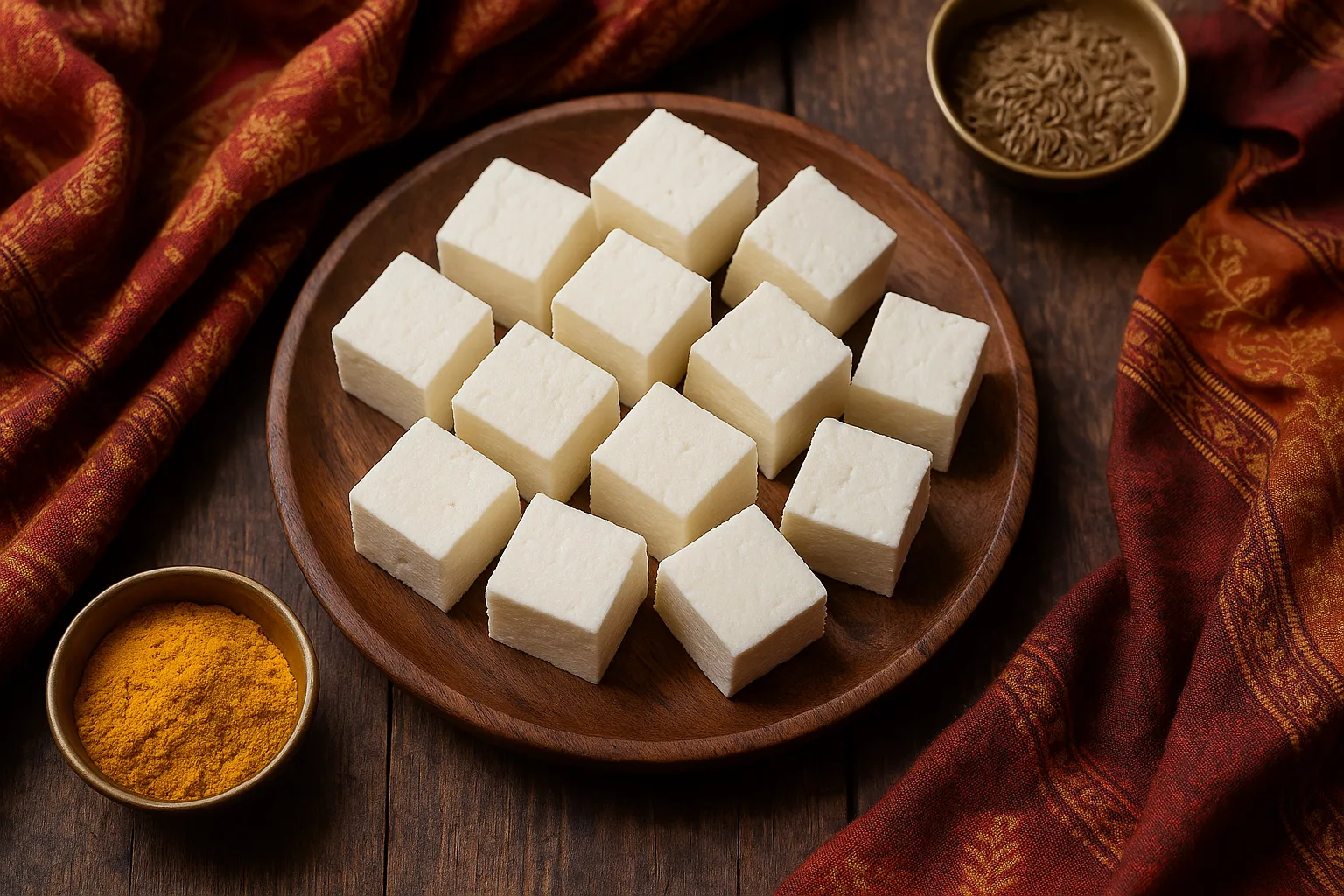
Quick Nutrition Facts
Per 100g Paneer (about 5 cubes)
| Nutrient | Amount |
|---|---|
| Calories | 296 kcal |
| Protein | 18g |
| Carbohydrates | 1.2g |
| Fiber | 0g |
| Sugars | 1.2g |
| Fat | 23g |
| Calcium | 700-800mg |
| Phosphorus | 245mg |
| Vitamin B12 | 0.6mcg |
| Sodium | 18mg |
Macronutrient Breakdown
 ChatGPT
  Claude
  AI Mode
  Perplexity
NUTRITIONIST INSIGHT
Paneer provides complete protein with all essential amino acids and 70-80% of daily calcium needs per 100g. The high protein-to-carb ratio makes it excellent for blood sugar control, but watch portions due to 23g fat content.
Myth Busters
MYTH #1: Paneer Causes Weight Gain
TRUTH: Paneer doesn't inherently cause weight gain—excess calories do. At 296 calories per 100g, it's nutrient-dense but requires portion control. The 18g protein promotes satiety and preserves muscle during weight loss. Grilled or lightly sautéed paneer (50-100g daily) supports weight loss; deep-fried paneer pakoras and excess portions cause gain.
MYTH #2: Paneer is Too High in Fat to be Healthy
TRUTH: While paneer contains 23g fat per 100g, it provides essential fatty acids and fat-soluble vitamins (A, D, E, K). The fat increases satiety and slows digestion, stabilizing blood sugar. Low-fat paneer alternatives (10-12g fat) are available if fat intake is a concern. Moderate portions (50-150g) fit within healthy fat limits (20-35% of daily calories).
MYTH #3: Paneer Has No Carbs So You Can Eat Unlimited Amounts
TRUTH: Although low-carb (1.2g per 100g), paneer is calorie-dense at 296 kcal per 100g. Overconsumption leads to excess calories regardless of carb content. For weight loss, stick to 50-100g; for muscle gain, 100-150g. The "unlimited low-carb food" concept ignores calorie balance.
MYTH #4: All Paneer is Authentic and Pure
TRUTH: 2024 reports revealed paneer adulteration with starch, urea, and cheaper fats in some brands. Look for certified brands, check ingredient lists (should only list milk and acid/curdling agent), and verify texture (pure paneer has grainy texture when pressed, not rubbery). Buy from reputable sources or make at home.
MYTH #5: Paneer is Only for Vegetarians
TRUTH: While popular among vegetarians as a complete protein source, paneer benefits everyone. Athletes use it for muscle recovery; diabetics for blood sugar control; children for growth and calcium. Non-vegetarians can use paneer to diversify protein intake and reduce red meat consumption.
MYTH #6: Paneer and Cottage Cheese Are Identical
TRUTH: Both are fresh cheeses, but paneer is pressed and firm with no whey drainage (100% milk solids), while cottage cheese retains whey and has a softer, curdled texture. Paneer has higher protein (18g vs 11g per 100g), more calories (296 vs 98), and can be grilled or fried without melting. Different textures, uses, and nutritional profiles.
NutriScore by Health Goals
| Health Goal | NutriScore | Why This Score? |
|---|---|---|
| Weight Loss |  | High protein (18g) promotes satiety and muscle preservation. Limit to 50-100g daily due to 296 calories. Choose grilled over fried. |
| Muscle Gain |  | Complete protein with all essential amino acids, ideal post-workout recovery. Consume 100-150g daily. Pair with carbs for optimal glycogen replenishment. |
| Diabetes Management | | Only 1.2g carbs with zero sugar, minimal blood glucose impact. High protein and fat stabilize blood sugar. Consume 100-150g per meal. |
| PCOS Management | | Low-carb, high-protein profile supports insulin sensitivity. Reduces inflammation and promotes hormonal balance. Limit to 100g daily; choose low-fat version if needed. |
| Pregnancy Nutrition | | Calcium (700mg) supports fetal bone development; protein aids growth. Consume 100-150g daily, pasteurized only. |
| Viral/Flu Recovery | | Easy-to-digest protein for tissue repair, calcium for immune function. Gentle on stomach during illness. 50-100g in light preparations. |
PERSONALIZED NUTRITION
Track your meals with NutriScan for personalized NutriScores based on your specific health goals!
Blood Sugar Response to Paneer
Understanding how paneer affects blood glucose demonstrates its value for stable energy and metabolic health.
Typical Glucose Response Curve
This chart shows minimal blood glucose response due to low carb content (1.2g). Individual responses may vary. Not medical advice.
Why Paneer Stabilizes Blood Sugar
With only 1.2g carbs and high protein (18g) and fat (20g), paneer causes minimal blood glucose fluctuation. It's ideal for:
- 🍚 Pairing with high-GI foods (rice, roti, potatoes) - Slows carb absorption
- 🥗 Vegetarian diabetes management - Provides protein without sugar spikes
- 💪 Pre/post-workout - Sustained energy without crashes
- 🌙 Evening meals - Prevents nighttime hunger and blood sugar drops
Best combinations: Paneer + spinach (palak paneer) for iron absorption; paneer + whole wheat roti for balanced macros; paneer + vegetables for fiber and micronutrients.
Cultural Significance
Paneer is India's indigenous cheese, developed thousands of years ago with origins tracing to Persian and Afghan influences.
In India:
- Essential ingredient in North Indian cuisine: paneer tikka, palak paneer, shahi paneer, mattar paneer, paneer butter masala
- Festive favorite during Navratri, Diwali, and weddings
- Vegetarian protein staple for 300+ million Indian vegetarians
- Regional variations: Bengali chhena (softer, used in sweets like rasgulla), Punjabi paneer (firm, used in curries)
- Ayurveda considers paneer sattvic (pure) food promoting clarity and strength
Modern Adaptations:
- Fusion dishes: paneer burgers, paneer pizza, paneer wraps, paneer spring rolls
- Health-conscious innovations: low-fat paneer, protein-enriched paneer
- Global adoption as vegetarian protein in international restaurants
- Home preparation remains common using lemon juice or vinegar to curdle milk
Compare & Substitute
Paneer vs Other Protein Sources (Per 100g)
| Nutrient | 🧀 Paneer | 🧀 Cottage Cheese | 🥛 Tofu | 🍗 Chicken Breast |
|---|---|---|---|---|
| Calories | 296 kcal | 98 kcal | 80 kcal | 165 kcal |
| Protein | 18g | 11g | 8g | 31g |
| Carbs | 1.2g | 3.4g | 1.9g | 0g |
| Fat | 23g | 4.3g | 4.8g | 3.6g |
| Calcium | 700mg (70% DV) | 83mg (8% DV) | 350mg (35% DV) | 15mg (1.5% DV) |
| Phosphorus | 245mg (35% DV) | 159mg (23% DV) | 97mg (14% DV) | 220mg (31% DV) |
| Vitamin B12 | 0.6mcg (25% DV) | 0.4mcg (17% DV) | 0mcg | 0.3mcg (12% DV) |
| Best For | Muscle gain, bone health, vegetarians | Weight loss, low-fat diets | Calorie restriction, vegans | Lean muscle, low-fat, complete protein |
Paneer Alternatives for Specific Goals:
- Weight Loss: Cottage cheese (98 cal) or tofu (80 cal) for lower calories
- Vegan: Tofu or tempeh (19g protein/100g, fermented benefits)
- Muscle Gain: Chicken breast (31g protein) or paneer (18g) both excellent
- Lactose Intolerance: Tofu (lactose-free, 8g protein)
Frequently Asked Questions
Is paneer good for weight loss?
Yes, paneer supports weight loss when consumed in moderation (50-100g daily). The 18g protein promotes satiety, preserves muscle during calorie deficit, and increases metabolism through thermogenesis.
Why it works: High protein-to-carb ratio (18:1.2) stabilizes blood sugar and reduces cravings. Studies show high-protein diets increase fat loss while maintaining lean mass.
How to optimize: Grill, bake, or lightly sauté instead of deep-frying; pair with vegetables for volume and fiber; consume as part of 1400-1800 calorie daily intake; track portions with NutriScan app.
Avoid: Paneer pakoras, paneer parathas, creamy curries adding 200-500 extra calories from oil and cream.
Can diabetics eat paneer?
Yes, paneer is excellent for diabetics. With only 1.2g carbs per 100g and zero sugar, it has negligible glycemic impact. The high protein (18g) and fat (20g) slow digestion, preventing blood sugar spikes.
Diabetic benefits:
- Minimal carbohydrates (GI <5, virtually zero impact)
- Sustained energy without glucose fluctuations
- Protein helps maintain stable blood sugar between meals
- Can be paired with high-GI foods to lower overall meal GI
Best practices: Consume 100-150g per meal; avoid creamy/sugary preparations; pair with vegetables and whole grains; monitor blood sugar 2 hours post-meal initially. Always consult healthcare provider for personalized advice.
How much protein is in paneer?
Paneer contains 18-21g protein per 100g (varies by brand and fat content). A typical serving (100g or 5 medium cubes) provides 18-21g—about 25-35% of daily protein needs for adults.
Protein quality: Complete protein with all nine essential amino acids, similar to eggs, chicken, and fish. Excellent for vegetarians lacking animal protein sources.
Comparison: 100g paneer = 1 chicken breast (150g) = 3 eggs = 150g cooked lentils in terms of protein content.
What are the main health benefits of paneer?
Key Benefits:
- Muscle Building: Complete protein (18g/100g) with all essential amino acids for growth and repair
- Bone Health: 700-800mg calcium (70-80% DV) strengthens bones and teeth, prevents osteoporosis
- Blood Sugar Control: Low carb (1.2g), high protein stabilizes glucose levels
- Weight Management: High satiety from protein and fat reduces overall calorie intake
- Heart Health: Contains conjugated linoleic acid (CLA) that may reduce inflammation
- Digestive Health: Easier to digest than aged cheeses; suitable for sensitive stomachs
- Nutrient Density: Provides vitamin B12 (0.6mcg), phosphorus (245mg), and healthy fats
Is paneer healthier than tofu?
Depends on your goals:
Paneer is better for:
- Protein needs: 18g vs 8g per 100g (2.25x more)
- Calcium: 700mg vs 350mg (2x more)
- Muscle gain: Higher protein and calories
- Bone health: Superior calcium content
- Taste/texture: Richer flavor, firm texture for Indian dishes
Tofu is better for:
- Weight loss: 80 vs 296 calories (73% fewer)
- Low-fat diets: 4.8g vs 23g fat
- Vegan diets: Plant-based, lactose-free
- Calorie restriction: Lower calorie density
Verdict: Both are healthy. Choose paneer for muscle gain and bone health; tofu for weight loss and plant-based diets.
Can I eat paneer every day?
Yes, healthy adults can consume 50-150g paneer daily as part of a balanced diet:
Daily Guidelines:
- Weight Loss: 50-100g (148-296 calories)
- Maintenance: 100-150g (296-444 calories)
- Muscle Gain: 100-150g (296-444 calories)
- Pregnancy: 100-150g (pasteurized only)
Benefits of daily consumption: Consistent protein intake for muscle maintenance, stable calcium for bone health, satiety reducing overall calorie intake.
Cautions: Rotate with other proteins (legumes, eggs, chicken) for nutrient variety; choose low-fat paneer if total fat intake is high; avoid if lactose intolerant (try tofu instead); ensure authentic, unadulterated brands.
How should I prepare paneer for maximum nutrition?
Best Cooking Methods:
- Grilled/Tandoori: Minimal oil, preserves protein, adds flavor (paneer tikka)
- Lightly Sautéed: 1-2 tsp oil, quick cooking maintains nutrients
- Steamed: Zero added fat, easiest digestion
- Raw: In salads for maximum nutrient retention
Avoid:
- Deep-fried: Adds 100-300 calories from oil (pakoras, paneer 65)
- Heavy cream/butter curries: Extra 200-400 calories per serving
- Excessive oil: Reduces protein-to-fat ratio benefits
Nutrient-boosting pairings: Paneer + spinach (iron absorption), paneer + tomatoes (vitamin C + calcium), paneer + whole grains (complete meal), paneer + vegetables (fiber + micronutrients).


Similar Nutritious Foods
4505 Chicharrones Classic Chili Salt
7 Eleven Japan Crispy Corn Cheese
Explore More Nutrition Tools & Resources
AI Calorie Counter App - Snap a Photo, Get Macros
AI Nutritionist App That Reads Your Logged Meals
Best Protein Supplements for Women
Bulking Meal Plan App That Sets Your Surplus
ChatGPT Calorie Counter Alternative That Keeps the Total
ChatGPT Diet Plan Alternative That Tracks What You Eat
ChatGPT Weight Loss Coach Alternative With a Food Log
Fast Food Calorie Counter App That Reads the Tray
Free Calorie Tracker App with AI Photo Scans | NutriScan
Indian Diet Plan App With Veg and Non Veg Meals
Indian Food Calorie Calculator - Get Instant Nutrition Facts for Desi Meals — 2026
Intermittent Fasting for Women, Timer and Meal Log App
Intermittent Fasting Tracker App - Free Fasting Timer
Macro Tracker App That Fills the Numbers From a Photo
Mediterranean Diet Meal Plan App That Counts the Oil
Micronutrient Tracker App for Vitamins and Minerals
MyFitnessPal Alternative That Stays Free | NutriScan
NutriScore App: A Free Grade on Every Meal | NutriScan
Nutrition Label Scanner App for the Amount You Ate
Second Trimester Protein Guide
Vegetarian Meal Plan App With a Protein Target
Voice Calorie Counter - Speak to Track Meals Hands-Free
Water and Calorie Tracker App - Free Water Log