Tomato Slice: Calories, Nutrition and Health Benefits
Nature's perfect low-calorie garnish packed with lycopene, vitamin C, and essential antioxidants for every health goal.
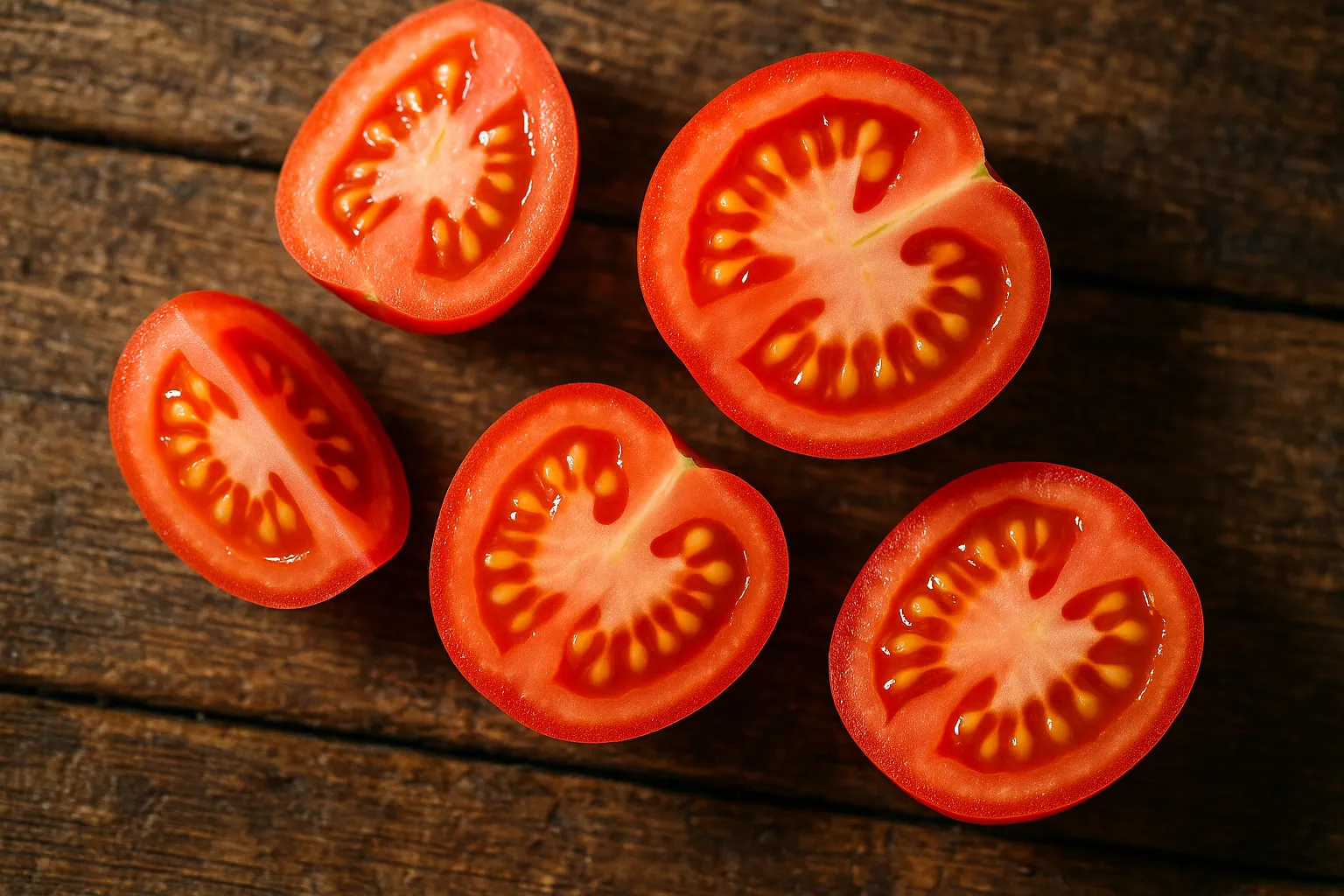
Quick Nutrition Facts
Per 1 Medium Slice (20g)
| Nutrient | Amount |
|---|---|
| Calories | 4 kcal |
| Protein | 0.2g |
| Carbohydrates | 0.9g |
| Fiber | 0.3g |
| Sugars | 0.5g |
| Fat | 0g |
| Lycopene | 0.6-0.9mg |
| Vitamin C | 2.8mg |
| Potassium | 47mg |
| Vitamin A | 16mcg |
Macronutrient Breakdown
 ChatGPT
  Claude
  AI Mode
  Perplexity
NUTRITIONIST INSIGHT
Tomato slices provide powerful lycopene antioxidants with virtually zero calories. Pairing with healthy fats like olive oil increases lycopene absorption by up to 4 times.
Myth Busters
MYTH #1: Tomatoes Are Too Acidic for Daily Consumption
TRUTH: While tomatoes are slightly acidic (pH 4.3-4.9), most people can safely eat them daily. Only avoid if you have GERD or acid reflux. The benefits far outweigh acidity concerns for most individuals.
MYTH #2: Tomatoes Cause Kidney Stones
TRUTH: Tomatoes actually help prevent kidney stones. While they contain oxalates, they're also rich in citrate which inhibits stone formation. The potassium content also supports kidney health.
MYTH #3: Tomatoes Have No Nutritional Value
TRUTH: Tomato slices are nutritional powerhouses. Rich in lycopene, vitamins C and A, potassium, and folate. Lycopene is linked to reduced risk of heart disease and certain cancers.
MYTH #4: Raw Tomatoes Are Always Better Than Cooked
TRUTH: Both have benefits. Raw preserves vitamin C, but cooking increases lycopene bioavailability by 2-3 times. For optimal health, consume both raw and cooked tomatoes.
MYTH #5: Tomato Skins Are Unhealthy
TRUTH: Tomato skins contain the highest concentration of lycopene and flavonoids. The skin is perfectly safe and highly nutritious. Only remove if you have digestive sensitivities.
MYTH #6: Green Tomatoes Are Toxic
TRUTH: Green tomatoes contain tomatine, but in amounts too low to cause harm. You'd need to eat kilograms to reach toxic levels. Green tomatoes are safe and nutritious when ripe.
NutriScore by Health Goals
| Health Goal | NutriScore | Why This Score? |
|---|---|---|
| Weight Loss |  | Only 4 calories per slice, 95% water promotes fullness, unlimited portions allowed. Perfect for volume eating. |
| Muscle Gain |  | Low protein but rich in antioxidants that reduce exercise-induced oxidative stress. Great pre/post-workout addition. |
| Diabetes Management | | Very low glycemic index (GI 15), minimal blood sugar impact. Lycopene reduces diabetic complications. |
| PCOS Management | | Anti-inflammatory lycopene supports hormone balance. Low-calorie, low-carb, rich in antioxidants. |
| Pregnancy Nutrition | | Rich in folate, vitamin C, and lycopene essential for fetal development. Safe in unlimited quantities during pregnancy. |
| Viral/Flu Recovery | | High vitamin C for immunity, easy to digest, hydrating. Antioxidants support recovery. |
PERSONALIZED NUTRITION
Track your meals with NutriScan for personalized NutriScores based on your specific health goals!
Blood Sugar Response to Tomato Slice
Understanding how tomato slices affect your blood glucose reveals why they're diabetic-friendly.
Typical Glucose Response Curve
This chart shows typical blood glucose response for general healthy individuals. Individual responses may vary. Not medical advice.
How to Maximize Benefits
Pairing tomato with healthy fats enhances lycopene absorption by up to 4 times:
- 🫒 Olive oil or avocado - Enhances lycopene absorption significantly
- 🧀 Cheese or mozzarella - Adds protein and healthy fats
- 🥚 Eggs - Complete protein with healthy fats
- 🥜 Nuts and seeds - Additional antioxidants and healthy fats
This combination maximizes nutrient absorption while keeping calories minimal.
Cultural Significance
Tomatoes originated in South America over 7,000 years ago and are now cultivated worldwide.
In India:
- Introduced by Portuguese traders in the 16th century
- Essential ingredient in curries, chutneys, and sabzis
- Grown extensively in Maharashtra, Karnataka, and Andhra Pradesh
- Used in Ayurveda for digestive health and skin care
Global Impact:
- World's most popular vegetable-fruit (180 million tons annually)
- 170+ countries cultivate tomatoes commercially
- Essential in Mediterranean, Italian, Mexican, and Indian cuisines
- Sustainable crop with year-round availability
Compare & Substitute
Tomato Slice vs Similar Low-Calorie Options (Per 100g)
| Nutrient | 🍅 Tomato | 🥒 Cucumber | 🥬 Lettuce | 🫑 Bell Pepper |
|---|---|---|---|---|
| Calories | 18 kcal | 15 kcal | 14 kcal | 31 kcal |
| Carbs | 3.9g | 3.6g | 2.9g | 6g |
| Fiber | 1.2g | 0.5g | 1.3g | 2.1g |
| Protein | 0.9g | 0.7g | 1.4g | 1g |
| Fat | 0.2g | 0.1g | 0.2g | 0.3g |
| Vitamin C | 14mg | 2.8mg | 9.2mg | 128mg |
| Lycopene | 3mg | 0mg | 0mg | 0mg |
| Potassium | 237mg | 147mg | 194mg | 211mg |
| Best For | Antioxidants, heart health | Hydration, low-calorie | Weight loss, fiber | Vitamin C, immune support |
Frequently Asked Questions
Are tomato slices good for weight loss?
Yes, tomato slices are ideal for weight loss. One slice has only 4 calories with 95% water content that promotes fullness. Rich in fiber and lycopene that support metabolism.
Best practices: Add to every meal for volume, use in salads, pair with lean protein, unlimited portions allowed in most diets.
Can diabetics eat tomato slices?
Diabetics can freely eat tomato slices. Very low glycemic index (GI 15) means minimal blood sugar impact.
Benefits for diabetics:
- Rich in lycopene that reduces diabetic complications
- No portion restrictions needed
- Helps lower oxidative stress
- Supports cardiovascular health
Always monitor individual response and consult healthcare provider.
How much lycopene is in a tomato slice?
A medium tomato slice (20g) contains 0.6-0.9mg of lycopene. Cooking increases bioavailability by 2-3 times.
For maximum lycopene absorption, pair raw slices with olive oil or enjoy cooked in sauces. Lycopene is linked to heart health, cancer prevention, and skin protection.
What are the main health benefits of tomato slices?
Key Benefits:
- Heart Health: Lycopene reduces LDL oxidation and blood pressure
- Cancer Prevention: Antioxidants linked to reduced cancer risk
- Skin Health: Lycopene protects against UV damage
- Eye Health: Vitamin A and lutein support vision
- Weight Management: Ultra-low calories, high water content
- Immune Support: Vitamin C boosts immunity
When is the best time to eat tomato slices?
Depends on your goal:
- Weight Loss: With every meal to increase volume and fullness
- Lycopene Absorption: With healthy fats like olive oil, cheese, or avocado
- Vitamin C: Fresh and raw for maximum retention
- Avoid: Late night if you have acid reflux or GERD
IMPORTANT NOTE
Tomatoes can trigger acid reflux in sensitive individuals. Avoid before bedtime if prone to GERD.
Are raw or cooked tomato slices healthier?
Both have unique benefits - choose based on your needs:
Raw Tomato Slices:
- Maximum vitamin C content
- Fresh, crisp texture
- Lower calorie density
- Better for salads and garnish
Cooked Tomato Slices:
- 2-3x higher lycopene bioavailability
- Enhanced antioxidant absorption
- Easier digestion
- Better for sauces and curries
Recommendation: Consume both raw (salads) and cooked (sauces) for comprehensive nutrition.
How many tomato slices should I eat per day?
General Guidelines:
- 3-5 slices daily - Most people (15-20 calories total)
- Unlimited - Weight loss, diabetes, or PCOS diets
- 5-10 slices - Athletes, muscle gain, pregnancy
No upper limit: Tomatoes are safe in unlimited quantities for most people. Only reduce if you experience acid reflux.
Track your meals with NutriScan app to see how tomatoes fit your personal nutrition goals.
Can I eat tomato slices on an empty stomach?
Generally safe for most people - provides gentle nutrition and hydration.
May want to avoid if you have:
- Acid Reflux/GERD: Can trigger acid production
- IBS: May cause bloating in sensitive individuals
- Empty stomach sensitivity: Pair with protein or healthy fat
Better approach: Combine with eggs, cheese, or avocado for balanced nutrition and better tolerance.


Similar Nutritious Foods
4505 Chicharrones Classic Chili Salt
7 Eleven Japan Crispy Corn Cheese
Explore More Nutrition Tools & Resources
AI Calorie Counter App - Snap a Photo, Get Macros
AI Nutritionist App That Reads Your Logged Meals
Best Protein Supplements for Women
Bulking Meal Plan App That Sets Your Surplus
ChatGPT Calorie Counter Alternative That Keeps the Total
ChatGPT Diet Plan Alternative That Tracks What You Eat
ChatGPT Weight Loss Coach Alternative With a Food Log
Fast Food Calorie Counter App That Reads the Tray
Free Calorie Tracker App with AI Photo Scans | NutriScan
Indian Diet Plan App With Veg and Non Veg Meals
Indian Food Calorie Calculator - Get Instant Nutrition Facts for Desi Meals — 2026
Intermittent Fasting for Women, Timer and Meal Log App
Intermittent Fasting Tracker App - Free Fasting Timer
Macro Tracker App That Fills the Numbers From a Photo
Mediterranean Diet Meal Plan App That Counts the Oil
Micronutrient Tracker App for Vitamins and Minerals
MyFitnessPal Alternative That Stays Free | NutriScan
NutriScore App: A Free Grade on Every Meal | NutriScan
Nutrition Label Scanner App for the Amount You Ate
Second Trimester Protein Guide
Vegetarian Meal Plan App With a Protein Target
Voice Calorie Counter - Speak to Track Meals Hands-Free
Water and Calorie Tracker App - Free Water Log