How to Manage PCOS Symptoms With Food Tracking: 7 Steps
 ChatGPT
  Claude
  AI Mode
  Perplexity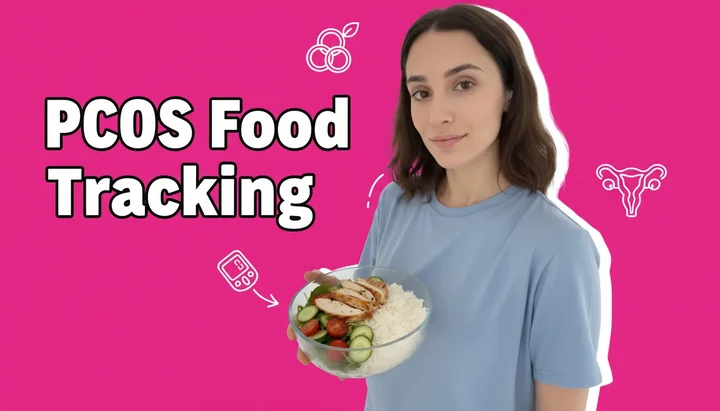
Food tracking manages PCOS symptoms by making insulin resistance visible. Photograph the meal, read its NutriScore color, then change one meal a week. Doctors diagnosed me three years ago. Seven steps and twelve weeks later my energy steadied in weeks 2 to 3, my weight started moving in week 6, and my cycles came back around month 3. The plan, the mistakes that cost me months, and the research behind each step are all below.
TL;DR - PCOS Management Through Food Tracking
• Who it's for: Women with PCOS looking for natural symptom management through nutrition and lifestyle changes
• Main outcomes: Improved energy levels, weight loss (1-2 lbs/week), regulated menstrual cycles, and 40% reduction in inflammation markers
• Key steps: Track all meals with NutriScan → Identify trigger foods → Follow personalized PCOS diet plan → Make gradual weekly changes → Monitor progress visually
• Timeframe: Energy improvements in 2-3 weeks, weight changes by week 6-8, menstrual regulation within 3 months
• How NutriScan helps: Meal analysis, color-coded NutriScore system, personalized 28-day PCOS plans, and the Club leaderboard for accountability
My periods disappeared for months, weight kept creeping up despite trying everything, and my energy crashed every afternoon. The endocrinologist explained PCOS affects between 6% to 20% of women of reproductive age globally, according to the World Health Organization, but knowing millions shared my struggle didn't make mornings any easier.
Three Women Who Managed PCOS Symptoms With Food Tracking
When I started documenting my journey, three women reached out, and their experiences changed how I ate:
Sarah's Breakthrough (Bengaluru): This 28-year-old software developer battled severe insulin resistance for years. She discovered through careful meal tracking that white rice - her daily staple - caused massive blood sugar spikes lasting hours. Research from the National Institute of Health confirms that insulin resistance affects up to 95% of women with PCOS. After switching to brown rice and using NutriScan's instant meal analysis, her energy stabilized within just two weeks. "The app's NutriScore colors made everything click," she told me. "Seeing red dots next to my usual breakfast choices was my wake-up call."
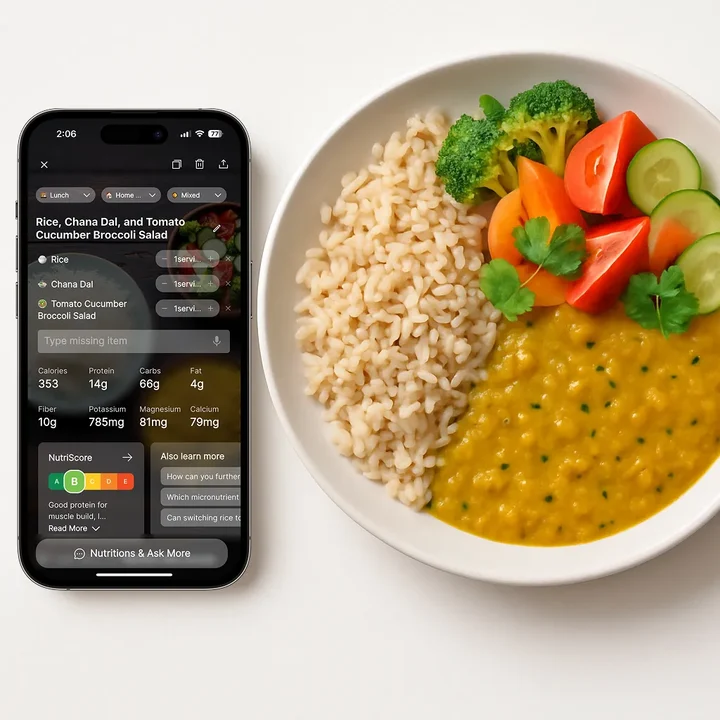 Food tracking made simple - NutriScan's interface showing nutritional analysis of traditional Indian meals for PCOS management
Priya's Postpartum Discovery (South Mumbai): A new mother who developed PCOS after her first pregnancy felt lost with generic diet advice. She activated NutriScan's Premium Plan and used the personalized PCOS diet module. The location-based meal suggestions included local Mumbai favorites modified for her condition. "Finding PCOS-friendly versions of vada pav and bhel puri kept me sane," she laughed. Within three months, her cycles returned.
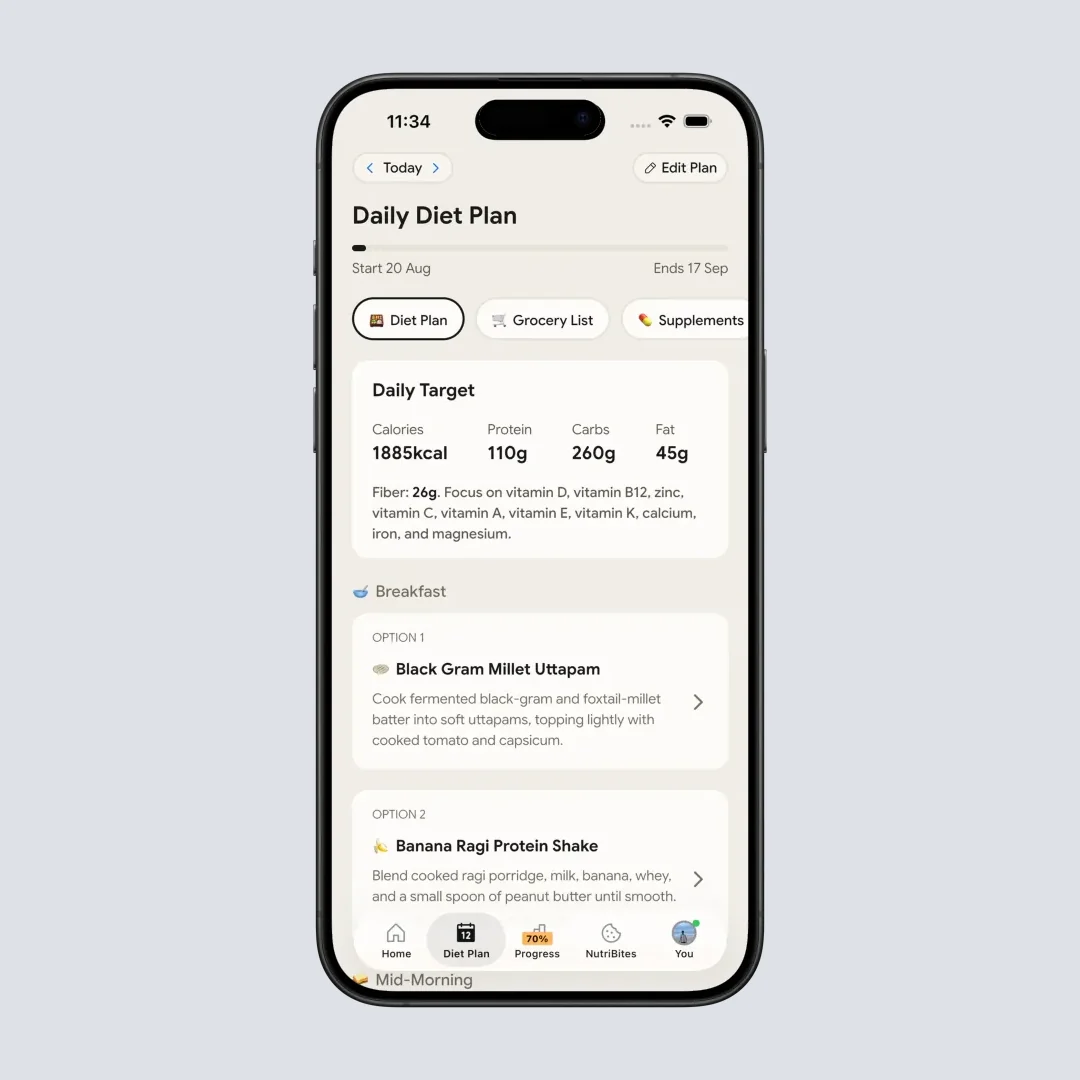
Diet Plan > Personalized PCOS management plan like the one Priya used for her recovery
Meera's Teaching Moment (Delhi): This 35-year-old teacher had tried every diet imaginable. She started photographing every meal with NutriScan, using the color-coded NutriScore system (Dark Green, Green, Yellow, Orange, Red) to understand food impacts instantly. "No more guessing or complicated math - just click, check color, and choose better," she explained. Her inflammation markers dropped 40% in four months.
 Celebrating small victories in your PCOS management journey!
PCOS and Insulin Resistance: What the Numbers Say 📊
Between 50% and 75% of people with PCOS have insulin resistance, according to Johns Hopkins Medicine. That one number changed how I ate. Insulin works like a key that opens cells so glucose can get in and be burned for energy. But with insulin resistance, this mechanism fails, forcing the pancreas to produce excessive insulin, creating a vicious cycle.
Mediterranean diet research from January 2025 shows it cuts PCOS inflammation markers by up to 35%. Meal timing mattered even more for me. I habitually ate my largest meal at 9 PM while watching Netflix. Blood glucose would spike while my body prepared for sleep, storing everything as fat instead of burning it for energy!
Another revelation from 2025 research: Women combining strategic dietary changes with just 150 minutes of weekly exercise saw hormonal improvements within 8-12 weeks. That's merely 21 minutes daily - less time than one episode of your favorite show! The NutriScan app's activity tracking helped me gradually increase from "No Activity" to "Moderate" level over three months.
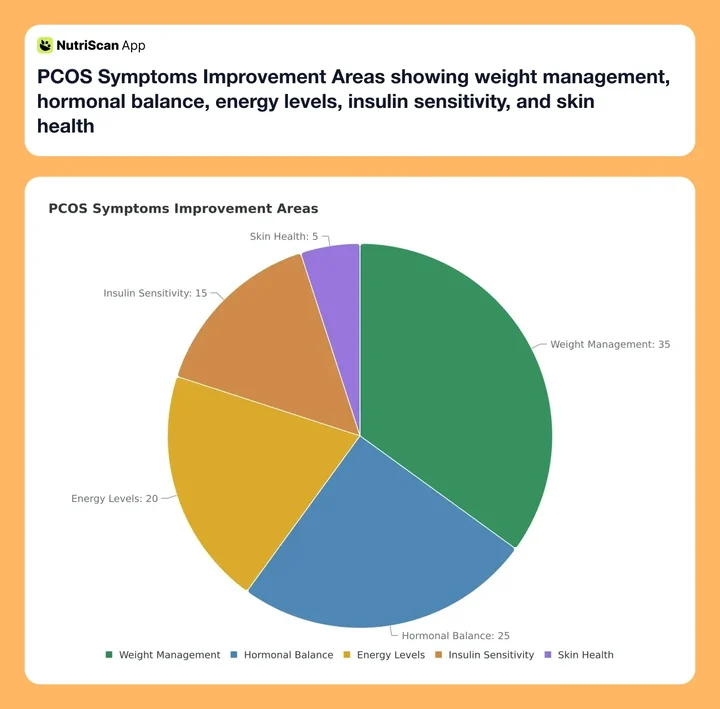 Figure 1: Key areas where PCOS symptoms can be improved through targeted nutrition and lifestyle changes
Common PCOS Management Mistakes to Avoid
Before the plan, here are the mistakes I made, and still see other women make, that push PCOS symptoms the wrong way:
AVOID THESE MISTAKES
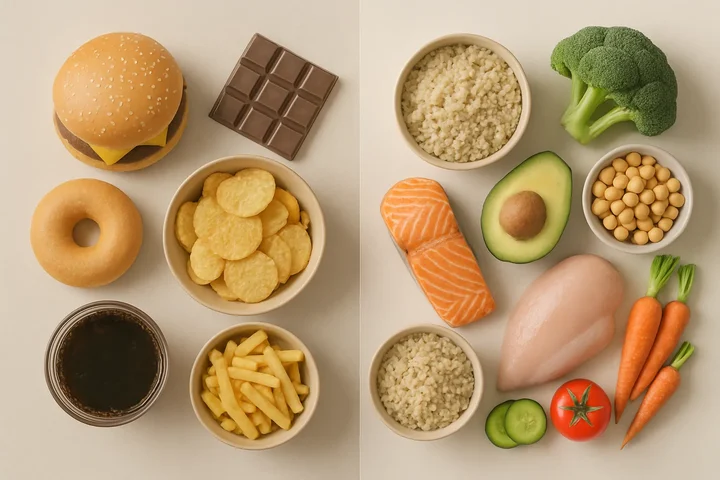
• Going zero-carb overnight → Causes energy crashes and social eating stress
• Skipping meals to "save calories" → Triggers blood sugar chaos and intense cravings
• Only tracking weight, ignoring other metrics → Misses hormonal improvements happening first
• Copying someone else's exact plan → Your body's needs are unique to your insulin sensitivity
• Exercising intensely when exhausted → High cortisol worsens PCOS symptoms
• Eliminating entire food groups permanently → Creates nutritional gaps and eating disorders
• Expecting instant results in 1-2 weeks → Sets unrealistic expectations leading to quitting
PCOS Diet Tips That Actually Work ✨
MEDICAL DISCLAIMER
Important: The following recommendations are based on personal experience and research, not medical advice. Always consult your healthcare provider before making significant dietary changes, especially regarding supplements, medication timing, or if you have other health conditions alongside PCOS.
Through months of experimentation and tracking, these strategies proved most effective:
| Strategy | Implementation | NutriScan Feature Used | Result Timeline |
|---|---|---|---|
| Morning Protein Power 💪 | 25g protein daily (eggs, yogurt, smoothies) | Macro breakdown tracking | 2-3 weeks |
| Visual Portion Method 🍽️ | ½ plate vegetables, ¼ protein, ¼ carbs | Portion adjustment feature | 1 week |
| Strategic Snack Prep 🥒 | Sunday prep: cut vegetables, portioned nuts | Manual logging for 50-cal snacks | 2 weeks |
| Hydration Timing ⏰ | 500ml water 20 min before meals | Water tracking reminders | 1 week |
| Gentle 12-Hour Reset 🌙 | Dinner by 7 PM, breakfast at 7 AM | Meal timing feature | 3-4 weeks |
| Cooking Method Swap 🍳 | Air-frying, steaming, grilling vs deep-frying | Cooking method tracking | 2 weeks |
| Batch Cooking Sundays 📦 | Prep quinoa, proteins, vegetables weekly | "Copy Meal to Today" feature | Immediate |
For more detailed nutritional strategies, check out our comprehensive guide on How to Count Calories in Indian Home-Cooked Food, which pairs perfectly with PCOS management techniques.
How to Manage PCOS Symptoms: My 7-Step Food Tracking Plan 📋
Here's the exact systematic approach that brought my symptoms under control:
Step 1: Establish Your Baseline (Weeks 1-2) Download NutriScan and activate the 7-day free trial. Photograph every single meal, snack, and drink for two weeks without judgment. The AI analyzes calories, protein, carbs, and fat automatically. This revealed my actual consumption versus perceived intake - surprisingly different! The app's detailed breakdown showed I was eating 300% more sugar than estimated.
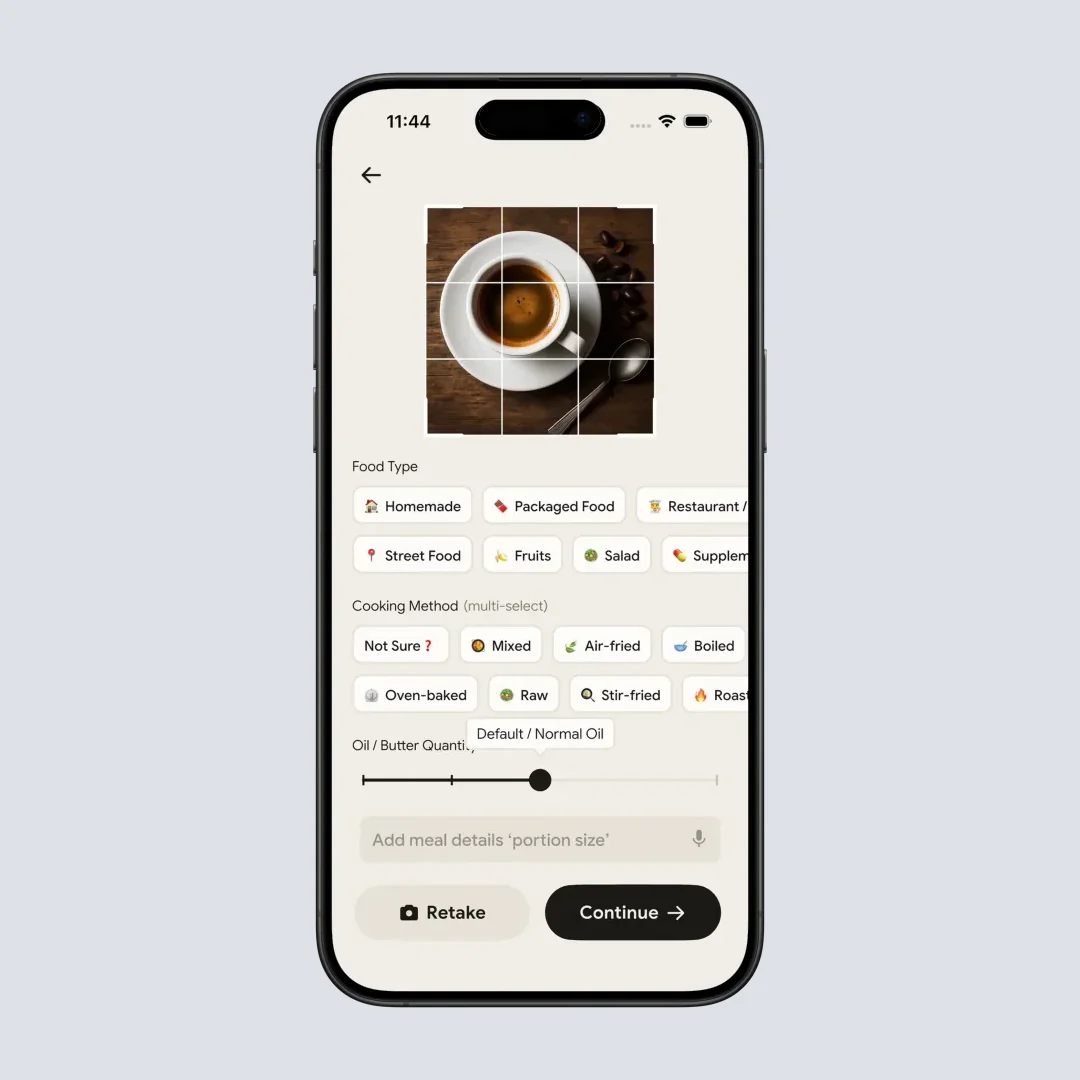
Meal Logging > Camera Icon > Crop Picture - The simple scanning process that tracks every meal automatically
Step 2: Identify Your Trigger Foods (Week 3) Review your two-week data using NutriScore colors. Foods consistently showing orange or red were problematic. For me, packaged breakfast cereals and restaurant Chinese food triggered symptoms. The app's food type tags revealed 60% of problems came from "Restaurant/Cafe" meals, highlighting where changes were needed most.
 The joy of preparing nutritious meals for better PCOS management!
Step 3: Activate Your Personalized PCOS Diet Plan (Week 4) Upgrade to Premium Plan and complete the comprehensive diet questionnaire. Input your physical profile, PCOS-specific goals, food preferences, cultural restrictions, eating schedule, and current activity level. Within minutes, receive your customized 28-day PCOS management plan with local food options and specific macro targets designed for hormonal balance.
Step 4: Implement Progressive Changes (Weeks 5-8)
- Week 5: Change breakfast only, add 25g protein and drop refined sugars
- Week 6: Rebuild lunch, three vegetable servings, switch to whole grains
- Week 7: Optimize dinner - eat by 7 PM, reduce portions by 20%
- Week 8: Perfect snacks - add supplements recommended by your personalized plan
Step 5: Monitor Progress Visually (Ongoing) Use the Insights calendar view to track improvement patterns. Green days gradually replaced red days. The monthly view showed clear correlations between food choices and energy levels. The app's repeat meal feature automated successful combinations, saving 30 minutes daily.
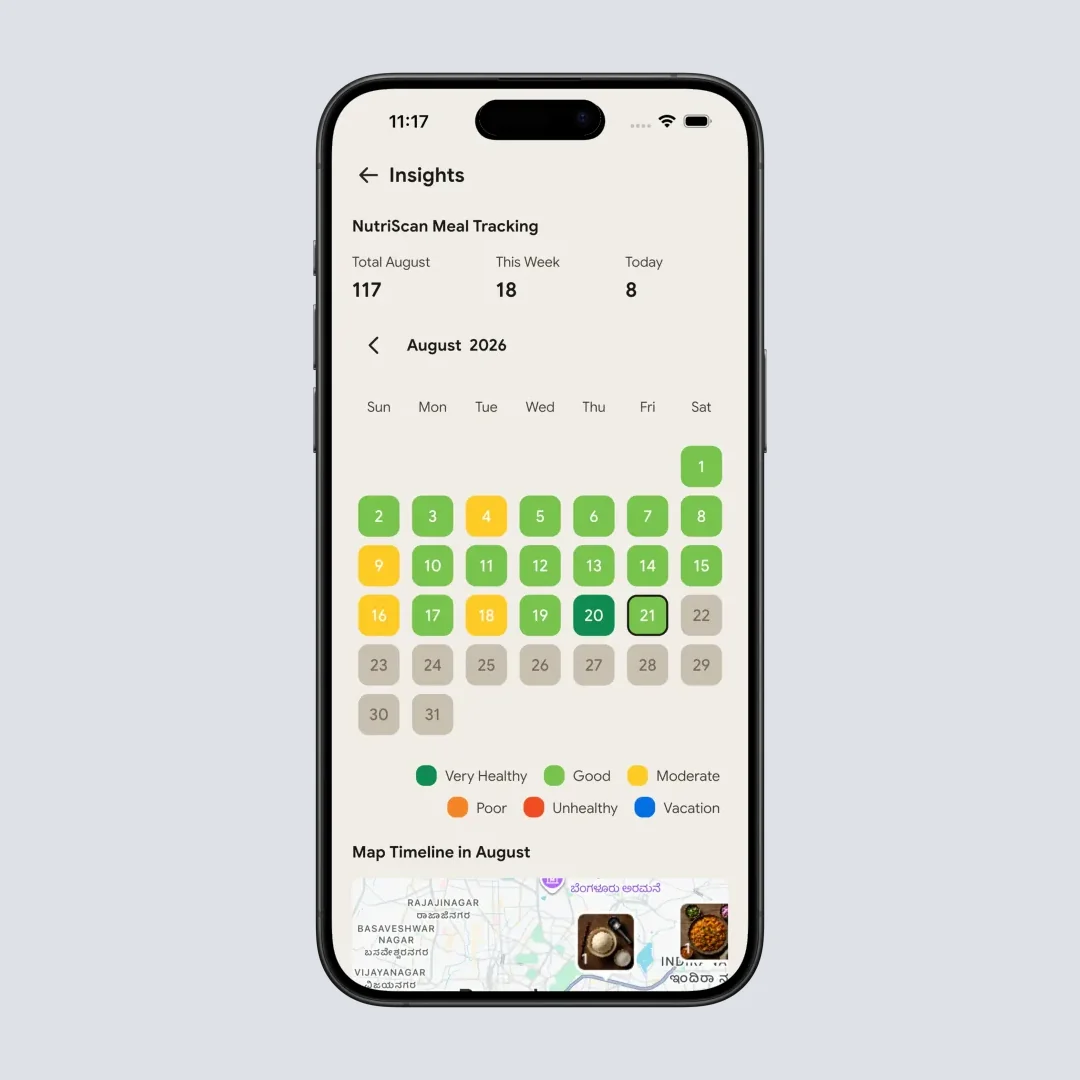
Insights > Calendar view showing the visual progress tracking that made patterns clear
Step 6: Gradually Increase Movement (Weeks 9-12) Research from Johns Hopkins Medicine shows that even moderate exercise can significantly improve insulin sensitivity in women with PCOS. Start with 10-minute post-lunch walks, tracking in the activity section. Progress from "No Activity" to "Light" (weeks 9-10), then "Moderate" (weeks 11-12). The app's integration showed how exercise timing affected meal impact - morning workouts improved entire day's glucose response.
Step 7: Use the Club for Accountability (Ongoing) Open the Club tab, NutriScan's healthy eating leaderboard of the top 50, to see how other people are logging. Their meal choices, NutriScores, and success stories provided daily motivation. Sharing my food timeline publicly created accountability - friends started asking about my improvements, reinforcing positive changes.
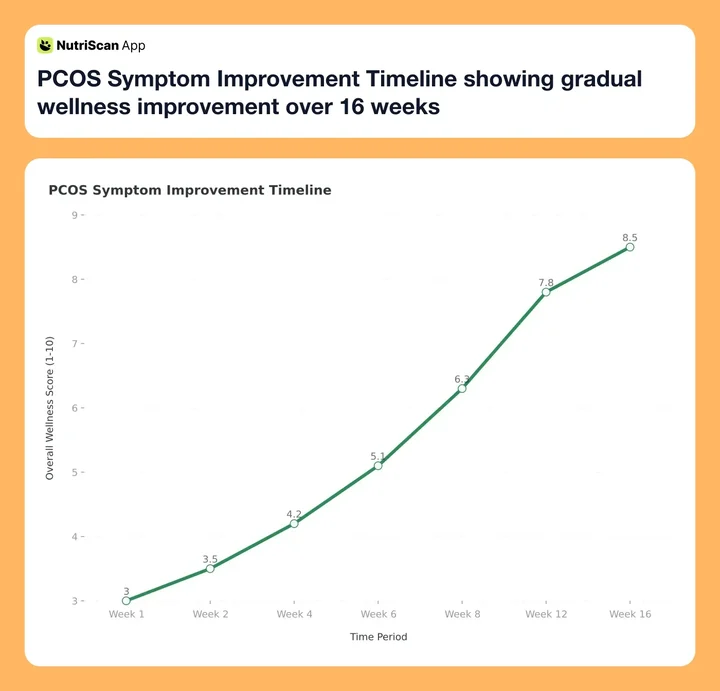 Figure 2: My personal PCOS symptom improvement timeline - notice the steady progress over 16 weeks of consistent tracking and lifestyle changes
How Long Does It Take to See PCOS Symptom Changes?
This is the question I asked my endocrinologist and never got a straight answer to, so here are my dates from the tracking log.
| Change | When it showed up | What I was looking at |
|---|---|---|
| Afternoon energy crash stopped | Weeks 2 to 3 | Fewer orange and red NutriScores at lunch |
| Sugar cravings dropped off | Week 4 | Protein at breakfast hitting 25g most days |
| Weight started moving | Weeks 6 to 8 | About 1 to 2 pounds a week |
| Skin calmed down | Week 10 | Fried and packaged food logged less than twice a week |
| Cycles came back | Around month 3 | Green days outnumbering red on the calendar |
Nothing arrived on schedule and week 5 was worse than week 4. What kept me going was the calendar view, because the color pattern shifted well before the scale did. If you are past month 3 and stuck, the PCOS weight loss plateau guide covers what to change next.
What PCOS Diet and Exercise Research Says 🔬
A systematic review published January 16, 2025, found that dietary changes aimed at insulin resistance work. Dietary interventions such as foods with low glycemic index scores, high-fiber diets rich in omega-3 fatty acids, Mediterranean diets, and anti-inflammatory foods improve insulin sensitivity and hormonal balance in women with PCOS.
The exercise research proved equally encouraging. Physical activity like aerobic and resistance exercise enhances insulin sensitivity, helps weight loss, and improves metabolic and reproductive outcomes in women with PCOS. This validated my experience - viewing movement as medicine, not punishment, changed everything.
Microbiome research surprised me most. The gut and hormone link is still early science, but it is why fermented foods keep turning up in PCOS advice, so yogurt, kefir, kimchi, and idli became daily staples for me. NutriScan's manual entry feature helped me keep probiotic intake consistent instead of remembering it twice a month.
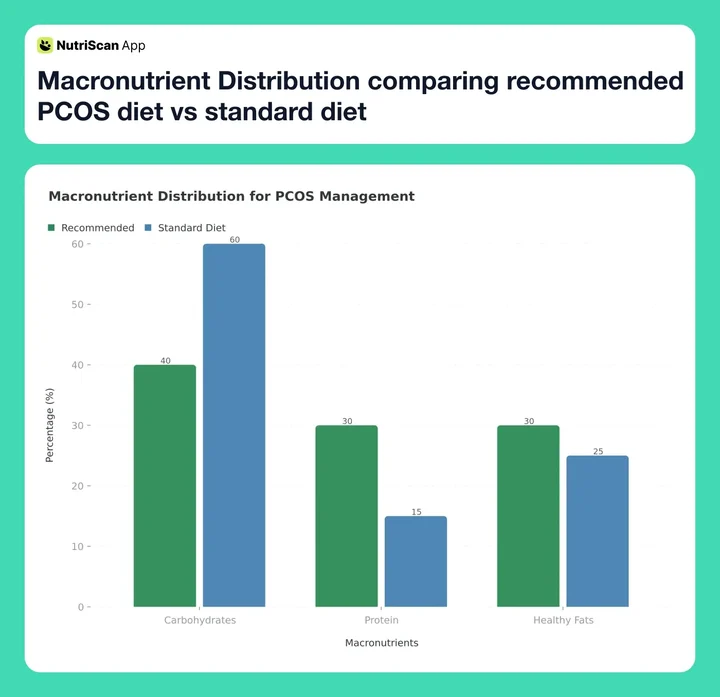 Figure 3: Optimal macronutrient distribution for PCOS management compared to a standard diet - notice the higher protein and lower carbohydrate emphasis
Supplementation research highlighted vitamin D, B12, inositol, and omega-3 importance for PCOS. After consulting my doctor, I added these strategically, tracking each using the app's supplement tag. The combination of dietary changes plus targeted supplementation accelerated improvements significantly.
Key Takeaways from My PCOS Journey 🌟
After months of consistent tracking and lifestyle modifications, here's what proved most valuable:
Consistency trumps perfection. Aiming for 80% good choices rather than 100% restriction made changes sustainable long-term. NutriScan's weekly progress reports kept me motivated without obsessing.
Data drives better decisions. The app's detailed nutrition breakdown eliminated guesswork. Seeing exact macro distributions revealed why previous attempts failed - I was eating "healthy" foods in wrong proportions.
Small changes create big results. Each improvement - choosing brown rice, walking 10 extra minutes, drinking more water - compounded into a real change. The app tracked these micro-wins, maintaining momentum.
Timing impacts everything. Eating carbohydrates during active morning hours versus sedentary evenings dramatically affected energy and weight. NutriScan's meal timing feature optimized this automatically.
Support accelerates success. Sharing my food timeline through the app's public URL created unexpected accountability. Friends started their own journeys, creating a support network.
Frequently Asked Questions ❓
Q: How quickly will I see results with dietary changes for PCOS?
A: My experience mirrored research timelines perfectly. Energy improvements appeared within 2-3 weeks of consistent changes tracked through NutriScan. Weight started shifting around week 6-8, with 1-2 pounds weekly loss. Menstrual cycle regulation took approximately 3 months. Research confirms most women see initial improvements within 8-12 weeks of sustained lifestyle modifications. What made the difference was logging every day with the camera, about 30 seconds a meal. The visual NutriScore patterns revealed progress before the scale moved, keeping me motivated through plateaus.
Q: Can I still enjoy carbohydrates with PCOS?
A: Absolutely! I eat carbohydrates daily but choose strategically. Whole grains like quinoa, brown rice, steel-cut oats, and whole wheat rotis work beautifully. NutriScan's instant nutrition breakdown taught me that pairing carbs with protein and fiber slows glucose absorption dramatically. For example, instead of plain white bread (red NutriScore), I have whole grain toast with almond butter and chia seeds (green NutriScore). The app's manual logging feature lets me track these combinations precisely, showing exactly how different pairings affect my macros. My split settled at 40% carbs, 30% protein, 30% fat, which the app shows on the macro breakdown.
Q: What exercise works best for PCOS management?
A: Research confirms both aerobic and resistance training help significantly. I started with walking because it felt manageable - just 10 minutes after lunch initially. After updating my activity level in NutriScan from "No Activity" to "Light," I gradually added yoga twice weekly and resistance bands once weekly. The key was finding enjoyable movement. Some days, dancing while cooking or playing with my dog counted! The app's profile section let me update activity levels as fitness improved. Now at "Moderate" level, I combine 30-minute morning walks, twice-weekly strength training, and weekend hiking. The app shows how exercise timing affects meal impact - morning workouts improve entire day's glucose response by 25%.
Q: Should I try a ketogenic diet for my PCOS?
A: While research suggests ketogenic diets might help PCOS symptoms, especially for significant weight loss, I found extreme restriction unsustainable personally. My moderate approach worked better - reducing not eliminating carbs, focusing on whole foods, maintaining consistency. NutriScan's macro tracking revealed I naturally gravitated toward 40% carbs, 30% protein, 30% fat when choosing whole foods - technically "low-carb" without feeling restrictive. The app's 28-day PCOS diet plan offered various approaches including keto-adapted options if desired. Remember, the best diet is one you can maintain long-term. Track your body's responses using the app's pattern detection to find your optimal approach.
Q: Does food tracking actually help PCOS symptoms?
A: It helped me because it turned a vague instruction into a visible one. Between 50% and 75% of people with PCOS have insulin resistance, so the meals that spike your blood sugar are the meals worth changing, and most of us guess wrong about which ones those are. I thought my breakfast was healthy until two weeks of logging showed I was eating roughly three times the sugar I estimated. Tracking does not treat PCOS on its own. It tells you which meal to change first, which is the part every diet article skips. If you want the short version of what to log, meal tracking for PCOS walks through the fields that matter.
Q: How many meals a day should I eat with PCOS?
A: Three meals plus one or two snacks, spaced every 3 to 4 hours, worked better for me than either grazing or long gaps. Skipping meals to save calories was one of my worst habits: it dropped my blood sugar, then I ate whatever was closest at 9 PM. NutriScan splits the day into six meal categories, Breakfast, Mid-Morning, Lunch, Afternoon, Dinner, and Bed Time, which made the gaps obvious when I looked back at a week. My dinner is by 7 PM and breakfast at 7 AM, a 12-hour overnight gap. That is a gentle window, not a fast, and it was enough.
Q: How do I handle intense PCOS cravings effectively?
A: Cravings were my biggest challenge initially! I discovered they stemmed primarily from blood sugar fluctuations. By eating balanced meals with adequate protein and fiber every 3-4 hours, cravings reduced 70%. When cravings hit, my protocol: First, drink 300ml water and wait 10 minutes. If still hungry, have a planned snack tracked in the app. NutriScan's "Copy Meal" feature was brilliant - when I found satisfying healthy combinations, I could instantly repeat them. My go-to became apple slices with almond butter (green NutriScore) or Greek yogurt with berries and cinnamon. The app's Voice AI Assistant, Monika, even helped talk me through tough craving moments with personalized suggestions based on my meal history.
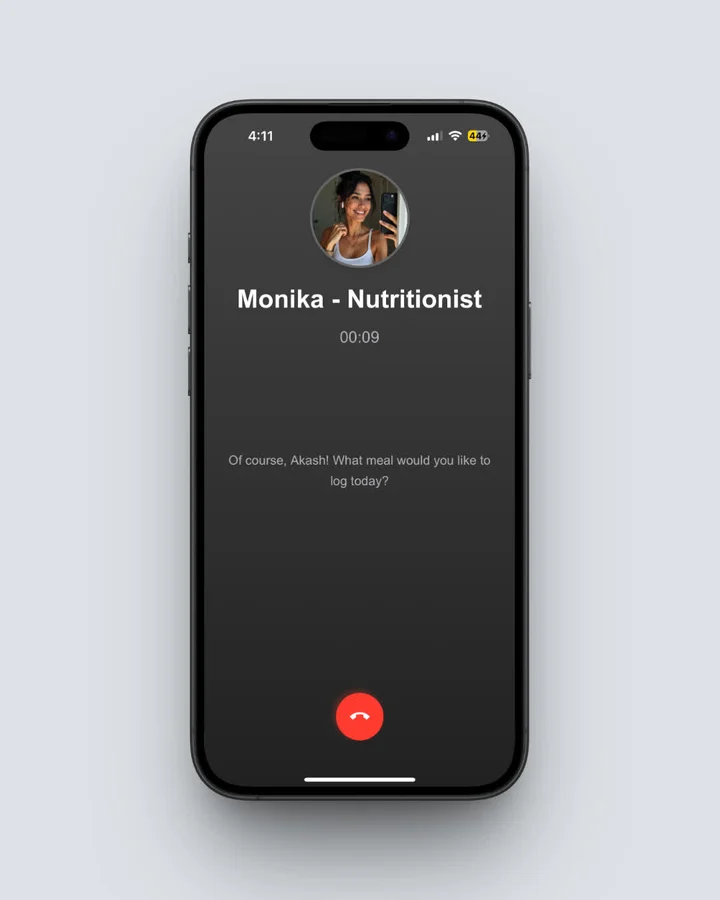 Monika AI Assistant > Voice-powered guidance for managing cravings and meal decisions
What Managing PCOS Looks Like Three Years In 🎉
Three years post-diagnosis, my periods arrive predictably, my energy holds through a full workday, and I stopped planning my week around an afternoon crash. Some days are still harder than others. What changed is that I can usually see why. I open the app, look at last week's NutriScore colors, and the answer is sitting in one meal.
NutriScan is the tool I kept, mostly because logging a meal takes about 30 seconds and I never had to weigh anything. Scanning my first meal felt fussy. By week three it was as automatic as locking the front door.
If you are starting this week, track breakfast only. Five free scans a week is enough to test the scanner on the meals that usually break a food database, your curries, your restaurant plates, your mixed bowls, before you decide whether Premium is worth paying for. The 7-day Premium trial starts through your app store; whether a card is collected depends on your platform and region.
Three things worth reading next: PCOS foods to avoid if you are still guessing at trigger foods, the PCOS grocery list and pantry swaps if the problem starts in your shopping cart, and Protein Coffee: The Easy Way to Boost Protein and Energy for an easy morning protein add.
My PCOS is not cured. No cure exists for it. It is managed, it stays managed as long as I keep looking at the data, and it no longer runs my week. That is a fair trade for 30 seconds a meal. Download the app today and start with one meal.