7-Day Diet Plan for Diabetic Patients: Indian Meals and Snacks
 ChatGPT
  Claude
  AI Mode
  Perplexity
TL;DR - Quick Takeaways
Perfect for: Type 2 diabetics looking for an Indian meal plan | Time: 7-day structured diet | Results: HbA1c reduction of 0.5-1.5% in 12 weeks
Key Benefits:
- 📋 Complete 7-day meal plan with Indian foods (dal, roti, sabzi)
- 🩺 Research-backed approach (reduces blood sugar by 11 mg/dL)
- 🥗 Smart portion control & vegetable-first eating strategy
- 📊 Track progress with NutriScan app meal logging
- ✅ Includes superfoods like fenugreek, karela, and millets
What You'll Learn: Meal timing, portion sizes, blood sugar management tips, and how to make your favorite Indian dishes diabetes-friendly.
What This 7-Day Diet Plan for Diabetic Patients Looks Like
Seven days of Indian meals at roughly 1,200 to 1,600 calories a day, built from food already in your kitchen: dal, roti, sabzi, curd, and a small bowl of brown rice or millets. Every day runs six eating slots, methi water at 6 AM, breakfast, mid-morning snack, lunch, evening snack, dinner, plus warm milk at bedtime. The grains stay low-GI (jowar, bajra, ragi, oats), protein shows up at every meal, and the snacks are dry ones you can carry in a pouch: roasted chana, makhana, almonds. Eat vegetables and protein before the rice or roti and post-meal spikes fall by about 30%. The full day-by-day plan starts below.
I remember sitting with my uncle who was just diagnosed with diabetes. His face told the whole story, confusion, worry, and that look of "now I can't eat anything I love anymore." Over 101 million Indians are living with diabetes according to 2023 ICMR Guidelines, and the struggle with food is real. Managing it does not mean giving up tasty food. It means making smarter choices that keep your blood sugar steady and your taste buds satisfied, and a smart diet plan for managing blood sugar is mostly small swaps you can live with.
Real Stories That'll Hit Home
Let me tell you about three people I met during my research:
Rajesh from Mumbai - A 45-year-old software engineer who thought diabetes meant the end of his favorite biryani. After following a structured meal plan, he discovered he could enjoy brown rice biryani in controlled portions. His HbA1c dropped from 8.2 to 6.9 in just 12 weeks!
Priya from Bangalore - A working mom who was always confused about what to pack for lunch. She started tracking her meals with NutriScan app, taking photos of her food, and understanding exactly what nutrients she was getting. The app helped her spot patterns - like how eating vegetables before rice kept her sugar levels more stable.
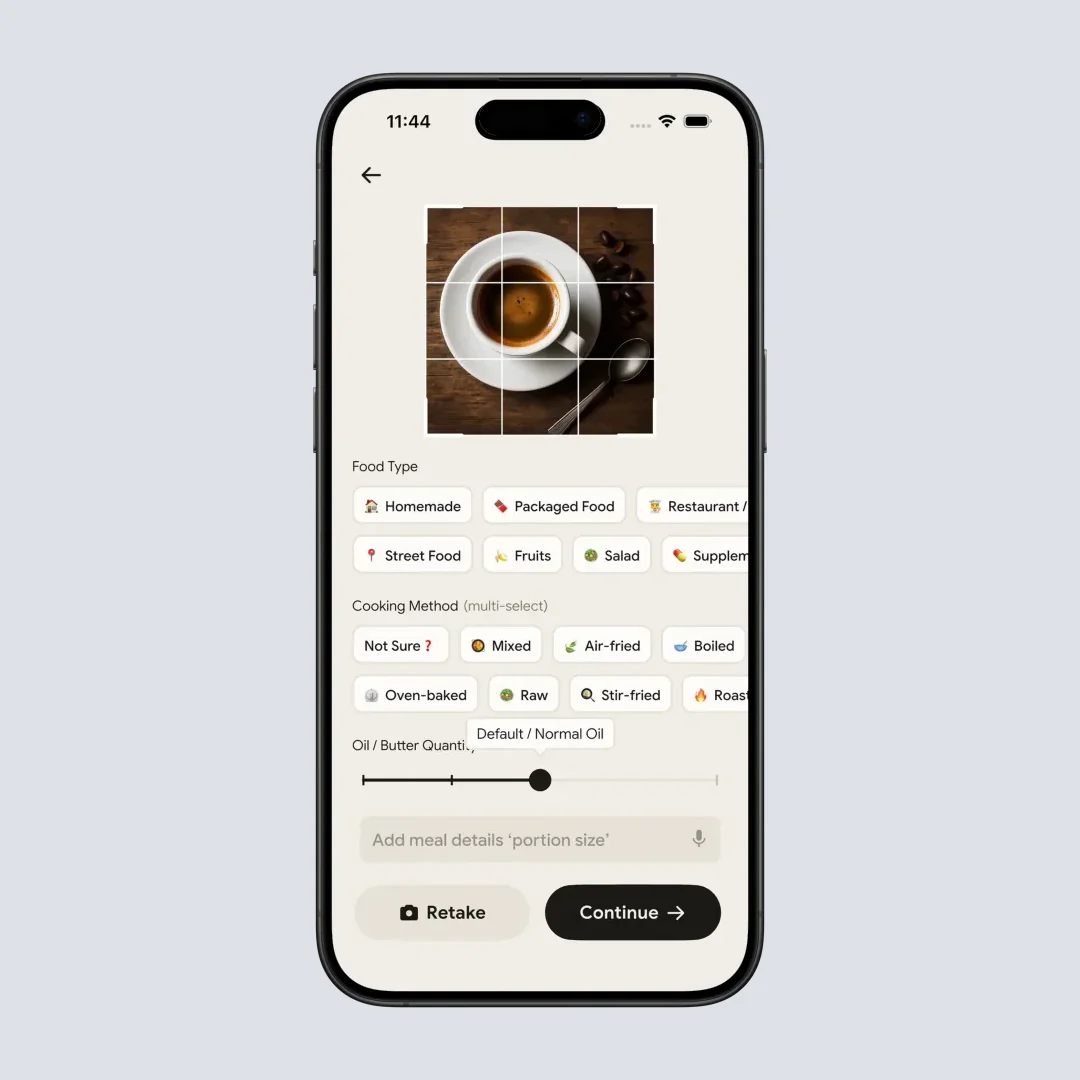
Track your meals effortlessly with NutriScan's AI-powered photo analysis - just click and know your nutrition
Dinesh from Delhi - A retired teacher who loved his morning parathas. Instead of cutting them out completely, he switched to multigrain flour and paired them with protein-rich dal. Small change, big results. His fasting glucose came down by 30 points in 2 months!
These stories show one thing - diabetes management is possible with the right food choices and tracking.
 Ready to transform your kitchen into a diabetes-friendly zone? Let's cook up some health!

The Science Behind Smart Eating
Recent research from Johns Hopkins (August 2025) put a number on this. The DASH4D diet (modified for diabetes) helped people lower their blood glucose by 11 mg/dL and stay in the optimal blood sugar range for an extra 75 minutes every day!
Research-Backed Results
PREDIMED-Plus Trial (Oct 2025): Calorie-reduced Mediterranean diet + exercise = 31% lower diabetes risk Plant-Based Studies (2025): HbA1c reductions up to 0.4% DASH4D Study: 75 extra minutes in optimal blood sugar range daily
And it's not just that. A Spanish study published in October 2025 found that combining a calorie-reduced Mediterranean diet with moderate exercise cut type 2 diabetes risk by 31%. Thirty-one percent! That's huge!
Plant-based diets are also showing great results. Studies report HbA1c reductions of up to 0.4% just by including more plant proteins and fiber-rich foods. The American Diabetes Association's 2025 guidelines now encourage plant-based proteins and fiber for better blood sugar control.
Timing and portion size matter as much as the food itself. When you eat, and how much, moves blood sugar as reliably as what lands on the plate.
Your 7-Day Indian Diabetic Meal Plan
Before we jump into the plan, remember - this is a general guide based on 1200-1600 calories per day. Your needs might be different based on your age, weight, activity level, and medication. Always check with your doctor or nutritionist before starting any new diet plan!
Calculate Your Personal Macros
Want a personalized meal plan? Use our Diabetes Macro Calculator to calculate your exact protein, carb, and fat needs based on your body and goals.
Understanding the Ideal Diabetic Meal Composition
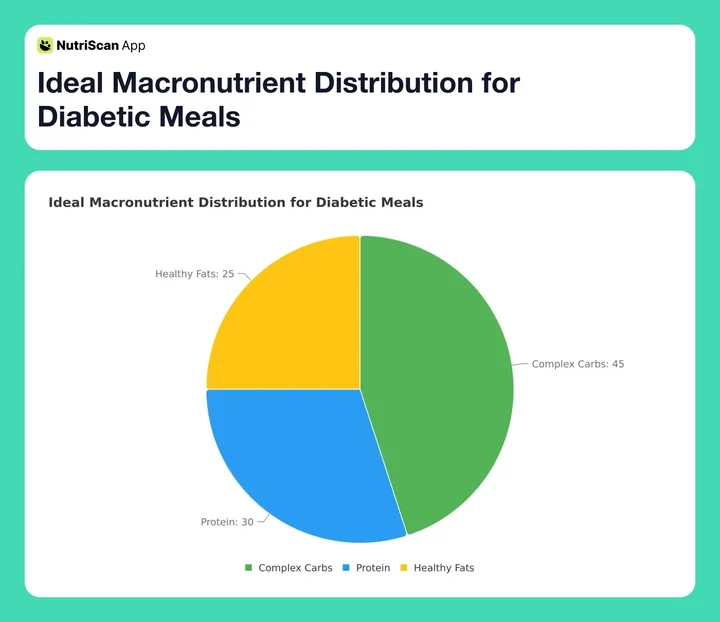 Figure 1: The golden ratio for diabetes-friendly meals - 45% complex carbs, 30% protein, and 25% healthy fats
This balanced distribution helps maintain steady blood sugar levels throughout the day. Notice how complex carbs (from whole grains and vegetables) form the foundation, protein supports muscle health and satiety, while healthy fats slow down glucose absorption.
Day 1: New Beginning Monday
Early Morning (6:00 AM)
- 1 teaspoon fenugreek (methi) powder mixed in warm water
- Benefits: Fenugreek helps slow down digestion and reduces blood sugar spikes
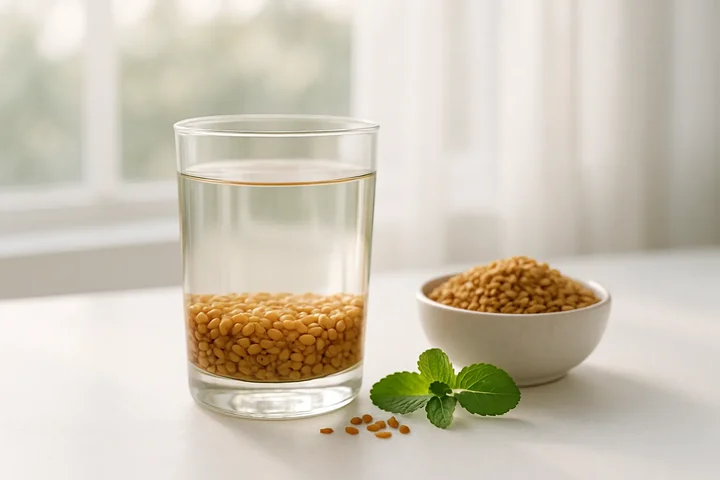 Starting your day with fenugreek water - a simple ritual that can lower fasting blood sugar by 13-20%
Breakfast (8:00 AM)
- 1 bowl of oats cooked in low-fat milk
- 1 boiled egg or paneer bhurji
- 5-6 almonds
- 1 small apple (with skin)
- Herbal tea without sugar
Mid-Morning Snack (10:30 AM)
- 1 cup buttermilk or
- Small bowl of roasted makhana (fox nuts)
Lunch (1:00 PM)
- 2 small jowar or bajra rotis
- 1 small bowl brown rice
- 1 bowl mixed dal (moong + masoor)
- 1 bowl stir-fried vegetables (spinach, carrots, beans)
- Small bowl of cucumber-tomato salad
- 1 small bowl low-fat curd
Evening Snack (4:00 PM)
- 1 cup green tea
- Small handful of roasted chana or
- 1 small orange
Dinner (7:30 PM)
- 2 multigrain rotis or 1 small bowl quinoa
- 1 bowl palak paneer (made with less oil)
- 1 bowl mixed vegetable curry
- Small bowl of salad
Bedtime (10:00 PM)
- 1 cup warm low-fat milk with a pinch of turmeric
Day 2: Protein Power Tuesday
Early Morning (6:00 AM)
- Methi water or lemon water
Breakfast (8:00 AM)
- 2 small vegetable moong dal chillas
- 1 tablespoon green chutney
- 1 small cup of papaya
- Tea without sugar
Mid-Morning Snack (10:30 AM)
- Small bowl of sprouts salad with lemon
Lunch (1:00 PM)
- 2 ragi rotis
- 1 bowl rajma (kidney beans curry)
- 1 bowl bhindi (okra) sabzi
- Cucumber raita
- Green salad
Evening Snack (4:00 PM)
- 1 cup masala chai (no sugar, less milk)
- 2 whole wheat crackers
Dinner (7:30 PM)
- Grilled chicken or paneer tikka (6-7 pieces)
- Mixed vegetable soup
- 1 small multigrain roti
- Green salad
Bedtime (10:00 PM)
- Turmeric milk
Day 3: Wholesome Wednesday
Early Morning (6:00 AM)
- Methi water
Breakfast (8:00 AM)
- 2 small vegetable stuffed parathas (made with oats flour)
- 1 tablespoon mint chutney
- 1 small bowl of curd
- Tea
Mid-Morning Snack (10:30 AM)
- 1 small guava
- 4-5 walnuts
Lunch (1:00 PM)
- 2 jowar rotis
- 1 bowl chickpea curry (chana masala)
- 1 bowl methi (fenugreek) sabzi
- Onion-cucumber salad
- Buttermilk
Evening Snack (4:00 PM)
- 1 cup green tea
- Small bowl of boiled black chana
Dinner (7:30 PM)
- 1 small bowl brown rice khichdi
- 1 bowl bottle gourd (lauki) curry
- Mixed veg salad
- Low-fat curd
Bedtime (10:00 PM)
- Warm milk
Day 4: Thoughtful Thursday
Early Morning (6:00 AM)
- Jeera (cumin) water
Breakfast (8:00 AM)
- Vegetable upma (made with millets)
- 1 boiled egg or tofu scramble
- 1 small orange
- Black coffee or tea
Mid-Morning Snack (10:30 AM)
- 1 cup coconut water (not sweetened)
- Small handful of peanuts
Lunch (1:00 PM)
- 2 small bajra rotis
- 1 bowl sambhar
- 1 bowl cabbage-carrot sabzi
- Small bowl curd
- Salad
Evening Snack (4:00 PM)
- Masala tea
- Roasted makhana
Dinner (7:30 PM)
- Grilled fish or mushroom curry
- 1-2 small multigrain rotis
- Steamed broccoli and beans
- Salad
Bedtime (10:00 PM)
- Milk with turmeric
Day 5: Flexible Friday
Early Morning (6:00 AM)
- Methi water
Breakfast (8:00 AM)
- 1 bowl poha (made with lots of vegetables)
- 1 tablespoon peanuts
- 1 small apple
- Tea
Mid-Morning Snack (10:30 AM)
- Small bowl of mixed sprouts
- Green tea
Lunch (1:00 PM)
- 2 ragi or jowar rotis
- 1 bowl masoor dal
- 1 bowl karela (bitter gourd) sabzi
- Tomato-onion raita
- Salad
Evening Snack (4:00 PM)
- 1 cup chai
- 2 marie biscuits (sugar-free)
Dinner (7:30 PM)
- 1 small bowl vegetable pulao (brown rice)
- 1 bowl soya curry
- Mixed salad
- Low-fat curd
Bedtime (10:00 PM)
- Warm milk
Day 6: Satisfying Saturday
Early Morning (6:00 AM)
- Jeera water
Breakfast (8:00 AM)
- 2 small idlis with sambhar
- 1 tablespoon coconut chutney
- 1 small bowl of papaya
- Coffee
Mid-Morning Snack (10:30 AM)
- Buttermilk
- Small bowl of roasted chana
Lunch (1:00 PM)
- 1 small bowl brown rice
- 1 bowl toor dal
- 1 bowl drumstick curry
- Cucumber raita
- Salad
Evening Snack (4:00 PM)
- Green tea
- 1 small orange or seasonal fruit
Dinner (7:30 PM)
- 2 multigrain rotis
- 1 bowl tofu or chicken curry (less oil)
- Steamed vegetables
- Salad
Bedtime (10:00 PM)
- Turmeric milk
Day 7: Soulful Sunday
Early Morning (6:00 AM)
- Methi water
Breakfast (8:00 AM)
- Vegetable dosa (made with ragi or oats)
- 2 tablespoons coconut chutney
- 1 small bowl sambhar
- Tea
Mid-Morning Snack (10:30 AM)
- 1 small seasonal fruit
- Handful of almonds
Lunch (1:00 PM)
- 2 jowar rotis
- 1 bowl whole moong dal
- 1 bowl mixed vegetable curry
- Small bowl curd
- Salad
Evening Snack (4:00 PM)
- Masala chai
- Roasted makhana
Dinner (7:30 PM)
- 1 small bowl vegetable khichdi
- 1 bowl spinach curry
- Grilled paneer or soya chunks
- Salad
Bedtime (10:00 PM)
- Warm milk with turmeric
Smart Diabetes Diet Tips to Make This Work for You
Tip 1: The One Food Sequencing Trick That Drops Blood Sugar by 30%
Here's the technique I promised.
I discovered this by accident when I was helping my uncle manage his Type 2 diabetes. He changed NOTHING in his diet - same dal, same roti, same sabzi. Just changed the ORDER he ate them in.
His fasting blood sugar dropped from 148 mg/dL to 118 mg/dL in 3 weeks.
Here's what he did: Eat vegetables and protein FIRST, then carbs (rice/roti) LAST.
Why This Works (The Science):
- Vegetables and protein slow down stomach emptying
- This creates a "buffer" that prevents rapid glucose absorption
- Your body processes carbs more gradually
- Result: 30% lower post-meal blood sugar spikes (proven in multiple studies)
Real Results from Real People:
- Rajesh (mentioned earlier): "I eat the SAME meals, just reordered. My post-lunch sugar went from 220 to 165!"
- Study participants: Average reduction of 73 mg/dL in post-meal glucose
- Works with Indian meals: Dal first, then sabzi, then rice/roti
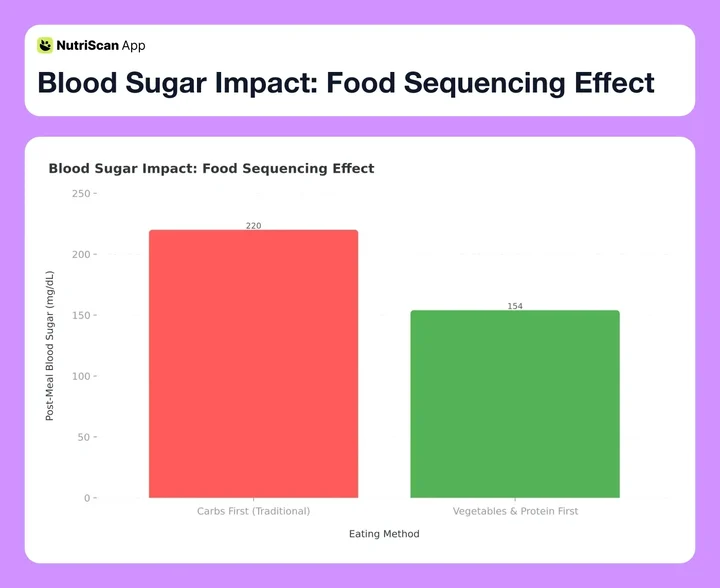 Figure 2: The dramatic difference - eating vegetables and protein first reduces post-meal blood sugar spikes by 30%
As you can see in the chart above, the same meal eaten in a different order produces dramatically different blood sugar results. Traditional eating (carbs first) spikes sugar to 220 mg/dL, while the smart sequence (vegetables & protein first) keeps it at a healthier 154 mg/dL!
How to Apply It (Starting Today):
- Serve your meal as usual (no changes needed)
- Start with salad or sabzi (vegetables)
- Move to dal/protein (chicken/paneer/eggs)
- Finish with rice/roti/carbs
- Same food, same portions, different order
I know it sounds almost too simple to work. But the research is solid, and the results speak for themselves. Try it for just 3 days and check your post-meal blood sugar. You'll be surprised.
Tip 2: Portion Control is Your Best Friend
Use your hand as a measuring tool:
- Fist = 1 cup (for vegetables and salad)
- Palm = protein portion
- Cupped hand = carb portion
- Thumb = fat portion (like oil or ghee)
No need for fancy measuring cups. Your hand goes everywhere with you!
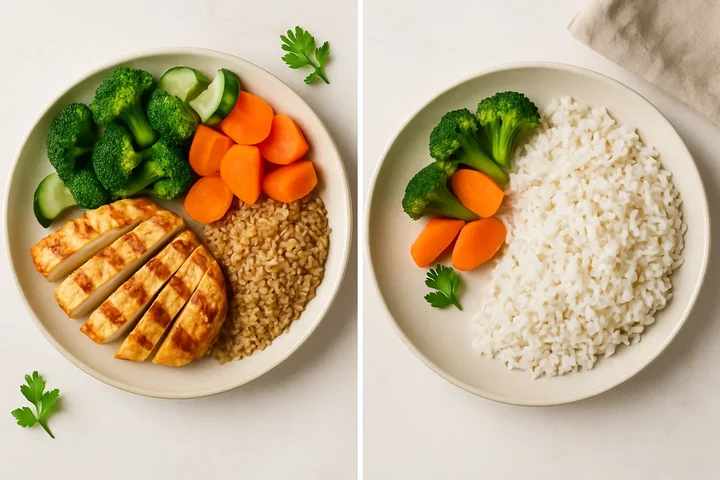 Before vs After: Understanding proper portion sizes can make all the difference in blood sugar control
Tip 3: The Power of Fiber
Include at least 14 grams of fiber per 1000 calories. Foods like whole grains, vegetables, legumes, and fruits with skin are your fiber heroes. Fiber slows down sugar absorption, keeping you full longer and helping with blood sugar control.
Tip 4: Stay Hydrated (But Smart)
Drink 8-10 glasses of water daily. But here's the catch - avoid sugary drinks, packaged juices, and too much coffee. Herbal teas, buttermilk, and coconut water (in moderation) are great options.
Tip 5: Timing Matters
Try to eat at roughly the same times every day. Your body loves routine! Having meals at regular intervals helps prevent blood sugar dips and spikes. Aim for a gap of 2-3 hours between meals and snacks.
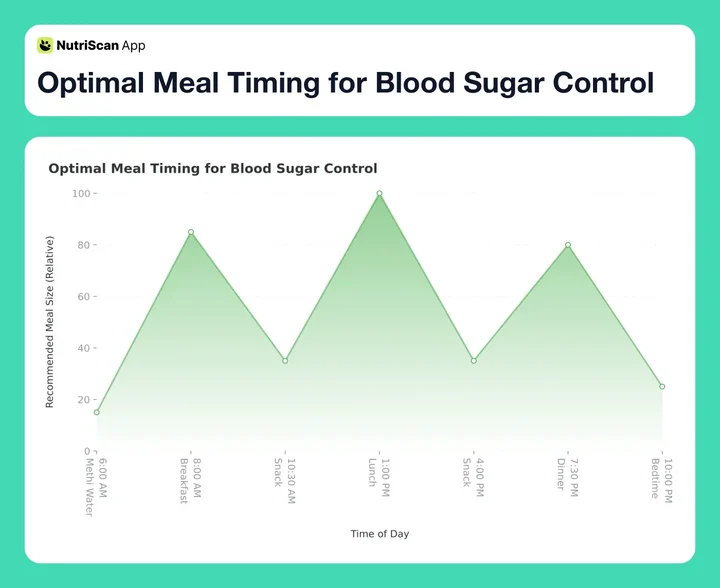 Figure 5: Your daily eating rhythm - notice how lunch is the largest meal, with strategic snacks keeping blood sugar stable
This timing chart shows the ideal distribution of food throughout your day. The early morning methi water kickstarts your metabolism, substantial breakfast and lunch provide energy when you need it most, while a lighter dinner allows for better nighttime glucose control.
Tip 6: Track Your Meals
Use apps like NutriScan to click photos of your meals and track nutrition automatically. When you log your meals, you start noticing patterns. Maybe your sugar goes up more with certain foods, or maybe eating late affects your morning glucose. These insights are gold!
The NutriScan app can analyze your meal photos and give you a detailed nutrition breakdown, calories, proteins, carbs, fats, and even micronutrients. If carbs are the number you watch most, compare the options in our roundup of the best apps for tracking carbs with diabetes. You can ask questions like "Why did my sugar spike yesterday?" and get answers based on your actual meal timeline. Learn more about meal scanning and AI-powered nutrition analysis.
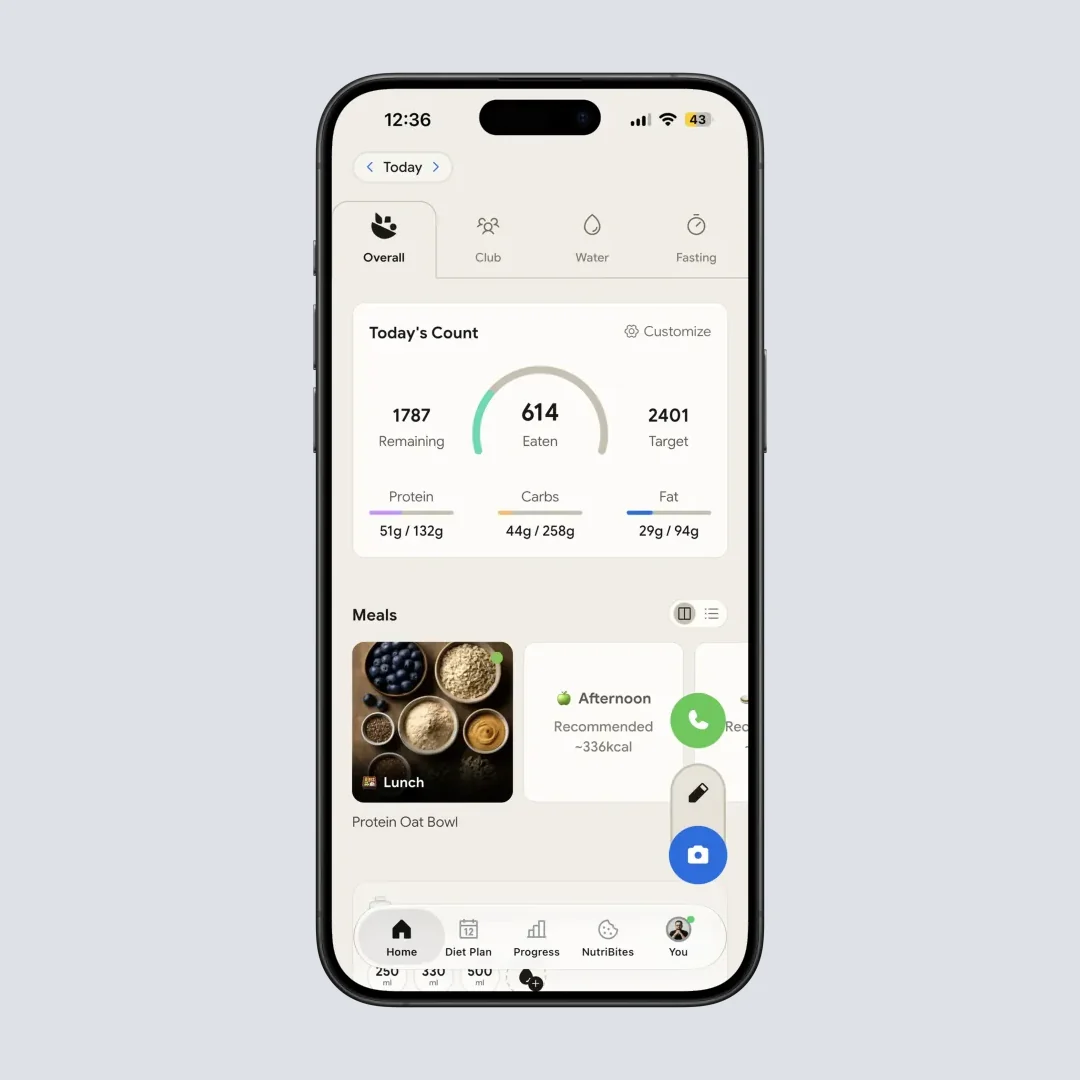
Your nutrition dashboard: See your daily intake, track patterns, and get personalized insights all in one place
Tip 7: Don't Skip Breakfast
I can't stress this enough. Skipping breakfast leads to overeating later and can cause blood sugar imbalances. Even if you're not hungry, have something light and nutritious within 2 hours of waking up.
Your Step-by-Step Guide to Starting This Diabetes Diet Plan
Step 1: Get Your Baseline Numbers (Week 1)
Before starting any diet plan, you need to know where you stand:
- Check your fasting blood sugar
- Check post-meal sugar (2 hours after eating)
- Get your HbA1c tested if possible
- Note your current weight
Medical Consultation Required
Always consult your doctor or certified diabetes educator before starting this plan, especially if you're on insulin or diabetes medications. Changing your diet may require medication adjustments to prevent hypoglycemia (low blood sugar).
These numbers are your starting point. You'll compare them after 4 weeks to see your progress. And trust me, seeing those numbers improve is the best motivation!
Step 2: Clean Your Kitchen (Day 1-2)
I know this sounds harsh, but hear me out. Go through your kitchen and:
- Remove or reduce white rice, maida, refined flour
- Clear out sugary snacks, biscuits, and sweets
- Get rid of sugary drinks and packaged juices
- Remove or limit high-salt snacks
Replace with:
- Brown rice, millets (jowar, bajra, ragi)
- Whole wheat flour, oats flour
- Healthy snacks like roasted chana, nuts, seeds
Building the shopping trip from scratch is easier with our diabetic grocery list for stable blood sugar, aisle by aisle.
- Herbal teas, green tea
You can't eat what's not there! Make your environment work for you, not against you.
Step 3: Meal Prep Like a Pro (Weekly Task)
Spend 1-2 hours every Sunday doing basic meal prep:
- Soak and sprout legumes for the week
- Chop vegetables and store in containers
- Cook and portion brown rice or quinoa
- Make and freeze multigrain roti dough
- Prepare chutney and store in fridge
When you're tired after work, having prepped ingredients makes healthy eating so much easier. No excuses!
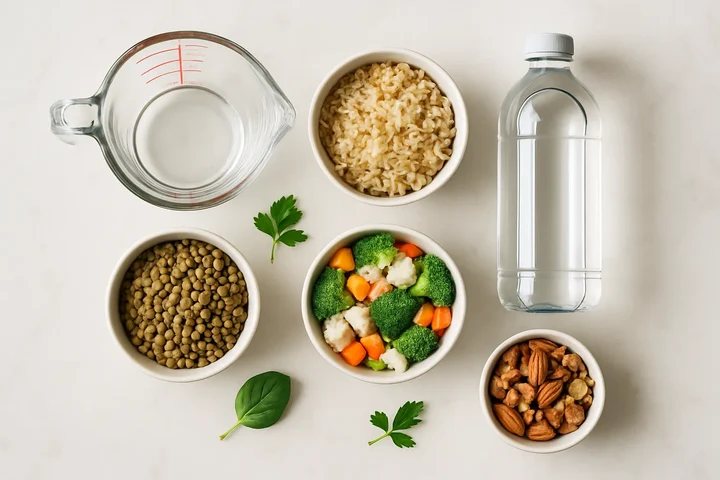 Weekend meal prep magic: 2 hours of preparation = a week of stress-free, healthy eating
Step 4: Start Simple, Add Gradually (Week 1-2)
Don't try to change everything at once. Start with:
- Week 1: Replace white rice with brown rice at lunch
- Week 2: Add a vegetable to every meal
- Week 3: Switch to multigrain flour for rotis
- Week 4: Include protein at every meal
Small changes add up to big results over time. Don't rush the process.
Step 5: Track and Adjust (Ongoing)
This is where the magic happens:
- Take photos of every meal (use NutriScan app)
- Check blood sugar before and after meals initially
- Note how different foods affect you
- Keep a simple food diary
After 2 weeks, you'll start seeing patterns. Maybe idli works better for you than dosa. Maybe eating fruit in the evening spikes your sugar. These personal insights help you customize the plan to your body.
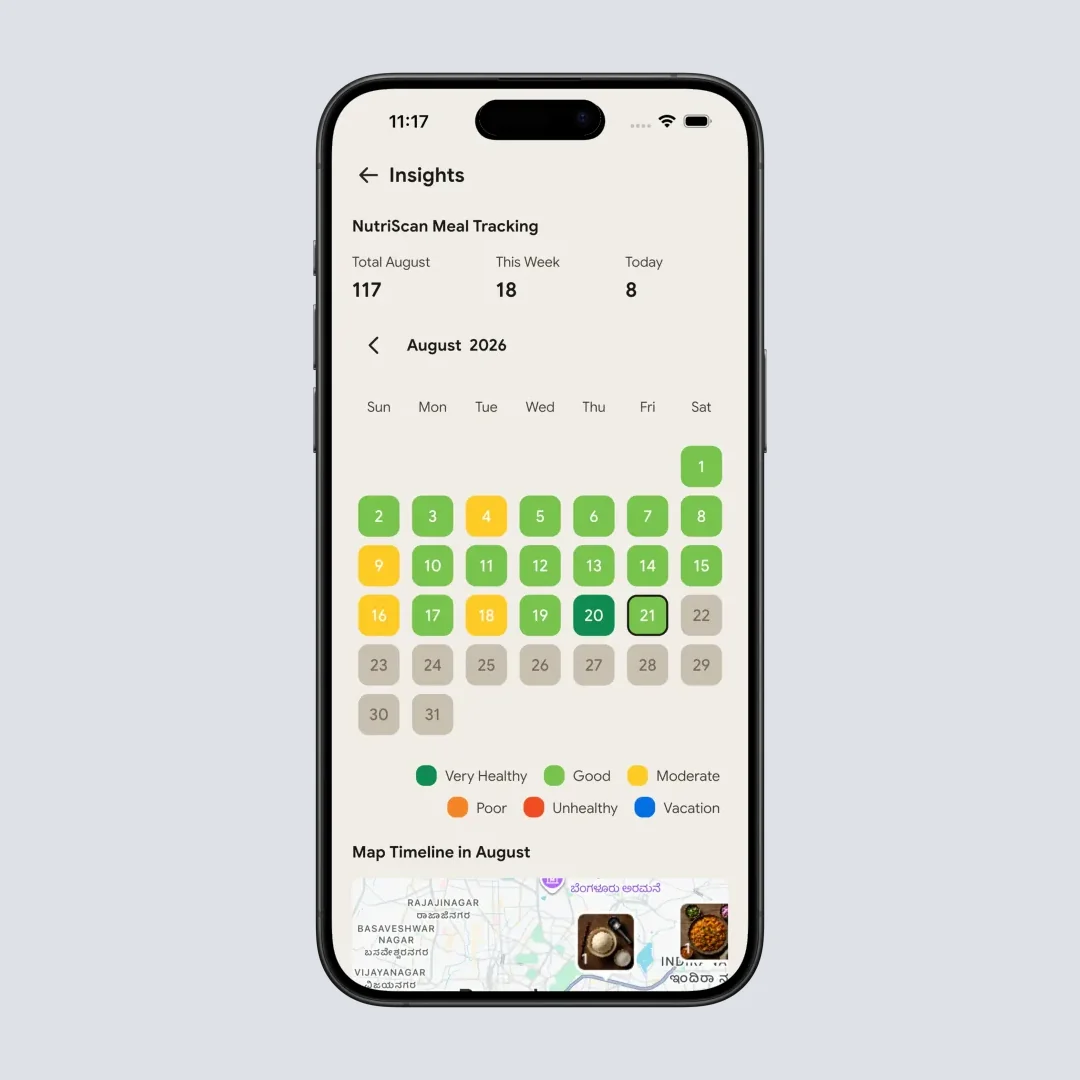
Discover your eating patterns: NutriScan's calendar view helps you spot trends and understand what works for your body
Track Your Progress with Insights
NutriScan's Insights feature automatically detects patterns in your eating habits, helping you understand which foods spike your blood sugar and when you eat best.
Step 6: Build Your Support System
Tell your family about your diet plan. Ask them to support you:
- Cook similar meals for everyone (just adjust portions)
- Don't keep tempting foods around
- Join you for walks after dinner
- Celebrate your small wins
Managing diabetes is a family journey. Get everyone on board!
Step 7: Review and Refine (Every Month)
At the end of each month:
- Check your blood sugar numbers
- Weigh yourself
- Review your food diary
- Identify what worked and what didn't
- Make necessary adjustments
Review Your Meal History
Use NutriScan's Meal Timeline feature to see your complete eating history with photos, nutrition data, and blood sugar correlations. It makes monthly reviews quick and insightful!
Remember, this is not a quick fix. It's a lifestyle change. Be patient with yourself!
The Research That Backs Up This Diabetes Diet Plan
Multiple studies from 2025 support the approach we're sharing here:
The DASH4D Study (Johns Hopkins, August 2025) 89 participants with type 2 diabetes followed a modified DASH diet for 20 weeks. Results? Average blood glucose dropped by 11 mg/dL, and they spent 75 extra minutes in the optimal blood sugar range daily. That's more than an hour of better glucose control every single day!
The PREDIMED-Plus Trial (October 2025) This massive Spanish study with 4,746 participants showed that a calorie-reduced Mediterranean diet combined with moderate exercise cut diabetes risk by 31%. Participants lost an average of 3.3 kg and 3.6 cm from their waist over 6 years.
Plant-Based Diet Benefits (Multiple Studies, 2025) People following plant-based diets showed HbA1c reductions up to 0.4% and had a 23% lower risk of developing type 2 diabetes. The high fiber, magnesium, and antioxidants in plant foods help with blood sugar control and reduce inflammation.
Indian Context According to WHO, 422 million people globally have diabetes, with over 11% of Indians affected. The Lancet reported that India had 8.4 million people with type 1 diabetes in 2025. With such high numbers, having a culturally appropriate diet plan is not just helpful - it's necessary!
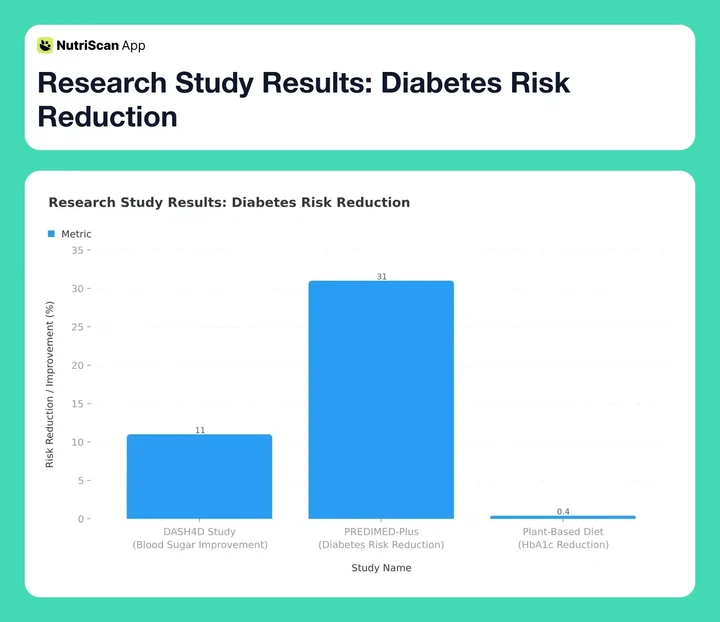 Figure 4: Evidence-based results from major 2025 studies - showing measurable improvements in diabetes management
The chart above visualizes the powerful impact of dietary interventions. The PREDIMED-Plus trial's 31% risk reduction is particularly impressive, showing that lifestyle changes can have dramatic effects on diabetes prevention and management.
Foods That Are Your Diabetes Superheroes
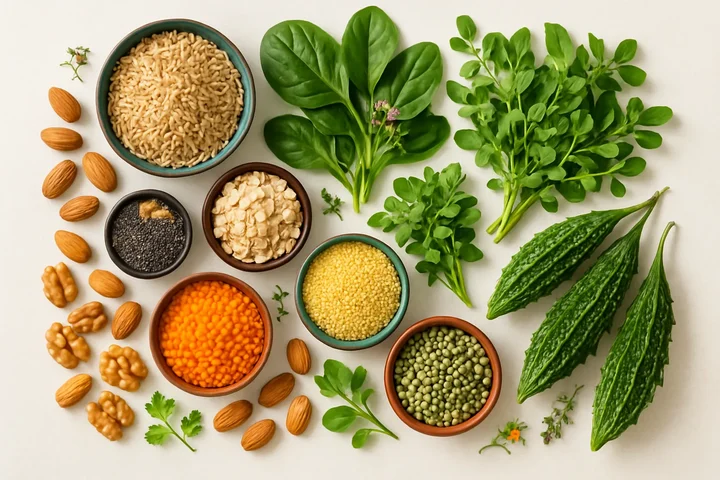 Nature's medicine cabinet: These diabetes superfoods can help naturally manage your blood sugar levels
1. Bitter Gourd (Karela) I know, I know - the taste! But karela contains compounds that act like insulin, helping lower blood sugar. Have it as curry, juice, or stir-fry at least 2-3 times a week.
2. Fenugreek Seeds (Methi) Start your day with methi water. Studies show it can lower fasting blood sugar by 13-20%. You can also add methi leaves to parathas, dal, or sabzi.
3. Whole Grains Jowar, bajra, ragi, brown rice, and oats are packed with fiber and have a lower glycemic index than white rice. They release glucose slowly, preventing spikes.
4. Green Leafy Vegetables Spinach, methi, amaranth, and other greens are loaded with magnesium, which helps improve insulin sensitivity. Aim for at least 1 cup daily.
5. Legumes and Lentils Moong dal, masoor dal, chana, rajma - these are protein powerhouses that don't spike blood sugar. Include them in at least one meal daily.
6. Nuts and Seeds Almonds, walnuts, chia seeds, and flax seeds provide healthy fats, fiber, and protein. A small handful daily (about 30 grams) is perfect.
7. Cinnamon Half a teaspoon of cinnamon daily can help lower blood sugar. Add it to your tea, oats, or warm milk.
8. Turmeric The curcumin in turmeric reduces inflammation and improves insulin sensitivity. Have it in milk, curries, or as golden tea.
Rate Your Food Choices
Want to know if a food is healthy for diabetes? Use NutriScan's NutriScore feature to get instant quality ratings for any food - from A (excellent) to E (poor). It helps you make smarter choices at the grocery store!

What Diabetic Patients Should Avoid (The Not-So-Fun Part)
White Rice and Refined Flour (Maida) These spike blood sugar fast. Switch to brown rice, millets, and whole wheat.
Sugary Foods and Drinks Sweets, cakes, biscuits, cold drinks, packaged juices - all have to go. If you need something sweet, try small amounts of jaggery or dates, but very occasionally.
Deep-Fried Foods Samosas, pakoras, puris - they're loaded with unhealthy fats. Choose grilled, baked, or air-fried options instead.
Processed Foods Chips, instant noodles, ready-to-eat meals - they have hidden sugars, salt, and unhealthy fats. Stick to home-cooked meals.
Red Meat Limit or avoid. Choose lean proteins like chicken, fish, tofu, or legumes instead.
Full-Fat Dairy Switch to low-fat or skimmed milk, curd, and paneer. You get the protein and calcium without the extra fat.
Alcohol It messes with blood sugar control and can interact with diabetes medications. If you must drink, do it very occasionally and with food.
Making Peace with Diabetes Through Food
Let me be honest with you - managing diabetes through diet is not always easy. There will be days when you want to give up, when you'll crave foods you shouldn't eat, when you'll feel tired of planning every meal.
But here's what I've learned from talking to hundreds of people managing diabetes successfully - it gets easier. Your taste buds adapt. You start feeling better. You notice the difference in your energy levels. You see the numbers improve. And all of that becomes your motivation to keep going.
Think of it this way - every meal is a choice. You can choose foods that help your body, or foods that harm it. And the beautiful thing? You get to make that choice multiple times every single day. No meal is wasted. Every single one is an opportunity to do better.
Use technology to your advantage. The NutriScan app, for example, makes tracking so much easier. You don't need to manually enter everything - just click a photo, and the AI analyzes it for you. You can even ask questions about your meals and get personalized insights with Monika, your AI nutrition coach. It's like having a nutritionist in your pocket available 24/7!
NutriScan also has a diabetes-focused walkthrough that shows how the scan, NutriScore, and meal timeline fit a blood sugar routine.
Connect with your doctor and nutritionist regularly. Get a personalized diet plan based on your specific needs, medications, and lifestyle. This 7-day plan is a great starting point, but your journey will be unique to you. Explore NutriScan's personalized diet planning features to create custom meal plans that fit your preferences.
Wrapping It Up
Managing diabetes doesn't mean living a restricted, joyless life. It means learning to eat smartly, listening to your body, and making choices that support your health. This 7-day meal plan gives you a framework, but you'll adapt it to your taste, your lifestyle, and your body's responses.
Remember:
- Start with small changes
- Be consistent, not perfect
- Track your meals and blood sugar
- Adjust based on what works for you
- Don't skip meals
- Stay hydrated
- Include physical activity
- Get enough sleep
- Manage stress
And most importantly - be patient and kind to yourself. You're learning a new way of living, and that takes time. Celebrate small wins. If your fasting sugar drops by 5 points, that's progress! If you managed to avoid sugar for a whole week, that's success!
Your relationship with food is changing, and that's okay. You're not giving up good food - you're discovering new, healthier foods that make you feel better. And that's the real win!
 That feeling when your blood sugar numbers start improving! You've got this!
Frequently Asked Questions
Q1: Can I eat fruits if I have diabetes?
Yes, definitely! Fruits have natural sugars but also contain fiber, vitamins, and antioxidants. The key is choosing low-GI fruits and watching portions. Good options include:
- Guava
- Apple (with skin)
- Papaya
- Orange
- Pear
- Berries
Avoid or limit high-sugar fruits like mangoes, bananas, grapes, and chikoo. Have fruits in the morning or mid-morning, not after meals or at night. Stick to one small fruit at a time (about the size of your fist).
Pro tip: Pair fruits with a handful of nuts. The fat and protein from nuts slow down sugar absorption from the fruit!
Q2: How much rice can I eat?
If you love rice (and who doesn't!), here's the deal: Switch from white rice to brown rice, red rice, or mix millets with rice. Portion control is key - limit to half a cup to one small cup of cooked rice per meal.
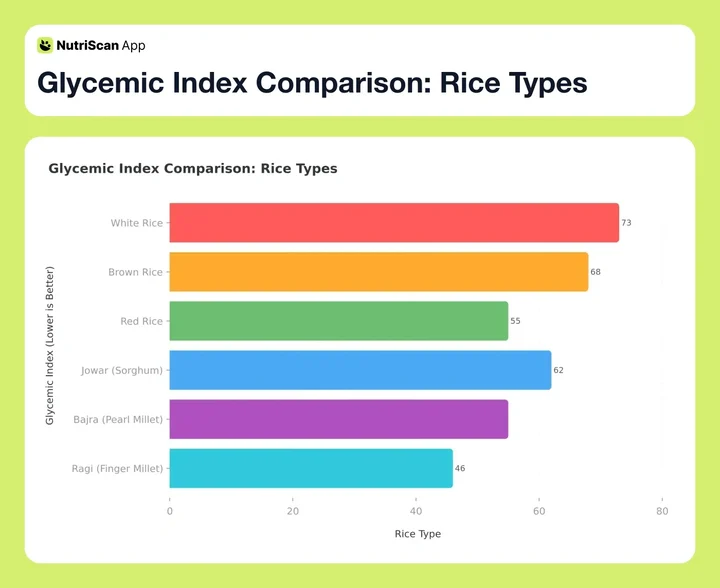 Figure 3: Not all grains are created equal - see how ragi and bajra outperform white rice for blood sugar control
The chart above shows why switching from white rice (GI: 73) to millets like ragi (GI: 46) or bajra (GI: 55) makes such a huge difference. Lower glycemic index means slower sugar absorption and better blood sugar control throughout the day.
Better yet, eat your vegetables and protein first, then have rice. This order of eating can reduce post-meal sugar spikes significantly. A study found that eating vegetables and protein before carbs lowered blood sugar spikes by up to 30%!
Also, let your rice cool a bit before eating. Cooled rice has more resistant starch, which is better for blood sugar control.
Q3: Can I eat out at restaurants with diabetes?
Yes, but you need to be smart about it:
- Choose grilled, baked, or steamed dishes over fried
- Ask for less oil and gravy on the side
- Order salads and vegetable sides
- Skip the bread basket or papad
- Avoid creamy curries and dishes with lots of cashew paste
- Share desserts if you must have them
- Take photos of your meals with NutriScan app to track nutrition
Most restaurants are happy to accommodate if you explain you have dietary restrictions. Don't be shy to ask!
Q4: What if I travel or attend a wedding?
Life happens, and that's okay! Here are some strategies:
- Eat a small healthy meal before going to events
- Fill half your plate with salads and vegetables
- Choose tandoori, grilled options over fried
- Have small portions of multiple items rather than large portions
- Skip sugary drinks and desserts (or have tiny tastes)
- Walk after the meal
- Don't stress too much - one meal won't ruin everything
The next day, get back on track with your regular plan. No guilt, just resume! Remember, this is a lifestyle, not a punishment.
Q5: Do I need to give up all sweets forever?
Not necessarily! While traditional sweets are high in sugar and should be limited, you have options:
- Make homemade sweets with sugar substitutes (consult your doctor first)
- Have very small portions on special occasions
- Try diabetes-friendly recipes with dates, figs, or jaggery in moderation
- Focus on the celebration, not just the food
Some people find that after a few months of eating less sugar, they don't crave it as much. Your taste buds actually adapt! Many of our NutriScan users report that foods they thought were "not sweet enough" before now taste perfect.
If you do have something sweet, check your blood sugar 2 hours later to see how it affected you. This helps you make informed choices next time.
Q6: Which dry snacks are safe for diabetics?
Dry snacks are the easiest ones to keep in a bag or a desk drawer, and the diabetes-friendly list is short:
- Roasted chana, about 30 grams, protein and fiber with almost no sugar
- Roasted makhana (fox nuts), lightly salted, not the caramel or cheese versions
- Almonds and walnuts, a small handful, roughly 30 grams a day total
- Roasted pumpkin or sunflower seeds
- Plain puffed jowar or ragi chips baked at home
Skip the packaged namkeen, chivda, banana chips, and anything fried in refined oil. Read the label for added sugar and maida before you buy. For more portable options beyond the dry ones, see our guide to high-protein snacks.
Remember, managing diabetes is a journey, not a destination. This 7-day plan is your roadmap, but you're the driver. Make it work for you, adjust as needed, and don't hesitate to seek help when you need it.
Your health is worth the effort. Every healthy meal is a step toward a better, more energetic, happier you. You've got this!
Want to make tracking easier? Download NutriScan app and simply click photos of your meals. Get instant nutrition analysis, personalized insights, and answers to your food questions. It's like having a nutritionist with you 24/7!
Start your journey to better blood sugar control today. You're already taking the first step by reading this guide. Now go make yourself a healthy, delicious meal!
Disclaimer: This diet plan is for general information purposes only. Always consult your doctor, endocrinologist, or registered dietitian before making significant changes to your diet, especially if you're on diabetes medication. Individual nutritional needs vary based on age, weight, activity level, medications, and other health conditions.