28-Day Diet Plan to Get Pregnant: A Week by Week Guide
 ChatGPT
  Claude
  AI Mode
  Perplexity
TL;DR - Your 28-Day Pregnancy Prep Quick Guide
• What: A research-backed 4-week nutrition plan to optimize your body for conception
• Why: Diet directly affects fertility, hormone balance, and pregnancy success
• How: Follow weekly nutrition goals, track with NutriScan App, take prenatal vitamins
• Result: Better nutrient stores and eating habits you can hold past day 28
• Bonus: Get personalized meal plans with our Pregnancy Macro Calculator
What the 28-Day Diet Plan to Get Pregnant Covers
The 28-day diet plan to get pregnant runs as four one-week blocks. Week 1 clears processed food and sugary drinks, starts a daily prenatal vitamin, and settles you into 3 meals plus 2 snacks. Week 2 raises protein to 25-30% of daily calories. Week 3 adds omega-3s: fatty fish twice that week, plus nuts, seeds, and olive oil. Week 4 closes the micronutrient gaps that matter most before conception, folate, iron, calcium, and vitamin D. Prenatal vitamins should start about 3 months before you begin trying, so run these 28 days alongside them, not instead of them. Everything below is the day-level detail, the sample meals, and the daily targets for each week.
Many women sit in a doctor's office feeling lost after months of trying with no success. The doctor asks about diet, and most have no clue where to start. They eat what they think is healthy, salads, low-fat everything, skipping breakfast because they're not hungry. 😓 What you eat affects fertility, hormone balance, and your body's ability to support a baby.
Three Situations That Come Up Again and Again
These are composite examples built from the questions women send us, not individual users, and none of them promise a result.
The low-carb scenario: A woman cuts carbs hard for weight loss while trying to conceive, and her cycles turn irregular. Putting whole-food carbs back on the plate, rice, oats, fruit, at every meal is usually the first thing to try.
The salad-lunch scenario: Lunch is a plain salad every day. It looks healthy and it leaves out protein, iron, and fat almost entirely. A week of logged meals is the fastest way to see that gap.
The over-35 scenario: Age raises the stakes on egg quality, so the boring parts matter more, not less: a daily prenatal vitamin, antioxidant-rich foods, and an actual breakfast.
What Science Says About Preconception Nutrition (Facts Everyone Should Know!)
Here is what the trial evidence actually says, and where it stops:
A Mediterranean-style pattern, heavy on vegetables, fruit, whole grains, nuts, legumes, olive oil, and fish, has the strongest randomized evidence behind it. In the ESTEEM trial of 1,252 pregnant women at five UK maternity units, that diet cut the odds of gestational diabetes by 35% (adjusted odds ratio 0.65, 95% CI 0.47 to 0.91). It did not move the overall rate of complications, so treat it as one real benefit rather than a cure-all.
Omega-3 is the nutrient with the most direct conception data. Among 900 women aged 30 to 44 in the Time to Conceive cohort, women taking an omega-3 supplement had 1.51 times the probability of conceiving in a given cycle (95% CI 1.12 to 2.04).
Folic acid is the one piece of preconception nutrition that is settled. CDC recommends 400 mcg of folic acid daily for anyone who could become pregnant, starting at least a month before conception, because neural tube defects happen in the first few weeks, often before you know you are pregnant.
Body weight sits at both ends. Very low and very high body fat both disrupt ovulation, which is why crash dieting while trying to conceive tends to work against you.
Beyond that, preconception diet advice is inconsistent from clinic to clinic, and most women arrive at the first appointment with no plan at all. That gap is what these 28 days are for.
 Starting a healthy eating journey with colorful fruits and vegetables
7 Fertility Nutrition Habits That Actually Work
These evidence-based strategies make the biggest difference for women trying to conceive:
1. Start the Day with Protein, Not Coffee ☕
Many women grab coffee first thing and skip breakfast. Big mistake! Eating within an hour of waking up - eggs, yogurt with nuts, or whole grain toast with avocado - stabilizes blood sugar and improves energy throughout the day. Plus, eggs provide choline, which is super important for baby's brain development later.
2. Track Actual Nutrient Intake (Not Just Calories)
Most women think they're eating healthy until they start tracking their meals. Once women can see their actual nutrition breakdown - proteins, iron, calcium, folate - they make smarter choices. NutriScan's meal scanning feature shows exactly what nutrients are missing from daily meals. Our pregnancy nutrition tracking guide walks through what to watch once you are actually pregnant. Want to calculate your exact macro needs? Try our Online Macro Calculator for personalized targets.
3. Eat Colorful Vegetables at Every Meal 🌈
Aiming for at least 4-5 cups of vegetables daily provides maximum benefits. Dark leafy greens give folate, orange veggies provide vitamin A, and colorful ones pack antioxidants. Adding spinach to morning eggs, carrots and bell peppers to lunch, and a big salad with dinner makes this simple!
4. Don't Fear Healthy Fats
Many women follow low-fat diets for years, which is the wrong instinct here. Fat is the raw material your body builds hormones from, and omega-3s are the fats with the fertility data behind them, as in the Time to Conceive result above. Eating fatty fish twice a week, adding ground flaxseeds to smoothies, and snacking on walnuts covers it.
5. Take Prenatal Vitamins Like Life Depends on It
CRITICAL: Start Prenatal Vitamins 3 Months Before Trying
Women should start taking prenatal vitamins 3 months before they even start trying to conceive. Neural tube development happens in the first few weeks of pregnancy, often before women know they're pregnant! Taking vitamins with breakfast helps consistency.
Essential nutrients to look for:
- Folic Acid: At least 400 mcg (prevents neural tube defects)
- Vitamin D: 600-800 IU (supports hormone balance and immunity)
- Iron: 27 mg (prevents anemia, supports increased blood volume)
- Iodine: 150 mcg (crucial for baby's brain development)
- DHA/Omega-3: 200-300 mg (supports fetal brain and eye development)
This is non-negotiable! 💊
6. Reduce Caffeine to Less Than 200mg Daily
This is hard for coffee lovers. ACOG puts the limit at less than 200 mg of caffeine a day in pregnancy, which is the amount in one 12-ounce cup of coffee. Getting to that number before you conceive means you are not quitting cold turkey on top of first-trimester nausea. Switching to one cup in the morning and herbal tea in the afternoon works well. Remember, chocolate and tea also have caffeine!
7. Plan Meals for the Week
Sunday meal prep changes everything. Cooking proteins in bulk, chopping veggies, and portioning out healthy snacks ensures women are never too tired to eat well. Scanning everything with NutriScan's meal tracking helps monitor nutrition goals throughout the week. Need a structured approach? Our personalized diet plan feature provides complete 28-day meal plans with recipes and grocery lists.
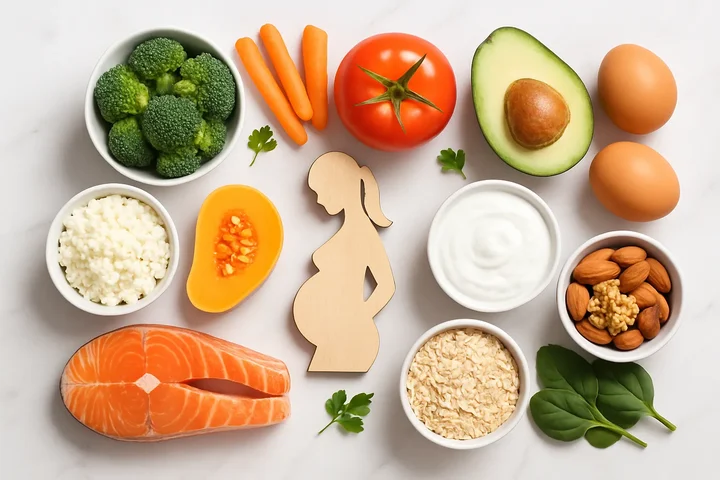 Essential nutrient-rich foods arranged aesthetically - colorful vegetables, lean proteins, dairy, nuts, and whole grains
Step-by-Step 28-Day Diet Plan to Get Pregnant
This plan breaks down the preparation week by week:
Quick Overview: Your 4-Week Plan
| Week | Primary Focus | Key Actions | Target Nutrients | Expected Benefits |
|---|---|---|---|---|
| Week 1 | Foundation Building | Remove processed foods, start prenatal vitamins, establish 3 meals + 2 snacks | Baseline tracking | Stable eating patterns, reduced cravings |
| Week 2 | Protein Power | Increase protein to 25-30% of calories, add strength training | Protein, amino acids | Improved hormone production, better satiety |
| Week 3 | Healthy Fats & Omega-3s | Eat fatty fish 2x/week, add nuts & seeds daily | Omega-3 (EPA/DHA), monounsaturated fats | Enhanced egg quality, balanced hormones |
| Week 4 | Micronutrient Maximization | Focus on folate, iron, calcium, vitamin D foods | Folate, iron, calcium, vitamin D, zinc | Optimal nutrient stores, improved fertility markers |
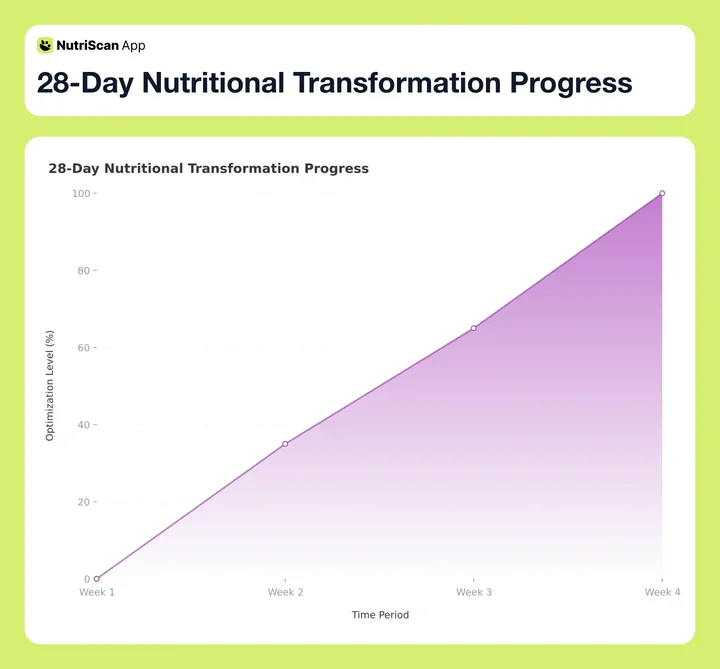 Your progressive optimization journey: From 0% to 100% fertility readiness over 4 weeks
Track Your Progress with NutriScan
Use our Pregnancy Macro Calculator to set personalized targets, then scan every meal with NutriScan App to ensure you're hitting your goals each week!
Detailed Weekly Breakdown:
Week 1: Foundation Building (Days 1-7)
Goal: Clean up diet and establish healthy eating patterns
What to Do:
- Remove processed foods, sugary drinks, and excessive caffeine from the kitchen
- Start taking prenatal vitamin daily with breakfast
- Eat 3 main meals and 2 snacks every day (no skipping!)
- Drink 8-10 glasses of water daily
- Track at least one meal per day using NutriScan App to understand baseline nutrition
Sample Day:
- Breakfast: Scrambled eggs with spinach, whole grain toast, and berries
- Mid-morning snack: Greek yogurt with walnuts
- Lunch: Grilled chicken salad with mixed greens, avocado, and olive oil dressing
- Afternoon snack: Apple slices with almond butter
- Dinner: Baked salmon with roasted vegetables and brown rice
Week 1 Focus: Get comfortable with regular eating patterns. Don't worry about perfection - just build the habit.
Week 2: Protein Power (Days 8-14)
Goal: Increase protein intake to support hormone production
What to Do:
- Aim for 25-30% of daily calories from protein
- Include protein in every meal and snack
- Try different protein sources (eggs, fish, chicken, beans, lentils, tofu)
- Continue tracking meals with NutriScan to monitor protein intake
- Add strength training or walking 30 minutes daily
Sample Day:
- Breakfast: Protein smoothie with Greek yogurt, banana, spinach, and chia seeds
- Mid-morning snack: Hard-boiled eggs
- Lunch: Chickpea and vegetable curry with brown rice
- Afternoon snack: String cheese with cherry tomatoes
- Dinner: Turkey meatballs with zucchini noodles and marinara sauce
Week 2 Focus: Make protein the anchor of every plate rather than an afterthought next to the carbs, and see our full guide to protein in pregnancy for gram-level targets by trimester.
Week 3: Healthy Fats and Omega-3s (Days 15-21)
Goal: Support hormone balance and egg quality with healthy fats
What to Do:
- Eat fatty fish (salmon, sardines) at least twice this week
- Add avocado, nuts, or olive oil to every meal
- Include ground flaxseeds or chia seeds in breakfast
- Reduce omega-6 oils (corn oil, soybean oil) and use olive oil instead
- Continue tracking with NutriScan - pay attention to fat intake balance
Sample Day:
- Breakfast: Oatmeal with ground flaxseeds, walnuts, and blueberries
- Mid-morning snack: Handful of almonds
- Lunch: Tuna salad with mixed greens and avocado
- Afternoon snack: Carrot sticks with hummus
- Dinner: Grilled salmon with roasted Brussels sprouts and quinoa
Week 3 Focus: Omega-3 has the best conception evidence of anything in this plan, so don't skip those fish meals.
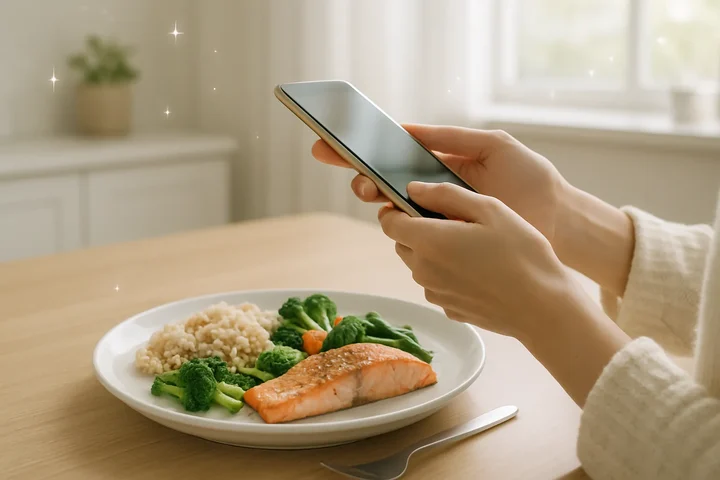 Woman's hands using smartphone to scan a healthy meal with salmon, vegetables, and brown rice
Week 4: Micronutrient Maximization (Days 22-28)
Goal: Fine-tune diet to ensure all key nutrients are met
What to Do:
- Focus on folate-rich foods (dark leafy greens, beans, lentils, oranges)
- Eat iron-rich foods with vitamin C for better absorption
- Add calcium sources (dairy, fortified plant milk, sardines)
- Include vitamin D sources (fatty fish, egg yolks, fortified foods)
- Scan every meal with NutriScan this week to see complete nutrition profile
Sample Day:
- Breakfast: Veggie omelet with cheese, whole grain toast with avocado
- Mid-morning snack: Orange slices with pistachios
- Lunch: Lentil soup with kale and carrots, whole grain crackers
- Afternoon snack: Cottage cheese with strawberries
- Dinner: Beef stir-fry with broccoli, bell peppers, and brown rice
Week 4 Focus: This is about filling all nutritional gaps. Use NutriScan data to see what needs more attention!
Why Tracking Beats Any Single Superfood
The habit that separates the women who finish these 28 days from the women who drift is tracking. No single food does the work that looking at your own week of meals does. No trial has shown that logging meals makes anyone conceive faster. What tracking does is close the gap between what you think you ate and what you actually ate.
That gap shows up in three ways:
1. The Awareness Effect Most women think they're eating enough protein until they log a week of it. Salad lunches are the usual culprit, light on protein, iron, and fat, and easy to mistake for a complete meal.
2. The Consistency Effect The four days you plan for are easy. It's the takeout nights, the skipped breakfasts, and the weekends that pull the weekly average down, and you can't correct a pattern you can't see.
3. The Pattern Recognition Effect Tracking reveals hidden patterns. Maybe you're always low on iron on Mondays. Or your protein crashes every weekend. Or you forget prenatal vitamins when you skip breakfast. These patterns are invisible until you track.
You can follow the perfect 28-day plan, take all the supplements, eat all the right foods, and still have no idea whether you hit your targets on any given day. Closing that blind spot is the whole job, and NutriScan App does it from a photo.
Daily Supplements Throughout All 4 Weeks:
- Prenatal vitamin with at least 400 mcg folic acid
- Vitamin D (if levels are low - consult doctor)
- Omega-3 supplement (if not eating fish regularly)
- Take all supplements with meals for better absorption
🎯 Essential Fertility Nutrients: Daily Targets & Best Sources
| Nutrient | Daily Target (Preconception) | Top Food Sources | Why It Matters |
|---|---|---|---|
| Folic Acid | 400-800 mcg | Dark leafy greens, lentils, beans, fortified cereals, oranges | Prevents neural tube defects, supports DNA synthesis |
| Iron | 18 mg (27 mg if pregnant) | Red meat, spinach, lentils, tofu, pumpkin seeds + vitamin C | Prevents anemia, supports oxygen transport to eggs |
| Calcium | 1,000 mg | Dairy, fortified plant milk, sardines, kale, almonds | Bone health, supports fetal skeletal development |
| Vitamin D | 600-800 IU | Fatty fish, egg yolks, fortified milk, sunlight | Hormone regulation, immune function, implantation |
| Omega-3 (DHA) | 200-300 mg | Salmon, sardines, walnuts, flaxseeds, chia seeds | Egg quality, reduces inflammation, brain development |
| Protein | 0.8-1.0 g/kg body weight | Eggs, chicken, fish, beans, Greek yogurt, tofu | Hormone production, cell repair, embryo development |
| Zinc | 8-11 mg | Oysters, beef, pumpkin seeds, chickpeas, cashews | Ovulation, egg quality, cell division |
| Vitamin B12 | 2.4 mcg | Meat, fish, eggs, dairy, fortified cereals | DNA synthesis, red blood cell formation, energy |
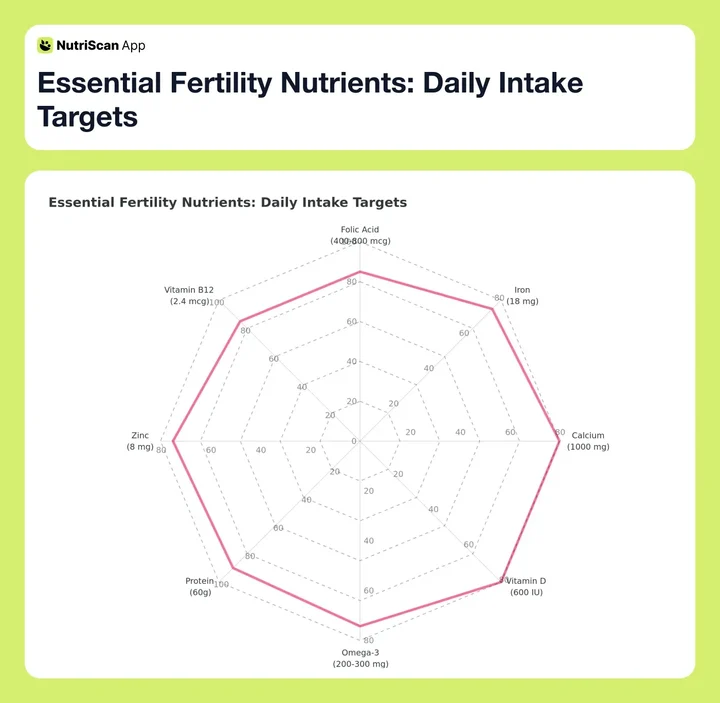 Comprehensive view of 8 essential fertility nutrients showing optimal daily intake targets for preconception preparation
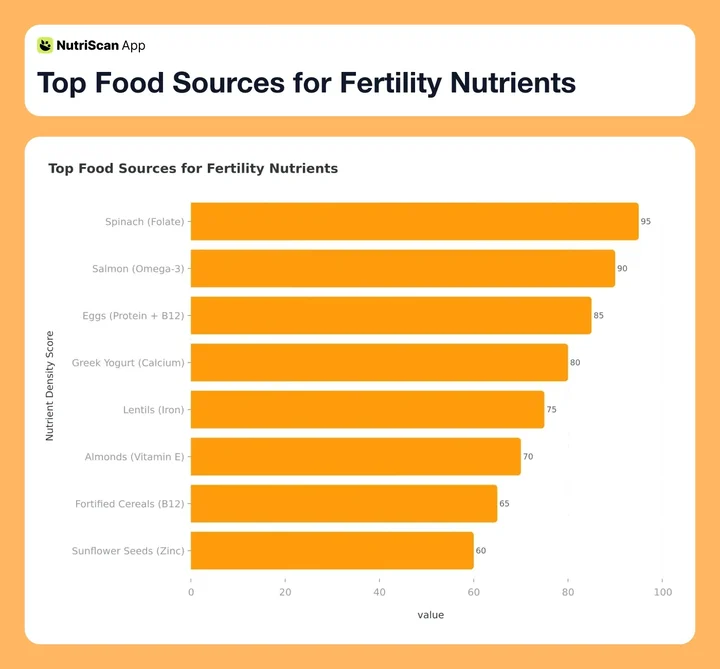 Best food sources ranked by nutrient density - from spinach (folate) to salmon (omega-3) for comprehensive fertility nutrition
Calculate Your Personal Targets
Everyone's nutritional needs are different based on age, weight, and health conditions. Use our Pregnancy Macro Calculator to get your personalized daily targets!
Important Reminders for the Full 28 Days:
Do This:
- Eat breakfast within 1 hour of waking up
- Have protein at every meal
- Drink water first thing in the morning
- Track meals regularly with NutriScan App
- Get 7-8 hours of sleep
- Move body for 30 minutes daily
- Manage stress with meditation or yoga
Avoid This:
- Alcohol completely
- More than 200mg caffeine daily
- Raw or undercooked meats and eggs
- Unpasteurized dairy
- High-mercury fish (swordfish, king mackerel)
- Excessive sugar and refined carbs
- Skipping meals
 Pregnant woman sitting comfortably with journal and prenatal vitamins on bedside table with morning light
 Planning your nutrition journey with intention and care
How NutriScan App Helps Women Stay on Track
Tracking everything manually is impossible when women are working, managing a home, and trying to stay positive about their fertility journey. That's where NutriScan helps! 📱
Here's how women can use it during the 28-day plan:
Every Morning: Take a picture of the breakfast plate. Within seconds, NutriScan analyzes the meal and shows exactly what nutrients are being consumed - calories, protein, carbs, fats, fiber, and even micronutrients like iron and calcium.
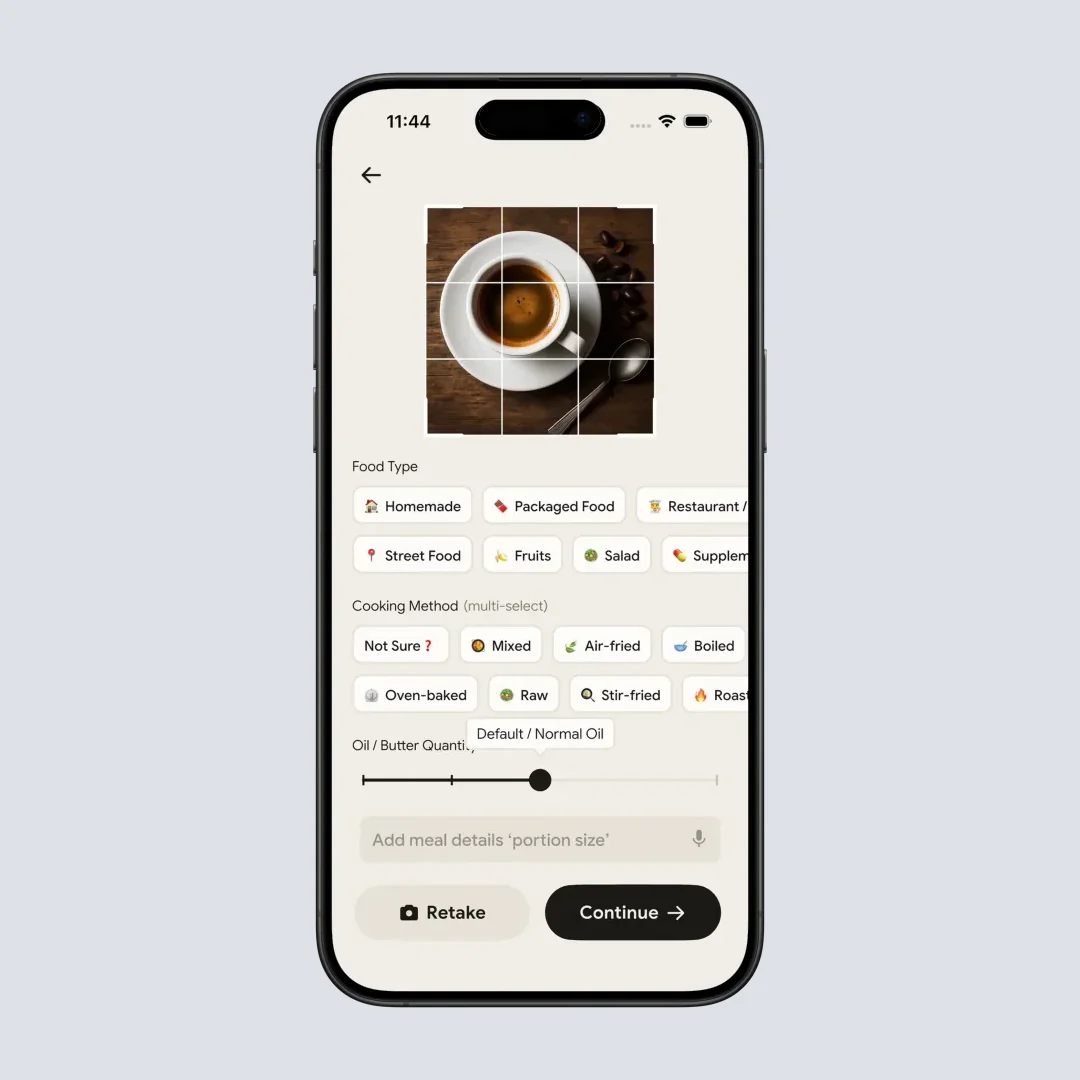
Simply scan your meal with NutriScan's camera - AI instantly recognizes food and provides complete nutritional analysis
During the Day: Instead of guessing if there's enough protein or wondering if lunch is balanced, just scan it. The app's NutriScore gives instant feedback on how healthy the meal is. Green means good, yellow means okay, red means adjustments needed.
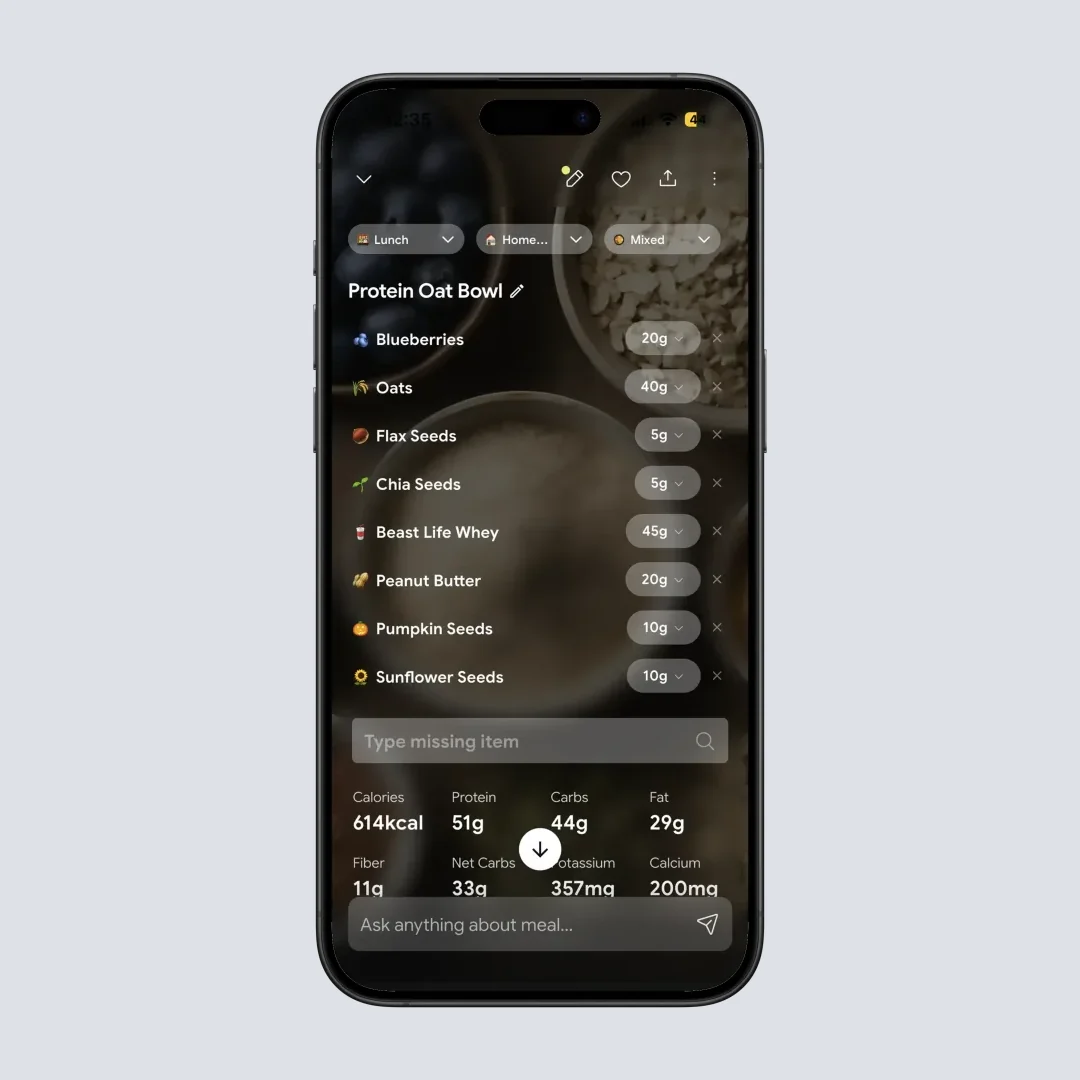
NutriScan's detailed nutrition breakdown helps track all essential nutrients for fertility - from protein and healthy fats to iron, calcium, and folate
Weekly Review: Every Sunday, review the meal timeline for the week. NutriScan shows patterns - like consistently low iron on certain days. This allows for adjustments by adding more spinach and beans on those days.
The Diet Plan Feature: Once pregnant, women can upgrade to Premium and create a personalized diet plan based on pregnancy goals. The app provides a 28-day meal plan with recipes, grocery lists, and exactly what to eat each day. The pregnancy diet plan guide covers what changes after conception, and NutriScan for pregnancy shows how the app handles each trimester.
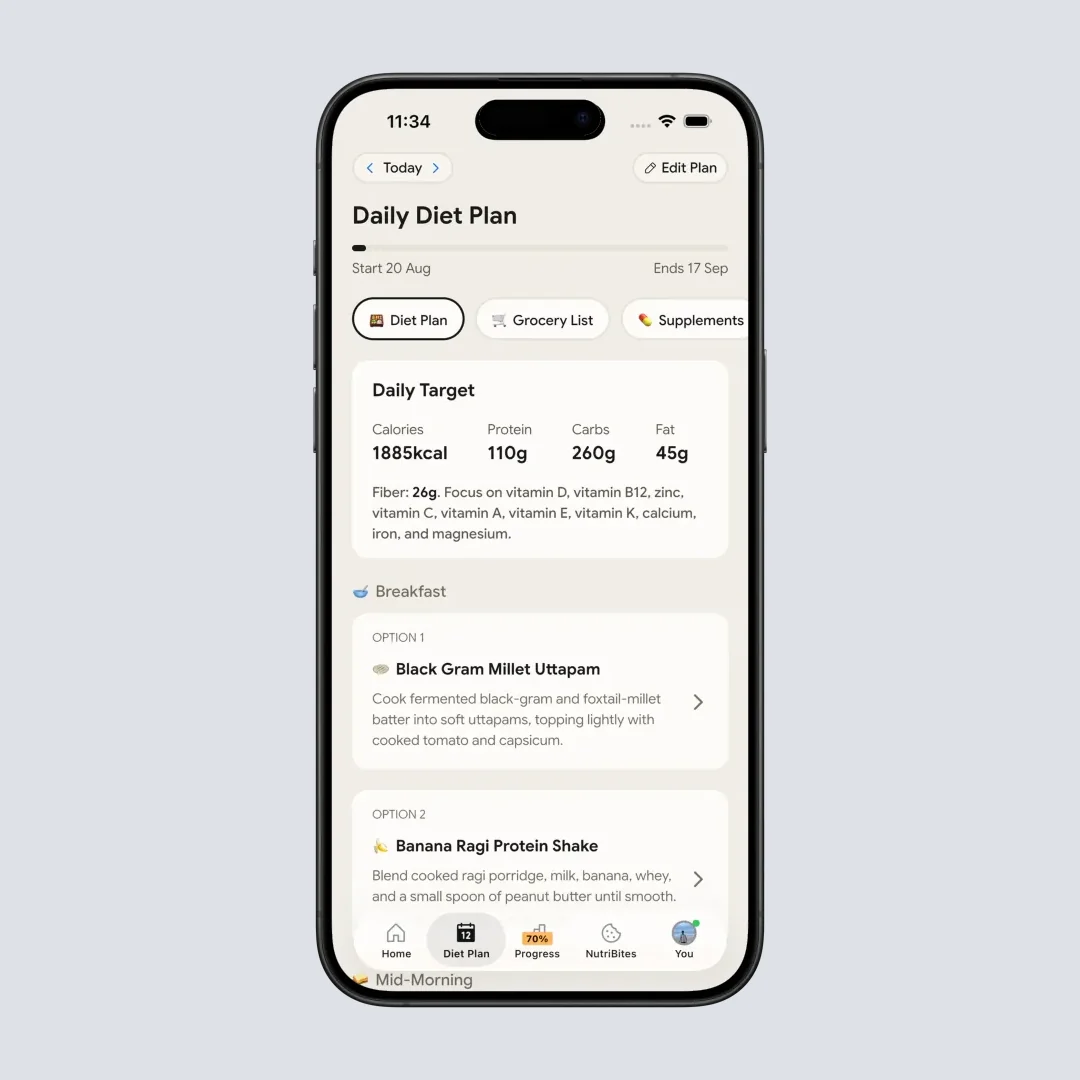
Get personalized 28-day meal plans tailored to your pregnancy and fertility goals with NutriScan Premium
Asking Questions: The NutriBites AI feature lets women ask questions like "Why am I feeling bloated?" or "What foods are best for fertility?" and get instant, personalized answers based on actual eating patterns.
No manual logging or calorie counting needed. Click a picture, and NutriScan does the rest, which makes sticking to the 28-day plan a lot easier.
Additional Research-Backed Insights
A few more things worth knowing before day 1:
The Mediterranean Diet Connection: This is the same pattern behind the ESTEEM result above: vegetables, fruits, whole grains, legumes, nuts, olive oil, and fish. It is the most tested eating pattern in pregnancy and the easiest one to turn into a grocery list.
Body Weight Matters: A BMI between 18.5 and 25 before conception is the usual target. Both being underweight and overweight can affect hormone balance and ovulation.
The Protein Factor: Don't skimp on protein. It is the raw material for hormones and for early tissue growth, and most women trying to conceive under-eat it rather than over-eat it. Vary the sources, animal and plant both work.
Antioxidants Are Important: Berries, dark leafy greens, nuts, and colorful vegetables are the cheapest way to get them, and they crowd out the processed snacks at the same time. Make them daily staples.
Folate Before Conception: Most women start taking folic acid once they find out they're pregnant, and that's late. CDC guidance is 400 mcg daily, starting at least a month before you conceive. Week 4 of this plan doubles up with folate-rich food, but the supplement is the part that does the proven work.
Vitamin D Deficiency: Deficiency is common and it has no symptoms you would notice. Ask for a blood test instead of guessing, and supplement on your doctor's advice.
The Timing of Meals: Eating regular meals and not skipping breakfast helps keep blood sugar steady. A long daily fasting window is a poor fit for a month where you are trying to raise your intake of almost everything.
When Things Don't Go as Planned
Following a perfect diet for 28 days doesn't guarantee instant pregnancy. Fertility is complex, and many factors play a role. But here's what proper nutrition DOES do:
It gives the body the best possible foundation for conception and pregnancy. It helps regulate hormones and menstrual cycle. It improves egg quality over time. It prepares the body's nutrient stores for the demands of pregnancy. It reduces risks of pregnancy complications later.
Think of it this way - women are preparing their bodies like preparing soil for a garden. No one can force a seed to sprout, but creating the best conditions for it to grow is possible. 🌱
If women have been following a healthy diet for several months with no success, they should talk to their doctor. PCOS and thyroid problems are two of the most common causes worth ruling out, and if PCOS is in the picture, our list of PCOS foods to avoid is a better starting point than this general plan. Nutrition is important, but it's just one piece of the puzzle.
Start With One Change This Week
Pick the single change you can hold for seven days. Eat breakfast within an hour of waking. Or log one meal a day. Or put the prenatal vitamin next to the kettle so you actually take it. Week 1 of the plan is built for exactly this, no macro targets, just regular meals and a baseline. 💚
Free NutriScan gives you 5 scans a week, which is enough to check the meals a food database usually gets wrong, your curries, your restaurant plates, your mixed bowls, before you decide whether Premium and its 28-day diet plan are worth paying for.
Frequently Asked Questions
1. How long before trying to conceive should women start following this diet plan?
Women should start at least 3 months before they begin trying to conceive. This gives the body time to build up nutrient stores and improve egg quality. The eggs that ovulate today actually started developing 3 months ago! So what women eat now affects fertility later. If they've already started trying, don't worry - it's never too late to improve nutrition. Start today and benefits will still show.
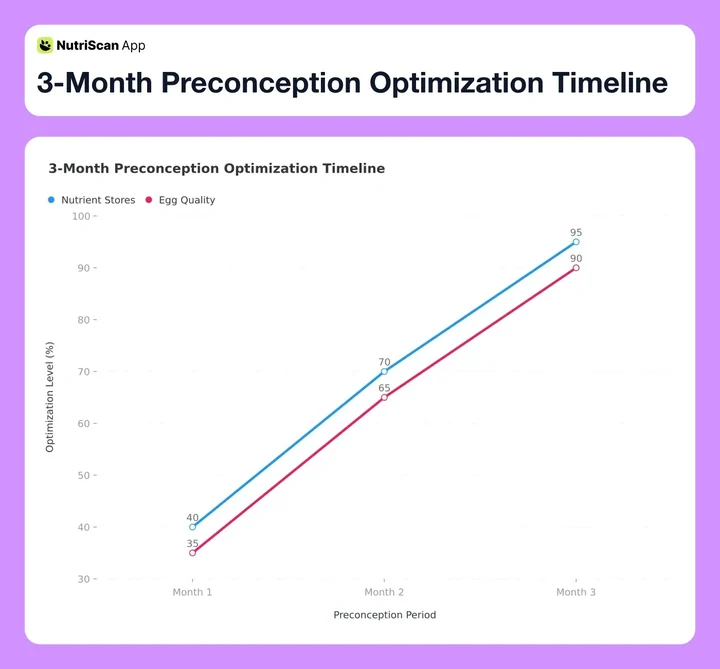 Track your progress: Nutrient stores and egg quality improve significantly over a 3-month preconception period with proper nutrition
2. Can vegetarians or vegans follow this plan?
Yes! This plan works for any dietary preference. For vegetarians, focus on eggs, dairy, legumes, tofu, and tempeh for protein. Include plenty of iron-rich plant foods like spinach, lentils, and fortified cereals with vitamin C foods for better absorption. For vegans, be extra careful about vitamin B12, iron, zinc, and omega-3s. Supplements may be needed for these nutrients. Use NutriScan App to track meals and make sure all nutritional needs are met regardless of food preference!
3. What if expensive superfoods and supplements aren't affordable?
Great news - expensive superfoods aren't necessary! This plan focuses on regular, affordable foods that are available everywhere. Eggs, beans, lentils, seasonal vegetables, brown rice, and local fruits work just as well as fancy imported stuff. For supplements, a basic prenatal vitamin from local pharmacies works perfectly. Twenty different bottles aren't needed. Focus on eating a varied diet of real, whole foods within budget. Using NutriScan to track meals helps make the most of what's already being eaten!
4. How can women know if they're getting enough nutrients? Should blood tests be done?
This is where NutriScan App becomes really helpful! By scanning meals daily, women get a clear picture of nutrient intake over time. The app shows if there's consistent low intake of certain nutrients like iron, calcium, or protein. However, getting basic blood work done before trying to conceive is recommended - especially checking vitamin D, iron levels, and thyroid function. This gives a baseline and helps make informed decisions about supplementation.
5. What should partners eat? Does male diet matter too?
Yes! Male fertility is affected by nutrition too. In a randomized trial of 117 healthy men eating a Western-style diet, 75 g of walnuts a day for 12 weeks improved sperm vitality, motility, and morphology against a control group. Partners should also avoid excessive alcohol, quit smoking if they smoke, and maintain a healthy weight. Make it a team effort, both partners can track meals with NutriScan and support each other. Men should also consider taking a multivitamin with zinc and antioxidants.
Ready to start the pregnancy journey with better nutrition? Download NutriScan App today and start tracking meals. Get personalized diet plans, instant nutrition analysis, and expert guidance to support fertility goals. Future babies will thank you! 🤰✨