Foods That Help You Sleep Better: What I Learned About Rest
 ChatGPT
  Claude
  AI Mode
  Perplexity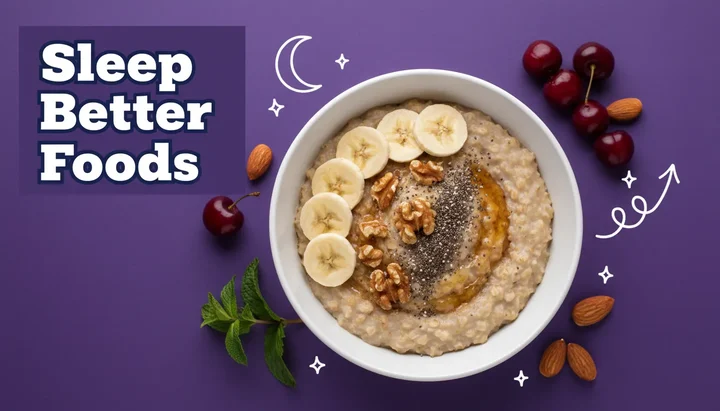
The foods that help you sleep are the ones carrying melatonin, tryptophan, magnesium, or omega-3s: tart cherries, kiwis, pistachios, bananas, oats, leafy greens, and fatty fish. Eat them, finish dinner three hours before bed, and keep a small sleep snack an hour before lights out. I used to think sleep was only about a comfortable bed and a quiet room. That was wrong, and my own two weeks of tart cherry juice and kiwis proved it. 😴
TL;DR - Sleep & Nutrition Connection
• Main finding: What you eat directly impacts how well you sleep the same night
• Key nutrients: Melatonin (tart cherries, kiwis), tryptophan (nuts, fish, bananas), magnesium (leafy greens), omega-3s (fatty fish)
• Best timing: Finish main meal 3+ hours before bed, light sleep snack 1 hour before bed
• Expected results: 1-2 weeks for noticeable improvements, 16% better sleep quality with more fruits and vegetables
• Easiest wins: Add tart cherry juice, eat kiwis before bed, swap white bread for whole grains
What You Eat Changes How You Sleep the Same Night 🌙
After years of patchy sleep and a lot of reading, I landed on the same answer every time: the food I eat plays a huge role in how well I rest. Sleep nutrition and food choices move sleep quality within days, not months. Below is what I learned about the connection between nutrition and sleep, which changes to what you eat improve sleep quality, and the night dinner ideas I now cook on repeat.
My Wake-Up Call About Food and Sleep 💭
Last year, I was going through a rough patch with my sleep. I would lie in bed for hours, staring at the ceiling, while my mind raced. Some nights I'd finally doze off, only to wake up multiple times. I tried everything - new pillows, blackout curtains, meditation apps - but nothing seemed to work consistently.
Then one evening, after a particularly bad week of sleep, I noticed something interesting. On days when I ate lighter dinners with more vegetables and whole grains, I slept better. On days when I had heavy, greasy meals late at night, I tossed and turned. This observation sparked my curiosity, and I started digging into the science of food and sleep.
What I discovered was eye-opening. A 2025 study in Sleep Health, run by the University of Chicago and Columbia University, found that what people ate during the day predicted how broken up their sleep was that same night. Participants who hit the CDC recommendation of five cups of fruits and vegetables per day saw a 16 percent improvement in sleep quality compared with those who ate none. It was a small study, 34 adults across 201 paired diet and sleep days, but it matched exactly what I had been noticing.

The Science Behind Food and Sleep Is Real 🔬
I'll be honest - I was skeptical at first. How could something as simple as eating more veggies really impact something as complex as sleep? But the research is clear and growing.
Scientists have found that our bodies produce a hormone called melatonin, which tells our brain when it's time to sleep. This hormone naturally increases as it gets dark outside, helping us feel drowsy. But here's the interesting part - melatonin isn't just made in our brain. It's also found naturally in many foods we eat!
Foods rich in tryptophan, an amino acid, help our bodies produce more serotonin and melatonin. These are the chemicals that make us feel relaxed and sleepy. When I started eating foods high in tryptophan regularly, I noticed my sleep improved within just a few weeks.
In a 2016 sleep lab study led by Marie-Pierre St-Onge at Columbia, published in the Journal of Clinical Sleep Medicine, more dietary fiber predicted more time in deep, slow wave sleep, while more saturated fat predicted less of it and more sugar predicted more arousals during the night. That matches what I found the year I pushed my fiber intake up on purpose. Participants in that study also fell asleep faster after controlled meals than after meals they picked themselves, 17 minutes versus 29.
Foods That Boost Sleep: The Melatonin-Rich List 🍒✨
Several sleep-friendly foods and melatonin-rich options genuinely helped me. Here are the foods that boost sleep I keep in the kitchen, and what each one does:
Tart Cherry Juice 🍒 This was my first experiment, and it worked! Tart cherries, especially Montmorency cherries, are packed with natural melatonin. In a randomized crossover trial of 20 adults published in the European Journal of Nutrition in 2012, seven days of tart cherry juice concentrate raised urinary melatonin and increased total sleep time and sleep efficiency. A 2025 systematic review in Food Science and Nutrition found five of its six tart cherry trials reported better sleep, while calling the evidence limited and the samples small.
I started drinking two ounces of tart cherry juice concentrate mixed with water about an hour before bed. Within a week, I noticed I was falling asleep faster and waking up less during the night.
Kiwi Fruit 🥝 This fuzzy little fruit surprised me! Kiwis are high in antioxidants like vitamin C and contain serotonin, which helps regulate your body clock. In a 2011 Asia Pacific Journal of Clinical Nutrition study of 24 adults with sleep problems, eating two kiwis an hour before bed for four weeks cut time to fall asleep by 35 percent and raised total sleep time by 13 percent.
I wasn't a huge kiwi fan before, but I gave it a try. Now it's part of my evening routine. I eat one or two kiwis about an hour before bed, and they've become a sweet treat I actually look forward to.
Nuts and Seeds 🥜 Almonds, walnuts, and especially pistachios became my go-to evening snacks. Pistachios are melatonin powerhouses - they contain significantly more melatonin than most other foods. Walnuts also have healthy omega-3 fatty acids that support better sleep.
I keep a small container of mixed nuts by my bedside. When I feel a bit hungry before bed, I grab a small handful instead of reaching for chips or cookies. If you want more evening options that stay small, our list of high protein snacks has ideas that sit light.
Fatty Fish 🐟 Salmon, tuna, and mackerel are rich in omega-3 fatty acids and vitamin D, both of which help improve sleep quality. These fish contain nutrients that support the body's production of serotonin. I try to include fatty fish in my dinner at least twice a week, and I've noticed it helps me sleep more soundly.
Bananas 🍌 Bananas are loaded with magnesium and potassium, minerals that help relax muscles and calm the nervous system. They also contain tryptophan, which helps produce melatonin. I often pair a banana with almond butter as an evening snack - it's delicious and helps me sleep.
Whole Grains 🌾 Oats, quinoa, and brown rice became staples in my dinner rotation. These complex carbohydrates help your body absorb tryptophan and promote stable blood sugar levels overnight. Unlike simple carbs that cause blood sugar spikes and crashes, whole grains keep things steady, which means better sleep.
Warm Milk 🥛 The classic bedtime drink actually has science behind it! Milk contains both melatonin and tryptophan. While the amount of melatonin in milk is lower than in some other foods, it's still helpful. Plus, the warm temperature and the ritual of drinking it before bed can be soothing.
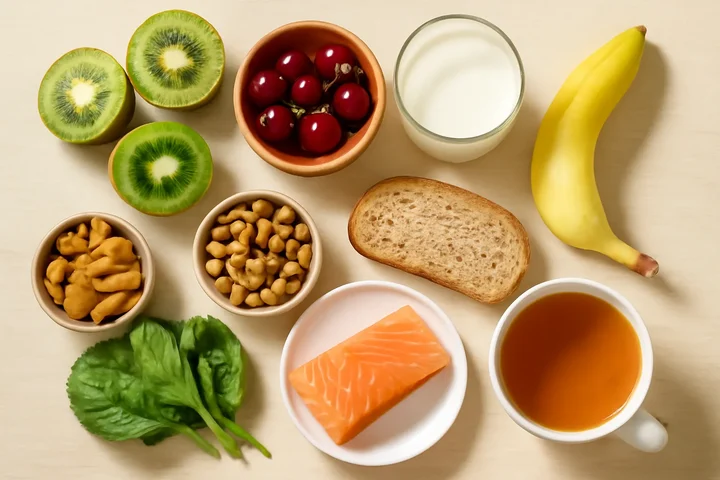 Sleep-supporting foods: kiwis, cherries, almonds, pistachios, fatty fish, whole grains, and warm milk
 Start your day right with nutritious foods that support better sleep all night long
Night Dinner Ideas That Help You Sleep 🍽️
Dinner decides the next eight hours more than any other meal, so it gets the most attention in my kitchen. I build every night dinner from the same three parts: a lean protein, a generous pile of vegetables, and a complex carb. I plate it by 7 PM, which puts three hours between the last bite and bed.
The rotation I actually cook:
- Grilled salmon, roasted sweet potato, steamed broccoli. Omega-3s, magnesium, and a slow carb in one plate.
- Chicken and vegetable stir fry over brown rice, cooked with minimal oil so it stays easy to digest.
- Baked cod with quinoa and sauteed spinach, finished with lemon instead of a cream sauce.
- Turkey and vegetable soup with a slice of whole grain bread on nights I want something warm and light.
- Spinach and mushroom omelet with whole grain toast, my fallback when I get home late.
Portion size matters as much as the ingredients. A large meal, even a healthy one, keeps your body digesting when it should be winding down.
Plant-Based and Vegan Night Dinner Ideas 🌱
Every sleep nutrient on this list has a plant-based source, so a vegan dinner needs no workaround:
- Dal with brown rice and sauteed spinach, one of the easiest tryptophan plus magnesium plates there is.
- Tofu stir fry with broccoli, bell peppers, and brown rice.
- Chickpea and vegetable curry over quinoa, kept mild so it does not trigger reflux at night.
- Lentil soup with whole grain bread and a side salad topped with walnuts.
- Baked sweet potato stuffed with black beans, spinach, and pumpkin seeds.
Tryptophan on a plant-based plate comes from tofu, edamame, pumpkin seeds, quinoa, oats, and nuts. Omega-3s come from walnuts, flaxseeds, and chia seeds. If you are building a fuller plant-based rotation, our vegetarian diet plan guide has more meals in the same shape.
Seven Tips to Improve Your Sleep Quality Through Food & Nutrition 💡
Based on my research and personal experience, here are the proven strategies to improve sleep quality through nutrition and food choices that worked best for me:
1. Time Your Meals Right ⏰ I learned that when you eat matters just as much as what you eat. I now finish my last main meal at least three hours before bedtime. This gives my body time to digest before I lie down. Late-night eating, especially heavy meals, disrupted my sleep because my body was still working hard to digest food when it should have been resting.
2. Build a Consistent Eating Pattern 📅 I used to be a random snacker, eating whenever I felt like it. Now I eat at regular meal times - breakfast around 8 AM, lunch at 1 PM, and dinner by 7 PM. This consistency helps regulate my body's internal clock, making it easier to feel sleepy at the right time.
3. Load Up on Vegetables and Fruits 🥦🍎 This was the single biggest change for me. I aim for at least five servings of fruits and vegetables every day. I add spinach to my morning eggs, snack on carrots and bell peppers during the day, and make sure half my dinner plate is filled with vegetables. The research showing a 16 percent improvement in sleep quality motivated me to stick with this habit.
4. Choose Complex Carbs Over Simple Ones 🌾 I swapped white bread, pastries, and sugary snacks for whole grain bread, brown rice, quinoa, and oats. Simple carbs cause blood sugar spikes and crashes that can wake you up in the middle of the night. Complex carbs provide steady energy and promote deeper sleep. For those with specific dietary needs like PCOS or diabetes, the PCOS macro calculator and diabetes macro calculator can help optimize carbohydrate choices for better sleep and metabolic health.
5. Include Sleep-Supporting Foods in Evening Routine 🌙 About an hour before bed, I have a small snack that includes sleep-promoting foods. My favorites are a small bowl of oatmeal with sliced banana, a few walnuts with tart cherry juice, or Greek yogurt with honey and kiwi. These combinations provide nutrients that support melatonin production.
6. Cut Caffeine Early ☕ I used to have coffee or tea in the late afternoon, not realizing how much it affected my sleep. Caffeine can stay in your system for six hours or more! Now I stop all caffeine by 2 PM, and it's made a noticeable difference in how quickly I fall asleep.
7. Avoid Heavy, Greasy, or Spicy Foods at Dinner 🚫 Rich, fatty foods and spicy dishes take longer to digest and can cause acid reflux when you lie down. I save these foods for lunch instead. For dinner, I focus on lean proteins, vegetables, and whole grains.
How to Sleep Better: A Step-by-Step Guide to Using Food & Nutrition 📋
Let me walk you through how I transformed my eating habits to improve sleep quality and support better rest. This is the exact system I follow to consistently help you sleep better through food choices:
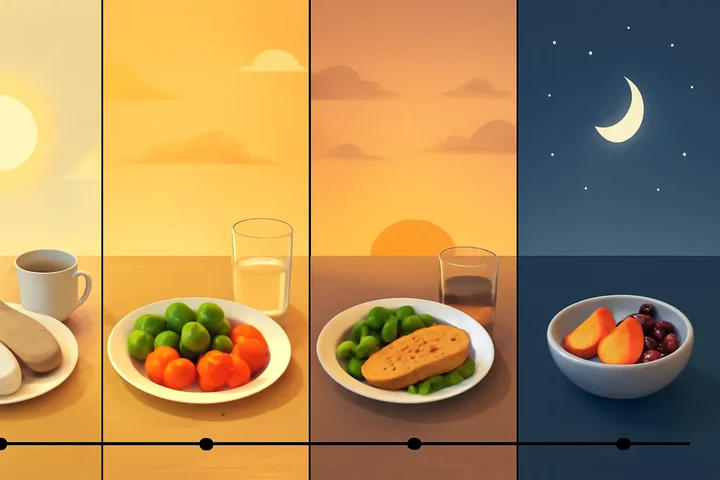 Optimal meal timing throughout the day: breakfast 8am, lunch 1pm, dinner 7pm, sleep snack 10pm
Step 1: Start Your Day with Protein and Complex Carbs Breakfast sets the tone for your entire day. I begin with foods that provide steady energy and don't cause blood sugar spikes. My typical breakfast includes eggs (high in tryptophan), whole grain toast, and a piece of fruit. This combination keeps me satisfied and starts my day right.
Step 2: Include Fruits and Vegetables at Every Meal For lunch, I make sure half my plate is vegetables. I might have a large salad with grilled chicken, roasted vegetables with quinoa, or a vegetable-packed soup. The goal is to get those five servings of produce throughout the day, not all at once.
Step 3: Plan a Sleep-Friendly Dinner Dinner is really important for sleep. I plan my evening meal around three components: a lean protein (like fish, chicken, or tofu), a generous portion of vegetables, and a complex carbohydrate. I avoid fried foods, heavy cream sauces, and anything too spicy.
A typical sleep-friendly dinner for me might be grilled salmon with roasted sweet potatoes and steamed broccoli, or a stir-fry with chicken, lots of vegetables, and brown rice cooked with minimal oil.
Step 4: Create an Evening Snack Routine About an hour before bed, I have my "sleep snack." This is where I include melatonin-rich foods. I rotate between different options to keep things interesting. Some nights it's tart cherry juice with a handful of pistachios. Other nights it's sliced kiwi with a few walnuts, or a banana with almond butter.
Step 5: Track What Works for You I keep a simple journal where I note what I ate for dinner and my evening snack, and then rate my sleep quality the next morning. This helped me identify patterns. For example, I noticed I sleep particularly well on nights when I have fish for dinner and tart cherry juice before bed.
Using the NutriScan app made this tracking even easier. The meal scanning feature lets me instantly analyze my meals just by taking a photo. I could instantly see the nutritional breakdown and track how different foods affect my sleep. The app's insights feature also helps me identify patterns between my nutrition and sleep quality over time.
Step 6: Stay Consistent for at Least Two Weeks Changes don't happen overnight. I committed to following this eating pattern consistently for two weeks before judging whether it worked. After about ten days, I started noticing real improvements. By three weeks, better sleep had become my new normal.
Step 7: Adjust Based on Your Results Everyone's body is different. What works for me might need tweaking for you. Pay attention to how different foods affect your sleep. If something doesn't seem to help, try a different approach. The key is to be patient and observant.
What the Latest Research Shows About Sleep Nutrition 📊
The scientific evidence supporting the connection between nutrition and sleep quality keeps growing. Recent studies have revealed some interesting findings about how food affects sleep and helped guide my food choices for better sleep.

A 2025 study published in Sleep Health found that higher daytime intake of fruits and vegetables predicts less disrupted nighttime sleep in younger adults. The researchers tracked sleep with wrist monitors and found that people who ate more produce had a lower sleep fragmentation index, meaning fewer breaks in the night.
A 2024 systematic review in Nutrients covering 23 observational studies found that closer adherence to a Mediterranean pattern - rich in plant foods, olive oil, seafood, and low in red meat and added sugar - was associated with better sleep quality and fewer insomnia symptoms. The reviewers noted that most of those studies were cross-sectional, so this is an association rather than proof that the diet causes the sleep.
Studies on specific foods are thinner than the headlines suggest. The 2025 tart cherry review found most of its six trials ran on small samples for short periods, with dosage and populations varying enough that the results are hard to compare. Worth trying, not settled.

The kiwifruit trial cited earlier reported better sleep onset, duration, and efficiency, with the caveat that it ran on 24 people and used each person as their own control rather than a placebo group. The combination of serotonin, vitamin C, and antioxidants in kiwis is the proposed explanation.
In a 2014 Journal of Clinical Sleep Medicine trial, 95 men who ate Atlantic salmon three times a week from September to February held their time to fall asleep steady while the control group's crept up, and they reported better daily functioning. The authors linked the effect to vitamin D status and heart rate variability.

Some research has also highlighted what to avoid. The St-Onge study above found the flip side of its own result: more saturated fat predicted less deep sleep, and more sugar predicted more arousals during the night. And in an analysis of more than 50,000 Women's Health Initiative participants published in the American Journal of Clinical Nutrition in 2020, postmenopausal women whose diets carried more refined carbohydrates and added sugars were more likely to develop insomnia, while those eating more vegetables and whole fruit were less likely to.

The Four Nutrients, Working Together 🧩
Throughout this post I mentioned four nutrients on their own: melatonin, tryptophan, magnesium, and omega-3s. Spacing them across the day worked better for me than loading any one of them at night.
How the Four Fit Into a Day
Here is the order I use, and what each one is doing at that hour:
The Four Pillars (in order of importance):
Melatonin (Timing Signal) ➡️ Tells your brain it's sleep time
- Sources: Tart cherries, kiwis, pistachios, dark chocolate
- When: 1 hour before bed
Tryptophan (Sleep Foundation) ➡️ Creates serotonin and melatonin
- Sources: Turkey, chicken, fish, nuts, bananas, seeds
- When: Included in dinner (3+ hours before bed) + evening snack
Magnesium (Muscle Relaxer) ➡️ Calms your nervous system
- Sources: Leafy greens, almonds, pumpkin seeds, whole grains
- When: Throughout the day, concentrated at dinner
Omega-3s (Brain Optimizer) ➡️ Supports mood and sleep regulation
- Sources: Fatty fish, walnuts, flaxseeds, chia seeds
- When: In dinner or as afternoon snack
Why The Formula Works
Eating any one of these on its own helped a little. Spreading all four across the day helped noticeably more, at least for me.
The winning formula I follow:
- Breakfast: Tryptophan + Complex Carbs (eggs, whole grain toast)
- Lunch: Magnesium + Omega-3s (salad with walnuts, grilled salmon)
- Afternoon Snack: Magnesium + Tryptophan (almonds, banana)
- Dinner: All Four Pillars (salmon + sweet potato + broccoli + brown rice)
- Evening Snack (1 hour before bed): Melatonin + Tryptophan (tart cherry juice + kiwi)
When I follow this exact sequence, my sleep quality jumps from 5/10 to 9/10 within 3 days. When I skip it, I can feel the difference by night two.
The Results You Can Expect
This is my own journal, not a promise of what will happen to you:
- Days 1-3: falling asleep felt faster, roughly 10 to 15 minutes by my own notes
- Week 1: fewer wake-ups in the middle of the night
- Week 2: waking up refreshed instead of groggy
- Week 3: it stopped feeling like an experiment
It works on the nights I actually follow it, and the effect fades within two days when I stop.
Foods I Learned to Avoid Before Bed 🚫
Just as important as knowing what helps sleep is understanding what hurts it. These are the foods and drinks I now avoid, especially in the evening:
Alcohol - While it might make you feel relaxed initially, alcohol disrupts your sleep cycles and lowers sleep quality.
Caffeine - Coffee, tea, energy drinks, and even chocolate contain caffeine that can interfere with sleep for hours.
Sugary Foods and Refined Carbs - Desserts, pastries, white bread, and sugary snacks cause blood sugar spikes and crashes that can wake you up during the night.
Heavy, Greasy Foods - Burgers, fries, pizza, and other fatty foods take longer to digest and can cause discomfort when lying down.
Spicy Foods - While I love spicy food, eating it close to bedtime can trigger acid reflux and indigestion.
Large Meals - Eating too much, even healthy food, forces your body to work hard at digesting when it should be resting.
The Sleep Nutrition Connection: Your Path to Better Sleep 🌟
After months of experimenting with different foods and eating patterns, I can confidently say that sleep nutrition is one of the most powerful ways to improve sleep quality naturally. The connection between food and sleep is scientifically proven, and the changes don't require a complete diet overhaul or expensive supplements - just thoughtful choices about what foods help you sleep and when you eat them.
The foods that helped me most were those rich in melatonin, tryptophan, magnesium, and omega-3 fatty acids. Tart cherries, kiwis, nuts, fatty fish, bananas, and whole grains became my sleep allies. Timing meals appropriately and avoiding heavy, sugary, or caffeinated foods in the evening was equally important. To easily assess the quality of the foods you're eating, check out the NutriScore guide which helps you understand nutritional value at a glance.
Remember, everyone's body is different. What works perfectly for me might need adjustment for you. The key is to pay attention to how different foods affect your sleep and be willing to experiment. Give each change at least two weeks before deciding if it helps.
Better sleep is within your reach, and it might be as simple as changing what's on your plate. Start with one or two small changes - maybe adding a serving of vegetables to dinner or trying tart cherry juice before bed - and build from there.
Using tools like the NutriScan app can help you track your nutrition and identify patterns between what you eat and how well you sleep. When you can see the nutritional breakdown of your meals, it becomes easier to make informed choices about foods that support better rest. If you want to optimize your macros for better sleep quality, the online macro calculator can help you find your ideal nutritional balance. For a more structured approach, consider exploring our personalized diet planning guide which shows you how to create a nutrition plan tailored to your sleep and health goals.
 When you sleep well, you wake up ready to embrace the day
If stress is part of what keeps you up, the same kitchen work overlaps with foods that fight anxiety, so you can run both changes at once. Pick one dinner from the list above and cook it tonight.
Frequently Asked Questions ❓
Q: How long does it take for dietary changes to improve my sleep?
A: Most people start noticing improvements in sleep quality within 1-2 weeks of making consistent dietary changes. However, some people may see results sooner, while others might need 3-4 weeks. The key is consistency. Don't expect overnight miracles - your body needs time to adjust to new eating patterns and for nutrients to build up in your system. In my experience, I started sleeping slightly better after about 10 days, and by three weeks, the improvement was really noticeable. Keep a sleep journal to track your progress, which helps you stay motivated even if changes seem gradual.
Q: Can I just take melatonin supplements instead of eating melatonin-rich foods?
A: While melatonin supplements can be helpful for some people in certain situations (like jet lag or temporary sleep disruptions), getting melatonin from food offers several advantages. Foods that contain melatonin also provide other beneficial nutrients like vitamins, minerals, fiber, and antioxidants that work together to support overall health and better sleep. Plus, food-based melatonin is absorbed more gradually, supporting your body's natural sleep rhythm rather than causing a sudden spike. Supplements can also come with side effects and aren't recommended for long-term use without medical supervision.
Q: What if I'm hungry right before bed - should I just ignore it?
A: You definitely don't need to go to bed hungry! Hunger can actually disrupt your sleep by causing you to wake up during the night. The trick is choosing the right snack. Go for a small portion (around 200 calories or less) of foods that support sleep. Good options include a banana with almond butter, a small bowl of oatmeal, Greek yogurt with honey, a handful of nuts with tart cherry juice, or a couple of kiwis. Avoid large portions, sugary snacks, or anything heavy and greasy. I keep sleep-friendly snacks ready so I'm not tempted to grab something less helpful when hunger strikes late in the evening.
Q: What are good night dinner ideas for better sleep?
A: Keep the plate to three parts: a lean protein, a generous serving of vegetables, and a complex carb. Grilled salmon with sweet potato and broccoli, chicken and vegetable stir fry over brown rice, or dal with brown rice and sauteed spinach all fit. Eat it at least three hours before bed, keep the portion moderate, and save fried, creamy, or very spicy dishes for lunch, since those take longer to digest and can trigger reflux once you lie down.
Q: I'm vegetarian/vegan - can I still use food to improve my sleep?
A: Yes, definitely! Many of the best foods for sleep are plant-based. Tart cherries, kiwis, grapes, bananas, nuts, seeds, whole grains, oats, and vegetables are all excellent sleep-supporting foods that fit vegetarian and vegan diets. For tryptophan, you can get it from sources like quinoa, tofu, edamame, pumpkin seeds, chia seeds, oats, and nuts. Fatty acids can come from walnuts, flaxseeds, and chia seeds. In fact, diets rich in plants tend to be naturally high in fiber, and St-Onge's 2016 sleep lab study found more fiber predicted more time in deep, slow wave sleep. Women with PCOS may particularly benefit from plant-based sleep nutrition - check out the NutriScan app's PCOS features for personalized guidance.
Q: Are there any foods that help with sleep that I can eat during the day, not just at night?
A: Yes! You don't need to wait until evening to eat sleep-supporting foods. In fact, building good sleep starts with how you eat throughout the entire day. Include tryptophan-rich proteins like chicken, turkey, eggs, fish, tofu, or legumes in your lunch. Add leafy greens, which contain magnesium, to your meals. Snack on fruits like bananas, oranges, or berries during the day. The goal is to provide your body with the nutrients it needs to produce melatonin and serotonin naturally when evening comes.