Foods That Fight Anxiety: Your Guide to Eating Calmer
 ChatGPT
  Claude
  AI Mode
  Perplexity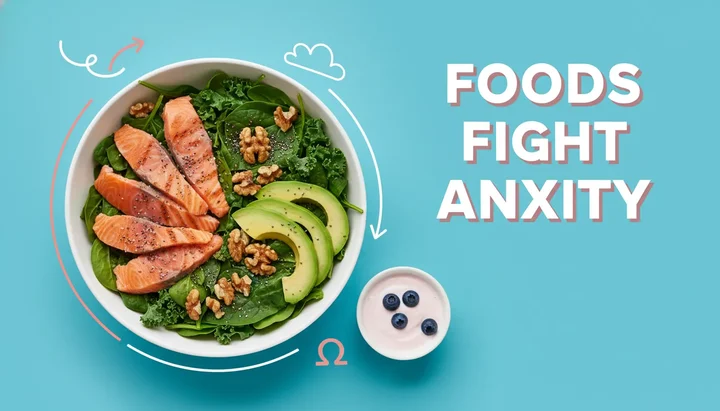
Does what you eat really affect how anxious you feel? 🤔
TL;DR - Foods That Fight Anxiety
• Who it's for: Anyone experiencing stress and anxiety seeking natural support • Main outcomes: Reduced anxiety, better sleep, improved mood stability, calmer mindset • Key steps: Add omega-3s, fermented foods, leafy greens, and magnesium-rich foods; reduce caffeine and sugar • Timeframe: Notice small improvements in 1 week, significant changes in 3-4 weeks, full benefits in 2-3 months • Safety note: Food complements but doesn't replace professional mental health treatment
Does What You Eat Really Affect How Anxious You Feel?
Have you ever noticed how a big meal can make you feel sleepy, or how too much coffee makes your heart race? 🤔
I used to think food only affected my body - you know, weight, energy, that kind of stuff. But after years of working with people trying to improve their health, I learned something that changed everything. What we eat doesn't just feed our muscles and organs. It feeds our brain too. And when your brain is well-fed with the right nutrients, anxiety starts to lose its grip on you.
Let me share something personal. A few years back, I was going through a really stressful time at work. My mind was racing all the time, my sleep was terrible, and I felt on edge constantly. I tried meditation apps, breathing exercises, everything. They helped a bit, but the real change came when I started paying attention to my meals. I added more fish to my diet, started eating yogurt for breakfast, and snacked on nuts instead of chips. Within a month, I noticed I felt calmer. My racing thoughts slowed down. I could sleep better.
That's when I really understood - food is medicine for the mind, not just the body.
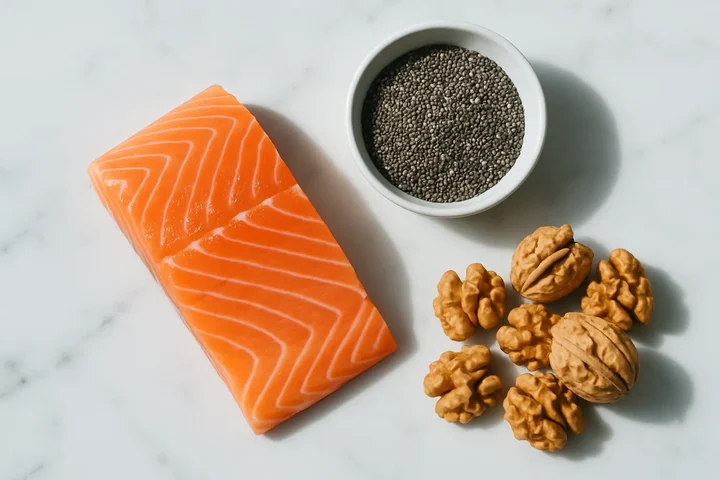 Foods high in omega-3s support brain health and reduce inflammation
Real Stories: How Food Changed Their Anxiety
Sarah's Journey with Salmon 🐟
Sarah, a 32-year-old teacher, had been dealing with anxiety for years. She would wake up at 3 AM with her mind racing about the next day's lessons. Her doctor suggested medication, but she wanted to try natural methods first.
She started eating salmon three times a week. Not fancy recipes - just simple grilled salmon with vegetables. After six weeks, she told me her night-time anxiety had reduced by half. She still had stressful days, but the constant worry that used to keep her awake was much quieter.
Mike and His Morning Yogurt 🥣
Mike worked in tech support - a job that meant dealing with frustrated customers all day. His stress levels were through the roof. A friend told him about the gut-brain connection and suggested he try eating probiotic-rich foods.
He started having Greek yogurt every morning with some berries. He didn't expect much, but after three weeks, something shifted. His coworkers noticed he seemed less tense. Mike himself felt like he could handle difficult calls without his stomach tying into knots.
Priya's Dark Chocolate Secret 🍫
Priya, a college student preparing for exams, was constantly stressed. Coffee was making her jittery and anxious. She read about dark chocolate helping with stress and decided to give it a try.
Every afternoon, instead of her third cup of coffee, she had a small piece of 85% dark chocolate. The change was gradual but real. She felt more focused during study sessions and less overwhelmed by her exam schedule.
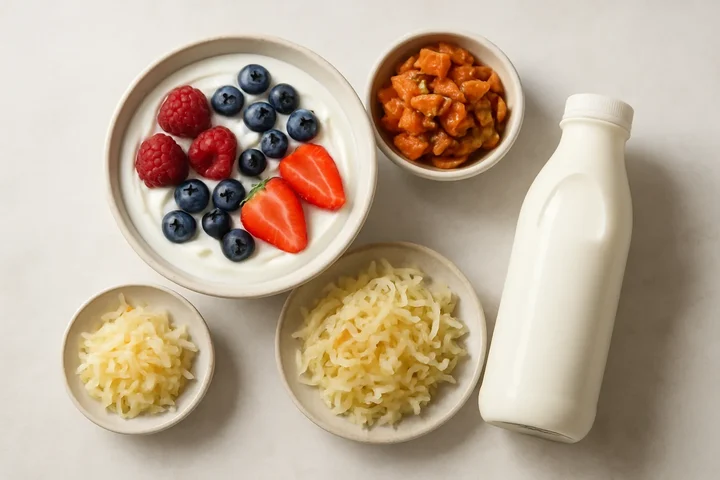 Probiotic fermented foods support gut health and mental wellbeing
The Science Behind Food and Anxiety: What Research Really Says
Let me share some facts that will blow your mind 🧠
Your Gut is Your Second Brain
Did you know that more than 90% of serotonin - the chemical that makes you feel good and calm - is actually made in your gut, not your brain? This shocked me when I first learned it. Your digestive system and brain are in constant conversation through something called the gut-brain axis.
When you eat foods that support healthy gut bacteria, you're literally helping your body produce more of those calming chemicals. Recent research shows the importance of the gut microbiome and its influence on mental health, mood, and cognition.
The Inflammation-Anxiety Link
Here's another thing that surprised me: chronic inflammation may be partly responsible for anxiety, stress, and depression. When your body is inflamed - often from eating too much processed food, sugar, and unhealthy fats - it can actually change your brain chemistry and make you more prone to anxiety.
Think of inflammation like having a small fire burning inside your body all the time. That fire sends stress signals to your brain, making you feel more anxious even when nothing is actually wrong.
The Magnesium Mystery
Researchers say magnesium deficiency is a common issue worldwide. This matters because magnesium helps calm your nervous system. When you don't get enough, your body's stress response goes into overdrive. It's like having a car alarm that goes off at the slightest touch.
Recent 2025 Research Findings
A 2024 systematic review noted the potential benefits of l-theanine for mental health, which is found in green tea. This amino acid has anti-anxiety and calming effects and may increase production of serotonin and dopamine in your brain.
Another study showed that those men who consume dark chocolate had significantly lower levels of cortisol and epinephrine (peripheral stress hormones) compared to control subjects after a mock psychosocial stress test.
The Top Foods That Actually Fight Anxiety 🥗
Let me walk you through the foods that have the strongest scientific backing for reducing anxiety. These aren't magic pills - they work best when you eat them regularly as part of your overall diet.
1. Fatty Fish (Salmon, Mackerel, Sardines)
Why they work: Omega-3s are anti-inflammatory, improve blood flow to the brain, influence neurotransmitter production and function, and help with cell growth and brain structure.
Salmon is like a multi-vitamin for your brain. It's packed with omega-3 fatty acids, vitamin D, vitamin B12, and protein. Omega-3s can also help reduce inflammation, which can be a driving force for anxiety.
How to eat them: Aim for two to three servings per week. You don't need fancy preparations. Simple grilled salmon, canned sardines on toast, or mackerel curry all work great.
2. Yogurt and Fermented Foods
Why they work: Fermented foods in the diet can benefit the natural gut bacteria and may reduce anxiety and stress.
Your gut bacteria need food too, and fermented foods give them exactly what they need. When your gut bacteria are happy and healthy, they produce more of those mood-boosting chemicals I talked about earlier.
Options to try: Greek yogurt, kefir, sauerkraut, kimchi, miso, and kombucha.
How to eat them: Start small if you're new to fermented foods. A cup of yogurt at breakfast or a tablespoon of sauerkraut with lunch is enough to start.
3. Dark Chocolate (70% Cocoa or Higher)
Why it works: Dark chocolate consumption substantially lowers cardiovascular mortality due to the high content of polyphenolic flavonoids. These flavonoids can help reduce stress hormones.
Consumption of 40 g of dark and milk chocolate daily during a period of 2 weeks appear to be an effective way to reduce perceived stress.
How much: About 40 grams (roughly one and a half ounces) of dark chocolate daily can help. That's about three to four squares of a typical chocolate bar.
Important: Choose dark chocolate with at least 70% cocoa. The higher the percentage, the more beneficial compounds and less sugar. White chocolate doesn't help because it contains no cocoa solids.
4. Leafy Greens and Vegetables
Why they work: Foods rich in magnesium such as leafy greens, legumes, nuts, seeds and whole grains may help a person feel calmer.
Spinach, kale, Swiss chard, and other leafy greens are loaded with magnesium - that calming mineral I mentioned earlier. They also contain folate, which helps your body produce mood-regulating neurotransmitters.
How to eat them: One to two cups of leafy greens daily is ideal. Add spinach to smoothies, make a simple salad, or sauté some kale with garlic.
5. Nuts and Seeds
Why they work: Nuts like almonds, walnuts, and Brazil nuts are rich in magnesium, zinc, and omega-3 fatty acids. Pumpkin seeds are also a good source of the mineral zinc, which plays a role in brain and nervous system function.
Brazil nuts are special because they're high in selenium. Selenium may improve mood by reducing inflammation.
How to eat them: A small handful (about a quarter cup) as a snack, or sprinkled on yogurt or salads.
6. Avocados
Why they work: Avocados are great for your brain and mental health! For starters, the wrinkly green fruit is high in magnesium.
Avocados also contain B vitamins and healthy fats that support brain function. They're like brain food wrapped in a green package.
How to eat them: On toast, in salads, blended into smoothies, or just sliced with a sprinkle of salt.
7. Eggs
Why they work: Animal food sources, including beef, chicken, and eggs, are all great sources of Vitamin B. B vitamins play a significant role in how our brain functions and aids in mood regulation.
Eggs also contain tryptophan, an amino acid that helps produce serotonin. Plus, they're one of the best food sources of choline, which supports brain health.
How to eat them: Any way you like - boiled, scrambled, poached. One to two eggs daily is beneficial for most people.
8. Green Tea
Why it works: Green tea contains theanine, which has been subject to increasing scrutiny because of its potential effects on mood disorders. Theanine has anti-anxiety and calming effects and may increase the production of serotonin and dopamine.
Green tea gives you a gentle energy boost without the jitters that coffee can cause. The combination of a small amount of caffeine with L-theanine creates a calm, focused state.
How to drink it: One to three cups daily. Brew it for three to five minutes for the best flavor and maximum benefits.
9. Whole Grains
Why they work: Whole grains, vegetables and fruits are higher in complex carbohydrates and fiber that help to slow digestion, thereby avoiding significant shifts in blood sugar levels that can contribute to feeling more anxious.
When your blood sugar spikes and crashes, it can trigger anxiety symptoms. Whole grains provide steady, slow-releasing energy that keeps your blood sugar stable.
Options: Oats, brown rice, quinoa, whole wheat bread, barley.
10. Bananas
Why they work: An older 2008 study found that lower potassium and magnesium levels were associated with high levels of cortisol, a stress hormone. Bananas are rich in both potassium and magnesium.
They also contain tryptophan and vitamin B6, both of which help produce serotonin.
How to eat them: As a quick snack, sliced on oatmeal, or blended into smoothies.
7 Practical Tips to Start Eating for Anxiety Relief 💡
Tip 1: Start Your Day Right
Don't skip breakfast, even if you're not hungry. Strategies include not skipping meals to avoid blood sugar crashes that can trigger anxiety.
Try this: Greek yogurt with berries and a handful of walnuts. This combination gives you protein, probiotics, omega-3s, and antioxidants all in one bowl.
Tip 2: Swap Your Snacks
Replace processed snacks with anxiety-fighting options. Instead of chips or cookies, keep these on hand:
- A small piece of dark chocolate
- A handful of almonds
- Carrot sticks with hummus
- An apple with almond butter
Tip 3: Fish Twice, Minimum
Make it a rule to eat fatty fish at least twice a week. If you don't like fish, consider:
- Fish oil supplements (talk to your doctor first)
- Algae-based omega-3 supplements if you're vegetarian
- Walnuts and chia seeds as plant-based alternatives
Tip 4: Make Friends with Fermented Foods
Add at least one serving of fermented food to your daily routine. Start small:
- Morning: Add yogurt to your breakfast
- Lunch: Include a side of sauerkraut
- Evening: Drink a small glass of kefir
Your gut bacteria will thank you, and in a few weeks, you might notice you feel calmer. If you want a structured way to build that habit, try the 30-day gut reset challenge.
Tip 5: Stay Hydrated
Staying hydrated by drinking adequate amounts of water is another strategy to help reduce anxiety. Even mild dehydration can affect your mood and increase feelings of anxiety.
Aim for eight glasses of water daily. Herbal teas and green tea count toward this goal.
Tip 6: Time Your Meals Consistently
Eat at regular times each day. Irregular or emotional eating can spike cortisol and blood sugar, intensifying stress and anxiety.
Try to eat breakfast, lunch, and dinner at roughly the same times every day. This helps keep your blood sugar stable and your stress hormones in check.
Explore NutriScan Insights to see how your meal timing and food choices affect your mood and anxiety levels over time. Visual patterns make it easier to understand your nutrition-anxiety connection.
Tip 7: Prep on Sunday
Spend an hour on Sunday preparing anxiety-fighting foods for the week:
- Hard boil a dozen eggs
- Grill several portions of salmon
- Chop vegetables for easy snacking
- Make a big batch of overnight oats with chia seeds
When healthy options are ready to eat, you're more likely to choose them when stress hits.
The Secret 4-Step Meal Plan That Actually Works ✨
We've covered the science, the foods, and the tips. Now here's the thing that changes everything.
Most people try to overhaul their entire diet at once. They go all-in: "Starting Monday, I'm eating perfectly." By Thursday, they're stressed and back to old habits. The secret isn't about being perfect - it's about being strategic and consistent with a simple 4-step framework.
I discovered this by accident when working with hundreds of people trying to reduce anxiety through food. The ones who succeeded didn't count macros obsessively or follow strict meal plans. Instead, they followed a specific progression that made each step feel manageable and rewarding. This is the 4-step meal plan that made the difference.
Step-by-Step Guide: Building Your Anxiety-Fighting Meal Plan 📋
Step 1: Assess Your Current Diet
Take three days to write down everything you eat and drink. Don't change anything yet - just observe. Note how you feel after each meal. Do you feel energized? Calm? Anxious? Jittery?
Look for patterns. Are you eating a lot of processed foods? Skipping meals? Drinking too much coffee?
Step 2: Identify Your Trigger Foods
Some foods can actually make anxiety worse. Pay attention to how you feel after eating:
Foods that often increase anxiety:
- Caffeine (coffee, energy drinks) - can trigger jitters and racing heart
- Alcohol - disrupts sleep and can increase anxiety over time (see foods that help you sleep better)
- Sugar and refined carbs - cause blood sugar spikes and crashes
- Processed foods - can promote inflammation
You don't need to cut these out completely, but reducing them can help significantly.
Step 3: Start with One Meal
Don't try to change everything at once. Pick one meal - I suggest breakfast - and make it anxiety-friendly for a week.
Sample anxiety-fighting breakfast:
- Greek yogurt with berries, walnuts, and a drizzle of honey
- Two eggs scrambled with spinach, served with whole grain toast and half an avocado
- Oatmeal made with milk or yogurt, topped with banana slices and chia seeds
Step 4: Add Anxiety-Fighting Snacks
Replace processed snacks with options that support mental health:
- Mid-morning: A small piece of dark chocolate with green tea
- Afternoon: Carrot sticks with hummus or a handful of mixed nuts
- Evening: Greek yogurt or kefir
Step 5: Plan Your Dinners
Create a weekly rotation that includes fatty fish at least twice:
- Monday: Grilled salmon with roasted vegetables and quinoa
- Wednesday: Baked mackerel with sweet potato and leafy green salad
- Friday: Sardine pasta with whole grain noodles and cherry tomatoes
On other days, include plenty of vegetables, whole grains, and lean proteins.
Pro Tip: Use the NutriScan macro calculator to verify your meal macronutrient distribution and ensure you're getting optimal protein, carbs, and fats for anxiety management.
Step 6: Prepare for Difficult Days
Have emergency anxiety-fighting foods ready for especially stressful times:
- Pre-portioned bags of mixed nuts
- Boiled eggs in the fridge
- Dark chocolate squares
- Bananas
- Green tea bags
Step 7: Track How You Feel
Keep a simple mood journal. Each day, rate your anxiety level from 1 to 10 and note what you ate. After two to three weeks, you'll start seeing patterns between your food choices and how you feel.
This isn't about being perfect. It's about noticing what helps and doing more of that.
Track Your Meals: Use NutriScan's meal scanner to log your foods with photos and get instant nutrition insights. This makes tracking easier and helps you identify which foods truly calm your mind.
What Foods Should You Avoid? 🚫
While adding anxiety-fighting foods is important, it's equally important to reduce foods that can make anxiety worse.
Caffeine
Caffeine can stimulate the nervous system, increasing your heart rate and potentially causing jitteriness and heightened anxiety.
I'm not saying you need to give up coffee completely. But if you're struggling with anxiety, try:
- Limiting to one cup in the morning
- Switching to green tea (lower caffeine, plus L-theanine)
- Avoiding caffeine after noon
For personalized guidance on balancing your diet while managing caffeine intake, check out NutriScan's diet plan guide to create a customized approach that works for your lifestyle.
Alcohol
Alcohol may feel as though it provides stress relief in the short term; however, research shows that alcohol can exacerbate your stress and anxiety over time.
Alcohol disrupts your sleep, messes with your blood sugar, and can actually increase anxiety the next day (ever heard of "hangxiety"?).
High-Sugar Foods
High sugar and refined carbs like sweets, pastries and white bread can cause blood sugar spikes and crashes, leading to mood swings and increased anxiety.
When your blood sugar crashes, your body releases stress hormones to bring it back up. This can trigger anxiety symptoms like shakiness, rapid heartbeat, and nervousness. Our diabetes diet plan to manage blood sugar covers the same steady-glucose approach in more detail.
Processed and Fried Foods
Foods high in trans fats (think: fried foods, snack foods and some commercial baked goods) can contribute to inflammation and have been linked to increased risk of depression and anxiety.
Highly processed foods, loaded with sugar, salt, and saturated fats can worsen anxiety by promoting inflammation and disrupting the balance of our nervous system.
Your Questions Answered: FAQ About Food and Anxiety 🤔
Q1: How quickly will I notice results from changing my diet?
This is different for everyone, but here's what I've seen:
- Some people notice small improvements within a week (better sleep, slightly less jittery)
- More significant changes usually show up after three to four weeks of consistent eating
- The full benefits often take two to three months
The key word is "consistent." You can't eat salmon once and expect to feel calm forever. Think of it like watering a plant - regular, consistent care brings results.
Remember, food is one piece of the puzzle. If you're dealing with severe anxiety, you should also work with a mental health professional. Food can support your mental health, but it's not a replacement for therapy or medication when needed.
Q2: Do I need to eat all these foods every day?
No, you don't need to eat everything every single day. Focus on variety throughout the week:
- Fatty fish: 2-3 times per week
- Fermented foods: Daily (even a small amount)
- Leafy greens: Most days
- Nuts and seeds: Daily handful
- Dark chocolate: A small piece most days
The goal is to build a pattern of eating foods that support your mental health, not to stress about hitting every item on a checklist every day.
Q3: What if I don't like fish or yogurt?
No problem! There are always alternatives:
Don't like fish?
- Take a high-quality omega-3 supplement
- Eat more walnuts, chia seeds, and flaxseeds
- Try algae-based omega-3 supplements
Don't like yogurt?
- Try kefir (it tastes different, slightly tangy)
- Eat other fermented foods like sauerkraut, kimchi, or miso
- Take a probiotic supplement
The best anxiety-fighting diet is one you'll actually stick to. Don't force yourself to eat foods you hate.
Q4: Can food really replace anti-anxiety medication?
This is an important question, and the answer is: it depends, and you should never make this decision on your own.
For some people with mild anxiety, dietary changes combined with other lifestyle modifications (exercise, sleep, stress management) can make a huge difference and might be enough.
For others with moderate to severe anxiety, food can be a helpful support alongside medication and therapy, but not a replacement.
Never stop taking prescribed medication without talking to your doctor. What you can do is:
- Add anxiety-fighting foods to your diet
- After a few months, talk to your doctor about how you're feeling
- Let them help you decide if any changes to medication are appropriate
Think of food as part of your anxiety management toolkit, not a magic cure.
Q5: What about supplements? Should I take them?
Supplements can be helpful, especially if you have deficiencies or dietary restrictions. Common ones for anxiety include:
- Omega-3 fish oil
- Magnesium
- Vitamin D
- Probiotics
- B-complex vitamins
However, getting nutrients from food is always better when possible because:
- Food contains many beneficial compounds that work together
- Your body absorbs nutrients from food more effectively
- Whole foods provide fiber and other benefits supplements don't
If you're considering supplements, talk to your doctor first. They can test for deficiencies and recommend appropriate doses. Taking too much of certain vitamins and minerals can actually cause problems.
Conclusion: Small Changes, Big Results
Here's what I want you to take away from this: you don't need to overhaul your entire diet overnight to see benefits. Small, consistent changes are what work in the long run.
Start with just one thing:
- Add Greek yogurt to your breakfast
- Eat salmon once a week
- Replace your afternoon candy with a piece of dark chocolate
- Drink green tea instead of coffee
Do that for two weeks. Then add another change. Build slowly.
I've seen so many people reduce their anxiety significantly by changing what they eat. Not because food is magic, but because your brain needs the right nutrients to function well. When you feed your brain properly, it has what it needs to regulate stress and keep anxiety in check.
Your mental health matters. Every meal is an opportunity to support it. You deserve to feel calm, focused, and at ease in your own mind. And the path to getting there might start with something as simple as what you put on your plate tonight.
Remember, I'm not a doctor or therapist. If you're struggling with severe anxiety, please reach out to a mental health professional. But while you're working on the bigger picture, know that your food choices can be a powerful ally in feeling better.
Here's to calmer days ahead 🌟
Quick Reference: Your Anxiety-Fighting Shopping List 🛒
Proteins:
- Salmon, mackerel, sardines (canned or fresh)
- Eggs
- Greek yogurt
- Chicken
- Lean beef
Fats:
- Avocados
- Walnuts
- Almonds
- Brazil nuts
- Chia seeds
- Pumpkin seeds
- Dark chocolate (70%+ cocoa)
Carbohydrates:
- Oats
- Quinoa
- Brown rice
- Sweet potatoes
- Bananas
- Berries
Vegetables:
- Spinach
- Kale
- Broccoli
- Carrots
- Bell peppers
Fermented Foods:
- Sauerkraut
- Kimchi
- Kefir
- Miso paste
Beverages:
- Green tea
- Water
- Herbal teas
Pantry:
- Extra virgin olive oil
- Whole grain bread
- Hummus
Print this list and take it to the store. Start adding these items to your weekly grocery runs, and your brain will thank you.