Muscle Recovery Nutrition: What to Eat After a Workout
 ChatGPT
  Claude
  AI Mode
  Perplexity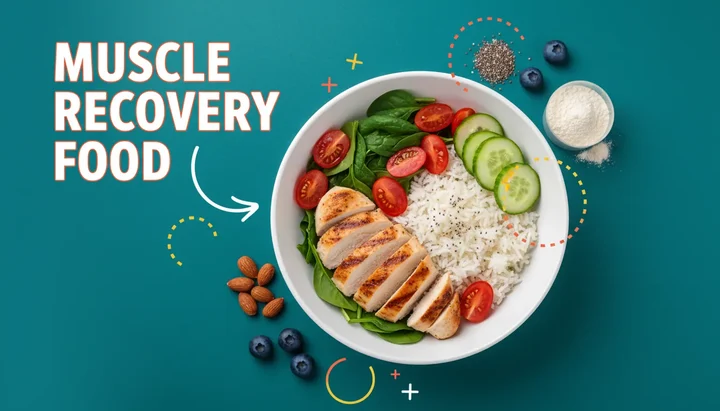
Short answer: eat 20 to 30 g of protein and 1 to 1.2 g of carbs per kg of body weight within four to six hours of finishing. Daily protein for building muscle sits at 1.6 to 2.2 g per kg, and our macro calculator works that number out for your weight and training load.
TL;DR - Muscle Recovery Nutrition Essentials
• Who it's for: Anyone who trains regularly and wants to optimize recovery
• Main outcomes: Faster muscle repair, reduced soreness, better next-day performance, sustained energy levels
• Key steps: Adequate protein, strategic carbs, proper hydration, anti-inflammatory foods, quality sleep
• Timeframe: Recovery happens over 24-48 hours, not just immediately post-workout
• Science note: 2025 research shows the "30-minute anabolic window" myth is outdated - you have a 4-6 hour window to eat
I've been there too, standing in front of my fridge after a heavy leg day, confused about whether my protein shake was doing anything or if I'd just wasted my efforts. The truth is, muscle recovery nutrition is way simpler than the fitness industry makes it seem.
After reviewing recent research from 2025 and talking to hundreds of people through our NutriScan app, I can tell you this: Your body is smarter than you think, but it does need the right fuel at the right time.
 Real person training with intensity - this is what triggers the recovery process
What Really Happens to Your Muscles After Exercise
When you work out hard, your muscles go through a lot. Think of it like tiny tears in fabric - except your body knows exactly how to fix these tears and make the fabric stronger.
Here's what happens inside your body:
During the first 30-60 minutes: Your muscles are crying out for help. They've used up their stored energy (glycogen), protein fibers are damaged, and inflammation kicks in. This might sound bad, but it's actually good - this is how you get stronger.
In the next 4-8 hours: Your body is working overtime. It's trying to repair those muscle fibers, refill energy stores, and reduce swelling. This is when what you eat makes a massive difference.
Over the next 24-48 hours: The rebuilding continues. Your muscles are getting stronger, and your body is learning to handle that same workout better next time.
Research from 2025 shows that muscle protein synthesis (that's your body building new muscle) stays high for up to 24 hours after exercise. This means you have a much bigger window to eat right than most people think. (Source: Frontiers in Nutrition, 2025)
Real Stories: What Actually Works
Let me share three examples from real people using NutriScan:
Priya's Marathon Mistake
Priya was training for her first marathon in Mumbai. After every long run, she'd skip eating for 2-3 hours because she "wasn't hungry." Her recovery was terrible - constant soreness, low energy, and she kept getting sick.
When she started eating a banana with peanut butter within an hour of finishing her runs, everything changed. Her muscle soreness dropped, energy came back faster, and she stopped catching every cold going around.
Raj's Protein Timing Discovery
Raj was obsessed with drinking his protein shake within 15 minutes of finishing his workout. He thought he'd miss the "magic window" otherwise. The stress of rushing made him skip workouts sometimes.
When he learned that he could eat protein anytime within 4-6 hours and still get great results, his whole approach relaxed. His gains actually improved because he stopped stressing and focused on eating well throughout the day.
Neha's Recovery Breakthrough
Neha was a gym regular who couldn't figure out why her muscles stayed sore for days. She was eating enough protein but skipping carbs because she thought they'd make her fat.
Once she added rice, sweet potatoes, and fruits back after workouts, her recovery time cut in half. Her energy shot up, and she started lifting heavier weights.
How Long Is the Post-Workout Protein Window?
Let's bust the biggest myth in fitness: the "30-minute anabolic window."
For years, people believed you HAD to consume protein within 30 minutes of finishing your workout or you'd miss all your gains. Recent research from April 2025 tells a different story.
What Science Actually Says:
A comprehensive study published in Frontiers in Nutrition in April 2025 found that immediate post-workout protein isn't as critical as we thought. What matters more is:
- Total daily protein: Getting 1.6-2.2 grams of protein per kg of body weight throughout the day
- Regular protein meals: Eating protein every 3-4 hours
- Quality over timing: Choosing complete proteins with all essential amino acids
The "anabolic window" might actually be 4-6 hours wide, not 30 minutes. If you ate a good meal before your workout, you're already covered for a while after. (Source: Journal of Orthopaedic & Sports Physical Therapy, 2018)
When Timing DOES Matter:
There are times when eating soon after exercise helps:
- If you train fasted (empty stomach)
- If you're training twice a day
- If you're trying to gain muscle while losing fat
- If your next workout is within 8 hours
For most of us doing one workout a day? Just eat protein within a few hours, and you're good.

The Best Proteins for Recovery
Not all proteins do the same job for muscle recovery. Here's what works:
Fast-Absorbing Proteins (30-60 minutes):
Whey protein is the champion here. Studies show it gets into your bloodstream quickly and kicks off muscle repair fast. A 2025 narrative review published in Sports Medicine found whey protein contains high amounts of leucine, which is like a light switch for muscle building.
Best for: Right after intense workouts, morning recovery
Slow-Absorbing Proteins (6-8 hours):
Casein protein is the marathon runner of proteins. Research shows taking 20-40 grams of casein before bed keeps feeding your muscles all night long. Your body doesn't stop repairing just because you're asleep. (Source: Medicine & Science in Sports & Exercise)
Best for: Before bed, long gaps between meals
Plant-Based Proteins:
A comprehensive systematic review published in August 2025 looked at 24 different trials on plant proteins. The good news? Soy, pea, and rice proteins work well for recovery - especially when you combine different plant proteins together.
The key is eating slightly more plant protein than animal protein (about 20% more) because plant proteins are digested a bit differently.
Best for: Vegans, people with dairy issues, anyone wanting variety
Why Carbs Are Your Secret Recovery Weapon
Here's something that surprises people: carbs might be even more important than protein for recovery, especially if you train hard.
The Glycogen Story:
Your muscles store carbs as glycogen - think of it like a battery. A single hard workout can drain 24-40% of this battery. Research from 2023 shows that without enough carbs, your "battery" might take 48+ hours to fully recharge.
When you eat carbs after working out:
- Your muscles refill their glycogen stores
- Inflammation goes down faster
- You feel less tired
- Your next workout feels easier
How Much Do You Need?
According to recent research from Gatorade Sports Science Institute, if you're training seriously, aim for:
- Moderate training: 4-7 grams of carbs per kg of body weight daily
- Heavy training: 7-10 grams per kg daily
- Post-workout: 1-1.2 grams per kg within the first few hours
Best Carb Sources:
Fast-absorbing (right after workout):
- Rice
- Potatoes
- Bananas
- White bread
- Sports drinks
Slow-absorbing (later meals):
- Oats
- Sweet potatoes
- Brown rice
- Fruits with fiber
 Real people choosing the right nutrition - this is what recovery nutrition looks like in practice
Hydration: The Forgotten Recovery Tool
I see this mistake all the time through NutriScan: people focus on food but forget about water.
When you exercise, you lose water and electrolytes through sweat. Just 2% dehydration (about 1.5 kg of water loss for a 75 kg person) can:
- Slow muscle protein synthesis
- Increase muscle soreness
- Drop your performance by 10-20%
- Make you feel more tired
(Source: Sports Medicine Review, 2025)
Your Hydration Game Plan:
Before Exercise:
- Drink 5-7 ml per kg of body weight 4 hours before
- If your pee is dark, drink another 3-5 ml per kg 2 hours before
During Exercise:
- Sip water regularly
- Don't lose more than 2% of your body weight
- Add electrolytes for workouts over 60 minutes
After Exercise:
- Drink 20-24 oz (600-700 ml) for every pound (0.5 kg) lost through sweat
- Include sodium to help your body hold onto the water
Pro tip: Check your pee color. Light yellow = good. Dark yellow = drink more.
Omega-3s: How Much Cuts Muscle Soreness
This is where recovery nutrition gets really interesting. Research published in January 2025 shows omega-3 fats can seriously speed up recovery.
How Omega-3s Help:
When you work out, your muscles get inflamed. Some inflammation is good - it's part of the repair process. But too much slows you down.
Omega-3s (especially EPA and DHA from fish) help by:
- Reducing excessive inflammation
- Cutting muscle soreness by 15-30%
- Protecting muscle cell membranes
- Speeding up the repair process
A 2025 study on military personnel found that people taking 3 grams of omega-3s daily had less muscle soreness 24 hours after hard exercise.
Where to Get Omega-3s:
Best Sources:
- Fatty fish: salmon, mackerel, sardines (2 servings weekly)
- Fish oil supplements (3 grams daily)
- Algae oil (for vegetarians)
Plant Sources (contain ALA, which your body converts to EPA/DHA):
- Flaxseeds
- Chia seeds
- Walnuts
- Hemp seeds
Note: You need more plant-based omega-3s because your body only converts about 5-10% to the forms you need.
The Sleep Factor: When Real Recovery Happens
This is the pillar that changes everything.
Want to know the truth? All the protein and carbs in the world won't help if you're not sleeping enough. Sleep isn't just "nice to have" for recovery - it's where most of your gains actually happen.
Why Sleep Matters So Much:
During deep sleep (especially the first few hours of the night), your body releases growth hormone. This hormone is like a construction manager for your muscles - it tells your body where to use all that protein you ate.
Research shows:
- Most growth hormone release happens during deep sleep (Source: Performance Lab Sleep Research)
- Poor sleep drops muscle protein synthesis by up to 20%
- 7-9 hours of sleep per night is optimal for recovery
- Sleep deprivation increases muscle breakdown
Real-World Impact:
In one study, people who went from good sleep to poor sleep lost muscle mass and gained fat - even though they were training the same way and eating the same food. (Source: Sleep and Muscle Recovery Research, 2025)
Recovery Sleep Tips:
- Eat protein before bed: 20-40 grams of casein protein helps your muscles repair all night (Frog Fuel Research)
- Keep your room cool: 60-67°F (15-19°C) is best
- Stick to a schedule: Same bedtime and wake time, even weekends
- Limit screens: Blue light from phones messes with sleep hormones
- Consider tart cherry juice: Natural melatonin can help with sleep quality

7 Practical Recovery Nutrition Tips That Work
Let me give you a step-by-step approach based on what actually works in real life:
Tip 1: Plan Your Pre-Workout Meal
Eat a balanced meal with protein and carbs 2-3 hours before training. This primes your body for recovery even before you start. If you train early morning, a banana with peanut butter 30-60 minutes before works great.
Tip 2: Keep Post-Workout Simple
You don't need fancy supplements. A simple meal with:
- 20-30 grams of protein
- 40-80 grams of carbs
- 500-700 ml of water
Works just as well as any expensive recovery drink.
Tip 3: Eat Protein Every 3-4 Hours
Instead of obsessing over post-workout timing, spread your protein throughout the day. Aim for 20-30 grams per meal. This keeps muscle protein synthesis running all day. If the gaps between meals are where you fall short, our high-protein snacks guide lists options by gram count.

Tip 4: Don't Fear Carbs After Training
After a workout is the best time to eat carbs. Your muscles are like sponges, soaking up carbs to refill glycogen. This won't make you fat - it'll make you recover faster.
Tip 5: Track Your Hydration
Weigh yourself before and after workouts. For every kg lost, drink 1.5 liters of water. Add a pinch of salt or an electrolyte drink if you sweat a lot.
Tip 6: Add Anti-Inflammatory Foods
Include these in your daily diet:
- Fatty fish 2-3 times weekly
- Berries (loaded with antioxidants)
- Turmeric (add to curries, smoothies)
- Ginger (great in tea)
- Green leafy vegetables
More options, with the research behind each one, in our science-backed recovery foods list.
Tip 7: Prioritize Sleep Quality
Make sleep non-negotiable. If you can only choose between an extra workout or an extra hour of sleep, choose sleep. Recovery happens when you rest, not when you train.

Your 5-Step Recovery Nutrition Blueprint
Here's a simple system you can follow today:
Step 1: Calculate Your Protein Needs
Multiply your body weight in kg by 1.8-2.0. That's your daily protein target in grams.
Example: 70 kg person needs 126-140 grams of protein daily.
Divide this into 4-5 meals throughout the day. Use our online macro calculator to get personalized protein and carb targets based on your body weight and training goals.

Step 2: Set Your Carb Baseline
For moderate training: Body weight in kg × 4-5 grams For intense training: Body weight in kg × 6-8 grams
Example: 70 kg person needs 280-400 grams of carbs daily with moderate training. Our macro calculator adjusts targets based on your training intensity.
Step 3: Create Your Post-Workout Meal Template
Pick one from each category:
Protein Option:
- 2 eggs + 2 egg whites
- 1 scoop whey protein
- 150g chicken
- 200g Greek yogurt
- 1 cup lentils + quinoa
Carb Option:
- 1 cup rice
- 2 medium potatoes
- 2 slices bread
- 1 large banana + 1 cup oats
- 300g sweet potato
Hydration:
- 500-700 ml water or coconut water
- Add pinch of salt if you sweat heavily

Step 4: Plan Your Pre-Sleep Nutrition
30-60 minutes before bed, have:
- 20-40g casein protein OR
- 200g cottage cheese OR
- 1 glass milk + handful of nuts
This keeps your muscles fed all night.
Step 5: Set Up Your Sleep Environment
- Room temperature: 60-67°F
- No screens 1 hour before bed
- Bedroom dark and quiet
- Same sleep and wake times
- 7-9 hours total sleep
How NutriScan Helps You Track Recovery
I want to be real with you - tracking all this manually is hard. That's why we built NutriScan.
With NutriScan, you can:
Track Your Meals Instantly: Just click a picture of your food with our meal scan feature. Our AI analyzes the protein, carbs, fats, and micronutrients. You'll see if you're hitting your recovery nutrition targets. If you're comparing tools first, we ranked the best apps for tracking protein, and NutriScan for muscle gain shows how the goal setup works.
Get Personalized Recovery Insights: Based on your training goals (muscle gain, fat loss, diabetes management, PCOS, pregnancy), we calculate exactly what your body needs for recovery. Our insights dashboard shows patterns in your nutrition over time.
Ask Questions About Your Nutrition: Confused about timing? Wondering if you're eating enough protein? Just ask NutriScan's AI assistant. Get instant answers based on your actual meals.
See Patterns in Your Recovery: Track which meals help you recover best. See if you're eating enough carbs on heavy training days. Spot gaps in your nutrition before they become problems. Our NutriScore system rates food quality to optimize recovery nutrition.
Plan Your Daily Nutrition: With our Premium Plan, create a personalized diet plan based on your goals, location, and food preferences. We consider your lifestyle to create a plan you'll actually follow.
You can start tracking today. Download NutriScan from the App Store or Play Store, or visit https://nutriscan.app
FAQs About Muscle Recovery Nutrition
Q1: Do I really need to eat immediately after working out?
No, this is one of the biggest myths in fitness. Research from 2025 shows the "anabolic window" is actually 4-6 hours wide, not 30 minutes. If you ate a good meal 2-3 hours before training, you don't need to rush to eat right after.
Focus on getting quality protein and carbs within a few hours post-workout. If you train fasted or have another workout coming up soon, then eating sooner helps. But for most people doing one workout a day, eating within 2-4 hours works great.
Q2: How much protein do I actually need for muscle recovery?
The science is pretty clear on this. You need 1.6-2.2 grams of protein per kilogram of body weight daily if you're training regularly. For a 70 kg person, that's 112-154 grams daily. (Sports Medicine Review, 2025)
To skip the arithmetic, run your weight through our macro calculator, which splits the daily protein target across meals. Split this across 4-5 meals of 20-30 grams each. Your body can use about 20-30 grams per meal for muscle building. More than that isn't harmful, but it doesn't give extra benefits for recovery.
After workouts, aim for 20-30 grams of protein. Research shows this amount maximizes muscle protein synthesis for most people.
Q3: Are carbs necessary for muscle recovery or can I stay low-carb?
Carbs are hugely important for recovery, especially if you train hard. They refill your muscle glycogen (energy stores) which can drop by 24-40% in one hard session.
Low-carb diets can work for fat loss, but they slow recovery. Studies from 2025 show that people eating enough carbs (4-7 grams per kg daily) recover faster, feel less sore, and perform better in their next workout.
If you're training seriously, you need carbs. Save low-carb approaches for rest days or light activity days.
Q4: What's better for recovery - whey or plant-based protein?
Both work, but there are differences. Whey protein is absorbed faster and has more leucine (the amino acid that triggers muscle building). It's great right after workouts.
A 2025 systematic review of 24 studies found that soy, pea, and rice proteins work well for recovery too. The key is:
- Eat slightly more plant protein (20-30% more)
- Combine different plant proteins (like rice + pea)
- Spread intake across the day
If you're vegan or lactose intolerant, plant proteins work great. You just need to be a bit more thoughtful about getting enough.
Q5: Should I take omega-3 supplements for faster recovery?
Research from 2025 strongly supports omega-3s for recovery. Studies show 3 grams daily can:
- Reduce muscle soreness by 15-30%
- Lower inflammation markers
- Speed up the repair process
You can get omega-3s from fatty fish (salmon, mackerel, sardines) 2-3 times weekly, or take fish oil supplements. For vegetarians, algae-based omega-3 supplements work.
The benefits take a few weeks to show up (omega-3s need to build up in your cells), so this is a long-game supplement, not a quick fix.
What to Do Starting Tomorrow
After reviewing hundreds of studies from 2025 and helping thousands of people through NutriScan, here's what I know for sure:
Recovery nutrition doesn't have to be complicated. You don't need fancy supplements or perfect timing. What you need is:
- Enough protein spread throughout the day (1.6-2.2g per kg)
- Adequate carbs to refill your energy (4-8g per kg based on training)
- Proper hydration before, during, and after training
- Quality sleep for 7-9 hours nightly
- Anti-inflammatory foods like omega-3s to speed healing
The hard part isn't knowing what to do. It's doing it consistently. That's where tracking your nutrition with tools like NutriScan makes all the difference.
Your body is designed to recover. Give it the right fuel at roughly the right times, get enough sleep, and trust the process. The gains will come.
Ready to optimize your recovery nutrition? Download NutriScan today and start tracking your meals with AI-powered insights. Get your personalized nutrition analysis in seconds - just click a picture of your food.
Download NutriScan Now - https://nutriscan.app
More Questions About Recovery Nutrition
Q: Is optimizing recovery nutrition worth the effort?
A: Absolutely. Better recovery means you can train harder next time, get stronger faster, and reduce injury risk. It's one of the highest ROI fitness investments you can make.
Q: Can I use supplements instead of whole foods for recovery?
A: Supplements help, but whole foods are better. They contain more nutrients, fiber, and compounds that supplements don't have. Use supplements to fill gaps, not replace real food.
Q: How long does muscle recovery actually take?
A: Most recovery happens within 24-48 hours. But the adaptation process (getting stronger) continues for longer, especially with consistent training.
Q: Should I do anything different on rest days for recovery?
A: Yes. Still eat adequate protein and carbs, stay hydrated, and get good sleep. Your body continues repairing on rest days.
Q: Can better nutrition help with delayed onset muscle soreness (DOMS)?
A: Yes. Proper hydration, antioxidants (berries, leafy greens), omega-3s, and anti-inflammatory foods all help reduce DOMS.
Q: What's the best meal timing for multiple workouts in one day?
A: For two workouts daily, eat something between them (within 1-2 hours after the first). This refuels you for the second workout and helps recovery.
Q: Should I eat differently if I'm doing cardio vs strength training?
A: Slightly. Strength training needs more protein. Cardio needs more carbs to refill glycogen. Both need adequate hydration and anti-inflammatory foods.
Q: How do I know if my recovery nutrition is working?
A: Track your performance, soreness levels, and how you feel. You should notice less muscle soreness, better energy, and improved performance within 1-2 weeks.