Pregnancy Diet Plan: What to Eat in Each Trimester
 ChatGPT
  Claude
  AI Mode
  Perplexity
A pregnancy diet plan is mostly the food you already eat, in a better balance, with targets that shift by trimester. Calorie needs do not go up at all in the first trimester. The second trimester adds roughly 340 calories a day, the third about 450. What climbs from week one is the nutrient load: 400 mcg of folate, close to 27 mg of iron, and about 450 mg of choline daily. Total weight gain for most women starting at a normal weight lands between 25 and 35 pounds. Below is the plan trimester by trimester, the foods to skip, and how to keep score without weighing everything.
TL;DR - Pregnancy Diet Plan & Nutrition Guide
• Who it's for: Expecting mothers seeking science-backed nutrition guidance for a healthy pregnancy and baby development
• Main outcomes: Optimal fetal development, healthy weight gain (25-35 lbs), reduced pregnancy complications, improved maternal energy
• Key steps: Calculate pregnancy macro needs → Track key nutrients → Use personalized diet plans → Monitor with meal scanning → Get AI guidance
• Timeframe: Establish healthy habits in 2-3 weeks, optimize nutrition throughout all trimesters, build foundation for breastfeeding
• How NutriScan helps: Pregnancy-specific tracking, nutrient monitoring, meal planning, Monika AI for instant answers, trimester-based goals
Prenatal nutrition sits near the top of most pregnancy question lists, and the advice you get from family, forums, and search results rarely agrees with itself.
Pregnancy is a profound time. You're not just eating for yourself anymore; you're building a whole new person, cell by cell. The food you consume provides the essential building blocks for your baby's brain, bones, and organs. It also supports your own body as it goes through incredible changes. I remember feeling the weight of this responsibility myself. Every meal felt like a monumental decision. That's why we, the NutriScan team, are so passionate about giving expecting mothers clear, simple, and science-backed guidance. We want to replace uncertainty with confidence. This guide will show you how to nourish yourself and your baby, with a little help from technology to make it easier.
Pregnancy Diet Plan by Trimester: Calories and Weight Gain
The single most useful number in any pregnancy diet plan is how little the calorie target actually moves. "Eating for two" is the most repeated line in pregnancy advice and the most misread.
| Trimester | Extra calories per day | What that looks like | Focus |
|---|---|---|---|
| First (weeks 1-13) | 0 | Nothing extra | Folate, fluids, small frequent meals if nausea hits |
| Second (weeks 14-27) | About 340 | Greek yogurt with nuts | Iron, calcium, steady protein |
| Third (weeks 28-40) | About 450 | Toast with avocado plus a glass of milk | Protein, iron, omega-3s |
Total weight gain for a woman at a normal pre-pregnancy weight usually falls between 25 and 35 pounds across the whole pregnancy. Your doctor sets your number, since a higher or lower starting weight changes the range.
Protein deserves its own line here. It is the one macro where the second and third trimester jump is large enough to plan meals around, and we broke the daily grams down separately in protein during pregnancy. If you want your own numbers instead of the averages, run them through the pregnancy macro calculator.
Three Ways to Set Up Pregnancy Tracking 📱
These are worked examples built from the patterns described above, not individual users.
Someone getting contradictory advice from family, forums, and search results. One source says avoid all fish, the next says eat it daily. Start by tracking what you already eat rather than changing anything: Click Meal Picture for a few days gives you a snapshot of your actual intake, and the Nutrition Details Page shows where the gaps sit. Iron and folate are the two that usually come up short first. Once you know which one is low, adding lentils and spinach is a targeted fix instead of a guess, and the Macros Nutritions and Top 4 Micro Nutrients sections show whether the change moved anything.
Someone who trained hard before pregnancy and ate to fuel workouts. The old ratios were built for performance, not for fetal growth. The Diet Plan feature on the Premium Plan takes the detailed form (select 'Pregnancy' as your Goal) and returns a plan weighted toward lean protein and complex carbohydrates. Each mealtime carries two options, so a food aversion does not break the day. Click any meal for its Quick Recipe and Benefits to see why a given food is on the list.
Someone with a family history of gestational diabetes. Here the daily number that matters is carbs, not calories. The Today's Count pie chart on the Home Page tracks Calories, Protein, Carbs, and Fat as you log, and the Carbs bar turns red as you approach the limit, which is the signal to change the next meal rather than review the day afterwards. The NutriBites feature answers questions across your log, like "Which of my meals last week were lowest in carbs?", which is how you find the meals worth repeating. If blood sugar is your main worry, the carb-first structure in our 7-day diet plan for diabetic patients maps closely onto gestational diabetes eating.
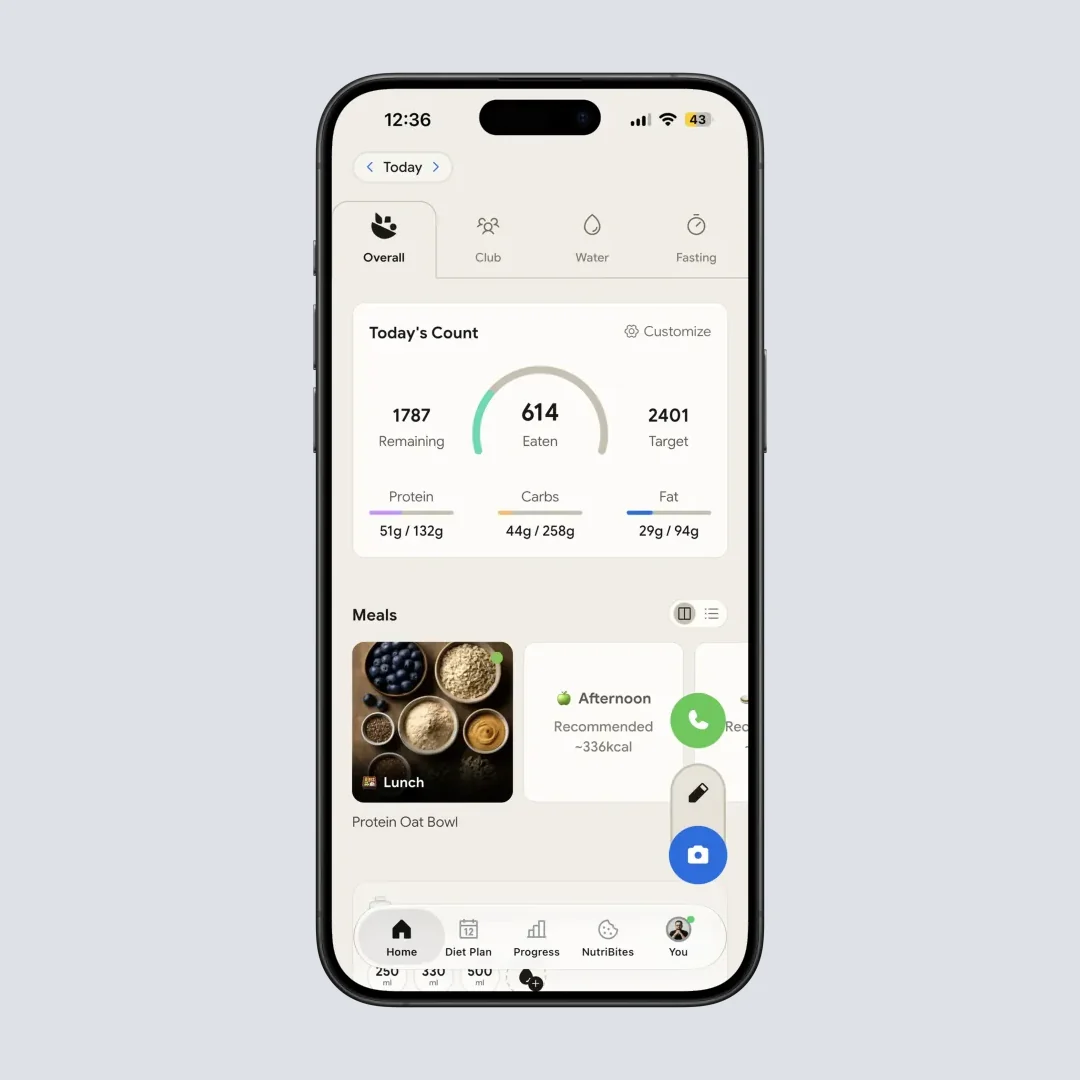
Track your daily nutrition goals with NutriScan's intuitive home dashboard
Key Nutrients in a Pregnancy Diet: Folate, Iron, and Choline 📊
The idea of "eating for two" is probably the most famous piece of pregnancy advice, but it's also one of the most misunderstood. It doesn't mean eating twice as much! This saying likely originated when food scarcity was more common, and ensuring an expectant mother got enough to eat was a primary concern. Today, we know that quality is far more important than quantity. You only need a modest increase in calories but a significant increase in specific nutrients. We took that myth apart in detail in eating for two.
Here are some verified facts that highlight why certain nutrients are so important:
The Power of Folate (Vitamin B9): You've likely heard about folic acid, the synthetic form of folate. The U.S. Centers for Disease Control and Prevention (CDC) states that getting 400 micrograms (mcg) of folic acid daily before and during early pregnancy can help prevent up to 70% of serious birth defects of the brain and spine (neural tube defects). These defects occur very early, often before a woman knows she's pregnant. In NutriScan, when you log foods like lentils, spinach, or fortified breakfast cereal, you can see Folate appear in your Top 4 Micro Nutrients on the Nutrition Details Page, helping you track this crucial vitamin.
The Iron Imperative: During pregnancy, your blood volume increases by nearly 50%. To make all that extra blood for you and your baby, your body needs more iron. Iron is essential for making hemoglobin, the protein in red blood cells that carries oxygen. Iron deficiency anemia during pregnancy is common and can lead to fatigue and, in severe cases, an increased risk of premature birth. Your iron needs nearly double to about 27 milligrams (mg) per day. Pairing iron-rich foods (like lean meat or beans) with a source of Vitamin C (like oranges) boosts absorption.
Choline for Cognitive Development: Choline is a lesser-known but incredibly important nutrient for your baby's brain and spinal cord development, playing a key role in memory and cognitive function. Some research suggests adequate choline intake during pregnancy may have lasting positive effects on a child's memory. The recommended intake is about 450 mg per day. Excellent sources include eggs (especially the yolk), lean chicken, and soybeans. Logging these foods in NutriScan helps you ensure this brain-building nutrient is part of your regular diet.
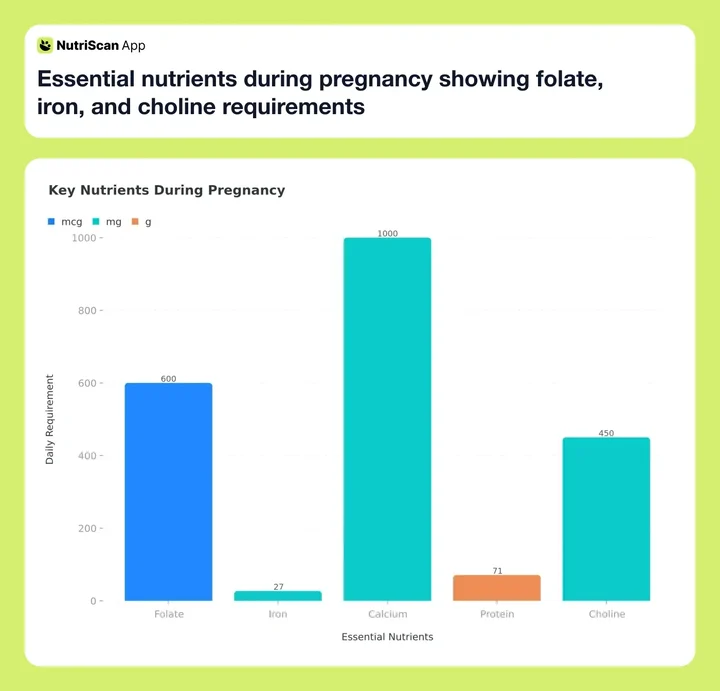 Figure 1: Key nutrients and their daily requirements during pregnancy - notice how iron needs almost double
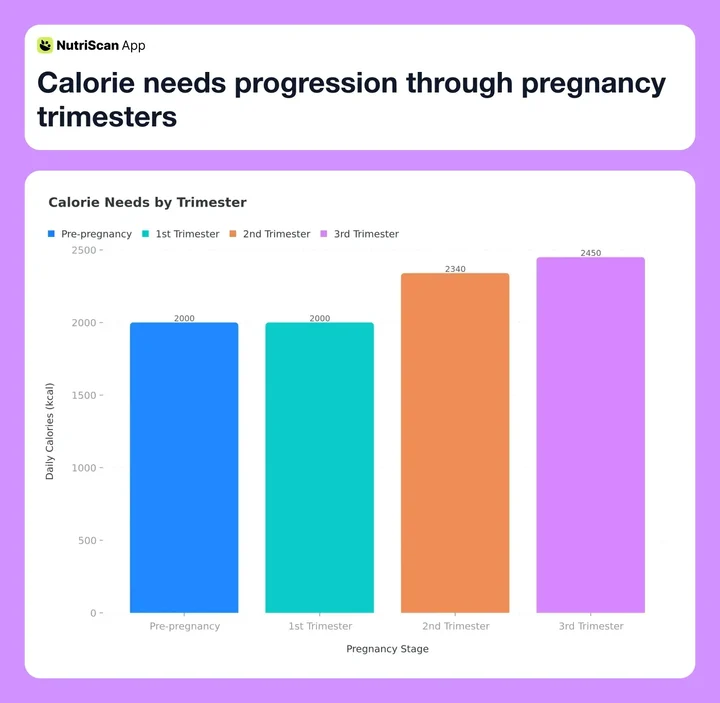 Figure 2: Your calorie needs increase gradually - it's not really "eating for two" until the third trimester
Pregnancy Diet Tips You Can Actually Keep Up 💡
Making healthy choices during pregnancy can be simple. Here are 5 of my favorite actionable tips that I share with all expecting mothers.
Hydrate, Hydrate, Hydrate 💧: Water does more work than ever when you're pregnant. It helps form amniotic fluid, builds new tissue, carries nutrients, and aids digestion. Aim for about 8-12 glasses (2-3 liters) of water a day. If plain water is boring, try infusing it with lemon, cucumber, or mint. Herbal teas like peppermint or ginger can also be great options.
Become a Smart Snacker 🍎: Energy levels can fluctuate wildly during pregnancy. Instead of reaching for sugary snacks, plan for nutrient-dense mini-meals. This stabilizes blood sugar and provides a steady stream of nutrients. Great options include Greek yogurt with berries, a handful of almonds, an apple with peanut butter, or a hard-boiled egg. When you scan these snacks into NutriScan, you'll be pleased to see a high NutriScore!
Listen to Your Body's Cues: Pregnancy cravings and aversions are real, driven by hormonal changes. It's okay to indulge a craving sometimes, but aim for balance. Craving ice cream? Try a frozen yogurt or a fruit smoothie. Have an aversion to meat? Ensure you're getting protein from other sources like beans, lentils, or tofu. The Manual Logging feature in NutriScan is perfect for these times. You can type in "one scoop of chocolate ice cream" to see how it fits into your day's plan without needing a picture.
Batch Cook to Save Energy 🍲: Especially in the first and third trimesters, fatigue is a major challenge. The thought of cooking a full meal every night can be exhausting. I recommend dedicating a few hours on the weekend to batch cook. Make a big pot of lentil soup, grill some chicken breasts, or roast a tray of vegetables. Store them in portions. During the week, you can easily assemble healthy meals. Bonus tip: When you eat the same meal again, just find it in your log on the Home Page, long-press it, and use the Copy to Today feature. It's a huge time-saver.
Prioritize the "Big Three": Folate, Iron, and Calcium: If you focus on getting enough of these three key nutrients, you'll cover many bases.
- Folate: Leafy greens (spinach, kale), legumes (lentils, beans), fortified cereals.
- Iron: Lean red meat, poultry, fish, beans, fortified cereals.
- Calcium: Dairy products, fortified plant-based milks, dark leafy greens. Your baby needs calcium for strong bones and teeth, and if you don't get enough in your diet, your body will take it from your own bones. Your Premium Diet Plan in NutriScan is specifically designed to include foods rich in these vital nutrients.
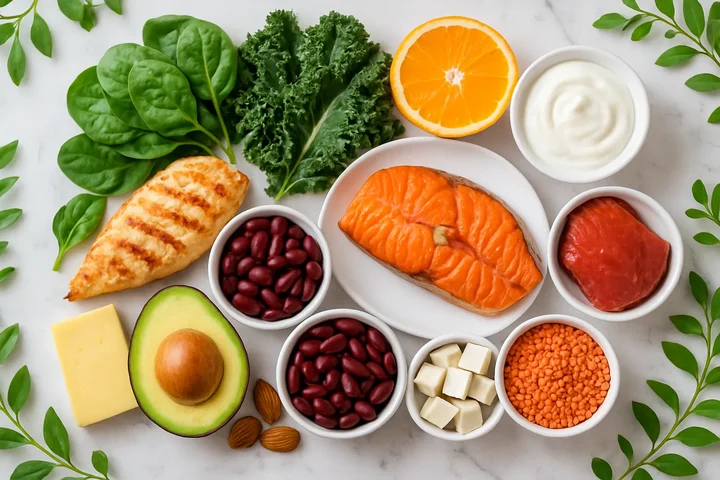 A colorful array of pregnancy superfoods: leafy greens for folate, lean proteins for iron, and dairy for calcium
Step-by-Step Guide: Your Pregnancy Food Tracker 📱
Let's walk through how you can use the NutriScan app to create and manage a personalized diet plan for your pregnancy. This is where technology makes things easier. If you are still in the trying-to-conceive stage, the 28-day diet plan to get pregnant covers the months before this one, and NutriScan for pregnancy shows the pregnancy-specific tracking in one place.
Step 1: Set Your Foundation During the Onboarding Screen, you'll be asked to Choose Your Goal. It's vital to select 'Pregnancy'. This tells our system to adjust all nutrient calculations for your specific needs. Next, complete the Food Preference Form, specifying if you are Veg, Non-veg, etc. This initial setup ensures the app is aligned with your journey from day one.
Step 2: Establish Your Baseline For the first few days, just log your normal meals to understand your current habits.
- Tap the camera icon on the Home Page.
- Grant Camera Permission if you haven't.
- Click Meal Picture of your food.
- On the Crop Screen, select tags like 🏠 Home Made or 🧑🍳 Restaurant / Cafe, and adjust the oil level with the slider for accuracy.
- After processing, the Nutrition Details Page shows your Macros Nutritions. Do this for two days to get a solid baseline.
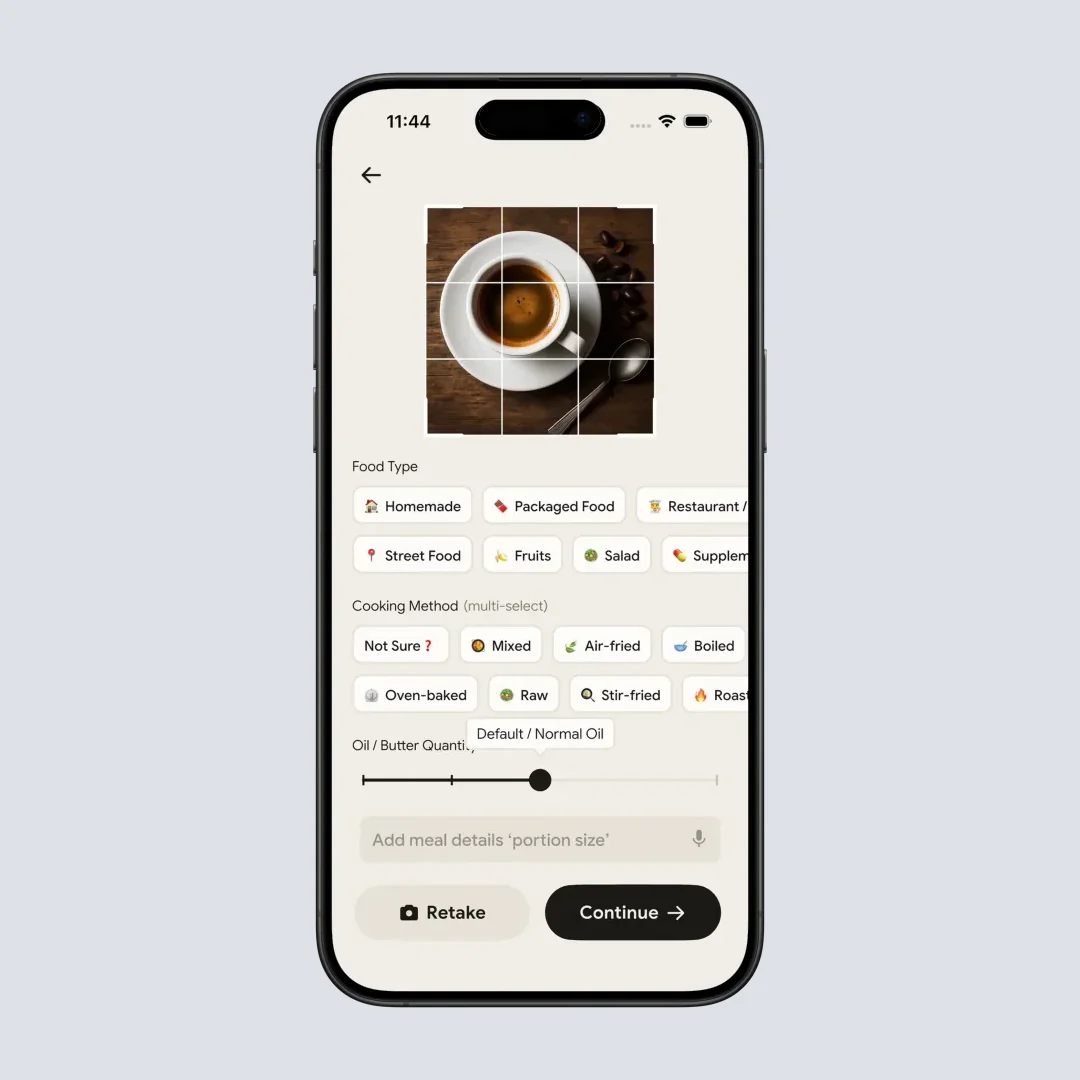
Simple meal logging: snap a photo, crop it, and get instant nutrition analysis
Step 3: Generate Your Premium Diet Plan This is our most powerful feature for expecting mothers, accessible with our Premium Plan. You can start with a 7 Days Free Trial.
- Navigate to the Diet Plan section from the bottom navigation bar.
- You'll be guided through a detailed questionnaire about your Age, lifestyle, activity level, and Eating Patterns. The more information you provide, the better your plan will be.
- Once submitted, our AI analyzes your data to build a complete 28-day plan tailored for you.
Step 4: Explore Your Plan Once ready, you'll see three tabs: Diet Plan, Supplements, and Lifestyle.
- The Diet Plan tab lays out daily pregnancy meal ideas based on your selected Eating Schedule (e.g., 🥣 Breakfast, 🍱 Lunch). Each mealtime has two different food options for variety.
- Click any meal item to see a Quick Recipe, recommended Portion Size, a list of Benefits, and Things to Avoid.
Step 5: Daily Tracking and Monitoring Your Home Page is your command center. Every time you log a meal, your Today's Count pie chart updates. This visual makes it easy to see if you're hitting your Protein goals and staying within your Carbs and Fat targets. The goal isn't perfection, but consistency.
Step 6: Adjust and Fine-Tune Life happens. Maybe you ate a larger portion than planned. No problem.
- On the Nutrition Details Page for any meal, you can Edit or Adjust Portion Size.
- Use the Add missing item or Remove item buttons for accuracy.
- If your tastes or symptoms change, you can Edit Diet Plan at any time by re-taking the questionnaire. Your plan will update accordingly.
Step 7: Get Instant Answers with Monika Have a quick question? Tap the Call Button on the Home Page to talk to Monika, our voice-powered AI assistant. Ask her anything about prenatal nutrition, and she can even log a meal for you just by you describing it. It's like having a nutritionist in your pocket.
 Track your pregnancy meals effortlessly with NutriScan's AI-powered food recognition
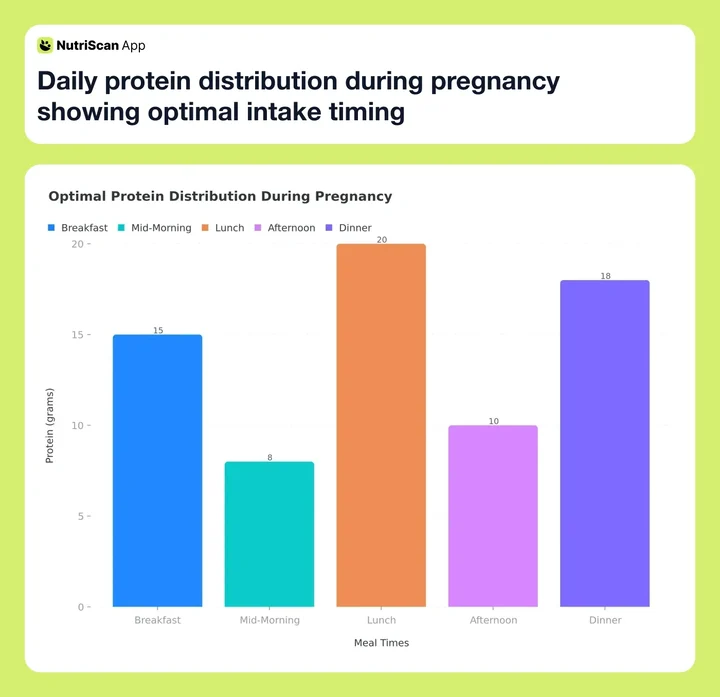 Figure 3: Optimal protein distribution throughout the day for pregnant women - aim for consistent intake at each meal
Foods to Avoid During Pregnancy
Your immune system runs quieter during pregnancy, which is why the avoid list is mostly about infection risk rather than nutrition.
- High-mercury fish: shark, swordfish, and king mackerel. Salmon, sardines, and shrimp stay on the menu.
- Raw or undercooked seafood, eggs, and meat: no raw-fish sushi, rare steak, or raw cookie dough.
- Deli meats: fine once heated until steaming hot.
- Unpasteurized dairy and juices: check the label on soft cheeses like brie and feta.
- Unwashed produce: rinse every fruit and vegetable, including the ones you peel.
Alcohol has no amount known to be safe in pregnancy. For caffeine, the American College of Obstetricians and Gynecologists puts the ceiling at 200 mg a day, about two cups of coffee, and that total counts tea, chocolate, and soft drinks too.
When you are unsure about a single ingredient in a cooked dish, the Ask More feature inside NutriScan's Nutrition Breakdown answers on the meal you just logged rather than in the abstract.

What the Research Says About Prenatal Nutrition 🔬
My advice is always grounded in science, and prenatal nutrition is a constantly evolving field. It's no longer just about preventing deficiencies; it's about setting the stage for lifelong health.
A fascinating area of research is the link between a mother's diet and her child's long-term health. One study in The American Journal of Clinical Nutrition found that a maternal diet high in fruits, vegetables, and whole grains during pregnancy was associated with a lower risk of allergic diseases like asthma in their children. The theory is that a diverse, nutrient-rich diet helps properly program the baby's developing immune system. This shows your food choices now can have a protective effect for years to come.
Another key area is omega-3 fatty acids, particularly DHA. Research from the National Institutes of Health (NIH) continues to reinforce the connection between a mother's DHA intake and her baby's neurological development. Higher DHA intake is linked to better problem-solving skills in infancy. This is why fatty fish like salmon are so often recommended. When you generate a Diet Plan in NutriScan, our system specifically includes sources of omega-3s. You can also use the Ask More feature in the Nutrition Breakdown section to ask, "Show me the omega-3 content of this meal."
Furthermore, a 2022 study highlighted the importance of balanced macronutrient intake. Where the calories come from matters as much as how many there are. The study suggested that adequate protein, especially in the second and third trimesters, is essential for fetal growth. The NutriScan Home Page pie chart shows the balance of Protein, Carbs, and Fat at a glance, so you can adjust in line with that research.
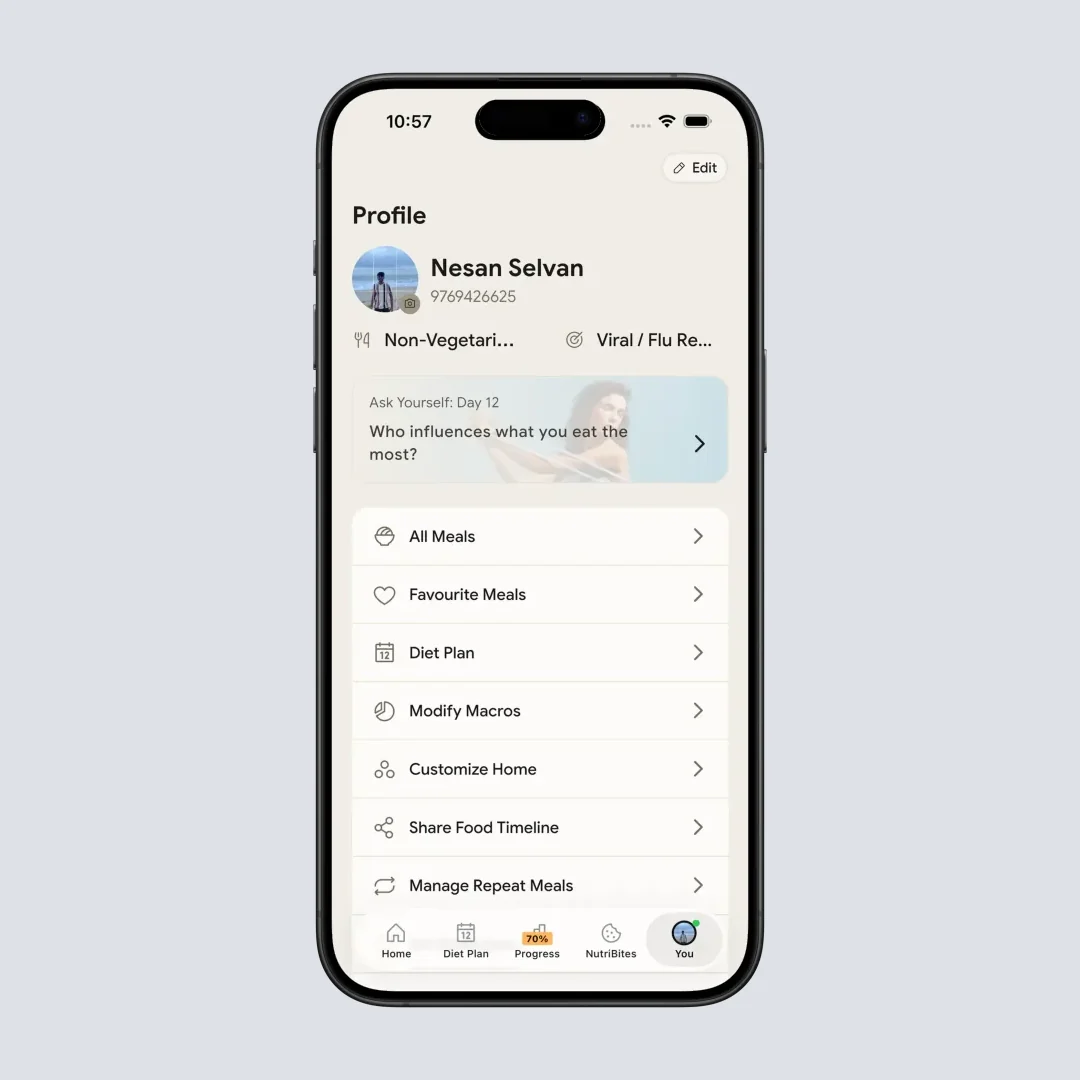
Customize your nutrition goals based on your pregnancy stage and specific needs
Conclusion ✨
Navigating the nutritional needs of pregnancy can feel complex, but it doesn't have to be. By focusing on a balanced diet rich in whole foods, you are giving your baby an incredible gift and supporting your own health and well-being through this amazing time.
Remember the key takeaways:
- Quality over quantity: Focus on nutrient-dense foods, not just "eating for two."
- Key Nutrients are Vital: Prioritize getting enough folate, iron, calcium, protein, and omega-3s.
- Hydration is Non-Negotiable: Water plays a huge role in your pregnancy. Drink up!
- Listen to your body: Honor your cravings and aversions in a balanced way.
You have the power to make wonderful choices for yourself and your baby. Tools like NutriScan are here to support you on that journey, turning confusion into clarity and anxiety into action. By using features like photo-based meal logging and a personalized Diet Plan, you can feel confident that you're meeting your goals.
Your Next Step with NutriScan 🚀
Feeling inspired and ready to take control of your pregnancy nutrition? The best time to start is now. You don't have to figure it all out on your own. Let NutriScan be your trusted partner, providing the data and guidance you need to feel your best.
Transform confusion into confidence. See your nutrition in a whole new light. Give yourself and your baby the gift of health.
Download the NutriScan app today and start your 7 Days Free Trial. Your feel-good food future is just a tap away.
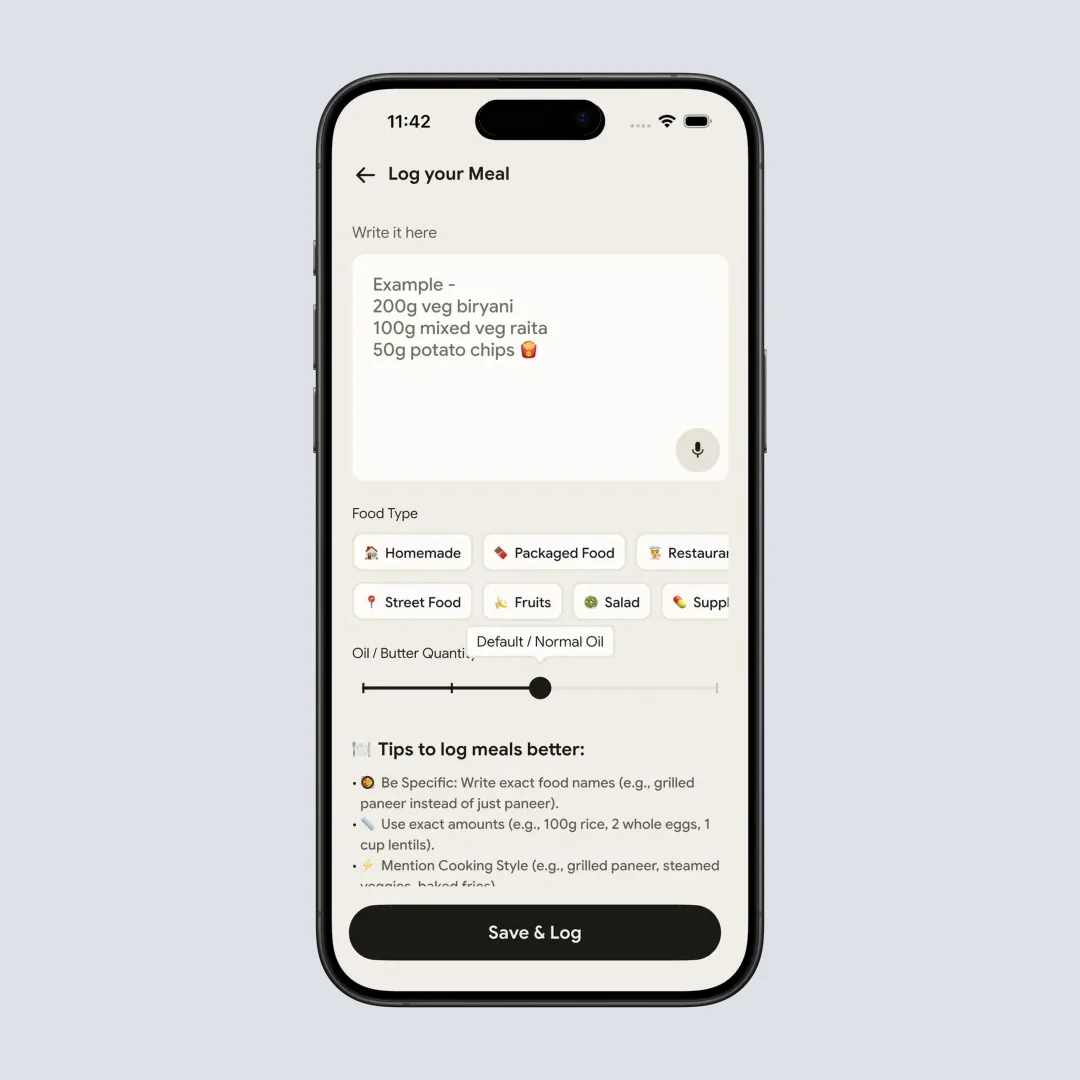
Manual logging feature: perfect for tracking specific pregnancy cravings or aversions
FAQ Section ❓
1. How many extra calories do I really need during pregnancy? This is a great question, as the "eating for two" myth is misleading. For most women with a normal pre-pregnancy weight, calorie needs don't increase during the first trimester. In the second trimester, you need about 340 extra calories per day, and in the third, about 450. This is like a snack of Greek yogurt with nuts or toast with avocado. The NutriScan Diet Plan automatically adjusts your daily calorie target based on your trimester.
2. What foods should I avoid completely when I'm pregnant? High-mercury fish (shark, swordfish, king mackerel), raw or undercooked seafood, eggs and meat, deli meats unless heated until steaming hot, unpasteurized dairy and juices, and unwashed produce. The full list with the reasoning behind each one is in the foods to avoid section above.
3. I have terrible morning sickness. How can I get enough nutrients? Morning sickness is tough. The key is to eat small, frequent meals, as an empty stomach can worsen nausea. Keep plain crackers by your bed. Focus on bland foods (toast, rice, bananas, applesauce). Cold foods may be more appealing as they have less aroma. Ginger tea can also help. Most importantly, stay hydrated. Even if you can't eat much, log what you can in NutriScan. It might show you're doing better than you think.
4. Can I follow a vegetarian or vegan diet during pregnancy? Absolutely, with careful planning. Key nutrients to watch are:
- Iron: Plant-based iron is harder to absorb, so eat lots of beans, lentils, and tofu, paired with Vitamin C.
- Vitamin B12: Primarily found in animal products, so a supplement is usually necessary for vegans.
- Calcium: Focus on fortified plant milks, tofu, and leafy greens.
- Protein: Eat a variety of plant proteins like quinoa, beans, and nuts. The NutriScan Diet Plan can be customized for Veg or Vegan preferences to build a plan that addresses these specific needs.
5. Do I still need a prenatal vitamin if I follow a pregnancy diet plan? Yes. Food covers most of the plan, but folate is the standard exception. 400 mcg a day is recommended before and during early pregnancy, and neural tube defects form before many women even know they are pregnant. Iron and vitamin B12 are the other two that often need a supplement, especially on a vegetarian or vegan diet. Ask your doctor which one fits your bloodwork.
6. How can NutriScan help me manage gestational diabetes? NutriScan is a powerful tool for managing gestational diabetes by helping you control blood sugar through diet.
- Carbohydrate Tracking: The Today's Count pie chart on the Home Page gives a real-time visual of your carb consumption, with the bar turning red if you approach your limit.
- Meal Balancing: The Nutrition Details Page shows the exact carb, protein, and fat breakdown, helping you build balanced meals.
- Consistent Eating Schedule: The Diet Plan feature helps you stick to a regular eating schedule with planned snacks, which is crucial for maintaining stable blood sugar.