Athletes' Secret: Track Your Own Data, Not Generic Diets
 ChatGPT
  Claude
  AI Mode
  Perplexity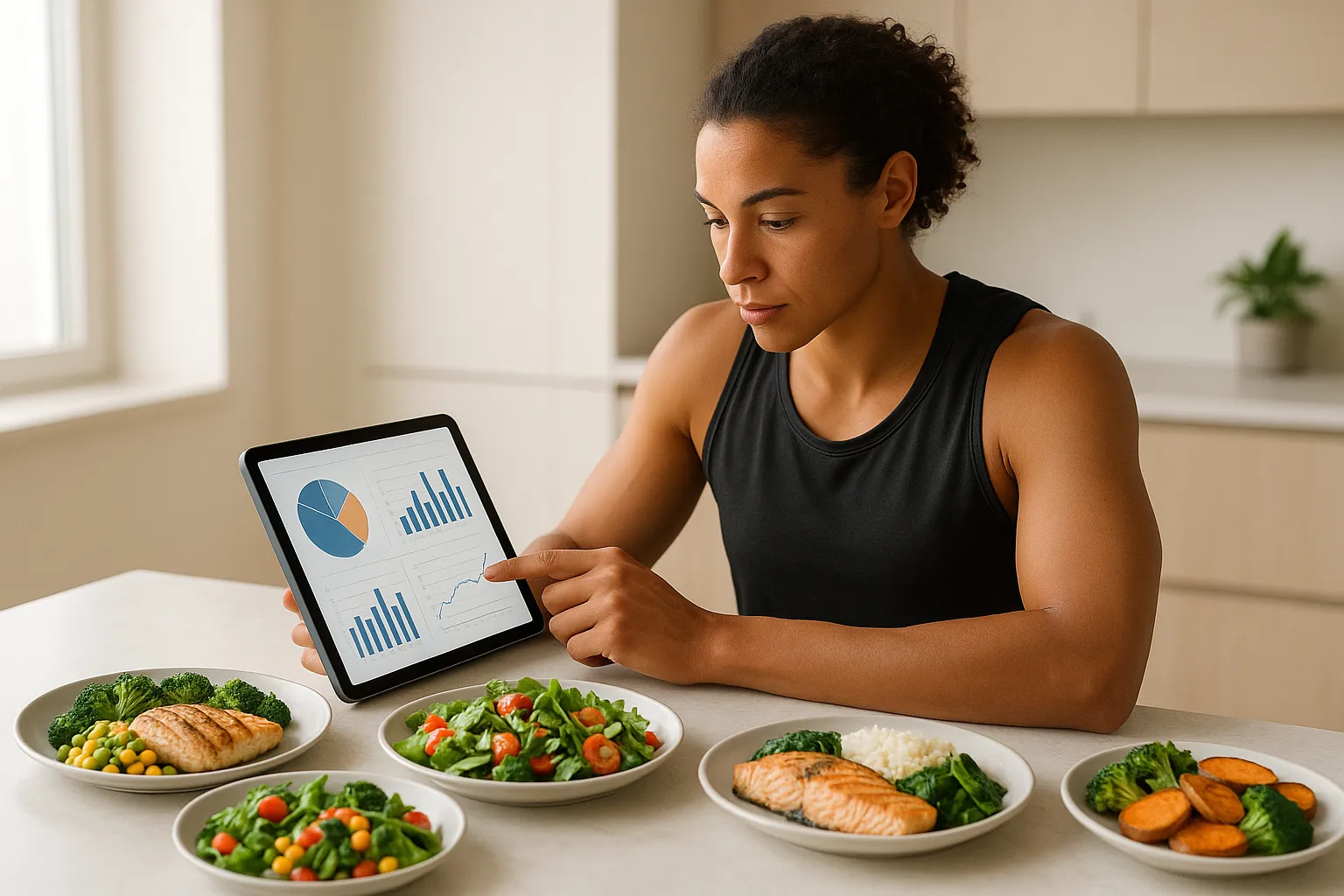
Have you ever wondered why professional athletes seem to have some magical formula that makes their nutrition work so well, while you struggle with every diet you try?
TL;DR - Athletes' Data-Tracking Secret
• The truth: Elite athletes track their own body's data instead of following generic meal plans that fitness apps push to millions
• Research shows: Personalized nutrition delivers 4x better energy and sleep outcomes than generic government guidelines (Nature Medicine, 2024)
• Key insight: Your body is unique - even identical twins respond differently to the same meals
• Action plan: Track your meals for 2 weeks → Let AI find patterns → Build a plan based on YOUR data
• Result: More energy, better adherence, and results that actually stick
Here is the truth that the fitness industry does not talk about openly. Elite athletes are not following the same cookie-cutter meal plans that fitness apps push to millions of people. They are not copying someone else's diet from a magazine or following the latest trending food rules on social media. Instead, they are doing something completely different.
They are tracking everything about their own body, testing what works specifically for them, and building nutrition plans based on their personal data.
The good news? You do not need to hire an expensive sports nutritionist or spend thousands on private coaching anymore. With the right tracking tools and AI-powered diet planning, you can now access the same data-driven approach that professional athletes have been using for years.
Let me share exactly how this works and why it could change your health journey forever.
 That moment when you realize elite athletes have been doing something completely different all along
The Hidden Advantage Elite Athletes Have Always Had
When I first learned about how Olympic athletes approach nutrition, I was genuinely surprised. According to research published in the Scandinavian Journal of Medicine and Science in Sports (March 2025), elite athletic performance optimization has ancient roots going back to philosophers like Hippocrates who described the balance between diet and exercise.
But what has changed dramatically in recent years is the technology that allows athletes to track and understand their individual responses to food.
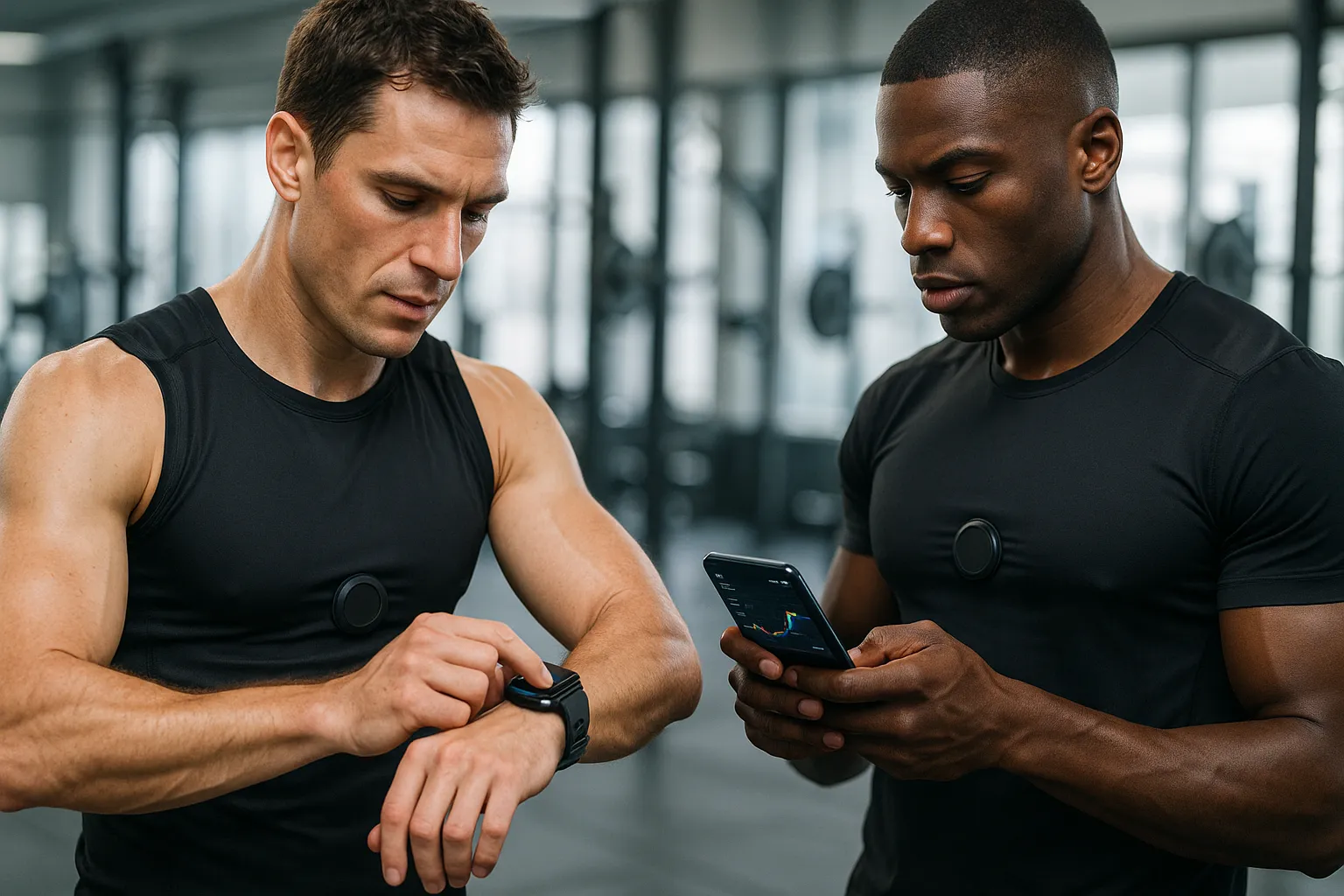 Paris 2024 Olympic athletes used real-time biometric monitoring to optimize their nutrition in ways never before possible
The Paris 2024 Olympics showcased real-time biometric and environmental monitoring systems that helped athletes optimize their nutrition in ways never before possible. Athletes were using devices that measured:
- Sweat composition to track electrolyte loss
- Continuous glucose levels to optimize fueling timing
- Core temperature to make personalized hydration decisions
Here is what makes this approach so powerful: Every person's body responds differently to the same foods. Even identical twins can have completely different reactions to the same meal.
This explains why a diet that works wonders for your friend might leave you feeling tired and bloated. Your body is unique, and your nutrition should be unique too.
Key Insight
The sports wearables market was valued at USD 1.75 billion in 2023 and is growing at over 15% annually. This growth reflects increasing demand from both professional athletes AND everyday fitness enthusiasts who want access to personalized nutrition data.
Real Example: How an Olympic Swimmer Used Data to Fuel Success
A case study published in Applied Sciences journal (January 2025) documented how an elite Romanian swimmer preparing for the 2024 Paris Olympics used detailed data tracking to optimize his nutrition throughout his training cycle.
The swimmer's team measured his resting energy needs using indirect calorimetry and tracked his body composition through regular measurements. They discovered something crucial:
| Training Day Type | Daily Calorie Need | Difference |
|---|---|---|
| Rest days | ~2,910 calories | Baseline |
| Intense training | ~4,200 calories | +44% more |
Without this data, a generic meal plan would have either overfed him on easy days or left him underfueled during hard training. By matching his energy intake precisely to his measured needs, the athlete maintained stable body weight while achieving optimal energy availability throughout his Olympic preparation.
This is exactly what data-driven nutrition looks like in practice. It is not guessing. It is measuring, adjusting, and optimizing based on real information about your specific body.
Why Generic Diet Plans Keep Failing You
Let me be honest about something. Most diet plans are designed for the "average person." But here is the problem: Nobody is actually average.
When researchers create dietary guidelines, they study large populations and make recommendations that should work for "most people most of the time." But "most people" is not you specifically.
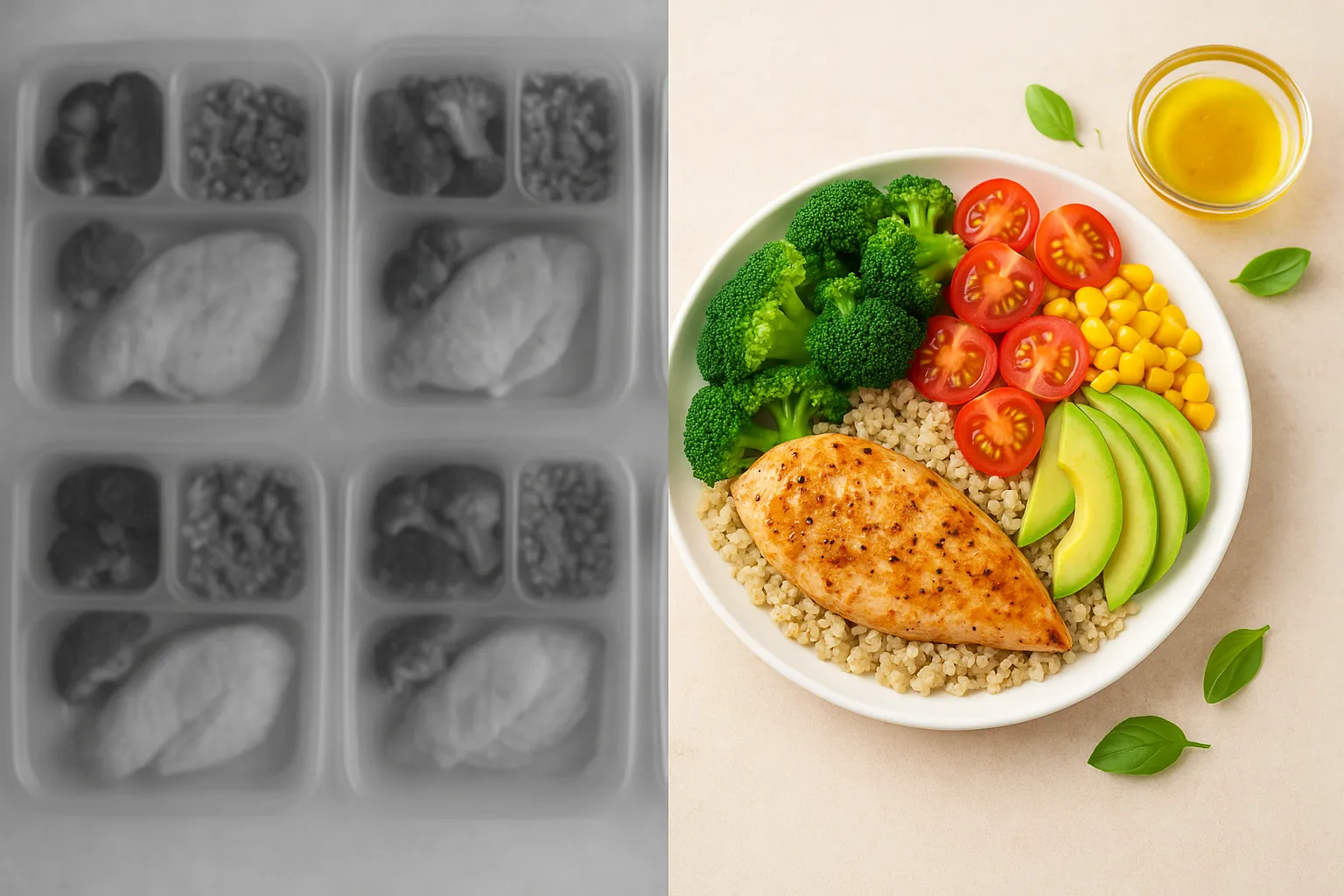 Research shows personalized nutrition delivers dramatically better results than one-size-fits-all approaches
A landmark study published in Nature Medicine (May 2024) compared personalized dietary programs with standard government nutrition guidelines. The researchers studied 347 Americans over 18 weeks. Both groups improved their health, which shows that paying attention to nutrition matters.
But here is where it gets interesting:
| Outcome | Generic Advice | Personalized Plan | Difference |
|---|---|---|---|
| Weight loss | Moderate | More significant | Better |
| Improved mood | Baseline | 2x more likely | 100% better |
| Less hunger | Baseline | 2x more likely | 100% better |
| Better sleep & energy | Baseline | 4x more likely | 300% better |

Four times more likely to have better energy and sleep. Think about that for a moment. The difference between following generic advice versus personalized recommendations is not small. It is dramatic.
Professor Tim Spector, who led this research, said current population advice is not working as well as it could because many people struggle to stick to it. When you receive nutrition guidance that actually fits your biology, lifestyle, and preferences, you are far more likely to follow it consistently.
The Three Reasons Generic Diets Fail
Reason One: They Ignore Your Metabolism
Your metabolism is as unique as your fingerprint. Two people eating the exact same meal can have completely different blood sugar responses, fat storage patterns, and energy levels afterward. Generic diets cannot account for this individual variation. They treat everyone like identical machines that process food the same way.
Reason Two: They Do Not Adapt to Your Life
Your nutritional needs change constantly. When you are stressed at work, your body needs different nutrients than when you are relaxed. When you are training hard, you need more fuel than during rest periods. When seasons change, your appetite and cravings shift. A static meal plan cannot possibly keep up with these changes in your life.
Reason Three: They Miss Your Food Preferences
When a diet requires you to eat foods you hate or avoid foods you love, you will eventually quit. Research consistently shows that dietary adherence is the biggest predictor of success. The best diet is one you actually follow. Generic plans ignore your cultural background, taste preferences, cooking skills, and lifestyle constraints.
For a deeper dive into why standard diet plans fail and how personalization wins, check out our guide on why diet plans fail and personalization wins.
The Data-Driven Revolution in Personal Nutrition
The global personalized nutrition market is experiencing explosive growth. According to market research from 2024, the market was valued at USD 14.77 billion and is predicted to reach USD 35.42 billion by 2030, growing at over 15% annually.

This is not a small trend. This represents a fundamental shift in how people approach their health.
What is driving this growth? Three major technological changes have made personalized nutrition accessible to everyone, not just elite athletes.
First: AI and Machine Learning
Artificial intelligence can now analyze patterns in your eating habits, activity levels, and health markers to provide recommendations that get smarter over time. Instead of following a static plan, your nutrition guidance can evolve as the AI learns more about how your body responds to different foods.
A 2025 study from Frontiers in Nutrition journal highlighted how omics-based personalization using AI is enabling precision nutrition approaches that were science fiction just a decade ago.
Second: Smartphone Technology
Your phone has become a powerful health tracking device. You can photograph your meals, track your activity, monitor your sleep, and record how you feel throughout the day. All this data creates a detailed picture of your health that can inform better nutrition decisions.
Modern apps like NutriScan allow you to simply take a picture of your meal and receive instant nutritional analysis including calories, proteins, fats, carbs, and micronutrients. This makes logging effortless compared to manually searching food databases.
Third: Wearable Sensors
Devices that track heart rate, activity, sleep quality, and even blood glucose are becoming more affordable and accessible. This continuous data collection gives you insights into how your body responds to different foods and activities in real-time.
How to Track Like an Athlete: 7 Actionable Tips
Here are seven practical ways you can start building your own data-driven nutrition approach today.
Tip 1: Log Every Meal Consistently
The foundation of data-driven nutrition is accurate tracking. Use a photo-based food logging app to capture everything you eat. Visual logging is faster than manual entry and tends to be more accurate because you capture portion sizes naturally.
 One quick photo captures everything you need - no tedious manual entry required
Aim to log every meal for at least two weeks to establish baseline patterns. Apps with AI-powered image recognition can identify foods instantly and provide detailed breakdowns without tedious manual entry.
Pro Tip
Set reminders for breakfast, lunch, and dinner times. Consistent logging creates consistent data, which leads to better insights.
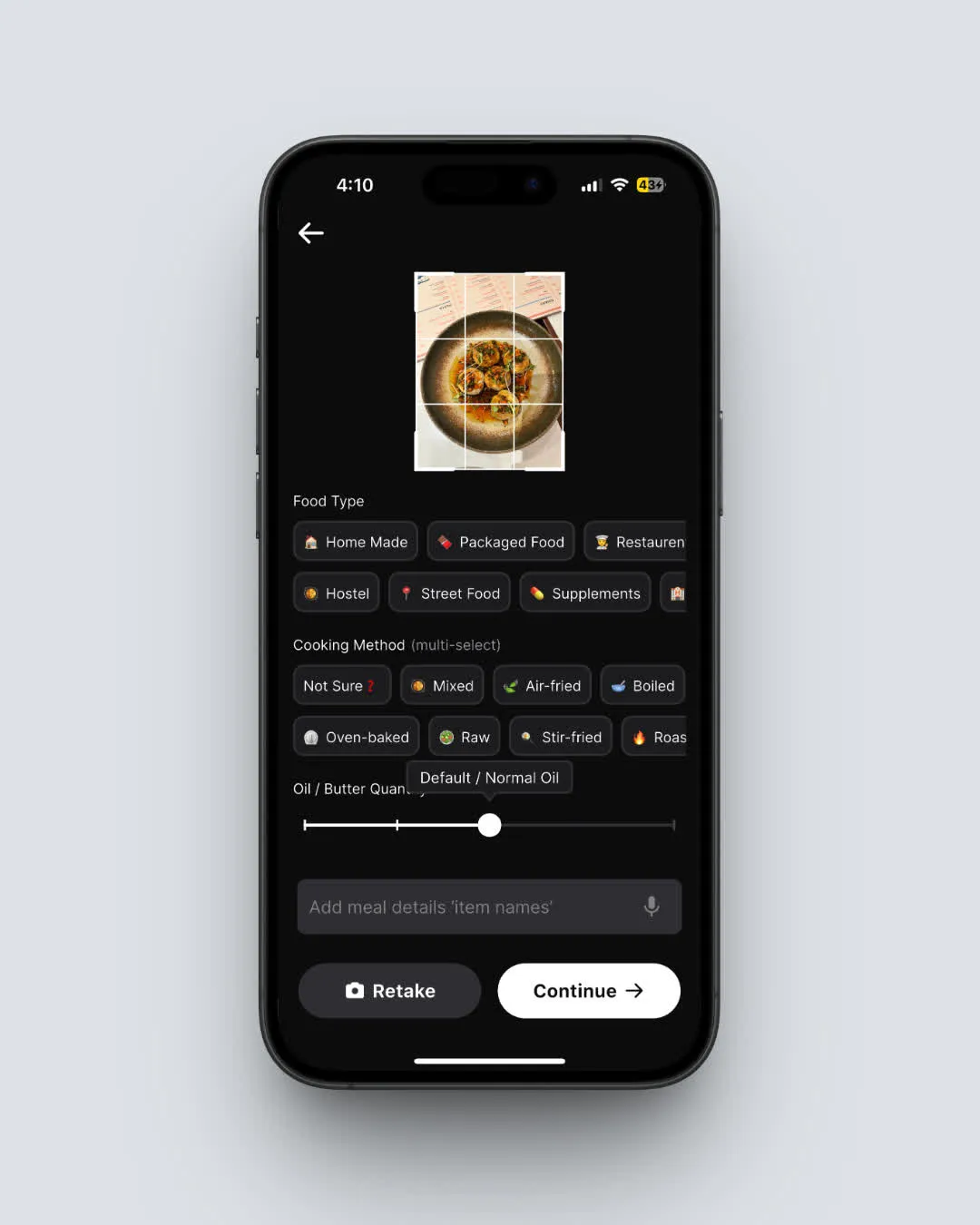 NutriScan's AI instantly recognizes foods from your photo and provides detailed nutrition breakdown (Home > Camera Icon > Scan)
Tip 2: Note How Foods Make You Feel
Beyond just tracking what you eat, pay attention to how you feel afterward. Ask yourself:
- Are you energized or tired after lunch?
- Do certain foods leave you feeling bloated?
- Does your afternoon energy crash correlate with specific breakfast choices?
This subjective data is incredibly valuable for understanding your individual responses.
Tip 3: Track Your Physical Activity
Your nutrition needs change based on how active you are. Someone training for a marathon needs very different fuel than someone doing light daily walks. Track your workouts, steps, and general activity level so your nutrition can adapt accordingly.
Tip 4: Monitor Sleep Quality
Poor sleep affects your hunger hormones, food cravings, and metabolism. Track your sleep duration and quality to understand how rest impacts your eating patterns. You might discover that poor sleep leads to sugar cravings or overeating the next day.
Tip 5: Be Patient with Pattern Recognition
Meaningful patterns take time to emerge. Do not expect insights after three days of tracking. Give yourself at least two to four weeks of consistent data before drawing conclusions about what works for your body.
Tip 6: Experiment with One Variable at a Time
If you want to test whether a specific food affects you positively or negatively, change only that one thing while keeping everything else constant. This makes it much easier to identify cause and effect relationships.
Tip 7: Use AI-Powered Analysis
Manual pattern recognition is hard. Let AI tools analyze your data to find correlations you might miss. Modern nutrition apps can identify relationships between your meals, activity, mood, and energy levels that would be nearly impossible to spot on your own.
For more tips on effective tracking, see our comprehensive guide on calorie tracking for better health.
Step-by-Step Guide: Building Your Personalized Nutrition System
Follow these five steps to create a nutrition approach based on your own data.
Step 1: Establish Your Baseline
Before making any changes, spend two weeks tracking your current eating patterns without trying to change them. This gives you accurate baseline data about your typical habits, including:
- Meal timing
- Food preferences
- Portion sizes
- How you currently feel
Calculate your current macronutrient breakdown. How much protein, carbohydrate, and fat do you typically consume? Note your energy levels throughout the day. When do you feel best? When do you crash?
A good tracking app will show you daily counts for calories, protein, carbs, and fat automatically.
Step 2: Define Your Health Goals
Be specific about what you want to achieve:
- Weight loss - Focus on calorie deficit with adequate protein
- Muscle gain - Emphasize protein timing and surplus calories
- Diabetes management - Track carbs and blood sugar response (try our diabetes macro calculator)
- PCOS management - Balance hormones through specific nutrient ratios (use our PCOS macro calculator)
- Pregnancy nutrition - Ensure adequate nutrients for you and baby (see our pregnancy macro calculator)
Do not try to optimize everything at once. Pick one primary goal to focus on initially. You can expand your focus once you have achieved initial success.
Step 3: Select Your Tracking Tools
Choose a nutrition tracking app that fits your lifestyle. Look for features like:
- Photo-based meal logging - faster and more accurate than manual food entry
- AI food recognition - analyzes your meal photos instantly
- NutriScore ratings - shows at a glance whether your food choices align with goals
- Activity integration - connects with your fitness tracking
- Ask questions - ability to query your eating patterns
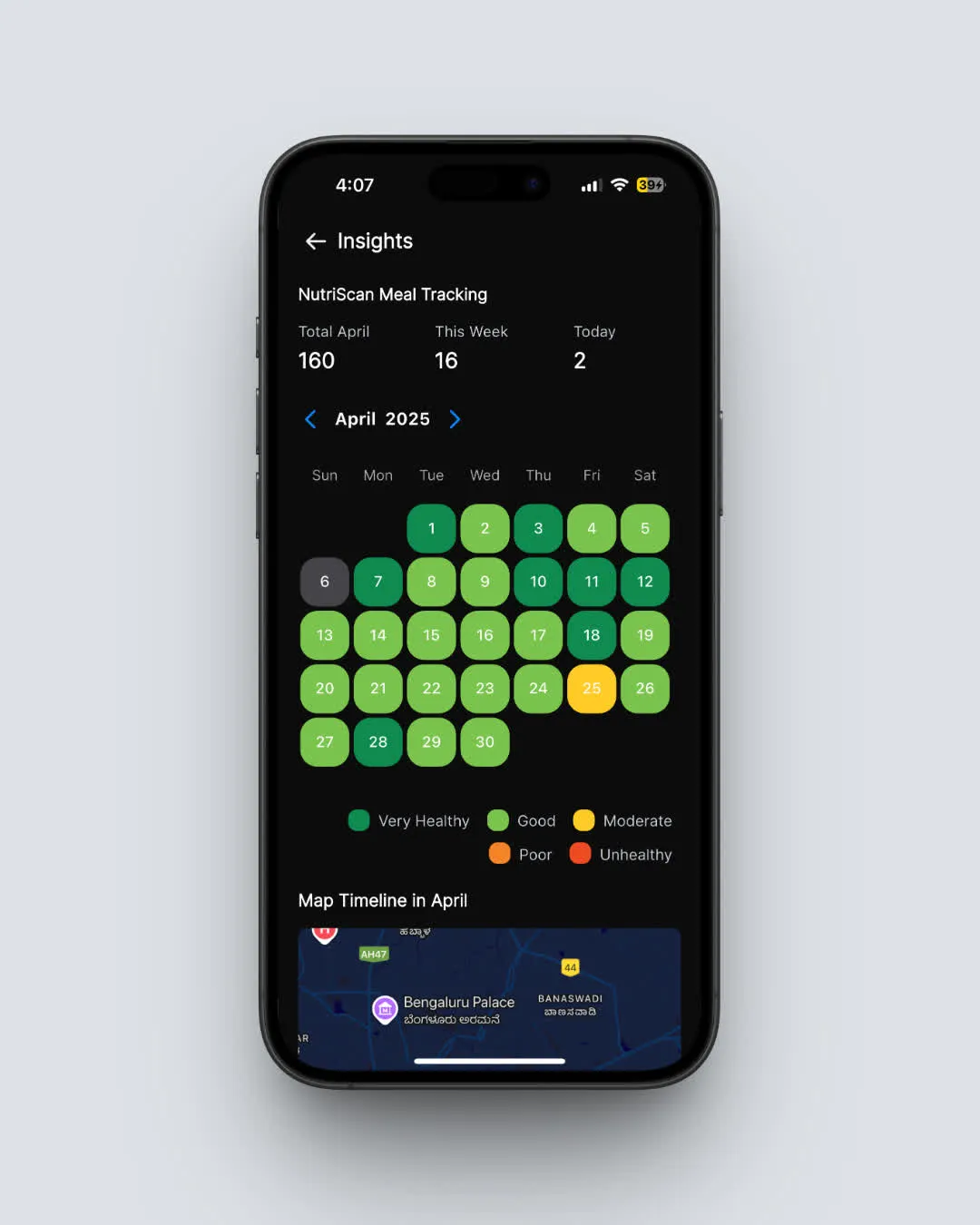 Track your nutrition patterns over time with visual insights that reveal what's working (Home > Insights > Calendar)
Step 4: Let AI Build Your Personalized Plan
Once you have sufficient data, use AI-powered diet planning features to generate recommendations based on your specific patterns. The AI should consider:
- Your food preferences
- Typical eating schedule
- Health goals
- Location and available foods
- Lifestyle constraints
- How your body has responded to different foods
A good personalized plan will not just tell you what to eat. It will provide meal options that fit your lifestyle, suggest portion sizes based on your needs, include quick recipes, and adapt as you continue tracking.
Step 5: Iterate and Refine
Your first personalized plan will not be perfect, and that is okay. Continue tracking, note what works and what does not, and let the system refine its recommendations over time.
Review your progress every two to four weeks:
- Are you moving toward your goals?
- How is your energy?
- Are you able to follow the plan consistently?
Use this feedback to make adjustments. The power of data-driven nutrition is that it gets better the longer you use it.
The Science Says: Personalized Beats Generic
Research continues to validate the power of personalized nutrition over generic approaches. Here are some key findings from recent studies:
The Food4Me Study
A six-month randomized controlled trial across seven European countries demonstrated that personalized advice was more beneficial than generic advice. Participants receiving individualized recommendations:
- Consumed significantly less red meat, salt, and saturated fat
- Increased their folate intake
- Showed better overall Healthy Eating Index scores than those following standard advice
The Habit Study
A ten-week personalized systems nutrition program showed impressive results:
| Metric | Improvement |
|---|---|
| Daily calorie reduction | 250+ calories |
| Sugar intake reduction | 13 grams |
| Body fat percentage | -1.2% |
Most notably, improvements were most significant in participants with compromised metabolic health, showing that personalized nutrition may be especially effective for people who need it most.
International Consensus on Elite Performance
The International Consensus Conference on Optimizing Elite Athlete Performance (November 2024) emphasized that a shift toward personalized training and nutrition could improve both health and performance. New wearables and affordable analysis technologies are making this precision approach accessible beyond just elite sports.
 Multiple studies confirm: personalized nutrition delivers consistently better results
The Single Tracking Habit That Changed Everything for Me
This is the simple habit that transformed my relationship with food and made pattern recognition actually work:
The 3-Second Photo-Note Rule
Every time I photograph a meal, I immediately add a one-word note about how I expect to feel:
- "Energy" - if I expect it to fuel me well
- "Full" - if I expect it to keep me satisfied
- "Treat" - if it is an indulgence
- "Test" - if I am trying something new
Then, two hours later, I update with a second word for how I actually feel:
- "Great" / "Tired" / "Bloated" / "Hungry" / "Focused"
Why This Works
This micro-habit creates a prediction-vs-reality feedback loop. Within two weeks, I started noticing clear patterns:
- My "Energy" predictions were only accurate 60% of the time
- Certain "Treat" foods made me feel better than expected
- Some "Full" meals left me hungry within an hour
The AI in my tracking app picked up these patterns and started making smarter suggestions. But more importantly, I became aware of my own food-response patterns in a way I never had been before.
This takes less than 10 seconds per meal but generates insights that would take months to discover through trial and error.
Making the Shift: Your Health Journey Starts with Data
The gap between how elite athletes approach nutrition and how regular people try to eat healthy has never been wider. But it does not have to stay that way.
Professional athletes at the Paris 2024 Olympics used real-time biometric monitoring to optimize their nutrition. They tracked sweat composition, glucose responses, and core temperature to make personalized fueling decisions. They worked with nutritionists who analyzed their individual data to create plans that matched their unique needs.
You may not be competing in the Olympics, but you deserve the same data-driven approach to your nutrition.
The technology exists. The research supports it. The market is growing rapidly because people are seeing real results.
Start by simply paying attention:
- Track what you eat
- Notice how foods make you feel
- Give yourself data to work with
- Let AI help you find patterns
The athletes' secret is out. They are not following someone else's diet plan. They are following their own data.
And now you can too.
Your body has been trying to tell you what it needs. It is time to start listening.

Frequently Asked Questions
How long does it take to see results from personalized nutrition?
Most people notice initial changes in energy levels and how they feel within two to three weeks of following a data-driven personalized plan. Measurable changes in weight, body composition, or health markers typically become visible within four to eight weeks. However, the longer you track and refine your approach, the better results become. Research shows diet plans that adapt over time produce consistently better outcomes because they account for your changing needs and responses.
Do I need expensive equipment to track like an athlete?
No. While elite athletes have access to advanced testing facilities, you can get excellent results with just a smartphone and a good nutrition tracking app. Photo-based meal logging, built-in activity tracking, and AI analysis can provide insights that rival expensive professional assessments. Start simple with meal photo logging and daily tracking. Add more sophisticated tracking only if you find it genuinely helpful for your goals.
What if I have a specific health condition like diabetes or PCOS?
Personalized nutrition is especially valuable for managing health conditions because individual responses vary so much. Someone with diabetes needs to understand how their specific body responds to different carbohydrates, not just follow generic low-carb advice. Look for apps that allow you to select your health goal during setup so recommendations can be customized accordingly. Always work with healthcare providers for medical conditions, but use data tracking to have more informed conversations and make better daily decisions.
How is AI-powered diet planning different from generic meal plans?
Generic meal plans are static. They give everyone the same recommendations based on broad categories like calorie targets or food groups. AI-powered planning analyzes your specific data including your food preferences, eating schedule, activity patterns, location, and how you respond to different foods. The recommendations adapt over time as the system learns more about you. It is like having a nutritionist who knows your entire food history and can see patterns you would never notice yourself. The best systems even generate personalized grocery lists and recipes based on your plan.
Can I still enjoy foods I love with personalized nutrition?
Absolutely. One of the biggest advantages of personalized nutrition is that it works with your preferences, not against them. Instead of eliminating foods you love, the system finds ways to include them while still meeting your health goals. You might learn that you can enjoy your favorite dessert if you time it right or pair it with certain other foods. Sustainability comes from working with your natural preferences, not fighting against them constantly.
How often should I update my tracking data?
For best results, track every meal during your initial baseline period (first two weeks). After that, consistent daily tracking produces the best insights. However, even tracking 5 days per week can provide valuable data. The key is consistency rather than perfection. If you miss a meal, do not stress - just pick back up with the next one.
What makes photo-based tracking better than manual entry?
Photo-based tracking is faster (3 seconds vs 2+ minutes), more accurate (captures actual portions vs estimated amounts), and provides visual records you can reference later. AI-powered photo analysis can identify multiple foods in a single image and estimate portions based on plate size and food density. This removes the biggest barrier to consistent tracking: the tedious time investment of manual data entry.