PCOS Weight Loss: Lean vs Insulin-Resistant, 3 Worked Examples
 ChatGPT
  Claude
  AI Mode
  Perplexity
If you have PCOS or PCOD and the weight will not move, start by working out which type you have. Lean PCOS and insulin-resistant PCOS need different plates. The three profiles below are composites, not patients, and each one shows what that looks like on a plate.
TL;DR - PCOS Weight Loss Guide
Who it's for: Women with lean PCOS, insulin-resistant PCOS or a PCOD diagnosis who cannot shift weight
Main outcomes: three composite profiles, lean PCOS, insulin-resistant PCOS and a mixed picture, with the plate change each one calls for
Key approach: Pair carbs with protein at every meal, track your food patterns, focus on blood sugar stability
Timeline: Energy improvements in 2-4 weeks, menstrual regularity in 2-3 months, significant results in 3-6 months
Safety note: Consult your doctor before making major dietary changes, especially if you have other health conditions
I Have PCOS or PCOD. Where Do I Start?
Three things, in this order. One, get fasting insulin tested, not just fasting glucose, so you know whether you are dealing with insulin-resistant PCOS or lean PCOS. Two, stop eating carbs on their own and put protein and fat beside every one of them. Three, log two weeks of meals so you can see which foods flatten your energy an hour later. The supplements, the gluten question and the after-dinner walk all come after those three.
PCOD is the older name, still common in India, for the condition clinics and researchers now call PCOS. If your report says PCOD, everything below applies to you.
The three profiles in this post are worked examples, built from patterns that repeat across PCOS research and reader mail. Nobody here is a real person or a real NutriScan user, and no outcome below is a measured result for an individual. Read them as three different plates.
The first: 28, a software developer, BMI 23. Salads, the gym five times a week, and the scale will not move. That is lean PCOS, and the answer that profile keeps getting is that she is "fine" because she is not overweight.
The second: 34, a teacher, BMI 31, classic insulin-resistant PCOS. Keto, intermittent fasting, every diet plan on the internet, and nothing holds for more than a few weeks.
Both profiles are PCOS. Both involve weight that will not shift. The plates that help them look nothing alike.
This is what makes PCOS so tricky - it is not one condition but a spectrum of conditions. And what works for one woman might make things worse for another.
Below, each composite gets a plate, a set of changes and the published evidence behind those changes, plus the science of why lean PCOS and insulin-resistant PCOS need different approaches.

Preparing balanced, PCOS-friendly meals is the foundation of managing symptoms
Understanding the Two Faces of PCOS
PCOS affects about 1 in 10 women of reproductive age worldwide. But here is something most people do not know - there are different types of PCOS, and each type needs a different approach.
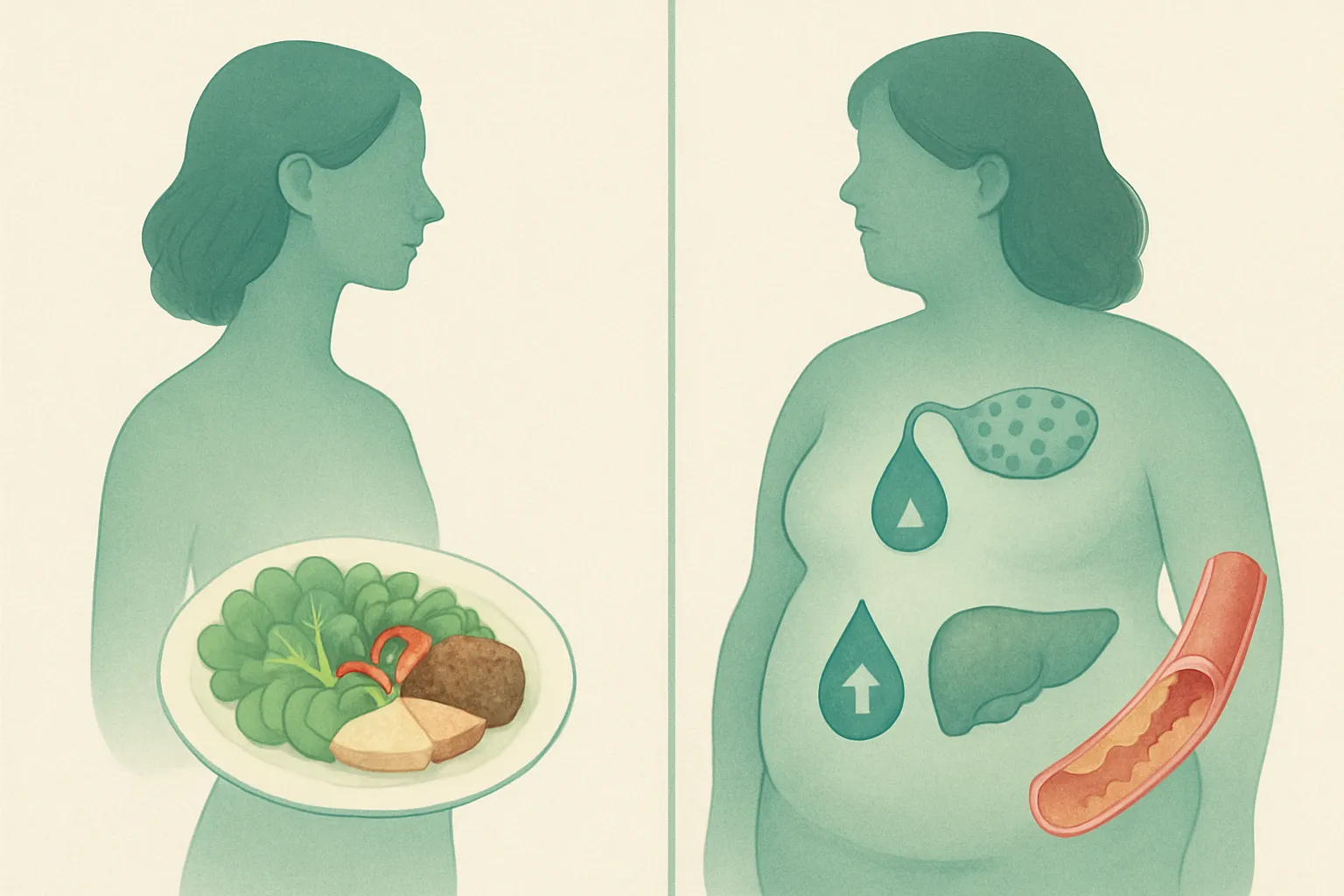
Understanding the differences between lean PCOS and insulin-resistant PCOS is crucial for effective management
What is Lean PCOS?
Lean PCOS affects women who have a normal BMI (under 25) but still show PCOS symptoms. Estimates of how common it is swing widely by population, so treat any single percentage with caution. In the Project Viva cohort, adolescents with lean PCOS had higher fasting insulin, higher HOMA-IR and a lower adiponectin to leptin ratio than peers without PCOS, all of them under the 85th BMI percentile (27 lean PCOS cases among 358 girls).
The Hidden Challenge
Many doctors miss lean PCOS diagnosis because they associate PCOS with being overweight. Women with lean PCOS often hear phrases like "you look healthy" or "just lose a few pounds" when weight loss is not even the issue.
A meta-analysis of euglycaemic clamp studies in Human Reproduction found that the insulin resistance in PCOS is independent of BMI, with a higher BMI making it worse rather than causing it. Thin women can have blood sugar handling that drags their hormones around.
What is Insulin-Resistant PCOS?
Insulin-resistant PCOS is the most common type. In this type, the body does not use insulin properly. When cells become less responsive to insulin, the pancreas makes more of it. High insulin then tells the ovaries to make extra testosterone, which causes many PCOS symptoms like acne, facial hair, and weight gain around the middle.
According to Johns Hopkins Medicine, insulin resistance affects 50% to 75% of all people with PCOS. A clinical dietitian at Johns Hopkins explains that when insulin does not convey glucose into cells properly, the body keeps making more insulin, creating a cycle that is hard to break.
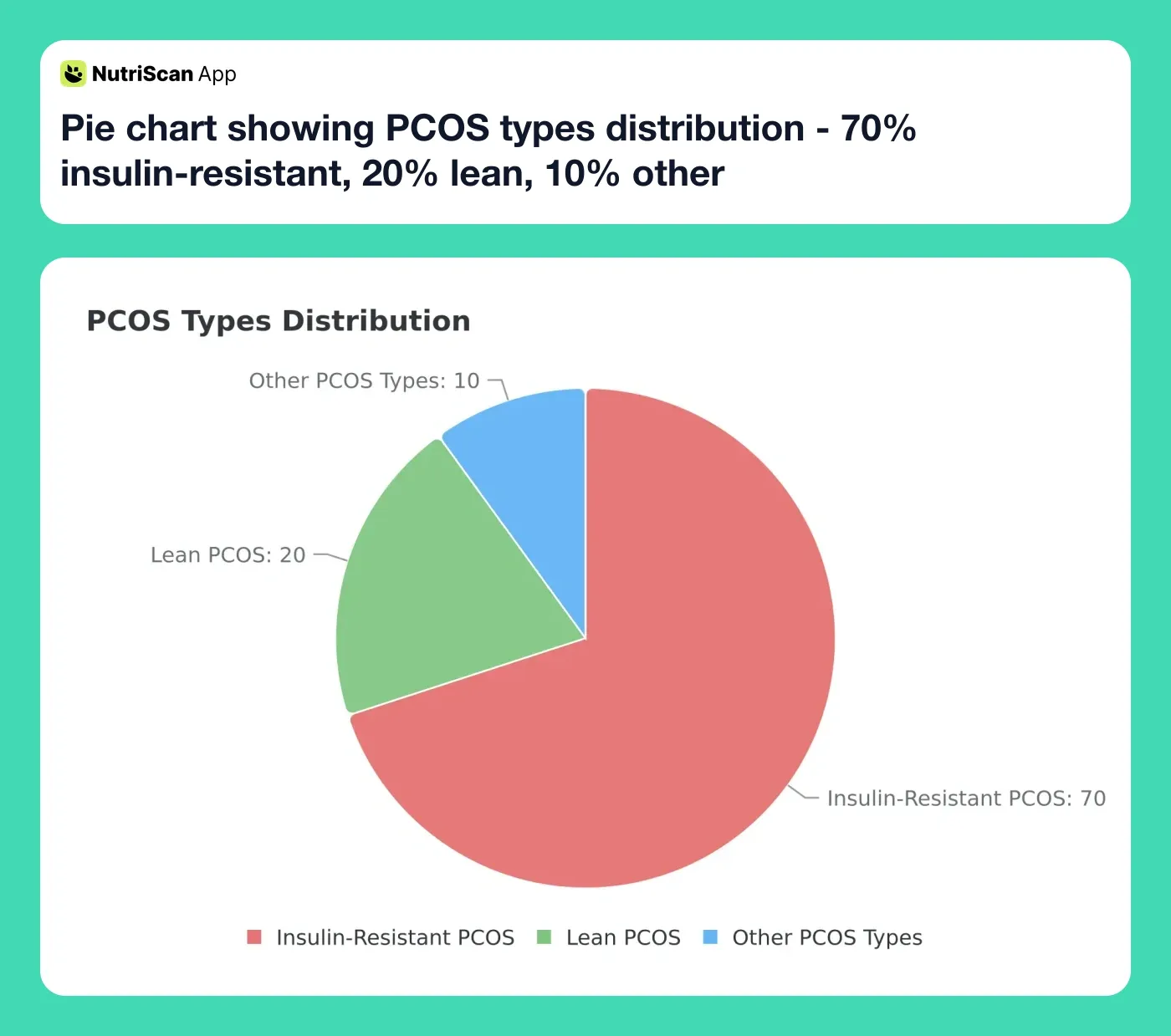
Figure 1: Distribution of PCOS types among women with the condition
Example 1: A Lean PCOS Plate
Worked example built from the patterns described above, not an individual user.
Background:
- Age: 28
- BMI: 23
- PCOS Type: Lean PCOS
- Main Symptoms: Irregular periods, acne, belly fat despite normal weight, fatigue
The Problem:
Diagnosed with PCOS at 24. Because she was not overweight, the doctor put her on birth control pills and said to "watch her diet." Four years of energy crashes after meals, stubborn acne, and periods that arrived whenever they wanted.
She was eating what she thought was healthy - fruit smoothies for breakfast, sandwiches for lunch, and dal-rice for dinner. She avoided fried foods and rarely ate sweets. So why was her body still fighting her?
What She Discovered:
Track the meals and how she feels after eating, and a pattern shows up. Every time she has a carb-heavy meal without enough protein, she is exhausted an hour later. The morning fruit smoothie, the one that looked healthy, spikes her blood sugar because it has no protein or fat to slow down digestion.
Key Insight
The same clamp meta-analysis put insulin sensitivity 27% lower in women with PCOS than in controls, and still about 20% lower at a BMI of 22. A normal fasting result on a standard test does not rule that out.
The Changes She Made:
Started pairing carbs with protein: Instead of fruit smoothies, she switched to eggs with vegetables and a small portion of fruit on the side.
Focused on quality over quantity: She did not cut calories - she just reorganized her plate to include protein, healthy fats, and fiber at every meal.
Started tracking her food: Using a meal tracking app, she photographed every meal and noticed patterns in how different foods affected her energy and symptoms.
Added strength training: A Frontiers in Physiology meta-analysis of 19 exercise trials covering 777 women with PCOS found vigorous intensity exercise cut HOMA-IR by 36.2%, and put the floor at about 120 minutes of it per week.
What to Watch For After 6 Months:
In this composite, six months of that plate is where the changes worth watching for show up: steadier energy instead of the afternoon crash, and cycles arriving closer to a schedule. No weight-loss number is attached, because with lean PCOS the scale is not the measure. Track energy, cycle length and skin, and give it two to three months before you judge it.
Example 2: An Insulin-Resistant PCOS Plate
Worked example built from the patterns described above, not an individual user.
Background:
- Age: 34
- BMI: 31
- PCOS Type: Insulin-Resistant PCOS
- Main Symptoms: Weight gain (especially around belly), facial hair, irregular periods, dark skin patches on neck
The Problem:
25 kg gained over 10 years, despite being very active in her twenties. Every diet tried - keto, paleo, intermittent fasting - and the weight comes off at first and then comes back, plus more.
The doctor has warned her about pre-diabetes. Fasting blood sugar borderline high, insulin elevated. It reads as a losing battle with her own body.
What She Discovered:
Look properly at what she is eating, not just the macros but the actual foods, and three things turn up:
She was eating "healthy" foods that were actually high in hidden sugars (flavored yogurts, protein bars, store-bought smoothies)
She often skipped meals during the day, then ate a large dinner because she was starving
Her stress levels were through the roof, which was raising her cortisol and making insulin resistance worse
A 2020 meta-analysis in the Journal of Clinical Endocrinology and Metabolism pooled 19 randomized trials with 1,193 participants and found diet improved HOMA-IR, fasting insulin, fasting glucose, BMI, weight and waist circumference in PCOS. The DASH diet came out best for insulin resistance, calorie-restricted diets for body composition.
The Changes She Made:
Stopped skipping meals: She started eating smaller, balanced meals every 4-5 hours to keep blood sugar stable. Among 7,619 adults in NHANES, every hour later that eating started was associated with roughly 0.6% higher glucose and 3% higher HOMA-IR.
Cut out hidden sugars: She started reading labels carefully and realized her "healthy" breakfast cereal had more sugar than a chocolate bar.
Added more fiber and protein: She increased vegetables to cover half her plate and made sure each meal had a good protein source.
Started walking after meals: In a Diabetes Care crossover trial in older adults at risk of impaired glucose tolerance, three 15-minute post-meal walks lowered 24-hour glucose by 10% and beat 45 minutes of sustained morning or afternoon walking for post-dinner glucose.
Prioritized sleep: She moved from 5-6 hours to 7-8. In the Wisconsin Sleep Cohort Study of 1,024 adults, sleeping 5 hours instead of 8 predicted 15.5% lower leptin and 14.9% higher ghrelin, the two hormones that set hunger.
Tracked everything: She used a nutrition tracking app to photograph meals and see exactly what she was eating. This helped her catch the sneaky sources of sugar she had been missing.
What to Watch For After 8 Months:
This is the composite where the scale does move, slowly and with stalls. Six-week plateaus are common enough that we wrote a separate guide on breaking a PCOS weight loss plateau. The trial evidence above puts the realistic gains in fasting insulin, fasting glucose, weight and waist circumference over months rather than weeks, and the dark neck patches of acanthosis nigricans tend to be the last thing to fade.
Example 3: A Mixed-Picture Plate, From Diagnosis to Diet
Worked example built from the patterns described above, not an individual user.
Background:
- Age: 31
- BMI: 27
- PCOS Type: Mixed (some insulin resistance with lean PCOS features)
- Main Symptoms: Difficulty getting pregnant, mild acne, irregular cycles
The Problem:
Two years of trying to conceive. After multiple tests, a PCOS diagnosis, and a doctor suggesting medication, this profile wants to try the lifestyle changes first.
The case sits somewhere between lean and insulin-resistant PCOS. BMI slightly elevated, but the main issue is irregular ovulation rather than severe metabolic problems.
What She Discovered:
A PCOS diet pulls two levers: blood sugar regulation and inflammation. Both feed the androgen problem described earlier, which is why the same plate changes turn up in advice about cycles, skin and fertility.
The US Office on Women's Health puts a number on the weight side: a 10% loss in body weight can help make your menstrual cycle more regular and improve your chances of getting pregnant.
The Changes She Made:
Adopted a Mediterranean-style eating pattern: Vegetables, fish, olive oil, nuts, and whole grains, which overlaps closely with the DASH pattern that came out best for insulin resistance in the meta-analysis above. If you want it laid out day by day, use our 7-day anti-inflammatory PCOS meal plan.
Reduced dairy intake: A personal experiment, not a general rule. The evidence on dairy and PCOS is thin, so test it for two weeks and judge it on your own symptoms.
Cut gluten and processed foods: Cutting back on processed food is well supported. Cutting gluten specifically is not, so if you try it, change one thing at a time and watch what actually shifts.
Added specific supplements: After consulting her doctor, she started inositol and omega-3s. Both are commonly used in PCOS, and both are worth raising with your own doctor before you buy anything.
Used food tracking to understand her patterns: By photographing and logging meals, she could see what combinations made her feel best.
What to Watch For After 10 Months:
This is the slow composite. Cycle length is usually the first thing to move, and it moves before the scale does. Pregnancy is not a promised outcome of any diet and nothing here replaces a fertility workup, so treat a shorter, more predictable cycle as the measurable win and take the rest to your doctor.

The moment when all your hard work pays off - celebrating health victories
7 Actionable Tips for Managing PCOS Through Nutrition
Based on those three composites and the research behind them, here are the strategies that carry the most weight:
Tip 1: Know Your PCOS Type
Before changing anything, understand what type of PCOS you have. Get a complete hormone panel and insulin test - not just fasting glucose, but also fasting insulin. If your doctor only checks fasting glucose, ask specifically for insulin levels too.
Tip 2: Pair Every Carb with Protein
This is the golden rule for PCOS nutrition. Never eat carbs alone. Having protein and fat with carbohydrates slows down digestion and prevents blood sugar spikes that trigger insulin surges.
The other half of this is what you take off the plate. The full list is in PCOS foods to avoid.
Examples:
- Apple alone becomes Apple with almond butter
- Rice alone becomes Rice with dal and vegetables
- Fruit smoothie alone becomes Smoothie with protein powder and nut butter
Tip 3: Prioritize Fiber at Every Meal
Fiber slows glucose absorption, helping prevent blood sugar spikes. Aim for at least 25-30 grams of fiber daily from vegetables, legumes, and whole grains. The simplest way there is to fill half your plate with non-starchy vegetables at every meal.
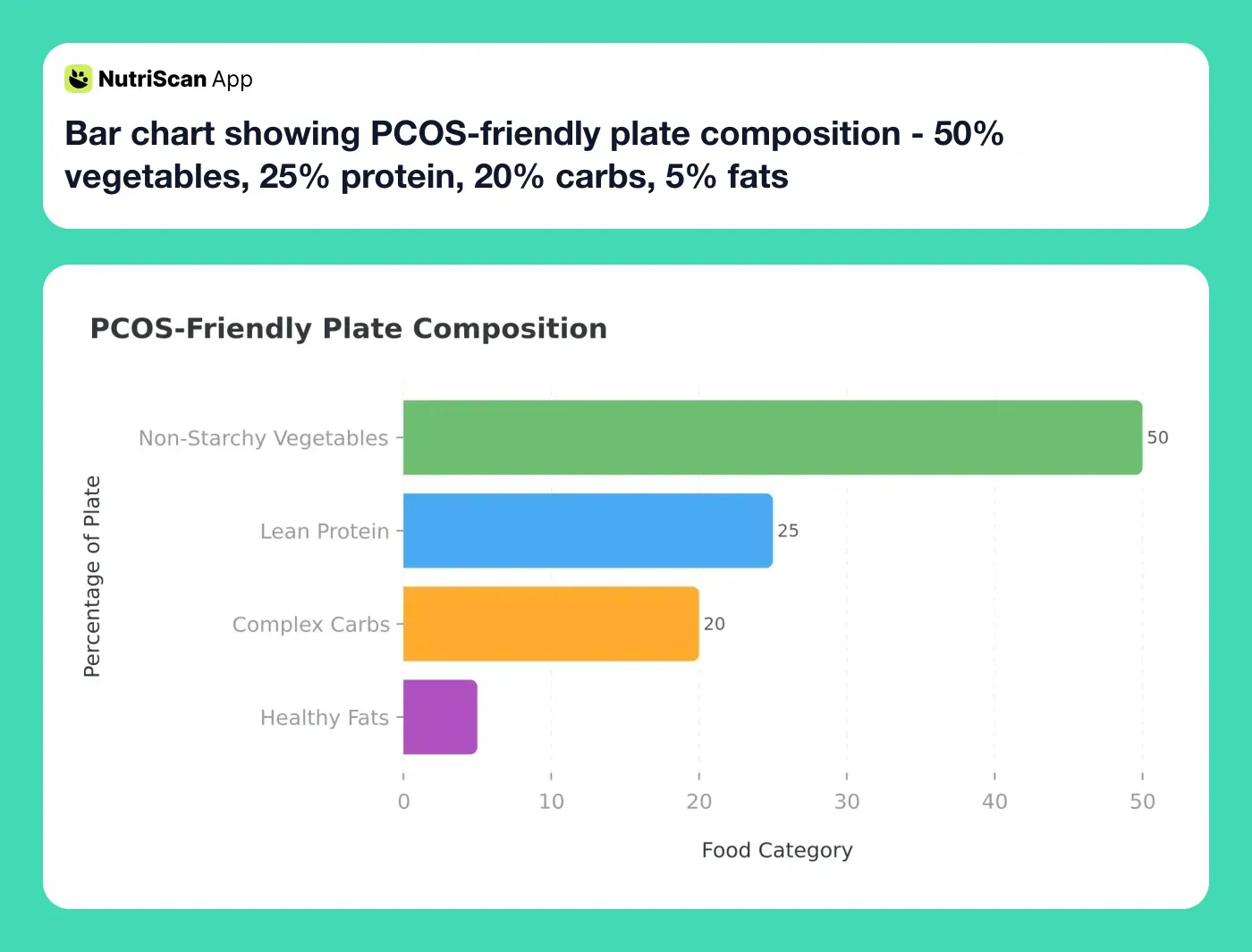
Figure 2: The ideal PCOS-friendly plate composition for balanced blood sugar
Tip 4: Time Your Meals Right
Eat a proper breakfast and lunch rather than skipping meals and pushing everything into a huge dinner. Among 7,619 adults in NHANES, each hour later that eating started was associated with roughly 0.6% higher glucose and 3% higher HOMA-IR, independent of how long the eating window was.
Tip 5: Track Your Food to Find Your Patterns
You cannot fix what you cannot see. Photographing and logging your meals helps you:
- Spot hidden sources of sugar
- Notice how different foods affect your energy
- See if you are actually eating balanced meals
- Track progress over time
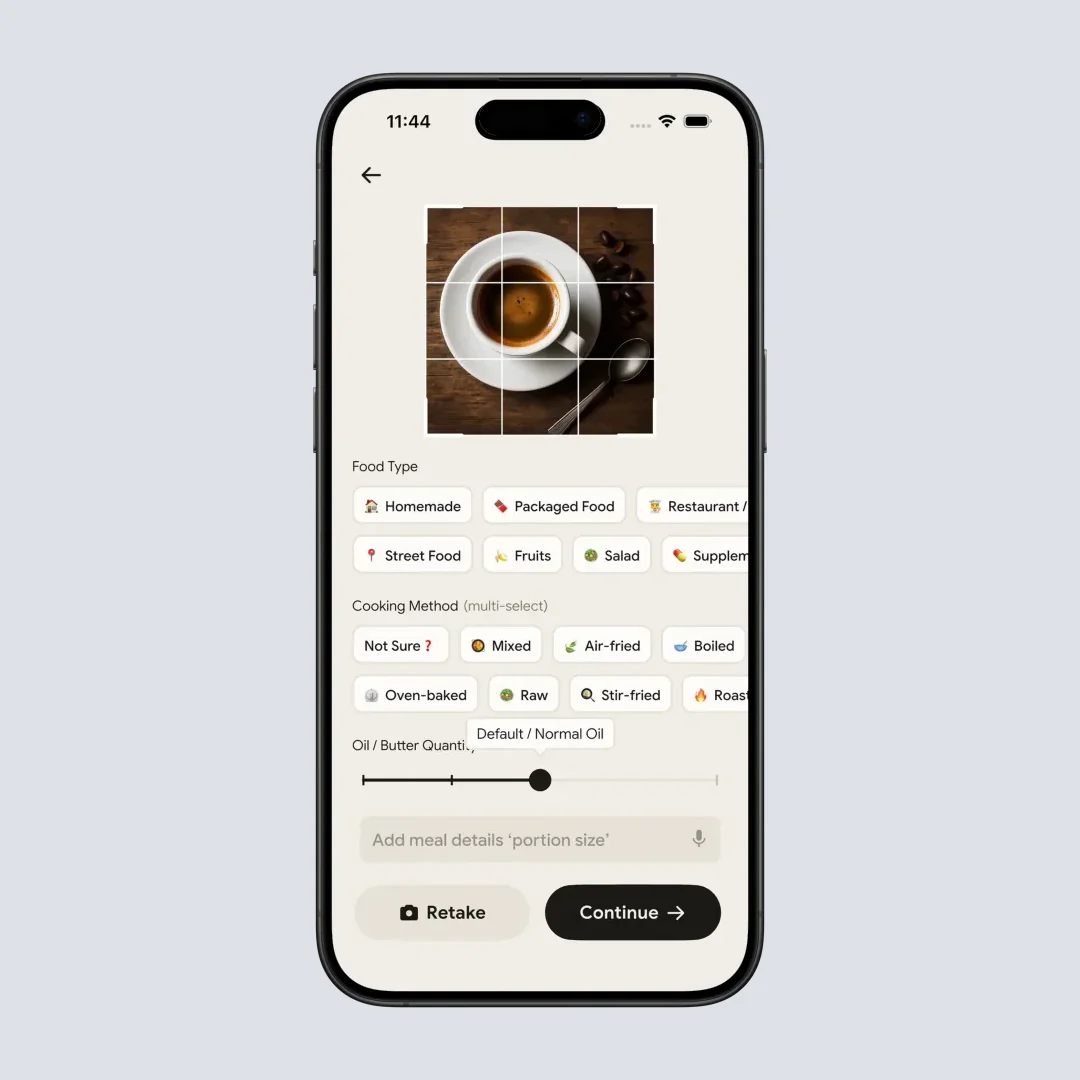
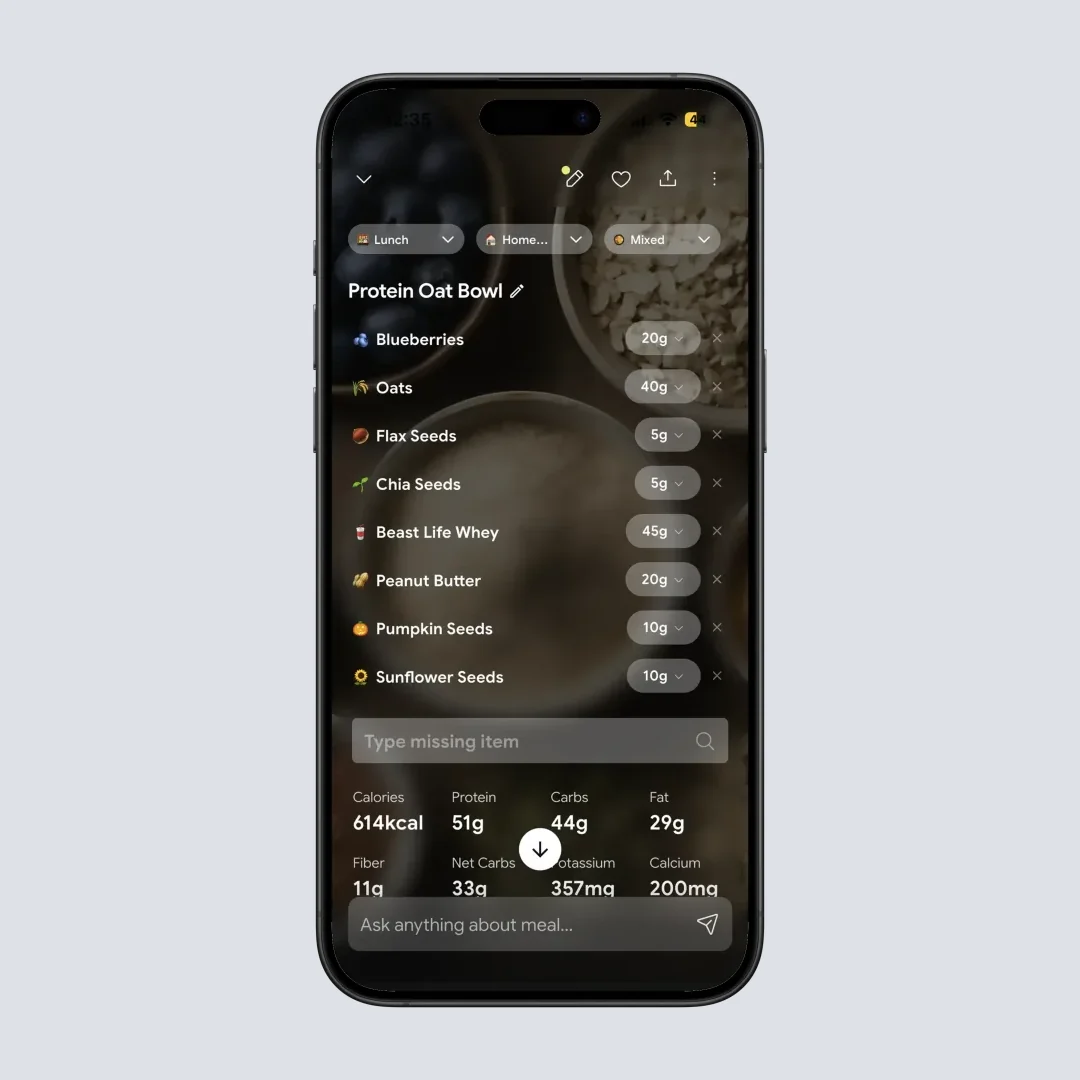
With NutriScan, you can simply snap a photo of your meal and get instant nutrition analysis. The app shows you calories, protein, carbs, fat, and even micro-nutrients. Plus, you can ask questions about your eating patterns through the NutriBites feature - like "why am I always tired after lunch?" and get insights based on your actual meal history. For women with PCOS, the PCOS Macro Calculator helps determine your personalized protein, carb, and fat targets.
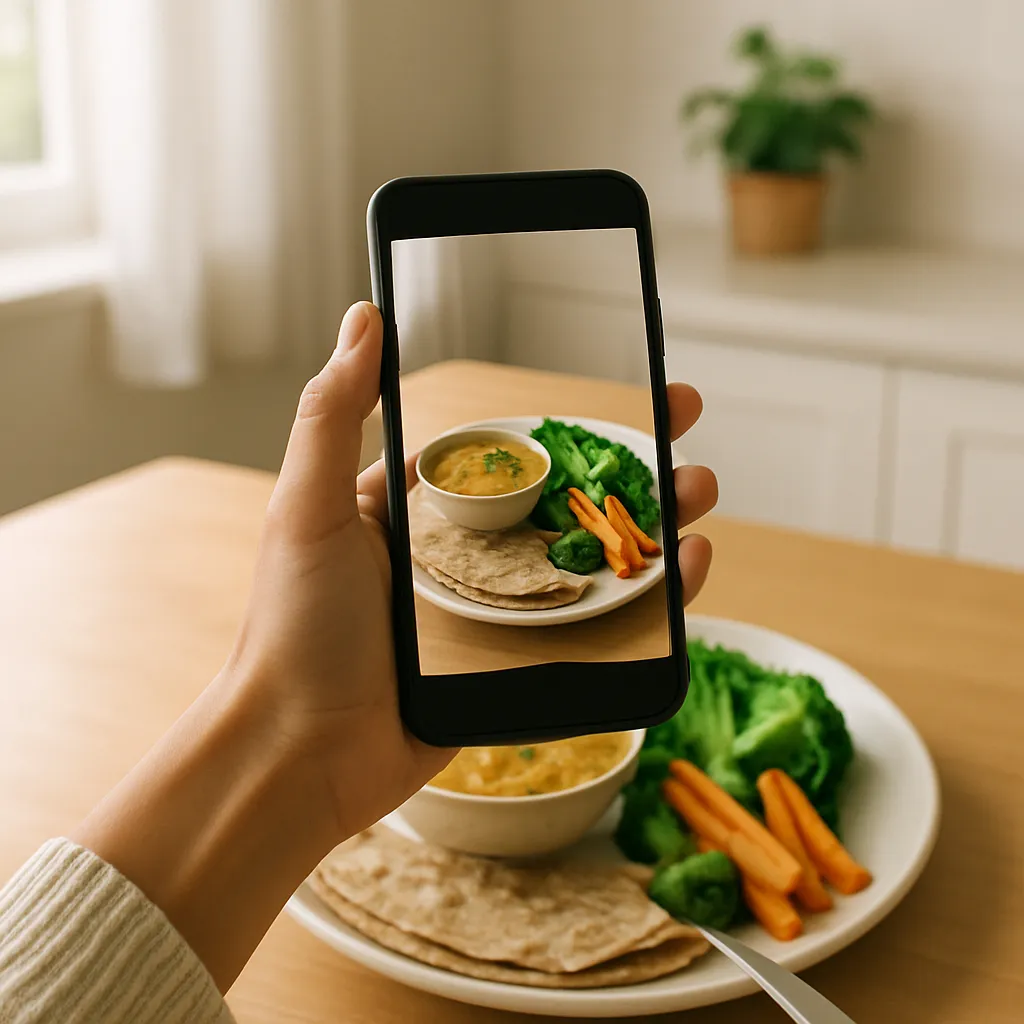
Tracking your meals with a simple photo helps identify patterns affecting your PCOS symptoms
Tip 6: Do Not Fear Healthy Fats
Healthy fats from avocado, olive oil, nuts, and fatty fish belong on a PCOS plate. They also make it easier to keep protein and fat next to every carb, which is the part with trial evidence behind it.
Tip 7: Focus on Progress, Not Perfection
Every version of this comes with setbacks. Birthday cake happens, pizza happens, supplements get skipped. Consistency over months beats one perfect week.
Step-by-Step Guide: Creating Your PCOS-Friendly Meal Plan
Step 1: Assess Your Current Eating
Track one week without changing anything, then read it back for four things: how many meals contained protein, how often you ate carbs alone, your biggest sources of added sugar, and how you felt after each meal.
Step 2: Identify Your Personal Triggers
Not all carbs affect everyone the same way. Some women with PCOS handle oats perfectly but feel terrible after white rice. Others are fine with rice and struggle with bread. Your tracking data will name your own trigger foods.
Step 3: Plan Your Protein Sources
Make a list of proteins you enjoy and can prepare easily. Include:
- Animal proteins: Eggs, chicken, fish, paneer
- Plant proteins: Lentils, chickpeas, tofu, tempeh
- Quick options: Greek yogurt, protein powder, cottage cheese
Step 4: Build Your Vegetable Repertoire
List vegetables you actually like eating. Having options makes it easier to fill half your plate with vegetables at each meal. Include:
- Leafy greens: Spinach, kale, lettuce
- Cruciferous: Broccoli, cauliflower, cabbage
- Colorful options: Bell peppers, tomatoes, carrots
- Favorites from your cuisine: Bhindi, lauki, turai
Step 5: Choose Your Healthy Fats
Stock up on healthy fat sources:
- Cooking: Olive oil, coconut oil
- Toppings: Nuts, seeds, avocado
- Fish: Salmon, sardines, mackerel
Step 6: Create Meal Templates
Instead of planning every meal, create templates you can mix and match:
Breakfast Template: Protein (eggs/paneer/yogurt) + Fat (nuts/seeds/oil) + Fiber (vegetables/berries). More worked examples sit in our PCOS breakfast frameworks.
Lunch Template: Protein (dal/chicken/fish) + Complex carb (brown rice/roti) + Vegetables (half the plate) + Fat (oil/nuts)
Dinner Template: Protein + Lots of vegetables + Small portion of carbs if needed
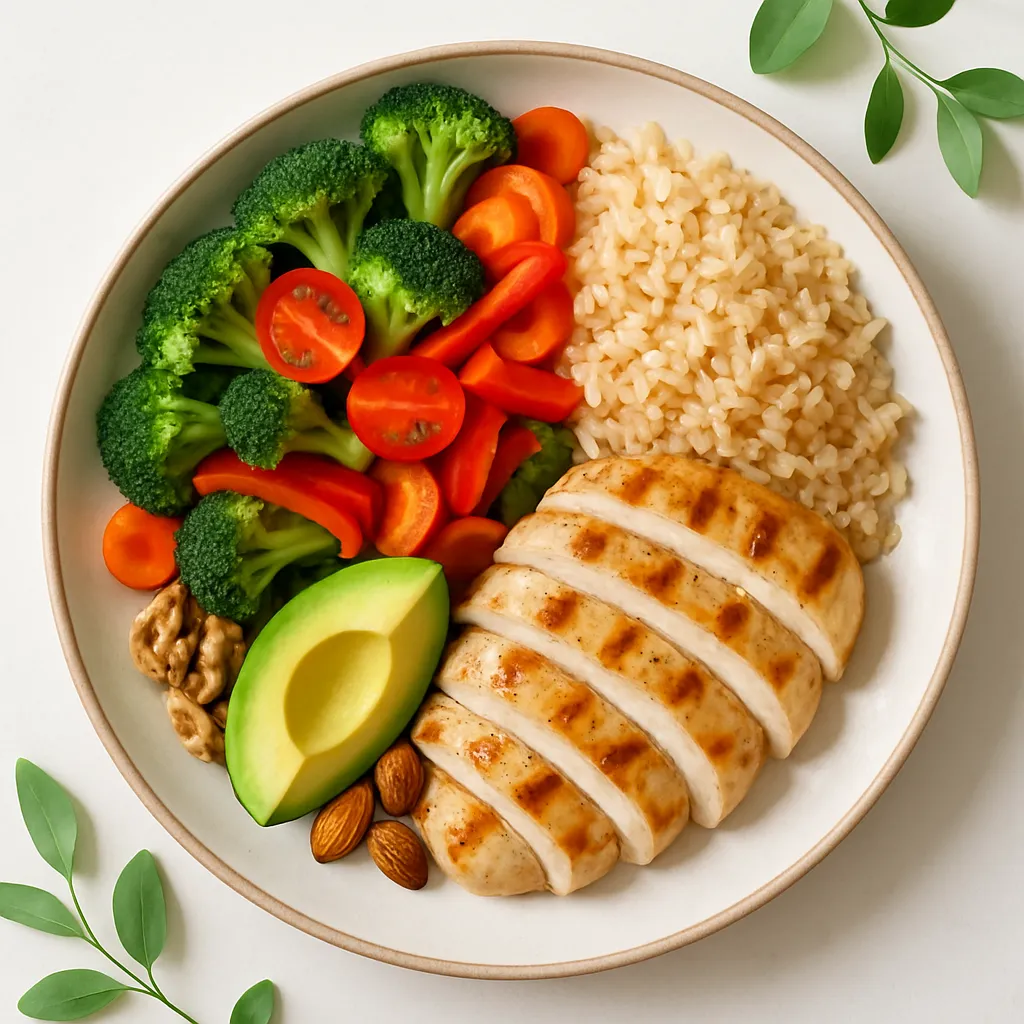
A perfectly balanced PCOS-friendly meal following the plate composition guidelines
Step 7: Use Technology to Stay on Track
NutriScan for PCOS does the arithmetic: photograph the meal, read the macros and micronutrients, and watch the patterns build up week by week. Free covers 5 scans a week, which is enough to test the scanner on the mixed bowls and restaurant plates a food database usually gets wrong. The Diet Plan feature is Premium, and it builds around your location, lifestyle, food preferences, eating schedule and any restrictions you have.
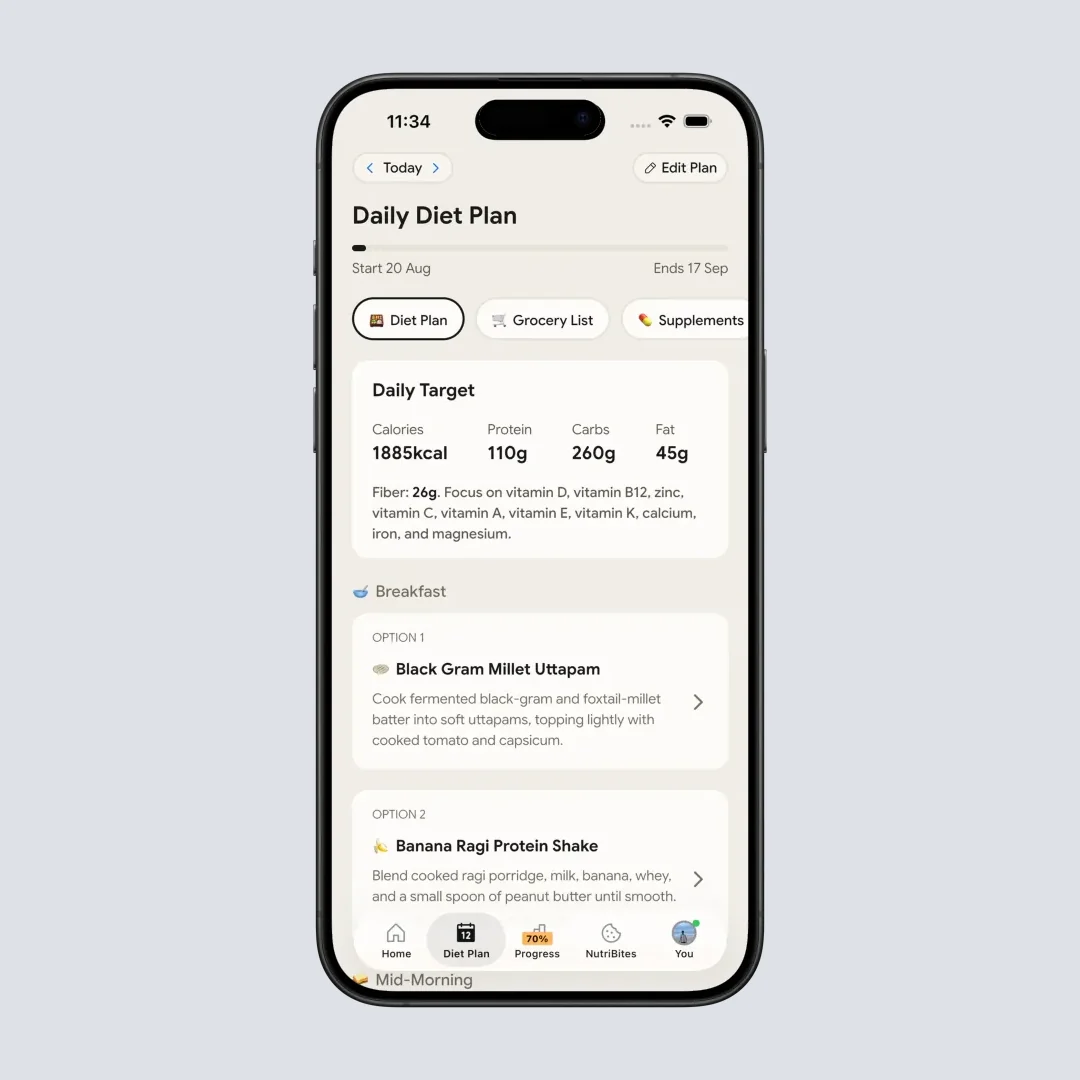
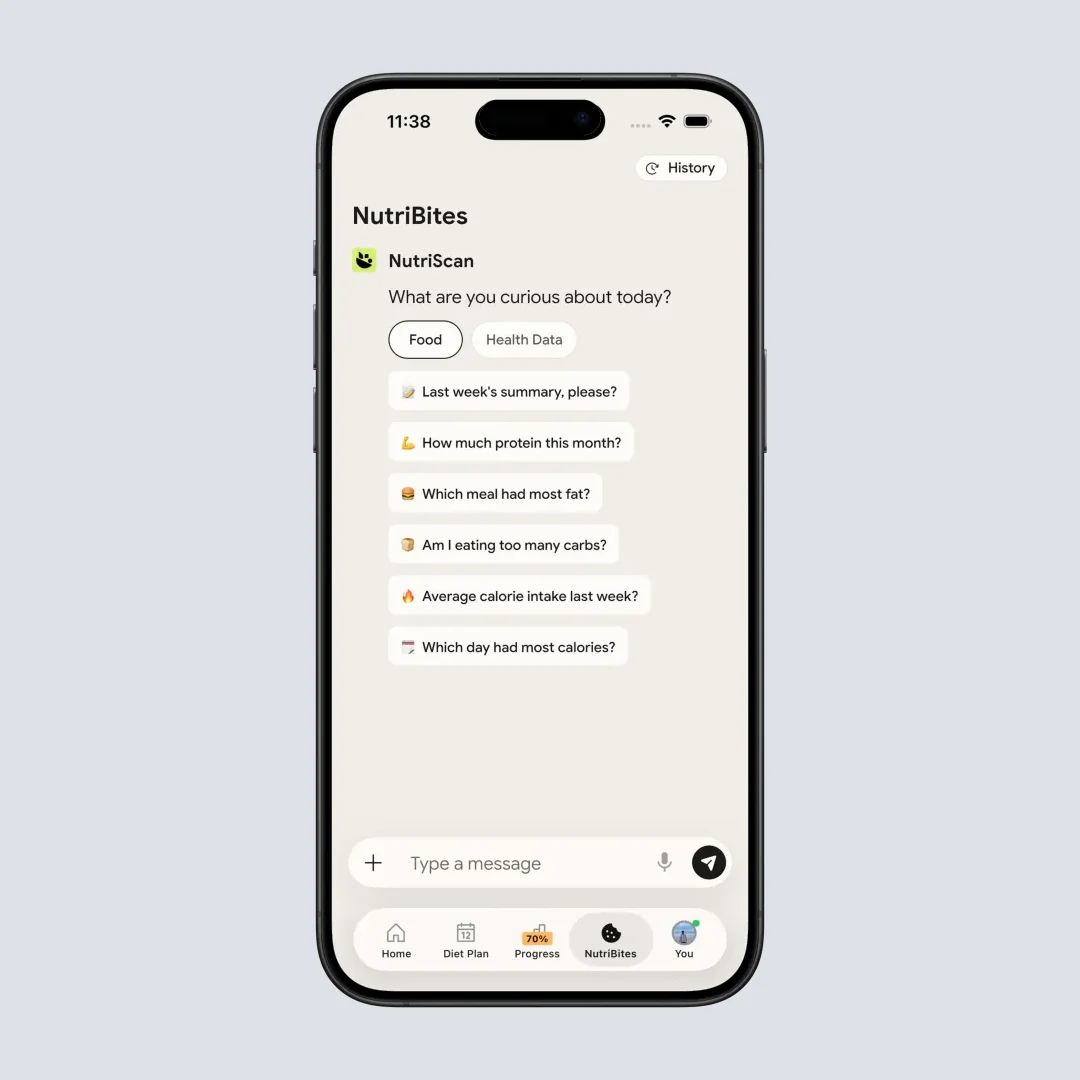

Figure 3: Expected timeline for seeing different types of improvements from diet changes
The Science Behind PCOS and Nutrition
Why Diet Matters More Than You Think
The 2020 Journal of Clinical Endocrinology and Metabolism meta-analysis cited earlier is the strongest single piece of evidence here. Across 19 randomized trials and 1,193 participants, diet improved insulin resistance, fasting insulin, fasting glucose, BMI, weight and waist circumference, and the longer the intervention ran, the bigger the change.
The Blood Sugar Connection
Eating in a way that keeps blood sugar steady is what breaks the insulin-to-testosterone cycle described earlier. That is the whole mechanism behind pairing carbs with protein, filling half the plate with vegetables, and walking after dinner.
Inflammation's Role
PCOS is associated with chronic low-grade inflammation. Certain foods - especially processed foods, refined carbs, and excess sugar - increase inflammation. Anti-inflammatory foods like vegetables, fatty fish, nuts, and olive oil help reduce it.
The Gut Connection
Gut bacteria in PCOS is an active research area rather than a settled one, so nobody should sell you a protocol for it yet. The advice that holds either way is unglamorous: fiber-rich foods, fermented foods, and less processed food.
Advanced: Understanding Insulin and PCOS
When insulin levels remain chronically elevated, it triggers a cascade of hormonal changes. The ovaries respond to high insulin by producing more androgens (male hormones like testosterone). This excess testosterone disrupts normal ovulation, causes acne and unwanted hair growth, and makes it harder to lose weight - especially around the midsection. Breaking this cycle through diet is one of the most effective non-pharmaceutical interventions available.
Frequently Asked Questions
Q1: Can lean women with PCOS eat more carbs than those with insulin-resistant PCOS?
Not necessarily. The Human Reproduction clamp meta-analysis found insulin sensitivity about 20% lower at a BMI of 22 in women with PCOS, so a normal weight does not mean normal insulin handling. Both lean and insulin-resistant PCOS benefit from pairing carbs with protein and choosing complex carbohydrates over refined ones. The difference is that lean women typically do not need to focus on weight loss - they need to focus on blood sugar stability and reducing inflammation.
Q2: Should I try intermittent fasting for PCOS?
Be cautious. Prolonged fasting can disrupt menstrual cycles and blood sugar control in some women with PCOS, and the trial evidence in PCOS specifically is thin. If you want to try it, start with a simple 12-hour overnight fast (for example, stop eating at 8 PM and eat breakfast at 8 AM). Monitor your energy, mood, and cycles carefully. Eating regularly through the day, rather than fasting, is the safer default while you are still learning your own patterns.
Q3: What is the best diet for PCOS - keto, Mediterranean, or low-carb?
The 2020 Journal of Clinical Endocrinology and Metabolism meta-analysis ranked the DASH diet best for reducing insulin resistance and calorie-restricted diets best for body composition. Mediterranean eating overlaps heavily with DASH and is the pattern most people manage to keep up: vegetables, lean proteins, healthy fats, and whole grains without being extremely restrictive. Keto can work short-term but is hard to maintain and may not provide enough fiber for gut health. A moderate approach - reducing refined carbs and sugar while eating plenty of vegetables, protein, and healthy fats - works best for most women long-term.
Q4: How long does it take to see results from diet changes?
Most women notice energy improvements within 2-4 weeks of consistent changes. Menstrual cycle improvements often take 2-3 months. Weight loss varies but many women see meaningful progress within 3-6 months. Skin improvements (acne, dark patches) can take 4-6 months. Fertility improvements often require 6-12 months of consistent dietary changes. Be patient - PCOS took years to develop, and healing takes time.
Q5: Do I need to track my food forever?
Not forever, but tracking for at least 4-8 weeks helps you understand your patterns and learn which foods work for your body. After that, many women develop intuition about what to eat. However, periodic tracking - like one week every month - can help you stay on track and catch any unhealthy patterns that might be creeping back. Apps like NutriScan make tracking easy by letting you just photograph your meals rather than manually entering every ingredient.
Conclusion
The three composites do not share a diet. One keeps her calories and rebuilds the plate around protein. One stops skipping meals and hunts down hidden sugar. One eats Mediterranean. What they share is a fasting insulin test, a fortnight of honest food logs and months rather than weeks of patience.
Start with your next meal. Photograph it, then notice how you feel two hours later, and write that down. Two weeks of that will tell you more about your PCOS than any generic plan.
Ready to start tracking your nutrition and understanding your patterns? NutriScan for PCOS helps you photograph meals, get instant nutrition analysis, and discover insights about your eating habits. Use the PCOS Macro Calculator to find your ideal macros, then download and start your path to better health with PCOS.