PCOS Grocery & Pantry Swap Checklist: Your Complete Guide to Kitchen Transformation
 ChatGPT
  Claude
  AI Mode
  Perplexity
Have you ever stood in your kitchen, staring at your pantry, wondering which foods are helping your PCOS and which ones are making it worse?
TL;DR - PCOS Pantry Transformation Guide
• Who it's for: Women with PCOS looking to manage symptoms through diet changes without complicated meal plans
• Main outcomes: Better hormone balance, improved insulin sensitivity, reduced inflammation, more stable energy levels
• Key steps: Audit current pantry ➡️ Make strategic food swaps ➡️ Stock PCOS-friendly essentials ➡️ Track what works for your body
• Timeframe: Most women notice energy improvements in 2-3 weeks, hormonal changes in 2-3 months
• Key insight: Insulin resistance affects 50-75% of women with PCOS - your food choices directly impact this
I remember that exact feeling. The confusion, the frustration, the late-night searches trying to figure out what to eat. PCOS affects 1 in 10 women of reproductive age worldwide, and if you're reading this, chances are you or someone you love is part of this statistic. The good news? Your kitchen can become your pharmacy, and it all starts with knowing what to stock and what to swap.
In this guide, I'm sharing my complete PCOS grocery and pantry swap checklist - the same strategies that have helped thousands of women take control of their symptoms through simple, practical food changes. No complicated diets, no expensive supplements, just real food swaps that work. If you're looking for personalized macro calculations for PCOS, check out our PCOS Macro Calculator to get started.
Your PCOS Pantry Transformation Plan
A quick roadmap so you can act fast.
⏱️ Progress 0/4 • ~0 minutes in • Keep going
⏳ Step 1: Understand why your pantry impacts PCOS
⏳ Step 2: Stock PCOS-friendly grocery essentials
⏳ Step 3: Master the pantry swap tables
⏳ Step 4: Follow the 7-step transformation guide
🔍 The one meal structure secret that makes every swap 2x more effective (revealed near end)
Why Your Pantry Matters for PCOS Management
Let me tell you about Sarah. She's a 32-year-old marketing manager from London who struggled with PCOS symptoms for years. Irregular periods, stubborn weight around her middle, and energy crashes that made her afternoon meetings feel impossible. She tried various medications, but nothing seemed to stick until she made one simple change - she transformed her pantry.
Within three months of making strategic food swaps, Sarah noticed her energy levels stabilizing, her skin clearing up, and for the first time in years, her periods became more regular. Her story isn't unique.
Research-Backed Results
A 2025 study published in the journal Nutrients confirms that dietary interventions like low glycemic index foods, high-fiber diets, and anti-inflammatory eating patterns can significantly improve insulin sensitivity and hormonal balance in women with PCOS.
The connection between your pantry and your hormones is stronger than you might think. Insulin resistance affects 50% to 75% of people with PCOS. And here's the thing - insulin resistance is directly influenced by what you eat. Every time you reach into your pantry, you're either supporting your hormones or working against them.
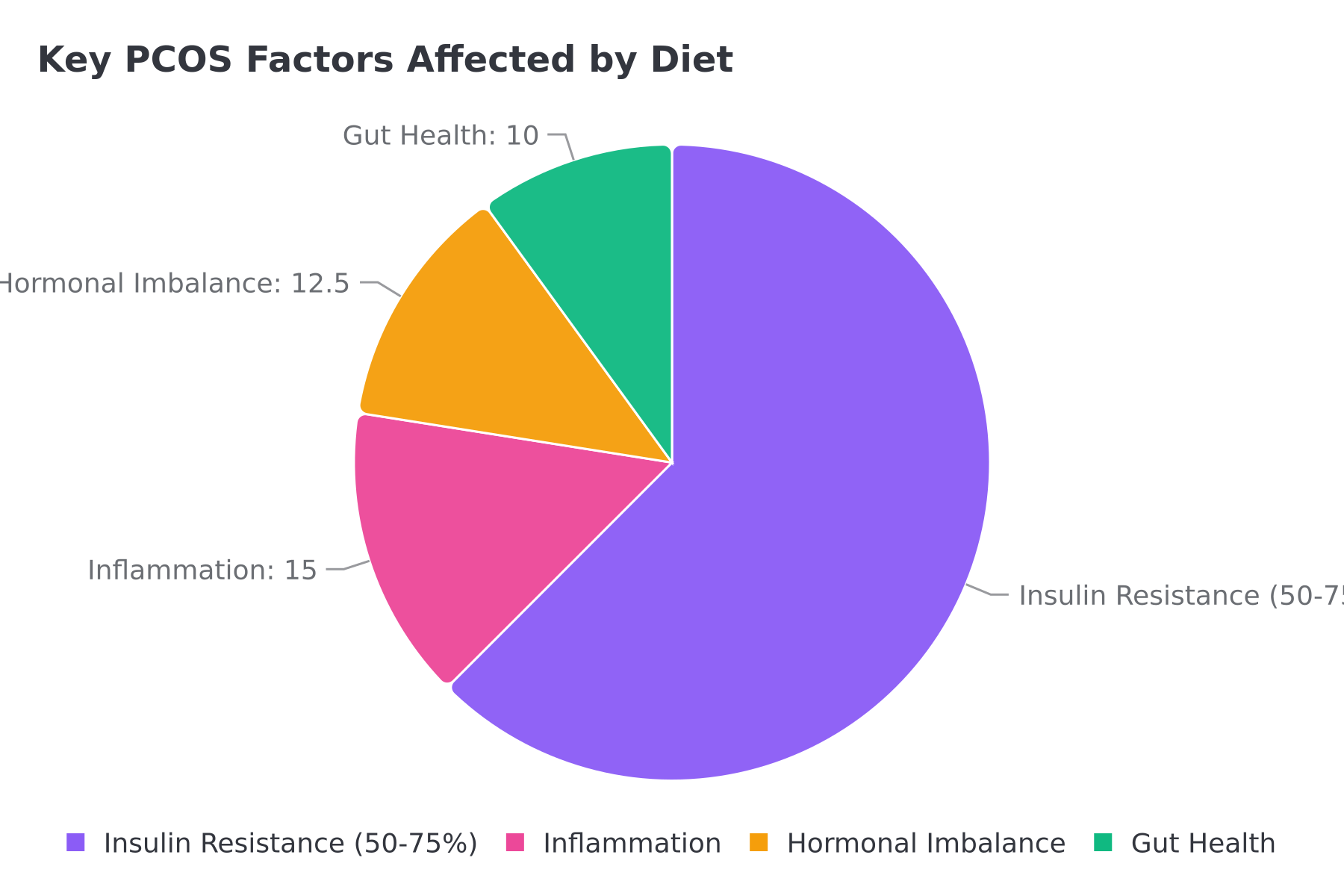 Figure 1: The primary PCOS factors that diet directly influences - insulin resistance dominates at 50-75% of cases
Understanding the PCOS-Food Connection
Before we jump into the checklist, let me break down why certain foods affect PCOS more than others.
Your body processes different foods in different ways. Simple carbohydrates like white bread and sugary snacks digest quickly, causing rapid spikes in blood sugar. When blood sugar spikes, your pancreas releases more insulin to manage it. For women with PCOS, this creates a problematic cycle - high insulin levels can trigger your ovaries to produce more androgens (those "male hormones" that cause symptoms like acne and excess hair growth).
On the flip side, foods that digest slowly - like whole grains, fiber-rich vegetables, and healthy fats - keep your blood sugar stable. Stable blood sugar means stable insulin, which means better hormone balance.
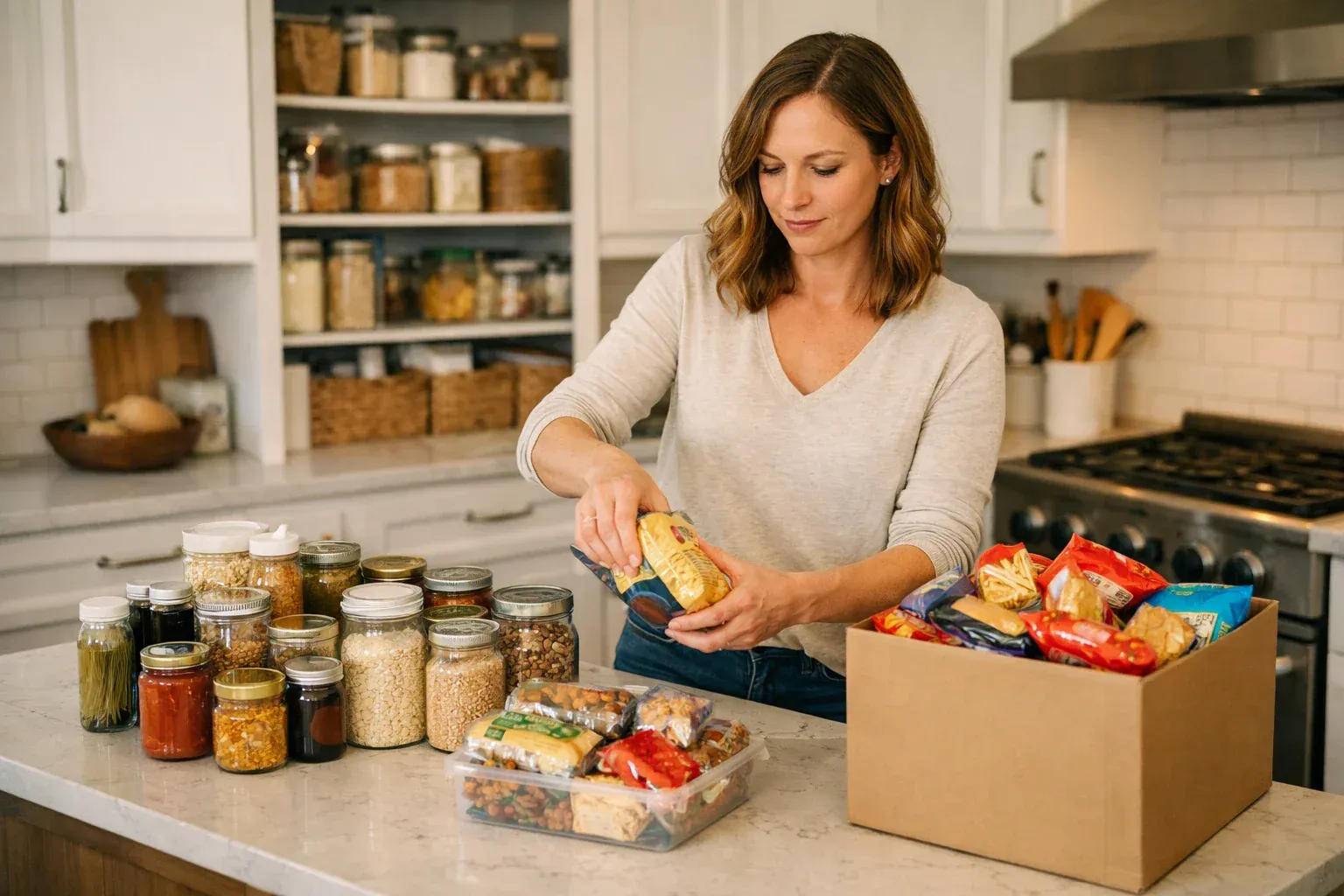 Starting your PCOS pantry transformation with a thorough audit
 That feeling when your meal prep game is on point!
Checkpoint: Here's Where You Are
Quick status update so you always know the next move.
⏱️ Progress 1/4 • ~2 minutes in • Keep going
✅ Step 1: Understand why your pantry impacts PCOS (done)
👉 Step 2: Stock PCOS-friendly grocery essentials (you're here)
⏳ Step 3: Master the pantry swap tables
⏳ Step 4: Follow the 7-step transformation guide
🧩 The meal structure secret (coming soon)
The Complete PCOS Grocery Checklist
Let's get practical. Here's what to add to your shopping cart next time you're at the store.
Proteins That Support Hormone Balance
Protein is your best friend when managing PCOS. It keeps you full, stabilizes blood sugar, and supports muscle health. Here's what to stock:
Fish and Seafood
- Salmon (wild-caught when possible)
- Sardines
- Mackerel
- Cod
- Shrimp
These fatty fish are packed with omega-3 fatty acids, which research shows can help reduce inflammation and improve insulin sensitivity. Aim for 2-3 servings per week.
Poultry and Eggs
- Chicken breast (skinless)
- Turkey
- Eggs (whole eggs are fine - the yolk contains important nutrients)
Plant-Based Proteins
- Lentils
- Chickpeas
- Black beans
- Tofu
- Tempeh
- Edamame
Plant-based proteins come with the added bonus of fiber, which is particularly helpful for PCOS management.
Vegetables: Fill Half Your Plate
Non-starchy vegetables should be the foundation of your PCOS-friendly diet. They're low in calories, high in fiber, and packed with antioxidants that fight inflammation.
Leafy Greens
- Spinach
- Kale
- Swiss chard
- Arugula
- Romaine lettuce
Cruciferous Vegetables
- Broccoli
- Cauliflower
- Brussels sprouts
- Cabbage
These vegetables contain compounds that may help your body process estrogen more efficiently.
Other Non-Starchy Vegetables
- Bell peppers (all colors)
- Tomatoes
- Zucchini
- Cucumber
- Mushrooms
- Asparagus
- Green beans
- Celery
Fruits: Nature's Sweet Treats
Contrary to what some extreme diets suggest, fruit is not the enemy when you have PCOS. The key is choosing fruits with a lower glycemic impact and eating them with protein or fat.
Best Choices
- Berries (blueberries, strawberries, raspberries, blackberries)
- Apples
- Pears
- Citrus fruits (oranges, grapefruit, lemons)
- Cherries
- Peaches
Berries are particularly excellent because they're loaded with antioxidants and have a relatively low glycemic index.
Whole Grains and Complex Carbs
Yes, you can eat carbs with PCOS! The type of carbs matters far more than the quantity.
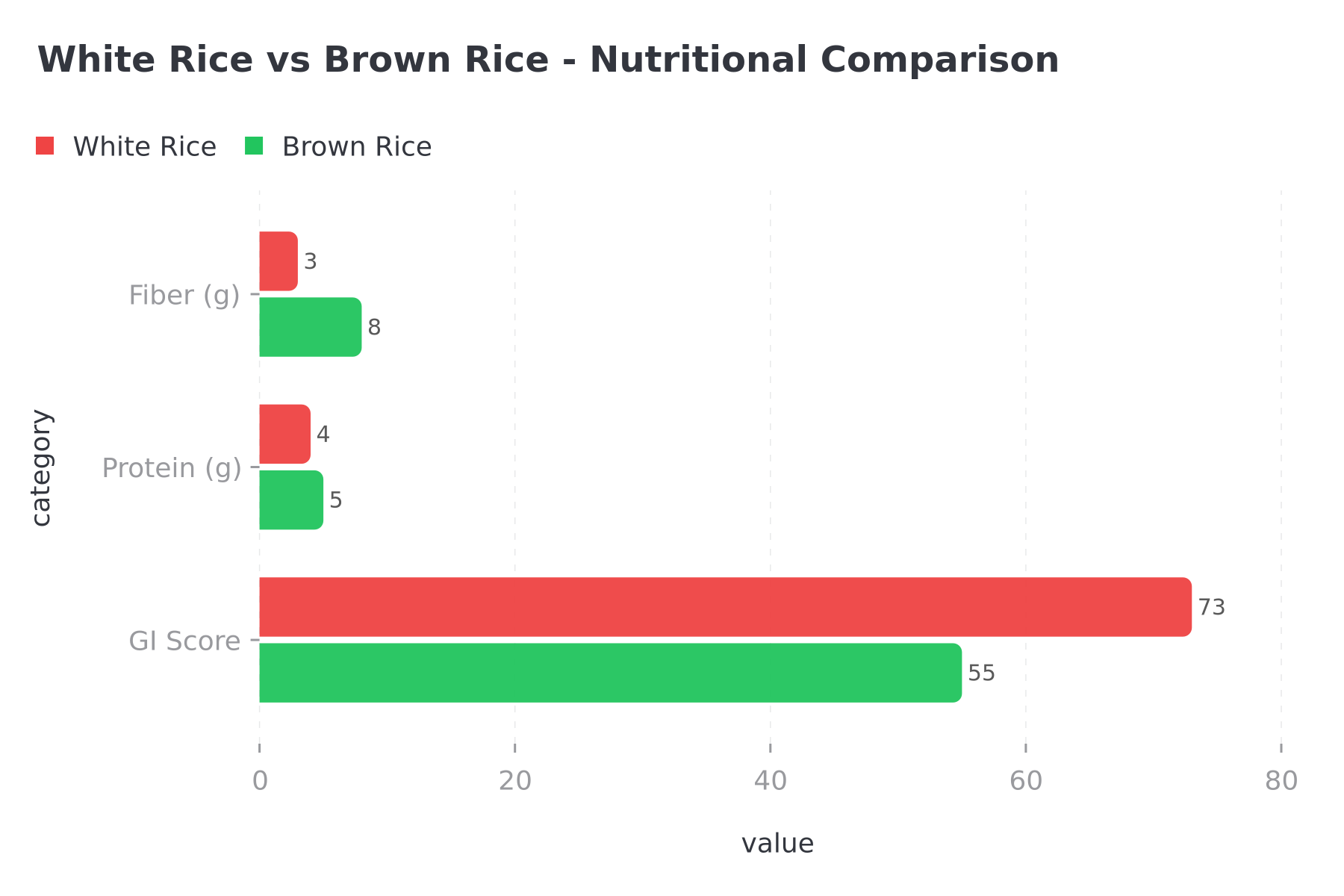 Figure 2: The nutritional difference between white rice and brown rice - notice the significant fiber boost and lower GI score
Stock Your Pantry With
- Quinoa
- Brown rice
- Steel-cut oats
- Barley
- Buckwheat
- Whole grain bread (check the label - first ingredient should be "whole")
- Whole wheat pasta
- Sweet potatoes
Healthy Fats: Your Hormone Helpers
Fat doesn't make you fat - the right fats actually help your hormones function properly. Here's what to keep on hand:
Oils
- Extra virgin olive oil
- Avocado oil
- Coconut oil (in moderation)
Nuts and Seeds
- Almonds
- Walnuts (excellent omega-3 source)
- Chia seeds
- Flaxseeds
- Pumpkin seeds
- Sunflower seeds
Other Sources
- Avocados
- Olives
- Natural nut butters (check labels for added sugars)
Dairy and Alternatives
Dairy can be tricky for some women with PCOS. Some find it triggers inflammation, while others tolerate it well. Listen to your body.
If You Tolerate Dairy
- Greek yogurt (plain, unsweetened)
- Kefir
- Low-fat cheese in moderation
Dairy Alternatives
- Unsweetened almond milk
- Oat milk
- Coconut milk
- Cashew milk
Check Your Labels
Always check labels for added sugars - many plant milks contain surprising amounts.
Herbs, Spices, and Flavor Boosters
These small additions make a big difference:
- Cinnamon (may help with blood sugar regulation)
- Turmeric (anti-inflammatory properties)
- Ginger
- Garlic
- Cumin
- Black pepper
- Fresh herbs (basil, parsley, cilantro, mint)
The Ultimate Pantry Swap Checklist
Now for the fun part - let's swap out the foods that aren't serving your hormones for better alternatives.
Breakfast Swaps
| Instead of This | Try This | Why It Helps |
|---|---|---|
| Sugary cereals | Steel-cut oats with berries | Slow-releasing energy, fiber boost |
| White bread toast | Whole grain or sourdough bread | Lower glycemic impact |
| Fruit juice | Whole fruit with nut butter | Fiber slows sugar absorption |
| Flavored yogurt | Plain Greek yogurt with cinnamon | 3x more protein, no added sugar |
| Regular pancakes | Oat flour or almond flour pancakes | More protein and fiber |
| Granola bars | Handful of nuts and seeds | Healthy fats, no hidden sugars |
Lunch and Dinner Swaps
| Instead of This | Try This | Why It Helps |
|---|---|---|
| White rice | Quinoa or cauliflower rice | More protein, lower GI |
| White pasta | Whole wheat or legume pasta | Extra fiber, steadier blood sugar |
| Fried chicken | Grilled or baked chicken | Less inflammatory |
| French fries | Roasted sweet potato wedges | Lower GI, more nutrients |
| Creamy dressings | Olive oil and lemon | Healthy fats without additives |
| Regular burger buns | Lettuce wraps | Reduces refined carbs |
Snack Swaps
| Instead of This | Try This | Why It Helps |
|---|---|---|
| Potato chips | Roasted chickpeas | Protein and fiber |
| Cookies | Dark chocolate (70%+ cacao) | Antioxidants, less sugar |
| Candy | Fresh berries | Natural sweetness with fiber |
| Crackers | Cucumber with hummus | Vegetables plus protein |
| Ice cream | Frozen banana "nice cream" | No added sugar |
| Packaged snack bars | Apple slices with almond butter | Whole food combination |
Beverage Swaps
| Instead of This | Try This | Why It Helps |
|---|---|---|
| Soda | Sparkling water with lemon | Zero sugar, stays refreshing |
| Energy drinks | Matcha or green tea | Natural energy, antioxidants |
| Sweetened coffee drinks | Black coffee with cinnamon | No sugar, metabolism support |
| Packaged fruit juice | Infused water with cucumber/mint | Hydration without sugar spike |
| Regular tea with sugar | Spearmint tea (unsweetened) | May help reduce androgens |
| Alcohol | Kombucha | Gut-friendly probiotics |
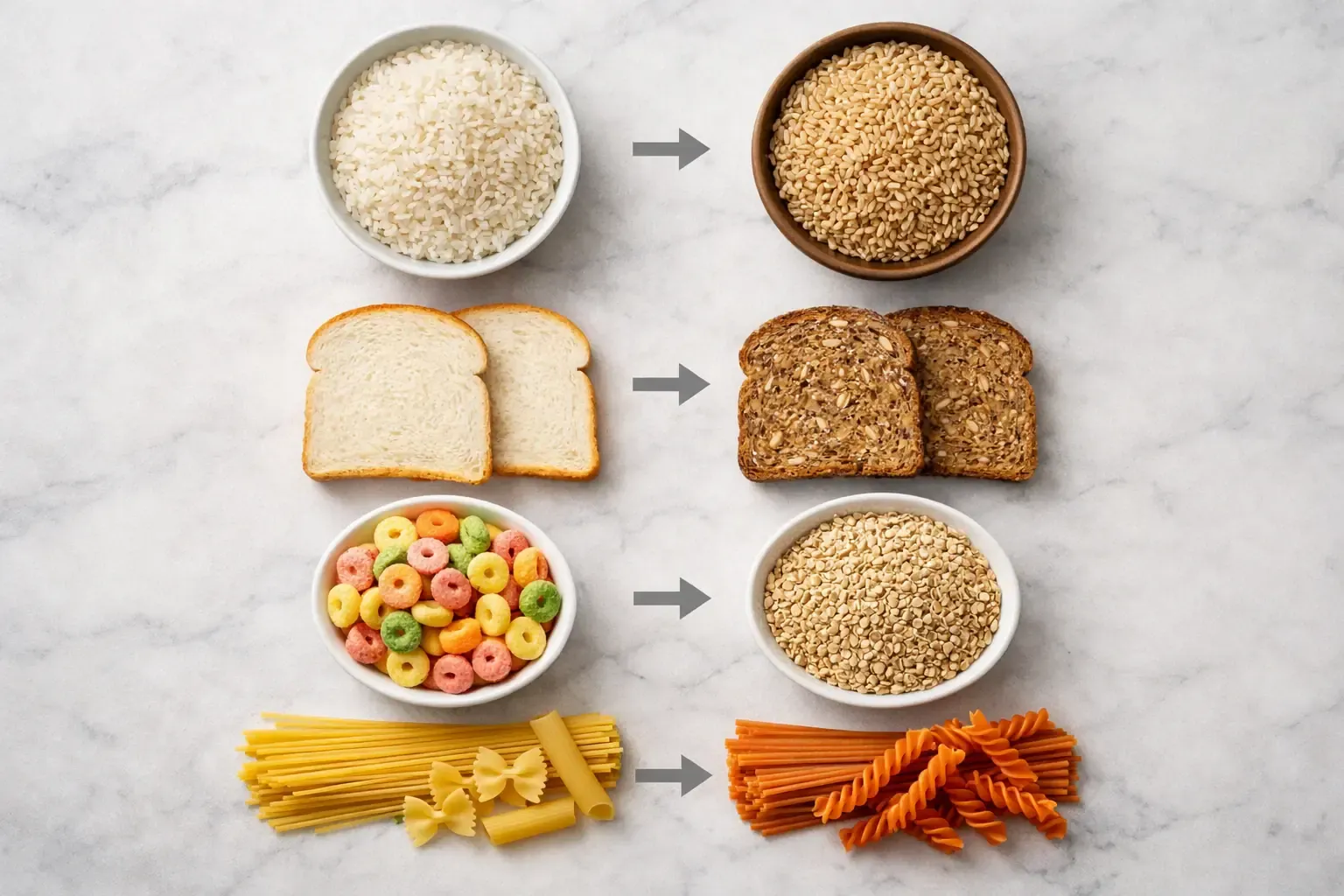 Simple swaps that make a big difference for PCOS management
Checkpoint: Midway Progress Update
You're halfway there - decisions get easier from here.
⏱️ Progress 2/4 • ~4 minutes in • Keep going
✅ Step 1: Understand why your pantry impacts PCOS (done)
✅ Step 2: Stock PCOS-friendly grocery essentials (done)
👉 Step 3: Master the pantry swap tables (done)
⏳ Step 4: Follow the 7-step transformation guide (next)
🧩 The meal structure secret (almost there)
7 Actionable Tips for Your PCOS Pantry Transformation
Tip 1: Do a Pantry Audit First
Before you go shopping, take 30 minutes to go through your current pantry. Check expiration dates and read labels. Look for hidden sugars (anything ending in "-ose" is a sugar). Remove or donate items that don't serve your health goals.
Tip 2: Read Labels Like a Detective
The front of the package is marketing. The truth is in the ingredients list and nutrition facts. For PCOS, look for products with at least 3-5g of fiber per serving and 10-15g of protein. Watch out for added sugars hiding under names like high-fructose corn syrup, dextrose, or maltose.
Tip 3: Shop the Perimeter First, But Don't Skip the Middle
Fresh produce, proteins, and dairy alternatives line the store's perimeter. But don't skip the center aisles - that's where you'll find whole grains, beans, nuts, and seeds. These center-aisle foods are often budget-friendly and last longer.
Tip 4: Prep for Success
When you get home, take 20 minutes to prep. Wash and cut vegetables, portion out nuts into small containers, and cook a batch of quinoa or brown rice. Having PCOS-friendly foods ready to grab makes healthy eating the easy choice.
Tip 5: Keep Emergency Snacks Ready
Stock your desk, car, and bag with PCOS-friendly snacks. Almonds, protein bars (check the sugar content), and individual nut butter packets can save you from vending machine temptations when hunger strikes.
Tip 6: Start With One Meal
Don't try to change everything at once. Start by improving just your breakfast for two weeks. Once that feels natural, move on to lunch, then dinner. Small, consistent changes beat dramatic overhauls that don't stick.
Tip 7: Track What Works for YOU
Every body is different. What works for one woman with PCOS might not work for another. Pay attention to how different foods make you feel. Do certain foods give you energy? Do others cause bloating or fatigue? This personal data is gold.
Pro Tip: Use NutriScan to Track Your Progress
Instead of guessing about your nutrition, use NutriScan to simply take a picture of your meal and get instant analysis of calories, proteins, fats, carbs, and all micro-nutrients. The app tracks your eating patterns over time, helping you identify which foods support your PCOS management. You can even ask questions about your eating habits through the NutriBites feature to get personalized insights. Learn more about how NutriScan helps women with PCOS manage their nutrition goals.
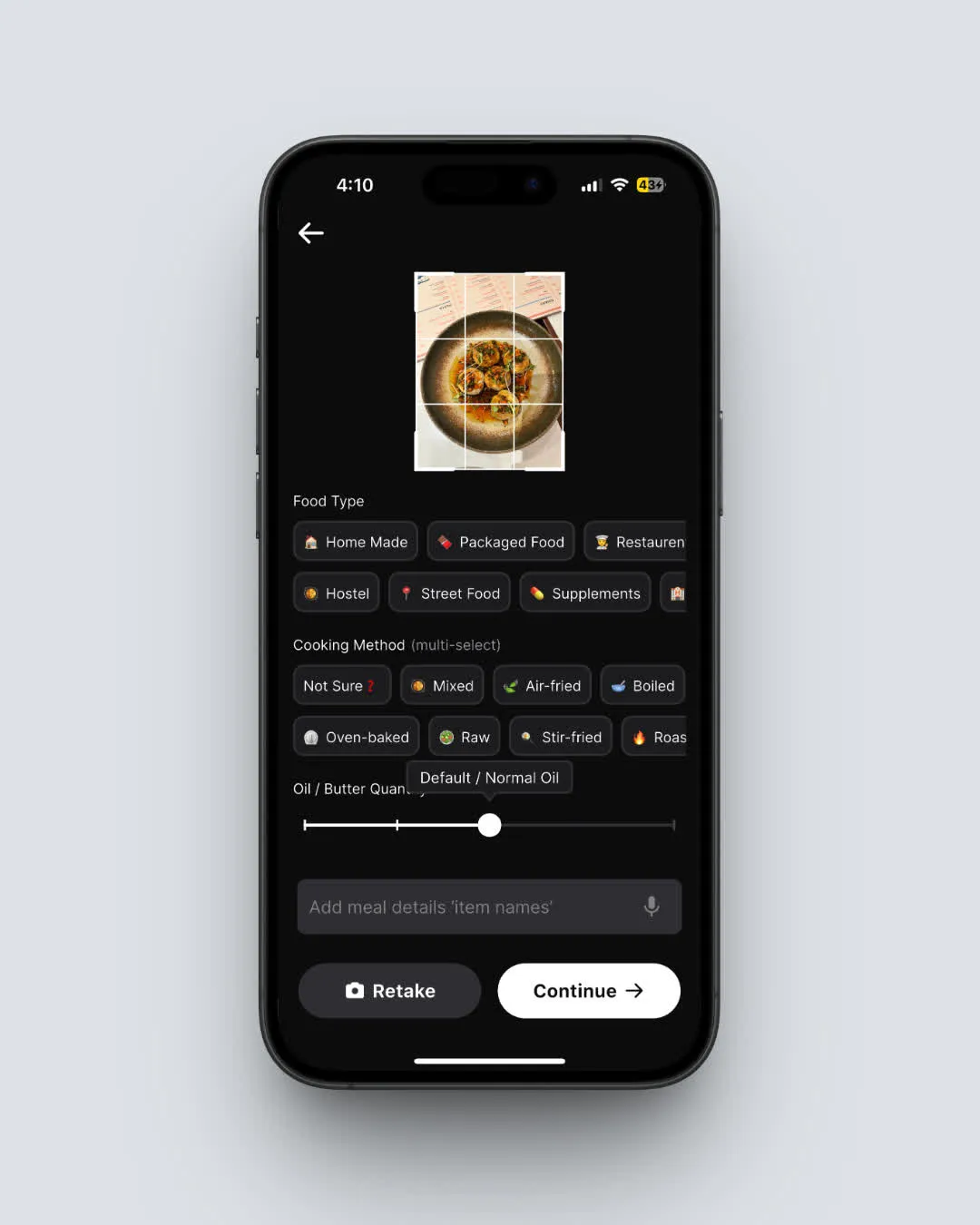 NutriScan's meal scanning: snap a photo to instantly track your PCOS-friendly meals (Home > Camera Icon > Crop Picture)
Step-by-Step Guide: Your First PCOS Pantry Makeover
Ready to transform your kitchen? Follow these steps for a smooth transition.
Step 1: Schedule Your Pantry Clean-Out Day
Pick a day when you have 2-3 hours. Put on some music, grab a trash bag and a donation box. Go through every shelf, drawer, and cabinet.
Step 2: Sort Everything Into Three Piles
- Keep: Whole foods, PCOS-friendly items
- Donate: Unopened items that don't fit your new eating plan
- Toss: Expired items or opened products you won't use
Step 3: Create Your PCOS-Friendly Shopping List
Using the checklist above, write down what you need to replace. Focus on stocking these categories:
- Proteins (fish, poultry, legumes)
- Non-starchy vegetables
- Low-GI fruits
- Whole grains
- Healthy fats
- Herbs and spices
Step 4: Go Shopping With Purpose
Eat before you shop (hungry shopping leads to impulse buys). Stick to your list. Read labels on anything packaged.
Step 5: Organize Your New Pantry Strategically
Put PCOS-friendly snacks at eye level. Store treats (if you keep any) in harder-to-reach places. Group similar items together so meal prep is easy.
Step 6: Plan Your First Week of Meals
Using your new ingredients, plan out 5-7 days of meals. Nothing fancy - even just knowing "Monday is salmon with vegetables" removes daily decision fatigue. Need help creating a structured plan? Check out our diet planning guide for personalized meal planning tips.
Step 7: Set Up a Simple Tracking System
Whether it's a food journal, an app like NutriScan, or notes on your phone, track what you eat and how you feel. After a month, you'll have useful insights about which foods work best for your body.
 Shopping with intention - filling your cart with hormone-balancing foods
Real Stories: Pantry Swaps That Made a Difference
Maria's Morning Revolution
Maria, 28, from Toronto, used to start every day with a bagel and cream cheese. She was constantly battling energy crashes by 10 AM. After swapping to overnight oats with chia seeds and berries, she noticed sustained energy through her mornings. "I didn't believe such a small change could matter," she shared. "But my mid-morning slump completely disappeared within two weeks."
Priya's Evening Transformation
Priya, 35, from Singapore, struggled with evening cravings. Her go-to was always crackers and cheese. She switched to vegetable sticks with hummus and added a handful of walnuts. "The protein and fiber combination actually satisfies me," she shared. "I used to eat crackers mindlessly. Now I feel genuinely full."
Elena's Complete Kitchen Makeover
Elena, 31, from Dubai, decided to go all-in with her pantry transformation. She spent one weekend clearing out refined foods and restocking with PCOS-friendly options. "The first week was adjustment," she admitted. "But by week three, I was sleeping better, my skin was clearer, and I had more energy for my evening workouts."
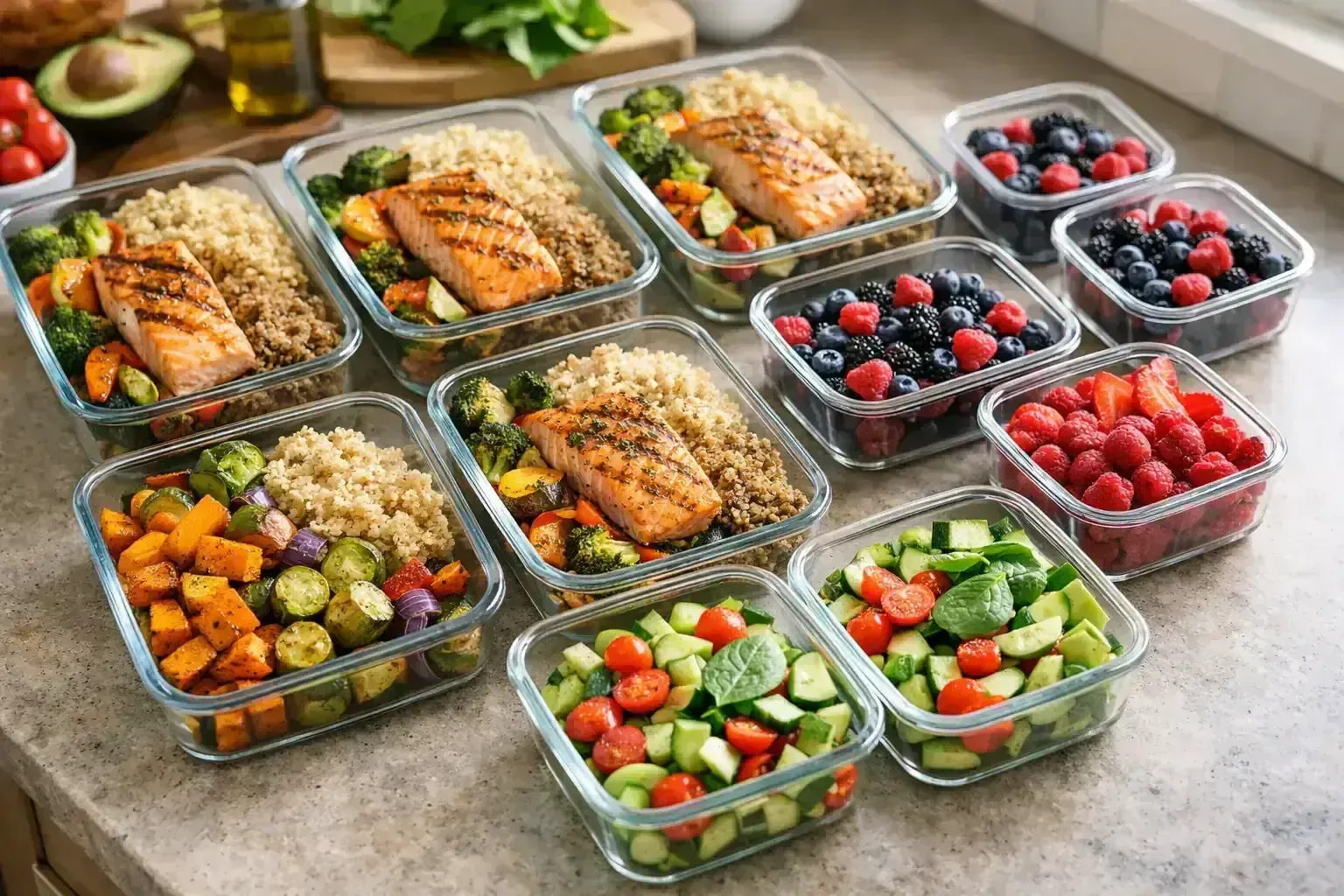 Weekly meal prep makes PCOS-friendly eating effortless
Checkpoint: Final Stretch Before the Reveal
One last nudge - the meal structure secret is next.
⏱️ Progress 3/4 • ~6 minutes in • Keep going
✅ Step 1: Understand why your pantry impacts PCOS
✅ Step 2: Stock PCOS-friendly grocery essentials
✅ Step 3: Master the pantry swap tables
✅ Step 4: Follow the 7-step transformation guide
✨ The meal structure secret (about to reveal)
The Science Behind the Swaps
Let me share why these swaps work at a deeper level.
Fiber and Insulin Sensitivity
When you eat fiber-rich foods, they slow down digestion. This means glucose enters your bloodstream gradually rather than all at once. A 2025 systematic review found that high-fiber diets improve insulin sensitivity in women with PCOS, directly addressing one of the condition's root causes.
Omega-3s and Inflammation
Chronic inflammation is common in PCOS and worsens symptoms. Omega-3 fatty acids found in fatty fish, walnuts, and flaxseeds have powerful anti-inflammatory effects. Research confirms that these foods help reduce inflammation markers in women with PCOS.
Protein and Blood Sugar Balance
Protein takes longer to digest than carbohydrates, keeping you fuller longer and preventing blood sugar spikes. Studies show that higher protein intake helps improve insulin resistance when combined with reduced refined carbohydrates.
Antioxidants and Hormone Health
Colorful fruits and vegetables contain antioxidants that help combat oxidative stress - another factor in PCOS development. Berries, leafy greens, and brightly colored vegetables are particularly rich in these protective compounds.
The Meal Structure Secret That Makes Every Swap 2x More Effective
You've been patient. Here's the secret I promised at the beginning.
The magic formula: Fiber + Protein + Fat at every meal.
This isn't just another diet tip. When you combine all three macronutrients together, something powerful happens in your body:
- Fiber slows digestion and creates a physical barrier in your gut
- Protein triggers satiety hormones and requires more energy to digest
- Fat further delays stomach emptying and helps absorb fat-soluble vitamins
The result? Your blood sugar rises 40-60% slower compared to eating carbs alone. For women with PCOS and insulin resistance, this triple combination transforms an ordinary meal into a hormone-supporting powerhouse.
Here's what this looks like in practice:
| Meal | Without the Formula | With the Formula |
|---|---|---|
| Breakfast | Oatmeal alone | Oatmeal + Greek yogurt (protein) + walnuts (fat) |
| Lunch | Rice and vegetables | Quinoa (fiber) + grilled chicken (protein) + olive oil dressing (fat) |
| Snack | Apple | Apple + almond butter (protein + fat) |
| Dinner | Pasta with sauce | Whole wheat pasta (fiber) + salmon (protein + fat) + vegetables |
Every swap in this guide becomes twice as effective when you structure your meals this way. You're not just swapping white rice for brown rice - you're pairing that brown rice with protein and healthy fat to maximize its blood-sugar-stabilizing benefits.
This is why two women can make the same food swaps but get different results. The one who structures her meals with fiber + protein + fat sees faster improvements in energy, cravings, and eventually, her cycle.
Your Action Step
Before your next meal, ask yourself: "Where's my fiber? Where's my protein? Where's my healthy fat?" If any element is missing, add it. A handful of nuts, a drizzle of olive oil, or a side of vegetables can complete the formula.
Common Mistakes to Avoid
Mistake 1: Going Too Extreme Too Fast
Dramatically cutting entire food groups overnight rarely works long-term. Instead, make gradual swaps that you can maintain.
Mistake 2: Believing All "Health Foods" Are PCOS-Friendly
Many products marketed as healthy are actually loaded with sugar or refined ingredients. Granola, flavored yogurt, and smoothie bowls can be sugar bombs in disguise. Always read labels.
Mistake 3: Ignoring Portion Sizes
Even healthy foods can affect blood sugar if eaten in large amounts. A small handful of nuts is nutritious; eating half the jar in one sitting is not.
Mistake 4: Forgetting About Beverages
Liquid calories from sodas, juices, and fancy coffee drinks add up fast and spike blood sugar quickly. Many women focus on food swaps but forget their drinks.
Mistake 5: Not Planning Ahead
Without a plan, you'll reach for whatever is convenient - which usually isn't the PCOS-friendly option. Meal prep and planning are essential.
Conclusion: Your Kitchen, Your Medicine Cabinet
Recap: Everything You Completed This Round
You finished the run - save this for next time.
⏱️ Progress 4/4 • ~8 minutes in • Nicely done
✅ Step 1: Understand why your pantry impacts PCOS
✅ Step 2: Stock PCOS-friendly grocery essentials
✅ Step 3: Master the pantry swap tables
✅ Step 4: Follow the 7-step transformation guide
✅ The meal structure secret: Fiber + Protein + Fat at every meal (revealed)
Managing PCOS through diet doesn't require perfection. It requires consistency and smart choices. Your pantry is the foundation of those choices. When your kitchen is stocked with hormone-supporting foods, eating well becomes the default, not the exception.
Start small. Maybe this week you just swap your breakfast cereal for oats. Next week, trade white rice for quinoa. The week after, stock up on more vegetables. Every small change adds up to significant improvements over time.
Remember, you're not just changing what you eat - you're changing how your body functions. You're supporting your hormones, reducing inflammation, and improving insulin sensitivity with every meal.
 You've got this! One swap at a time.
Your PCOS journey is unique, and what works for someone else might need adjustment for you. That's why tracking your meals and how they make you feel is so powerful. Tools like NutriScan can help you understand exactly what's in your food and identify patterns in your nutrition that affect your symptoms.
You've got this. One swap at a time.
Frequently Asked Questions
Q1: How quickly will I see results after changing my diet for PCOS?
Results vary from person to person, but many women notice improvements in energy levels and digestion within 2-3 weeks. Hormonal changes like more regular periods may take 2-3 months of consistent dietary changes. Skin improvements often appear around the 4-6 week mark. The key is consistency - sticking with your swaps long enough for your body to respond.
Q2: Do I need to completely eliminate dairy and gluten if I have PCOS?
Not necessarily. While some women with PCOS find relief by reducing dairy or gluten, it's not required for everyone. The best approach is to pay attention to how your body responds. Try reducing one at a time for 3-4 weeks and notice any changes. If you feel better without dairy or gluten, consider limiting them. If you don't notice a difference, there's no need to eliminate them entirely. Focus first on reducing refined sugars and processed foods - these have the most impact for most women with PCOS.
Q3: Are there any fruits I should completely avoid with PCOS?
You don't need to completely avoid any fruits. However, some fruits have a higher glycemic impact than others. Watermelon, pineapple, and overripe bananas can cause faster blood sugar spikes. The trick is pairing fruit with protein or fat - apple slices with almond butter, berries with Greek yogurt, or pear slices with cheese. This combination slows down sugar absorption. Also, choose whole fruits over fruit juices, as the fiber in whole fruit helps regulate blood sugar response.
Q4: How can I manage PCOS-friendly eating on a tight budget?
Eating for PCOS doesn't have to break the bank. Buy frozen vegetables and berries - they're just as nutritious as fresh and last longer. Purchase whole grains like oats, brown rice, and dried beans in bulk. Canned fish like sardines and mackerel are affordable omega-3 sources. Eggs are one of the most budget-friendly protein sources. Focus on seasonal produce which is typically cheaper. Cook at home more often - even simple meals save money compared to eating out. Planning your meals for the week also reduces food waste and impulse purchases.
Q5: Can I still eat out at restaurants while following a PCOS-friendly diet?
Yes, you can! Eating out requires some strategy but is completely doable. Look for grilled proteins instead of fried options. Ask for vegetables as your side instead of fries or rice. Request dressings and sauces on the side so you control the amount. Choose restaurants with customizable options. Don't be afraid to ask how dishes are prepared. Many cuisines offer naturally PCOS-friendly options - Mediterranean restaurants with grilled fish and vegetables, Asian restaurants with stir-fried proteins and vegetables, or Mexican places where you can build a salad bowl. Using NutriScan, you can even scan your restaurant meal to understand its nutritional content and make informed choices about portion sizes.
Disclaimer: This article is for informational purposes only and is not a substitute for professional medical advice. Always consult with your healthcare provider before making significant dietary changes, especially if you have PCOS or other health conditions.