PCOS Weight Loss Plateau: 7 Proven Ways to Break Through
 ChatGPT
  Claude
  AI Mode
  Perplexity
A PCOS weight loss plateau is a stall of four weeks or more with no change on the scale or the tape measure. Insulin resistance, which Johns Hopkins Medicine puts at 50% to 75% of people with PCOS, is usually what holds it in place. If the stall has run past 8 to 12 weeks, change the plan instead of cutting calories further.
TL;DR - PCOS Weight Loss Plateau Breakthrough Guide
Who it's for: Women with PCOS stuck at a weight loss plateau despite diet and exercise efforts
Main outcomes: Break through stubborn plateaus, improve insulin sensitivity, achieve sustainable weight loss
Key strategies: Anti-inflammatory foods + Protein prioritization + Resistance training + Meal timing + Sleep optimization + Stress management + Smart tracking
Timeframe: Most women see movement within 2-4 weeks of implementing these changes consistently
Important note: PCOS requires a different approach than standard weight loss - work with your body, not against it
Seven things break most PCOS plateaus: anti-inflammatory food, 25 to 30 grams of protein at every meal, resistance training three times a week, tighter meal timing, seven to nine hours of sleep, real stress management, and honest tracking of what you actually eat. Most women see the scale move again within two to four weeks of doing them together. Eating less is not on the list, and that matters, because it is the first thing most of us try.
I know the standstill. I stood on my bathroom scale week after week, eating right, training regularly, doing everything the internet told me to do for my PCOS, and the number did not move. A 2024 study in Acta Obstetricia et Gynecologica Scandinavica found that women with PCOS and severe obesity show different eating behaviors compared to those without PCOS, which is part of why the standard advice lands so badly here.
 That moment when you step on the scale and see the same number... again
Why PCOS Makes Weight Loss So Difficult
Before we talk solutions, let's understand the enemy. PCOS isn't just about irregular periods or ovarian cysts - it's a metabolic condition that affects how your body processes food and stores fat.
According to Johns Hopkins Medicine, insulin resistance affects 50% to 75% of people with PCOS. Think of insulin as a key that opens your cells to let energy (glucose) in. When you have insulin resistance, that key doesn't work properly. Your body keeps producing more insulin, trying harder to get those cells open. But all that extra insulin signals your body to store fat, especially around your belly.
This creates what researchers call a "snowball effect" - excess androgens (male hormones) encourage insulin resistance, which leads to more insulin, which stimulates even more androgen production. It's a cycle that makes losing weight feel almost impossible.
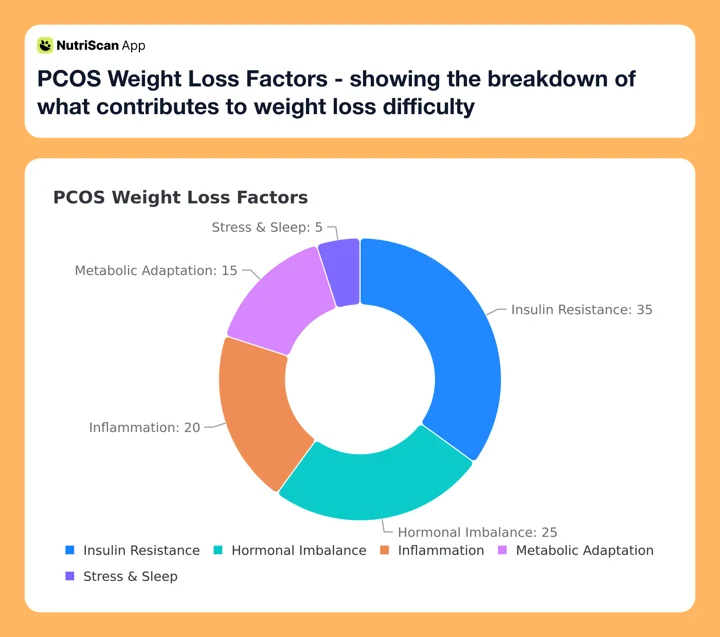 Figure 1: The key factors that make PCOS weight loss uniquely challenging - insulin resistance leads the way at 35%
Real Stories: When the Scale Refuses to Move
Sarah's Story: Sarah, a 32-year-old marketing professional from London, had been on her weight loss journey for 8 months. She lost 12 kg in the first 5 months but then hit a wall. "I was eating 1,400 calories a day and going to the gym four times a week," she shared. "But for three months straight, the scale didn't budge even a gram. I started doubting everything."
Priya's Experience: Priya, a 28-year-old software developer from Singapore, faced a similar challenge. After losing her initial weight through a low-carb diet, she plateaued for over 10 weeks. "What frustrated me most was that my non-PCOS friends could break their plateaus easily. For me, it felt like my body was fighting against me."
Emma's Journey: Emma, a 35-year-old teacher from Sydney, experienced multiple plateaus during her weight loss journey. "Each time I hit a plateau, I thought I had to eat less and exercise more. But that only made things worse. My energy crashed, my hair started falling out more, and I felt miserable."
These stories highlight something important: traditional weight loss advice often doesn't work for women with PCOS. We need a different approach. Three longer versions of these journeys, including lean PCOS, are written up in PCOS Weight Loss: 3 Real Stories.
Important Reality Check
If you've been stuck at a plateau for more than 8-12 weeks despite consistent effort, it's time to reassess your strategy - not work harder at a failing approach. PCOS requires smarter solutions, not just more willpower.
The Science Behind PCOS Weight Loss Plateaus
Let's get a bit nerdy here because understanding the science helps us find better solutions.
Metabolic Adaptation
When you lose weight, your resting metabolic rate (how many calories you burn at rest) decreases. A study from the National Institutes of Health explains that this is your body's survival mechanism - it thinks you're starving and tries to conserve energy. For women with PCOS, this adaptation can be more dramatic due to hormonal imbalances.
Hormonal Chaos
Ghrelin (the hunger hormone) increases during weight loss, making you feel hungrier. Meanwhile, leptin (the fullness hormone) decreases, making it harder to feel satisfied. Add PCOS-related androgen excess to this mix, and you've got a recipe for plateau city.
Inflammation Factor
A 2024 study from Scientific Reports found that PCOS is characterized by chronic, low-grade inflammation. This inflammation can interfere with weight loss by affecting how your body responds to diet and exercise.
The University of Oxford's research from November 2024 confirmed that weight loss interventions do improve PCOS symptoms, but the approach matters more than we thought.
How to Break a PCOS Weight Loss Plateau: 7 Fixes That Work
After years of trial and error, research, and conversations with health professionals, here are the strategies that actually work:
1. Focus on Anti-Inflammatory Foods
Inflammation is your hidden enemy. Loading up on anti-inflammatory foods can help reduce that chronic inflammation associated with PCOS.
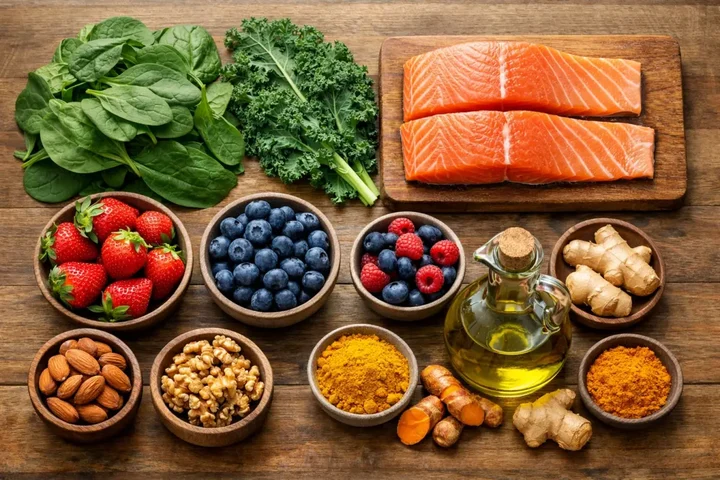 Your anti-inflammatory arsenal: leafy greens, fatty fish, berries, nuts, olive oil, and warming spices
Foods to embrace:
- Leafy greens (spinach, kale, chard)
- Fatty fish (salmon, mackerel, sardines)
- Berries (blueberries, strawberries, cherries)
- Nuts (almonds, walnuts)
- Olive oil
- Turmeric and ginger
Foods to limit:
- Fried foods
- Processed snacks
- Sugary drinks
- Refined carbohydrates
- Excessive red meat
A 12-week study showed that participants following an anti-inflammatory eating plan lost an average of 7% of their body weight and saw improvements in inflammatory markers, blood pressure, and blood sugar regulation.
If you want the shopping done for you, the 7-day anti-inflammatory PCOS meal plan has both veg and non-veg versions, and the PCOS foods to avoid list covers the limit column above in more detail, including which sweeteners and which dark chocolate can stay.
Pro Tip
Start your day with an anti-inflammatory breakfast: Greek yogurt with berries and walnuts, or eggs with spinach and avocado. This sets your blood sugar on a stable path for the rest of the day.
2. Prioritize Protein at Every Meal
Protein is your secret weapon. It keeps you fuller for longer, helps maintain muscle mass (which boosts metabolism), and has a lower impact on blood sugar compared to carbs.
Aim for: 25-30 grams of protein at each meal. Not sure how much protein you need? Use our PCOS Macro Calculator to get personalized recommendations.
Good sources:
- Eggs
- Chicken and turkey
- Fish and seafood
- Legumes (lentils, chickpeas, beans)
- Greek yogurt
- Tofu and tempeh
3. Embrace Resistance Training
Muscle burns more calories than fat, even at rest, and most women skip this part entirely. Building muscle through resistance training can help rev up that sluggish metabolism.
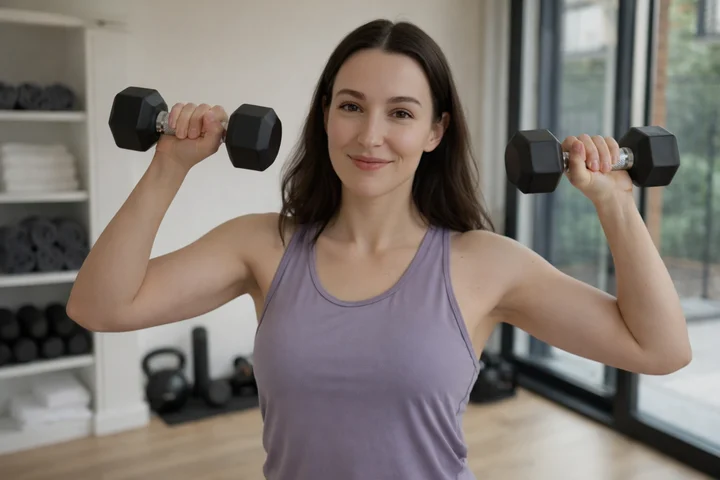 Resistance training is your metabolism's best friend - start with bodyweight exercises and progress from there
Research from the American Heart Association recommends at least 200 minutes per week of moderate-intensity physical activity for sustained weight loss, including both resistance and aerobic training.
Simple ways to start:
- Bodyweight exercises (squats, lunges, push-ups)
- Resistance bands workouts
- Light dumbbell exercises
- Yoga (it counts!)
Don't worry about getting bulky - women with PCOS actually have more difficulty building muscle due to hormonal factors. So lift those weights without fear!
4. Mind Your Meal Timing
When you eat can be just as important as what you eat. Research shows that eating an earlier dinner (around 6 PM instead of 9 PM) improved blood glucose levels and insulin sensitivity.
A protein-first breakfast is the single easiest timing change to make, and the PCOS breakfast frameworks for insulin resistance give you four templates to rotate through.
Tips for better meal timing:
- Eat breakfast within 1-2 hours of waking
- Have your largest meal earlier in the day
- Try to finish dinner at least 3 hours before bed
- Avoid late-night snacking
Some women with PCOS find success with time-restricted eating, but this isn't for everyone. Johns Hopkins Medicine notes that intermittent fasting may not be ideal for all PCOS patients, as some might consume too many calories during eating windows.
5. Get Serious About Sleep
Poor sleep is a plateau's best friend. When you don't sleep enough, your hunger hormones go haywire - ghrelin increases (making you hungrier) while leptin decreases (making it harder to feel full).
Sleep hygiene tips:
- Aim for 7-9 hours per night
- Keep a consistent sleep schedule
- Avoid screens for 1 hour before bed
- Keep your bedroom cool and dark
- Limit caffeine after 2 PM
Research links poor sleep directly to weight loss plateaus and increased cravings for high-carb, sugary foods - exactly what we're trying to avoid with PCOS.
6. Manage Stress Like Your Health Depends on It (Because It Does)
Chronic stress raises cortisol levels, which can:
- Increase insulin resistance
- Promote fat storage, especially around the belly
- Trigger emotional eating
- Disrupt sleep
Stress-busting strategies:
- Daily meditation (even 5 minutes helps)
- Deep breathing exercises
- Regular walks in nature
- Journaling
- Yoga or stretching
- Limiting social media consumption
A study found that stress management is as important as diet and exercise in managing PCOS symptoms.
7. Track, Analyze, and Adjust
This is where technology becomes your ally. You can't improve what you don't measure. Tracking your meals helps you:
- Identify hidden calories and carbs
- Spot eating patterns you weren't aware of
- Understand how different foods affect your body
- Stay accountable to your goals
Apps like NutriScan make this process simple. Just snap a picture of your meal, and you get instant nutrition analysis - calories, proteins, fats, carbs, and all the micronutrients. No more tedious manual logging!
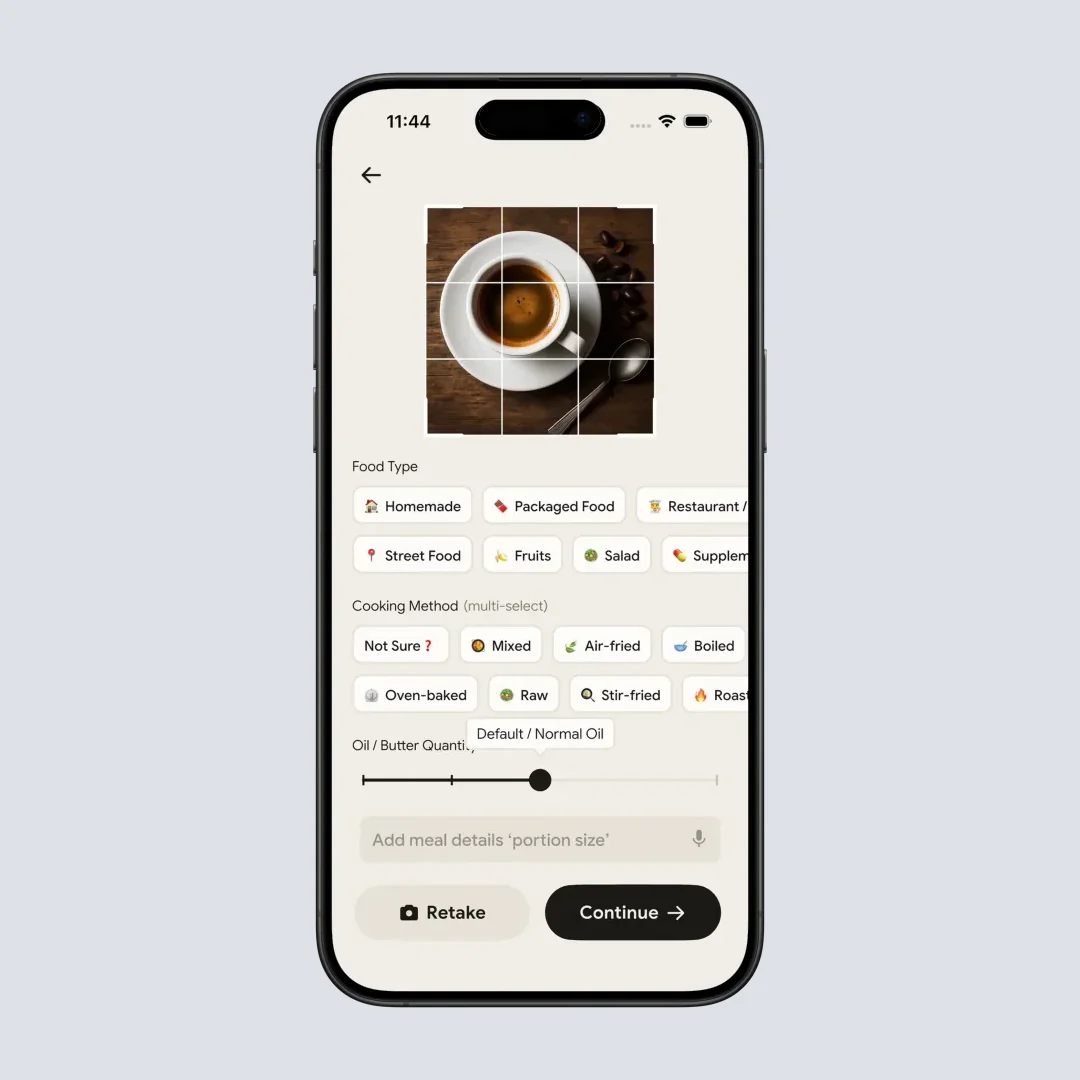
NutriScan makes meal tracking effortless - just snap a photo and get instant nutrition breakdown
What I love about NutriScan is its ability to analyze your eating patterns over time. Feeling bloated? Low energy? The app checks your past meals, finds what was different, and gives smart insights through the NutriBites feature. It's like having a health detective in your pocket.
For women with PCOS, NutriScan's personalized diet planning feature considers your specific health goals and conditions. The diet plans are created based on your location, lifestyle, and preferences - not some generic one-size-fits-all approach.
Step-by-Step Guide: Breaking Your PCOS Plateau in 30 Days
Ready to take action? Here's your practical roadmap:
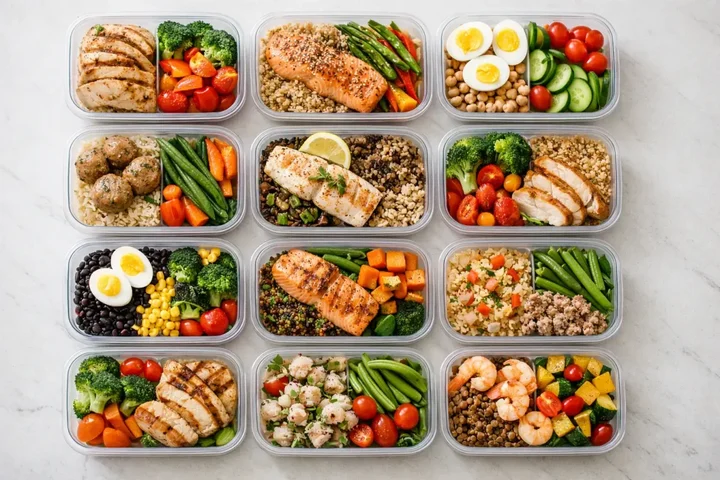 Meal prep is your secret weapon - prepare balanced portions in advance for consistent success
Week 1: Assessment and Foundation
Days 1-3: Know Your Numbers
- Weigh yourself first thing in the morning
- Take body measurements (waist, hips, chest, arms, thighs)
- Take progress photos
- Start tracking every meal using NutriScan
- Note your energy levels throughout the day
Days 4-7: Clean Up Your Kitchen
- Remove processed foods and sugary snacks
- Stock up on anti-inflammatory foods
- Prepare a weekly meal prep plan
- Set up your eating schedule (when you'll eat breakfast, lunch, dinner)
- Buy some basic resistance training equipment
Week 2: Implementation
Days 8-10: Master Protein
- Ensure every meal includes quality protein
- Experiment with protein-rich breakfast options
- Track your protein intake using the Online Macro Calculator - aim for 25-30g per meal
- Reduce refined carbs by 20%
Days 11-14: Move Your Body
- Start with 20-minute resistance training sessions, 3 times this week
- Add a 15-minute walk after lunch or dinner
- Try a yoga session for stress management
- Increase daily steps to 7,000-8,000
Week 3: Fine-Tuning
Days 15-17: Optimize Sleep and Stress
- Establish a consistent bedtime routine
- Practice 5-minute morning meditation
- Limit screen time before bed
- Track your sleep duration and quality
Days 18-21: Analyze and Adjust
- Review your food tracking data in NutriScan
- Look for patterns - are there certain foods making you bloated or tired?
- Adjust portion sizes if needed
- Check if you're eating enough (too few calories can stall progress too!)
Week 4: Consistency and Progress Check
Days 22-25: Stay the Course
- Maintain your new eating patterns
- Increase resistance training to 4 sessions per week
- Try one new anti-inflammatory recipe
- Practice saying no to foods that don't serve your goals
Days 26-28: Measure Progress
- Weigh yourself under the same conditions as Day 1
- Retake body measurements
- Take new progress photos
- Compare your energy levels, sleep quality, and mood to Week 1
Days 29-30: Plan Forward
- Celebrate your wins (even small ones!)
- Identify what worked best for you
- Set goals for the next 30 days
- Consider consulting a healthcare professional if plateau persists
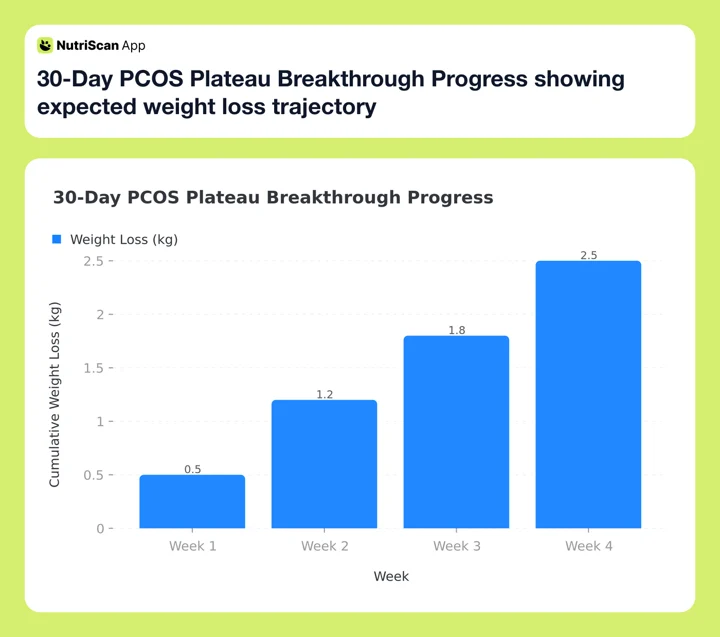 Figure 2: Expected progress over 30 days - slow and steady wins the PCOS race
 That feeling when you finally see the scale move in the right direction!
The Role of Technology in Your PCOS Journey
Managing PCOS doesn't have to mean endless calorie counting and guesswork. Smart apps like NutriScan for PCOS can make your journey much smoother.
NutriScan uses AI to analyze your meals from a simple photo. It recognizes home-cooked meals, packaged foods, restaurant dishes, and even regional specialties. For women with PCOS, this means:
- Quick meal logging: No more spending 15 minutes typing in every ingredient
- Accurate nutrition data: Know exactly what you're eating, including micronutrients
- Pattern recognition: The NutriBites feature lets you ask questions about your eating habits and get AI-powered insights
- Personalized diet plans: A 28-day plan built around your PCOS goals, on Premium. See the Diet Plan Guide
- Progress tracking: Visual insights through calendar views and NutriScore
The app also asks for cooking method and oil level, which changes the numbers a lot. The same paneer comes back very differently steamed than deep-fried, and for insulin resistance that gap matters.
The free plan gives you 5 scans a week, which is enough to test the scanner on the meals a food database usually gets wrong, your curries, your restaurant plates, your mixed bowls, before you decide whether Premium is worth paying for.
Supplements That May Help (Consult Your Doctor First!)
While diet and lifestyle should be your foundation, some supplements have shown promise for PCOS. Two weeks of photo logging in NutriScan shows where your calories come from before you spend on a pill, which makes the conversation with your doctor a lot shorter:
Inositol: Research suggests it may improve insulin resistance and support fertility in PCOS cases.
Omega-3 Fatty Acids: Help reduce inflammation and may improve androgen levels.
Vitamin D: Many women with PCOS are deficient, and supplementation may help with insulin sensitivity.
Chromium: May assist in blood sugar regulation.
Probiotics: Can support gut health and may play a role in PCOS management.
Important Warning
Always consult your healthcare provider before starting any supplement. What works for one person may not work for another, and some supplements can interact with medications.
When to Seek Professional Help
Sometimes, despite your best efforts, you need extra support. Consider consulting a healthcare professional if:
- Your plateau lasts more than 8-12 weeks despite trying various strategies
- You experience extreme fatigue, hair loss, or mood changes
- Your periods become more irregular
- You're struggling with emotional eating or disordered eating patterns
- You want to explore medication options like metformin or newer GLP-1 medications
Recent research from 2024-2025 has shown promising results with newer weight loss medications for women with PCOS. A study featured in CNBC reported that GLP-1 drugs like tirzepatide and semaglutide are showing significant benefits for PCOS patients, including improved period regularity and reduced symptoms.
However, these medications aren't a magic solution and work best when combined with lifestyle changes.
Your Mindset Matters
I want to end with something that often gets overlooked: your mental health.
Living with PCOS and constantly battling your weight can take a toll on your emotional well-being. Research shows higher rates of anxiety and depression among women with PCOS. The frustration of hitting plateau after plateau can make these feelings even worse.
Remember these truths:
Your worth isn't determined by a number on the scale. You are so much more than your weight.
Progress isn't always visible. Sometimes your body is making changes internally (improving insulin sensitivity, reducing inflammation) before the scale moves.
Small wins add up. Better energy? Clearer skin? More regular periods? These are victories worth celebrating!
Comparison is the thief of joy. Your journey is yours alone. Someone without PCOS will have a different experience - and that's okay.
Setbacks aren't failures. They're data points that help you learn what works for YOUR body.
Conclusion
Breaking through a PCOS weight loss plateau comes down to choosing strategies that match what your body is actually doing. Understanding the hormonal picture tells you which levers are worth pulling and which ones will backfire.
Let's recap the key takeaways:
- PCOS creates a complex hormonal environment that makes traditional weight loss advice less effective
- Insulin resistance and inflammation are your main battles - address them through food choices
- Anti-inflammatory foods, adequate protein, and resistance training are your power tools
- Sleep, stress management, and meal timing play bigger roles than most people realize
- Tracking your meals helps you identify patterns and make informed adjustments
- Technology like NutriScan can make the tracking process simple and revealing - explore our Meal Scan feature and Smart Insights
- Progress takes time - be patient and kind to yourself
A plateau is a pit stop. With the right strategies and tools, you can break through and keep going.
Now, go give yourself a hug. You've got this!
Frequently Asked Questions (FAQs)
1. How long do weight loss plateaus typically last for women with PCOS?
Weight loss plateaus can last anywhere from a few weeks to several months. For women with PCOS, plateaus may last longer due to hormonal imbalances and insulin resistance. Most health experts suggest reassessing your approach if a plateau lasts more than 8-12 weeks. During this time, focus on non-scale victories like improved energy, better sleep, and more regular periods. Remember, your body might be making internal improvements even when the scale isn't moving. Patience is key, but persistent plateaus lasting longer than 3 months should be discussed with a healthcare provider.
2. Can eating too few calories actually cause a weight loss plateau with PCOS?
Yes, definitely! This is a common mistake. When you drastically cut calories, your body goes into conservation mode, slowing down your metabolism to preserve energy. For women with PCOS, this metabolic adaptation can be even more dramatic. Eating too little can also increase cortisol (stress hormone), which worsens insulin resistance and promotes fat storage around the belly. Instead of extreme restriction, focus on eating enough nutritious food - particularly protein and anti-inflammatory options - to support your metabolism. Most women should not go below 1,200 calories without medical supervision.
3. Why do I gain weight so easily but struggle to lose it with PCOS?
PCOS creates a perfect storm for weight gain and retention. First, insulin resistance means your cells don't use glucose efficiently, so excess glucose gets stored as fat. Second, high insulin levels signal your body to store more fat, especially around the abdomen. Third, elevated androgens (male hormones) change where fat is stored and can increase appetite. Fourth, many women with PCOS have lower levels of cholecystokinin (a satiety hormone), making it harder to feel full. Finally, PCOS-related inflammation can interfere with leptin signaling, meaning your brain doesn't get the message that you've eaten enough.
4. Are there specific exercises that are better for PCOS weight loss?
Research suggests a combination of resistance training and aerobic exercise works best for PCOS. Resistance training (weight lifting, bodyweight exercises, resistance bands) is particularly beneficial because it builds muscle, which increases your resting metabolic rate and improves insulin sensitivity. High-Intensity Interval Training (HIIT) has shown promising results for PCOS, helping to reduce abdominal fat and improve metabolic markers. However, don't overdo intense exercise as it can raise cortisol levels. A balanced approach might include 3 resistance training sessions, 2 moderate cardio sessions, and daily walking (aiming for 7,000-10,000 steps).
5. How can tracking my meals with NutriScan help me break through a PCOS plateau?
Tracking reveals patterns you might not notice otherwise. With NutriScan, you simply take a photo of your meal and get instant nutrition breakdown - no tedious manual entry. This helps you see exactly how much protein, carbs, fat, and micronutrients you're consuming. The app's NutriBites feature allows you to ask questions about your eating patterns, like "Why do I feel bloated after lunch?" and get AI-powered insights based on your logged meals. For PCOS specifically, you can identify if you're eating too many refined carbs, not enough protein, or consuming inflammation-triggering foods without realizing it.
Disclaimer: This article is for informational purposes only and should not replace professional medical advice. Always consult with healthcare providers before making significant changes to your diet or exercise routine, especially if you have PCOS or other health conditions.