High Protein Snacks: 15 Best Picks and How Much You Need
 ChatGPT
  Claude
  AI Mode
  Perplexity
Most adults need 1.2 to 1.6 grams of protein per kilogram of body weight a day, which works out to 84 to 112 grams for a 70 kg person, and 10 to 20 grams of that belongs in each snack. The best high protein snacks for hitting that number are soya chunks (52g per 100g), moong sprouts (24g per 100g), besan pancakes (22g per 100g), paneer (18g per 100g), roasted chana (15g per 100g), Greek yogurt (14 to 20g per cup), and two boiled eggs (12g). They are grouped below by how long each one takes to make, with a cost per gram of protein table further down.
TL;DR - High Protein Snacks Guide
Who it's for: Anyone looking to lose weight, build muscle, or simply eat smarter with protein-rich snacking
Main outcomes: Stable energy levels, reduced cravings, improved workout performance, better body composition
Key steps: Calculate protein needs -> Audit current snacks -> Stock healthy options -> Start with one swap -> Track and adjust
Top picks: Roasted chana (15g/100g), Greek yogurt (17g/cup), paneer (18g/100g), soya chunks (52g/100g)
Budget tip: Soya chunks and moong sprouts offer the best protein value at under Rs 1 per gram
I learned all of this the slow way. A few years back I reached for biscuits, chips, or whatever was quick at 4 PM, and those snacks left me hungry again in 30 minutes while I ate more calories than I realized. Then I switched the same snack slots to protein.
The results surprised me. My energy stayed stable, I felt full for hours, and the 4 PM slump stopped showing up.
Below is what I have learned since: why protein snacks work, which 15 to choose, what each costs, and how to make them a habit that survives a busy week.
 That feeling when you finally beat the 4 PM energy crash
Why Protein Snacks Changed My Routine (And Two Everyday Examples)
My Personal Wake-Up Call
Two years ago I tracked a week of eating in NutriScan. Breakfast had decent protein and lunch was okay, but between meals I was putting away 500+ calories of refined carbs and sugar with almost no protein attached, which explained the constant tiredness.
When I replaced those snacks with protein-rich options, the pattern changed. Within three weeks the 4 PM cravings faded, I stopped grazing after dinner, and gym sessions felt stronger. Those are my own impressions, not measurements.
Example: The Post-Workout Gap
Take a common gym schedule. You train after work, then eat nothing for two hours because dinner is still a while away. The one change worth making here is a protein snack within 30 minutes of finishing, Greek yogurt with nuts is an easy version, so recovery is not waiting on dinner. This is an illustration of the pattern, not a case study.
Example: The Skipped-Lunch Trap
Or take a desk job that eats the lunch hour. You work through it, get home at 8 PM starving, and eat well past full. Keeping roasted chana in a desk drawer gives you something to reach for at 4 PM, so dinner starts from hungry instead of ravenous.
How Much Protein Do You Need a Day?
The Daily Number, and How to Split It
According to Harvard Health, the basic recommendation is 0.8 grams of protein per kilogram of body weight. That figure is the minimum to prevent deficiency, not the intake that gets you the best results.
Research from UCLA Health shows that most adults benefit from 1.2 to 1.6 grams per kilogram daily. For someone weighing 70 kg, that means 84 to 112 grams of protein per day.
The Mayo Clinic Health System suggests consuming 15 to 30 grams of protein at each meal for best results. For muscle specifically, a 2018 review in the Journal of the International Society of Sports Nutrition puts the per-meal target at 0.4 grams per kilogram of body weight, about 28 grams for a 70 kg person, spread across at least four meals a day.
Why Protein Keeps You Full
Protein takes longer to digest than carbs or fat. This slow digestion keeps you satisfied for hours. The Cleveland Clinic reports that a diet with good protein intake helps maintain muscle mass, which boosts your metabolism even when resting.
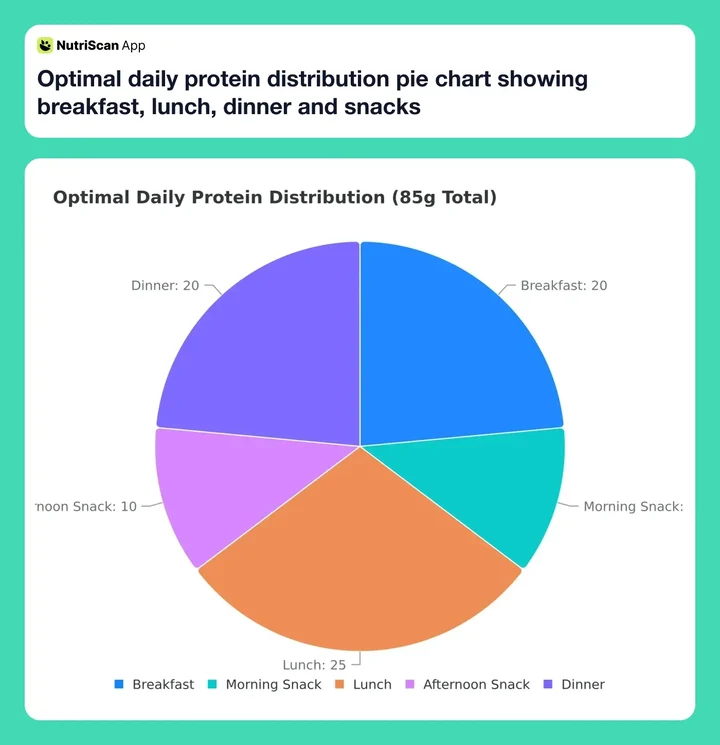 Figure 1: How to distribute your daily protein intake across meals and snacks for optimal results
The India Market Tells an Interesting Story
The demand for protein in India is growing fast. IMARC Group puts India's protein-based product market at INR 44,048.3 crore in 2025 and projects INR 1,60,767.3 crore by 2034, a growth rate of 14.70% a year.
That money is going into protein bars, roasted snacks, and other nutrient-dense options rather than traditional fried snacks.

The 15 Best Protein Snacks to Eat Today
Here are my favorite protein snacks, ranked by convenience and taste. I have tried each one myself and tracked the results using NutriScan.
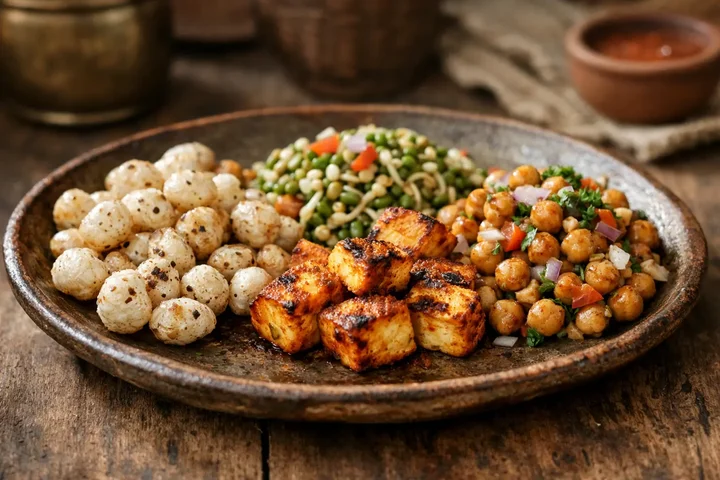 Traditional Indian protein snacks - delicious, affordable, and packed with nutrition
Quick Grab-and-Go Options (Under 2 Minutes)
1. Roasted Chana (Chickpeas)
- Protein: 15g per 100g
- Why it works: Crunchy, tasty, and affordable. Keep a jar at your desk.
- Best time: Mid-morning or 4 PM
2. Roasted Makhana (Fox Nuts)
- Protein: 9.7g per 100g
- Why it works: Light, crispy, and low in calories. Great for weight loss.
- Best time: Evening snack while watching TV
3. Boiled Eggs
- Protein: 6g per egg
- Why it works: Complete protein with all essential amino acids.
- Best time: Post-workout or breakfast add-on
4. Mixed Nuts (Almonds, Cashews, Pistachios)
- Protein: 18-21g per 100g
- Why it works: Healthy fats plus protein. Controls portions naturally.
- Best time: Mid-afternoon
5. Greek Yogurt
- Protein: 14-20g per cup
- Why it works: Creamy, satisfying, and gut-friendly probiotics included.
- Best time: Breakfast or bedtime
Medium-Prep Options (5-10 Minutes)
6. Paneer Tikka Bites
- Protein: 18g per 100g
- Why it works: Indian comfort food that is actually healthy.
- Best time: Evening snack or party food
7. Sprout Salad (Moong)
- Protein: 24g per 100g
- Why it works: Fiber plus protein equals hours of fullness.
- Best time: Lunch add-on or 4 PM snack
8. Sattu Drink
- Protein: 20g per 100g
- Why it works: Traditional Bihar superfood. Cooling in summer.
- Best time: Morning or post-workout
9. Hummus with Vegetable Sticks
- Protein: 8g per 100g
- Why it works: Tasty dip that makes eating vegetables fun.
- Best time: Party snack or evening munchies
10. Chana Chaat
- Protein: 8g per serving
- Why it works: Street food flavor with health benefits.
- Best time: 4 PM hunger attack
Home-Made Options (15-30 Minutes)
11. Moong Dal Chilla
- Protein: 12g per serving
- Why it works: Savory pancake that fills you up for hours.
- Best time: Breakfast or dinner
12. Egg Bhurji Roll
- Protein: 15g per roll
- Why it works: Portable, tasty, and full of protein.
- Best time: Breakfast on busy mornings
13. Soya Chunks Snack
- Protein: 52g per 100g
- Why it works: Highest protein plant food. Amazing for vegetarians.
- Best time: Post-workout recovery
14. Besan (Gram Flour) Pancakes
- Protein: 22g per 100g
- Why it works: Easy to make, keeps well, travels well.
- Best time: Packed lunch or travel snack
15. Masala Oats with Peanuts
- Protein: 14g per serving
- Why it works: Fiber plus protein. Keeps you full until next meal.
- Best time: Mid-morning or late evening
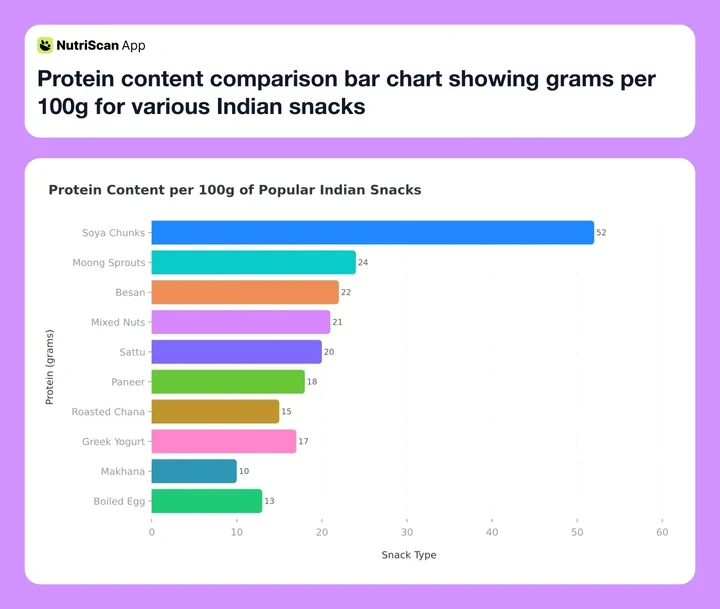 Figure 2: Compare protein content across popular Indian snacks - soya chunks lead with 52g per 100g
7 Tips for Making Protein Snacks Work for You
After two years of tracking my protein intake, here are the tricks that made the biggest difference:
Tip 1: Plan Your Snack Times
Do not wait until you are starving. Set specific snack times - 10 AM and 4 PM work well for most people. When you plan ahead, you make better choices.
Tip 2: Keep Protein Snacks Visible
I keep a jar of roasted chana right on my desk. Out of sight means out of mind. Make healthy choices the easy choice.
Tip 3: Prep on Weekends
Spend 30 minutes on Sunday making a batch of sprouts or boiling eggs for the week. This one habit saves hours of poor decisions.
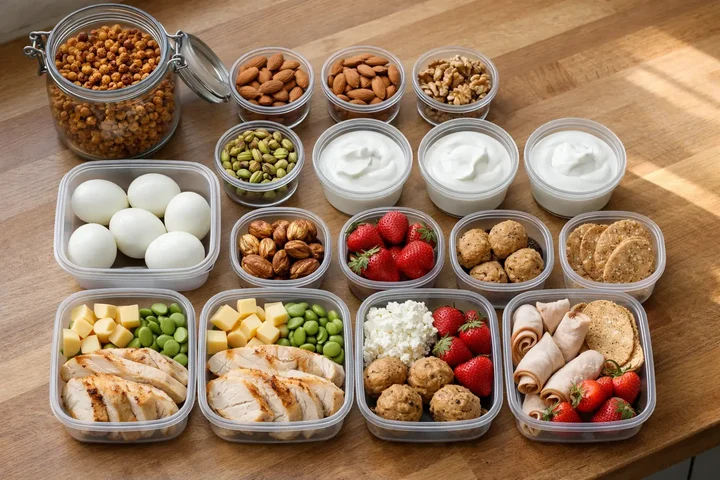 Weekend meal prep makes healthy snacking effortless throughout the week
Tip 4: Combine Protein with Fiber
Protein alone is good. Protein with fiber is great. Try almonds with apple slices, or hummus with carrot sticks. The combination keeps you full longer.
Tip 5: Track What You Eat
You cannot improve what you do not measure. Use an app like NutriScan to photograph your snacks and see the real nutrition breakdown with the NutriScore system. I was shocked to learn that some "protein bars" had more sugar than a chocolate bar!
Tip 6: Carry Emergency Snacks
Keep a small bag of nuts or protein bar in your bag always. When hunger hits and you have nothing healthy nearby, vending machines win.
Tip 7: Listen to Your Body
Some days you need more protein than others. After hard workouts, you might want an extra egg. On rest days, lighter snacks work fine. Your body knows - pay attention.
Pro Tip
The best snack is the one you will actually eat. Do not force yourself to eat foods you hate just because they are "healthy." Find protein sources you genuinely enjoy.
Step-by-Step Guide: Building Your Protein Snack Habit
Let me walk you through exactly how to start eating more protein snacks, even if you are busy and have no time to cook.
Step 1: Know Your Protein Target (Day 1)
Calculate how much protein you need daily. Take your weight in kilograms and multiply by 1.2. For a 70 kg person, that is 84 grams minimum. Use our free online macro calculator to get your exact protein, carb, and fat targets based on your goals. Divide this across meals and snacks.
A good split:
- Breakfast: 20g
- Morning snack: 10g
- Lunch: 25g
- Afternoon snack: 10g
- Dinner: 20g
Step 2: Audit Your Current Snacks (Day 2-3)
For two days, take photos of everything you eat using NutriScan or any food tracking app. Look at your current snack choices. How much protein are they giving you? Most packaged snack foods carry very little.
Step 3: Create Your Snack Shopping List (Day 4)
Based on what you learned, make a list of high-protein snacks you actually enjoy. Do not buy foods you hate - you will not eat them. Here is a starter list:
For Your Desk:
- Roasted chana (100g pack)
- Mixed nuts (small container)
- Protein bar (read the label - look for 10g+ protein)
For Your Fridge:
- Greek yogurt
- Boiled eggs (prep on Sunday)
- Paneer cubes
For Your Pantry:
- Sattu powder
- Besan for quick chilla
- Soya chunks
Step 4: Set Up Your Environment (Day 5)
Put healthy snacks where you can see them. Move junk food to hard-to-reach places or remove it from your home. Make protein snacks the default option.
Step 5: Start Small with One Swap (Week 1)
Do not change everything at once. Pick one snack time and make it protein-rich. For most people, the 4 PM snack is the best place to start - that is when cravings hit hardest.
Step 6: Add a Second Protein Snack (Week 2)
Once the first swap feels easy, add another. Maybe a morning snack of Greek yogurt or a post-workout egg. Build momentum slowly.
Step 7: Track and Adjust (Week 3-4)
Review your progress. Are you feeling fuller? Do you have more energy? If something is not working, try different snacks. Everyone has different tastes.
Step 8: Make It Automatic (Month 2+)
After about 30 days, protein snacking should feel normal. You will not have to think about it - your body will actually crave protein when hungry instead of sugar.
 The energy boost you will feel after switching to protein-rich snacks
Common Mistakes to Avoid (Learn from My Failures)
I made plenty of mistakes when starting out. Here is what to watch for:
Mistake 1: Choosing "Protein" Foods That Are Actually Sugar Bombs
Many protein bars contain 20+ grams of sugar. Some flavored yogurts have more sugar than ice cream. Always read labels. A good rule: sugar should be less than protein content.
Mistake 2: Eating Too Much at Once
The Journal of the International Society of Sports Nutrition review found that past about 20 grams in a single meal a larger share of the protein gets oxidized for energy, though not all of it is wasted. Its recommendation is 0.4 grams per kilogram per meal over four or more meals, so 60 grams in one sitting is a worse use of the same food than 20 grams three times.
Mistake 3: Forgetting Water
Protein digestion requires water. When you increase protein, increase water too. Aim for 8-10 glasses daily.
Mistake 4: Ignoring Variety
Eating the same snack every day gets boring and may miss some nutrients. Rotate between different protein sources - dairy, legumes, eggs, nuts.
Mistake 5: Not Adjusting for Activity Level
If you exercise more, you need more protein. Active people should aim for 1.4 to 2 grams per kilogram of body weight. Sedentary people need less.
Important
People with kidney problems should consult a doctor before significantly increasing protein intake. Too much protein can strain the kidneys in those with existing conditions.
Protein Snacks for Different Goals
For Weight Loss
Focus on high-protein, low-calorie options:
- Boiled eggs (70 calories, 6g protein)
- Roasted chana (120 calories per 30g, 5g protein)
- Greek yogurt plain (100 calories, 17g protein)
- Sprout salad (100 calories, 7g protein)
The key is feeling full without excess calories. Protein helps because it takes longer to digest. For a complete approach to weight management, check out our guide on tracking calories for better health.
For Muscle Gain
Add higher-calorie protein options:
- Peanut butter with banana (300 calories, 10g protein)
- Paneer with nuts (250 calories, 18g protein)
- Protein smoothie with oats (400 calories, 25g protein)
- Soya chunks masala (200 calories, 26g protein)
Time these snacks around your workouts for best muscle recovery. Our muscle recovery nutrition guide has more details, and NutriScan for muscle gain walks through the daily targets.
For Diabetes Management
Choose snacks with protein plus fiber, low glycemic index:
- Almonds (will not spike blood sugar)
- Chana chaat (fiber slows sugar absorption)
- Eggs (almost zero carbs)
- Tofu snacks (plant protein, low carb)
Use our Diabetes Macro Calculator to get personalized carb and protein targets. Always check with your doctor about specific dietary needs. See our complete diet plan for diabetic patients for more guidance.
For Busy Professionals
Focus on zero-prep options:
- Keep nuts at your desk
- Stock office fridge with Greek yogurt
- Buy quality protein bars for emergencies
- Use NutriScan to quickly check nutrition of any food
Budget-Friendly Protein Snacks for Indian Families
You do not need to spend a lot of money on protein. Costs below are approximate Indian retail prices as of August 2026 and vary by city and brand.
| Snack | Protein | Cost (approx) | Cost per gram protein |
|---|---|---|---|
| Roasted Chana (100g) | 15g | Rs 20 | Rs 1.3/g |
| Moong Sprouts (100g) | 24g | Rs 15 | Rs 0.6/g |
| Boiled Eggs (2) | 12g | Rs 16 | Rs 1.3/g |
| Soya Chunks (100g) | 52g | Rs 25 | Rs 0.5/g |
| Peanuts (100g) | 26g | Rs 30 | Rs 1.1/g |
| Sattu (100g) | 20g | Rs 20 | Rs 1.0/g |
Notice how desi options like soya chunks and sprouts give you the best value for money. For more cheap options that stay light on calories, see our list of low calorie high protein foods in India.
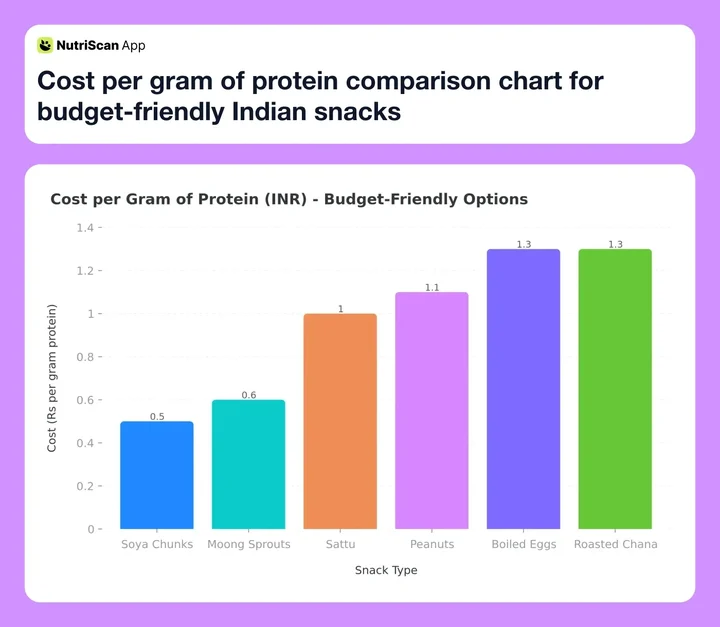 Figure 3: Soya chunks and moong sprouts offer the best protein value for your money

The Rs 0.50 Protein Hack That Changes Everything
I found this by accident while going through three months of my own NutriScan data.
The hack: Eat 30 grams of soya chunks exactly 45 minutes before your workout.
That is it. Total cost: approximately Rs 7.50 for 30 grams. Per workout session, that breaks down to about Rs 0.50 per gram of pure protein fuel.
Four reasons it works:
The timing is about comfort. Forty-five minutes is long enough that you are fed rather than full, so digestion is not competing with the workout.
Soya chunks have the highest protein density of any affordable food. At 52g protein per 100g, nothing else comes close at this price point. Even expensive whey protein costs Rs 2-3 per gram.
The slow-release effect. Unlike whey shakes that spike and crash, soya chunks provide steady amino acids throughout your entire workout.
Zero bloating when prepared correctly. Soak soya chunks in warm water for 15 minutes, squeeze out excess water, then dry roast with minimal spices. This removes the compounds that cause digestive discomfort.
The fancy pre-workout supplements costing Rs 2,000-3,000 per month? Most contain 15-20g protein per serving. Soya chunks give you 15g for under Rs 4.
Using Technology to Track Your Protein
Here is how I use NutriScan to make protein tracking simple. Learn more about how meal scanning works in our detailed guide.
When I eat a snack, I just click a photo. The app shows calories, protein, carbs, and fat, and if you are comparing tools, we ranked the best apps for tracking protein. I can see my daily total and know if I am hitting my targets.
The NutriBites feature lets me ask questions like "How much protein did I eat this week?" or "Which of my snacks has the most protein?" This makes adjusting my diet easy.
I also use the Insights feature to see patterns. I noticed I was low on protein every Tuesday (when I have back-to-back meetings). Now I keep extra snacks for those days.
For people with specific goals like weight loss or muscle gain, the Premium Plan creates a complete diet plan based on your needs, including snack recommendations for your eating schedule.
Frequently Asked Questions
Q: How much protein should I eat per snack?
A: Aim for 10 to 20 grams per snack, enough to hold you between meals without turning the snack into a meal. If you are eating for muscle, the 2018 review in the Journal of the International Society of Sports Nutrition puts the per-meal target at 0.4 grams per kilogram, roughly 28 grams for a 70 kg person, and spreading intake over four meals beats stacking it into one.
Q: How much protein do I need a day?
A: Most adults do well on 1.2 to 1.6 grams per kilogram of body weight, so 84 to 112 grams a day at 70 kg. For people who train, the International Society of Sports Nutrition position stand on protein and exercise puts the range at 1.4 to 2.0 grams per kilogram a day. The 0.8 grams per kilogram you see quoted is the floor for avoiding deficiency, not a target. Split it across the day, 15 to 30 grams per meal and 10 to 20 grams per snack. Our free macro calculator gives you the exact number for your weight and goal.
Q: Are plant proteins as good as animal proteins?
A: Both work well for meeting your protein needs. Plant proteins like legumes, soya, and nuts are excellent choices. The key difference is that most plant proteins are "incomplete" - they lack some amino acids. Fix this by eating a variety of plant proteins throughout the day. Combining dal with rice, for example, creates a complete protein.
Q: Can I eat too much protein?
A: For most healthy adults, there is no danger in eating more protein than the minimum recommendation. However, people with kidney problems should be careful - too much protein can strain the kidneys. If you have any health conditions, talk to your doctor first. For everyone else, the ISSN position stand reports controlled studies running up to a year at 2.5 to 3.3 grams per kilogram a day in healthy trained adults with no harm to kidney or liver markers.
Q: When is the best time to eat protein snacks?
A: The best times are:
- Mid-morning (10-11 AM) to prevent lunch overeating
- Post-workout (within 30 minutes) for muscle recovery
- Afternoon (3-4 PM) to avoid dinner cravings
- Bedtime (if you exercise) to support overnight muscle repair
Spreading protein through the day works better than loading up at dinner.
Q: Are protein bars healthy or just marketing?
A: It depends on the bar. Some protein bars are excellent - look for ones with 15+ grams of protein, less than 10 grams of sugar, and ingredients you can recognize. Others are basically candy with protein added. Always read the nutrition label. A good test: if sugar is higher than protein, skip it. Read our detailed review on whether protein bars are good for weight loss.
Q: Can protein snacks help with PCOS?
A: Yes, protein helps stabilize blood sugar, which is important for PCOS management. Protein snacks can reduce insulin spikes and help manage cravings. Use our PCOS Macro Calculator to get personalized protein targets, check our PCOS food tracking guide for specific recommendations, and learn more about NutriScan for PCOS.
Q: What about protein snacks for pregnancy?
A: Pregnant women need extra protein - about 25 additional grams per day. Greek yogurt, eggs, paneer, and nuts are excellent choices during pregnancy. Always consult your doctor for personalized advice. See our pregnancy nutrition tracking guide for more details.
Your Action Plan: Start Today
Do this today:
- Pick one high-protein snack from this list that you actually want to try
- Buy it today or add ingredients to your shopping list
- Set a reminder on your phone for your snack time tomorrow
- Track it using NutriScan to see the nutrition breakdown
- Notice how you feel - fuller? More energy? Less cravings?
Adding one protein snack a day sounds small, and over a year it adds up to roughly 3,650 extra grams of protein. Download NutriScan, photograph tomorrow's snack, and see where your own numbers land.