Diet Chart for Men After 40: Full Day Plan, Macros, Calories
 ChatGPT
  Claude
  AI Mode
  Perplexity
A diet chart for men after 40 runs on three numbers: daily calories, protein per meal, and how many eating windows you split them across.
A moderately active 180-pound man needs about 2,600 calories a day, 156g protein, 293g carbs, and 87g fat. Sedentary, that falls to 2,000 to 2,200 calories. Highly active, it climbs to 2,800. Spread the protein at 30 to 40 grams per meal across six eating windows instead of saving it for dinner, because muscle protein synthesis after 40 answers to the per-meal dose more than the daily total. The full day chart with times, portions, and macros per meal sits below, plus vegetarian and vegan versions of the same day.
Crossing 40 shifts hormone balance and metabolic efficiency. We built this as a four part checklist for midlife physiology: baseline numbers, hormone smart meals, a weekly system, and a recovery cascade that works best once the first three are in place.
TL;DR - Diet Chart for Men After 40
• Target audience: Men over 40 who want a science based nutrition upgrade that supports energy, metabolic health, and testosterone
• Key benefits: Testosterone optimization, muscle preservation, metabolism boost, improved energy levels, disease prevention
• Main components: Baseline metrics, hormone smart meals, weekly systems, recovery cascade reveal
• Implementation: Step 1 metrics ➡️ Step 2 meal design ➡️ Step 3 weekly automation ➡️ Step 4 recovery cascade
• Expected outcomes: Improved body composition, stable energy, better sleep, enhanced exercise performance inside 4-8 weeks
Step 1: Lock Your Metabolic Baseline
Why the Diet for a 40 Year Old Man Has to Change
For men crossing the 40-year threshold, nutrition becomes critical for maintaining vitality, supporting testosterone optimization, and preventing age-related health decline. The body undergoes significant metabolic changes during this period, with testosterone levels declining by 1-2% annually and metabolic health for men becoming increasingly important as metabolism slows by approximately 5% per decade.
Research from Harvard shows that people who follow healthy dietary patterns from their 40s onward are 43-84% more likely to be well-functioning physically and mentally at age 70. This compelling evidence demonstrates that dietary choices made at 40 directly impact long-term health outcomes.

Real-World Examples of Diet Challenges for 40-Year-Old Males
Real-World Nutrition Challenges
The Executive's Dilemma Consider Mark, a 42-year-old financial analyst who regularly attends business dinners. His challenge involves making healthy choices while maintaining professional relationships. Restaurant meals often contain hidden calories and excessive sodium, making weight management difficult.
The Working Father's Time Crunch David, a 40-year-old father of two, struggles with meal preparation while juggling work and family responsibilities. Quick convenience foods become default choices, leading to nutritional gaps and energy crashes throughout the day.
The Former Athlete's Metabolism Shift Tom, once a college athlete, discovers at 41 that his old eating habits no longer work. Despite maintaining exercise routines, weight accumulates around his midsection due to decreased muscle mass and slower metabolism.
 When you finally nail your nutrition plan and start feeling energized again!
Surprising Facts About Male Nutrition After 40
The nutritional landscape for men over 40 contains several unexpected realities that shape dietary requirements:
Testosterone levels fall naturally with age, affecting fertility, sexual function, bone health, and muscle mass. This hormonal shift requires dietary adjustments to maintain optimal health.
Fewer than 1 in 10 people live disease-free and maintain good physical, cognitive and mental health to age 70 and beyond. However, proper nutrition significantly improves these odds.
Men's protein requirements increase with age to combat muscle loss (sarcopenia) and support muscle preservation midlife. Research suggests consuming 0.7 to 1 gram of protein per pound of body weight daily for muscle maintenance and growth.
Metabolism doesn't just slow down - it becomes less efficient at processing certain nutrients. The body's ability to absorb vitamin B12 decreases with age, requiring dietary modifications or supplementation.
As shown in Figure 1 below, daily calorie requirements vary significantly based on activity levels for men over 40.
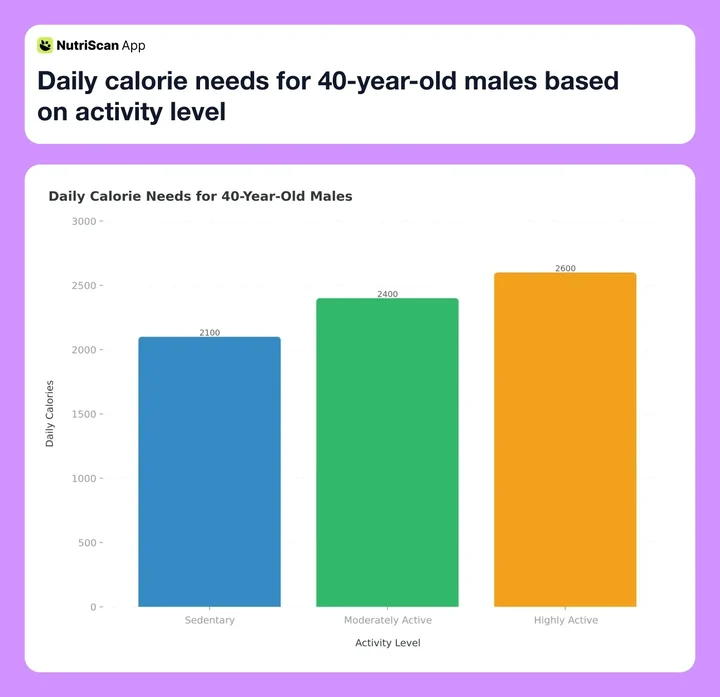 Figure 1: Daily calorie requirements for 40-year-old males vary significantly based on activity level
Baseline Implementation Blueprint
Step 1: Calculate Daily Caloric Requirements
Men over 40 typically need between 2,200 to 2,800 calories daily, depending on activity level.
- Sedentary lifestyle: 2,000-2,200 calories
- Moderately active: 2,200-2,600 calories
- Highly active: 2,400-2,800 calories
Use body weight and activity level to determine individual needs. For accurate calculations, use our free macro calculator which automatically determines your optimal calorie and macronutrient needs. If you want the same chart built around a deficit instead of maintenance, our calorie deficit diet chart for beginners walks through the subtraction step by step. Apps like NutriScan can also calculate requirements based on personal data including height, weight, age, and activity patterns.
Step 2: Determine Macronutrient Distribution
Optimal macronutrient ratios for 40-year-old males:
Protein: 25-30% of total calories Aim for 1.2 to 1.6 grams per kilogram of body weight, which equals roughly 100-130 grams daily for a 180-pound man.
Carbohydrates: 35-45% of total calories Focus on complex carbohydrates from whole grains, vegetables, and fruits. Limit simple sugars and refined grains.
Fats: 25-35% of total calories Emphasize healthy fats from nuts, seeds, avocados, and fatty fish. Limit saturated fats to less than 10% of total calories.
40 Year Old Male Diet Plan: Macros by Activity Level
For a 180lb (82kg) Male - Daily Targets:
| Activity Level | Calories | Protein | Carbs | Fats | Sample Foods |
|---|---|---|---|---|---|
| Sedentary | 2,200 | 130g (24%) | 220g (40%) | 86g (35%) | 4 chicken breasts, 2 cups rice, 3 tbsp olive oil |
| Moderately Active | 2,600 | 156g (24%) | 293g (45%) | 87g (30%) | 5 chicken breasts, 2.5 cups rice, 3 tbsp olive oil |
| Highly Active | 2,800 | 168g (24%) | 315g (45%) | 93g (30%) | 5.5 chicken breasts, 3 cups rice, 3.5 tbsp olive oil |
Lock these numbers inside NutriScan so every meal automatically syncs to your daily targets. Implementation sequence: Measure waist ➡️ Confirm calories ➡️ Set macros ➡️ Sync to NutriScan.
1 down, 3 to go. Step 2 turns those numbers into meals that defend testosterone.

Step 2: Build Hormone Smart Meals
The food you put on each plate either supports hormone production or drags it down. Use these seven levers to keep energy stable and testosterone responsive.
7 Essential Diet Tips for Testosterone Optimization After 40
1. Optimize protein distribution
Men should consume 30-40 grams of protein per meal rather than loading protein at dinner. This distribution maximizes muscle protein synthesis throughout the day. Quality sources include lean meats, fish, eggs, and plant-based options like lentils and quinoa. The mid-morning and afternoon slots are the easiest to miss, so keep a shortlist from our guide to high protein snacks in the cupboard.
2. Implement the plate division strategy
The Perfect Plate method recommends half of each plate should be vegetables, one fourth should be protein rich foods, and one fourth should be fiber rich carbohydrates. This visual guide eliminates complex calculations.
3. Time carbohydrates strategically
Consuming carbohydrates around physical activity optimizes energy utilization. Pre workout carbs fuel performance, while post workout carbs aid recovery. During sedentary periods, reducing carbohydrate intake helps maintain stable blood sugar.
4. Prioritize testosterone supporting foods
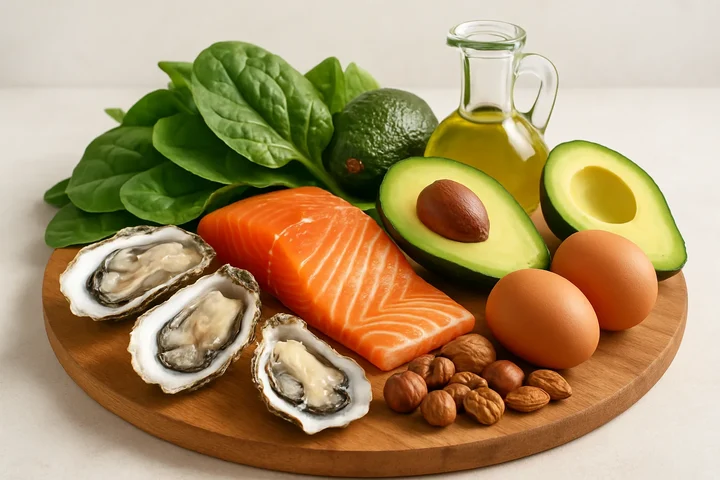
Foods linked to increased testosterone and andropause nutrition include onions, oysters, fatty fish containing omega 3 fats, and extra virgin olive oil. Regular consumption of these foods supports hormonal health naturally.
5. Hydrate intelligently
Men over 40 should drink water consistently throughout the day, aiming for pale yellow urine color. Clear urine could indicate over hydration, causing the body to remove necessary nutrients.
6. Control portion sizes
Using smaller plates, eating slowly, and stopping at 80 percent fullness helps manage caloric intake. Portion control becomes increasingly important as metabolism slows with age.
7. Plan weekly meal prep
Dedicating 2-3 hours weekly to meal preparation ensures healthy options remain available. Batch cooking proteins, grains, and vegetables prevents impulsive food choices during busy periods.

Stack these levers inside NutriScan meal notes so the app can spot which foods raise or lower your weekly energy scores.
Halfway there. Step 3 turns your nutrition rules into a weekly system you cannot fall out of.
Step 3: Systemize Weekly Execution
When your meals run on rails, you can stay consistent without thinking about food all day. Use these templates to make each week predictable while leaving room for social flexibility.
Easy Meal Prep Planning Table
| Prep Day Task | Quantity for Week | Time Required | Storage Method |
|---|---|---|---|
| Cook Proteins | 3-4 lbs chicken/fish/beef | 45 minutes | Refrigerate 4 days, freeze 3 days |
| Prepare Grains | 3-4 cups uncooked rice/quinoa | 30 minutes | Refrigerate 5 days |
| Chop Vegetables | 2-3 lbs mixed vegetables | 30 minutes | Refrigerate 3-4 days |
| Pre-portion Snacks | 14 servings nuts/yogurt | 20 minutes | Individual containers |
| Cook Batch Meals | 6-8 complete meals | 60 minutes | Freeze in portions |
Daily Calorie Breakdown by Meal
| Meal | Sedentary (2,200) | Moderately Active (2,600) | Highly Active (2,800) |
|---|---|---|---|
| Breakfast | 440 cal (20%) | 520 cal (20%) | 560 cal (20%) |
| Lunch | 550 cal (25%) | 650 cal (25%) | 700 cal (25%) |
| Dinner | 770 cal (35%) | 910 cal (35%) | 980 cal (35%) |
| Snacks | 440 cal (20%) | 520 cal (20%) | 560 cal (20%) |
Calculate Your Personal Macros
Ready to determine your exact macronutrient needs? Use our free macro calculator to get personalized protein, carbohydrate, and fat targets based on your weight, activity level, and goals.
Figure 2 illustrates the optimal macronutrient distribution that supports muscle maintenance and hormonal health for men over 40.
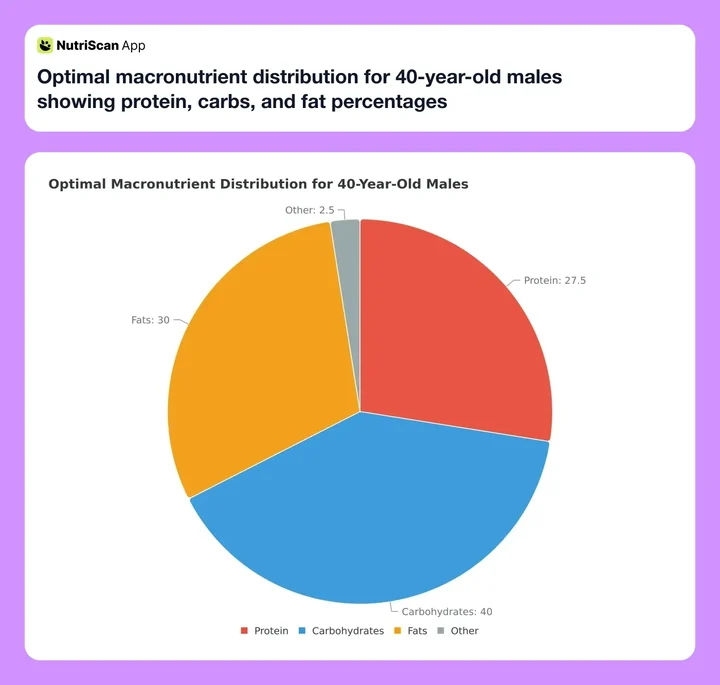 Figure 2: Optimal macronutrient distribution for men over 40 prioritizes protein for muscle maintenance
Build a Weekly Meal Schedule That Sticks
Design a rotating meal plan with variety:
Weekly Meal Pattern Examples
Monday-Wednesday-Friday Pattern:
Breakfast: Oatmeal with berries and nuts (400 cal)
Lunch: Grilled chicken salad with olive oil dressing (500 cal)
Dinner: Salmon with quinoa and roasted vegetables (600 cal)
Snacks: Greek yogurt, apple with almond butter (300 cal)
Total: ~1,800 calories
Tuesday-Thursday Pattern:
Breakfast: Scrambled eggs with spinach and whole grain toast (450 cal)
Lunch: Turkey and avocado wrap with mixed greens (550 cal)
Dinner: Lean beef stir-fry with brown rice (650 cal)
Snacks: Mixed nuts, protein smoothie (350 cal)
Total: ~2,000 calories
Weekend Flexibility: Allow for social meals while maintaining portion awareness. Use tracking tools like NutriScan to monitor weekend intake without strict restrictions.
After 40 Years Diet Chart for Men: Full Day Sample
Quick Reference - Print This Section
Perfect for: Moderately Active 40-Year-Old Male (180lbs)Daily Targets: 2,600 calories | 156g protein | 293g carbs | 87g fat
Sample Day Meal Plan Table
| Time | Meal | Food Items | Calories | Protein | Carbs | Fat | Prep Notes |
|---|---|---|---|---|---|---|---|
| 7:00 AM | Breakfast | • 1 cup oatmeal with berries • 2 tbsp almond butter • 1 medium banana • Black coffee | 520 | 18g | 75g | 18g | Pre-cook oats in batch |
| 10:00 AM | Snack | • Greek yogurt (200g) • 1 handful mixed nuts | 280 | 20g | 15g | 18g | Portion nuts on Sunday |
| 1:00 PM | Lunch | • Grilled chicken breast (150g) • Brown rice (1 cup cooked) • Mixed vegetable salad • Olive oil dressing (1 tbsp) | 650 | 45g | 58g | 18g | Meal prep on weekend |
| 4:00 PM | Pre-Workout | • Apple with 2 tbsp peanut butter | 240 | 8g | 25g | 16g | 1-2 hours before gym |
| 7:00 PM | Dinner | • Salmon fillet (180g) • Sweet potato (200g baked) • Steamed broccoli (2 cups) • Avocado (½ medium) | 680 | 48g | 82g | 22g | Cook fish fresh daily |
| 9:00 PM | Evening | • Casein protein shake • 1 cup unsweetened almond milk | 230 | 25g | 8g | 3g | Optional for muscle recovery |
| TOTALS | 2,600 | 164g | 263g | 95g |
Downloadable Meal Plan
For a printable PDF version of this meal plan with shopping lists, bookmark this page and use your browser's print function. Select "More settings" ➡️ "Paper size: Letter" ➡️ "Print backgrounds" for best results.
Vegetarian and Vegan Diet Chart for Men Over 40
Vegetarian & Vegan Protein Alternatives
Many men over 40 worry about getting adequate protein on plant-based diets. Here's how to meet your testosterone and muscle-building needs without animal products:
| Protein Source | Amount | Protein Content | Complete Amino Profile | Testosterone Benefits |
|---|---|---|---|---|
| Lentils | 1 cup cooked | 18g | Combine with rice | Rich in folate and zinc |
| Hemp Seeds | 3 tbsp | 10g | ✅ Complete protein | High in omega-3 fats |
| Quinoa | 1 cup cooked | 8g | ✅ Complete protein | Contains all essential amino acids |
| Tofu (firm) | 4 oz | 20g | ✅ Complete protein | Contains isoflavones |
| Tempeh | 3 oz | 16g | ✅ Complete protein | Fermented, gut-friendly |
| Nutritional Yeast | 2 tbsp | 8g | ✅ Complete protein | B12 fortified |
| Spirulina | 1 tbsp | 4g | ✅ Complete protein | High in B vitamins |
Complete Vegetarian Sample Day (2,600 calories)
| Time | Meal | Food Items | Calories | Protein | Carbs | Fat |
|---|---|---|---|---|---|---|
| 7:00 AM | Breakfast | • Quinoa porridge (1 cup) • Hemp seeds (2 tbsp) • Berries (1 cup) • Almond milk | 480 | 16g | 68g | 18g |
| 10:00 AM | Snack | • Hummus (4 tbsp) • Whole grain crackers • Bell pepper strips | 320 | 12g | 35g | 14g |
| 1:00 PM | Lunch | • Lentil and quinoa bowl (2 cups) • Mixed vegetables • Tahini dressing (2 tbsp) • Avocado (½) | 720 | 28g | 78g | 28g |
| 4:00 PM | Pre-Workout | • Peanut butter (2 tbsp) • Banana (1 large) • Hemp seeds (1 tbsp) | 380 | 12g | 42g | 18g |
| 7:00 PM | Dinner | • Firm tofu stir-fry (6 oz) • Brown rice (1 cup) • Steamed broccoli (2 cups) • Sesame oil (1 tbsp) | 580 | 32g | 58g | 22g |
| 9:00 PM | Evening | • Plant protein shake • Nutritional yeast (2 tbsp) | 240 | 28g | 8g | 6g |
| TOTALS | 2,720 | 128g | 289g | 106g |
Complete Vegan Sample Day (2,600 calories)
| Time | Meal | Food Items | Calories | Protein | Carbs | Fat |
|---|---|---|---|---|---|---|
| 7:00 AM | Breakfast | • Steel-cut oats (1 cup) • Chia seeds (2 tbsp) • Walnuts (1 oz) • Berries (1 cup) | 520 | 18g | 72g | 20g |
| 10:00 AM | Snack | • Spirulina smoothie • Spinach, banana, pea protein | 280 | 22g | 28g | 8g |
| 1:00 PM | Lunch | • Black bean and quinoa salad • Pumpkin seeds (2 tbsp) • Olive oil dressing | 640 | 24g | 68g | 24g |
| 4:00 PM | Pre-Workout | • Dates stuffed with almond butter (3) • Green tea | 320 | 8g | 38g | 16g |
| 7:00 PM | Dinner | • Tempeh curry (6 oz) • Brown rice (1 cup) • Coconut milk (¼ cup) • Vegetables (2 cups) | 680 | 38g | 62g | 28g |
| 9:00 PM | Evening | • Hemp protein powder • Unsweetened plant milk | 160 | 20g | 4g | 6g |
| TOTALS | 2,600 | 130g | 272g | 102g |
Plant-Based Testosterone Support
Vegan Testosterone Optimization
While animal products are commonly associated with testosterone, plant-based diets can effectively support hormone health through:
Key Nutrients for Plant-Based Men:
- Zinc: Pumpkin seeds, hemp seeds, cashews, chickpeas
- Vitamin D: Fortified plant milks, mushrooms, sunlight exposure
- Healthy Fats: Avocados, nuts, seeds, olive oil
- Boron: Raisins, almonds, chickpeas, lentils
Weekly Plant-Based Meal Prep Strategy
| Prep Task | Vegetarian Options | Vegan Options | Storage Tips |
|---|---|---|---|
| Protein Base | Cook 3 cups each: lentils, quinoa, tofu | Cook 3 cups each: tempeh, black beans, hemp seeds | Refrigerate 5 days |
| Grain Prep | Brown rice, farro, barley | Same + add nutritional yeast | Portion into containers |
| Snack Prep | Greek yogurt with nuts | Hummus with vegetables | Make dips on Sunday |
| Smoothie Packs | Frozen fruit, protein powder | Add spirulina, chia seeds | Freeze individual portions |
Figure 3 shows the daily calorie split by meal from the table above.
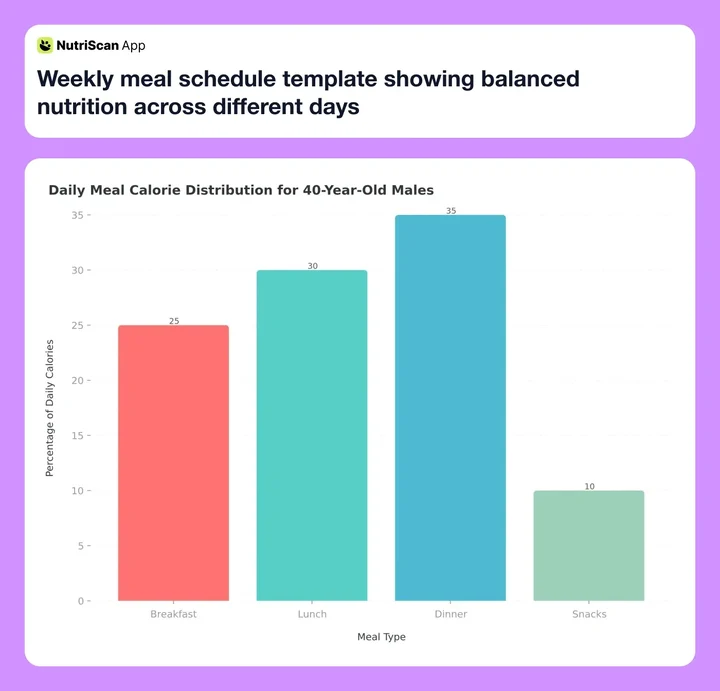 Figure 3: How a day's calories split across breakfast, lunch, dinner and snacks in the plan above
Step 4: Establish Shopping and Prep Routines
Create organized shopping lists categorized by food groups:
Weekly Shopping List for Testosterone Optimization
Proteins (weekly):
- 2 lbs chicken breast
- 1 lb salmon
- 1 lb lean ground beef
- Dozen eggs
- Greek yogurt (32 oz)
Carbohydrates (weekly):
- Brown rice (2 lbs)
- Quinoa (1 lb)
- Sweet potatoes (5 lbs)
- Whole grain bread
- Oatmeal
Vegetables and Fruits (twice weekly):
- Mixed greens
- Broccoli, bell peppers, carrots
- Berries, apples, bananas
Monitor and Adjust With Real Metrics
Track progress using multiple metrics:
- Weekly weight measurements
- Energy levels throughout the day
- Sleep quality
- Exercise performance
- Blood work (quarterly)
NutriScan's NutriScore feature provides daily feedback on meal quality, helping identify patterns and areas for improvement. The app's insights widget shows monthly nutrition trends, making adjustments data-driven rather than guesswork.
Creating Your Personalized Metabolic Health Strategy
Software takes the arithmetic out of diet management for busy 40-year-old males. NutriScan's features specifically address common challenges:
Meal Tracking Without Manual Entry Simply photograph meals for instant nutritional analysis. The app recognizes food items, cooking methods, and portion sizes, eliminating tedious logging.
Customized Diet Plans The 40 year old male diet plan page shows how this works inside the app. After completing a lifestyle assessment covering age, weight, activity level, and health goals, users receive personalized 28-day diet plans. These plans consider food preferences (vegetarian, non-vegetarian, vegan) and specific goals (weight loss, muscle gain, diabetes management). For those managing blood sugar levels, our diabetes macro calculator provides specialized macronutrient recommendations.
Grocery List Generation Based on selected diet plans, the app creates weekly and monthly grocery lists, so shopping takes one trip and the ingredients you need stay in the house.
Progress Monitoring The insights feature tracks nutritional patterns over time, showing which meals provide optimal nutrition scores. Monthly calendar views display daily NutriScore colors, making it easy to identify successful eating patterns.
Community Support Ranking systems based on meal quality and consistency create accountability. Users can compare their nutrition scores with others following similar diet plans, which keeps motivation up through friendly competition.
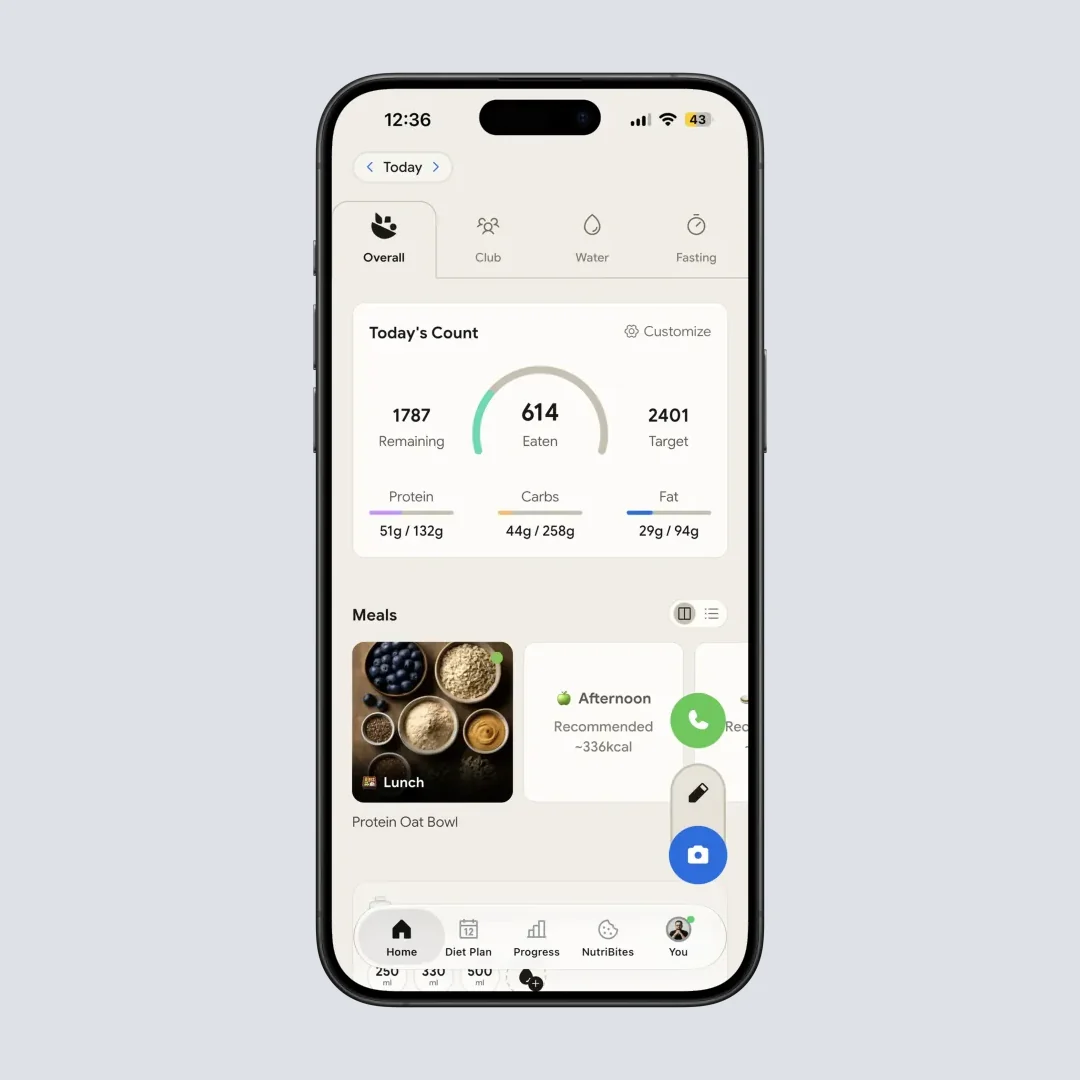
NutriScan's home screen provides comprehensive nutrition tracking designed specifically for busy professionals over 40
See Your Progress with NutriScore & Insights
The app's powerful analytics help you understand your nutrition patterns and make data-driven improvements:
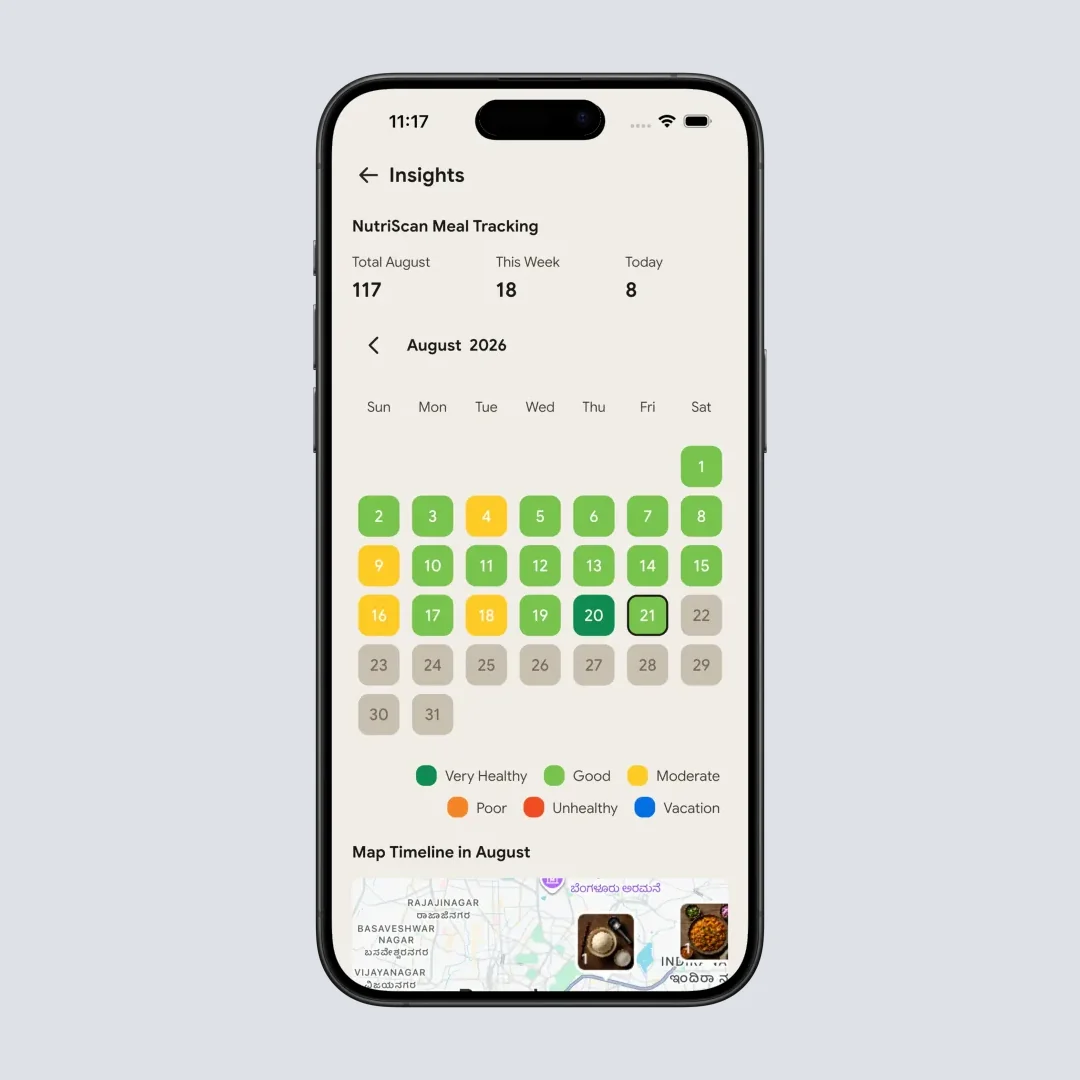
The insights calendar shows your daily NutriScore with color-coded tracking to identify successful eating patterns
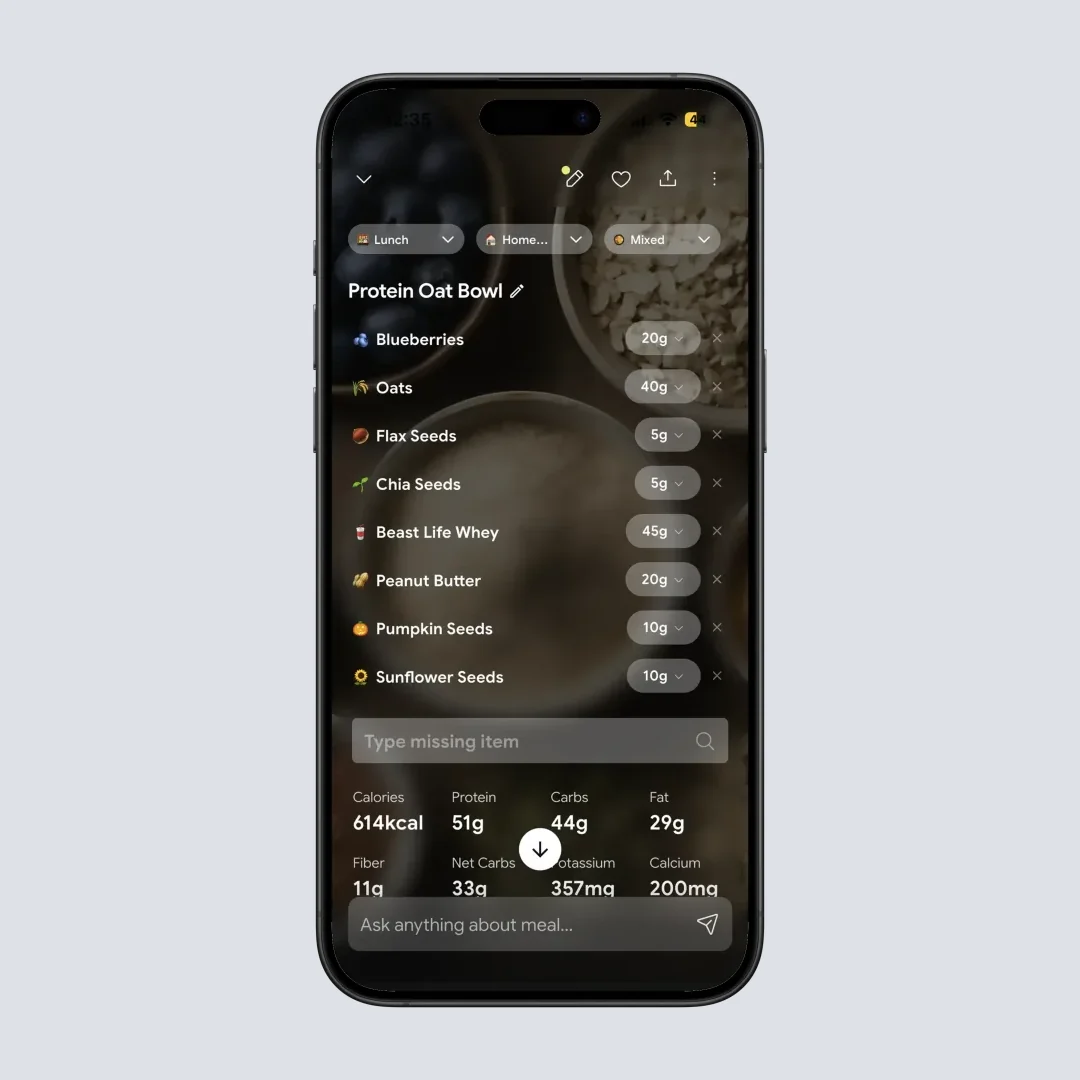
Each meal receives a detailed nutrition analysis with personalized recommendations for optimization

7 Diet Mistakes Men Make After 40
Understanding what NOT to do is just as important as following the right strategies. Here are the most common nutrition mistakes that sabotage health and testosterone levels in men over 40:
If you are reading this on behalf of a younger sibling or you are earlier in the shift, the same math with a faster metabolism sits in our weight loss diet plan for Indian men in their 30s.
Mistake #1: Eating the Same Diet from Their 20s and 30s
The Problem: Continuing high-calorie, high-carb diets despite declining metabolism and changing hormone levels.
Why It Fails: Metabolism drops 5-10% per decade after 30. The body requires fewer calories but more targeted nutrition.
The Fix: Recalculate caloric needs every 2-3 years. Increase protein percentage while reducing overall calories.
Mistake #2: Skipping Breakfast to "Save Calories"
The Problem: Believing intermittent fasting means skipping the most important meal for metabolism.
Why It Fails: Missing morning protein intake disrupts testosterone production and muscle protein synthesis.
The Fix: Eat 25-30g protein within 2 hours of waking. If practicing IF, ensure your eating window includes adequate protein distribution.
Mistake #3: Drinking Calories Without Realizing It
The Problem: Consuming beer, wine, specialty coffees, and sports drinks that add 300-500 hidden calories daily.
Why It Fails: Liquid calories don't trigger satiety signals, leading to overeating plus additional calorie intake.
The Fix: Track all beverages for one week. Replace caloric drinks with water, unsweetened tea, or black coffee.
| Hidden Calorie Sources | Daily Calories | Weekly Impact | Monthly Impact |
|---|---|---|---|
| 2 Beers | 300 cal | 2,100 cal | 9,000 cal (2.5 lbs weight gain) |
| Large Flavored Coffee | 400 cal | 2,800 cal | 12,000 cal (3.4 lbs weight gain) |
| Sports Drinks | 200 cal | 1,400 cal | 6,000 cal (1.7 lbs weight gain) |
| Fruit Juices | 250 cal | 1,750 cal | 7,500 cal (2.1 lbs weight gain) |
Mistake #4: Relying on "Diet" and "Low-Fat" Processed Foods
The Problem: Choosing processed foods labeled as healthy instead of whole food options.
Why It Fails: These foods often contain added sugars, artificial ingredients, and insufficient protein or healthy fats needed for testosterone production.
The Fix: If an ingredient list has more than 5 items, or you can't pronounce the ingredients, choose a whole food alternative.
Mistake #5: Eating Too Little Protein (or All at Dinner)
The Problem: Consuming only 60-80g protein daily, mostly concentrated in one evening meal.
Why It Fails: Muscle protein synthesis requires 25-30g protein every 3-4 hours. Loading protein at dinner wastes most of it.
The Fix: Spread 120-150g protein across 4-5 meals, with 25-35g per meal.
Mistake #6: Ignoring Micronutrient Deficiencies
The Problem: Focusing solely on calories and macros while ignoring vitamins and minerals crucial for testosterone production.
Why It Fails: Zinc, vitamin D, and magnesium deficiencies directly impact hormone levels and energy.
The Fix: Include these testosterone-supporting foods weekly:
- Zinc: Oysters, pumpkin seeds, lean beef
- Vitamin D: Fatty fish, egg yolks, fortified foods
- Magnesium: Dark chocolate, nuts, spinach
Mistake #7: Weekend "Cheat Days" That Undo Weekly Progress
The Problem: Consuming 4,000-6,000 calories on weekends, negating weekday discipline.
Why It Fails: Two days of overeating can undo five days of careful nutrition.
The Fix: Allow 10-20% flexibility daily rather than saving it for weekends. Use NutriScan's meal tracking to maintain awareness during social events.
Reality Check
Common Weekend Damage:
- Friday night: 800-calorie restaurant meal + 400 calories from drinks = 1,200 extra calories
- Saturday: 600-calorie brunch + afternoon snacking + dinner out = 1,500 extra calories
- Sunday: Family meal + dessert + evening snacks = 1,000 extra calories
Total Weekend Excess: 3,700 calories = potential 1+ pound weight gain per weekend
How to Avoid These Mistakes
- Weekly Planning: Spend 30 minutes each Sunday planning meals and identifying potential challenges
- Smart Substitutions: Replace problem foods with testosterone-supporting alternatives gradually
- Technology Support: Use NutriScan's meal tracking to identify patterns and avoid unconscious mistakes
- Accountability Systems: Track progress through photos, measurements, and energy levels, not just weight
- Recovery Mindset: When mistakes happen, return to your plan immediately rather than extending the damage
Practical Implementation Strategies
Success requires practical approaches that fit real-world schedules:
Batch Cooking Sessions Dedicate Sunday afternoons to preparing proteins, grains, and vegetables for the week. Grill multiple chicken breasts, cook large quantities of brown rice, and roast sheet pans of vegetables simultaneously.
Emergency Meal Backup Plan
Keep healthy convenience foods available for busy days:
- Pre-cooked rotisserie chicken
- Canned wild salmon
- Pre-washed salad greens
- Frozen vegetable blends
- Protein powder for quick shakes
Note: These should supplement, not replace, fresh whole foods in your regular diet.
Restaurant Navigation When dining out:
- Review menus online beforehand
- Choose grilled, baked, or steamed preparations
- Request dressings and sauces separately
- Substitute refined grains with vegetables
- Control portions by boxing half immediately
Travel Considerations Maintain nutrition while traveling:
- Pack protein bars and nuts
- Choose hotels with kitchenettes
- Visit local grocery stores upon arrival
- Use NutriScan to track restaurant meals
- Stay hydrated during flights
Pro Tip for Busy Professionals
Meal prep doesn't have to be time-consuming. Focus on preparing versatile base ingredients (grilled proteins, cooked grains, chopped vegetables) that can be mixed and matched throughout the week. A 2-hour Sunday session can provide foundation for 10+ different meal combinations.
3 steps down, that recovery cascade is next. Stay with it.
Step 4: Recovery Cascade That Keeps Testosterone Climbing
Your body rewards consistency, but the final 15% of results come from how you recover. The recovery cascade is a 3-phase nightly and weekend rhythm that keeps testosterone responsive, inflammation low, and cravings predictable.
Phase 1: Evening decompression stack (20 minutes)
- 90 minutes pre-bed: Eat your final protein rich meal with magnesium heavy vegetables like spinach plus 1 tbsp extra virgin olive oil to stabilize hormones.
- 45 minutes pre-bed: Run a 5 minute nasal breathing session ➡️ 5 minutes of light mobility ➡️ 5 minutes of blue light blocking with warm lighting. This sequence lowers cortisol so luteinizing hormone can trigger testosterone production overnight.
- Lights out checklist: Bedroom at 65-67 F, blackout curtains, phone charging outside the room. Cortisol spikes from blue light or heat sabotage testosterone by up to 10% in clinical sleep studies.
Phase 2: Overnight recovery guardrails
- Hydration cadence: 12-16 oz water with electrolytes before 9 pm, then pause. Prevents sleep disruption while keeping plasma volume high for hormone transport.
- Sleep score tracking: Use NutriScan's integration with Apple Health or Google Fit to log sleep duration. Tag poor nights inside the app so it can correlate lower NutriScore or energy ratings with sleep debt.
- Glymphatic trigger: 2 minutes of diaphragmatic breathing immediately upon waking primes vagal tone, accelerating recovery and supporting testosterone release.
Phase 3: Weekend metabolic reset
- Saturday 30 minute reset: Fasted zone 2 cardio ➡️ contrast shower ➡️ 25g whey protein with 3g creatine to replenish muscle glycogen without glucose spikes. Our muscle recovery nutrition guide covers what to eat in the hours after a hard session.
- Sunday audit ritual: Review NutriScan's weekly insight cards, highlight any red meals, and schedule Monday's grocery order. Consistency beats intensity.
- Quarterly lab sync: Every 90 days, combine fasting glucose, vitamin D, zinc, and morning total testosterone tests. Log results in NutriScan notes so trends stay visible.
Research that validates the cascade
Large cohort studies following more than 100,000 people over 30 years show that midlife adherence to high quality diet patterns drives better physical and mental functioning at age 70. Sleep research links moderate protein intake (1.25-1.6 g/kg) with healthier testosterone levels, while ultra high protein intakes above 3.4 g/kg reduce hormone output. Zinc sufficiency supports testosterone, yet oversupplementing offers no additional benefit. Layering consistent resistance training with balanced nutrition raises testosterone by up to 30%, especially when paired with Mediterranean style eating focused on vegetables, fruits, whole grains, nuts, and olive oil.
Bring the cascade to life inside NutriScan
- Use the meal timeline to tag evening meals that include magnesium rich greens and healthy fats.
- Save a custom checklist inside the insights widget with items like "20 minute decompress" and "sleep score logged" so the app confirms completion nightly.
- Set Sunday reminders through the support agent to trigger your weekly audit and grocery automation.
Keep the cascade handy. Revisit these checkpoints whenever your progress plateaus.
Key Takeaways for Long-term Success
Diet optimization at 40 requires understanding physiological changes related to andropause nutrition and implementing sustainable strategies for testosterone optimization. Focus on protein distribution for muscle preservation midlife, hormone-supporting foods for testosterone optimization, and consistent meal timing rather than restrictive approaches.
Technology tools like NutriScan remove barriers to healthy eating by simplifying tracking, planning, and monitoring. The app's comprehensive features address every aspect of nutritional management, from meal analysis to grocery planning.
Success comes from consistency rather than perfection. Allowing flexibility within a structured framework prevents burnout while maintaining progress toward health goals. The choices made at 40 regarding metabolic health for men and testosterone optimization significantly impact quality of life in later decades.
As illustrated in Figure 4, testosterone levels naturally decline with age, making nutritional optimization crucial for maintaining hormonal health.
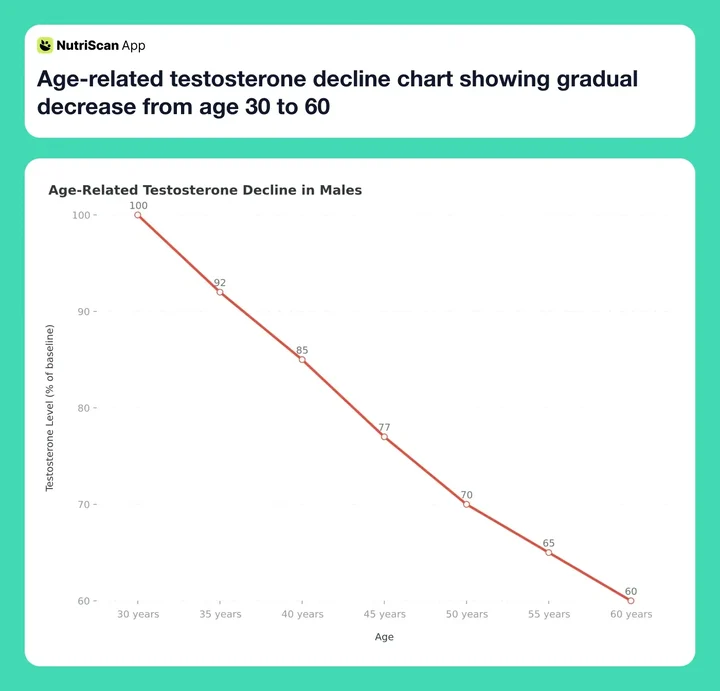 Figure 4: Natural testosterone decline accelerates after 40, making nutrition optimization crucial for hormone support
Frequently Asked Questions
What does a diet chart for men after 40 look like for a full day?
A moderately active 180-pound man needs about 2,600 calories, 156g protein, 293g carbs, and 87g fat. Split it across six eating windows: oats with almond butter and a banana at 7 AM (520 cal), Greek yogurt and nuts at 10 AM (280 cal), grilled chicken with brown rice and salad at 1 PM (650 cal), apple with peanut butter at 4 PM (240 cal), salmon with sweet potato and broccoli at 7 PM (680 cal), and a casein shake at 9 PM (230 cal). The full table above lists protein, carbs, and fat for every line, and the vegetarian and vegan versions hit the same calorie target.
What is a good diet plan for a 40 year old man?
Start with calories by activity level: 2,000 to 2,200 sedentary, 2,200 to 2,600 moderately active, 2,400 to 2,800 highly active. Split those calories 25 to 30 percent protein, 35 to 45 percent carbs, and 25 to 35 percent fat, which works out to 1.2 to 1.6 grams of protein per kilogram of body weight. Eat 30 to 40 grams of protein per meal rather than saving it for dinner, keep half of every plate vegetables, and put most of your carbs around training. That combination covers weight, energy, and hormone support without a restrictive phase.
How should a diet chart change with age once you turn 40?
Metabolism slows roughly 5 percent per decade, so the age-wise change is fewer calories and more protein, not a different food list. Recalculate calorie needs every two to three years, push protein toward 1.6 grams per kilogram to slow muscle loss, and watch zinc, vitamin D, magnesium, and B12, since B12 absorption drops with age. The plate ratio stays the same. The totals shrink.
What specific protein requirements do 40-year-old males have?
Men over 40 should consume 0.7 to 1 gram of protein per pound of body weight daily, equaling approximately 100-130 grams for a 180-pound individual. This protein should be distributed across meals, with 30-40 grams per meal optimizing muscle protein synthesis. Complete proteins from animal sources provide all essential amino acids, while plant-based eaters should combine different protein sources. NutriScan's meal analysis feature shows exact protein content, making it simple to meet daily targets without manual calculations.
How does diet influence testosterone levels in 40-year-old males?
Diet significantly impacts testosterone production, with well-rounded diets containing healthy fats, proteins, and nutrient-dense foods supporting hormonal health. Key testosterone-supporting nutrients include zinc (found in oysters and beef), vitamin D (fatty fish and eggs), and monounsaturated fats (olive oil and avocados). Excessive alcohol consumption lowers testosterone levels within five days, while chronic heavy drinking can cause testicular changes and increased estrogen. Maintaining healthy body weight through proper diet also optimizes testosterone, as excess body fat contributes to hormonal imbalances.
Should 40-year-old males use supplements or rely solely on food?
A balanced diet should provide primary nutrition, with supplements filling specific gaps identified through blood work. Common beneficial supplements for men over 40 include vitamin D (especially with limited sun exposure), omega-3 fatty acids for cardiovascular health, and vitamin B12 due to decreased absorption with age. Many supplements claiming to boost testosterone lack supporting data, with around 10% containing ingredients that may negatively affect testosterone. Always consult healthcare providers before starting supplement regimens, as unregulated products can have adverse effects.
What meal timing strategy works best for 40-year-old males?
Optimal meal timing involves eating every 3-4 hours to maintain stable blood sugar and energy levels. Start with a protein-rich breakfast within two hours of waking to kickstart metabolism. Pre-workout meals should include easily digestible carbohydrates 1-2 hours before exercise. Post-workout nutrition within 30-60 minutes aids recovery, combining protein and carbohydrates. Evening meals should be lighter and consumed 2-3 hours before sleep to avoid digestive disruption. NutriScan's meal scheduling feature helps track timing patterns and their effects on energy and performance.
How can busy 40-year-old males maintain healthy eating habits?
Time-efficient strategies make healthy eating sustainable despite busy schedules. Meal prep sessions lasting 2-3 hours weekly provide ready-to-eat options throughout the week. Keep simple backup meals available - rotisserie chicken, pre-washed salads, and microwaveable brown rice require minimal preparation. Use technology like NutriScan's repeat meal feature to copy successful meals without re-logging. Get started with the app to access these features. Establish go-to restaurant orders that align with nutritional goals. Focus on progress over perfection - even small improvements in diet quality yield health benefits over time. The key lies in creating systems that work within existing lifestyle constraints rather than requiring dramatic schedule changes.
Put the chart to work. Download NutriScan today to start tracking, planning, and optimizing your diet for long-term vitality. Begin with our comprehensive diet planning guide.