Butter: Kalorien, Nährwerte und gesundheitliche Vorteile
Traditionelles Milchfett mit reichem Geschmack und hohem Vitamin-A-Gehalt, erfordert Portionsbewusstsein aufgrund von Kaloriendichte und Debatten über gesättigte Fettsäuren.
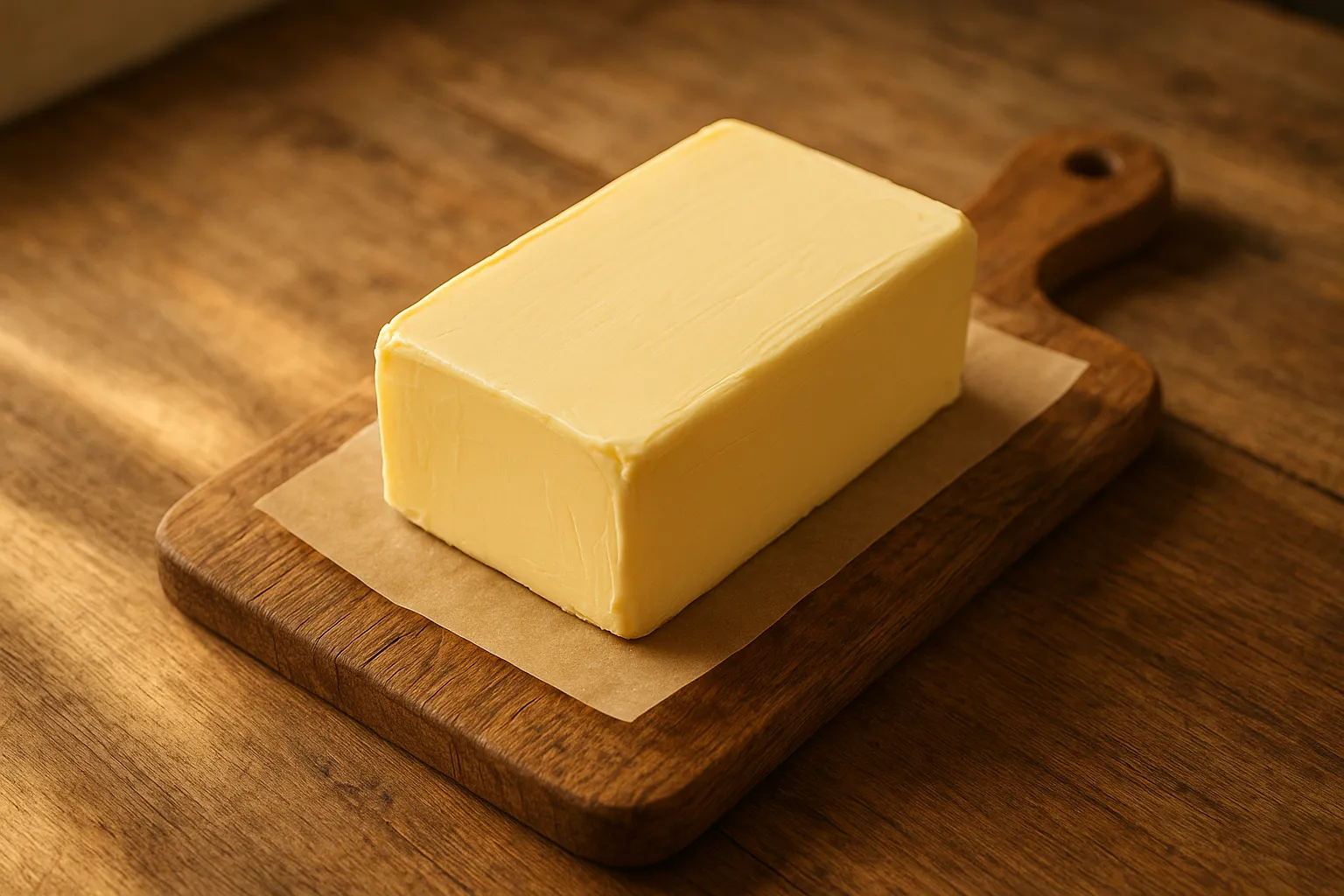
Schnelle Nährwertübersicht
Per 1 Tablespoon (14.2 g)
| Nährstoff | Menge |
|---|---|
| Kalorien | 102 kcal |
| Protein | 0.1 g |
| Kohlenhydrate | 0 g |
| Ballaststoffe | 0 g |
| Zucker | 0 g |
| Total Fett | 11.5 g |
| Gesättigte Fette | 7.3 g |
| Cholesterin | 31 mg |
| Natrium | 91 mg |
| Vitamin A | 97µg (11% DV) |
Makronährstoff-Verteilung
 ChatGPT
  Claude
  AI Mode
  Perplexity
ERNÄHRUNGSBERATER-EINBLICK
Butter ist 81% Fett mit 63% being saturated Fett. Während it enthält valuable vitamin A and conjugated linoleic acid (CLA), Portionskontrolle ist critical - 1 tablespoon enthält 102 Kalorien and 7.3 g saturated Fett (37% of täglich grenze). Measure carefully to vermeiden overconsumption.
Mythencheck
MYTHOS #1: Grass-Fed Butter ist Dramatically Healthier
WAHRHEIT: Grass-fed butter has slightly mehr omega-3 fatty acids and vitamin K2, but differences sind minimal in typical 1-2 tablespoon Portionen. Both contain identical Kalorien (102 per tbsp), gleich saturated Fett (7.3 g), and similar cholesterol (31 mg). Der 2-3x price premium lacks strong scientific justification for major gesundheitliche Vorteile.
MYTHOS #2: Butter Clogs Your Arteries Immediately
WAHRHEIT: Modern research shows butter ist neutral to moderately negative for Herzgesundheit, not catastrophic. It raises both LDL (bad) and HDL (gut) cholesterol. Not as harmful as trans fats, not as vorteilhaft as olive oil. Moderation matters mehr als complete avoidance - 1-2 tbsp täglich within balanced diet ist acceptable for die meisten people.
MYTHOS #3: Butter and Margarine Have der Gleich Kalorien
WAHRHEIT: Both contain ~100-102 Kalorien per tablespoon, BUT composition differs. Butter ist 81% Fett (63% saturated); margarine ist 80% Fett (15-20% saturated, einige mit trans fats). Neither ist niedrig-calorie. For Gewichtsverlust, both require strict Portionskontrolle. Wählen based on health goals: butter for fewer additives, olive oil-based spreads for Herzgesundheit.
MYTHOS #4: Clarified Butter (Ghee) ist Healthier
WAHRHEIT: Ghee has identical Kalorien (120 per tbsp) and slightly mehr saturated Fett (8 g vs 7.3 g) als butter weil water and milk solids sind removed. Benefits: lactose-kostenlos, höher smoke point (485°F vs 350°F) for cooking. NOT niedriger in Kalorien or saturated Fett. Gleich Portionskontrolle required.
MYTHOS #5: Butter ist Keto-Friendly So You Kann Eat Unlimited Amounts
WAHRHEIT: Zero Kohlenhydrate doesn't mean unlimited Portionen. 3 tablespoons = 306 Kalorien, 21.9 g saturated Fett (exceeding täglich empfohlen grenze). Even on keto, Kalorien matter for gewicht management. Excessive saturated Fett kann raise LDL cholesterol regardless of diet type. Measure Portionen.
MYTHOS #6: Butter ist Pure Fett mit No Nährstoffe
WAHRHEIT: Butter liefert 11% täglich vitamin A per tablespoon, klein amounts of vitamin E (2% DV), vitamin K2, and conjugated linoleic acid (CLA) mit potential anti-inflammatory properties. Jedoch, you kann bekommen diese Nährstoffe from niedriger-calorie sources (carrots, leafy greens, nuts). Butter's Nährstoffe don't offset its calorie density.
NutriScore nach Gesundheitsziel
| Gesundheitsziel | NutriScore | Warum diese Bewertung? |
|---|---|---|
| Gewichtsverlust |  | 102 cal per tbsp ist extremely dense. Easy to overconsume: 3 tbsp = 306 Kalorien. Verwenden cooking spray (6 cal) or measure strictly. Track every gram. |
| Muskelaufbau |  | Liefert calorie surplus but negligible Protein (0.1 g). Besser calorie sources: nut butters (3-4 g Protein per tbsp), avocado (gesund fats + Ballaststoffe). Verwenden sparingly for flavor. |
| Diabetes-Management | | Zero Kohlenhydrate won't spike Blutzucker. Jedoch, hoch saturated Fett worsens insulin resistance over zeit. Grenze to 1 tbsp täglich, prioritize olive oil. |
| PCOS-Management | | Saturated Fett negatively impacts insulin sensitivity. Substitute mit olive oil, avocado, or nut butters. If using butter, 1 tsp maximum, not täglich. |
| Schwangerschaftsernährung | | Vitamin A wichtig for fetal development (11% DV per tbsp), but must balance saturated Fett. 1-2 tbsp täglich acceptable. Prioritize diverse vitamin A sources (sweet potatoes, carrots, leafy greens). |
| Viral/Flu Recovery |  | Easy to digest, calorie-dense for energy needs wenn appetite ist niedrig. Vitamin A unterstützt immune function (11% DV). Verwenden sparingly on toast or mashed potatoes. |
PERSONALISIERTE ERNÄHRUNG
Track your butter intake mit NutriScan to sehen wie it fits your calorie and saturated Fett goals!
Blutzucker-Reaktion auf Butter
Butter enthält virtually zero Kohlenhydrate, so it doesn't directly spike Blutzucker. Jedoch, wenn combined mit carb-containing foods, Fett content affects glucose absorption.
Typische Glukosekurve (Butter auf Toast)
Diese Grafik zeigt Blutglukose response wenn eating toast mit butter vs toast alone. Fett slows carb absorption. Individual responses vary. Keine medizinische Beratung.
Wie Butter den Blutzucker in Mischmahlzeiten beeinflusst
Fett slows gastric emptying and carbohydrate digestion, reducing glucose spikes wenn combined mit Kohlenhydrate:
- 🍞 Toast + butter - Slower glucose rise als plain toast, but adds 102 Kalorien
- 🥔 Gebacken potato + butter - Reduziert GI from 85 to ~65, adds significant Kalorien
- 🥞 Pancakes + butter - Slows Zucker absorption, already hoch-calorie meal becomes 200-400 cal höher
- 🌽 Corn + butter - Fett verbessert vitamin A absorption, but watch Portionen (1 tsp vs 1 tbsp)
Trade-off: Niedriger glucose spike vs höher calorie load and saturated Fett. For diabetics, prioritize Portionskontrolle over relying on Fett to buffer Kohlenhydrate.
Kulturelle Bedeutung
Butter has been a cornerstone of culinary traditions worldwide for over 9,000 years.
Historical Origins:
- 8000 BCE - Evidence of butter-making in Mesopotamia nach animal domestication
- Ancient Rome - Butter used medicinally; olive oil preferred for cooking
- Medieval Europe - Wesentlich preservation method vor refrigeration
- Viking Age - Buried "bog butter" aged for decades in peat bogs for tangy flavor
In India:
- Ghee (clarified butter): Sacred in Hindu rituals, offered to deities in yajnas (fire ceremonies)
- Mentioned in Ayurveda (3000 BCE) as promoting longevity, memory, intelligence
- Traditional medicine: Ghee believed to balance doshas, improve digestion
- Bilona ghee: Artisan method using wooden churner, A2 cow milk from desi breeds
- Modern verwenden: Wesentlich in Indian sweets (barfi, halwa), dals, rotis
- Regional varieties: White butter (makkhan) in North India, aged ghee in Rajasthan
Global Renaissance:
- French haute cuisine: Butter-based sauces (beurre blanc, hollandaise)
- American "butter crisis" 2024: Shortage drives innovation in substitutes
- Scandinavian coffee culture: Butter coffee (bulletproof coffee) trend
- European PDO butters: Beurre d'Isigny (France), Kerrygold (Ireland) protected status
Vergleichen und ersetzen
Butter vs Andere Fats (Per 100 g)
| Nährstoff | 🧈 Butter | 🫒 Olive Oil | 🥑 Avocado Oil | 🥥 Coconut Oil | 🌱 Margarine (stick) |
|---|---|---|---|---|---|
| Kalorien | 717 kcal | 884 kcal | 884 kcal | 862 kcal | 720 kcal |
| Total Fett | 81 g | 100 g | 100 g | 100 g | 80 g |
| Gesättigte Fette | 51 g (63%) | 14 g (14%) | 12 g (12%) | 87 g (87%) | 16 g (20%) |
| Monounsaturated | 21 g | 73 g | 71 g | 6 g | 40 g |
| Polyunsaturated | 3 g | 11 g | 13 g | 2 g | 32 g |
| Transfette | 3.3 g (naturally occurring) | 0 g | 0 g | 0 g | 0-2 g (check label) |
| Cholesterin | 215 mg | 0 mg | 0 mg | 0 mg | 0 mg |
| Smoke Point | 350°F (177°C) | 375-405°F (191-207°C) | 520°F (271°C) | 350°F (177°C) | 350°F (177°C) |
| Vitamin E | 2.3 mg | 14 mg | 18 mg | 0.1 mg | 13 mg (fortified) |
| Am besten für | Baking, flavor, niedrig-heat | Salads, medium-heat | Hoch-heat cooking, neutral | Baking, hoch-heat | Baking substitute |
Häufige Fragen
Wie viele Kalorien hat ein Esslöffel Butter?
One tablespoon (14.2 g) of butter enthält 102 Kalorien. Nutritional breakdown per tablespoon: 11.5 g total Fett (7.3 g saturated, 3 g monounsaturated, 0.4 g polyunsaturated), 0.1 g Protein, 0 g Kohlenhydrate, 31 mg cholesterol, 91 mg Natrium (salted).
Per 100 g (7 tablespoons): 717 Kalorien, 81.1 g Fett (51.4 g saturated), 215 mg cholesterol.
Common Portion mistakes:
- 1 teaspoon: 34 Kalorien (oft underestimated)
- 2 tablespoons: 204 Kalorien (common breakfast serving on toast)
- 1 stick (113 g): 810 Kalorien (used in baking recipes)
- "A pat" at restaurants: Oft 1.5-2 tsp (51-68 Kalorien), not 1 tsp
Tip: Verwenden measuring spoons or a food scale; eyeballing typischerweise results in 50-100% mehr als intended Portion.
Ist Weidebutter gesünder als normale Butter?
Grass-fed butter has marginally mehr omega-3 fatty acids (0.5 g vs 0.3 g per 100 g) and vitamin K2, but der difference ist minimal for typical Portionen (1-2 tablespoons täglich).
Evidence assessment:
- Kalorien: Identical (102 per tbsp)
- Saturated Fett: Identical (7.3 g per tbsp)
- Omega-3s: 0.07 g vs 0.04 g per tbsp - negligible; salmon liefert 2.5 g pro Portion
- Vitamin K2: Slightly höher, but hard cheeses provide 10x mehr pro Portion
- CLA (conjugated linoleic acid): 30% höher, but requires 3-5 g täglich for potential benefits (would brauchen 10+ tbsp butter)
Verdict: No strong scientific evidence unterstützt major health advantages for der 2-3x price premium ($8-12 vs $4-5 per pound). Both sollte be consumed in Mäßigung regardless of source.
Ist Butter schlecht für die Herzgesundheit?
Current research (2020-2024) shows butter has a neutral to moderately negative effect on Herzgesundheit:
Was we wissen:
- Raises LDL cholesterol (bad) AND HDL cholesterol (gut) - net effect debated
- Meta-analysis of 15 studies found weak association mit heart disease - not as harmful as previously believed
- Not as detrimental as trans fats (banned) or tropical oils (coconut, palm)
- Not as vorteilhaft as olive oil, avocado oil, or nut oils for cardiovascular health
Guidelines for Herzgesundheit:
- Grenze: 1-2 tablespoons täglich (146-204 Kalorien, 14.6-14.6 g saturated Fett)
- Within: 10% of total täglich Kalorien from saturated Fett (American Heart Association recommendation)
- Prioritize: Olive oil for cooking, nuts for snacking, avocado for spreading
- Consider: Family history of heart disease = stricter limits
Bottom line: Butter isn't poison, but it's not a health food. Moderation and context within overall diet matter die meisten.
Was ist der Unterschied zwischen gesalzener und ungesalzener Butter?
Salted butter:
- Natrium: 643 mg per 100 g (91 mg per tablespoon)
- Shelf leben: 2-3 months refrigerated (salt acts as preservative)
- Flavor: Enhanced, savory, masks any off-flavors from aging
- Am besten für: Spreading on bread, finishing vegetables, casual cooking
Unsalted butter:
- Natrium: ~11 mg per 100 g (1.6 mg per tablespoon)
- Shelf leben: 1 monat refrigerated, 6-9 months frozen
- Flavor: Pure cream taste, fresher required
- Am besten für: Baking (precise salt kontrolle), French cooking, compound butters
Kalorien and Fett: Identical in both types (102 cal, 11.5 g Fett per tbsp)
Health consideration: 3 tablespoons salted butter = 273 mg Natrium (12% täglich grenze); unsalted = 5 mg. For hoch blood pressure or Natrium-restricted diets, wählen unsalted.
Baking rule: Recipes calling for "butter" typischerweise mean unsalted. If using salted, reduce added salt by 1/4 teaspoon per stick (113 g).
Kann ich Butter während einer Diät zum Abnehmen essen?
Yes, butter kann fit into a Gewichtsverlust diet mit strict Portionskontrolle and calorie tracking:
Challenges:
- Calorie density: 102 cal per tablespoon ist sehr hoch; 3 tbsp = 306 Kalorien
- Easy to overuse: Spreading, cooking, baking adds up quickly
- No satiety: Zero Protein or Ballaststoffe means butter doesn't promote fullness
Gewicht loss strategies:
- Measure religiously: Verwenden measuring spoons or digital scale; nie eyeball
- Grenze to 1-2 tbsp täglich: Accounts for 102-204 Kalorien in täglich budget
- Substitute wo possible:
- Cooking spray: 6 cal vs 102 cal pro Portion
- Mashed avocado on toast: 60 cal + Ballaststoffe vs 102 cal
- Greek yogurt in baking: Reduziert Fett by 50-75%
- Account for hidden butter: Restaurant meals, bakery items, premade foods
- Track in NutriScan app: Log immediately to vermeiden underestimating
Reality check: If Gewichtsverlust stalls, butter ist an easy place to cut 100-200 Kalorien täglich ohne impacting satiety or nutrition.
Sollten Diabetiker Butter meiden?
Diabetics don't brauchen to completely vermeiden butter, but sollte strictly grenze intake:
Pros for diabetics:
- Zero Kohlenhydrate: Won't directly spike Blutzucker
- Slows glucose absorption: Wenn combined mit Kohlenhydrate (toast, potato), Fett reduziert GI
Cons for diabetics:
- Saturated Fett: 7.3 g per tbsp worsens insulin resistance over zeit, increasing Diabetes complications
- Cardiovascular risk: Diabetics have 2-4x höher heart disease risk; excessive saturated Fett erhöht LDL cholesterol
- Calorie density: Gewicht management critical for Blutzucker kontrolle; butter liefert Kalorien ohne satiety
Diabetic-friendly guidelines:
- Grenze: 1 tablespoon täglich maximum (preferably less)
- Prioritize: Olive oil (2-3 tbsp täglich), avocado oil, nut butters (höher monounsaturated fats)
- Vermeiden: Butter + refined Kohlenhydrate (white bread, pancakes, waffles) - double negative impact
- Wählen: Ghee if lactose intolerant, but gleich saturated Fett content
Beste practice: Reserve butter for occasional flavor enhancement, not täglich cooking Fett.


Ähnliche nahrhafte Lebensmittel
4505 Chicharrones Classic Chili Salt
7 Eleven Japan Crispy Corn Cheese
Weitere Ernährungs-Tools & Ressourcen
Beste Proteinergänzungen für Frauen
Bulking Meal Plan App für deinen Kalorienüberschuss
ChatGPT Abnehmcoach Alternative mit Ernährungstagebuch
ChatGPT Diätplan Alternative, die dein Essen erfasst
ChatGPT Kalorienzähler Alternative mit Tagessumme
Drittes Trimester Protein Leitfaden
Ernährungsplan für 40-jährige Männer
Fast Food Kalorienzähler, der das Tablett liest
Gewichtszunahme Diätplan Deutschland
Indische Diätplan App mit Veg- und Non-Veg-Optionen
Intervallfasten für Frauen, Timer und Essprotokoll
Intervallfasten Tracker App: gratis Fasten-Timer
Kalorien für deutsches Essen berechnen
Kalorienzähler App mit Foto: kostenlos Kalorien sehen
Kalorienzähler für deutsche Gerichte - Sofortige Nährwertangaben für jede Mahlzeit — 2026
Keto Diät Plan App: 28-Tage-Plan und Kohlenhydrate zählen
KI Ernährungsberater App, die deine Mahlzeiten liest
KI-Lebensmittel-Tracker Deutschland
Kostenlose Kalorienzähler-App mit KI-Foto-Scan | NutriScan
Makro-Tracker-App, die die Werte per Foto ausfüllt
Mediterrane Diät App, die das Öl mitzählt
Mikronährstoffe Tracker App für Vitamine und Mineralstoffe
Monatliche Einkaufsliste Generator
Nahrungsergänzungsmittel-Analysator & Planer
Nährwertetiketten Scanner App für deine Portion
NutriScore App: Bewertung für jede Mahlzeit | NutriScan
Sprachaktivierter Kalorienzähler - Sag deine Mahlzeiten an und tracke Nährstoffe freihändig — 2026
Vegetarischer Ernährungsplan App mit Proteinziel
Wasser und Kalorien Tracker App: gratis Trinkprotokoll
Wochenplan Essen App mit Kalorien und Einkaufsliste
Yazio Alternative kostenlos mit KI-Foto-Scan | NutriScan