Käsescheiben: Kalorien, Nährwerte und gesundheitliche Vorteile
Convenient, Protein-packed dairy wesentlich for muscle building, Knochengesundheit, and satisfying snacks across alle nutritional goals.
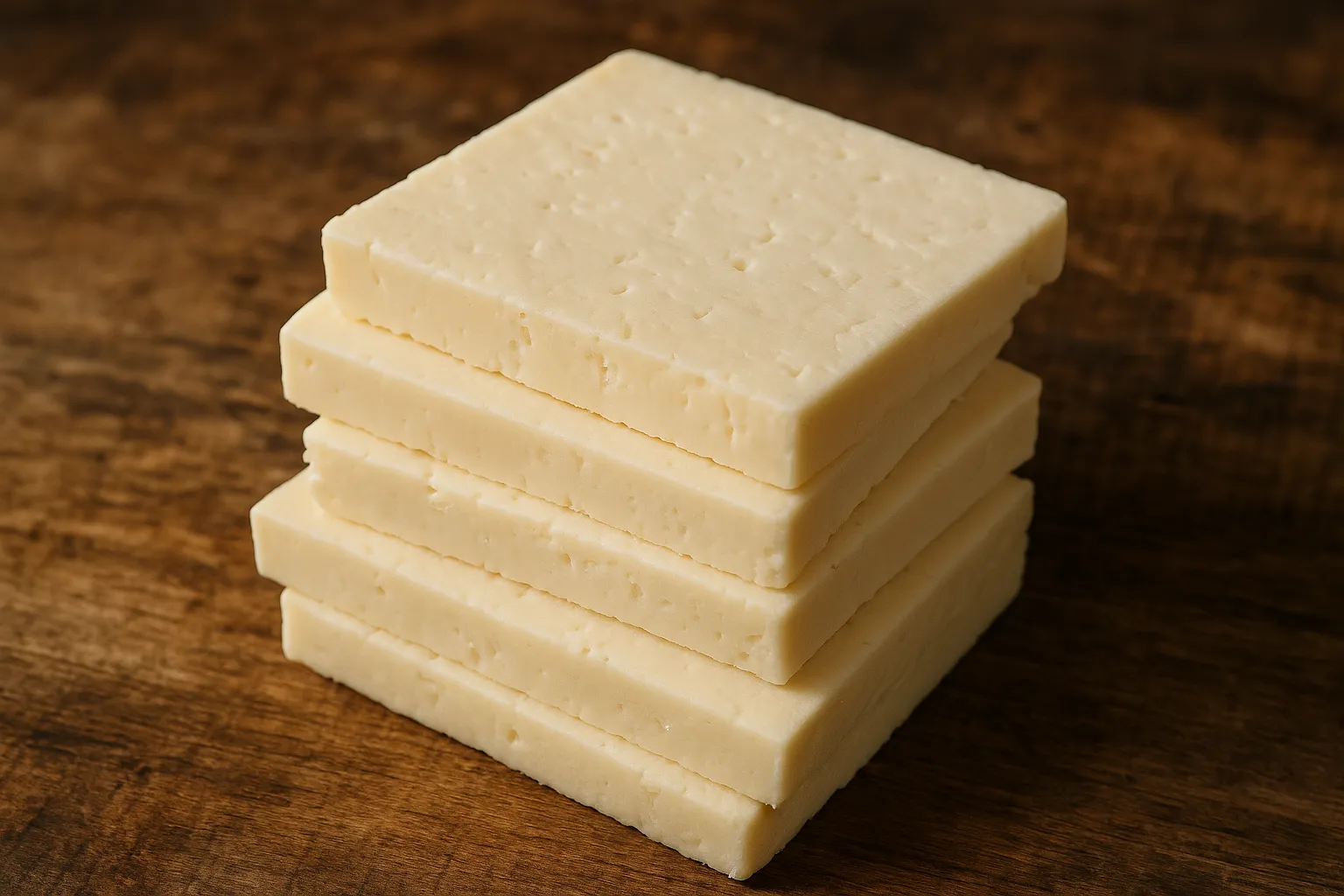
Schnelle Nährwertfakten
Per 1 Käse Slice (21g)
| Nährstoff | Menge |
|---|---|
| Kalorien | 80 kcal |
| Protein | 5g |
| Kohlenhydrate | 0.7g |
| Ballaststoffe | 0g |
| Zucker | 0.1g |
| Fette | 6.5g |
| Kalzium | 150-180mg |
| Vitamin B12 | 0.4mcg |
| Natrium | 180mg |
| Selenium | 7mcg |
Makronährstoff-Aufschlüsselung
 ChatGPT
  Claude
  AI Mode
  Perplexity
ERNÄHRUNGSBERATER-EINBLICK
Käsescheiben deliver concentrated Protein (5g) and calcium in minimal Kalorien. One slice liefert 15% täglich calcium needs, wesentlich for bone density, muscle contraction, and nerve transmission. Der saturated Fett content unterstützt Fett-soluble vitamin absorption.
Mythenentlarvung
MYTHOS #1: Käse Causes Gewicht Gain
WAHRHEIT: Käsescheiben have nur 80 Kalorien and 5g Protein that fördert fullness and satiety. Gewicht gain comes from excess overall Kalorien. In Mäßigung (1-2 slices), käse unterstützt Gewichtsverlust wenn paired mit vegetables. Der hoch Protein-to-calorie ratio makes it ideal for satiation.
MYTHOS #2: Käse Ist Bad For Your Heart
WAHRHEIT: Dairy Fett enthält conjugated linoleic acid (CLA) welche has protective cardiovascular benefits. Studies show fermented käse moderates cholesterol and blood pressure besser als expected. One slice täglich (80 Kalorien) liefert heart-protective calcium ohne excess saturated Fett.
MYTHOS #3: Alle Käsescheiben Sind der Gleich
WAHRHEIT: Processed Käsescheiben differ significantly from natural käse. Natural cheddar/mozzarella slices have 100% käse content; processed slices add emulsifiers and additives. Compare labels: natural slices have besser Protein-to-carb ratios and fewer additives. Wählen accordingly based on your nutritional needs.
MYTHOS #4: Käse Ist Too Hoch in Natrium
WAHRHEIT: One käse slice enthält 180mg Natrium (8% täglich grenze). Dies ist mäßig—within gesund täglich intake (2,300mg). Pair mit niedrig-Natrium vegetables and water; dies verhindert Natrium overload. Processed varieties sind höher (200-250mg pro Scheibe); natural käse ist a besser choice for Natrium-conscious individuals.
MYTHOS #5: Dairy Käse Causes Inflammation
WAHRHEIT: Fermented dairy like käse enthält probiotics and antimicrobial compounds that reduce Entzündung. Der lactose content in käse ist minimal (die meisten fermented away), making it anti-inflammatory. Nur vermeiden if you have diagnosed lactose intolerance.
MYTHOS #6: Käsescheiben Have No Nutritional Value
WAHRHEIT: One slice delivers 5g complete Protein (alle amino acids), 150-180mg calcium (15% DV), vitamin B12 for energy, and selenium for antioxidant protection. Diese Nährstoffe support muscle recovery, bone strength, nerve function, and immune health—making Käsescheiben nutrient-dense per calorie.
NutriScore by Gesundheitsziele
| Gesundheitsziel | NutriScore | Warum diese Bewertung? |
|---|---|---|
| Gewichtsverlust |  | 80 Kalorien, 5g Protein for satiety. Grenze to 1-2 slices täglich paired mit vegetables. Hoch Fett density requires Portionskontrolle. |
| Muskelaufbau |  | Excellent Protein (5g pro Scheibe), complete amino acids, hoch calcium unterstützt muscle contraction. Stack mit whole grains post-workout. |
| Diabetes-Management | | Zero glycemic impact (0.7g Kohlenhydrate), minimal glucose spike. Pairs safely mit vegetables and legumes for balanced meals ohne Blutzucker risk. |
| PCOS-Management | | Niedrig carb (0.7g), unterstützt hormone stability. Hoch Fett requires Mäßigung (1 slice); pair mit Ballaststoffe-rich vegetables for insulin sensitivity. |
| Schwangerschaft Nutrition | | Rich in calcium (15% DV) for fetal bone development, vitamin B12 for neural development, Protein for placental growth. Unterstützt maternal Knochengesundheit während Schwangerschaft. |
| Viral/Flu Recovery | | Complete Protein for antibody production, selenium for immune cells, calcium for Entzündung kontrolle. Easy to eat wenn appetite ist niedrig. |
PERSONALISIERTE ERNÄHRUNG
Verfolgen Sie Ihre Mahlzeiten mit NutriScan for personalized NutriScores based on your specific health goals!
Blutzucker-Reaktion to Käsescheiben
Käse has minimal impact on Blutglukose due to zero net Kohlenhydrate and hoch Fett content that slows any minimal carbohydrate absorption.
Typische Glukose-Reaktionskurve
Diese Grafik zeigt typical Blutglukose response for general gesund individuals. Individuelle Reaktionen können variieren. Keine medizinische Beratung.
Pairing Recommendations
Käsescheiben pair exceptionally gut mit whole grains, vegetables, and legumes to create balanced, satisfying meals:
- 🥔 Whole grain crackers - Adds Ballaststoffe, sustains energy
- 🥕 Roh vegetables (carrots, peppers, cucumbers) - Adds Ballaststoffe and Mineralien, zero carb spike
- 🌾 Legumes (lentils, chickpeas) - Combines Protein, creates complete amino acid profile
- 🍎 Apple slices - Natural sugars offset by Ballaststoffe, classic pairing
Dies combination creates balanced macronutrient profiles während minimizing Blutzucker impact.
Kulturelle Bedeutung
Käse-making spans 8,000+ years, mit ancient civilizations using käse for food preservation and nutrition across Europe, der Middle East, and Asia.
In India:
- Paneer (frisch käse) ist fundamental to vegetarian cuisine, used in curries and snacks
- Processed Käsescheiben sind increasingly popular in urban Indian meals and fast food
- Modern Indian dietary evolution incorporates Käsescheiben in sandwiches and toast
- Regional variations: chikhalwali (traditional frisch käse), emerging milk-based dairy products
Global Impact:
- Over 400 varieties of käse exist worldwide, jeder mit unique flavor and nutrition profiles
- Käse ist a staple Protein source across Mediterranean, Northern European, and American diets
- Modern processing allows shelf-stable Käsescheiben for convenience and global distribution
- Sustainability: käse production hilft utilize dairy byproducts, supporting agricultural communities
Vergleichen und Ersetzen
Käsescheiben vs Similar Protein Sources (Pro 100g)
| Nährstoff | 🧀 Käsescheiben | 🥚 Egg (gekocht) | 🥛 Greek Yogurt | 🍗 Chicken Breast |
|---|---|---|---|---|
| Kalorien | 380 kcal | 155 kcal | 59 kcal | 165 kcal |
| Protein | 24g | 13g | 10g | 31g |
| Fette | 31g | 11g | 0.4g | 3.6g |
| Kohlenhydrate | 3g | 1.1g | 3.6g | 0g |
| Kalzium | 720mg | 52mg | 100mg | 11mg |
| B12 | 1.5mcg | 0.9mcg | 0.3mcg | 0.3mcg |
| Am besten für | Convenience, Knochengesundheit | Complete amino acids | Niedrig-Fett Protein snacks | Lean Muskelaufbau |
Häufig Gestellte Fragen
Sind Käsescheiben gut for Gewichtsverlust?
Käsescheiben support Gewichtsverlust in Mäßigung. One slice has 80 Kalorien and 5g Protein that fördert fullness. Beste practices: grenze to 1-2 slices per tag; pair mit vegetables or whole grains; wählen niedriger-Fett varieties (6-7g Fett pro Scheibe); drink water to aid satiety. Der hoch Protein-to-calorie ratio makes käse excellent for appetite kontrolle.
Kann diabetics eat Käsescheiben?
Yes, diabetics kann safely enjoy Käsescheiben. They contain minimal Kohlenhydrate (0.7g pro Scheibe) and won't spike Blutzucker. Natural käse ist preferable to processed varieties due to fewer additives. Pair mit vegetables and Ballaststoffe sources for balanced meals that maintain stable glucose levels.
Ist processed käse bad for you?
Processed Käsescheiben contain emulsifiers (polyphosphates, citrates) for smooth melting and stabilizers to extend shelf leben. Während safe in Mäßigung, they're less nahrhaft als natural käse. Compare labels: gut processed slices have 5g+ Protein, <200mg Natrium pro Scheibe, no artificial colors. Occasional verwenden (1-2 slices) poses no health risk for die meisten people.
Wie viele Käsescheiben per tag ist safe?
Generally safe limits depend on your health goal: Gewichtsverlust (1-2 slices täglich mit meals); Muskelaufbau (2-3 slices täglich mit whole grains); Diabetes (1-2 slices mit vegetables); Schwangerschaft (2-3 slices for calcium); normal maintenance (up to 3 slices). Monitor total täglich Fett intake (target 25-35% of Kalorien); excess käse kann contribute to hoch saturated Fett.
Was sind der gesundheitliche Vorteile of Käsescheiben?
Käsescheiben provide complete Protein (5g) for muscle repair; calcium (15% DV) for bone density and nerve function; vitamin B12 for energy and red blood cell formation; selenium for antioxidant protection and immune support. Regular consumption unterstützt cardiovascular health, bone strength, and sustained satiety.
Ist Käsescheiben besser als whole käse?
Whole käse (cheddar, mozzarella) bietet superior flavor and typischerweise fewer additives; Käsescheiben prioritize convenience and consistent melting. Nutritionally similar pro Portion, whole käse liefert mehr versatility in cooking. Wählen based on your lifestyle: slices for quick meals; blocks for cooking and besser taste.
Kann I eat Käsescheiben on an empty stomach?
Yes, Käsescheiben sind gentle on digestion and won't cause stomach upset wenn consumed alone. Jedoch, pairing mit a carbohydrate source (whole grain crackers, fruit) or Ballaststoffe (vegetables) creates mehr balanced nutrition and extends satiety. Vermeiden if you have lactose intolerance or dairy sensitivity.
Wie to geschäft Käsescheiben?
Keep unopened packages in refrigerator at 35-40°F (1.7-4.4°C). Nach opening, wrap tightly in plastic wrap or geschäft in an airtight container; consume within 1-2 weeks. Frozen Käsescheiben letzte 3-4 months but kann change texture (am besten für melting in gekocht dishes). Check packaging date; processed slices have longer shelf leben (3-4 months unopened) due to emulsifiers.


Ähnliche Nährstoffhaltige Lebensmittel
4505 Chicharrones Classic Chili Salt
7 Eleven Japan Crispy Corn Cheese
Explore Mehr Nutrition Tools & Resources
Beste Proteinergänzungen für Frauen
Bulking Meal Plan App für deinen Kalorienüberschuss
ChatGPT Abnehmcoach Alternative mit Ernährungstagebuch
ChatGPT Diätplan Alternative, die dein Essen erfasst
ChatGPT Kalorienzähler Alternative mit Tagessumme
Drittes Trimester Protein Leitfaden
Ernährungsplan für 40-jährige Männer
Fast Food Kalorienzähler, der das Tablett liest
Gewichtszunahme Diätplan Deutschland
Indische Diätplan App mit Veg- und Non-Veg-Optionen
Intervallfasten für Frauen, Timer und Essprotokoll
Intervallfasten Tracker App: gratis Fasten-Timer
Kalorien für deutsches Essen berechnen
Kalorienzähler App mit Foto: kostenlos Kalorien sehen
Kalorienzähler für deutsche Gerichte - Sofortige Nährwertangaben für jede Mahlzeit — 2026
Keto Diät Plan App: 28-Tage-Plan und Kohlenhydrate zählen
KI Ernährungsberater App, die deine Mahlzeiten liest
KI-Lebensmittel-Tracker Deutschland
Kostenlose Kalorienzähler-App mit KI-Foto-Scan | NutriScan
Makro-Tracker-App, die die Werte per Foto ausfüllt
Mediterrane Diät App, die das Öl mitzählt
Mikronährstoffe Tracker App für Vitamine und Mineralstoffe
Monatliche Einkaufsliste Generator
Nahrungsergänzungsmittel-Analysator & Planer
Nährwertetiketten Scanner App für deine Portion
NutriScore App: Bewertung für jede Mahlzeit | NutriScan
Sprachaktivierter Kalorienzähler - Sag deine Mahlzeiten an und tracke Nährstoffe freihändig — 2026
Vegetarischer Ernährungsplan App mit Proteinziel
Wasser und Kalorien Tracker App: gratis Trinkprotokoll
Wochenplan Essen App mit Kalorien und Einkaufsliste
Yazio Alternative kostenlos mit KI-Foto-Scan | NutriScan