Egusi Soup: Kalorien, Nährwerte und gesundheitliche Vorteile
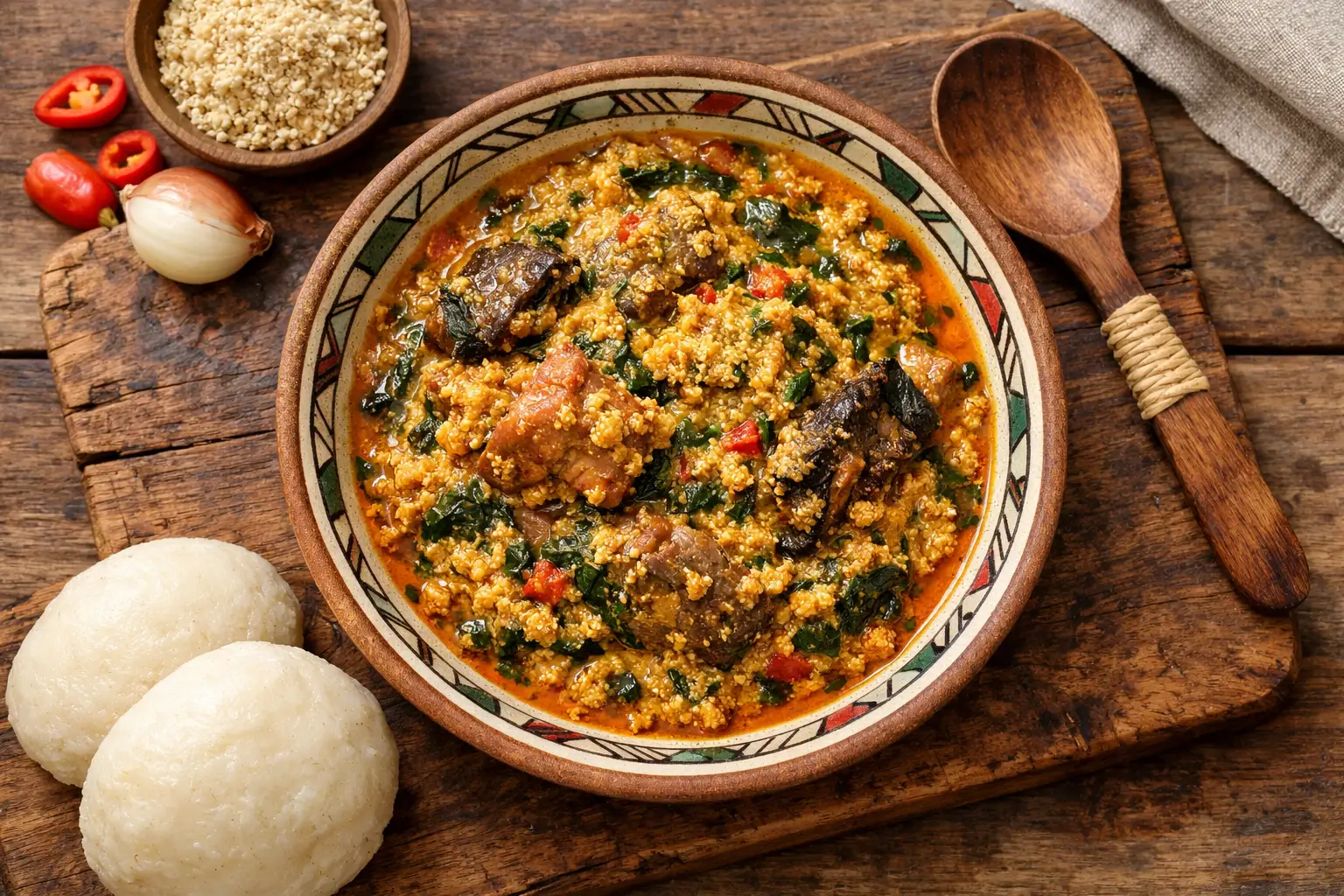
Egusi Soup, a traditional West African delicacy made from ground melon seeds (egusi) and leafy greens, delivers exceptional nutrition with 182 calories, 14.3g protein, and 13.2g healthy fats per 100g serving. This thick, savory soup provides complete plant protein, essential minerals, and heart-healthy fats that rival animal-based protein sources.
Schnelle Nährwert-Fakten
Per 100g serving (approximately 1/2 cup):
| Nutrient | Amount | % Daily Value |
|---|---|---|
| Calories | 182 kcal | 9% |
| Carbohydrates | 3.1 g | 1% |
| Fiber | 2.1 g | 8% |
| Protein | 14.3 g | 29% |
| Fat | 13.2 g | 17% |
| Saturated Fat | 2.1 g | 11% |
| Iron | 4.2 mg | 23% |
| Zinc | 3.1 mg | 28% |
| Vitamin E | 2.8 mg | 19% |
| Folate | 58 mcg | 15% |
Key Highlights:
- High Protein: 14.3g per 100g - comparable to chicken soup
- Healthy Fats: 52% unsaturated fats from melon seeds [^1]
- Low Carb: Only 3.1g carbs - diabetes-friendly
- Rich in Iron & Zinc: Supports immunity and blood health
 ChatGPT
  Claude
  AI Mode
  Perplexity
💡 NUTRITIONIST INSIGHT
Egusi seeds are nutritional powerhouses containing 28% protein and 52% fat, mostly unsaturated fatty acids that support heart health. The combination with leafy greens creates a complete nutritional profile with all essential amino acids, making it an excellent plant-based protein alternative to meat.
Mythen entlarvt: Common Misconceptions About Egusi Soup
MYTH #1: "Egusi Soup is too fatty and unhealthy"
TRUTH: The fat in Egusi Soup is predominantly heart-healthy unsaturated fat (up to 80% of total fat content). Studies show egusi oil contains beneficial linoleic and oleic acids that support cardiovascular health rather than harm it. [^1]
MYTH #2: "Egusi has no protein compared to meat soups"
TRUTH: Egusi seeds contain approximately 28% protein by weight, and 100g of soup provides 14.3g protein - comparable to chicken-based soups. The protein includes essential amino acids, making it a complete protein source for vegetarians. [^2]
MYTH #3: "Egusi Soup will spike blood sugar like other soups"
TRUTH: With only 3.1g carbohydrates per 100g, Egusi Soup has minimal impact on blood glucose levels. The high protein and fat content further slows digestion, resulting in stable blood sugar response ideal for diabetics. [^3]
MYTH #4: "Pregnant women should avoid Egusi Soup"
TRUTH: Egusi Soup is highly beneficial during pregnancy. It provides folate (58mcg per 100g), iron (4.2mg), and protein essential for fetal development. The vitamin E content supports maternal health and reduces oxidative stress during pregnancy. [^2]
MYTH #5: "Egusi Soup causes weight gain"
TRUTH: Despite being calorie-dense (182 cal per 100g), the high protein and fiber content promotes satiety, helping control overall calorie intake. Research shows protein-rich foods like egusi help preserve muscle mass during weight loss. [^3]
NutriScore nach Gesundheitszielen
| Health Goal | Score | Reasoning | Key Benefits |
|---|---|---|---|
| Weight Loss |  | Moderate calories (182/100g) with high satiety from 14g protein and healthy fats; portion control essential | High protein preserves muscle mass; fiber controls appetite; healthy fats extend satiety |
| Muscle Gain |  | Excellent plant-based protein (14g per 100g) with complete amino acid profile; supports muscle recovery and growth | Complete protein source; zinc aids testosterone production; vitamin E reduces exercise-induced oxidative stress |
| Diabetes | | Ultra-low carb (3.1g) with minimal blood sugar impact; high protein stabilizes glucose levels | Low glycemic response; protein slows digestion; healthy fats improve insulin sensitivity [^3] |
| PCOS | | Low-carb profile supports insulin sensitivity; anti-inflammatory omega-6 fatty acids may help hormonal balance | Reduces insulin spikes; anti-inflammatory properties; protein supports lean muscle mass |
| Pregnancy | | Rich in folate (15% DV), iron (23% DV), and protein essential for fetal development; vitamin E supports maternal health [^2] | Folate prevents neural tube defects; iron prevents anemia; complete protein for fetal growth |
| Viral/Flu Recovery | | High protein aids immune function; zinc (28% DV) and vitamin E boost immunity; warm soup soothes throat | Zinc supports immune cell function; protein rebuilds tissues; anti-inflammatory properties aid recovery |
🔬 PERSONALIZED NUTRITION
Your optimal serving size depends on your health goals. Use NutriScan's Portion Planner to calculate personalized portions based on your calorie needs, activity level, and health objectives. Track your blood sugar response with our Glucose Monitor Integration.
Blutzuckerreaktion
Egusi Soup demonstrates exceptional blood sugar stability due to its ultra-low carbohydrate content (3.1g per 100g) and high protein-fat ratio. The graph above shows minimal glucose elevation, typically staying within 5-10 mg/dL of baseline - ideal for diabetics and those managing insulin resistance. [^3]
Pairing Tips for Optimal Blood Sugar Control:
- With Fufu/Pounded Yam: Limit starchy sides to 50-75g; egusi's protein helps blunt the glucose spike from high-GI carbs
- With Brown Rice: Choose 1/2 cup cooked rice (80g) paired with 150g egusi soup for balanced macros
- Standalone Bowl: 200-250g serving provides complete nutrition without blood sugar elevation
- Post-Workout: Pair with small sweet potato (100g) for glycogen replenishment without insulin surge
⚕️ MEDICAL DISCLAIMER
Individual blood sugar responses vary based on insulin sensitivity, medication, and overall meal composition. People with diabetes should monitor their personal glucose response and consult healthcare providers before making dietary changes.
Kulturelle Bedeutung
Egusi Soup holds deep cultural roots across West Africa, particularly in Nigeria, Ghana, Cameroon, and Togo, where it has been a dietary staple for centuries. The soup's name derives from the Yoruba word "egusi," referring to the melon seeds (Citrullus lanatus) that form its nutritional backbone.
Historical Context: Archaeological evidence suggests melon cultivation in West Africa dates back over 4,000 years, with egusi seeds valued both as food and traditional medicine. The soup became a symbol of hospitality and celebration, often served at weddings, naming ceremonies, and community gatherings.
Regional Variations:
- Nigerian Style: Thick, protein-rich version with stockfish, crayfish, and bitter leaf or spinach
- Ghanaian Agushie: Often prepared with nkontomire (cocoyam leaves) and palm oil
- Cameroonian Egusi: May include njangsa spice and country onions for distinct flavor
- Togolese Version: Lighter consistency with more vegetables and less oil
Modern Diaspora: Egusi Soup has gained international recognition through African diaspora communities in Europe, North America, and beyond. It's now featured in fusion cuisine, with vegan adaptations and health-focused versions becoming popular among plant-based eaters seeking high-protein meals.
Traditional Preparation: Historically, egusi seeds were hand-ground using stone mortars, a labor-intensive process that brought families together. Modern blenders have simplified preparation, but many still prefer traditional methods for authentic texture and cultural connection.
Vergleichen & ersetzen (per 100g)
| Food | Calories | Protein | Fat | Carbs | Fiber | Iron | Best For |
|---|---|---|---|---|---|---|---|
| Egusi Soup | 182 | 14.3g | 13.2g | 3.1g | 2.1g | 4.2mg | High protein, low-carb meals |
| Chicken Soup | 87 | 8.3g | 2.9g | 6.8g | 0.5g | 0.8mg | Lower calorie, lighter option |
| Lentil Soup | 116 | 7.6g | 0.4g | 19.4g | 5.1g | 2.1mg | High fiber, vegan, lower fat |
| Peanut Soup | 168 | 7.2g | 10.8g | 11.2g | 2.8g | 1.6mg | Similar nutty flavor, more carbs |
| Black Bean Soup | 91 | 6.1g | 0.5g | 15.9g | 5.6g | 1.8mg | High fiber, budget-friendly |
Best Choice Based on Goals:
- Weight Loss: Chicken Soup or Lentil Soup (lower calories)
- Muscle Gain: Egusi Soup (highest protein density)
- Diabetes: Egusi Soup (lowest net carbs: 1g)
- Heart Health: Lentil Soup (lowest fat, highest fiber)
- Plant-Based Protein: Egusi Soup (complete amino acid profile)
Häufig gestellte Fragen
1. How many calories are in a typical bowl of Egusi Soup?
A standard serving bowl (250g) contains approximately 455 calories. However, calorie content varies significantly based on preparation method - palm oil additions can increase calories to 600+ per bowl, while lean versions with minimal oil stay around 400-450 calories. Homemade versions typically contain 350-500 calories per bowl depending on ingredients.
2. Is Egusi Soup suitable for a keto diet?
Yes, Egusi Soup is excellent for keto diets due to its low carbohydrate content (3.1g per 100g) and high fat profile (13.2g). The macronutrient ratio aligns well with ketogenic requirements. To maximize keto compatibility, prepare with extra palm oil or coconut oil and skip starchy sides like fufu or pounded yam. A 200g serving provides only 6g net carbs while delivering substantial protein and healthy fats.
3. Can I eat Egusi Soup if I have nut allergies?
Egusi seeds are melon seeds, not tree nuts, so they're generally safe for people with tree nut allergies. However, egusi belongs to the Cucurbitaceae family (cucumbers, melons, squash), and cross-reactivity is possible in rare cases. If you have severe allergies or oral allergy syndrome, consult an allergist before trying egusi for the first time. Most people with peanut or tree nut allergies tolerate egusi without issues.
4. What's the best time to eat Egusi Soup for weight loss?
For weight loss, consume Egusi Soup at lunch (12-2pm) when metabolism is highest and protein utilization is optimal. The high protein content (14g per 100g) promotes satiety for 4-5 hours, reducing afternoon snacking. Avoid eating large portions after 7pm when digestion slows. Pair with non-starchy vegetables and limit to 150-200g portions for best results.
5. Does Egusi Soup lose nutrients when reheated?
Minimal nutrient loss occurs with proper reheating. Vitamin E and healthy fats remain stable, while protein content is unaffected. Water-soluble vitamins from leafy greens may decrease by 10-15% with each reheating cycle. Best practice: reheat only once on low-medium heat, add fresh spinach or kale when reheating for nutrient boost, and consume within 3-4 days of preparation.
6. How does Egusi compare to other African soups nutritionally?
Egusi Soup ranks highest among West African soups for protein density (14g per 100g vs 6-9g in ogbono or okra soup). It's moderate in calories compared to groundnut soup (similar calories but higher carbs) and lower than banga soup (palm nut soup often exceeds 250 cal/100g). For micronutrients, egusi provides more iron and zinc than most vegetable-based African soups, making it the superior choice for plant-based protein seekers.
Ähnliche nahrhafte Lebensmittel
4505 Chicharrones Classic Chili Salt
7 Eleven Japan Crispy Corn Cheese
Try NutriScan App for Personalized Nutrition
Beste Proteinergänzungen für Frauen
Bulking Meal Plan App für deinen Kalorienüberschuss
ChatGPT Abnehmcoach Alternative mit Ernährungstagebuch
ChatGPT Diätplan Alternative, die dein Essen erfasst
ChatGPT Kalorienzähler Alternative mit Tagessumme
Drittes Trimester Protein Leitfaden
Ernährungsplan für 40-jährige Männer
Fast Food Kalorienzähler, der das Tablett liest
Gewichtszunahme Diätplan Deutschland
Indische Diätplan App mit Veg- und Non-Veg-Optionen
Intervallfasten für Frauen, Timer und Essprotokoll
Intervallfasten Tracker App: gratis Fasten-Timer
Kalorien für deutsches Essen berechnen
Kalorienzähler App mit Foto: kostenlos Kalorien sehen
Kalorienzähler für deutsche Gerichte - Sofortige Nährwertangaben für jede Mahlzeit — 2026
Keto Diät Plan App: 28-Tage-Plan und Kohlenhydrate zählen
KI Ernährungsberater App, die deine Mahlzeiten liest
KI-Lebensmittel-Tracker Deutschland
Kostenlose Kalorienzähler-App mit KI-Foto-Scan | NutriScan
Makro-Tracker-App, die die Werte per Foto ausfüllt
Mediterrane Diät App, die das Öl mitzählt
Mikronährstoffe Tracker App für Vitamine und Mineralstoffe
Monatliche Einkaufsliste Generator
Nahrungsergänzungsmittel-Analysator & Planer
Nährwertetiketten Scanner App für deine Portion
NutriScore App: Bewertung für jede Mahlzeit | NutriScan
Sprachaktivierter Kalorienzähler - Sag deine Mahlzeiten an und tracke Nährstoffe freihändig — 2026
Vegetarischer Ernährungsplan App mit Proteinziel
Wasser und Kalorien Tracker App: gratis Trinkprotokoll
Wochenplan Essen App mit Kalorien und Einkaufsliste
Yazio Alternative kostenlos mit KI-Foto-Scan | NutriScan
📸 Scan Any Food • Get Instant Nutrition
Stop guessing calories. NutriScan analyzes your meals in seconds using advanced AI - just snap a photo.
- ✓ Instant calorie & macro breakdown
- ✓ Personalized health scores
- ✓ Track 100+ nutrients automatically
- ✓ Works offline, no internet needed
Quellen
[^1]: Olubi, O. et al. (2018). "Physicochemical and fatty acid profile of egusi oil from Citrullus colocynthis, Cucumeropsis mannii and Lagenaria siceraria." Food Science & Nutrition. PMC6313835. Read study
[^2]: Frazzoli, C. et al. (2017). "The case of Egusi Okra meal in the diet of HIV+/AIDS subjects." Frontiers in Nutrition. PMC5615167. Read study
[^3]: FatSecret Platform. (2024). "Nutrition Facts: Egusi Soup (100g serving)." FoodData Database. View data