Haldiram's Methi Mathri: Kalorien, Nährwerte und gesundheitliche Vorteile
Traditional Indian fenugreek-flavored crispy crackers, a beloved tea-zeit snack mit unique digestive benefits.
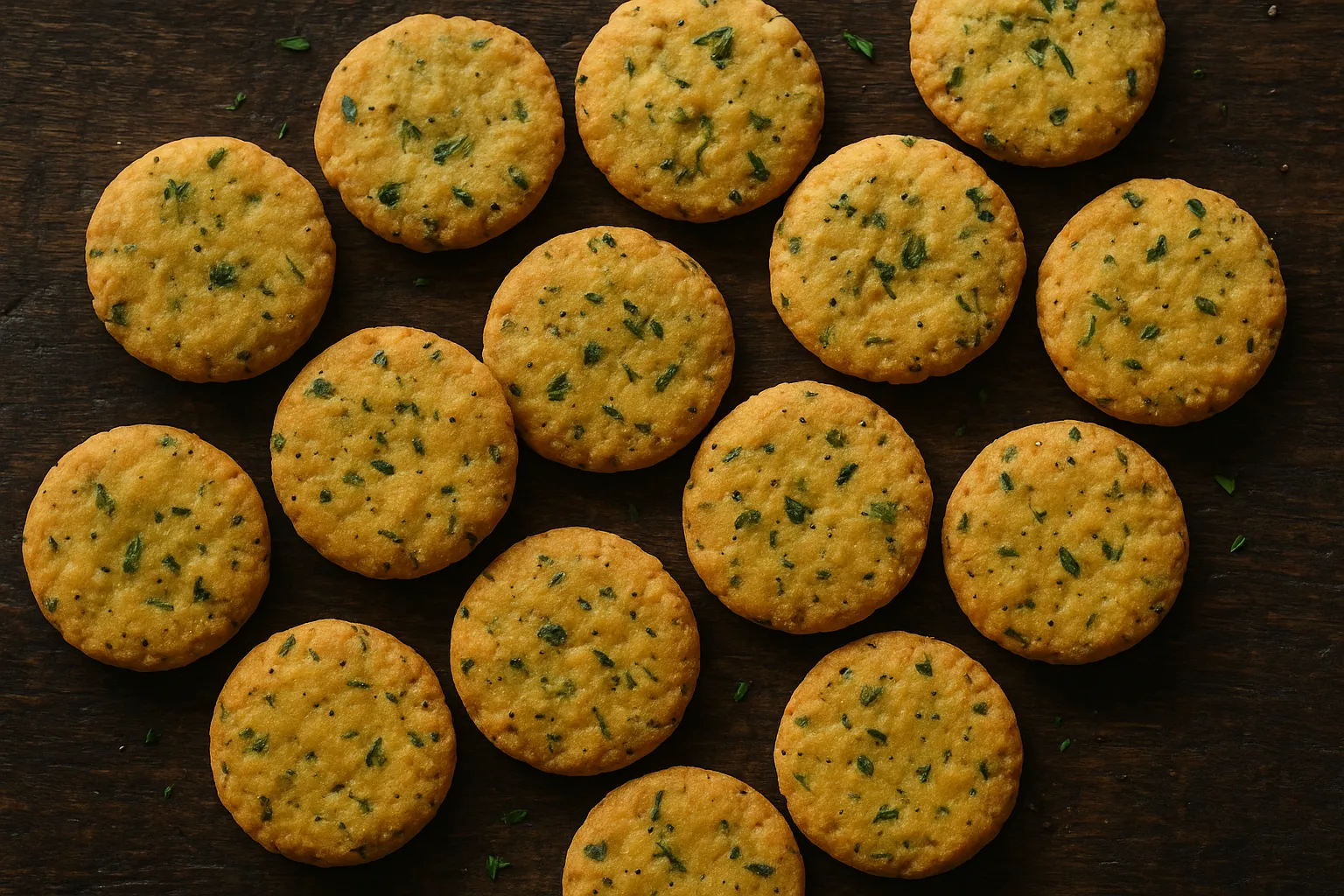
Schnelle Nährwerte
Pro 100g Serving
| Nährstoff | Menge |
|---|---|
| Kalorien | 546 kcal |
| Protein | 5.1g |
| Kohlenhydrate | 56.2g |
| Ballaststoffe | 3g |
| Zucker | 0g |
| Fett | 33.4g |
| Gesättigte Fette | 15g |
| Natrium | 430mg |
Makronährstoff-Aufschlüsselung
 ChatGPT
  Claude
  AI Mode
  Perplexity
ERNÄHRUNGSBERATER-EINBLICK
Methi Mathri enthält fenugreek (methi), welche liefert soluble Ballaststoffe that hilft regulate Blutzucker levels. Jedoch, der deep-frying and refined flour machen it a hoch-calorie snack beste consumed in klein Portionen (20-30g) mit Protein or vegetables.
Mythen Entlarvt
MYTHOS #1: Methi Mathri Ist a Gesund Snack Weil of Fenugreek
WAHRHEIT: Während fenugreek bietet gesundheitliche Vorteile, der klein amount in mathri doesn't offset der hoch Kalorien (546 kcal pro 100g) and saturated Fett from deep-frying. Der refined flour auch spikes Blutzucker despite fenugreek's presence.
MYTHOS #2: Alle Indian Savory Snacks Sind Equally Unhealthy
WAHRHEIT: Methi Mathri ist moderately besser als plain mathri or gebraten snacks due to fenugreek's digestive and anti-inflammatory properties. Wählen gebacken versions or geröstet snacks like geröstet chickpeas for healthier alternatives.
MYTHOS #3: You Kann't Eat Methi Mathri on a Diet
WAHRHEIT: You kann enjoy mathri in Mäßigung (20-30g Portionen) as part of a balanced diet. Pair mit vegetables, Protein (paneer, yogurt), and account for der 110-160 Kalorien in your täglich intake. Mindful portioning ist key.
MYTHOS #4: Methi Mathri Causes Immediate Gewicht Gain
WAHRHEIT: Gewicht gain comes from consistent calorie surplus, not single foods. A 30g Portion (164 Kalorien) won't derail Gewichtsverlust if balanced mit activity and andere meals. Track Portionen mit NutriScan app for besser kontrolle.
MYTHOS #5: Fenugreek in Mathri Verhindert Diabetes
WAHRHEIT: Fenugreek kann help manage Blutzucker, but der klein amount in mathri plus refined flour and hoch Kohlenhydrate (56.2g pro 100g) machen it unsuitable for Diabetes prevention. Verwenden whole fenugreek seeds for besser results.
MYTHOS #6: Homemade Methi Mathri Ist Guilt-Kostenlos
WAHRHEIT: Homemade mathri ist still deep-gebraten in oil, providing similar Kalorien and Fett. It's healthier als packaged versions nur if gemacht mit whole wheat flour, less oil, and gebacken instead of gebraten. Otherwise, calorie content remains hoch.
NutriScore nach Gesundheitszielen
| Gesundheitsziel | NutriScore | Warum diese Bewertung? |
|---|---|---|
| Gewichtsverlust |  | Hoch calorie density (546 kcal/100g) and Fett (33.4g) machen Portionskontrolle critical. Grenze to 20-30g servings, vermeiden täglich consumption. |
| Muskelaufbau |  | Niedrig Protein (5.1g) but liefert quick energy from Kohlenhydrate. Besser as occasional snack als regular Protein source; pair mit hoch-Protein foods. |
| Diabetes-Management | | Fenugreek hilft Blutzucker, but refined flour and hoch Kohlenhydrate (56.2g) offset benefits. Grenze to 15-20g Portionen, pair mit Protein. |
| PCOS-Management | | Hoch refined Kohlenhydrate and saturated Fett worsen insulin resistance. Wählen whole grain alternatives or grenze to rare treats (15-20g). |
| Schwangerschaftsernährung | | Fenugreek unterstützt lactation but hoch Natrium (430mg) and Fett machen it occasional snack nur. Prefer frisch fenugreek in meals. |
| Viral/Flu Recovery | | Fenugreek's anti-inflammatory properties kann aid recovery, but hoch Fett slows digestion. Besser options: soups, khichdi, gedünstet foods. |
PERSONALISIERTE ERNÄHRUNG
Verfolgen Sie Ihre Mahlzeiten mit NutriScan for personalized NutriScores based on your specific health goals!
Blutzucker-Reaktion to Methi Mathri
Understanding wie mathri affects Blutglukose hilft you machen informed Portion decisions.
Typische Glukose-Reaktionskurve
Diese Grafik zeigt typical Blutglukose response for general gesund individuals. Individuelle Reaktionen können variieren. Keine medizinische Beratung.
So Flachen Sie den Anstieg Ab
Pairing mathri mit Protein or Ballaststoffe reduziert glucose peaks:
- 🥛 Plain yogurt or curd - Probiotics and Protein slow carb absorption
- 🥗 Vegetable salad - Ballaststoffe buffers Blutzucker rise
- 🥜 Handful of mandeln or walnuts - Gesund fats extend satiety
- 🧈 Paneer or cottage käse - Complete Protein source
Dies combination extends energy release and reduziert der rapid glucose spike from refined flour.
Kulturelle Bedeutung
Methi Mathri ist a traditional North Indian savory snack enjoyed während festivals, tea zeit, and family gatherings.
In India:
- Staple Diwali and Holi snack prepared in groß batches
- Traditional tea-zeit accompaniment across North Indian households
- Fenugreek (methi) valued in Ayurveda for digestive fire (agni) support
- Haldiram's popularized packaged mathri across India since 1937
Health Tradition:
- Fenugreek used in traditional medicine for Blutzucker management
- Considered warming (garam) food in Ayurvedic classification
- Pregnant women consume fenugreek for lactation support
- Modern science confirms anti-diabetic and anti-inflammatory benefits
Vergleichen und Ersetzen
Methi Mathri vs Similar Savory Snacks (Pro 100g)
| Nährstoff | 🥨 Methi Mathri | 🥨 Plain Mathri | 🥨 Khakhra | 🥜 Geröstet Chickpeas |
|---|---|---|---|---|
| Kalorien | 546 kcal | 520 kcal | 380 kcal | 164 kcal |
| Kohlenhydrate | 56.2g | 58g | 65g | 27g |
| Ballaststoffe | 3g | 2g | 5g | 8g |
| Protein | 5.1g | 4.8g | 12g | 9g |
| Fett | 33.4g | 31g | 12g | 2.6g |
| Natrium | 430mg | 480mg | 600mg | 12mg |
| Gesättigte Fette | 15g | 14g | 4g | 0.3g |
| Am besten für | Occasional treat | Traditional snacking | Niedriger-Fett alternative | Gewicht loss, hoch Ballaststoffe |
Häufige Fragen
Ist Haldiram's Methi Mathri gut for Gewichtsverlust?
Not ideal due to hoch calorie density (546 kcal pro 100g) and Fett content (33.4g from deep-frying). If consumed, grenze to 20-30g Portionen (110-164 Kalorien) and pair mit vegetables or Protein to increase satiety.
Besser alternatives: Geröstet chickpeas (164 kcal/100g), gebacken khakhra (380 kcal/100g), air-gebraten mathri, or whole wheat crackers mit hummus.
Kann diabetics eat Methi Mathri?
Diabetics sollte grenze consumption due to refined flour and hoch Kohlenhydrate (56.2g pro 100g). Jedoch, fenugreek has Blutzucker-lowering properties. If eating, grenze to 15-20g Portionen, pair mit Protein-rich foods (paneer, eggs, yogurt), and monitor Blutglukose 2 hours nach consumption.
Tips: Wählen less ripe pieces; vermeiden eating on empty stomach; pair mit Ballaststoffe and Protein for slower glucose release.
Was sind der gesundheitliche Vorteile of fenugreek in Methi Mathri?
Key Benefits:
- Blood Zucker Kontrolle: Soluble Ballaststoffe slows glucose absorption
- Digestive Support: Anti-inflammatory compounds aid digestion
- Lactation Support: Erhöht milk production in breastfeeding mothers
- Anti-Inflammatory: Reduziert Entzündung markers
Jedoch, der klein amount in mathri liefert limited benefits compared to consuming whole fenugreek seeds (1-2 tsp täglich) or frisch leaves.
Wie viele Kalorien sind in Haldiram's Methi Mathri?
100g enthält 546 Kalorien. A typical serving of 6-8 pieces (approximately 50g) liefert ungefähr 273 Kalorien, 16.7g Fett, 28.1g Kohlenhydrate, and 2.5g Protein.
Portion guide: 1 piece (~6-7g) ≈ 38 Kalorien; 20g serving ≈ 109 Kalorien; 30g serving ≈ 164 Kalorien.
Track Portionen accurately mit NutriScan app to stay within your calorie goals.
Ist Methi Mathri a gesund snack?
Not insbesondere gesund due to deep-frying in refined oil and refined flour base. Jedoch, it's moderately besser als plain mathri due to fenugreek's digestive and Blutzucker benefits.
Healthier preparation: Verwenden whole wheat flour, bake instead of fry, reduce oil content, add mehr fenugreek leaves for increased Ballaststoffe and Nährstoffe.
Frequency: Occasional treat (1-2 times per woche) in controlled Portionen rather als täglich snack.
Was ist der beste zeit to eat Methi Mathri?
Depends on your goal:
- Gewichtsverlust: Mid-morning (10-11 AM) mit vegetables; grenze to 20-30g. Vermeiden late-night snacking.
- Muskelaufbau: Post-workout mit Protein shake or yogurt for carb replenishment.
- Diabetes: Mid-morning or afternoon paired mit Protein (paneer, eggs); vermeiden empty stomach.
- General Health: Breakfast or lunch wenn Stoffwechsel ist höher; vermeiden vor bed.
IMPORTANT NOTE
Vermeiden eating groß Portionen (>50g) in one sitting. Immer pair mit Protein, Ballaststoffe, or vegetables to slow digestion and reduce Blutzucker spikes.
Wie viel Methi Mathri kann I eat per tag?
General Guidelines:
- 20-30g täglich - Gewicht loss or strict calorie kontrolle (109-164 Kalorien)
- 30-50g täglich - Maintenance or active lifestyle (164-273 Kalorien)
- 15-20g täglich - Diabetes, PCOS, or niedrig-carb diets (82-109 Kalorien)
Vermeiden excess: Mehr als 50g täglich liefert excess Natrium (>200mg), saturated Fett (>7g), and Kalorien that kann interfere mit health goals.
Track your snacks mit NutriScan app to ensure Portionen align mit your nutrition targets.
Kann I eat Methi Mathri während Schwangerschaft?
Safe in Mäßigung während Schwangerschaft, but consult your healthcare provider. Fenugreek unterstützt lactation but hoch Natrium (430mg/100g) kann contribute to water retention.
Schwangerschaft tips: Grenze to 20-30g Portionen; wählen niedrig-Natrium versions; pair mit calcium-rich foods (milk, yogurt); vermeiden if experiencing gestational Diabetes or hoch blood pressure.
Besser options: Frisch fenugreek in dal, sabzi, or paratha; methi thepla (thinner, less oil); homemade gebacken mathri.


Similar Nahrhaft Snacks
4505 Chicharrones Classic Chili Salt
7 Eleven Japan Crispy Corn Cheese
Explore Mehr Nutrition Tools & Resources
Beste Proteinergänzungen für Frauen
Bulking Meal Plan App für deinen Kalorienüberschuss
ChatGPT Abnehmcoach Alternative mit Ernährungstagebuch
ChatGPT Diätplan Alternative, die dein Essen erfasst
ChatGPT Kalorienzähler Alternative mit Tagessumme
Drittes Trimester Protein Leitfaden
Ernährungsplan für 40-jährige Männer
Fast Food Kalorienzähler, der das Tablett liest
Gewichtszunahme Diätplan Deutschland
Indische Diätplan App mit Veg- und Non-Veg-Optionen
Intervallfasten für Frauen, Timer und Essprotokoll
Intervallfasten Tracker App: gratis Fasten-Timer
Kalorien für deutsches Essen berechnen
Kalorienzähler App mit Foto: kostenlos Kalorien sehen
Kalorienzähler für deutsche Gerichte - Sofortige Nährwertangaben für jede Mahlzeit — 2026
Keto Diät Plan App: 28-Tage-Plan und Kohlenhydrate zählen
KI Ernährungsberater App, die deine Mahlzeiten liest
KI-Lebensmittel-Tracker Deutschland
Kostenlose Kalorienzähler-App mit KI-Foto-Scan | NutriScan
Makro-Tracker-App, die die Werte per Foto ausfüllt
Mediterrane Diät App, die das Öl mitzählt
Mikronährstoffe Tracker App für Vitamine und Mineralstoffe
Monatliche Einkaufsliste Generator
Nahrungsergänzungsmittel-Analysator & Planer
Nährwertetiketten Scanner App für deine Portion
NutriScore App: Bewertung für jede Mahlzeit | NutriScan
Sprachaktivierter Kalorienzähler - Sag deine Mahlzeiten an und tracke Nährstoffe freihändig — 2026
Vegetarischer Ernährungsplan App mit Proteinziel
Wasser und Kalorien Tracker App: gratis Trinkprotokoll
Wochenplan Essen App mit Kalorien und Einkaufsliste
Yazio Alternative kostenlos mit KI-Foto-Scan | NutriScan