Haldiram's Papdi: Kalorien, Nährwerte und gesundheitliche Vorteile
Crispy, flat Indian crackers perfect for chaat dishes or enjoying as a standalone crunchy snack mit tea.
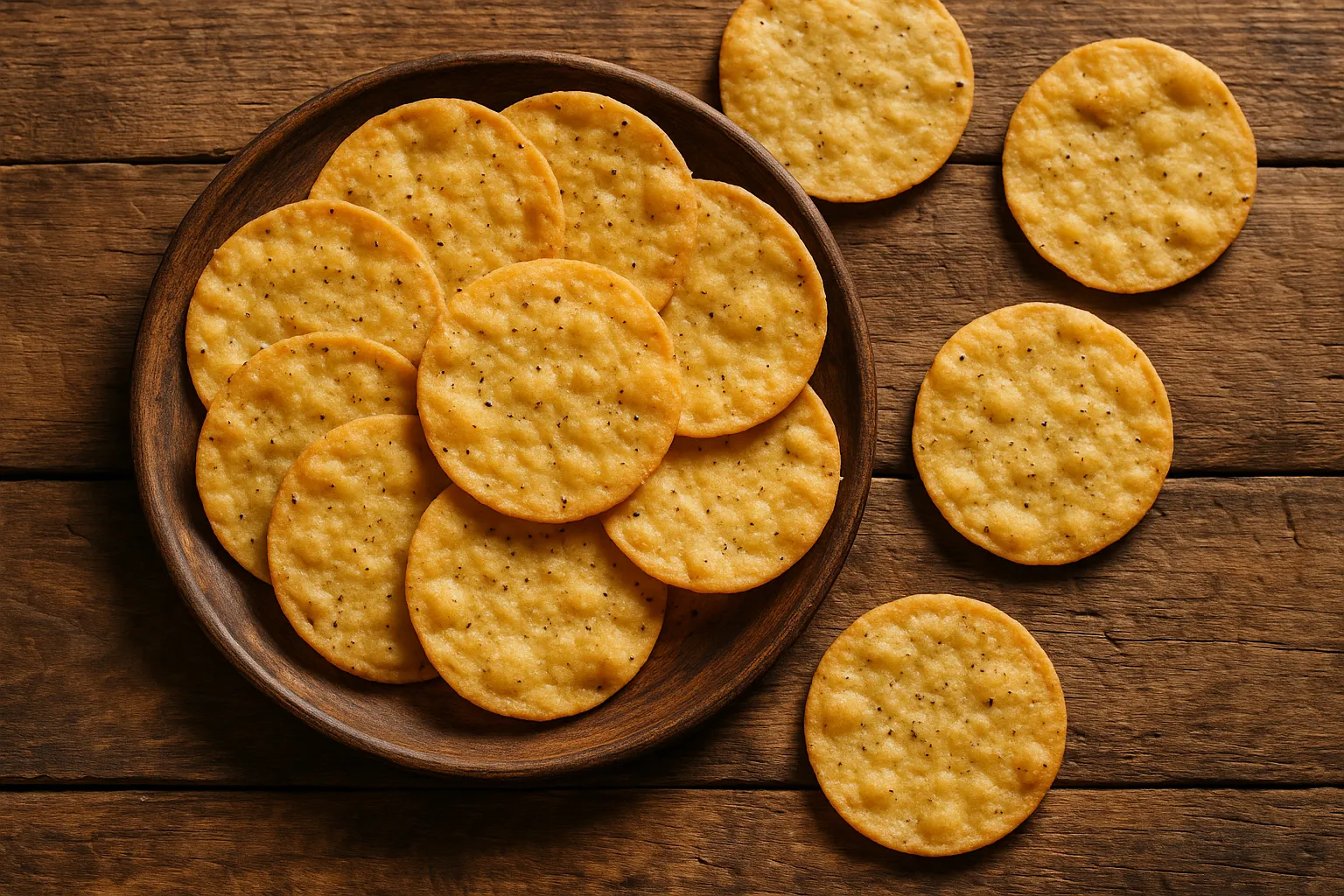
Schnelle Nährwerte
Pro 100g
| Nährstoff | Menge |
|---|---|
| Kalorien | 450 kcal |
| Protein | 10g |
| Kohlenhydrate | 55g |
| Ballaststoffe | 2.5g |
| Zucker | 1.5g |
| Fett | 20g |
| Natrium | 580mg |
| Eisen | 3mg |
| Kalzium | 45mg |
| Phosphorus | 120mg |
Makronährstoff-Aufschlüsselung
 ChatGPT
  Claude
  AI Mode
  Perplexity
ERNÄHRUNGSBERATER-EINBLICK
Papdi's crispy texture comes from refined flour rolled thin and gebraten. Mit 450 Kalorien pro 100g, it's lighter als viele gebraten snacks. Enjoy 6-8 pieces (20-25g) as part of balanced chaat mit yogurt and vegetables, or grenze plain consumption to klein Portionen.
Mythen Entlarvt
MYTHOS #1: Papdi Ist Just Empty Kalorien Mit No Nährstoffe
WAHRHEIT: Während refined flour-based, Papdi liefert 10g Protein pro 100g from wheat flour, plus Eisen (3mg), calcium (45mg), and phosphorus (120mg). Jedoch, der deep-frying adds unnecessary Kalorien. Gebacken versions retain Nährstoffe mit 40% fewer Kalorien.
MYTHOS #2: Eating Papdi Chaat Ist Healthier Als Plain Papdi
WAHRHEIT: Papdi Chaat kann be healthier wenn gemacht mit yogurt (Protein, probiotics), chickpeas (Ballaststoffe), and vegetables (Vitamine). Jedoch, excessive sweet tamarind chutney adds 50-80 Kalorien per tablespoon. Kontrolle chutney Portionen; emphasize yogurt and veggies.
MYTHOS #3: Papdi Gemacht Mit Refined Flour Causes Instant Gewicht Gain
WAHRHEIT: No single food causes instant gewicht gain. Gewicht gain results from sustained calorie surplus over zeit. A 30g Papdi serving (135 Kalorien) fits into balanced diets. Focus on overall täglich Kalorien and nutrient balance, not individual foods.
MYTHOS #4: Papdi Ist der Healthiest Namkeen Option
WAHRHEIT: Papdi (450 kcal, 20g Fett pro 100g) ist mäßig compared to Bhujia (540 kcal, 46g Fett) but höher als gebacken options. Healthiest namkeen alternatives: geröstet chana (370 kcal, 6g Fett), khakhra (360 kcal, 5g Fett), or makhana (350 kcal, 1g Fett).
MYTHOS #5: You Kann Eat Unlimited Papdi If You Skip Andere Kohlenhydrate
WAHRHEIT: Während reducing andere Kohlenhydrate creates room calorically, Papdi lacks der Ballaststoffe, Vitamine, and Mineralien in whole grains. Replacing chapati or rice entirely mit Papdi misses wesentlich Nährstoffe. Enjoy as occasional snack; prioritize whole grains for täglich carbohydrate needs.
MYTHOS #6: Homemade Papdi Ist Immer Healthier
WAHRHEIT: Homemade Papdi kann be healthier mit whole wheat flour and baking/air-frying (reducing Fett by 60-70%). Jedoch, traditional deep-gebraten homemade Papdi has similar Kalorien to packaged versions. Der preparation method matters mehr als homemade vs. geschäft-bought.
NutriScore nach Gesundheitszielen
| Gesundheitsziel | NutriScore | Warum diese Bewertung? |
|---|---|---|
| Gewichtsverlust |  | Moderate calorie density (450 kcal/100g). A 20g Portion (6-8 pieces) liefert 90 Kalorien. Besser als viele gebraten snacks; grenze to 20-25g servings 1-2 times weekly. |
| Muskelaufbau | | Liefert 10g Protein and quick energy from Kohlenhydrate (55g). Pair mit hoch-Protein chaat toppings (chickpeas, yogurt, paneer) for post-workout snack or light meal. |
| Diabetes-Management |  | Refined flour base mit hoch glycemic index (70-75). Spikes Blutzucker quickly. Grenze to 15g Portionen (3-4 pieces), pair mit Protein and Ballaststoffe, monitor glucose. |
| PCOS-Management | | Refined Kohlenhydrate (55g pro 100g) affect insulin sensitivity. Reserve as occasional treat (15-20g monthly); wählen whole grain crackers or nuts for regular snacking. |
| Schwangerschaftsernährung | | Liefert Eisen (3mg) and calcium (45mg), but refined flour lacks folate. Safe in 25-30g Portionen 2-3 times weekly; prioritize whole grains and fortified foods täglich. |
| Viral/Flu Recovery |  | Easy to digest, liefert quick energy. Light and crispy texture suitable während niedrig appetite. Pair mit warm soup or dal for balanced recovery meal. |
PERSONALISIERTE ERNÄHRUNG
Verfolgen Sie Ihre Mahlzeiten mit NutriScan for personalized NutriScores based on your specific health goals!
Blutzucker-Reaktion to Papdi
Understanding wie Papdi affects your Blutglukose hilft mit Portion sizes and meal pairing.
Typische Glukose-Reaktionskurve
Diese Grafik zeigt typical Blutglukose response for general gesund individuals. Individuelle Reaktionen können variieren. Keine medizinische Beratung.
So Flachen Sie den Anstieg Ab
Pairing Papdi mit Protein and Ballaststoffe significantly reduziert Blutzucker spikes:
- 🥛 Thick yogurt or Greek yogurt - Adds 10g Protein pro 100g, probiotics for gut health
- 🥒 Gekocht chickpeas (chana) - Liefert 9g Protein and 7.6g Ballaststoffe pro 100g
- 🥗 Chopped vegetables (tomato, onion, cucumber) - Adds volume, Ballaststoffe, Vitamine mit minimal Kalorien
- 🌿 Frisch coriander and mint chutney - Antioxidants and flavor ohne excess Zucker
Dies combination creates balanced Papdi Chaat that liefert sustained energy and besser satiety.
Kulturelle Bedeutung
Papdi holds a special place in Indian street food culture and festive celebrations.
In India:
- Wesentlich ingredient in beloved chaat dishes: Papdi Chaat, Dahi Papdi, Sev Papdi
- Originated in North India, insbesondere Delhi, Uttar Pradesh, and Punjab
- Street food vendors create elaborate chaat mit layers of papdi, yogurt, chutneys, and sev
- Served während festivals like Holi, Diwali, and family gatherings
- Represents der Indian tradition of balancing textures (crispy papdi mit creamy yogurt)
Chaat Culture:
- Chaat means "to lick" in Hindi, referring to finger-licking deliciousness
- Combines six tastes (sweet, sour, salty, spicy, bitter, astringent) in one dish
- Street chaat vendors sind culinary artists creating customized flavor combinations
- Modern fusion beinhaltet Papdi Nachos, Papdi Avocado Chaat, and Pizza Papdi
Vergleichen und Ersetzen
Papdi vs Similar Snacks (Pro 100g)
| Nährstoff | 🥨 Papdi | 🍞 Khakhra | 🥜 Geröstet Chana | 🌽 Gebacken Nachos |
|---|---|---|---|---|
| Kalorien | 450 kcal | 360 kcal | 370 kcal | 480 kcal |
| Kohlenhydrate | 55g | 68g | 61g | 63g |
| Ballaststoffe | 2.5g | 5g | 12g | 4g |
| Protein | 10g | 12g | 20g | 7g |
| Fett | 20g | 5g | 6g | 21g |
| Eisen | 3mg | 4mg | 5mg | 1.5mg |
| Natrium | 580mg | 450mg | 200mg | 720mg |
| Kalzium | 45mg | 80mg | 105mg | 150mg |
| Am besten für | Chaat, occasional snack | Gewicht loss, Diabetes | Protein snack, Gewichtsverlust | Movie snack, dips |
Häufige Fragen
Ist Haldiram's Papdi gesund?
Papdi ist a moderately caloric snack (450 kcal pro 100g) gemacht from refined flour and gebraten in oil. Während it liefert einige Protein (10g), Eisen (3mg), and calcium (45mg), der deep-frying adds unnecessary Fett (20g pro 100g).
Beste practices: Grenze to 20-30g servings (6-10 pieces = 90-135 Kalorien); enjoy 1-2 times weekly; verwenden in balanced chaat mit yogurt, chickpeas, and vegetables; vermeiden eating entire packs in one sitting; wählen gebacken or air-gebraten alternatives wenn possible.
Wie viele Kalorien sind in Papdi?
Haldiram's Papdi enthält approximately 450 Kalorien pro 100g. Typical servings: 6-8 pieces (20g) = 90 Kalorien; 10-12 pieces (30g) = 135 Kalorien; klein pack (100g) = 450 Kalorien.
For gewicht management, stick to 20-25g Portionen (90-112 Kalorien) and account for additional Kalorien from chaat toppings (yogurt, chutneys, sev).
Kann diabetics eat Papdi?
Diabetics sollte grenze Papdi consumption due to its refined flour base and hoch glycemic index (70-75). Der rapid carbohydrate digestion causes quick Blutzucker spikes.
Tips for diabetics: Grenze to 15-20g Portionen (3-6 pieces = 68-90 Kalorien); pair mit thick yogurt (Protein), gekocht chickpeas (Ballaststoffe), and vegetables; vermeiden sweet tamarind chutney; test Blutzucker 2 hours nach eating; wählen whole wheat or multigrain alternatives; consider as occasional treat (monthly), not regular snack.
Was ist Papdi used for?
Papdi serves multiple culinary purposes in Indian cuisine:
Primary Uses: Foundation for Papdi Chaat (mit yogurt, chickpeas, chutneys); Dahi Papdi (layered mit yogurt and spices); Sev Papdi (topped mit sev and chutneys); standalone tea-zeit snack.
Modern Uses: Papdi Nachos (Mexican-Indian fusion); Papdi Tacos; Papdi Pizza; Papdi Avocado Chaat; crouton substitute in soups; crunchy topping for salads.
Der flat, crispy texture makes Papdi perfect for layering flavors and textures in elaborate chaat dishes.
Ist Papdi gut for Gewichtsverlust?
Papdi ist not ideal for Gewichtsverlust but kann fit in Mäßigung. At 450 Kalorien pro 100g, it's mehr calorie-dense als whole grains (chapati: 297 kcal, brown rice: 370 kcal pro 100g).
If einschließlich während Gewichtsverlust: Grenze to 15-20g Portionen (68-90 Kalorien) once weekly; machen Protein-rich chaat mit thick yogurt (10g Protein pro 100g), gekocht chickpeas (9g Protein), and vegetables; vermeiden gebraten toppings (sev) and excess chutneys; wählen gebacken papdi alternatives (180 kcal, 4g Fett pro 100g); track total täglich Kalorien einschließlich alle chaat components.
Besser Gewichtsverlust snacks: geröstet makhana (350 kcal, 1g Fett), air-popped popcorn (387 kcal, 4g Fett), cucumber slices mit hummus (50 kcal pro Portion).
Was ist Papdi gemacht of?
Papdi ingredients: Refined wheat flour (maida), water, salt, carom seeds (ajwain), vegetable oil (for frying), sometimes ghee or oil in dough.
Preparation: Flour, salt, and ajwain sind mixed mit water and klein amount of oil to form stiff dough; rested for 15-20 minutes; rolled sehr thin (1-2mm); cut into circles or diamond shapes; deep-gebraten in hot oil until golden and crispy; drained and cooled; stored in airtight containers.
Healthier variations: Whole wheat flour erhöht Ballaststoffe (from 2.5g to 8g pro 100g); baking or air-frying reduziert Fett (from 20g to 4-6g); adding seeds (flax, sesame) boosts Nährstoffe.
Wie viel Papdi kann I eat per tag?
General Guidelines:
- 20-25g täglich - For regular snackers (90-112 Kalorien, 6-8 pieces)
- 30g occasionally - For active individuals as part of balanced chaat (135 Kalorien, 10-12 pieces)
- Vermeiden täglich consumption - For Gewichtsverlust, Diabetes, or PCOS
Empfohlen frequency: 1-2 times weekly rather als täglich; verwenden as chaat base mit nahrhaft toppings; prioritize whole grains (roti, brown rice) for täglich carbohydrate needs.
Portion kontrolle tips: Count pieces instead of eating from bags; verwenden klein bowls (holds 15-20g); pre-Portion into klein containers; pair mit filling yogurt and vegetables to grenze Papdi quantity.
Kann I machen healthier Papdi at home?
Yes! Homemade Papdi kann be significantly healthier mit diese modifications:
Healthier Ingredients: Verwenden whole wheat flour instead of refined flour (adds 5.5g Ballaststoffe pro 100g); mix in multigrain flour (ragi, jowar) for Mineralien; add ground flaxseed (omega-3 fatty acids).
Healthier Cooking: Bake at 180°C/356°F for 15-20 minutes (reduziert Fett from 20g to 4-6g pro 100g); air-fry at 200°C/392°F for 8-10 minutes (reduziert Fett by 70%); brush lightly mit oil instead of deep-frying.
Nutritional improvement: Gebacken whole wheat Papdi: 320 kcal, 15g Protein, 8g Ballaststoffe, 5g Fett pro 100g versus traditional: 450 kcal, 10g Protein, 2.5g Ballaststoffe, 20g Fett.
Geschäft homemade Papdi in airtight containers for 2-3 weeks.


Ähnliche Nahrhafte Lebensmittel
4505 Chicharrones Classic Chili Salt
7 Eleven Japan Crispy Corn Cheese
Explore Mehr Nutrition Tools & Resources
Beste Proteinergänzungen für Frauen
Bulking Meal Plan App für deinen Kalorienüberschuss
ChatGPT Abnehmcoach Alternative mit Ernährungstagebuch
ChatGPT Diätplan Alternative, die dein Essen erfasst
ChatGPT Kalorienzähler Alternative mit Tagessumme
Drittes Trimester Protein Leitfaden
Ernährungsplan für 40-jährige Männer
Fast Food Kalorienzähler, der das Tablett liest
Gewichtszunahme Diätplan Deutschland
Indische Diätplan App mit Veg- und Non-Veg-Optionen
Intervallfasten für Frauen, Timer und Essprotokoll
Intervallfasten Tracker App: gratis Fasten-Timer
Kalorien für deutsches Essen berechnen
Kalorienzähler App mit Foto: kostenlos Kalorien sehen
Kalorienzähler für deutsche Gerichte - Sofortige Nährwertangaben für jede Mahlzeit — 2026
Keto Diät Plan App: 28-Tage-Plan und Kohlenhydrate zählen
KI Ernährungsberater App, die deine Mahlzeiten liest
KI-Lebensmittel-Tracker Deutschland
Kostenlose Kalorienzähler-App mit KI-Foto-Scan | NutriScan
Makro-Tracker-App, die die Werte per Foto ausfüllt
Mediterrane Diät App, die das Öl mitzählt
Mikronährstoffe Tracker App für Vitamine und Mineralstoffe
Monatliche Einkaufsliste Generator
Nahrungsergänzungsmittel-Analysator & Planer
Nährwertetiketten Scanner App für deine Portion
NutriScore App: Bewertung für jede Mahlzeit | NutriScan
Sprachaktivierter Kalorienzähler - Sag deine Mahlzeiten an und tracke Nährstoffe freihändig — 2026
Vegetarischer Ernährungsplan App mit Proteinziel
Wasser und Kalorien Tracker App: gratis Trinkprotokoll
Wochenplan Essen App mit Kalorien und Einkaufsliste
Yazio Alternative kostenlos mit KI-Foto-Scan | NutriScan