Zitronenscheibe: Kalorien, Nährwerte und Vorteile
Der kalorienarme Geschmacksbooster mit Vitamin C, Antioxidantien und sanfter Verdauungsunterstützung.
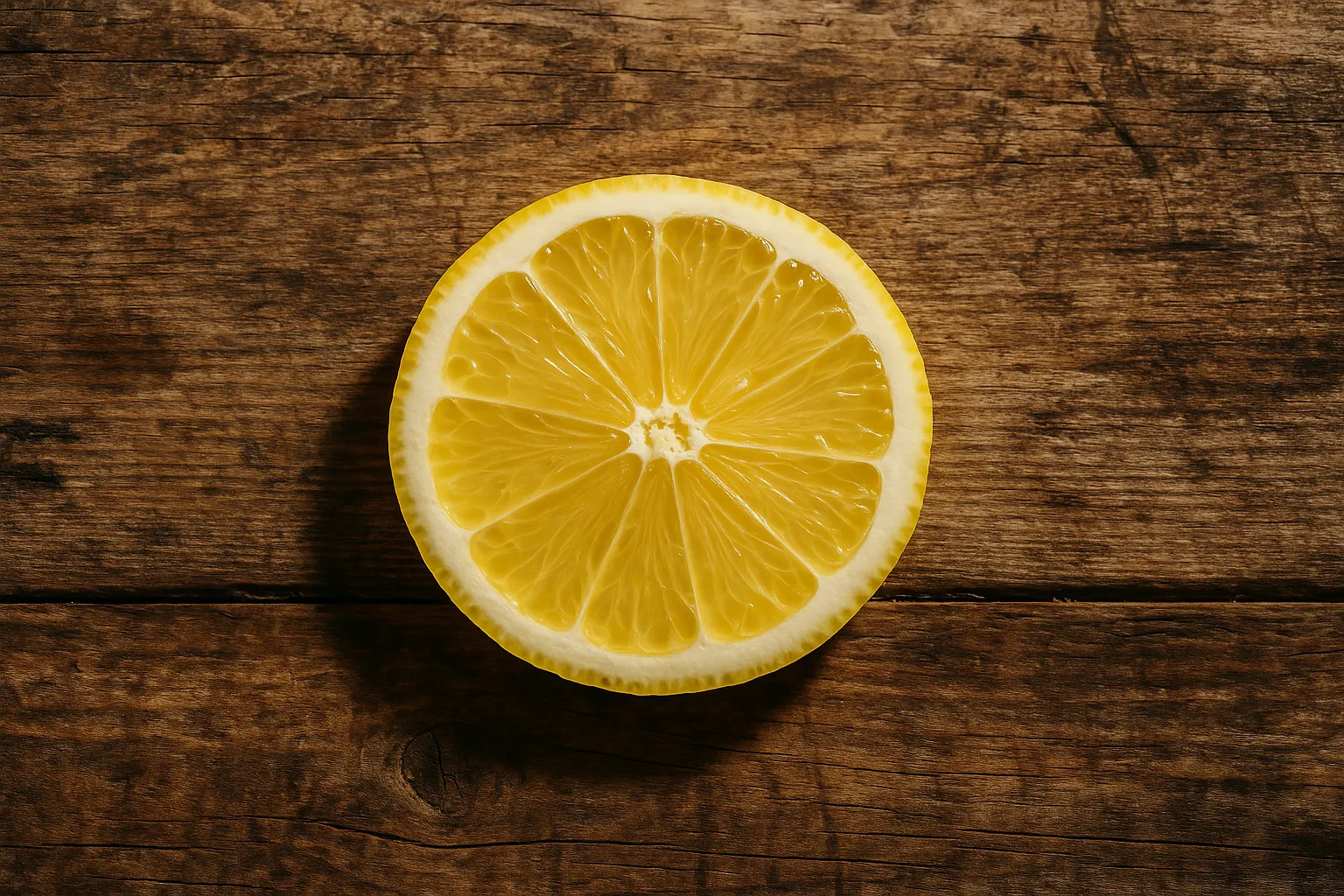
Nährwerte auf einen Blick
Pro 1 Scheibe (10 g)
| Nährstoff | Menge |
|---|---|
| Kalorien | 3 kcal |
| Protein | 0,1 g |
| Kohlenhydrate | 1 g |
| Ballaststoffe | 0,3 g |
| Zucker | 0,2 g |
| Fett | 0 g |
| Vitamin C | 5 mg |
| Kalium | 14 mg |
| Zitronensäure | 0,5 g |
Makronährstoff-Verteilung
 ChatGPT
  Claude
  AI Mode
  Perplexity
ERNÄHRUNGS-TIPP
Antioxidantien und Vitamin C bei praktisch null Kalorien; Zitronensäure unterstützt die Verdauung und kann die Eisenaufnahme verbessern.
NutriScore nach Gesundheitsziel
| Gesundheitsziel | NutriScore | Warum dieser Score? |
|---|---|---|
| Abnehmen |  | Nur 3 Kalorien pro Scheibe, aromatisiert Wasser und hilft, zuckerhaltige Getränke zu vermeiden; Vitamin C unterstützt den Fettstoffwechsel. |
| Muskelaufbau |  | Kaum Protein oder Kohlenhydrate für Muskelaufbau, aber Vitamin C fördert die Kollagensynthese fürs Bindegewebe – ideal als geschmacksgebende Ergänzung. |
| Diabetes-Management | | Nahezu kein glykämischer Effekt, Zitronensäure kann die Glukoseaufnahme aus Mahlzeiten verlangsamen, fördert Hydration ohne Zucker. |
| PCOS-Management | | Kalorienfreies Aroma-Upgrade, Vitamin C senkt Entzündungen, kein Einfluss auf Insulin, unterstützt entgiftende Leberfunktionen. |
| Ernährung in der Schwangerschaft |  | Vitamin C verbessert die Eisenaufnahme, stärkt das Immunsystem und lindert morgendliche Übelkeit. Auf 1-2 Zitronen pro Tag begrenzen. |
| Erholung bei Infekten | | Hoher Vitamin-C-Gehalt unterstützt das Immunsystem, Zitronensäure wirkt leicht antimikrobiell, Hydration beschleunigt die Genesung. |
PERSONALISIERTE ERNÄHRUNG
Tracke deine Mahlzeiten in NutriScan, um individuelle NutriScores für deine Ziele zu erhalten.
Blutzucker-Reaktion
Nahezu kein Einfluss auf den Blutzucker – passt zu allen Ernährungsformen.
Typische Glukosekurve
Typische Reaktion; kein medizinischer Rat.
Praxis-Tipps
- 🍚 Zitrone zu Reisgerichten
- 🥗 Zitronen-Dressing zu Salaten
- ☕ Tee mit Zitrone statt Zuckergetränken
- 🐟 Zu Mahlzeiten für bessere Verdauung

Ähnliche nahrhafte Lebensmittel
4505 Chicharrones Classic Chili Salt
7 Eleven Japan Crispy Corn Cheese

Häufig Gestellte Fragen
How many calories are in a lemon slice?
A single lemon slice (approximately 10g) contains only 3 calories, making it an excellent low-calorie addition to water, tea, or meals. A whole medium lemon (58g) has about 17 calories.
Lemon in different forms:
- 1 lemon slice (10g): 3 calories
- 1 medium lemon (58g): 17 calories
- 1 tablespoon lemon juice (15ml): 4 calories
- 100g lemon: 29 calories
Is lemon water good for weight loss?
Yes, lemon water can support weight loss as part of a healthy diet. While it doesn't directly burn fat, it provides several benefits: promotes hydration with flavor; increases satiety before meals; provides vitamin C essential for fat metabolism; zero-calorie alternative to sugary drinks.
Best practices: Drink 1 glass (250ml) with 1/2 lemon in the morning on empty stomach; use it to replace high-calorie beverages; drink before meals to enhance fullness; combine with a calorie deficit diet.
Research shows proper hydration supports metabolism and appetite control, and lemon makes water more palatable.
Can diabetics eat lemon?
Yes, lemons are excellent for diabetics. With a glycemic index near zero and only 2.5g sugar per 100g, lemons have minimal impact on blood glucose.
Benefits for diabetics: No blood sugar spike; citric acid may slow glucose absorption from other foods; vitamin C reduces oxidative stress common in diabetes; promotes hydration without added sugars.
Usage tips: Add lemon to water, tea, or meals freely; use lemon juice on salads, fish, chicken; drink lemon water before high-carb meals; no restriction needed on quantity.
Always monitor blood sugar and consult your healthcare provider.
How much vitamin C is in a lemon slice?
One lemon slice (10g) provides approximately 5mg of vitamin C, which is about 6% of your daily requirement (recommended 75-90mg for adults).
Vitamin C content:
- 1 lemon slice (10g): 5mg (6% DV)
- 1 medium lemon (58g): 30mg (33% DV)
- 1 tablespoon lemon juice: 6mg (7% DV)
- 100g lemon: 53mg (59% DV)
For reference, oranges have similar vitamin C content (53mg per 100g), but lemons are used more for flavoring in smaller quantities.
Is it good to drink lemon water every day?
Yes, drinking lemon water daily is generally safe and beneficial for most people. Daily benefits include: hydration support; vitamin C intake; digestive enzyme stimulation; alkaline effect on urine (may prevent kidney stones); antioxidant support.
Best practices: Use 1/2 to 1 lemon per glass; drink through a straw to protect tooth enamel; rinse mouth with plain water after drinking; wait 30 minutes before brushing teeth; avoid if you have GERD or acid reflux.
Most people can safely consume 1-2 lemons daily without issues. Excessive consumption (4+ lemons daily) may cause enamel erosion or digestive upset.
Can lemon help with digestion?
Yes, lemon juice supports digestive health in several ways. The citric acid stimulates stomach acid production for better protein digestion; digestive enzymes are activated; bile production is encouraged; bloating and gas are reduced; constipation may be relieved.
How to use for digestion: Drink warm lemon water 15-30 minutes before meals; add lemon juice to protein-rich meals; use lemon dressing on salads; drink lemon tea after heavy meals.
However, avoid if you have acid reflux or GERD, as citric acid may worsen symptoms. For most people, lemon supports healthy digestion.
Does lemon water detox your body?
Not in the way marketing claims suggest. Your liver and kidneys naturally detoxify your body; lemon doesn't "cleanse" or remove toxins. However, lemon water does support your body's natural processes: vitamin C supports liver function; promotes hydration for kidney function; provides antioxidants to combat oxidative stress; encourages increased water intake.
The truth: There's no need for extreme lemon detox cleanses; regular lemon water as part of a balanced diet is beneficial; focus on overall healthy eating rather than "detox" protocols; proper hydration with or without lemon supports natural detoxification.
Drink lemon water as a healthy habit, not as a magical detox solution.
Can I drink lemon water on an empty stomach?
Yes, most people can safely drink lemon water on an empty stomach. Many find it beneficial: promotes morning hydration after sleep; may stimulate digestive enzymes; provides vitamin C to start the day; helps establish a healthy morning routine.
May want to avoid if you have: Acid reflux/GERD (citric acid may trigger symptoms); sensitive stomach or gastritis; dental sensitivity (use a straw).
Best practice: Start with diluted lemon water (1/4 lemon in 250ml water); observe how your body responds; gradually increase if tolerated; always rinse mouth with plain water after; consider lukewarm rather than cold water for gentler digestion.