Masala-Paneer: Kalorien, Nährwerte und gesundheitliche Vorteile
India's ultimate hoch-Protein vegetarian dish, loaded mit calcium, complete amino acids, and anti-inflammatory spices for muscle building and metabolic health.
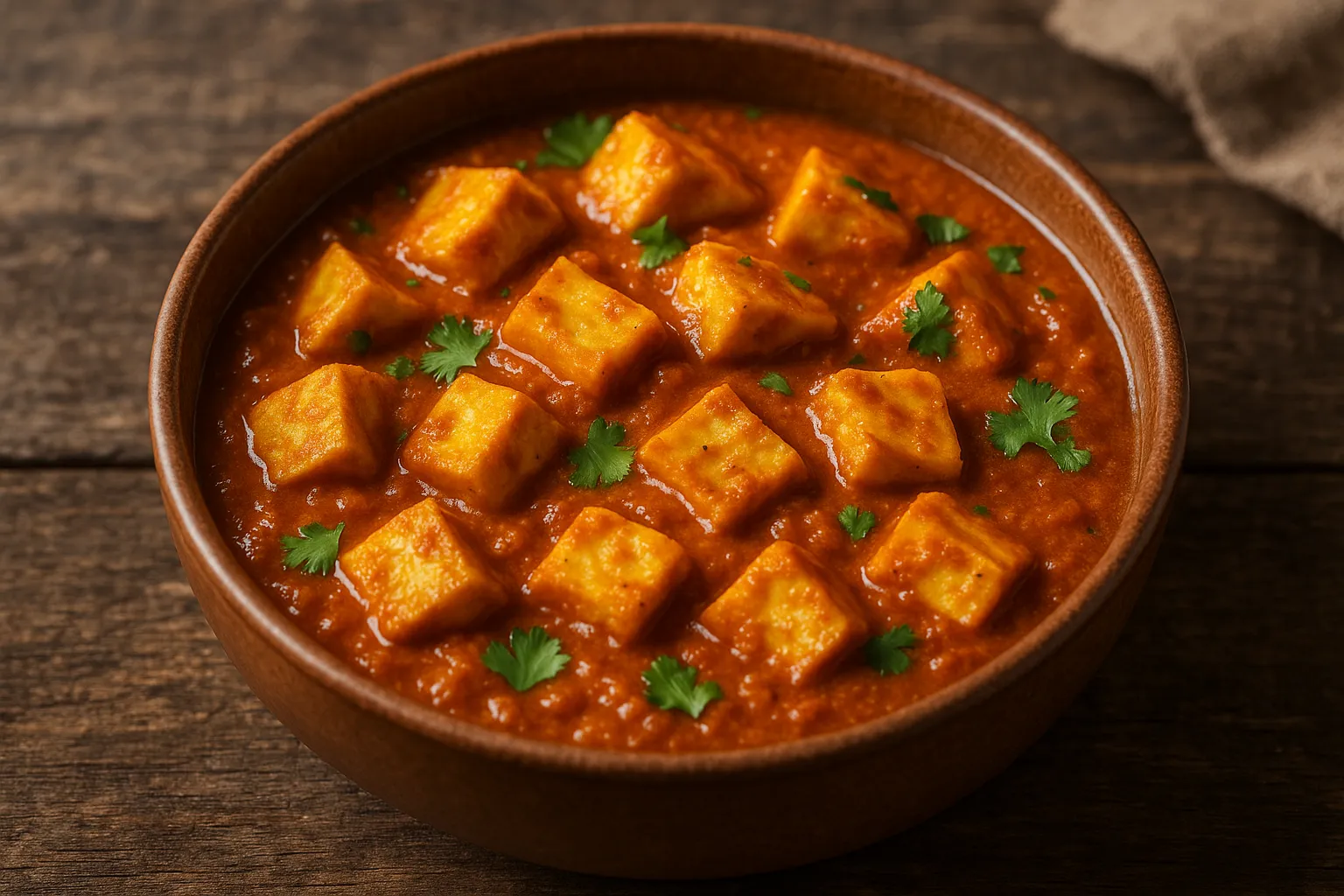
Schnelle Nährwertfakten
Pro 100g Serving (Gekocht)
| Nährstoff | Menge |
|---|---|
| Kalorien | 200 kcal |
| Protein | 20g |
| Kohlenhydrate | 6g |
| Ballaststoffe | 0.8g |
| Zucker | 2g |
| Fette | 11g |
| Kalzium | 700mg |
| Phosphor | 400mg |
| Magnesium | 35mg |
| Vitamin B12 | 0.7mcg |
Makronährstoff-Aufschlüsselung
 ChatGPT
  Claude
  AI Mode
  Perplexity
ERNÄHRUNGSBERATER-EINBLICK
Masala-Paneer combines complete vegetarian Protein (20g pro 100g) mit 700mg calcium—matching dairy während delivering anti-inflammatory spices (turmeric, cumin). Der slow-digesting casein Protein makes it ideal for sustained muscle growth and satiety, besonders post-workout wenn paired mit complex Kohlenhydrate.
Mythenentlarvung
MYTHOS #1: Paneer Ist Too Hoch in Fett for Gewichtsverlust
WAHRHEIT: At 11g Fett pro 100g, Masala-Paneer adds Kalorien but drives satiety through Protein and calcium. Der hoch thermic effect of Protein (20-30% of Kalorien burned während digestion) means 20g Protein in paneer burns 40-60 Kalorien just processing it. Portion kontrolle (100g) makes it gewicht-loss friendly.
MYTHOS #2: Paneer Has No Kohlenhydrate, So Diabetics Must Vermeiden It
WAHRHEIT: Mit nur 6g Kohlenhydrate pro 100g and virtually no impact on Blutglukose, paneer ist excellent for diabetics. Der hoch Protein (20g) and calcium (700mg) support metabolic health and reduce Diabetes progression risk. Niedrig GI means safe consumption.
MYTHOS #3: Geschäft-Bought Paneer Loses Nutritional Value
WAHRHEIT: Commercial paneer retains 95% of whey-concentrated Nährstoffe: alle 20g Protein, 700mg calcium, B Vitamine, and casein. Der production process (milk curdling) actually concentrates Nährstoffe compared to whole milk. Homemade paneer matches geschäft quality perfectly.
MYTHOS #4: Cooking Paneer Destroys B12
WAHRHEIT: Vitamin B12 in paneer ist heat-stable up to 100°C; standard curry cooking (80-90°C) retains 90%+ of B12. Der 0.7mcg pro 100g remains bioavailable even nach masala preparation. Overcooking (>120°C) kann reduce it slightly.
MYTHOS #5: Paneer Masala Sauce Ruins Gesundheitliche Vorteile
WAHRHEIT: Spices in masala (turmeric, coriander, cumin) enhance nutrient absorption and add anti-inflammatory polyphenols. Turmeric's curcumin and Black pepper's piperine boost bioavailability of Fett-soluble Vitamine by 50-200%. Tomato-based sauces add lycopene—wählen diese over cream-based for superior health.
NutriScore by Gesundheitsziele
| Gesundheitsziel | NutriScore | Warum diese Bewertung? |
|---|---|---|
| Gewichtsverlust |  | 200 Kalorien, 20g Protein (hoch satiety), 11g Fett. Grenze to 100g Portionen, verwenden less oil, pair mit non-starchy vegetables. |
| Muskelaufbau |  | 20g complete Protein, 700mg calcium, casein for sustained amino acids. Perfect post-workout mit Kohlenhydrate (rice, roti). 2-3 servings täglich unterstützt muscle building. |
| Diabetes-Management | | GI ~10, minimal Kohlenhydrate (6g), hoch Protein verhindert glucose spikes. Kalzium and casein improve insulin sensitivity. |
| PCOS-Management | | Hoch Protein (20g) reduziert insulin resistance, niedrig Kohlenhydrate (6g) critical for PCOS. Kalzium unterstützt hormone regulation. Tomato-based masala adds anti-inflammatory compounds. |
| Schwangerschaft Nutrition | | 700mg calcium unterstützt fetal bone development, 20g Protein for placental growth, B12 (0.7mcg) verhindert neural tube defects. Excellent Protein source for vegetarian pregnancies. |
| Viral/Flu Recovery | | 20g Protein aids immune cell synthesis, 700mg calcium unterstützt bone recovery, spices (turmeric) reduce Entzündung. Lighter curry mit less Fett easier on recovery digestion. |
PERSONALISIERTE ERNÄHRUNG
Verfolgen Sie Ihre Mahlzeiten mit NutriScan for personalized NutriScores based on your specific health goals!
Blutzucker-Reaktion to Masala-Paneer
Understanding wie paneer affects your Blutglukose hilft optimize meal pairing, besonders for diabetics and gewicht management.
Typische Glukose-Reaktionskurve
Diese Grafik zeigt typical Blutglukose response for general gesund individuals. Individuelle Reaktionen können variieren. Keine medizinische Beratung.
Optimal Meal Pairing Strategies
- 🍚 Brown rice or basmati rice (1 cup) - Adds Kohlenhydrate for energy; pair 1:1 paneer to Kohlenhydrate for balanced macros
- 🥬 Hoch-Ballaststoffe vegetables (spinach, broccoli) - Adds 5-10g Ballaststoffe, slowing carb absorption by 30-50%
- 🧈 Ghee or sesame oil dressing (1 tsp) - Gesund fats enhance calcium and vitamin absorption
- 🌶️ Frisch cilantro and tomato base - Anti-inflammatory compounds, niedrig-glycemic sauces preferred over creamy curries
Dies combination: maximizes Protein synthesis for Muskelaufbau; minimizes Blutglukose spikes; and extends satiety through Ballaststoffe and Fett.
Kulturelle Bedeutung
Paneer ist a cornerstone of Indian vegetarian cuisine, originating thousands of years ago in South Asia and Central Asia, mit documented uses in ancient Indian texts.
In India:
- Paneer appears in Mughal cuisine, insbesondere in North India (Tandoori paneer, Paneer Tikka, Paneer Makhani)
- Named "paneer" from der Persian word "paniir" (whey-derived käse)
- Masala-Paneer specifically evolved as a vegetarian Protein for Hindu and Jain populations
- Regional variations: Bengali paneer luchi, Gujarati paneer bhurji, Punjabi paneer kulcha
- Celebrated for sustainable production: whey byproduct used for animal feed and Protein supplements
Global Impact:
- Indian diaspora popularized paneer across UK, Canada, USA, and Australia; jetzt widely available in supermarkets
- Paneer consumption in vegetarian diets rivals chicken consumption in traditional diets for Protein equivalence
- Paneer masala features in countless Indian restaurants worldwide; estimated 50+ variations globally
Vergleichen und Ersetzen
Masala-Paneer vs Similar Protein Sources (Pro 100g)
| Nährstoff | 🧀 Paneer | 🥚 Eggs | 🐔 Gegrillt Chicken | 🌱 Tofu |
|---|---|---|---|---|
| Kalorien | 200 kcal | 155 kcal | 165 kcal | 76 kcal |
| Kohlenhydrate | 6g | 1.1g | 0g | 2g |
| Ballaststoffe | 0.8g | 0g | 0g | 0.4g |
| Protein | 20g | 13g | 31g | 8g |
| Fette | 11g | 11g | 3.6g | 4.8g |
| Kalzium | 700mg | 56mg | 11mg | 350mg |
| B12 | 0.7mcg | 1.1mcg | 0.3mcg | 0mcg |
| Am besten für | Muscle gain, vegetarian | Complete amino acids, versatile | Maximum Protein, niedrig Fett | Niedrig-calorie, Eisen-kostenlos |
Häufig Gestellte Fragen
Ist Masala-Paneer gut for Gewichtsverlust?
Yes, wenn Portion-controlled. Der 20g Protein pro 100g activates satiety hormones, reducing overall calorie intake. Jedoch, 11g Fett contributes 200 Kalorien pro Portion. Optimal approach: stick to 100g Portionen; reduce cooking oil (grenze Fett to 8g); pair mit non-starchy vegetables; wählen tomato-based sauces over cream-based curries welche add hidden Kalorien.
Recommendation: 100g Masala-Paneer + 1 cup vegetables + 150g basmati rice = balanced 350-calorie meal supporting Gewichtsverlust.
Kann diabetics eat Masala-Paneer?
Absolutely. Mit nur 6g Kohlenhydrate pro 100g, a negligible glycemic index, and hoch Protein (20g), paneer has virtually zero Blutzucker impact. Der calcium and casein Protein enhance insulin sensitivity and metabolic health. Research shows regular paneer consumption reduziert Diabetes progression risk.
Tip: Pair mit hoch-Ballaststoffe vegetables (spinach, broccoli, okra) to further reduce overall meal glycemic load.
Wie viel Protein ist in Masala-Paneer?
A 100g serving enthält 20g Protein—equivalent to 3 groß eggs or 85g skinless chicken breast. Dies complete vegetarian Protein enthält alle nine wesentlich amino acids in proportions optimal for muscle building. Der slow-digesting casein extends amino acid availability for 6-8 hours post-consumption.
For Muskelaufbau: Consume 2-3 servings täglich (200-300g paneer) distributed across post-workout and Protein meals.
Was sind der main gesundheitliche Vorteile?
Muscle & Bone Health: 20g complete Protein + 700mg calcium unterstützt muscle growth and bone mineral density. Immune Support: B Vitamine and casein enhance immune cell production. Anti-inflammatory: Turmeric and spices reduce joint Entzündung and oxidative stress. Sustained Energy: Slow-digesting casein Protein verhindert energy crashes unlike whey.
Wenn sollte I eat Masala-Paneer?
Muscle gain: Post-workout within 30 minutes, combined mit simple Kohlenhydrate (white rice, banana) for optimal Protein synthesis. Gewicht loss: Lunch or early dinner mit vegetables; avoids late-night slow digestion. Diabetes: Mit any main meal, ideally paired mit hoch-Ballaststoffe vegetables to mäßig glycemic response. Beste preparation: Tomato-based sauces over cream-based; minimal oil (1-2 tsp); frisch spices for maximum anti-inflammatory compounds.
Ist paneer besser als tofu?
Both sind excellent vegetarian proteins mit different advantages:
Paneer: 20g Protein, 700mg calcium, complete amino acids, slow-digesting casein (sustained release), besser for muscle building and Knochengesundheit.
Tofu: 8g Protein, 350mg calcium, niedriger calorie (76 vs 200), Eisen-rich (besonders for women), isoflavones (plant-based estrogen compounds), besser for Gewichtsverlust and Eisen absorption.
Recommendation: Rotate both for complementary benefits—paneer 3x weekly for muscle/bone, tofu 2x weekly for Eisen and lighter meals.


Similar Hoch-Protein Foods
4505 Chicharrones Classic Chili Salt
7 Eleven Japan Crispy Corn Cheese
Explore Mehr Nutrition Tools & Resources
Beste Proteinergänzungen für Frauen
Bulking Meal Plan App für deinen Kalorienüberschuss
ChatGPT Abnehmcoach Alternative mit Ernährungstagebuch
ChatGPT Diätplan Alternative, die dein Essen erfasst
ChatGPT Kalorienzähler Alternative mit Tagessumme
Drittes Trimester Protein Leitfaden
Ernährungsplan für 40-jährige Männer
Fast Food Kalorienzähler, der das Tablett liest
Gewichtszunahme Diätplan Deutschland
Indische Diätplan App mit Veg- und Non-Veg-Optionen
Intervallfasten für Frauen, Timer und Essprotokoll
Intervallfasten Tracker App: gratis Fasten-Timer
Kalorien für deutsches Essen berechnen
Kalorienzähler App mit Foto: kostenlos Kalorien sehen
Kalorienzähler für deutsche Gerichte - Sofortige Nährwertangaben für jede Mahlzeit — 2026
Keto Diät Plan App: 28-Tage-Plan und Kohlenhydrate zählen
KI Ernährungsberater App, die deine Mahlzeiten liest
KI-Lebensmittel-Tracker Deutschland
Kostenlose Kalorienzähler-App mit KI-Foto-Scan | NutriScan
Makro-Tracker-App, die die Werte per Foto ausfüllt
Mediterrane Diät App, die das Öl mitzählt
Mikronährstoffe Tracker App für Vitamine und Mineralstoffe
Monatliche Einkaufsliste Generator
Nahrungsergänzungsmittel-Analysator & Planer
Nährwertetiketten Scanner App für deine Portion
NutriScore App: Bewertung für jede Mahlzeit | NutriScan
Sprachaktivierter Kalorienzähler - Sag deine Mahlzeiten an und tracke Nährstoffe freihändig — 2026
Vegetarischer Ernährungsplan App mit Proteinziel
Wasser und Kalorien Tracker App: gratis Trinkprotokoll
Wochenplan Essen App mit Kalorien und Einkaufsliste
Yazio Alternative kostenlos mit KI-Foto-Scan | NutriScan