Pasta: Kalorien, Nährwerte und gesundheitliche Vorteile
A versatile carbohydrate staple mit Portionskontrolle tricks, cooking methods, and pairing strategies for every health goal.
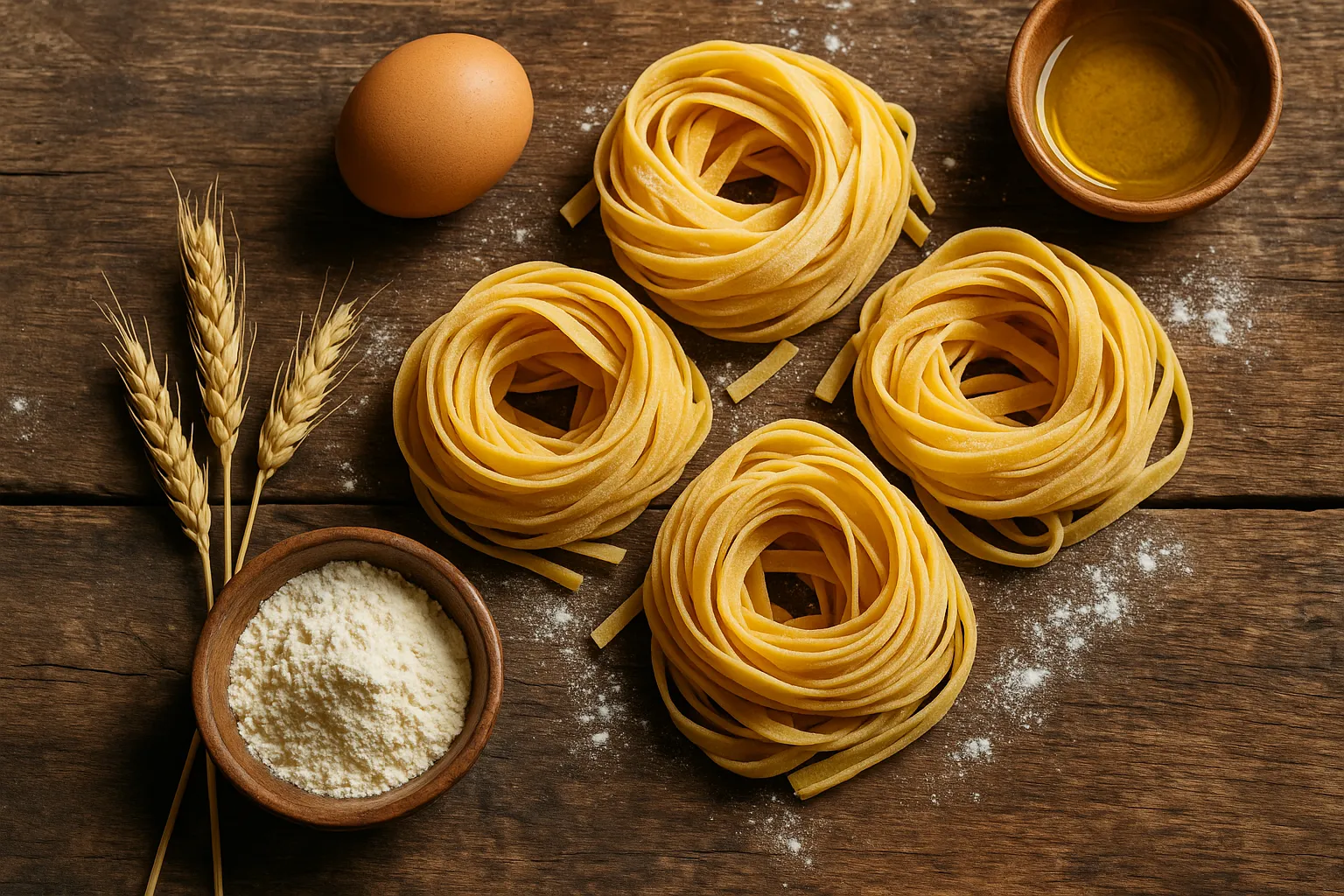
Schnelle Nährwerte
Per 2oz (56g) Dry White Pasta = 1 Cup Gekocht
| Nährstoff | Menge |
|---|---|
| Kalorien | 210 kcal |
| Protein | 7.4g |
| Kohlenhydrate | 43g |
| Ballaststoffe | 1.8g |
| Zucker | 1.5g |
| Fett | 1g |
| Eisen | 1.8mg |
| Folate | 102mcg |
| Niacin (B3) | 3.3mg |
| Thiamin (B1) | 0.5mg |
Makronährstoff-Aufschlüsselung
 ChatGPT
  Claude
  AI Mode
  Perplexity
ERNÄHRUNGSBERATER-EINBLICK
Der #1 pasta mistake ist Portion size confusion. 2oz dry pasta (a standard serving) cooks to 1 cup, but restaurants serve 4-6oz dry (2-3 servings). Al dente pasta has a niedriger glycemic index (45 vs 60 for overcooked) due to resistant starch formation.
Mythen Entlarvt
MYTHOS #1: Pasta Makes You Fett
WAHRHEIT: Pasta itself doesn't cause gewicht gain—Portion size does. A 2oz dry serving has nur 210 Kalorien. Der problem: Die meisten people eat 4-6oz (400-600 Kalorien) ohne realizing it. Measure dry pasta mit a food scale; pair mit Protein and vegetables to kontrolle Portionen naturally.
MYTHOS #2: Alle Pasta Has der Gleich Kalorien (Dry vs Gekocht)
WAHRHEIT: 2oz dry pasta = 210 Kalorien ≈ 1 cup gekocht (220 Kalorien). Confusion happens wenn people log "1 cup pasta" in apps—ist it dry (840 Kalorien) or gekocht (220 Kalorien)? Immer measure and log pasta dry vor cooking to track accurately.
MYTHOS #3: Pasta Immer Spikes Blood Zucker
WAHRHEIT: Al dente pasta has a glycemic index of 45 (niedrig), während overcooked pasta reaches 60 (medium-hoch). Cooking zeit changes starch structure. Even besser: Cooled and reheated pasta erhöht resistant starch, lowering glucose response by 10-15%. Pair mit Protein/Fett to further reduce spikes.
MYTHOS #4: Whole Wheat Ist Immer Besser
WAHRHEIT: Whole wheat pasta has mehr Ballaststoffe (5.2g vs 1.8g) and slightly niedriger GI (52 vs 55), but der difference ist marginal. For einige, taste and texture matter mehr. Both fit a gesund diet; prioritize Portionskontrolle and pairings over pasta type. If you prefer white pasta, cook al dente and add vegetables.
MYTHOS #5: Pasta Has No Nährstoffe
WAHRHEIT: Pasta liefert B Vitamine (thiamin, niacin, folate) for energy Stoffwechsel, Eisen for oxygen transport, and wenn whole wheat, Ballaststoffe for Verdauungsgesundheit. It's enriched in viele countries mit folic acid (wichtig for Schwangerschaft). Not nutrient-dense, but not empty Kalorien either.
MYTHOS #6: Leftover Pasta Ist Unhealthy
WAHRHEIT: Cooling and reheating pasta erhöht resistant starch content, welche acts like Ballaststoffe, feeding gut bacteria and lowering glycemic response. Meal-prepped pasta kann actually be healthier als freshly gekocht for Blutzucker kontrolle. Geschäft in fridge 24-48 hours, reheat thoroughly.
NutriScore nach Gesundheitszielen
| Gesundheitsziel | NutriScore | Warum diese Bewertung? |
|---|---|---|
| Gewichtsverlust |  | 210 Kalorien pro Portion, but easy to overeat. Stick to 1-1.5 cups gekocht, pair mit lean Protein, non-starchy vegetables. Wählen whole wheat or al dente for satiety. |
| Muskelaufbau |  | 43g Kohlenhydrate replenish glycogen post-workout, 7.4g Protein contributes to täglich intake. Increase to 1.5-2 cups gekocht, add chicken or ground turkey for complete meal. |
| Diabetes-Management |  | Moderate-hoch GI (50-55). Grenze to 0.5-1 cup gekocht, wählen al dente or whole wheat, immer pair mit Protein and gesund Fett to slow glucose absorption. |
| PCOS-Management | | Refined Kohlenhydrate affect insulin sensitivity. Wählen whole wheat, grenze to 1 cup gekocht, pair mit Protein. Besser: legume-based pasta (chickpea, lentil) for niedriger carb impact. |
| Schwangerschaftsernährung | | Enriched pasta liefert folate (102mcg pro Portion) crucial for neural tube development. Whole wheat adds Ballaststoffe for Schwangerschaft constipation. Pair mit Eisen-rich foods. |
| Viral/Flu Recovery | | Easy to digest energy source wenn appetite ist niedrig. Liefert quick Kohlenhydrate for recovery. Add chicken broth, vegetables for immune-supporting Nährstoffe. |
PERSONALISIERTE ERNÄHRUNG
Verfolgen Sie Ihre Mahlzeiten mit NutriScan for personalized NutriScores based on your specific health goals!
Blutzucker-Reaktion to Pasta
Understanding wie pasta affects Blutglukose hilft you machen informed decisions ungefähr Portion size, cooking method, and pairings.
Typische Glukose-Reaktionskurve
Diese Grafik zeigt typical Blutglukose response for white pasta, al dente. Overcooked pasta peaks höher. Individuelle Reaktionen können variieren. Keine medizinische Beratung.
Wie to Niedriger der Glycemic Impact
Simple preparation and pairing tricks dramatically reduce Blutzucker spikes:
Cooking Methods:
- Cook al dente (firm to bite) - GI 45 vs 60 for overcooked
- Cool and reheat - Erhöht resistant starch, lowers glucose response 10-15%
- Vermeiden overcooking - Mehr gelatinized starch = faster glucose conversion
Pairing Strategies:
- 🍗 Add lean Protein - Chicken, turkey, fish, tofu slow carb digestion
- 🥑 Include gesund fats - Olive oil, avocado, nuts extend energy release
- 🥦 Pile on vegetables - Ballaststoffe and volume reduce Portion of pasta, stabilize Blutzucker
- 🧀 Verwenden käse moderately - Protein and Fett help, but watch Kalorien
A balanced pasta meal: 1 cup gekocht pasta + 4oz gegrillt chicken + 2 cups gedünstet broccoli + 1 tbsp olive oil = Steady energy, controlled glucose.
Kulturelle Bedeutung
Pasta ist a cornerstone of Italian cuisine and has been adopted globally as an affordable, versatile staple food.
In Italy:
- Over 300 pasta shapes, jeder designed for specific sauces and regional dishes
- Al dente cooking ist standard—firmer texture, besser nutrition, authentic taste
- "Pasta e fagioli," "pasta aglio e olio," "cacio e pepe" showcase simplicity and quality ingredients
- Family and communal dining traditions built around pasta meals
Global Impact:
- Consumed in nearly every country—second die meisten consumed food globally nach rice
- Affordable Protein and energy source accessible across economic levels
- Cultural fusion: Mac and käse (USA), masala pasta (India), pad Thai-style pasta (Asia)
- Sustainable grain-based food mit niedriger environmental impact als meat
In India:
- White sauce pasta, red sauce pasta, masala pasta popular fusion dishes
- Increasing consumption in urban areas, besonders among younger generations
- Oft served mit garlic bread and considered comfort food or party dish
Vergleichen und Ersetzen
Pasta vs Similar Kohlenhydrate (Pro 100g Dry)
| Nährstoff | 🍝 White Pasta | 🍝 Whole Wheat Pasta | 🍚 White Rice | 🌾 Quinoa |
|---|---|---|---|---|
| Kalorien | 371 kcal | 348 kcal | 365 kcal | 368 kcal |
| Protein | 13g | 13.4g | 7.1g | 14.1g |
| Kohlenhydrate | 75g | 72.3g | 80g | 64.2g |
| Ballaststoffe | 3.2g | 9.2g | 1.3g | 7g |
| Fett | 1.5g | 2.5g | 0.7g | 6g |
| Eisen | 3.3mg | 3.6mg | 0.8mg | 4.6mg |
| Folate | 237mcg | 44mcg | 8mcg | 184mcg |
| Glycemic Index | 55 | 52 | 73 | 53 |
| Am besten für | Classic taste, versatile | Blutzucker kontrolle, Ballaststoffe | Gluten-kostenlos, quick energy | Complete Protein, gluten-kostenlos |
Häufige Fragen
Wie viele Kalorien in pasta?
2oz (56g) dry pasta enthält 210 Kalorien, welche cooks to ungefähr 1 cup and expands to 220 Kalorien gekocht.
Der Portion confusion problem: Restaurant servings sind oft 4-6oz dry (400-600 Kalorien), welche ist 2-3 times der standard serving. Wenn meal planning, immer measure pasta dry mit a food scale.
Calorie by Portion:
- 1oz dry (14g) = 105 Kalorien → 0.5 cup gekocht
- 2oz dry (56g) = 210 Kalorien → 1 cup gekocht (standard serving)
- 4oz dry (113g) = 420 Kalorien → 2 cups gekocht (restaurant serving)
- 6oz dry (170g) = 630 Kalorien → 3 cups gekocht (groß restaurant plate)
Track pasta dry vor cooking to vermeiden calorie underestimation.
Ist pasta gut for Gewichtsverlust?
Pasta kann fit into Gewichtsverlust wenn portioned correctly (1-1.5 cups gekocht) and paired strategically.
Gewicht loss guidelines:
- Measure 2oz dry pasta (210 Kalorien) mit a food scale
- Cook al dente for niedriger glycemic impact and besser satiety
- Add 4-6oz lean Protein (chicken, turkey, fish, tofu)
- Fill half your plate mit non-starchy vegetables
- Verwenden tomato-based sauces instead of cream or käse sauces
Warum it works: Protein + Ballaststoffe from vegetables increase fullness, preventing overeating. Pasta's mäßig glycemic index (50-55) liefert sustained energy ohne extreme hunger spikes.
Besser alternative: Whole wheat or legume-based pasta (chickpea, lentil) for 2-3x mehr Ballaststoffe and Protein.
Was ist der correct pasta Portion size?
A standard serving ist 2oz (56g) dry pasta = ungefähr 1 cup gekocht.
Visual guides for 2oz dry:
- Spaghetti: Diameter of a quarter wenn bundled
- Penne/rigatoni: 2/3 cup dry
- Verwenden a food scale for accuracy (die meisten reliable method)
Portion by goal:
- Gewicht loss: 1-1.5 cups gekocht (1.5-2oz dry) mit Protein and vegetables
- Muscle gain: 1.5-2 cups gekocht (2-3oz dry) post-workout mit lean Protein
- Diabetes: 0.5-1 cup gekocht (1-1.5oz dry) paired mit Protein, Fett, vegetables
- Maintenance: 1-2 cups gekocht (2oz dry) depending on activity level
Der biggest mistake ist "eyeballing" pasta and serving 3-4 cups gekocht ohne realizing it's 600-800 Kalorien.
Does pasta spike Blutzucker?
Yes, pasta raises Blutzucker, but der amount varies greatly based on type, cooking method, and pairings.
Glycemic Index (GI):
- White pasta (al dente): GI 45 (niedrig)
- White pasta (overcooked): GI 60 (medium-hoch)
- Whole wheat pasta: GI 52 (niedrig-medium)
- Cooled and reheated pasta: GI 40-42 (niedriger)
Al dente pasta has less gelatinized starch, slowing glucose absorption. Overcooking breaks down starch faster, causing quicker Blutzucker spikes.
Blutzucker kontrolle strategies:
- Cook al dente (firm to bite)
- Wählen whole wheat or legume-based pasta
- Portion kontrolle: 0.5-1 cup gekocht for diabetics
- Pair mit Protein (chicken, fish) and gesund Fett (olive oil, avocado)
- Add non-starchy vegetables (broccoli, spinach, bell peppers)
- Cool and reheat for resistant starch benefits
Immer monitor Blutzucker 2 hours nach eating to sehen your personal response.
Ist whole wheat pasta healthier als white pasta?
Yes, whole wheat pasta has nutritional advantages, but der difference ist smaller als you denken.
Comparison (per 2oz/56g dry):
| Nährstoff | White Pasta | Whole Wheat Pasta |
|---|---|---|
| Kalorien | 210 kcal | 200 kcal |
| Protein | 7.4g | 7.9g |
| Kohlenhydrate | 43g | 42g |
| Ballaststoffe | 1.8g | 5.2g (3x mehr) |
| Eisen | 1.8mg | 1.5mg |
| Glycemic Index | 55 | 52 (niedriger) |
Whole wheat wins for:
- 3x mehr Ballaststoffe (besser for digestion, satiety, Blutzucker)
- Slightly niedriger glycemic index
- Mehr Antioxidantien and phytonutrients from wheat bran
White pasta advantages:
- Milder taste and smoother texture (einige prefer dies)
- Oft enriched mit folic acid (wichtig for Schwangerschaft)
- Just as nahrhaft wenn gekocht al dente and paired gut
Bottom line: If you enjoy whole wheat, wählen it for extra Ballaststoffe. If you prefer white pasta, cook al dente, measure Portionen, and add Protein/vegetables—you'll still eat healthily.
Kann diabetics eat pasta?
Yes, diabetics kann eat pasta in Mäßigung mit smart strategies to minimize Blutzucker spikes.
Diabetes-friendly pasta tips:
- Portion kontrolle: 0.5-1 cup gekocht (1-2oz dry) max per meal
- Wählen niedriger GI options:
- Al dente white pasta (GI 45)
- Whole wheat pasta (GI 52)
- Legume pasta like chickpea or lentil (GI 22-44)
- Immer pair mit:
- Lean Protein (4-6oz chicken, fish, tofu)
- Gesund Fett (1-2 tbsp olive oil, avocado)
- Non-starchy vegetables (broccoli, spinach, peppers)
- Cooking tricks:
- Cook al dente (not mushy)
- Cool and reheat for resistant starch (lowers GI)
- Monitor Blutzucker 2 hours nach eating to understand personal response
Viele diabetics finden cooled and reheated pasta easier on Blutzucker due to increased resistant starch. Meal prep pasta-based lunches der tag vor for besser glucose kontrolle.
Wie viele times per woche kann I eat pasta?
For die meisten people, pasta 1-3 times per woche fits a balanced diet wenn Portionen and preparations sind mindful.
Frequency by goal:
- Gewicht loss: 1-2 times per woche, 1-1.5 cups gekocht, mit Protein and vegetables
- Muscle gain: 2-3 times per woche, 1.5-2 cups gekocht post-workout for glycogen replenishment
- Diabetes: 1-2 times per woche, 0.5-1 cup gekocht, immer paired mit Protein/Fett
- Maintenance/active lifestyle: 2-4 times per woche, varied preparations and types
Variety ist key: Rotate pasta mit andere complex Kohlenhydrate like brown rice, quinoa, sweet potatoes, legumes to ensure diverse Nährstoffe.
Watch for: Refined white pasta every tag kann contribute to insulin resistance and gewicht gain. Balance refined grains mit whole grains and Ballaststoffe-rich foods.
Warum does leftover pasta taste besser?
Beyond taste preference, leftover pasta has unique gesundheitliche Vorteile due to a process called "retrogradation."
Was happens wenn pasta cools:
- Starch molecules rearrange into a mehr resistant structure
- Resistant starch erhöht by 10-25%
- Glycemic index drops 10-15% compared to frisch pasta
- Acts like Ballaststoffe, feeding vorteilhaft gut bacteria
Wie to maximize benefits:
- Cook pasta al dente
- Cool completely in refrigerator (24-48 hours)
- Reheat thoroughly vor eating
- Geschäft up to 3-4 tage safely
Meal-prepped pasta kann be healthier als frisch for Blutzucker kontrolle—a win for convenience and health!


Similar Nahrhaft Kohlenhydrate
4505 Chicharrones Classic Chili Salt
7 Eleven Japan Crispy Corn Cheese
Explore Mehr Nutrition Tools & Resources
Beste Proteinergänzungen für Frauen
Bulking Meal Plan App für deinen Kalorienüberschuss
ChatGPT Abnehmcoach Alternative mit Ernährungstagebuch
ChatGPT Diätplan Alternative, die dein Essen erfasst
ChatGPT Kalorienzähler Alternative mit Tagessumme
Drittes Trimester Protein Leitfaden
Ernährungsplan für 40-jährige Männer
Fast Food Kalorienzähler, der das Tablett liest
Gewichtszunahme Diätplan Deutschland
Indische Diätplan App mit Veg- und Non-Veg-Optionen
Intervallfasten für Frauen, Timer und Essprotokoll
Intervallfasten Tracker App: gratis Fasten-Timer
Kalorien für deutsches Essen berechnen
Kalorienzähler App mit Foto: kostenlos Kalorien sehen
Kalorienzähler für deutsche Gerichte - Sofortige Nährwertangaben für jede Mahlzeit — 2026
Keto Diät Plan App: 28-Tage-Plan und Kohlenhydrate zählen
KI Ernährungsberater App, die deine Mahlzeiten liest
KI-Lebensmittel-Tracker Deutschland
Kostenlose Kalorienzähler-App mit KI-Foto-Scan | NutriScan
Makro-Tracker-App, die die Werte per Foto ausfüllt
Mediterrane Diät App, die das Öl mitzählt
Mikronährstoffe Tracker App für Vitamine und Mineralstoffe
Monatliche Einkaufsliste Generator
Nahrungsergänzungsmittel-Analysator & Planer
Nährwertetiketten Scanner App für deine Portion
NutriScore App: Bewertung für jede Mahlzeit | NutriScan
Sprachaktivierter Kalorienzähler - Sag deine Mahlzeiten an und tracke Nährstoffe freihändig — 2026
Vegetarischer Ernährungsplan App mit Proteinziel
Wasser und Kalorien Tracker App: gratis Trinkprotokoll
Wochenplan Essen App mit Kalorien und Einkaufsliste
Yazio Alternative kostenlos mit KI-Foto-Scan | NutriScan