Peanut Masala: Kalorien, Nährwerte und gesundheitliche Vorteile
Protein-packed Indian snack gemacht from geröstet peanuts mit spices, offering heart-gesund fats and wesentlich Nährstoffe for every health goal.
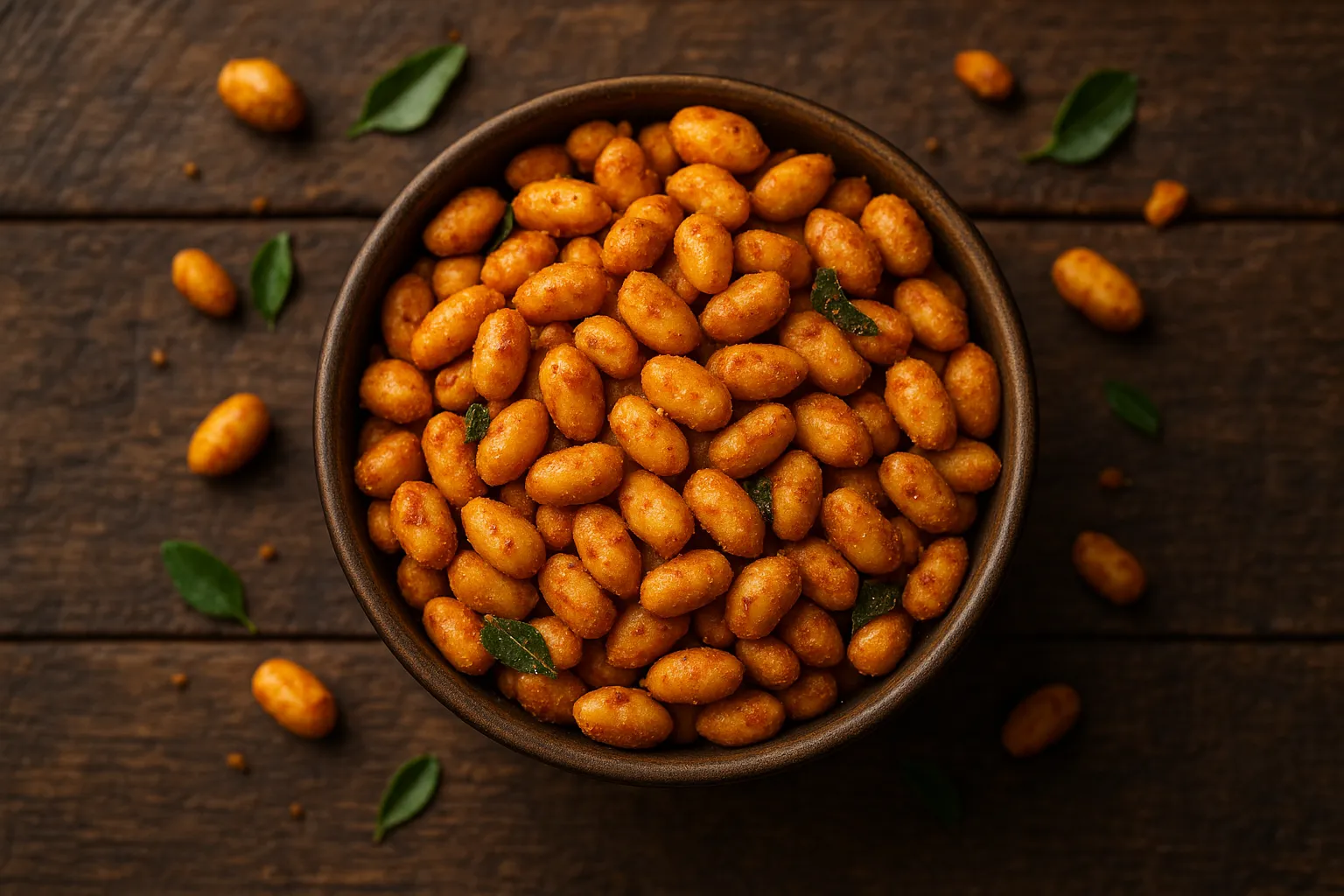
Schnelle Nährwerte
Pro 100g (Dry Geröstet)
| Nährstoff | Menge |
|---|---|
| Kalorien | 587 kcal |
| Protein | 24.35g |
| Kohlenhydrate | 21.26g |
| Ballaststoffe | 8.5g |
| Zucker | 4.2g |
| Fett | 49.66g |
| Natrium | 6mg |
| Magnesium | 168mg |
| Phosphorus | 358mg |
| Vitamin E | 6.9mg |
Makronährstoff-Aufschlüsselung
 ChatGPT
  Claude
  AI Mode
  Perplexity
ERNÄHRUNGSBERATER-EINBLICK
Peanuts provide 24g Protein and 50g gesund fats pro 100g, making them one of der die meisten nutrient-dense snacks. Der monounsaturated fats support Herzgesundheit and help kontrolle appetite. Portion kontrolle ist key: stick to 30-40g (1/4 cup) täglich.
Mythen Entlarvt
MYTHOS #1: Peanuts Cause Gewicht Gain
WAHRHEIT: Studies show peanut consumption ist associated mit niedriger body gewicht. Der Protein (24g) and Ballaststoffe (8.5g) promote fullness, and der gesund fats boost Stoffwechsel. Gewicht gain happens from excessive Portionen, not mäßig peanut intake (30-40g täglich).
MYTHOS #2: Diabetics Sollte Vermeiden Peanuts
WAHRHEIT: Peanuts have a sehr niedrig glycemic index (GI 14) and kann improve Blutzucker kontrolle. Research shows regular peanut consumption kann reduce Diabetes risk and improve HbA1c levels. Beste practices: 30-40g täglich, wählen unsalted varieties.
MYTHOS #3: Peanuts Sind Bad for Heart Health
WAHRHEIT: Peanuts contain heart-gesund monounsaturated fats that niedriger LDL cholesterol. Studies link peanut consumption to reduced heart disease risk. Der issue ist excessive Natrium in salted varieties and trans fats in gebraten peanuts. Wählen dry-geröstet, unsalted peanuts.
MYTHOS #4: Peanuts Have No Nutritional Value
WAHRHEIT: Peanuts sind nutrient powerhouses: 24g Protein, 168mg magnesium (40% DV), 358mg phosphorus, 6.9mg vitamin E, and bioactive compounds like resveratrol. They rival viele superfoods in antioxidant content.
MYTHOS #5: Roh Peanuts Sind Healthier Als Geröstet
WAHRHEIT: Roasting actually erhöht antioxidant content, verbessert digestibility, and reduziert anti-Nährstoffe that block mineral absorption. Dry-geröstet peanuts (no oil) sind der healthiest option. Vermeiden honey-geröstet or oil-geröstet varieties mit added sugars and fats.
MYTHOS #6: Peanuts Cause Inflammation
WAHRHEIT: Peanuts have a balanced omega-6 to omega-3 ratio and contain anti-inflammatory compounds like resveratrol and p-coumaric acid. Studies show peanuts reduce Entzündung markers wenn eaten as part of a balanced diet. Nur concern: aflatoxin contamination in moldy peanuts (rare mit quality brands).
NutriScore nach Gesundheitszielen
| Gesundheitsziel | NutriScore | Warum diese Bewertung? |
|---|---|---|
| Gewichtsverlust |  | 587 Kalorien pro 100g requires Portionskontrolle. 30g serving (176 Kalorien) liefert satiety mit 7g Protein and 3g Ballaststoffe. Grenze to 30-40g täglich; wählen unsalted. |
| Muskelaufbau |  | Excellent plant Protein source (24g pro 100g) mit gesund fats for hormone production. Eat 40-50g post-workout for muscle recovery and growth. Calorie-dense for bulking. |
| Diabetes-Management | | Sehr niedrig GI (14), hoch Ballaststoffe and gesund fats stabilize Blutzucker. Research shows improved HbA1c. Portion: 30-40g täglich. |
| PCOS-Management | | Protein and gesund fats improve insulin sensitivity. Niedrig GI verhindert Blutzucker spikes. Portion: 30g täglich as a snack; wählen unsalted. |
| Schwangerschaftsernährung | | Rich in folate, Protein, and gesund fats for fetal development. Magnesium verhindert leg cramps. Grenze to 30-40g; vermeiden if allergy risk. |
| Viral/Flu Recovery | | Hoch Protein unterstützt immune function, vitamin E ist antioxidant. Easy to digest wenn ground into powder. Moderate Portionen (20-30g); pair mit fluids. |
PERSONALISIERTE ERNÄHRUNG
Verfolgen Sie Ihre Mahlzeiten mit NutriScan for personalized NutriScores based on your specific health goals!
Blutzucker-Reaktion to Peanut Masala
Understanding wie peanuts affect your Blutglukose kann help you machen informed decisions ungefähr wenn and wie to eat them.
Typische Glukose-Reaktionskurve
Diese Grafik zeigt typical Blutglukose response for general gesund individuals. Individuelle Reaktionen können variieren. Keine medizinische Beratung.
Wie Peanuts Stabilize Blood Zucker
Peanuts have a sehr niedrig glycemic index (GI 14) and actually help stabilize Blutzucker wenn paired mit höher-GI foods:
- 🍞 Mit whole grain bread - Reduziert overall glycemic load of der meal
- 🍌 Mit fruit - Slows Zucker absorption from natural fruit sugars
- 🥣 Mit breakfast cereal - Balances quick-digesting Kohlenhydrate
- 🍚 Mit rice - Lowers post-meal Blutzucker spike
Dies makes peanuts an excellent addition to meals for Blutzucker management, besonders vorteilhaft for diabetics and PCOS.
Kulturelle Bedeutung
Peanuts have been cultivated for over 7,600 years, originating in South America vor spreading globally.
In India:
- Introduced by Portuguese traders in 16th century, jetzt grown in Gujarat, Andhra Pradesh, Tamil Nadu
- Masala peanuts (geröstet mit spices) sind a beloved street food and teatime snack
- Used in festival preparations (chikki, laddu) and religious offerings
- Popular varieties: groundnut chutney (South India), sing bhujia (North India)
- India ist der 2nd largest peanut producer globally (25% world production)
Global Impact:
- Consumed in 100+ countries as peanut butter, snacks, cooking oil
- Sustainable crop: nitrogen-fixing, drought-resistant, enriches soil
- Major Protein source in developing countries (cost-effective alternative to meat)
- Peanut allergies affect 1-2% population (growing concern in Western countries)
Vergleichen und Ersetzen
Peanut Masala vs Similar Nuts/Seeds (Pro 100g)
| Nährstoff | 🥜 Peanut Masala | 🌰 Mandeln | 🌻 Cashews | 🌰 Walnuts |
|---|---|---|---|---|
| Kalorien | 587 kcal | 579 kcal | 553 kcal | 654 kcal |
| Kohlenhydrate | 21.3g | 21.6g | 30.2g | 13.7g |
| Ballaststoffe | 8.5g | 12.5g | 3.3g | 6.7g |
| Protein | 24.4g | 21.2g | 18.2g | 15.2g |
| Fett | 49.7g | 49.9g | 43.8g | 65.2g |
| Vitamin E | 6.9mg | 25.6mg | 0.9mg | 0.7mg |
| Magnesium | 168mg | 270mg | 292mg | 158mg |
| Am besten für | Highest Protein, niedrig cost | Vitamin E, Herzgesundheit | Creamy texture, copper | Omega-3s, brain health |
Häufige Fragen
Sind peanuts gut for Gewichtsverlust?
Yes, peanuts support Gewichtsverlust wenn eaten in Mäßigung. A 30g serving (ungefähr 1/4 cup) has 176 Kalorien but liefert 7g Protein and 3g Ballaststoffe that promote fullness for hours.
Research findings: Studies show peanut consumption ist associated mit niedriger body gewicht and reduced obesity risk. Der gesund fats boost Stoffwechsel and increase calorie burn.
Beste practices for Gewichtsverlust: Grenze to 30-40g (1/4 cup) täglich; wählen dry-geröstet, unsalted peanuts; eat as a mid-morning or afternoon snack; vermeiden honey-geröstet or gebraten varieties; don't exceed Portion size (weigh on kitchen scale initially).
Kann diabetics eat peanuts?
Absolutely. Peanuts sind one of der beste snacks for diabetics. They have a sehr niedrig glycemic index (GI 14) and sind rich in gesund fats, Protein, and Ballaststoffe that stabilize Blutzucker.
Research evidence: Studies show regular peanut consumption kann improve HbA1c levels, reduce Diabetes risk by 21%, and prevent post-meal Blutzucker spikes.
Tips for diabetics: Eat 30-40g täglich, preferably as a snack between meals; pair mit vegetables or fruit to further niedriger glycemic load; wählen unsalted, dry-geröstet varieties; monitor Blutzucker to confirm individual response; vermeiden sweetened or gebraten peanuts.
Peanuts sind a Diabetes superfood wenn consumed mindfully.
Wie viel Protein ist in peanut masala?
Peanut masala enthält 24.35g of Protein pro 100g - höher als die meisten nuts and comparable to meat. A typical 30g serving liefert 7.3g Protein, equivalent to 1 groß egg.
Dies makes peanuts an excellent plant-based Protein source for vegetarians and vegans. Der Protein enthält alle wesentlich amino acids, though niedriger in methionine (combine mit grains for complete Protein).
For Muskelaufbau or hoch-Protein diets, 40-50g peanuts (10-12g Protein) machen an ideal post-workout snack or meal addition.
Was sind der main gesundheitliche Vorteile of peanuts?
Key Benefits:
- Heart Health: 50g monounsaturated fats niedriger LDL cholesterol and reduce heart disease risk by 21%
- Gewicht Management: Protein and Ballaststoffe promote fullness; studies link peanuts to niedriger body gewicht
- Blood Zucker Kontrolle: Sehr niedrig GI (14) stabilizes Blutzucker; vorteilhaft for Diabetes prevention
- Brain Function: Vitamin E, niacin, and folate support cognitive health and reduce dementia risk
- Muskelaufbau: 24g Protein unterstützt muscle growth and recovery
- Antioxidant Power: Resveratrol, p-coumaric acid fight Entzündung and aging
- Energy Production: Magnesium (168mg) and B Vitamine support Stoffwechsel and energy
Wichtig: Wählen unsalted, dry-geröstet peanuts to maximize benefits.
Sind geröstet peanuts healthier als roh?
Yes, geröstet peanuts sind generally healthier als roh for several reasons:
Advantages of roasting:
- Erhöht antioxidant content (besonders p-coumaric acid) by 22%
- Verbessert digestibility and nutrient absorption
- Reduziert anti-Nährstoffe (phytic acid) that block mineral absorption
- Enhances flavor ohne adding Kalorien (dry-geröstet)
- Kills potential aflatoxin-producing molds
Beste roasting method: Dry-geröstet (no oil) at home or geschäft-bought. Vermeiden oil-geröstet (adds 50+ Kalorien pro Portion) and honey-geröstet (adds Zucker).
Temperature matters: Roast at 140-160°C to maximize Antioxidantien während preserving vitamin E.
Wie viele peanuts sollte I eat per tag?
General Guidelines:
- 30-40g täglich (ungefähr 1/4 cup or 28-35 peanuts) - Die meisten people (176-235 Kalorien, 7-10g Protein)
- 20-30g - Gewicht loss or calorie-restricted diets
- 40-50g - Muscle gain, athletes, hoch-Protein needs
- 30-40g - Diabetes, PCOS (am besten für Blutzucker kontrolle)
Wichtig considerations:
- Hoch calorie density (587 kcal pro 100g) requires strict Portionskontrolle
- Immer measure Portionen (verwenden kitchen scale or 1/4 cup measure)
- Wählen unsalted, dry-geröstet varieties to vermeiden excess Natrium
- Spread throughout tag rather als eating alle at once
Verfolgen Sie Ihre Mahlzeiten mit NutriScan app to sehen wie peanuts fit your personal calorie and Protein goals.
Sind salted or unsalted peanuts besser?
Unsalted peanuts sind significantly besser for health:
Natrium comparison: Unsalted: 6mg pro 100g; Salted: 400-600mg pro 100g.
Health concerns mit salted peanuts: Excess Natrium raises blood pressure; erhöht water retention and bloating; kann worsen kidney function in those mit kidney disease; triggers overeating (salt enhances flavor and palatability).
Wenn to wählen unsalted: Hypertension, heart disease, kidney disease, Gewichtsverlust (reduziert cravings), Diabetes (besser Portionskontrolle).
Flavor alternatives: Lightly season unsalted peanuts at home mit black pepper, cumin, chili powder, lemon zest, or garlic powder for flavor ohne excess Natrium.
Beste practice: Immer wählen unsalted, dry-geröstet peanuts for täglich consumption. Reserve salted varieties for occasional treats nur.


Ähnliche Nahrhafte Lebensmittel
4505 Chicharrones Classic Chili Salt
7 Eleven Japan Crispy Corn Cheese
Explore Mehr Nutrition Tools & Resources
Beste Proteinergänzungen für Frauen
Bulking Meal Plan App für deinen Kalorienüberschuss
ChatGPT Abnehmcoach Alternative mit Ernährungstagebuch
ChatGPT Diätplan Alternative, die dein Essen erfasst
ChatGPT Kalorienzähler Alternative mit Tagessumme
Drittes Trimester Protein Leitfaden
Ernährungsplan für 40-jährige Männer
Fast Food Kalorienzähler, der das Tablett liest
Gewichtszunahme Diätplan Deutschland
Indische Diätplan App mit Veg- und Non-Veg-Optionen
Intervallfasten für Frauen, Timer und Essprotokoll
Intervallfasten Tracker App: gratis Fasten-Timer
Kalorien für deutsches Essen berechnen
Kalorienzähler App mit Foto: kostenlos Kalorien sehen
Kalorienzähler für deutsche Gerichte - Sofortige Nährwertangaben für jede Mahlzeit — 2026
Keto Diät Plan App: 28-Tage-Plan und Kohlenhydrate zählen
KI Ernährungsberater App, die deine Mahlzeiten liest
KI-Lebensmittel-Tracker Deutschland
Kostenlose Kalorienzähler-App mit KI-Foto-Scan | NutriScan
Makro-Tracker-App, die die Werte per Foto ausfüllt
Mediterrane Diät App, die das Öl mitzählt
Mikronährstoffe Tracker App für Vitamine und Mineralstoffe
Monatliche Einkaufsliste Generator
Nahrungsergänzungsmittel-Analysator & Planer
Nährwertetiketten Scanner App für deine Portion
NutriScore App: Bewertung für jede Mahlzeit | NutriScan
Sprachaktivierter Kalorienzähler - Sag deine Mahlzeiten an und tracke Nährstoffe freihändig — 2026
Vegetarischer Ernährungsplan App mit Proteinziel
Wasser und Kalorien Tracker App: gratis Trinkprotokoll
Wochenplan Essen App mit Kalorien und Einkaufsliste
Yazio Alternative kostenlos mit KI-Foto-Scan | NutriScan