Plant Protein: Kalorien, Nährwerte und gesundheitliche Vorteile
Sustainable, complete Protein sources from tofu, tempeh, legumes, and mehr for every health goal.
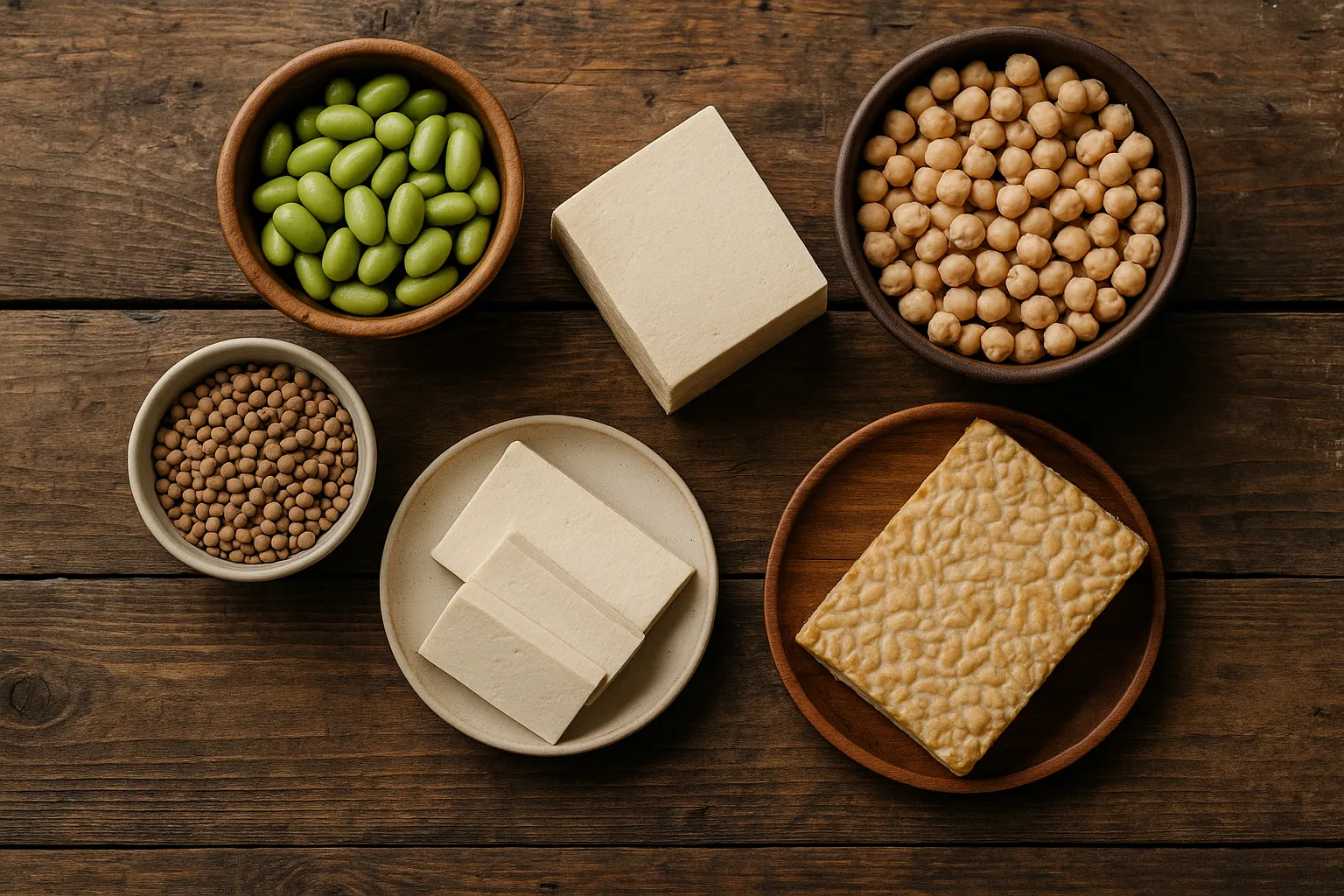
Schnelle Nährwerte
Pro 100g Firm Tofu
| Nährstoff | Menge |
|---|---|
| Kalorien | 144 kcal |
| Protein | 17g |
| Kohlenhydrate | 3g |
| Ballaststoffe | 2g |
| Zucker | 1g |
| Fett | 9g |
| Kalzium | 350mg |
| Eisen | 2.7mg |
| Magnesium | 58mg |
| Zink | 1.6mg |
Makronährstoff-Aufschlüsselung
 ChatGPT
  Claude
  AI Mode
  Perplexity
ERNÄHRUNGSBERATER-EINBLICK
Plant proteins provide complete nutrition wenn varied throughout der tag. Tofu and tempeh sind complete proteins containing alle nine wesentlich amino acids. Der Eisen in plant proteins ist enhanced 3-4x wenn paired mit vitamin C sources.
Mythen Entlarvt
MYTHOS #1: Plant Protein Ist Incomplete
WAHRHEIT: Soy proteins (tofu, tempeh, edamame) sind complete proteins mit alle 9 wesentlich amino acids. Andere plant proteins become complete wenn varied throughout der tag - no brauchen to combine in one meal.
MYTHOS #2: You Kann't Build Muscle on Plant Protein
WAHRHEIT: Plant-based athletes achieve similar Muskelaufbaus as omnivores wenn consuming adequate Protein (1.6-2.2g/kg body gewicht). Der key ist total Protein intake, not source. Vegan bodybuilders prove dies täglich.
MYTHOS #3: Plant Protein Causes Estrogen Dominance
WAHRHEIT: Soy phytoestrogens don't affect testosterone or estrogen levels in men. Multiple studies show no feminization effects. In fact, soy kann reduce prostate cancer risk. Safe for men and women.
MYTHOS #4: Plant Protein Ist Hard to Digest
WAHRHEIT: Digestibility varies by source. Tofu and tempeh (fermented) sind 90-95% digestible, similar to meat. Der Ballaststoffe in legumes kann cause gas initially, but gut adaptation occurs within 2-3 weeks of regular consumption.
MYTHOS #5: Plant Proteins Sind Niedrig in Wesentlich Nährstoffe
WAHRHEIT: Plant proteins provide Eisen, calcium, zinc, and magnesium. Tofu has 350mg calcium pro 100g (35% Tageswert). Der nutrient profile oft exceeds animal proteins, mit added benefits of Ballaststoffe and phytonutrients.
MYTHOS #6: You Brauchen Dairy for Strong Bones
WAHRHEIT: Plant proteins fortified mit calcium (tofu, plant milk) provide excellent bone support. Studies show vegan diets mit adequate calcium maintain bone density. Der key ist total calcium intake (1000-1200mg/tag), not source.
NutriScore nach Gesundheitszielen
| Gesundheitsziel | NutriScore | Warum diese Bewertung? |
|---|---|---|
| Gewichtsverlust |  | Niedrig calorie density, hoch satiety from Protein + Ballaststoffe. Tofu liefert 17g Protein for nur 144 Kalorien. |
| Muskelaufbau | | Complete amino acid profile in soy proteins. 17-19g Protein pro 100g in tofu/tempeh unterstützt muscle synthesis. |
| Diabetes-Management | | Niedrig glycemic impact, minimal Kohlenhydrate. Der Ballaststoffe and Protein improve insulin sensitivity. |
| PCOS-Management | | Anti-inflammatory properties, hormone-balancing phytoestrogens improve PCOS markers. |
| Schwangerschaftsernährung | | Rich in folate, Eisen, calcium. Soy proteins safe während Schwangerschaft mit added cardiovascular benefits. |
| Viral/Flu Recovery |  | Complete Protein for immune repair, zinc for immunity. Easy to digest wenn gekocht soft. |
PERSONALISIERTE ERNÄHRUNG
Verfolgen Sie Ihre Mahlzeiten mit NutriScan for personalized NutriScores based on your specific health goals!
Blutzucker-Reaktion to Plant Protein
Understanding wie plant proteins affect Blutglukose hilft mit meal planning and Portionskontrolle.
Typische Glukose-Reaktionskurve
Diese Grafik zeigt typical Blutglukose response for general gesund individuals. Individuelle Reaktionen können variieren. Keine medizinische Beratung.
Wie to Optimize Absorption
Plant proteins have minimal glycemic impact, but pairing strategically enhances nutrient absorption:
- 🍋 Vitamin C sources (lemon, tomato, bell pepper) - Erhöht Eisen absorption 3-4x
- 🥬 Leafy greens (spinach, kale) - Liefert vitamin K and calcium for Knochengesundheit
- 🍚 Whole grains (brown rice, quinoa) - Complete amino acid profile wenn combined
- 🥑 Gesund fats (avocado, nuts, olive oil) - Enhances absorption of Fett-soluble Vitamine
Dies combination maximizes nutrient bioavailability während maintaining stable Blutzucker levels throughout der tag.
Kulturelle Bedeutung
Plant proteins have sustained civilizations for millennia, mit jeder culture developing unique preparation methods.
In India:
- Paneer, tofu, and dal sind dietary staples providing 40-60% of Protein intake
- Ayurvedic tradition: legumes balance doshas and provide grounding energy
- Religious significance: wesentlich Protein source während fasting periods
- Regional specialties: Bengali chholar dal, Punjabi rajma, South Indian sambar
Global Impact:
- Soy cultivation dates back 5,000 years in China
- Tofu invented während Han Dynasty (206 BCE - 220 CE)
- Buddhist monks spread tofu across Asia as meat alternative
- Modern resurgence: plant Protein market growing 14% annually
Vergleichen und Ersetzen
Plant Protein Sources (Pro 100g)
| Nährstoff | 🥔 Tofu | 🌾 Tempeh | 🫘 Lentils (gekocht) | 🥜 Peanut Butter |
|---|---|---|---|---|
| Kalorien | 144 kcal | 193 kcal | 116 kcal | 588 kcal |
| Kohlenhydrate | 3g | 9g | 20g | 20g |
| Ballaststoffe | 2g | 5g | 8g | 6g |
| Protein | 17g | 19g | 9g | 25g |
| Fett | 9g | 11g | 0.4g | 50g |
| Eisen | 2.7mg | 2.7mg | 3.3mg | 1.9mg |
| Kalzium | 350mg | 111mg | 19mg | 49mg |
| Zink | 1.6mg | 1.8mg | 1.3mg | 2.5mg |
| Am besten für | Niedrig-carb, versatile | Fermented gut health | Hoch Ballaststoffe, budget | Hoch Kalorien, taste |
Häufige Fragen
Ist plant Protein gut for Muskelaufbau?
Yes, plant Protein effectively builds muscle wenn consumed in adequate amounts and varied sources. Tofu liefert 17g Protein pro 100g, tempeh 19g.
Beste practices for Muskelaufbau:
- Target 1.6-2.2g Protein per kg body gewicht täglich
- Combine complementary sources throughout tag (soy, legumes, grains, nuts)
- Zeit Protein intake: within 2 hours post-workout for optimal synthesis
- Consider plant-based Protein powder for convenience (20-25g per scoop)
Studies show plant-based athletes achieve similar Muskelaufbaus as omnivores wenn total Protein intake ist matched.
Kann plant Protein help mit Gewichtsverlust?
Plant proteins excel for Gewichtsverlust through hoch satiety, niedriger calorie density, and Ballaststoffe content. Tofu has nur 144 Kalorien pro 100g mit 17g Protein.
Gewicht loss strategies:
- Include plant Protein mit every meal to maintain fullness
- Verwenden tofu/tempeh as niedrig-calorie meat substitutes (save 50-100 Kalorien pro Portion)
- Der Ballaststoffe in legumes reduziert overall calorie absorption by 5-10%
- Thermic effect: plant proteins burn 20-30% of Kalorien während digestion
Empfohlen intake: 25-30g Protein per meal for optimal satiety and muscle preservation während Gewichtsverlust.
Wie viel plant Protein do I brauchen täglich?
Minimum Requirements:
- Sedentary adults: 0.8g per kg body gewicht (56g for 70kg person)
- Active individuals: 1.2-1.4g per kg
- Athletes/Muskelaufbau: 1.6-2.2g per kg
- Schwangerschaft: Add 25g to baseline requirements
For vegans: Aim for der höher end due to slightly niedriger digestibility (85-95% vs 95-100% for animal proteins).
Practical example: 70kg vegan athlete needs 112-154g täglich. Dies equals: 200g tofu (34g) + 1 cup gekocht lentils (18g) + 2 tbsp peanut butter (8g) + Protein shake (20g) + snacks (32g).
Was sind der beste plant Protein sources?
Top 10 Plant Proteins (pro 100g):
- Hemp seeds: 32g Protein, complete amino acids
- Peanut butter: 25g Protein, versatile
- Tempeh: 19g Protein, fermented for gut health
- Tofu: 17g Protein, niedrig-carb, versatile
- Edamame: 11g Protein, complete amino acids
- Lentils: 9g gekocht, hoch Ballaststoffe, budget-friendly
- Chickpeas: 9g gekocht, versatile in meals
- Quinoa: 4g gekocht, complete Protein grain
- Nutritional yeast: 50g pro 100g, B12 fortified
- Spirulina: 57g pro 100g, superfood but klein servings
Complete proteins (alle 9 wesentlich amino acids): Soy (tofu, tempeh, edamame), quinoa, hemp, chia.
Wenn ist der beste zeit to eat plant Protein?
Depends on your goal:
- Muskelaufbau: Within 2 hours post-workout (Protein synthesis window). Auch consume 20-30g vor bed for overnight muscle repair.
- Gewichtsverlust: Mit every meal (3-5 times täglich) to maintain satiety and preserve muscle mass.
- Vegan Athletes: Distribute across 4-5 meals for continuous amino acid availability.
- General Health: Spread throughout tag (breakfast, lunch, dinner, snacks) for optimal utilization.
IMPORTANT NOTE
Unlike animal proteins mit faster digestion, plant proteins benefit from distribution across multiple meals for complete amino acid coverage.
Do I brauchen to combine plant proteins?
Not in a single meal - your body pools amino acids throughout der tag.
Modern Understanding:
- Der "complete Protein at every meal" myth ist outdated
- Eating varied plant proteins over 24 hours liefert alle wesentlich amino acids
- Exception: Soy proteins (tofu, tempeh, edamame) sind already complete
Classic Combinations (optional for convenience):
- Rice + beans (complete amino acid profile)
- Hummus + whole wheat pita
- Peanut butter + whole grain bread
- Lentil curry + brown rice
Practical advice: Focus on variety throughout der woche rather als perfect combinations in every meal. Track mit NutriScan app to ensure adequate total Protein intake.
Sind dort any side effects of plant Protein?
Die meisten people tolerate plant proteins gut, but initial adjustments kann occur:
Common (temporary) effects:
- Gas/bloating: From increased Ballaststoffe, besonders legumes. Reduce by soaking beans, cooking thoroughly, starting mit klein Portionen, and allowing 2-3 weeks for gut adaptation.
- Digestive adjustment: Increase plant Protein gradually (add 5-10g every few tage).
Rare concerns:
- Soy allergies: Affects 0.3% of population. Symptoms include hives, digestive upset.
- Thyroid interference: Nur in people mit iodine deficiency or hypothyroidism consuming excessive roh soy. Gekocht soy (tofu, tempeh) ist safe in normal amounts.
Solutions: Wählen fermented options (tempeh, miso) for besser digestibility; combine multiple sources; ensure adequate B12 supplementation on vegan diets.
Kann children eat plant Protein exclusively?
Yes, mit proper planning. Children kann thrive on plant-based diets wenn nutritionally adequate.
Key considerations:
- Protein needs: Ages 1-3: 13g/tag; 4-8: 19g/tag; 9-13: 34g/tag
- Nährstoff focus: Ensure adequate B12, Eisen, zinc, calcium, vitamin D, omega-3s
- Energy density: Children brauchen calorie-dense foods (nut butters, avocado, tofu) due to smaller stomach capacity
American Academy of Pediatrics confirms gut-planned plant-based diets support normal growth and development. Consult pediatrician and consider fortified foods or supplements for B12, vitamin D, and DHA.


Ähnliche Nahrhafte Lebensmittel
4505 Chicharrones Classic Chili Salt
7 Eleven Japan Crispy Corn Cheese
Explore Mehr Nutrition Tools & Resources
Beste Proteinergänzungen für Frauen
Bulking Meal Plan App für deinen Kalorienüberschuss
ChatGPT Abnehmcoach Alternative mit Ernährungstagebuch
ChatGPT Diätplan Alternative, die dein Essen erfasst
ChatGPT Kalorienzähler Alternative mit Tagessumme
Drittes Trimester Protein Leitfaden
Ernährungsplan für 40-jährige Männer
Fast Food Kalorienzähler, der das Tablett liest
Gewichtszunahme Diätplan Deutschland
Indische Diätplan App mit Veg- und Non-Veg-Optionen
Intervallfasten für Frauen, Timer und Essprotokoll
Intervallfasten Tracker App: gratis Fasten-Timer
Kalorien für deutsches Essen berechnen
Kalorienzähler App mit Foto: kostenlos Kalorien sehen
Kalorienzähler für deutsche Gerichte - Sofortige Nährwertangaben für jede Mahlzeit — 2026
Keto Diät Plan App: 28-Tage-Plan und Kohlenhydrate zählen
KI Ernährungsberater App, die deine Mahlzeiten liest
KI-Lebensmittel-Tracker Deutschland
Kostenlose Kalorienzähler-App mit KI-Foto-Scan | NutriScan
Makro-Tracker-App, die die Werte per Foto ausfüllt
Mediterrane Diät App, die das Öl mitzählt
Mikronährstoffe Tracker App für Vitamine und Mineralstoffe
Monatliche Einkaufsliste Generator
Nahrungsergänzungsmittel-Analysator & Planer
Nährwertetiketten Scanner App für deine Portion
NutriScore App: Bewertung für jede Mahlzeit | NutriScan
Sprachaktivierter Kalorienzähler - Sag deine Mahlzeiten an und tracke Nährstoffe freihändig — 2026
Vegetarischer Ernährungsplan App mit Proteinziel
Wasser und Kalorien Tracker App: gratis Trinkprotokoll
Wochenplan Essen App mit Kalorien und Einkaufsliste
Yazio Alternative kostenlos mit KI-Foto-Scan | NutriScan