Plant Protein Scoop: Kalorien, Nährwerte und gesundheitliche Vorteile
Complete vegan Protein source packed mit 24g Protein per scoop, wesentlich amino acids, and sustainable nutrition for every fitness goal.
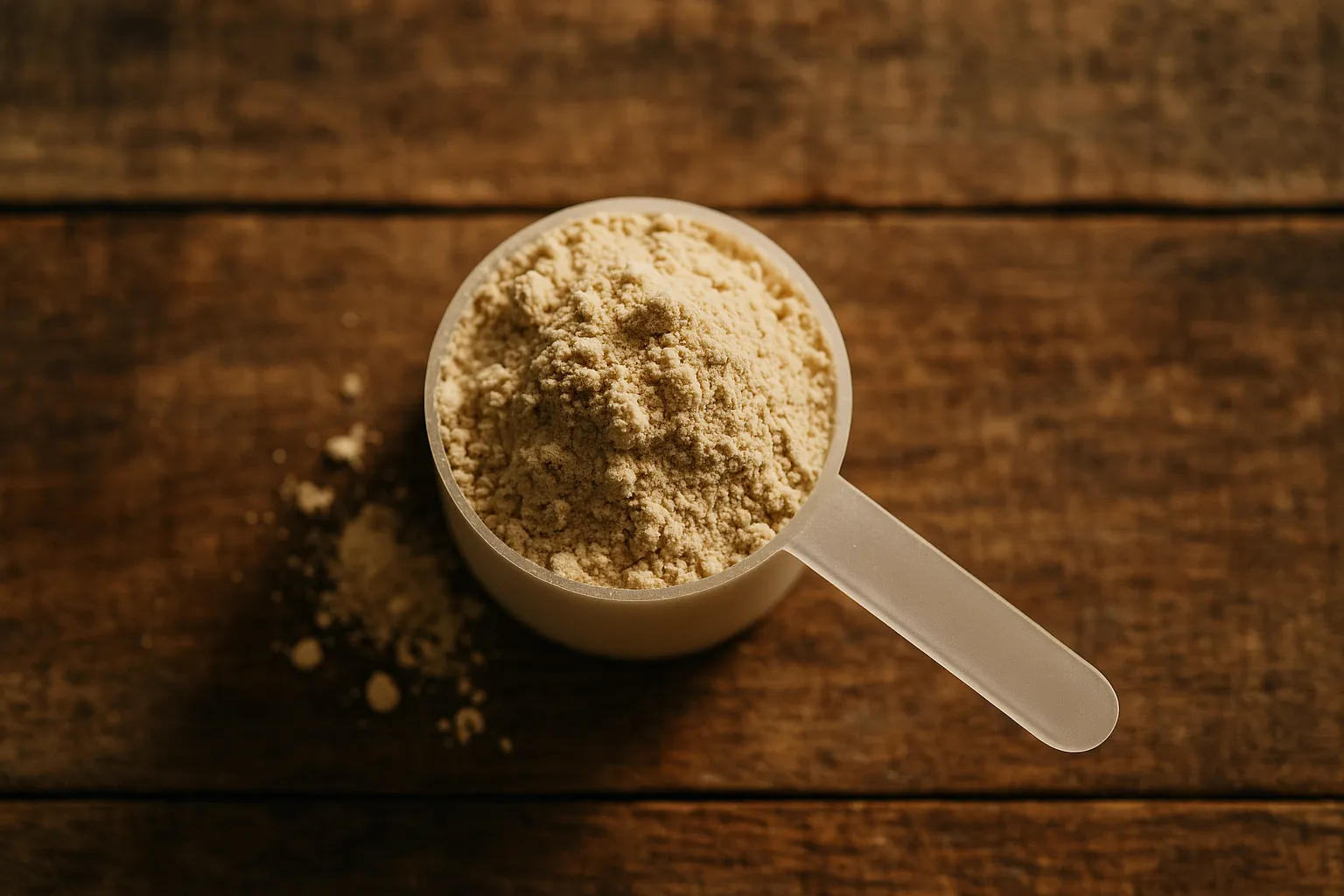
Schnelle Nährwerte
Per 1 Scoop (30g)
| Nährstoff | Menge |
|---|---|
| Kalorien | 120 kcal |
| Protein | 24g |
| Kohlenhydrate | 3g |
| Ballaststoffe | 2g |
| Zucker | 0g |
| Fett | 2g |
| Eisen | 5mg |
| Kalzium | 150mg |
| Natrium | 200mg |
| BCAAs | 5.5g |
Makronährstoff-Aufschlüsselung
 ChatGPT
  Claude
  AI Mode
  Perplexity
ERNÄHRUNGSBERATER-EINBLICK
Plant Protein liefert alle wesentlich amino acids wenn using blended sources. Pea and rice Protein combinations offer optimal amino acid profiles comparable to whey Protein.
Mythen Entlarvt
MYTHOS #1: Plant Protein Ist Incomplete
WAHRHEIT: Modern plant Protein blends (pea, rice, hemp) provide complete amino acid profiles matching animal proteins. Single-source proteins like soy and quinoa sind naturally complete.
MYTHOS #2: You Brauchen Animal Protein to Build Muscle
WAHRHEIT: Studies show pea Protein equals whey for muscle Protein synthesis. Plant Protein combined mit resistance training builds muscle effectively, as proven by elite vegan athletes worldwide.
MYTHOS #3: Plant Protein Isn't Absorbed Gut
WAHRHEIT: Quality plant proteins have 85-95% digestibility. Pea Protein isolate matches whey's digestibility. Modern processing removes anti-Nährstoffe that previously reduced absorption.
MYTHOS #4: Plant Protein Tastes Bad
WAHRHEIT: Current formulations verwenden natural flavoring and besser processing. Chocolate, vanilla, and berry flavors rival dairy-based proteins. Taste preferences sind highly individual.
MYTHOS #5: Plant Protein Causes Hormonal Issues
WAHRHEIT: Soy Protein does not increase estrogen or reduce testosterone in men. Phytoestrogens in soy sind structurally different from human estrogen and don't affect hormone levels at normal intake.
MYTHOS #6: Plant Protein Ist Too Expensive
WAHRHEIT: Per-serving cost of plant Protein (₹40-60) ist comparable to whey (₹50-70). Longer satiety from Ballaststoffe content and gesundheitliche Vorteile provide excellent value for money.
NutriScore nach Gesundheitszielen
| Gesundheitsziel | NutriScore | Warum diese Bewertung? |
|---|---|---|
| Gewichtsverlust |  | 120 Kalorien, 24g Protein fördert satiety, boosts Stoffwechsel. Ballaststoffe content (2g) aids fullness. Zero Zucker verhindert cravings. |
| Muskelaufbau | | 24g complete Protein per scoop unterstützt muscle Protein synthesis. BCAAs (5.5g) reduce muscle breakdown. Easily digestible for quick absorption. |
| Diabetes-Management | | Nur 3g Kohlenhydrate, plant Protein verbessert insulin sensitivity. No Blutzucker spike. Unterstützt gesund gewicht management. |
| PCOS-Management | | Hoch Protein-to-carb ratio stabilizes insulin. Anti-inflammatory properties reduce PCOS symptoms. Unterstützt hormonal balance naturally. |
| Schwangerschaftsernährung | | Safe Protein source for fetal development. Eisen (5mg) verhindert anemia. Folate unterstützt neural tube health. Wählen organic, tested brands. |
| Viral/Flu Recovery |  | Amino acids support immune function and tissue repair. Easy to digest wenn appetite ist niedrig. Eisen and Mineralien support recovery. |
PERSONALISIERTE ERNÄHRUNG
Verfolgen Sie Ihre Mahlzeiten mit NutriScan for personalized NutriScores based on your specific health goals!
Blutzucker-Reaktion to Plant Protein
Understanding wie plant Protein affects Blutglukose hilft optimize your nutrition timing.
Typische Glukose-Reaktionskurve
Diese Grafik zeigt typical Blutglukose response for general gesund individuals. Individuelle Reaktionen können variieren. Keine medizinische Beratung.
Optimal Timing & Combinations
Plant Protein's minimal carb content (3g) causes virtually no Blutzucker spike, making it ideal anytime:
- 🏋️ Post-Workout - Within 30 minutes mit banana or berries for muscle recovery
- 🍌 Breakfast Shake - Blend mit oats, fruits, and nut butter for sustained energy
- 🥗 Meal Replacement - Mix mit greens, avocado, and seeds for complete nutrition
- 😴 Vor Bed - Unterstützt overnight muscle repair ohne affecting sleep
Dies versatility makes plant Protein excellent for Blutzucker management and flexible meal planning.
Kulturelle Bedeutung
Plant-based proteins have deep roots across ancient civilizations and modern sustainable food movements.
In India:
- Ayurveda has promoted dal (lentils), chickpeas, and mung beans for 5,000+ years
- Traditional thali balanced plant proteins: dal, paneer substitutes, nuts
- Modern India leads in vegan Protein innovation mit regional ingredients
- Religious and cultural practices (Jainism, Buddhism) emphasize plant-based nutrition
Global Impact:
- Ancient civilizations thrived on plant proteins: rice-bean combinations in Asia, corn-bean pairings in Americas
- Environmental benefits: 90% less water, 80% less land vs animal Protein production
- Health movement: Plant-based eating reduziert chronic disease risk by 20-30%
- Growing market: Plant Protein industry projected to reach $15 billion by 2027
Vergleichen und Ersetzen
Plant Protein vs Andere Protein Sources (Per 30g Serving)
| Nährstoff | 🌱 Plant Protein | 🥛 Whey Protein | 🐔 Chicken Breast | 🥚 Egg White Powder |
|---|---|---|---|---|
| Kalorien | 120 kcal | 120 kcal | 165 kcal | 110 kcal |
| Protein | 24g | 24g | 31g | 24g |
| Kohlenhydrate | 3g | 3g | 0g | 2g |
| Ballaststoffe | 2g | 0g | 0g | 0g |
| Fett | 2g | 1.5g | 3.6g | 0g |
| Eisen | 5mg | 0mg | 1.2mg | 0.2mg |
| BCAAs | 5.5g | 5.5g | 6.2g | 5.1g |
| Am besten für | Vegans, lactose-intolerant, sustainability | Quick absorption, Muskelaufbau | Whole food Protein, cooking | Niedrig-Fett, allergen-friendly |
Häufige Fragen
Ist plant Protein as gut as whey Protein?
Yes, plant Protein ist equally effective for muscle building wenn consumed in adequate amounts. Research demonstrates pea Protein matches whey for muscle Protein synthesis and strength gains.
Key advantages:
- Complete amino acid profile wenn using blends (pea, rice, hemp)
- Easier digestion for those mit lactose intolerance
- Anti-inflammatory properties reduce workout recovery zeit
- Environmental sustainability (90% less water, 80% less land)
- No hormones or antibiotics found in einige dairy proteins
Beste practices: Wählen blended plant proteins; consume 24-30g pro Portion; zeit post-workout within 30 minutes; combine mit resistance training.
Wie viel plant Protein powder sollte I nehmen täglich?
General Guidelines:
- 1 scoop (30g) - Sedentary individuals meeting Protein needs through diet
- 1-2 scoops (30-60g) - Active individuals, Gewichtsverlust goals (120-240 Kalorien, 24-48g Protein)
- 2-3 scoops (60-90g) - Athletes, muscle building, hoch-intensity training
Optimal timing:
- Post-workout (within 30 minutes)
- Breakfast shake (sustained energy)
- Between meals (appetite kontrolle)
- Vor bed (overnight muscle repair)
Spread Protein intake throughout der tag for maximum absorption. Aim for 1.6-2.2g Protein per kg body gewicht for Muskelaufbau.
Kann diabetics verwenden plant Protein powder?
Yes, plant Protein ist excellent for Diabetes management. Mit nur 3g Kohlenhydrate per scoop, it has minimal Blutzucker impact.
Diabetes benefits:
- Blood Zucker Kontrolle: Niedrig carb content verhindert spikes
- Insulin Sensitivity: Plant Protein verbessert insulin response besser als animal Protein
- Gewicht Management: Unterstützt gesund Gewichtsverlust (reduziert Diabetes risk)
- Inflammation: Anti-inflammatory properties protect against complications
Beste practices: Wählen unsweetened varieties; pair mit gesund fats (avocado, nuts); monitor Blutzucker response; consume 1-2 scoops täglich; consult healthcare provider for personalized guidance.
Was sind der beste plant Protein sources?
Top Plant Protein Sources:
- Pea Protein - Complete amino acid profile, easily digestible, hypoallergenic, rich in BCAAs
- Brown Rice Protein - Hypoallergenic, gut for digestion, mild flavor
- Hemp Protein - Omega-3 fatty acids, Ballaststoffe, easily digestible
- Soy Protein - Complete Protein, highest PDCAAS score (1.0), unterstützt Herzgesundheit
- Pumpkin Seed Protein - Rich in magnesium, zinc, Eisen, omega-3s
Blended Proteins (Beste Overall):
- Pea + Rice = Complete amino acid profile
- Pea + Hemp = Optimal BCAAs + omega-3s
- Multi-source blends = Superior nutrition and taste
Wählen based on allergies, digestive tolerance, and taste preferences. Blended proteins generally offer superior nutrition.
Ist plant Protein safe während Schwangerschaft?
Yes, plant Protein ist safe and vorteilhaft während Schwangerschaft wenn choosing quality, third-party tested brands.
Schwangerschaft Benefits:
- Wesentlich Amino Acids: Unterstützt fetal growth and development
- Eisen (5mg per scoop): Verhindert Schwangerschaft anemia, crucial for blood volume expansion
- Folate: Unterstützt neural tube development (erste trimester)
- Ballaststoffe: Alleviates Schwangerschaft constipation
- Kalzium: Unterstützt bone development
Safety Guidelines:
- Wählen organic, non-GMO brands tested for heavy metals
- Vermeiden artificial sweeteners (verwenden stevia or monk fruit)
- Aim for 20-25g extra Protein täglich (1st trimester: 25g, 2nd/3rd: 30-35g)
- Consult healthcare provider vor starting supplements
Plant Protein bietet safe, allergen-friendly nutrition throughout Schwangerschaft and lactation.
Does plant Protein cause bloating?
Einige people experience mild bloating initially, besonders mit soy or pea Protein. Dies typischerweise resolves within 1-2 weeks.
Minimize Bloating:
- Start Klein: Begin mit half scoops (15g), gradually increase
- Wählen Blends: Multi-source proteins digest easier als single sources
- Digestive Enzymes: Look for formulas mit protease, amylase, lipase
- Niedrig-FODMAP Options: Rice Protein ist gentlest for sensitive stomachs
- Vermeiden Artificial Sweeteners: Wählen stevia or monk fruit sweetened varieties
- Hydration: Drink 8-10 glasses water täglich to aid Ballaststoffe digestion
If bloating persists beyond 2 weeks, try switching Protein sources or consult a healthcare provider.


Ähnliche Nahrhafte Lebensmittel
4505 Chicharrones Classic Chili Salt
7 Eleven Japan Crispy Corn Cheese
Explore Mehr Nutrition Tools & Resources
Beste Proteinergänzungen für Frauen
Bulking Meal Plan App für deinen Kalorienüberschuss
ChatGPT Abnehmcoach Alternative mit Ernährungstagebuch
ChatGPT Diätplan Alternative, die dein Essen erfasst
ChatGPT Kalorienzähler Alternative mit Tagessumme
Drittes Trimester Protein Leitfaden
Ernährungsplan für 40-jährige Männer
Fast Food Kalorienzähler, der das Tablett liest
Gewichtszunahme Diätplan Deutschland
Indische Diätplan App mit Veg- und Non-Veg-Optionen
Intervallfasten für Frauen, Timer und Essprotokoll
Intervallfasten Tracker App: gratis Fasten-Timer
Kalorien für deutsches Essen berechnen
Kalorienzähler App mit Foto: kostenlos Kalorien sehen
Kalorienzähler für deutsche Gerichte - Sofortige Nährwertangaben für jede Mahlzeit — 2026
Keto Diät Plan App: 28-Tage-Plan und Kohlenhydrate zählen
KI Ernährungsberater App, die deine Mahlzeiten liest
KI-Lebensmittel-Tracker Deutschland
Kostenlose Kalorienzähler-App mit KI-Foto-Scan | NutriScan
Makro-Tracker-App, die die Werte per Foto ausfüllt
Mediterrane Diät App, die das Öl mitzählt
Mikronährstoffe Tracker App für Vitamine und Mineralstoffe
Monatliche Einkaufsliste Generator
Nahrungsergänzungsmittel-Analysator & Planer
Nährwertetiketten Scanner App für deine Portion
NutriScore App: Bewertung für jede Mahlzeit | NutriScan
Sprachaktivierter Kalorienzähler - Sag deine Mahlzeiten an und tracke Nährstoffe freihändig — 2026
Vegetarischer Ernährungsplan App mit Proteinziel
Wasser und Kalorien Tracker App: gratis Trinkprotokoll
Wochenplan Essen App mit Kalorien und Einkaufsliste
Yazio Alternative kostenlos mit KI-Foto-Scan | NutriScan