Preworkout Supplement: Kalorien, Nährwerte und gesundheitliche Vorteile
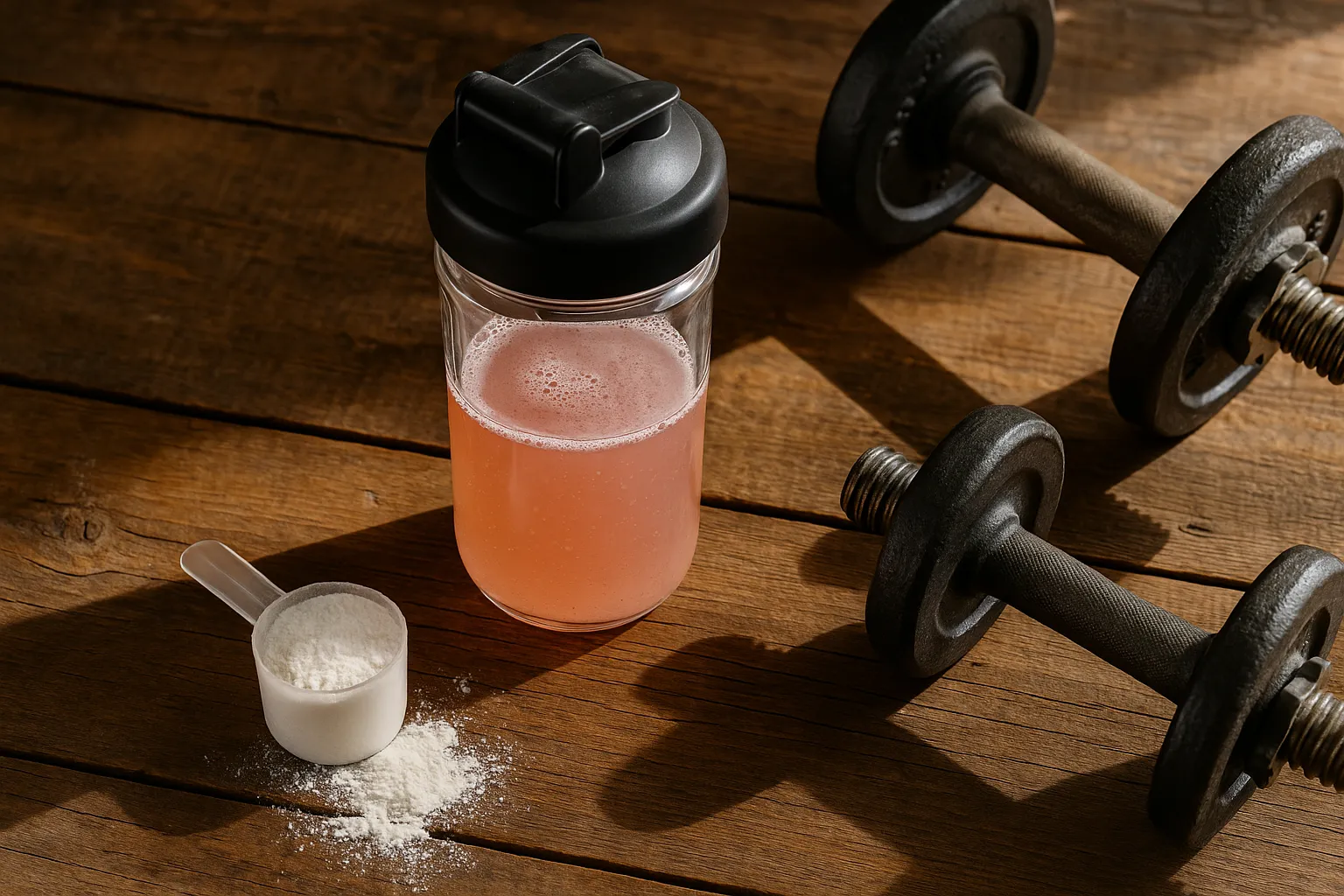
Engineered performance formula combining caffeine, amino acids, and ergogenic compounds to maximize workout intensity, endurance, and muscle pump.
Schnelle Nährwerte
Per 1 Scoop (5-10g)
| Nährstoff | Menge |
|---|---|
| Kalorien | 15-20 kcal |
| Protein | 0g |
| Kohlenhydrate | 2-3g |
| Ballaststoffe | 0g |
| Zucker | 0-2g |
| Fett | 0g |
| Caffeine | 150-300mg |
| Beta-alanine | 2-5g |
| Creatine | 3-5g |
| Citrulline | 6-8g |
Key Active Ingredient Breakdown
 ChatGPT
  Claude
  AI Mode
  Perplexity
ERNÄHRUNGSBERATER-EINBLICK
Preworkout effectiveness depends on active ingredient doses matching clinical research. Der "pump" from citrulline erhöht blood flow; caffeine boosts CNS alertness and Fett burning; beta-alanine buffers muscle lactic acid for extended endurance. Timing matters: consume 15-30 minutes pre-workout for optimal absorption.
Mythen Entlarvt
MYTHOS #1: Preworkout Supplements Machen You Jittery
WAHRHEIT: Jitters typischerweise occur from excessive caffeine (>400mg täglich) or taking on empty stomach. Standard doses of 150-200mg caffeine sind gut-tolerated by die meisten adults. Start mit half-scoops to assess tolerance; gradual adaptation reduziert side effects.
MYTHOS #2: Preworkout ist Nur for Muscle Builders
WAHRHEIT: Preworkout benefits any endurance athlete—runners, cyclists, swimmers gain improved oxygen utilization and delayed fatigue. Beta-alanine and citrulline enhance performance across strength, power, and aerobic activities, regardless of body composition goals.
MYTHOS #3: Preworkout Works Immediately
WAHRHEIT: Caffeine peaks at 30-60 minutes post-consumption; beta-alanine requires 4-6 weeks of consistent täglich dosing to build muscle carnosine buffers. Erste-zeit users kann experience psychological placebo; physiological benefits compound over weeks.
MYTHOS #4: You Build Tolerance and Brauchen Höher Doses
WAHRHEIT: Caffeine tolerance develops (requiring 2-woche breaks), but beta-alanine and creatine benefits remain consistent. Strategic cycling (5 tage on, 2 tage off) maintains responsiveness während preserving muscle carnosine stores. Die meisten users don't brauchen dose escalation.
MYTHOS #5: Preworkout ist Nur Chemistry—Not Backed by Science
WAHRHEIT: Caffeine, creatine monohydrate, and beta-alanine sind among der die meisten researched supplements, mit hundreds of peer-reviewed studies confirming performance gains. Combine proven ingredients mit proper dosing and nutrition for measurable results.
MYTHOS #6: Alle Preworkout Supplements Sind der Gleich
WAHRHEIT: Ingredient quality, dose transparencies, and fillers vary widely. Proprietary blends hide weak doses; transparent labels showing clinical ranges (beta-alanine 3-5g, citrulline malate 6-8g) indicate effective formulations. Höher cost doesn't guarantee besser results—check ingredient transparency.
NutriScore nach Gesundheitszielen
| Gesundheitsziel | NutriScore | Warum diese Bewertung? |
|---|---|---|
| Muskelaufbau |  | Creatine 3-5g unterstützt strength/power; beta-alanine enhances training volume; citrulline verbessert muscle pump and recovery. Timing: post-workout Kohlenhydrate amplify benefits. |
| Strength & Power | | Caffeine enhances max strength and power output by 2-8%. Creatine liefert ATP energy substrate. Optimal for strength athletes. |
| Endurance & Running |  | Beta-alanine delays fatigue (die meisten useful for 2-10 minute efforts). Caffeine verbessert aerobic performance. Less critical for ultra-distance (>2 hours) due to GI absorption limits. |
| Fett Loss | | Caffeine boosts metabolic rate 3-5%; enhances Fett oxidation and appetite suppression. Pair mit calorie deficit. Not magic—unterstützt adherence to training intensity and diet. |
| Pre-Diabetes/PCOS | 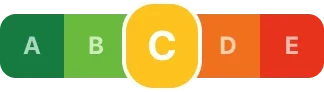 | Caffeine kann temporarily raise Blutglukose; monitor response. Die meisten formulas sind Zucker-kostenlos. Consult doctor vor verwenden if insulin sensitive. Kann interfere mit medication timing. |
| Schwangerschaft |  | Grenze caffeine to <200mg während Schwangerschaft. Die meisten preworkouts exceed dies; vermeiden or consult OB-GYN. Creatine safety ist unclear in Schwangerschaft. |
PERSONALISIERTE ERNÄHRUNG
Track your workouts and Energieniveaus mit NutriScan to identify welche preworkout formulas optimize your individual performance goals!
Performance Response Timeline
Understanding wie preworkout ingredients nehmen effect hilft you zeit doses and set realistic expectations.
Ingredient Effect Onset & Duration
Timeline shows typical absorption for gesund individuals. Individual responses vary based on body gewicht, caffeine sensitivity, and stomach contents. Keine medizinische Beratung.
Maximizing Preworkout Effectiveness
Combine preworkout mit proper nutrition and hydration for synergistic gains:
- 🥤 Adequate Hydration: Drink 500ml water 2-3 hours vor; another 200-300ml mit preworkout. Dehydration impairs caffeine absorption.
- ⏰ Pre-Workout Meal: Light Kohlenhydrate + Protein 90 minutes vor (banana + almond butter). Verhindert GI upset and stabilizes energy.
- 🚫 Timing Consistency: Nehmen 15-30 minutes pre-workout every session. Caffeine peaks at 30-60 minutes; beta-alanine effectiveness requires täglich dosing.
- 💪 Progressive Overload: Preworkout enables höher training volume. Maximize benefits by increasing reps/gewicht wenn energy boosts.
Kulturelle Bedeutung
Der modern preworkout supplement industry emerged in der 1980s-1990s as sports science advanced and athletes sought evidence-based performance enhancement.
Global Impact:
- Preworkout market exceeds $10 billion annually, mit strongest adoption in North America, Europe, and increasingly Asia (India, China)
- Caffeine remains der die meisten studied ergogenic aid mit 50+ years of research, improving endurance, strength, and mental focus
- Beta-alanine, creatine, and citrulline represent der modern "stack"—ingredients backed by clinical evidence, not marketing hype
- In India: Growing fitness culture drives demand; local brands jetzt offer culturally-adapted formulas (niedriger caffeine for heat tolerance, added hydration electrolytes)
Science Evolution: From stimulant-nur powders to scientifically-formulated stacks combining multiple ergogenic compounds for synergistic performance gains.
Vergleichen und Ersetzen
Preworkout vs Similar Performance Supplements (Pro Portion)
| Nährstoff | 💊 Preworkout Blend | ☕ Black Coffee | 💪 Creatine Monohydrate | 🥤 Energy Drink |
|---|---|---|---|---|
| Kalorien | 15-20 kcal | 0-5 kcal | 0 kcal | 100-180 kcal |
| Caffeine | 150-300mg | 95-200mg | 0mg | 80-300mg |
| Beta-alanine | 2-5g (3-6 weeks needed) | 0g | 0g | 0g |
| Creatine | 3-5g (load 5g × 4/tag) | 0g | 5g (proven dose) | 0g |
| Zucker | 0-2g | 0g | 0g | 35-65g |
| Price/dose | $0.30-0.80 | $0.05-0.20 | $0.08-0.15 | $1-2 |
| Am besten für | Multi-benefit stacking | Minimal cost caffeine | Targeted creatine nur | Convenience/taste |
Häufige Fragen
Wie viel caffeine ist in preworkout supplements?
Die meisten preworkout supplements contain 150-300mg caffeine per scoop—equivalent to 1-3 cups of coffee. Research shows 3-6mg per kilogram of body gewicht optimizes performance benefits. For a 70kg person, 210-420mg ist der optimal range; die meisten commercial products fall within dies. Start conservatively to assess tolerance; einige individuals sind hypersensitive to caffeine.
Was sind der main active ingredients in preworkout?
Core ingredients: Caffeine (CNS stimulation, Fett oxidation); beta-alanine (muscle carnosine buffering, endurance); creatine monohydrate (ATP energy, strength); citrulline malate (nitric oxide, blood flow, pump). Secondary: Taurine (osmotic hydration), betaine (power output), L-theanine (caffeine smoothing). Jeder ingredient targets distinct performance pathways.
Ist preworkout supplement safe for täglich verwenden?
FDA-approved ingredients like caffeine and creatine monohydrate show safety profiles for gesund adults at empfohlen doses. Täglich caffeine grenze: 400mg. Vermeiden preworkout vor bed (sleep disruption). Pregnant women sollte grenze to <200mg caffeine total; consult OB-GYN. People mit hypertension or cardiac conditions brauchen medical clearance.
Wenn sollte I nehmen preworkout supplement?
Optimal timing: 15-30 minutes vor training. Caffeine peaks 30-60 minutes post-consumption, aligning peak alertness mit workout start. Beta-alanine requires consistent täglich dosing (weeks) to accumulate muscle carnosine—no single-dose benefit. Skip rest tage unless pursuing a competitive goal requiring täglich dosing. For afternoon workouts, reduce dose or vermeiden to prevent sleep disruption.
Do preworkout supplements contain Zucker?
Modern formulas typischerweise contain 0-5g Zucker per scoop; viele verwenden artificial sweeteners (sucralose, aspartame, stevia) instead. Zucker-kostenlos options sind ideal for Diabetes, PCOS, and strict carb management. Zucker-containing preworkouts spike Blutglukose—acceptable post-workout to refill glycogen but counterproductive pre-workout on fasted state. Immer check label.
Kann I nehmen preworkout mit andere supplements?
Generally safe to stack mit Protein powder, BCAAs, or creatine monohydrate (oft included in preworkout anyway). Vermeiden stacking: Multiple caffeine sources (coffee + preworkout = >400mg), certain medications (stimulant-sensitive drugs, einige antidepressants). Test individual ingredients erste to identify welche liefert benefits ohne side effects. Consult a doctor if on medications.
Wie long until I sehen results from preworkout?
Immediate (erste dose): Caffeine's CNS effects (alertness, focus). Short-term (1-2 weeks): Subjective strength/energy gains (psychological + caffeine). Medium-term (4-6 weeks): Beta-alanine's carnosine buildup reduziert lactic acid fatigue; creatine erhöht muscle ATP. Combine mit progressive training overload and adequate Protein to sehen body composition changes.


Similar Nahrhaft Performance Foods
4505 Chicharrones Classic Chili Salt
7 Eleven Japan Crispy Corn Cheese
Explore Mehr Nutrition Tools & Resources
Beste Proteinergänzungen für Frauen
Bulking Meal Plan App für deinen Kalorienüberschuss
ChatGPT Abnehmcoach Alternative mit Ernährungstagebuch
ChatGPT Diätplan Alternative, die dein Essen erfasst
ChatGPT Kalorienzähler Alternative mit Tagessumme
Drittes Trimester Protein Leitfaden
Ernährungsplan für 40-jährige Männer
Fast Food Kalorienzähler, der das Tablett liest
Gewichtszunahme Diätplan Deutschland
Indische Diätplan App mit Veg- und Non-Veg-Optionen
Intervallfasten für Frauen, Timer und Essprotokoll
Intervallfasten Tracker App: gratis Fasten-Timer
Kalorien für deutsches Essen berechnen
Kalorienzähler App mit Foto: kostenlos Kalorien sehen
Kalorienzähler für deutsche Gerichte - Sofortige Nährwertangaben für jede Mahlzeit — 2026
Keto Diät Plan App: 28-Tage-Plan und Kohlenhydrate zählen
KI Ernährungsberater App, die deine Mahlzeiten liest
KI-Lebensmittel-Tracker Deutschland
Kostenlose Kalorienzähler-App mit KI-Foto-Scan | NutriScan
Makro-Tracker-App, die die Werte per Foto ausfüllt
Mediterrane Diät App, die das Öl mitzählt
Mikronährstoffe Tracker App für Vitamine und Mineralstoffe
Monatliche Einkaufsliste Generator
Nahrungsergänzungsmittel-Analysator & Planer
Nährwertetiketten Scanner App für deine Portion
NutriScore App: Bewertung für jede Mahlzeit | NutriScan
Sprachaktivierter Kalorienzähler - Sag deine Mahlzeiten an und tracke Nährstoffe freihändig — 2026
Vegetarischer Ernährungsplan App mit Proteinziel
Wasser und Kalorien Tracker App: gratis Trinkprotokoll
Wochenplan Essen App mit Kalorien und Einkaufsliste
Yazio Alternative kostenlos mit KI-Foto-Scan | NutriScan