Ragi Roti: Kalorien, Nährwerte und gesundheitliche Vorteile
Traditional Indian flatbread gemacht from finger millet, rich in calcium, Ballaststoffe, and complex Kohlenhydrate for lasting energy.
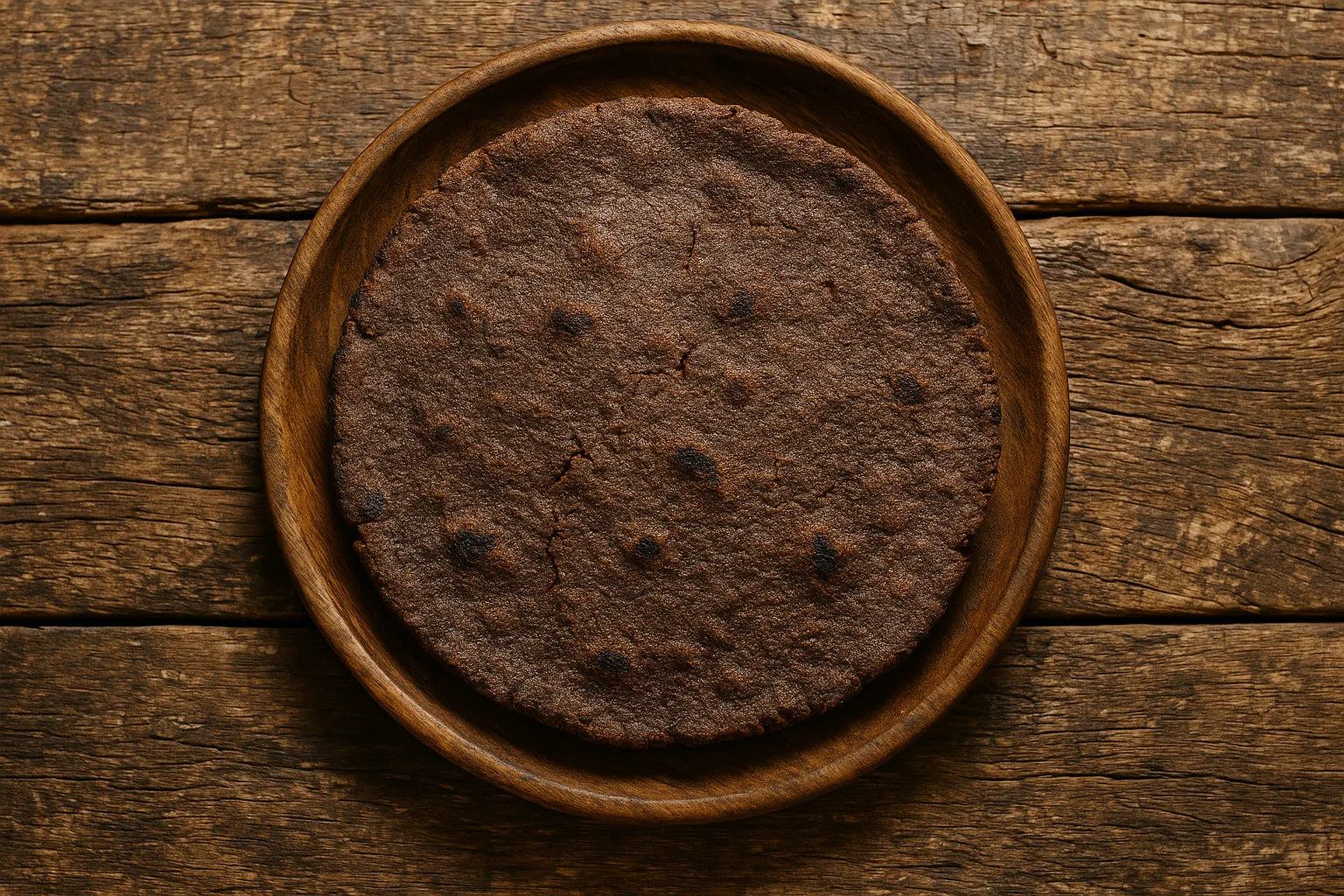
Schnelle Nährwerte
Pro 100g Ragi Roti (approx. 2 rotis)
| Nährstoff | Menge |
|---|---|
| Kalorien | 330 kcal |
| Protein | 7.3g |
| Kohlenhydrate | 72g |
| Ballaststoffe | 11.5g |
| Zucker | 0.5g |
| Fett | 1.5g |
| Kalzium | 344mg |
| Eisen | 3.9mg |
| Magnesium | 137mg |
| Phosphorus | 283mg |
Makronährstoff-Aufschlüsselung
 ChatGPT
  Claude
  AI Mode
  Perplexity
ERNÄHRUNGSBERATER-EINBLICK
Ragi roti liefert 344mg calcium (34% DV) pro 100g—10 times mehr als rice and 8 times mehr als wheat. Der hoch Ballaststoffe content (11.5g) verbessert satiety and unterstützt Verdauungsgesundheit, making it excellent for gewicht management.
Ragi Roti: Vorteile und die Zahlen dahinter
Fingerhirse punktet mit Mineralstoffen und Ballaststoffen, nicht mit Eiweiß. Fünf Vorteile, die die Nährwerte tatsächlich hergeben:
- Calcium für die Knochen. 344 mg pro 100 g sind rund achtmal so viel wie Weizen-Roti liefert (41 mg), besonders relevant für Kinder im Wachstum, Frauen nach den Wechseljahren und alle ohne Milchprodukte.
- Ruhigerer Blutzucker. Der glykämische Index liegt bei 66 bis 68, also mittel statt niedrig, doch Ragi verbessert die Blutzuckerkontrolle über Ballaststoffe und Polyphenole, wenn es raffinierte Getreide ersetzt.
- Sättigung, die hält. 11,5 g Ballaststoffe pro 100 g fördern das Sättigungsgefühl und bremsen die Mahlzeit, deshalb tragen zwei Rotis weiter, als ihre 330 kcal vermuten lassen.
- Eisen und Magnesium. 3,9 mg Eisen und 137 mg Magnesium pro 100 g unterstützen Sauerstofftransport und Muskelfunktion. Mit einer Vitamin-C-Quelle wie Zitrone oder Tomate kombinieren, dann wird mehr Eisen aufgenommen.
- Von Natur aus glutenfrei. Ragi enthält kein Gluten und passt damit bei Zöliakie und Glutensensitivität, wo Weizen-Roti ausfällt.
Der Haken ist das Eiweiß: 7,3 g pro 100 g gegenüber 12,1 g im Weizen-Roti. Mit Dal, Joghurt oder Ei serviert, schließt sich die Lücke. Wenn Eisen wichtiger ist als Calcium, liefert Bajra Roti 8 mg pro 100 g statt der 3,9 mg von Ragi.
Mythen Entlarvt
MYTHOS #1: Ragi Roti Causes Gewicht Gain
WAHRHEIT: Ragi roti doesn't cause gewicht gain—excess Kalorien do. One roti (50g) has 165 Kalorien. Der hoch Ballaststoffe content (11.5g pro 100g) actually fördert fullness and reduziert overall calorie intake wenn eaten in Mäßigung.
MYTHOS #2: Diabetics Sollte Vermeiden Ragi Roti
WAHRHEIT: Ragi roti ist vorteilhaft for Diabetes management. Studies show ragi verbessert glycemic kontrolle due to hoch Ballaststoffe and polyphenols. GI of 66-68 ist mäßig; pair mit vegetables or dal to niedriger overall meal GI.
MYTHOS #3: Ragi Ist Nur for Babies
WAHRHEIT: Während ragi porridge ist popular for infants, ragi roti benefits alle ages. Adults gain from calcium for Knochengesundheit, athletes benefit from sustained energy, and seniors brauchen der bone-strengthening Mineralien.
MYTHOS #4: Ragi Has No Protein
WAHRHEIT: Ragi roti enthält 7.3g Protein pro 100g—comparable to andere grain flatbreads. It liefert quality plant Protein mit wesentlich amino acids, insbesondere methionine and tryptophan.
MYTHOS #5: Ragi Roti Ist Too Heavy for Digestion
WAHRHEIT: Der opposite ist true. Ragi's hoch Ballaststoffe unterstützt Verdauungsgesundheit, and its polyphenols have prebiotic effects. It's easier to digest als refined grains and doesn't cause bloating for die meisten people.
MYTHOS #6: You Kann't Build Muscle on Ragi Roti
WAHRHEIT: Ragi roti liefert complex Kohlenhydrate for workout energy, plant Protein for recovery, and amino acids like tryptophan that support muscle repair. Combined mit Protein sources (dal, paneer, eggs), it's excellent for Muskelaufbau.
NutriScore nach Gesundheitszielen
| Gesundheitsziel | NutriScore | Warum diese Bewertung? |
|---|---|---|
| Gewichtsverlust |  | 165 Kalorien per roti, 11.5g Ballaststoffe fördert fullness, complex Kohlenhydrate provide sustained energy. Grenze to 1-2 rotis per meal mit vegetable curry. |
| Muskelaufbau | | 7.3g Protein pro 100g, amino acids support muscle repair, complex Kohlenhydrate fuel workouts. Pair mit hoch-Protein foods (dal, paneer, chicken). |
| Diabetes-Management | | Medium GI (66-68), hoch Ballaststoffe verbessert glycemic kontrolle. Grenze to 1-2 rotis per meal mit vegetables or Protein. |
| PCOS-Management | | Hoch Ballaststoffe unterstützt hormone balance, niedrig glycemic load aids insulin sensitivity. Besser als refined grains; pair mit Protein. |
| Schwangerschaftsernährung |  | Exceptional calcium (344mg) and Eisen (3.9mg) support fetal development, folate verhindert neural defects. Easily digestible. |
| Viral/Flu Recovery | | Easy to digest, liefert energy ohne taxing digestion, Mineralien support immunity, gentle on stomach während illness. |
PERSONALISIERTE ERNÄHRUNG
Verfolgen Sie Ihre Mahlzeiten mit NutriScan for personalized NutriScores based on your specific health goals!
Blutzucker-Reaktion to Ragi Roti
Understanding wie ragi roti affects Blutglukose hilft optimize meal timing and Portionen for besser metabolic health.
Typische Glukose-Reaktionskurve
Diese Grafik zeigt typical Blutglukose response for ragi roti (GI: 66-68, medium). Individuelle Reaktionen können variieren. Keine medizinische Beratung.
Wie to Optimize Blutzucker-Reaktion
Combining ragi roti mit Protein, Fett, or vegetables significantly reduziert glucose spikes:
- 🥘 Dal or sambar - Protein and Ballaststoffe slow glucose absorption
- 🥗 Vegetable curry (bhindi, palak, baingan) - Ballaststoffe and Nährstoffe balance der meal
- 🧀 Paneer or curd - Protein and Fett reduce glycemic impact
- 🥚 Eggs - Hoch-quality Protein extends energy release
Dies combination not nur moderates Blutzucker but liefert complete nutrition mit alle wesentlich amino acids and sustained energy.
Kulturelle Bedeutung
Ragi (Eleusine coracana), auch called finger millet, has been cultivated in Africa and India for over 5,000 years, making it one of der world's oldest cereals.
In India:
- Staple in Karnataka (ragi mudde/ball), Tamil Nadu (ragi dosa), and Maharashtra (nachni bhakri)
- Traditional weaning food for infants due to hoch calcium and Eisen
- Ayurveda considers ragi cooling, strengthening, and digestive
- Drought-resistant crop, crucial for food security in semi-arid regions
- Known by regional names: Ragi (Kannada/Tamil), Nachni (Marathi), Mandua (Hindi)
Global Impact:
- Primary cereal for 100+ million people in Africa and Asia
- Climate-resilient superfood gaining recognition globally
- Gluten-kostenlos alternative supporting celiac and gluten-sensitive populations
- Sustainable agriculture: requires minimal water, grows in poor soil
Vergleichen und Ersetzen
Ragi Roti vs Similar Flatbreads (Pro 100g)
| Nährstoff | 🍘 Ragi Roti | 🫓 Wheat Roti | 🌾 Bajra Roti | 🥖 Jowar Roti |
|---|---|---|---|---|
| Kalorien | 330 kcal | 297 kcal | 361 kcal | 349 kcal |
| Kohlenhydrate | 72g | 61g | 67g | 72g |
| Ballaststoffe | 11.5g | 12.5g | 8.5g | 10.2g |
| Protein | 7.3g | 12.1g | 11.8g | 10.4g |
| Fett | 1.5g | 1.2g | 5g | 3.3g |
| Kalzium | 344mg | 41mg | 42mg | 25mg |
| Eisen | 3.9mg | 4.9mg | 8mg | 4.1mg |
| Magnesium | 137mg | 69mg | 137mg | 171mg |
| Am besten für | Kalzium, Knochengesundheit | Protein, versatility | Eisen, energy | Gluten-kostenlos, Diabetes |
Häufige Fragen
Ist ragi roti gut for Gewichtsverlust?
Yes, ragi roti unterstützt Gewichtsverlust wenn consumed in appropriate Portionen. One roti (50g) liefert 165 Kalorien mit 5.8g Ballaststoffe that fördert fullness and reduziert appetite. Der complex Kohlenhydrate provide sustained energy, preventing snacking.
Beste practices: Grenze to 1-2 rotis per meal; pair mit vegetable curry or dal; eat for breakfast or lunch rather als dinner; vermeiden ghee or oil während making rotis.
Kann diabetics eat ragi roti?
Yes, diabetics kann eat ragi roti. It has a medium glycemic index (66-68) but hoch Ballaststoffe content (11.5g pro 100g) that slows glucose absorption. Studies show ragi verbessert glycemic kontrolle and insulin sensitivity.
Tips for diabetics:
- Grenze to 1-2 rotis per meal (vermeiden overeating)
- Immer pair mit Protein (dal, curd, eggs) or vegetables
- Beste timing: breakfast or lunch, not dinner
- Monitor Blutzucker 2 hours nach eating
- Wählen ragi over refined grains
Consult your healthcare provider for personalized recommendations.
Wie viel Protein ist in ragi roti?
100g of ragi roti (approximately 2 rotis) enthält 7.3g Protein. One roti (50g) liefert ungefähr 3.7g Protein. Während not as Protein-rich as wheat roti (12.1g pro 100g), ragi bietet quality plant Protein mit wesentlich amino acids, insbesondere methionine and tryptophan.
For Muskelaufbau or hoch-Protein diets, combine ragi roti mit Protein-rich foods like dal, paneer, eggs, or chicken.
Was sind der main gesundheitliche Vorteile of ragi roti?
Key Benefits:
- Bone Health: 344mg calcium (34% DV) strengthens bones and verhindert osteoporosis
- Digestive Health: 11.5g Ballaststoffe fördert regular bowel movements and gut health
- Blood Health: 3.9mg Eisen verhindert anemia and unterstützt oxygen transport
- Blood Zucker Kontrolle: Hoch Ballaststoffe and polyphenols improve glycemic kontrolle
- Gewicht Management: Hoch satiety value reduziert overall calorie intake
- Gluten-Kostenlos: Safe for celiac disease and gluten sensitivity
Wie viele ragi rotis sollte I eat per tag?
General Guidelines:
- 2-3 ragi rotis täglich (100-150g) - Die meisten adults for balanced nutrition
- 1-2 rotis per meal - Gewicht loss (165-330 Kalorien per meal)
- 2-3 rotis per meal - Muscle gain, athletes (pair mit Protein)
- 1-2 rotis per meal - Diabetes management (mit vegetables)
- 2-4 rotis täglich - Schwangerschaft (for calcium and Eisen needs)
Total Kalorien: 2 rotis = 330 Kalorien; 3 rotis = 495 Kalorien
Verfolgen Sie Ihre Mahlzeiten mit NutriScan app to optimize ragi roti intake for your personal nutrition goals.
Ist ragi roti besser als wheat roti?
Both sind gesund; wählen based on your specific nutritional needs:
Ragi Roti Advantages:
- 8x mehr calcium (344mg vs 41mg)
- Gluten-kostenlos (safe for celiac disease)
- Besser for Diabetes management (niedriger GI)
- Superior Knochengesundheit support
Wheat Roti Advantages:
- Höher Protein (12.1g vs 7.3g pro 100g)
- Mehr Ballaststoffe (12.5g vs 11.5g)
- Mehr widely available and versatile
- Besser for Muskelaufbau (höher Protein)
Recommendation: Ragi roti for calcium needs, Knochengesundheit, and Diabetes; wheat roti for höher Protein and Ballaststoffe. Rotate both for dietary variety.
Kann I eat ragi roti every tag?
Yes, eating 2-3 ragi rotis täglich ist safe and vorteilhaft for die meisten people. Täglich consumption liefert consistent calcium, Ballaststoffe, and complex Kohlenhydrate ohne adverse effects.
Considerations:
- Thyroid concerns: Einige sources suggest limiting ragi if you have hypothyroidism due to goitrogens; jedoch, cooking reduziert goitrogen content significantly. Moderate consumption (2-3 rotis) ist generally safe. Consult your doctor if concerned.
- Oxalates: Ragi enthält oxalates, but cooking reduziert levels. Those prone to kidney stones sollte mäßig intake and ensure adequate hydration.
- Variety matters: Rotate mit andere grains (wheat, jowar, bajra) for diverse nutrient profile.
Wie do I machen ragi roti at home?
Basic Ragi Roti Recipe:
Ingredients:
- 1 cup ragi flour (finger millet flour)
- Pinch of salt
- Warm water as needed
- Optional: Mix 50% wheat flour for softer texture
Method:
- Mix ragi flour and salt in a bowl
- Gradually add warm water, kneading into soft, pliable dough
- Rest dough for 10-15 minutes
- Divide into 50g balls
- Roll out on floured surface (ragi dough ist delicate, handle gently)
- Cook on hot tawa/griddle (dry or mit minimal oil)
- Flip wenn edges lift, cook until light brown spots appear
Tips: Verwenden warm water for besser dough consistency; apply oil nach cooking for softer rotis; consume frisch for beste taste.


Ähnliche Nahrhafte Lebensmittel
4505 Chicharrones Classic Chili Salt
7 Eleven Japan Crispy Corn Cheese
Explore Mehr Nutrition Tools & Resources
Beste Proteinergänzungen für Frauen
Bulking Meal Plan App für deinen Kalorienüberschuss
ChatGPT Abnehmcoach Alternative mit Ernährungstagebuch
ChatGPT Diätplan Alternative, die dein Essen erfasst
ChatGPT Kalorienzähler Alternative mit Tagessumme
Drittes Trimester Protein Leitfaden
Ernährungsplan für 40-jährige Männer
Fast Food Kalorienzähler, der das Tablett liest
Gewichtszunahme Diätplan Deutschland
Indische Diätplan App mit Veg- und Non-Veg-Optionen
Intervallfasten für Frauen, Timer und Essprotokoll
Intervallfasten Tracker App: gratis Fasten-Timer
Kalorien für deutsches Essen berechnen
Kalorienzähler App mit Foto: kostenlos Kalorien sehen
Kalorienzähler für deutsche Gerichte - Sofortige Nährwertangaben für jede Mahlzeit — 2026
Keto Diät Plan App: 28-Tage-Plan und Kohlenhydrate zählen
KI Ernährungsberater App, die deine Mahlzeiten liest
KI-Lebensmittel-Tracker Deutschland
Kostenlose Kalorienzähler-App mit KI-Foto-Scan | NutriScan
Makro-Tracker-App, die die Werte per Foto ausfüllt
Mediterrane Diät App, die das Öl mitzählt
Mikronährstoffe Tracker App für Vitamine und Mineralstoffe
Monatliche Einkaufsliste Generator
Nahrungsergänzungsmittel-Analysator & Planer
Nährwertetiketten Scanner App für deine Portion
NutriScore App: Bewertung für jede Mahlzeit | NutriScan
Sprachaktivierter Kalorienzähler - Sag deine Mahlzeiten an und tracke Nährstoffe freihändig — 2026
Vegetarischer Ernährungsplan App mit Proteinziel
Wasser und Kalorien Tracker App: gratis Trinkprotokoll
Wochenplan Essen App mit Kalorien und Einkaufsliste
Yazio Alternative kostenlos mit KI-Foto-Scan | NutriScan