Sabji: Kalorien, Nährwerte und gesundheitliche Vorteile
Traditional Indian vegetable curry packed mit Ballaststoffe, Vitamine, and Mineralien for optimal health across alle dietary goals.
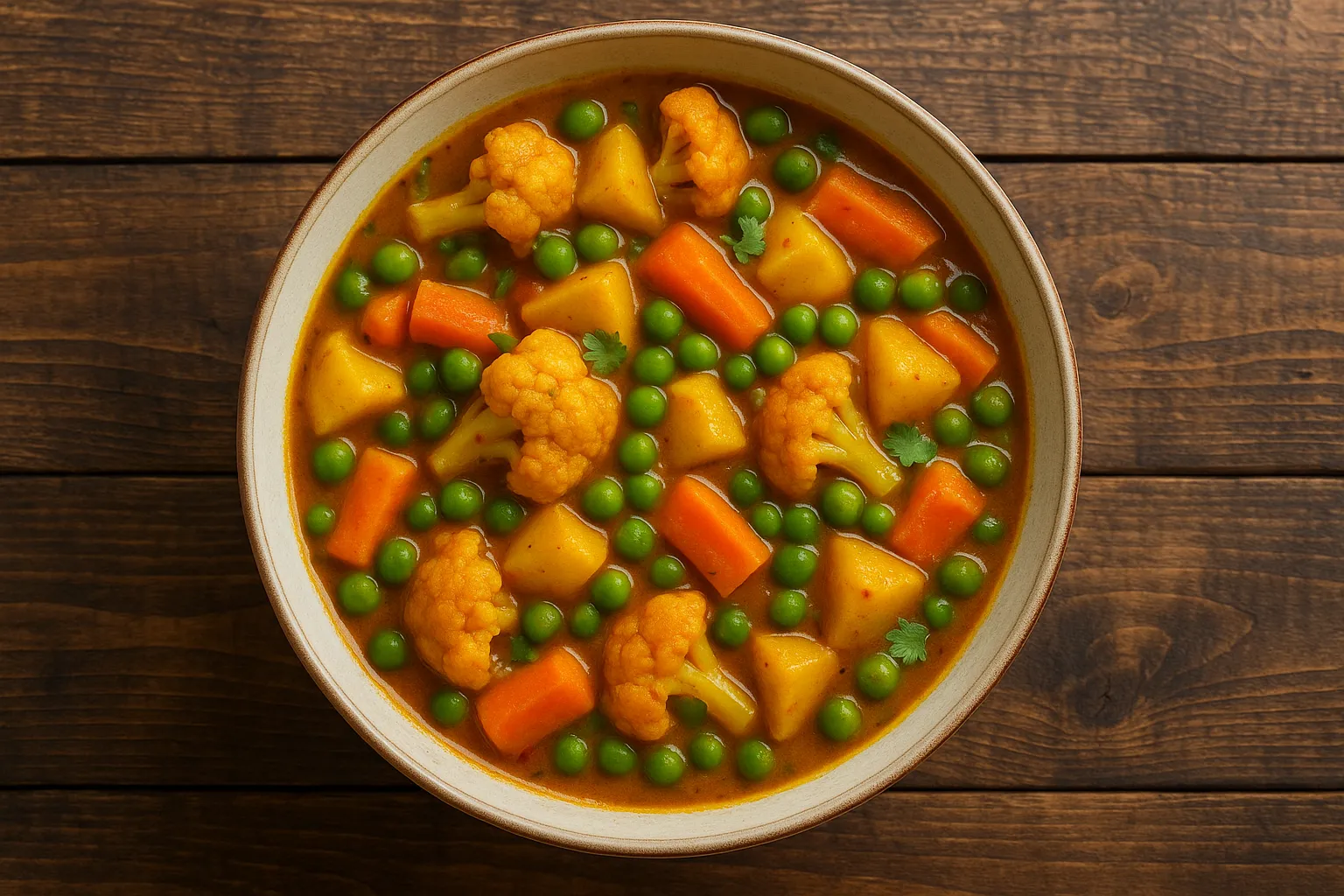
Schnelle Nährwerte
Per 1 Cup Serving (150g)
| Nährstoff | Menge |
|---|---|
| Kalorien | 143 kcal |
| Protein | 4.5g |
| Kohlenhydrate | 18g |
| Ballaststoffe | 6g |
| Zucker | 6g |
| Fett | 6g |
| Kalium | 480mg |
| Vitamin A | 2400 IU |
| Vitamin C | 45mg |
| Eisen | 2.1mg |
Makronährstoff-Aufschlüsselung
 ChatGPT
  Claude
  AI Mode
  Perplexity
ERNÄHRUNGSBERATER-EINBLICK
Sabji bietet exceptional nutrient diversity mit Vitamine A, C, K and Mineralien at minimal Kalorien. Cooking mit turmeric and minimal oil maximizes anti-inflammatory benefits während preserving heat-sensitive Vitamine.
Mythen Entlarvt
MYTHOS #1: Alle Sabji Ist Hoch in Oil and Unhealthy
WAHRHEIT: Health depends on preparation. Sabji gekocht mit 1-2 tsp oil pro Portion has nur 6g Fett (143 Kalorien pro Tasse). Steaming or light sautéing preserves Nährstoffe besser als deep frying während keeping Kalorien niedrig.
MYTHOS #2: Sabji Lacks Protein
WAHRHEIT: Mixed vegetable sabji liefert 4.5g Protein pro Portion. Adding legumes (beans, chickpeas) erhöht it to 8-10g. Combining mit dal or paneer creates complete Protein profiles meeting täglich amino acid needs.
MYTHOS #3: Diabetics Sollte Vermeiden Sabji Due to Vegetables
WAHRHEIT: Die meisten vegetables have niedrig glycemic index (35-45). Hoch Ballaststoffe content in sabji actually hilft regulate Blutzucker by slowing glucose absorption. Ideal for Diabetes management wenn paired mit whole grains.
MYTHOS #4: Sabji Loses Alle Nährstoffe Wenn Gekocht
WAHRHEIT: Während einige vitamin C ist lost, cooking enhances bioavailability of carotenoids and lycopene. Pressure cooking or steaming retains 70-90% of Nährstoffe. Der key ist avoiding overcooking and using cooking water in der curry.
MYTHOS #5: Frozen Vegetables Machen Inferior Sabji
WAHRHEIT: Frozen vegetables sind flash-frozen at peak ripeness, oft retaining mehr Nährstoffe als "frisch" produce stored for tage. Studies show frozen vegetables have comparable or höher vitamin content, making them excellent for nahrhaft sabji jahr-round.
NutriScore nach Gesundheitszielen
| Gesundheitsziel | NutriScore | Warum diese Bewertung? |
|---|---|---|
| Gewichtsverlust |  | Nur 143 Kalorien pro Tasse mit 6g Ballaststoffe promoting fullness. Hoch water content and nutrient density support sustainable Gewichtsverlust. |
| Muskelaufbau |  | Liefert Vitamine and Mineralien for recovery. Pair mit dal/paneer for 12-15g Protein. Micronutrients support muscle repair and energy Stoffwechsel. |
| Diabetes-Management | | Niedrig GI (35-45) and hoch Ballaststoffe stabilize Blutzucker. Rich in chromium and magnesium for insulin sensitivity. |
| PCOS-Management | | Anti-inflammatory properties, niedrig glycemic load, hoch Ballaststoffe support hormone balance. Cruciferous vegetables aid estrogen Stoffwechsel. |
| Schwangerschaftsernährung | | Rich in folate, Eisen, Vitamine A & C. Diverse vegetables provide wesentlich micronutrients for fetal development. Safe and nahrhaft throughout Schwangerschaft. |
| Viral/Flu Recovery | | Vitamins A, C boost immunity. Easy to digest, hydrating, liefert energy ohne stressing digestion. Ingwer and turmeric add anti-inflammatory benefits. |
PERSONALISIERTE ERNÄHRUNG
Verfolgen Sie Ihre Mahlzeiten mit NutriScan for personalized NutriScores based on your specific health goals!
Blutzucker-Reaktion to Sabji
Understanding wie vegetable sabji affects Blutglukose hilft optimize meal planning for stable energy.
Typische Glukose-Reaktionskurve
Diese Grafik zeigt typical Blutglukose response for general gesund individuals. Individuelle Reaktionen können variieren. Keine medizinische Beratung.
Wie to Optimize Blood Zucker Kontrolle
Combining sabji mit Protein and whole grains creates balanced meals mit minimal glucose spikes:
- 🫘 Dal (lentils) - Adds Protein and Ballaststoffe for sustained release
- 🥛 Paneer or curd - Protein slows carbohydrate absorption
- 🌾 Whole wheat roti or brown rice - Complex Kohlenhydrate complement vegetables
- 🥜 Nuts or seeds garnish - Gesund fats and Protein for satiety
Dies combination liefert complete nutrition während maintaining stable Blutzucker throughout der tag.
Kulturelle Bedeutung
Sabji ist der cornerstone of Indian cuisine, representing regional diversity and nutritional wisdom passed through generations.
In India:
- Every region has signature sabji styles: North (creamy gravies), South (coconut-based), East (mustard oil-based), West (dry preparations)
- Wesentlich part of thali - complete balanced meal mit dal, sabji, roti, and rice
- Seasonal vegetables celebrated in festival meals and täglich cooking
- Ayurveda emphasizes sabji for balancing doshas and providing prana (leben energy)
Nutritional Philosophy:
- Combines 3-5 vegetables for nutrient diversity in single dish
- Turmeric, cumin, coriander seeds provide medicinal benefits beyond flavor
- Preparation methods preserve Vitamine während enhancing bioavailability
- Forms basis of plant-forward eating patterns linked to longevity
Vergleichen und Ersetzen
Sabji vs Similar Vegetable Dishes (Pro 100g)
| Nährstoff | 🍛 Sabji | 🥗 Roh Salad | 🍲 Vegetable Soup | 🥦 Gedünstet Vegetables |
|---|---|---|---|---|
| Kalorien | 95 kcal | 25 kcal | 45 kcal | 35 kcal |
| Kohlenhydrate | 12g | 5g | 8g | 7g |
| Ballaststoffe | 4g | 2.5g | 2.8g | 3g |
| Protein | 3g | 1.5g | 2g | 2.5g |
| Fett | 4g | 0.5g | 1.5g | 0.3g |
| Kalium | 320mg | 280mg | 310mg | 350mg |
| Vitamin A | 1600 IU | 900 IU | 1200 IU | 1800 IU |
| Vitamin C | 30mg | 45mg | 25mg | 35mg |
| Am besten für | Complete Indian meal | Roh Nährstoffe, Gewichtsverlust | Light meal, hydration | Maximum nutrient retention |
Häufige Fragen
Ist sabji gut for Gewichtsverlust?
Yes, vegetable sabji ist excellent for Gewichtsverlust. A 150g serving has nur 143 Kalorien but liefert 6g Ballaststoffe and diverse Nährstoffe. Hoch water content (85-90%) and Ballaststoffe promote fullness während keeping Kalorien niedrig.
Beste practices: Verwenden 1-2 tsp oil pro Portion; wählen non-starchy vegetables (cauliflower, beans, spinach); vermeiden potato-heavy versions; eat mit whole grain roti instead of white rice. Sabji's nutrient density unterstützt sustainable calorie deficit ohne nutrient deficiency.
Kann diabetics eat sabji?
Diabetics kann safely eat vegetable sabji. Mit niedrig glycemic index (35-45) and 4g Ballaststoffe pro 100g, sabji hilft regulate Blutzucker levels.
Tips for diabetics:
- Wählen non-starchy vegetables: beans, cauliflower, cabbage, spinach, okra
- Grenze potato and root vegetables
- Verwenden minimal oil and vermeiden Zucker in curry
- Pair mit Protein (dal, paneer) and whole grains for balanced meals
Der Ballaststoffe slows glucose absorption während diverse Nährstoffe support overall metabolic health.
Wie viel Protein ist in sabji?
Mixed vegetable sabji enthält 3-4.5g Protein per 150g serving. Während mäßig, der Protein quality verbessert wenn combined mit complementary foods.
Protein optimization: Combine mit dal (6-8g Protein), paneer (7-9g), or curd for complete amino acid profile; add legume-based sabji (chickpeas, beans) for 8-10g Protein pro Portion; top mit nuts or seeds for additional Protein and gesund fats.
Was sind der main gesundheitliche Vorteile of sabji?
Key Benefits:
- Nährstoff Diversity: Vitamins A, C, K, folate, B-Vitamine from multiple vegetables
- Digestive Health: 4-6g Ballaststoffe pro Portion unterstützt gut microbiome
- Gewicht Management: Niedrig calorie density (95 kcal/100g) mit hoch satiety
- Immunity: Vitamins A, C, Antioxidantien, and anti-inflammatory spices
- Chronic Disease Prevention: Phytonutrients, Ballaststoffe reduce Diabetes, heart disease risk
- Mineral Support: Kalium, Eisen, calcium, magnesium for vital functions
Welche vegetables machen der healthiest sabji?
Top Choices by Category:
- Leafy Greens: Spinach, methi (fenugreek), amaranth - hoch Eisen, folate, Vitamine
- Cruciferous: Cauliflower, cabbage, broccoli - cancer-fighting compounds
- Ballaststoffe-Rich: Beans, okra (bhindi), cluster beans - Verdauungsgesundheit
- Antioxidant-Rich: Bell peppers, tomatoes, carrots - Vitamine A, C, lycopene
Beste practice: Mix 3-4 vegetables from different categories for maximum nutrient diversity. Seasonal, locally-grown produce bietet peak nutrition and flavor.
Wie sollte I prepare sabji for maximum nutrition?
Optimal Preparation:
- Oil: Verwenden 1-2 tsp pro Portion; prefer mustard, olive, or coconut oil over refined oils
- Cooking Method: Steam or pressure cook to retain 70-90% Nährstoffe; light sautéing besser als deep frying
- Spices: Include turmeric (anti-inflammatory), cumin (digestion), coriander for added benefits
- Vermeiden: Overcooking (destroys vitamin C); excessive oil; adding Zucker
Pro tip: Save cooking water for curry base - retains water-soluble Vitamine lost während cooking.
Wie viele servings of sabji sollte I eat per tag?
General Guidelines:
- 1-2 cups täglich - Die meisten people (215-430 Kalorien, meets vegetable recommendations)
- 2-3 cups täglich - Gewicht loss, hoch-Ballaststoffe diets, vegetarian/vegan
- 1 cup täglich - Niedrig-carb diets, pair mit höher-Protein foods
Portion kontrolle: Standard Indian thali beinhaltet 1 cup sabji mit dal, grain, and curd. Varies based on total calorie needs and dietary goals.
Track meals mit NutriScan app to optimize sabji Portionen for your health targets.


Ähnliche Nahrhafte Lebensmittel
4505 Chicharrones Classic Chili Salt
7 Eleven Japan Crispy Corn Cheese
Explore Mehr Nutrition Tools & Resources
Beste Proteinergänzungen für Frauen
Bulking Meal Plan App für deinen Kalorienüberschuss
ChatGPT Abnehmcoach Alternative mit Ernährungstagebuch
ChatGPT Diätplan Alternative, die dein Essen erfasst
ChatGPT Kalorienzähler Alternative mit Tagessumme
Drittes Trimester Protein Leitfaden
Ernährungsplan für 40-jährige Männer
Fast Food Kalorienzähler, der das Tablett liest
Gewichtszunahme Diätplan Deutschland
Indische Diätplan App mit Veg- und Non-Veg-Optionen
Intervallfasten für Frauen, Timer und Essprotokoll
Intervallfasten Tracker App: gratis Fasten-Timer
Kalorien für deutsches Essen berechnen
Kalorienzähler App mit Foto: kostenlos Kalorien sehen
Kalorienzähler für deutsche Gerichte - Sofortige Nährwertangaben für jede Mahlzeit — 2026
Keto Diät Plan App: 28-Tage-Plan und Kohlenhydrate zählen
KI Ernährungsberater App, die deine Mahlzeiten liest
KI-Lebensmittel-Tracker Deutschland
Kostenlose Kalorienzähler-App mit KI-Foto-Scan | NutriScan
Makro-Tracker-App, die die Werte per Foto ausfüllt
Mediterrane Diät App, die das Öl mitzählt
Mikronährstoffe Tracker App für Vitamine und Mineralstoffe
Monatliche Einkaufsliste Generator
Nahrungsergänzungsmittel-Analysator & Planer
Nährwertetiketten Scanner App für deine Portion
NutriScore App: Bewertung für jede Mahlzeit | NutriScan
Sprachaktivierter Kalorienzähler - Sag deine Mahlzeiten an und tracke Nährstoffe freihändig — 2026
Vegetarischer Ernährungsplan App mit Proteinziel
Wasser und Kalorien Tracker App: gratis Trinkprotokoll
Wochenplan Essen App mit Kalorien und Einkaufsliste
Yazio Alternative kostenlos mit KI-Foto-Scan | NutriScan