Sagu: Kalorien, Nährwerte und gesundheitliche Vorteile
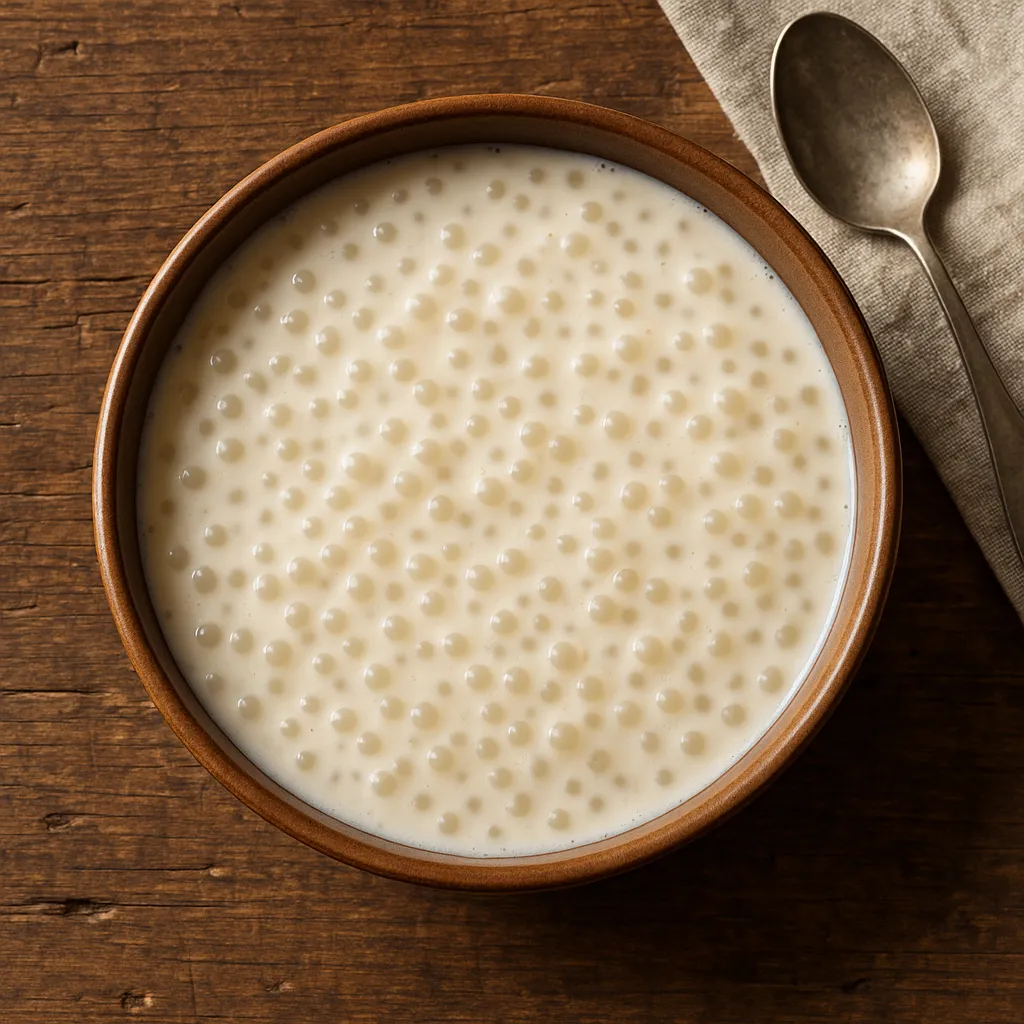
Mild, easily digestible tapioca pudding—a comfort food staple for recovery and gentle digestion.
Schnelle Nährwerte
Per 1 Cup Sagu (150g)
| Nährstoff | Menge |
|---|---|
| Kalorien | 95 kcal |
| Protein | 0.5g |
| Kohlenhydrate | 24g |
| Ballaststoffe | 0.3g |
| Zucker | 0.2g |
| Fett | 0.1g |
| Natrium | 2mg |
| Kalzium | 8mg |
| Kalium | 15mg |
| Eisen | 0.3mg |
Makronährstoff-Aufschlüsselung
 ChatGPT
  Claude
  AI Mode
  Perplexity
ERNÄHRUNGSBERATER-EINBLICK
Sagu ist nearly pure carbohydrate mit minimal micronutrients, making it ideal as a temporary recovery food for digestive issues. Immer enhance sagu mit milk, nuts, or fruit to create a balanced meal. Während viral fever or stomach issues, sagu's bland nature ist therapeutic, but it shouldn't be a staple.
Mythen Entlarvt
MYTHOS #1: Sagu Ist Nahrhaft and Gesund
WAHRHEIT: Sagu ist primarily tapioca starch mit minimal Nährstoffe. It liefert quick Kohlenhydrate but lacks Protein (0.5g), Ballaststoffe (0.3g), and significant Vitamine. Verwenden it as recovery food, not a nutritional staple.
MYTHOS #2: Sagu Ist Ideal for Gewichtsverlust
WAHRHEIT: Während niedrig in Kalorien (95 cal), sagu's 24g pure Kohlenhydrate mit no Protein or Ballaststoffe causes rapid digestion and quick hunger return. It's not satiating. Besser Gewichtsverlust options include oats, nuts, or Protein-rich foods.
MYTHOS #3: Tapioca Ist Gluten-Kostenlos Superfood
WAHRHEIT: Tapioca ist gluten-kostenlos, but "superfood" it isn't. It liefert pure starch mit no special gesundheitliche Vorteile. It's safe for celiac disease but bietet minimal nutrition compared to andere gluten-kostenlos whole grains.
MYTHOS #4: Sagu Ist Besser Als Rice for Digestion
WAHRHEIT: Both sagu and rice sind easily digestible, but sagu has less nutritional value. Rice enthält mehr B Vitamine and slightly mehr Protein (2g vs 0.5g). For recovery, either works; for nutrition, rice ist superior.
MYTHOS #5: Diabetics Sollte Vermeiden Sagu Completely
WAHRHEIT: Diabetics kann eat klein Portionen (quarter cup) mit Protein and Fett pairing, though it's not ideal due to hoch Kohlenhydrate (24g). Besser alternatives include barley, oats mit Ballaststoffe, or Protein-rich foods.
MYTHOS #6: Adding Fruit Makes Sagu Nutritionally Complete
WAHRHEIT: Während fruit adds Vitamine and Ballaststoffe, sagu alone remains niedrig-Protein (0.5g). To create a balanced meal, combine mit milk, nuts, and fruit for Kohlenhydrate, Protein, and Fett.
NutriScore nach Gesundheitszielen
| Gesundheitsziel | NutriScore | Warum diese Bewertung? |
|---|---|---|
| Gewichtsverlust |  | 95 Kalorien pro Tasse, but 24g Kohlenhydrate mit zero Protein causes quick hunger. Verwenden mit Protein source like yogurt or curd to increase satiety. |
| Muskelaufbau |  | Nur 0.5g Protein pro Tasse—inadequate for muscle building. Verwenden as carb source post-workout, but immer pair mit Protein powder or milk. |
| Diabetes-Management | | Hoch Kohlenhydrate (24g) mit minimal Ballaststoffe cause rapid Blutzucker spikes. Grenze to quarter-cup Portionen; besser alternatives exist. |
| PCOS-Management | | Pure Kohlenhydrate affect insulin sensitivity. Eat klein Portionen (quarter cup), pair mit nuts and Protein, and monitor Blutzucker response. |
| Schwangerschaftsernährung |  | Safe, easily digestible, and niedrig-Natrium. Valuable während nausea, but shouldn't be main carb source due to minimal Nährstoffe. Serve mit milk for added calcium. |
| Viral/Flu Recovery |  | Ideal recovery food—bland, easily digestible, gentle on stomach während illness. Liefert quick energy ohne irritating digestive system. |
PERSONALISIERTE ERNÄHRUNG
Verfolgen Sie Ihre Mahlzeiten mit NutriScan for personalized NutriScores based on your specific health goals!
Blutzucker-Reaktion to Sagu
Sagu causes a rapid Blutzucker spike due to its pure starch composition and lack of Ballaststoffe, making careful portioning wesentlich.
Typische Glukose-Reaktionskurve
Diese Grafik zeigt typical Blutglukose response for general gesund individuals. Individuelle Reaktionen können variieren. Keine medizinische Beratung.
So Flachen Sie den Anstieg Ab
Pairing sagu mit Protein and Fett significantly reduziert Blutzucker impact:
- 🥛 Milk or yogurt - Adds Protein and slows carb digestion
- 🥜 Nuts or seeds - Liefert gesund fats and Ballaststoffe
- 🍌 Banana or fruit - Adds Ballaststoffe, verbessert nutrient profile
- 🍳 Egg custard - Combines sagu mit Protein-rich preparation
Adding diese components transforms sagu into a balanced meal.
Kulturelle Bedeutung
Sagu holds special place in Indian households, besonders während recovery periods.
In India:
- Traditional comfort food während illness and fever
- Commonly served in South Indian homes for digestive issues
- Part of traditional fasting meals in einige regions
- Served to young children and elderly for gentle nutrition
- Considered therapeutic in Ayurveda for weak digestion
Global Verwenden:
- Tapioca pearls used in bubble tea worldwide
- Sago pudding common in Southeast Asian cuisines
- Popular in recovery diets across cultures
- Used in gluten-kostenlos preparations globally
Vergleichen und Ersetzen
Sagu vs Similar Carbohydrate-Based Foods (Pro 100g)
| Nährstoff | 🥣 Sagu | 🍚 Gekocht Rice | 🥣 Oatmeal | 🥨 Broken Rice (Rice Kanji) |
|---|---|---|---|---|
| Kalorien | 63 kcal | 130 kcal | 68 kcal | 140 kcal |
| Kohlenhydrate | 16g | 28g | 12g | 30g |
| Ballaststoffe | 0.2g | 0.4g | 1.7g | 0.3g |
| Protein | 0.3g | 2.7g | 2.4g | 2.5g |
| Fett | 0.1g | 0.3g | 1.4g | 0.5g |
| Eisen | 0.2mg | 0.2mg | 4.3mg | 0.1mg |
| Ballaststoffe | Sehr niedrig | Niedrig | Moderate | Sehr niedrig |
| Am besten für | Recovery, gentle digestion | Alle-purpose Kohlenhydrate | Gewicht loss, sustained energy | Severe digestive issues |
Häufige Fragen
Ist sagu gut for Gewichtsverlust?
Sagu at 95 Kalorien pro Tasse ist niedrig in Kalorien, but its 24g pure Kohlenhydrate mit minimal Protein makes it unsatiating. You'll feel hungry shortly nach. For Gewichtsverlust, pair mit yogurt, nuts, or Protein powder to create satiety. Besser alternatives include oats or whole grains mit höher Protein content.
Kann diabetics eat sagu?
Diabetics kann eat klein Portionen (quarter cup maximum) mit careful Blutzucker monitoring. Der 24g Kohlenhydrate pro Tasse and rapid digestion cause quick spikes. Pair mit nuts, yogurt, or Protein to reduce glycemic impact. Consult your healthcare provider ungefähr Portion sizes.
Was ist der Protein content?
One cup of sagu enthält nur 0.5g Protein—essentially negligible. To create a Protein-containing meal, serve mit milk (3.2g per 100ml), curd (2g pro 100g), or eggs (6g per egg). Nie eat sagu alone if Protein ist a goal.
Was sind der gesundheitliche Vorteile?
Benefits include being easily digestible, naturally gluten-kostenlos, niedrig in Natrium (2mg), requires minimal processing, and liefert quick Kohlenhydrate for energy. Its main value ist während recovery from illness wenn bland food ist therapeutic.
Wenn sollte I eat sagu?
For recovery: anytime während illness for gentle nutrition. For general consumption: midday mit Protein source. For Gewichtsverlust: combine mit yogurt for breakfast. For Diabetes: quarter-cup Portionen mit nuts in mid-afternoon. Vermeiden late dinner due to quick-digesting Kohlenhydrate.
Ist sagu nahrhaft?
Sagu ist primarily tapioca starch mit minimal micronutrients (calcium: 8mg, Eisen: 0.3mg). Während safe and easily digestible, it lacks significant nutrition. Immer enhance mit milk, fruits, and nuts. Sago shouldn't be a dietary staple due to niedrig nutrient density.
Wie does sagu compare to regular rice?
Gekocht rice (130 cal, 2.7g Protein pro 100g) has mehr Nährstoffe als sagu (63 cal, 0.3g Protein). Rice liefert B Vitamine and ist equally easy to digest. For nutrition, rice ist superior; for extreme digestive issues, sagu's blandness kann be preferable.


Ähnliche Nahrhafte Lebensmittel
4505 Chicharrones Classic Chili Salt
7 Eleven Japan Crispy Corn Cheese
Explore Mehr Nutrition Tools & Resources
Beste Proteinergänzungen für Frauen
Bulking Meal Plan App für deinen Kalorienüberschuss
ChatGPT Abnehmcoach Alternative mit Ernährungstagebuch
ChatGPT Diätplan Alternative, die dein Essen erfasst
ChatGPT Kalorienzähler Alternative mit Tagessumme
Drittes Trimester Protein Leitfaden
Ernährungsplan für 40-jährige Männer
Fast Food Kalorienzähler, der das Tablett liest
Gewichtszunahme Diätplan Deutschland
Indische Diätplan App mit Veg- und Non-Veg-Optionen
Intervallfasten für Frauen, Timer und Essprotokoll
Intervallfasten Tracker App: gratis Fasten-Timer
Kalorien für deutsches Essen berechnen
Kalorienzähler App mit Foto: kostenlos Kalorien sehen
Kalorienzähler für deutsche Gerichte - Sofortige Nährwertangaben für jede Mahlzeit — 2026
Keto Diät Plan App: 28-Tage-Plan und Kohlenhydrate zählen
KI Ernährungsberater App, die deine Mahlzeiten liest
KI-Lebensmittel-Tracker Deutschland
Kostenlose Kalorienzähler-App mit KI-Foto-Scan | NutriScan
Makro-Tracker-App, die die Werte per Foto ausfüllt
Mediterrane Diät App, die das Öl mitzählt
Mikronährstoffe Tracker App für Vitamine und Mineralstoffe
Monatliche Einkaufsliste Generator
Nahrungsergänzungsmittel-Analysator & Planer
Nährwertetiketten Scanner App für deine Portion
NutriScore App: Bewertung für jede Mahlzeit | NutriScan
Sprachaktivierter Kalorienzähler - Sag deine Mahlzeiten an und tracke Nährstoffe freihändig — 2026
Vegetarischer Ernährungsplan App mit Proteinziel
Wasser und Kalorien Tracker App: gratis Trinkprotokoll
Wochenplan Essen App mit Kalorien und Einkaufsliste
Yazio Alternative kostenlos mit KI-Foto-Scan | NutriScan