Lachs: Kalorien, Nährwerte und gesundheitliche Vorteile
Der ultimate heart-gesund Protein packed mit omega-3 fatty acids, complete Protein, and wesentlich Nährstoffe for cardiovascular health, muscle building, and brain function.
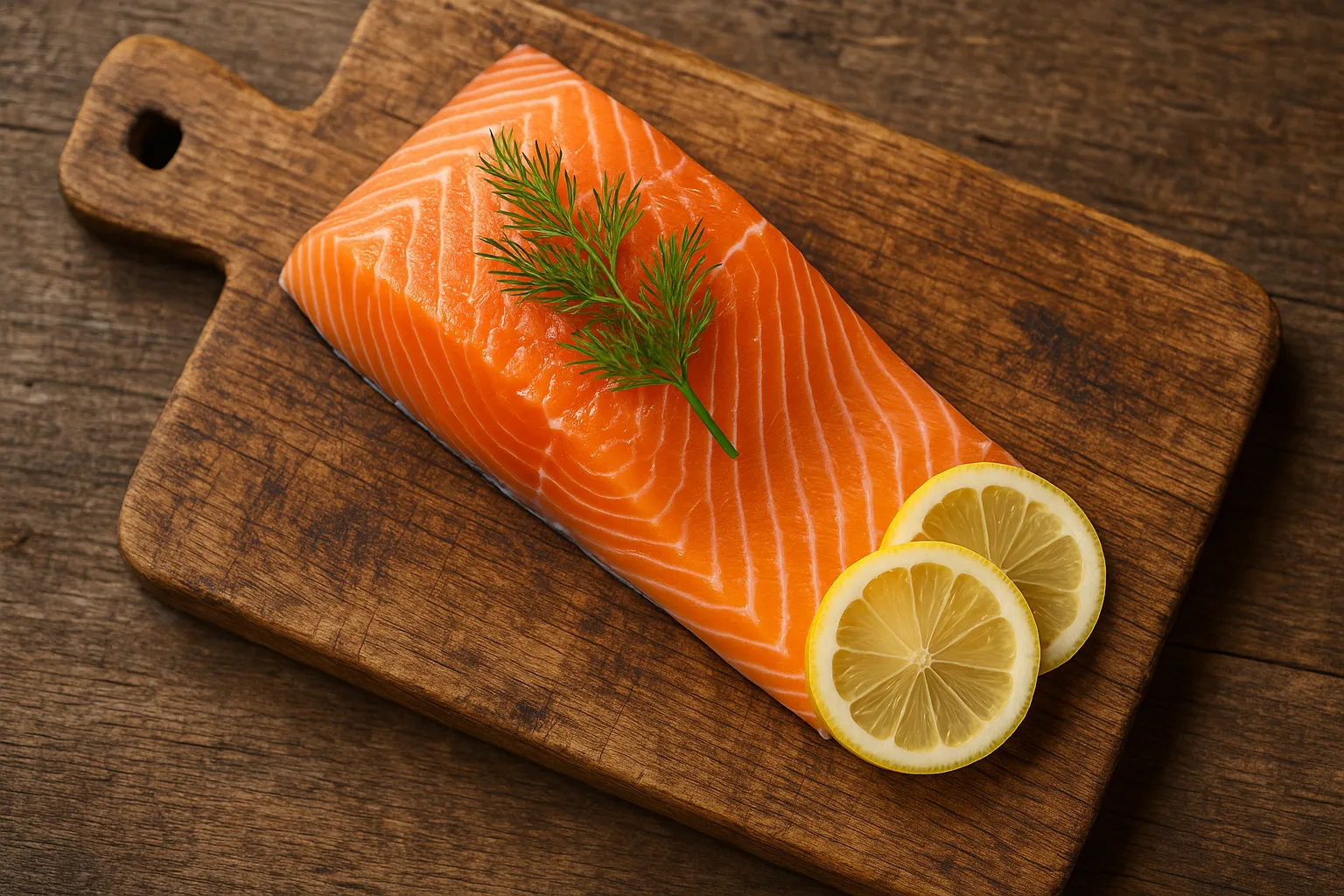
Schnelle Nährwertübersicht
Per 3oz (85 g) Gekocht Wild Atlantic Salmon
| Nährstoff | Menge |
|---|---|
| Kalorien | 206 kcal |
| Protein | 22 g |
| Fett | 12 g |
| Gesättigte Fette | 2.1 g |
| Omega-3 (EPA + DHA) | 1.5 g |
| Kohlenhydrate | 0 g |
| Cholesterin | 60 mg |
| Natrium | 50 mg |
| Vitamin B12 | 2.6 mcg |
| Vitamin D | 570 IU |
| Selenium | 40 mcg |
Makronährstoff-Verteilung
 ChatGPT
  Claude
  AI Mode
  Perplexity
ERNÄHRUNGSBERATER-EINBLICK
Salmon liefert over 1,500 mg of EPA and DHA omega-3 fatty acids per 3oz serving - mehr als der American Heart Association's empfohlen 1,000 mg täglich for Herzgesundheit. Wild salmon bietet superior omega-6 to omega-3 ratio compared to farmed varieties.
Mythencheck
MYTHOS #1: Alle Salmon Ist Hoch in Mercury
WAHRHEIT: Salmon ist one of der lowest-mercury fish. Der FDA classifies salmon as "Beste Choice" for Schwangerschaft mit nur 0.022 ppm mercury compared to 0.358 ppm in tuna. Safe for 2-3 servings weekly even während Schwangerschaft.
MYTHOS #2: Farmed Salmon Ist Unhealthy
WAHRHEIT: Während wild salmon has fewer Kalorien and besser omega-6:omega-3 ratio, farmed salmon still liefert substantial omega-3s and vitamin D. Both types offer cardiovascular benefits - wählen based on budget and sustainability preferences.
MYTHOS #3: Salmon Ist Too Fatty for Gewichtsverlust
WAHRHEIT: Der 12 g of Fett in salmon beinhaltet heart-gesund omega-3s that kann actually enhance Fett Stoffwechsel and reduce Entzündung. Combined mit 22 g Protein, salmon fördert satiety and preserves muscle während Gewichtsverlust.
MYTHOS #4: You Brauchen to Vermeiden Salmon If You Have Hoch Cholesterin
WAHRHEIT: Despite containing 60 mg cholesterol pro Portion, salmon's omega-3 fatty acids help improve cholesterol profiles by raising HDL (gut cholesterol) and lowering triglycerides. Studies show regular fish consumption reduziert cardiovascular disease risk.
MYTHOS #5: Frozen Salmon Ist Less Nahrhaft Als Frisch
WAHRHEIT: Frozen salmon retains omega-3s, Protein, and Vitamine equally gut. Flash-frozen fish kann be fresher als "frisch" fish that's been transported for tage. Quality depends on handling, not frozen vs frisch status.
MYTHOS #6: Pregnant Women Sollte Vermeiden Salmon
WAHRHEIT: Der opposite ist true. Der FDA and ACOG recommend 8-12 ounces of niedrig-mercury fish weekly während Schwangerschaft. Salmon's DHA omega-3 ist crucial for fetal brain and eye development.
NutriScore nach Gesundheitsziel
| Gesundheitsziel | NutriScore | Warum diese Bewertung? |
|---|---|---|
| Gewichtsverlust |  | 22 g Protein fördert satiety, omega-3s support Fett Stoffwechsel, zero Kohlenhydrate ideal for niedrig-carb diets. 206 Kalorien per 3oz. |
| Muskelaufbau | | Complete Protein mit alle wesentlich amino acids, 22 g pro Portion unterstützt muscle synthesis and recovery. |
| Diabetes-Management | | Zero Kohlenhydrate, omega-3s improve insulin sensitivity, reduziert cardiovascular risk. |
| PCOS-Management | | Anti-inflammatory omega-3s, hoch Protein stabilizes Blutzucker, unterstützt hormone balance. |
| Schwangerschaftsernährung | | DHA critical for fetal brain development, niedrig mercury, 570 IU vitamin D, complete Protein. FDA recommends 8-12oz weekly. |
| Viral/Flu Recovery | | Hoch-quality Protein for immune function, selenium unterstützt antioxidant defense, vitamin D boosts immunity, easily digestible. |
PERSONALISIERTE ERNÄHRUNG
Verfolgen Sie Ihre Mahlzeiten mit NutriScan for personalized NutriScores based on your specific health goals!
Blutzucker-Reaktion auf Lachs
Understanding wie salmon affects Blutglukose kann help you machen informed decisions ungefähr meal planning and Portionskontrolle.
Typische Glukosekurve
Diese Grafik zeigt typical Blutglukose response for general gesund individuals. Individuelle Reaktionen können variieren. Keine medizinische Beratung.
Warum Lachs ideal für die Blutzuckerkontrolle ist
Protein and gesund fats slow carbohydrate absorption and prevent Blutzucker spikes. Salmon's zero-carb profile makes it perfect for Diabetes management:
- 🥗 Pair mit non-starchy vegetables - Broccoli, asparagus, spinach add Ballaststoffe ohne spiking glucose
- 🍚 Combine mit controlled Portionen of quinoa or brown rice - Protein buffers carb impact
- 🥑 Add gesund fats like avocado - Further slows digestion and extends satiety
- 🍋 Finish mit lemon juice - Kann help mäßig post-meal glucose response
Dies combination liefert balanced nutrition während maintaining stable Blutzucker levels throughout der tag.
Kulturelle Bedeutung
Salmon has been a cornerstone of human nutrition for thousands of years, mit deep cultural and historical roots across der globe.
In Indigenous North American Cultures:
- Pacific Northwest tribes revere salmon as sacred, celebrating Erste Salmon Ceremony annually
- Salmon provided 50-90% of Protein for coastal communities for millennia
- Traditional smoking and drying techniques preserve salmon for winter months
- Represents abundance, renewal, and connection to natural cycles
In Nordic Countries:
- Vikings preserved salmon through smoking and salting for long voyages
- Traditional gravlax (cured salmon) dates back centuries
- Norway ist world's largest salmon producer and exporter
- Salmon integral to Scandinavian cuisine and economy
Modern Global Impact:
- 2.5+ million tons of salmon consumed globally jeder jahr
- Aquaculture revolution gemacht salmon affordable worldwide
- Sustainable farming practices evolving to reduce environmental impact
- Wild Pacific salmon migrations among nature's die meisten remarkable phenomena
Vergleichen und ersetzen
Salmon vs Similar Protein Sources (Per 100 g Gekocht)
| Nährstoff | 🐟 Salmon (Wild) | 🐟 Tuna (Yellowfin) | 🐔 Chicken Breast | 🐟 Tilapia |
|---|---|---|---|---|
| Kalorien | 182 kcal | 132 kcal | 165 kcal | 128 kcal |
| Protein | 25 g | 29 g | 31 g | 26 g |
| Fett | 8 g | 1 g | 3.6 g | 2.7 g |
| Omega-3 | 2,150 mg | 280 mg | 60 mg | 200 mg |
| Vitamin D | 526 IU | 268 IU | 7 IU | 0 IU |
| Vitamin B12 | 2.8 mcg | 10.9 mcg | 0.3 mcg | 1.6 mcg |
| Selenium | 42 mcg | 108 mcg | 27 mcg | 54 mcg |
| Mercury Level | Niedrig (0.022 ppm) | Moderate (0.358 ppm) | None | Niedrig (0.013 ppm) |
| Am besten für | Herzgesundheit, omega-3s | Highest Protein, lean | Lean Protein, budget | Mild flavor, niedrig-calorie |
Häufige Fragen
Ist Lachs gut zum Abnehmen?
Yes, salmon ist excellent for Gewichtsverlust. A 3oz serving liefert 22 g Protein that fördert satiety and hilft preserve muscle mass während calorie restriction. Der omega-3 fatty acids kann enhance Fett Stoffwechsel and reduce Entzündung associated mit obesity.
Beste practices: Grill, bake, or air-fry salmon ohne excess oil; pair mit non-starchy vegetables; grenze to 3-4 servings weekly; vermeiden heavy sauces or breading.
Dürfen Diabetiker Lachs essen?
Absolutely. Salmon ist ideal for Diabetes management mit zero Kohlenhydrate and hoch omega-3 content that kann improve insulin sensitivity. Studies show regular fish consumption significantly reduziert cardiovascular disease risk in diabetics.
Tips for diabetics:
- Aim for 2-3 servings (3-4oz jeder) weekly
- Pair mit Ballaststoffe-rich vegetables to further stabilize Blutzucker
- Wählen gegrillt, gebacken, or poached preparation methods
- Monitor Portion sizes to kontrolle total calorie intake
Immer consult your healthcare provider for personalized dietary advice.
Wie viel Protein enthält Lachs?
A 3oz (85 g) serving of gekocht salmon enthält 22 grams of hoch-quality complete Protein mit alle nine wesentlich amino acids. Dies makes salmon excellent for muscle building, recovery, and maintaining lean body mass.
For Muskelaufbau goals, consume salmon within 2 hours post-workout to maximize Protein synthesis.
Ist Lachs in der Schwangerschaft sicher?
Yes, salmon ist one of der safest and die meisten vorteilhaft fish for Schwangerschaft. Der FDA and ACOG recommend 8-12 ounces of niedrig-mercury fish weekly während Schwangerschaft and breastfeeding.
Schwangerschaft benefits:
- DHA Omega-3: Critical for fetal brain and eye development
- Niedrig Mercury: Nur 0.022 ppm compared to 0.358 ppm in tuna
- Complete Protein: Unterstützt fetal growth and maternal health
- Vitamin D: 570 IU pro Portion unterstützt bone development
- Vitamin B12: Wesentlich for neural tube development
Safe consumption: 2-3 servings (3-4oz jeder) weekly, fully gekocht to 145°F internal temperature.
Wildlachs oder Zuchtlachs – was ist gesünder?
Both sind nahrhaft, but wild salmon has einige advantages:
Wild Salmon Benefits:
- Niedriger Kalorien: 182 kcal vs 206 kcal per 3oz
- Less total Fett: 8 g vs 12-13 g
- Besser omega-6 to omega-3 ratio (0.05 vs 0.7)
- Niedriger contaminant levels
- Mehr natural diet and lifestyle
Farmed Salmon Benefits:
- Höher total omega-3 content (mehr Fett overall)
- Mehr consistent availability jahr-round
- Niedriger cost and greater accessibility
- Controlled farming reduziert overfishing
Recommendation: Wählen wild wenn budget allows, but farmed salmon still liefert substantial gesundheitliche Vorteile. Both far exceed chicken or beef for omega-3 content.
Wie oft sollte ich Lachs essen?
General Guidelines:
- 2-3 servings weekly (3-4oz jeder) - Die meisten adults for optimal omega-3 benefits
- 8-12 ounces weekly - Pregnant/breastfeeding women per FDA guidelines
- 3-4 servings weekly - Athletes, Muskelaufbau goals, or those mit niedrig omega-3 intake
- 1-2 servings weekly - Budget-conscious (supplement mit sardines, mackerel)
Vermeiden täglich consumption: Während salmon ist niedrig-mercury, varying fish types ensures balanced micronutrient intake and minimizes any contaminant exposure.
Verfolgen Sie Ihre Mahlzeiten mit NutriScan app to monitor Protein and omega-3 intake aligned mit your health goals.
Wie bereite ich Lachs am besten zu?
Healthiest cooking methods preserve omega-3s and minimize added Fett:
- Gebacken/Geröstet (400°F for 12-15 min) - Simple, preserves moisture, minimal Fett
- Gegrillt (medium-hoch heat, 6-8 min per side) - Adds smoky flavor, crispy skin
- Poached (simmer in water/broth) - Lowest calorie, sehr tender, ideal for salads
- Air-Gebraten (400°F for 7-10 min) - Crispy exterior ohne oil
Vermeiden: Deep frying adds 100+ Kalorien and destroys omega-3s. Pan-frying ist acceptable mit minimal olive oil.
Pro tip: Cook to 145°F internal temperature. Salmon continues cooking nach removal, so slight translucency at center ist ideal.
Zerstört das Garen von Lachs die Omega-3-Fettsäuren?
Minimal omega-3 loss occurs mit proper cooking. Studies show baking, grilling, and poaching at mäßig temperatures (<400°F) retain 85-95% of omega-3 fatty acids.
To maximize omega-3 retention:
- Vermeiden overcooking (dry, flaky salmon = omega-3 loss)
- Verwenden moist-heat methods (baking in foil, poaching)
- Keep cooking zeit under 20 minutes
- Don't deep-fry or cook above 450°F
Eating gekocht salmon 2-3 times weekly still liefert far mehr omega-3s als die meisten people consume.


Ähnliche nahrhafte Lebensmittel
4505 Chicharrones Classic Chili Salt
7 Eleven Japan Crispy Corn Cheese
Weitere Ernährungs-Tools & Ressourcen
Beste Proteinergänzungen für Frauen
Bulking Meal Plan App für deinen Kalorienüberschuss
ChatGPT Abnehmcoach Alternative mit Ernährungstagebuch
ChatGPT Diätplan Alternative, die dein Essen erfasst
ChatGPT Kalorienzähler Alternative mit Tagessumme
Drittes Trimester Protein Leitfaden
Ernährungsplan für 40-jährige Männer
Fast Food Kalorienzähler, der das Tablett liest
Gewichtszunahme Diätplan Deutschland
Indische Diätplan App mit Veg- und Non-Veg-Optionen
Intervallfasten für Frauen, Timer und Essprotokoll
Intervallfasten Tracker App: gratis Fasten-Timer
Kalorien für deutsches Essen berechnen
Kalorienzähler App mit Foto: kostenlos Kalorien sehen
Kalorienzähler für deutsche Gerichte - Sofortige Nährwertangaben für jede Mahlzeit — 2026
Keto Diät Plan App: 28-Tage-Plan und Kohlenhydrate zählen
KI Ernährungsberater App, die deine Mahlzeiten liest
KI-Lebensmittel-Tracker Deutschland
Kostenlose Kalorienzähler-App mit KI-Foto-Scan | NutriScan
Makro-Tracker-App, die die Werte per Foto ausfüllt
Mediterrane Diät App, die das Öl mitzählt
Mikronährstoffe Tracker App für Vitamine und Mineralstoffe
Monatliche Einkaufsliste Generator
Nahrungsergänzungsmittel-Analysator & Planer
Nährwertetiketten Scanner App für deine Portion
NutriScore App: Bewertung für jede Mahlzeit | NutriScan
Sprachaktivierter Kalorienzähler - Sag deine Mahlzeiten an und tracke Nährstoffe freihändig — 2026
Vegetarischer Ernährungsplan App mit Proteinziel
Wasser und Kalorien Tracker App: gratis Trinkprotokoll
Wochenplan Essen App mit Kalorien und Einkaufsliste
Yazio Alternative kostenlos mit KI-Foto-Scan | NutriScan