Seasoned Potatoes: Kalorien, Nährwerte und gesundheitliche Vorteile
Delicious geröstet potatoes seasoned mit herbs and spices – a satisfying source of complex Kohlenhydrate, Ballaststoffe, and wesentlich Nährstoffe.
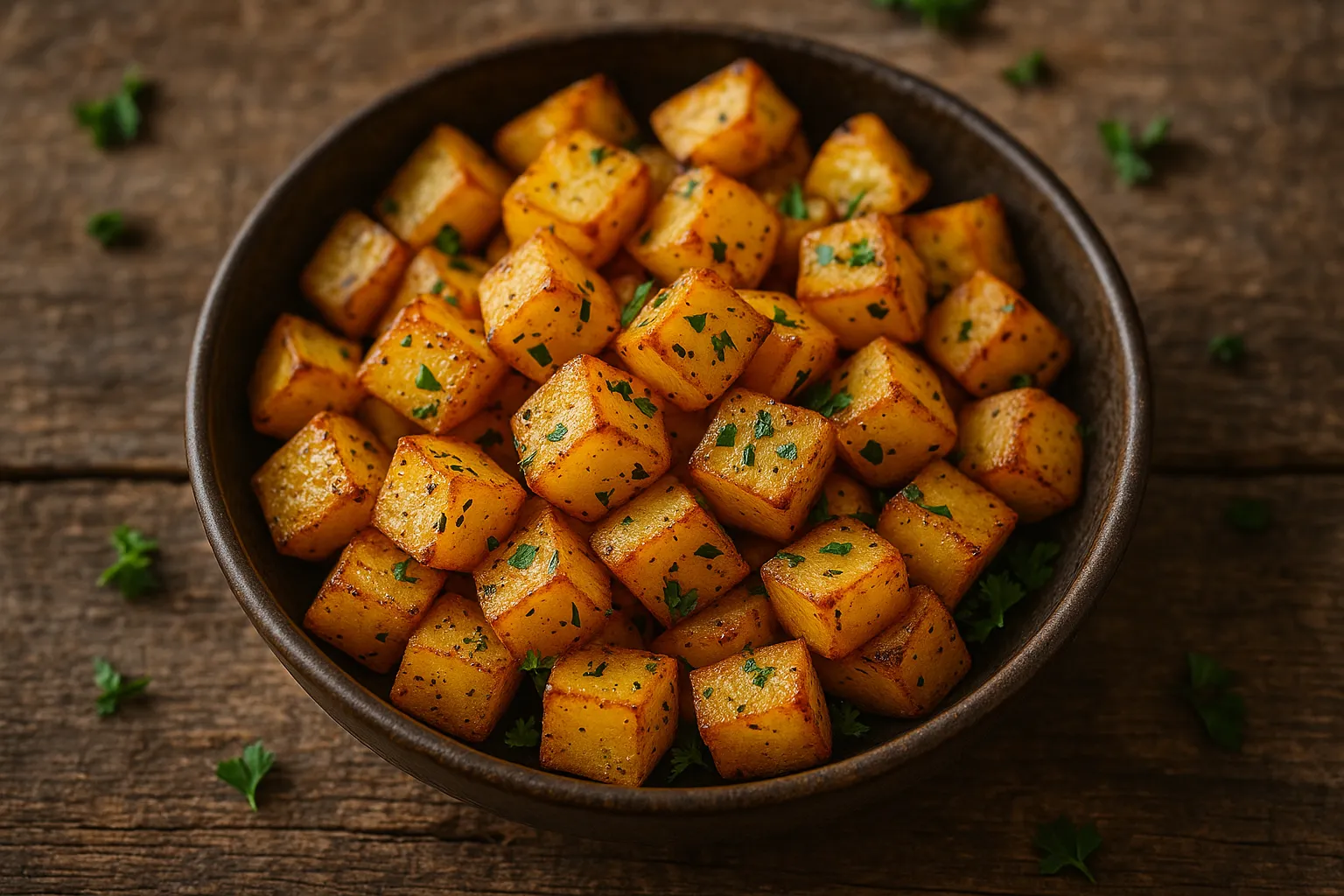
Schnelle Nährwerte
Per 1 Cup Seasoned Potatoes (150g)
| Nährstoff | Menge |
|---|---|
| Kalorien | 175 kcal |
| Protein | 3.5g |
| Kohlenhydrate | 30g |
| Ballaststoffe | 3.2g |
| Zucker | 1.8g |
| Fett | 5g |
| Kalium | 620mg |
| Vitamin C | 18mg |
| Vitamin B6 | 0.35mg |
| Magnesium | 35mg |
Makronährstoff-Aufschlüsselung
 ChatGPT
  Claude
  AI Mode
  Perplexity
ERNÄHRUNGSBERATER-EINBLICK
Seasoned potatoes provide 18% of your täglich Kalium needs in one cup. Roasting mit skin-on maximizes Ballaststoffe and nutrient retention. Cooling nach cooking erhöht resistant starch for besser Blutzucker kontrolle.
Mythen Entlarvt
MYTHOS #1: Potatoes Immer Cause Gewicht Gain
WAHRHEIT: A cup of seasoned potatoes has nur 175 Kalorien wenn prepared mit minimal oil. Gewicht gain happens from excess Kalorien and preparation methods, not potatoes themselves. Der 3.2g Ballaststoffe fördert fullness.
MYTHOS #2: Diabetics Sollte Vermeiden Potatoes Completely
WAHRHEIT: Diabetics kann eat seasoned potatoes in Mäßigung. Pairing mit Protein or gesund Fett reduziert glycemic impact. Wählen geröstet over gebraten, eat mit skin-on, and grenze Portionen to 1/2-3/4 cup.
MYTHOS #3: Potatoes Have No Nutritional Value
WAHRHEIT: Potatoes sind rich in Kalium (620mg pro Tasse), vitamin C (18mg), vitamin B6, Ballaststoffe, and Antioxidantien. They're mehr nutrient-dense als viele refined grains.
MYTHOS #4: White Potatoes Sind Unhealthy Kohlenhydrate
WAHRHEIT: Potatoes provide complex Kohlenhydrate that fuel energy. Der resistant starch in cooled potatoes acts like Ballaststoffe and unterstützt gut health. Preparation method matters mehr als potato type.
MYTHOS #5: You Sollte Remove Potato Skins
WAHRHEIT: Potato skins contain 50% of der Ballaststoffe and viele Antioxidantien. Keeping skins on erhöht nutrient density and liefert besser Blutzucker kontrolle. Immer wash thoroughly.
NutriScore nach Gesundheitszielen
| Gesundheitsziel | NutriScore | Warum diese Bewertung? |
|---|---|---|
| Gewichtsverlust |  | 175 Kalorien, 3.2g Ballaststoffe fördert fullness. Wählen geröstet or air-gebraten. Grenze to 1 cup per meal. |
| Muskelaufbau | | Perfect post-workout Kohlenhydrate (30g) for glycogen replenishment, 620mg Kalium verhindert cramps. |
| Diabetes-Management |  | Moderate GI (65-70). Pair mit Protein/Fett, eat mit skin, wählen cooled potatoes for resistant starch. |
| PCOS-Management | | Moderate carb content affects insulin. Grenze to 1/2 cup täglich, wählen cooled potatoes, pair mit Protein. |
| Schwangerschaftsernährung |  | Rich in folate, vitamin B6 for fetal development, 620mg Kalium verhindert leg cramps. Safe preparation ist wesentlich. |
| Viral/Flu Recovery | | Easy to digest, liefert energy, vitamin C for immunity (18mg pro Tasse), electrolytes for hydration. |
PERSONALISIERTE ERNÄHRUNG
Verfolgen Sie Ihre Mahlzeiten mit NutriScan for personalized NutriScores based on your specific health goals!
Blutzucker-Reaktion to Seasoned Potatoes
Understanding wie seasoned potatoes affect your Blutglukose kann help you machen informed decisions ungefähr preparation and pairing.
Typische Glukose-Reaktionskurve
Diese Grafik zeigt typical Blutglukose response for general gesund individuals. Individuelle Reaktionen können variieren. Keine medizinische Beratung.
So Flachen Sie den Anstieg Ab
Pairing seasoned potatoes mit Protein or gesund Fett slows glucose absorption:
- 🥩 Gegrillt chicken or lean meat - Liefert Protein for balanced meal
- 🥚 Eggs - Complete Protein source
- 🧀 Cottage käse or paneer - Protein and gesund fats
- 🥗 Groß vegetable salad mit olive oil - Ballaststoffe and gesund fats
Cooling potatoes nach cooking erhöht resistant starch, welche hilft kontrolle Blutzucker.
Kulturelle Bedeutung
Potatoes originated in Peru over 7,000 years ago and became a global staple food crop.
In India:
- Introduced by Portuguese traders in der 17th century
- Wesentlich ingredient in regional cuisines: Aloo Gobi, Aloo Paratha, Samosas
- Used in festival foods and everyday meals
- India ist der second-largest potato producer globally
Global Impact:
- Fourth-largest food crop worldwide nach rice, wheat, and corn
- Feeds over 1 billion people täglich
- Versatile preparation methods across cultures
- Sustainable crop mit hoch yield per acre
Vergleichen und Ersetzen
Seasoned Potatoes vs Similar Sides (Pro 100g)
| Nährstoff | 🥔 Seasoned Potatoes | 🍠 Sweet Potato | 🍚 Brown Rice | 🌽 Corn |
|---|---|---|---|---|
| Kalorien | 117 kcal | 90 kcal | 112 kcal | 96 kcal |
| Kohlenhydrate | 20g | 21g | 24g | 21g |
| Ballaststoffe | 2.1g | 3g | 1.8g | 2.4g |
| Protein | 2.3g | 2g | 2.6g | 3.4g |
| Fett | 3.3g | 0.2g | 0.9g | 1.5g |
| Kalium | 413mg | 337mg | 43mg | 270mg |
| Vitamin A | 8 IU | 14187 IU | 0 IU | 187 IU |
| Vitamin C | 12mg | 2.4mg | 0mg | 6.8mg |
| Am besten für | Post-workout, energy | Gewicht loss, vitamin A | Sustained energy, Ballaststoffe | Quick energy, Protein |
Häufige Fragen
Sind seasoned potatoes gut for Gewichtsverlust?
Yes, seasoned potatoes support Gewichtsverlust wenn prepared mit minimal oil. A 1-cup serving liefert 175 Kalorien mit 3.2g Ballaststoffe that fördert fullness.
Beste practices: Roast or air-fry instead of deep-frying; grenze to 1 cup per meal; pair mit Protein and vegetables; eat mit skin-on for maximum Ballaststoffe.
Kann diabetics eat seasoned potatoes?
Diabetics kann eat seasoned potatoes in Mäßigung mit proper preparation and pairing.
Tips for diabetics:
- Grenze Portionen to 1/2-3/4 cup at a zeit
- Immer pair mit Protein (chicken, eggs, paneer) or gesund Fett (olive oil, nuts)
- Wählen geröstet over gebraten; keep skin on for Ballaststoffe
- Let potatoes cool vor eating to increase resistant starch
- Monitor Blutzucker 2 hours nach eating
Immer consult your healthcare provider for personalized advice.
Wie viel Protein ist in seasoned potatoes?
One cup of seasoned potatoes enthält 3.5g of Protein. Während not a significant Protein source, potatoes excel as sources of complex Kohlenhydrate (30g) for energy and Kalium (620mg) for muscle function.
For Muskelaufbau or hoch-Protein diets, combine seasoned potatoes mit Protein-rich foods like gegrillt chicken, eggs, or Greek yogurt.
Was sind der main gesundheitliche Vorteile of seasoned potatoes?
Key Benefits:
- Blood Pressure Regulation: 620mg Kalium maintains gesund blood pressure
- Digestive Health: 3.2g Ballaststoffe unterstützt regular bowel movements
- Energy Production: Complex Kohlenhydrate provide sustained energy
- Immune Support: Vitamin C and B6 boost immunity
- Resistant Starch: Cooled potatoes support gut health and Blutzucker kontrolle
- Electrolyte Balance: Kalium and magnesium support muscle function
Wenn ist der beste zeit to eat seasoned potatoes?
Depends on your goal:
- Gewichtsverlust: Lunch or early dinner (vermeiden late-night Kohlenhydrate). Pair mit lean Protein and vegetables.
- Muskelaufbau: Post-workout (within 1 hour) for glycogen replenishment.
- Diabetes: Lunch paired mit Protein; not on empty stomach.
- Energy: 1-2 hours vor physical activity.
IMPORTANT NOTE
Vermeiden eating groß Portionen of potatoes late at night if managing gewicht or Blutzucker.
Sind geröstet potatoes healthier als gebraten?
Yes, geröstet potatoes sind significantly healthier als gebraten:
Geröstet Potatoes:
- Verwenden 70% less oil (5g vs 15g Fett pro Portion)
- Retain mehr vitamin C and B Vitamine
- Niedriger calorie density (175 vs 280 Kalorien pro Tasse)
- Besser Blutzucker response
Air-Gebraten Potatoes:
- Verwenden minimal oil (1-2g Fett pro Portion)
- Crispy texture mit fewer Kalorien
- Beste option for Gewichtsverlust and Diabetes management
Recommendation: Roast at 400°F mit 1-2 tsp olive oil and herbs; air-fry for lowest Fett content.
Wie viele servings of potatoes sollte I eat per tag?
General Guidelines:
- 1 cup täglich - Die meisten people (175 Kalorien, 18% Kalium)
- 1/2-3/4 cup täglich - Diabetes, PCOS, or strict niedrig-carb diets
- 1-1.5 cups täglich - Athletes, Muskelaufbau, hoch-energy needs
Vermeiden excess: Mehr als 2 cups per tag kann provide too viele Kohlenhydrate and Kalorien for sedentary individuals.
Verfolgen Sie Ihre Mahlzeiten mit NutriScan app to sehen wie seasoned potatoes fit your personal nutrition goals.
Sollte I eat potatoes mit or ohne skin?
Keep der skin on for maximum nutrition and gesundheitliche Vorteile:
Benefits of Potato Skin:
- 50% of der Ballaststoffe - Besser digestion and Blutzucker kontrolle
- Höher Antioxidantien - Besonders phenolic acids
- Mehr Nährstoffe - Eisen, Kalium, B Vitamine
- Niedriger glycemic impact - Ballaststoffe slows glucose absorption
Preparation tips: Scrub thoroughly mit vegetable brush; wählen organic wenn possible; cut out any green spots or eyes; roast or bake mit skin intact.


Ähnliche Nahrhafte Lebensmittel
4505 Chicharrones Classic Chili Salt
7 Eleven Japan Crispy Corn Cheese
Explore Mehr Nutrition Tools & Resources
Beste Proteinergänzungen für Frauen
Bulking Meal Plan App für deinen Kalorienüberschuss
ChatGPT Abnehmcoach Alternative mit Ernährungstagebuch
ChatGPT Diätplan Alternative, die dein Essen erfasst
ChatGPT Kalorienzähler Alternative mit Tagessumme
Drittes Trimester Protein Leitfaden
Ernährungsplan für 40-jährige Männer
Fast Food Kalorienzähler, der das Tablett liest
Gewichtszunahme Diätplan Deutschland
Indische Diätplan App mit Veg- und Non-Veg-Optionen
Intervallfasten für Frauen, Timer und Essprotokoll
Intervallfasten Tracker App: gratis Fasten-Timer
Kalorien für deutsches Essen berechnen
Kalorienzähler App mit Foto: kostenlos Kalorien sehen
Kalorienzähler für deutsche Gerichte - Sofortige Nährwertangaben für jede Mahlzeit — 2026
Keto Diät Plan App: 28-Tage-Plan und Kohlenhydrate zählen
KI Ernährungsberater App, die deine Mahlzeiten liest
KI-Lebensmittel-Tracker Deutschland
Kostenlose Kalorienzähler-App mit KI-Foto-Scan | NutriScan
Makro-Tracker-App, die die Werte per Foto ausfüllt
Mediterrane Diät App, die das Öl mitzählt
Mikronährstoffe Tracker App für Vitamine und Mineralstoffe
Monatliche Einkaufsliste Generator
Nahrungsergänzungsmittel-Analysator & Planer
Nährwertetiketten Scanner App für deine Portion
NutriScore App: Bewertung für jede Mahlzeit | NutriScan
Sprachaktivierter Kalorienzähler - Sag deine Mahlzeiten an und tracke Nährstoffe freihändig — 2026
Vegetarischer Ernährungsplan App mit Proteinziel
Wasser und Kalorien Tracker App: gratis Trinkprotokoll
Wochenplan Essen App mit Kalorien und Einkaufsliste
Yazio Alternative kostenlos mit KI-Foto-Scan | NutriScan