Zucker: Kalorien, Nährwerte und gesundheitliche Vorteile
Der world's die meisten consumed sweetener - understanding its nutritional profile and health implications for informed dietary choices.
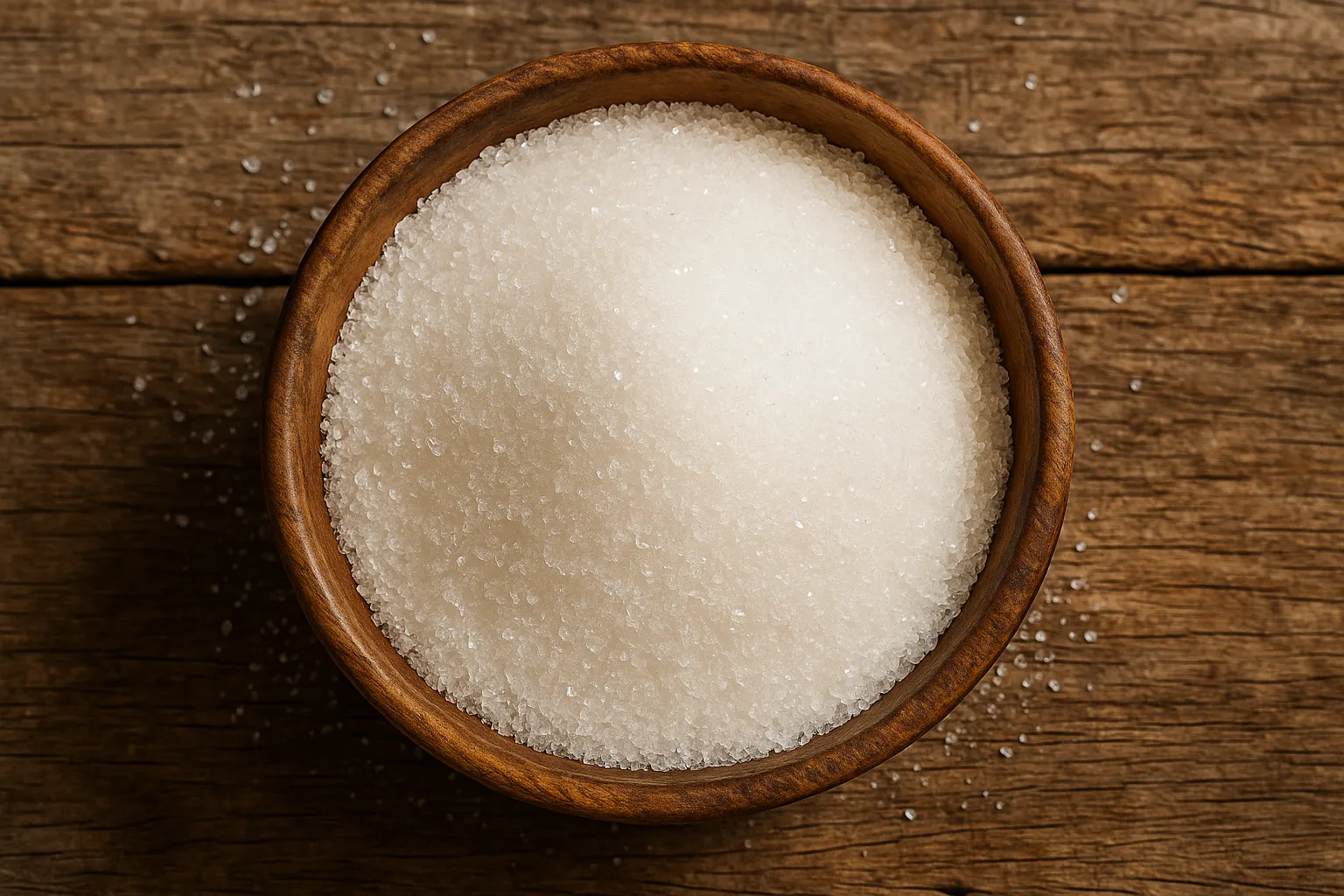
Schnelle Nährwerte
Per 1 Teaspoon (4g)
| Nährstoff | Menge |
|---|---|
| Kalorien | 16 kcal |
| Protein | 0g |
| Kohlenhydrate | 4g |
| Ballaststoffe | 0g |
| Zucker | 4g |
| Fett | 0g |
| Natrium | 0mg |
| Vitamins | 0mg |
| Minerals | 0mg |
Pro 100g: 387 kcal, 100g Kohlenhydrate (alle Zucker)
Makronährstoff-Aufschlüsselung
 ChatGPT
  Claude
  AI Mode
  Perplexity
ERNÄHRUNGSBERATER-EINBLICK
White Zucker liefert pure Kohlenhydrate mit zero nutritional value - no Protein, Fett, Ballaststoffe, Vitamine, or Mineralien. It's considered "empty Kalorien" that spike Blutzucker rapidly ohne satiety or gesundheitliche Vorteile.
Mythen Entlarvt
MYTHOS #1: Natural Zucker and Refined Zucker Sind der Gleich
WAHRHEIT: Während chemically similar, natural sugars in fruits come mit Ballaststoffe, Vitamine, and Antioxidantien that slow absorption. Refined Zucker ist isolated and causes rapid Blutzucker spikes ohne nutritional benefits.
MYTHOS #2: Brown Zucker Ist Viel Healthier Als White Zucker
WAHRHEIT: Brown Zucker ist white Zucker mit molasses added. It enthält slightly mehr Mineralien (0.02% mehr calcium/Eisen) but der difference ist nutritionally insignificant. Both have similar caloric and glycemic effects.
MYTHOS #3: Zucker Doesn't Directly Cause Diabetes
WAHRHEIT: Während Zucker alone doesn't cause Diabetes, excessive Zucker intake fördert gewicht gain and insulin resistance, two major risk factors for type 2 Diabetes. Hoch Zucker consumption significantly erhöht Diabetes risk.
MYTHOS #4: You Brauchen Zucker for Energy
WAHRHEIT: Your body kann efficiently convert complex Kohlenhydrate, proteins, and fats into glucose for energy. Refined Zucker liefert quick but short-lived energy followed by crashes, während complex Kohlenhydrate offer sustained energy.
MYTHOS #5: Zucker Ist Nur Bad in Groß Amounts
WAHRHEIT: Even mäßig Zucker intake kann impact health. Regular consumption affects insulin sensitivity, Entzündung, gut bacteria, and craving patterns, making it harder to maintain gesund eating habits over zeit.
MYTHOS #6: Honey Ist Viel Besser Als Zucker
WAHRHEIT: Honey enthält trace Mineralien and Antioxidantien, but ist still 80% Zucker mit similar Kalorien (304 vs 387 pro 100g). It causes Blutzucker spikes and sollte auch be limited, though it's slightly preferable to refined Zucker.
NutriScore nach Gesundheitszielen
| Gesundheitsziel | NutriScore | Warum diese Bewertung? |
|---|---|---|
| Gewichtsverlust |  | Pure empty Kalorien (387 pro 100g), no satiety, triggers insulin spikes promoting Fett storage. Vermeiden completely. |
| Muskelaufbau |  | Kann refill glycogen post-workout but lacks Protein and Nährstoffe. Besser options: fruits, complex Kohlenhydrate. |
| Diabetes-Management | | Rapid Blutzucker spike (GI 65), ADA recommends minimizing added sugars. Verwenden zero-calorie sweeteners instead. |
| PCOS-Management | | Worsens insulin resistance, erhöht Entzündung, disrupts hormone balance. Vermeiden entirely. |
| Schwangerschaftsernährung | | Grenze to 25g added Zucker täglich per Schwangerschaft guidelines. Zero nutritional value for fetal development. |
| Viral/Flu Recovery | | Kann suppress immune function temporarily. Wählen nutrient-dense foods instead. |
PERSONALISIERTE ERNÄHRUNG
Verfolgen Sie Ihre Mahlzeiten mit NutriScan to monitor hidden Zucker intake and bekommen personalized recommendations!
Blutzucker-Reaktion to Zucker
Understanding Zucker's rapid impact on Blutglukose hilft explain warum it's problematic for metabolic health.
Typische Glukose-Reaktionskurve
Diese Grafik zeigt typical Blutglukose response. Individuelle Reaktionen können variieren. Keine medizinische Beratung.
Managing Zucker Impact
If consuming Zucker, minimize Blutzucker spikes by:
- 🥜 Pairing mit Protein or Fett - Slows absorption significantly
- 🥗 Eating nach Ballaststoffe-rich meals - Reduziert glycemic impact
- 🏃 Physical activity nach consumption - Uses glucose immediately
- 🔄 Choosing alternatives - Stevia, monk fruit, or klein amounts of dates
Besser strategy: Replace refined Zucker mit whole food sweeteners or gradually reduce sweetness preference.
Kulturelle Bedeutung
Zucker has profoundly shaped human history, culture, and health over centuries.
Historical Context:
- Originated in Neu Guinea 8,000 years ago, spread to India by 400 BCE
- Zucker trade drove colonization and shaped global economics for 500 years
- Once a luxury spice, jetzt a ubiquitous ingredient in processed foods
In India:
- Traditional verwenden of jaggery (gur) and honey predates refined Zucker
- Ayurveda considers refined Zucker "tamasic" (dulling, unhealthy)
- Modern India: 26+ million tons consumed annually, rising Diabetes rates
- Festival sweets (mithai) central to celebrations, jetzt mit healthier alternatives
Global Impact:
- Average American consumes 77g täglich (19 teaspoons) - triple WHO recommendations
- WHO attributes 1.9 million deaths annually to excess Zucker consumption
- Growing movement toward Zucker reduction and alternative sweeteners
Vergleichen und Ersetzen
Zucker vs Healthier Sweeteners (Pro 100g)
| Nährstoff | 🍚 White Zucker | 🍯 Honey | 🥥 Coconut Zucker | 🌿 Stevia (powder) |
|---|---|---|---|---|
| Kalorien | 387 kcal | 304 kcal | 375 kcal | 0 kcal |
| Kohlenhydrate | 100g | 82g | 93g | 0g |
| Ballaststoffe | 0g | 0.2g | 1g | 0g |
| Protein | 0g | 0.3g | 1.3g | 0g |
| Fett | 0g | 0g | 0.5g | 0g |
| Glycemic | 65 (hoch) | 58 (medium) | 35 (niedrig) | 0 |
| Minerals | None | Trace amounts | K, Mg, Fe, Zn | None |
| Am besten für | Vermeiden | Occasional | Besser choice | Täglich sweetening |
Häufige Fragen
Wie viele Kalorien sind in a teaspoon of Zucker?
One teaspoon (4g) enthält 16 Kalorien; one tablespoon (12g) has 49 Kalorien. Alle Kalorien come from Kohlenhydrate mit zero Protein, Fett, Ballaststoffe, Vitamine, or Mineralien.
Common servings: Tea/coffee mit 2 teaspoons = 32 Kalorien; one 12oz soda = 140 Kalorien (9 teaspoons); one chocolate bar = 120-200 Kalorien (7-12 teaspoons).
Kann diabetics eat Zucker?
Diabetics sollte minimize or vermeiden added Zucker. It causes rapid Blutglukose spikes (GI 65) ohne Ballaststoffe or Nährstoffe to slow absorption, requiring mehr insulin and worsening kontrolle.
Safer alternatives: Stevia, monk fruit sweetener, erythritol. Occasional treats: Pair klein amounts mit Protein/Fett, verwenden nach meals, monitor Blutglukose 2 hours post-consumption.
Immer consult your healthcare provider ungefähr Zucker limits.
Ist Zucker bad for Gewichtsverlust?
Yes, excess Zucker significantly hinders Gewichtsverlust through multiple mechanisms: liefert empty Kalorien ohne satiety (387 pro 100g); triggers insulin spikes promoting Fett storage; erhöht cravings through dopamine response; displaces nutrient-dense foods.
WHO recommendation: Grenze added sugars to less als 25g (6 teaspoons) täglich for gewicht management. Hidden sources: Sauces, dressings, "gesund" granola, flavored yogurts.
Track Zucker intake mit NutriScan app to identify hidden sources.
Was sind der healthiest Zucker alternatives?
Zero-calorie natural options: Stevia (300x sweeter, plant-based), monk fruit sweetener (200x sweeter, enthält mogrosides), allulose (70% as sweet, minimal impact).
Whole food sweeteners: Dates (Ballaststoffe, Mineralien, Antioxidantien), klein amounts of honey or maple syrup (trace Nährstoffe), coconut Zucker (niedriger GI, einige Mineralien).
Zucker alcohols: Erythritol (70% sweetness, doesn't spike glucose), xylitol (dental benefits but toxic to pets).
Start mit smaller amounts as taste preferences adapt.
Wie viel Zucker per tag ist safe?
WHO guidelines: Less als 25g (6 teaspoons) of added Zucker täglich for adults. American Heart Association: 25g for women, 36g (9 teaspoons) for men.
Hidden Zucker reality: One flavored yogurt = 15-20g; one sports drink = 20-35g; one muffin = 15-30g. Die meisten people consume 77g+ täglich ohne realizing.
Children: 12-25g depending on age; vermeiden added sugars entirely under age 2.
Does Zucker cause Entzündung?
Yes, excessive Zucker triggers inflammatory responses. Hoch intake erhöht inflammatory markers (CRP, IL-6), fördert oxidative stress, triggers AGE formation, disrupts gut microbiome balance.
Health implications: Chronic Entzündung linked to obesity, type 2 Diabetes, cardiovascular disease, arthritis, accelerated aging, certain cancers.
Reduction benefits: Decreasing Zucker intake reduziert Entzündung markers within 2-4 weeks.
Kann I replace alle Zucker mit artificial sweeteners?
Während zero-calorie sweeteners help reduce Zucker intake, Mäßigung matters. Einige research suggests artificial sweeteners kann affect gut bacteria, glucose Stoffwechsel, and sweet preference intensity.
Balanced approach: Verwenden natural zero-calorie options (stevia, monk fruit) in Mäßigung; gradually reduce overall sweetness preference; focus on whole foods naturally niedrig in sweetness; reserve sweeteners for occasional treats.
Beste strategy: Retrain taste buds to appreciate natural food flavors ohne added sweetness.
Was's der difference between added Zucker and natural Zucker?
Added sugars: Refined Zucker, hoch-fructose corn syrup, syrups added to processed foods - provide empty Kalorien, rapid glucose spikes, no nutritional benefits.
Natural sugars: Found in fruits, vegetables, dairy - come packaged mit Ballaststoffe, Vitamine, Mineralien, Antioxidantien that slow absorption and provide gesundheitliche Vorteile.
Recommendation: Minimize added sugars; enjoy natural sugars from whole fruits in Mäßigung. Your body processes both similarly, but whole foods offer superior nutrition.


Ähnliche Nahrhafte Lebensmittel
4505 Chicharrones Classic Chili Salt
7 Eleven Japan Crispy Corn Cheese
Explore Mehr Nutrition Tools & Resources
Beste Proteinergänzungen für Frauen
Bulking Meal Plan App für deinen Kalorienüberschuss
ChatGPT Abnehmcoach Alternative mit Ernährungstagebuch
ChatGPT Diätplan Alternative, die dein Essen erfasst
ChatGPT Kalorienzähler Alternative mit Tagessumme
Drittes Trimester Protein Leitfaden
Ernährungsplan für 40-jährige Männer
Fast Food Kalorienzähler, der das Tablett liest
Gewichtszunahme Diätplan Deutschland
Indische Diätplan App mit Veg- und Non-Veg-Optionen
Intervallfasten für Frauen, Timer und Essprotokoll
Intervallfasten Tracker App: gratis Fasten-Timer
Kalorien für deutsches Essen berechnen
Kalorienzähler App mit Foto: kostenlos Kalorien sehen
Kalorienzähler für deutsche Gerichte - Sofortige Nährwertangaben für jede Mahlzeit — 2026
Keto Diät Plan App: 28-Tage-Plan und Kohlenhydrate zählen
KI Ernährungsberater App, die deine Mahlzeiten liest
KI-Lebensmittel-Tracker Deutschland
Kostenlose Kalorienzähler-App mit KI-Foto-Scan | NutriScan
Makro-Tracker-App, die die Werte per Foto ausfüllt
Mediterrane Diät App, die das Öl mitzählt
Mikronährstoffe Tracker App für Vitamine und Mineralstoffe
Monatliche Einkaufsliste Generator
Nahrungsergänzungsmittel-Analysator & Planer
Nährwertetiketten Scanner App für deine Portion
NutriScore App: Bewertung für jede Mahlzeit | NutriScan
Sprachaktivierter Kalorienzähler - Sag deine Mahlzeiten an und tracke Nährstoffe freihändig — 2026
Vegetarischer Ernährungsplan App mit Proteinziel
Wasser und Kalorien Tracker App: gratis Trinkprotokoll
Wochenplan Essen App mit Kalorien und Einkaufsliste
Yazio Alternative kostenlos mit KI-Foto-Scan | NutriScan