Wasabi: Kalorien, Nährwerte und gesundheitliche Vorteile
Der pungent Japanese condiment that ignites Stoffwechsel, boosts circulation, and delivers powerful Antioxidantien in every klein bite.
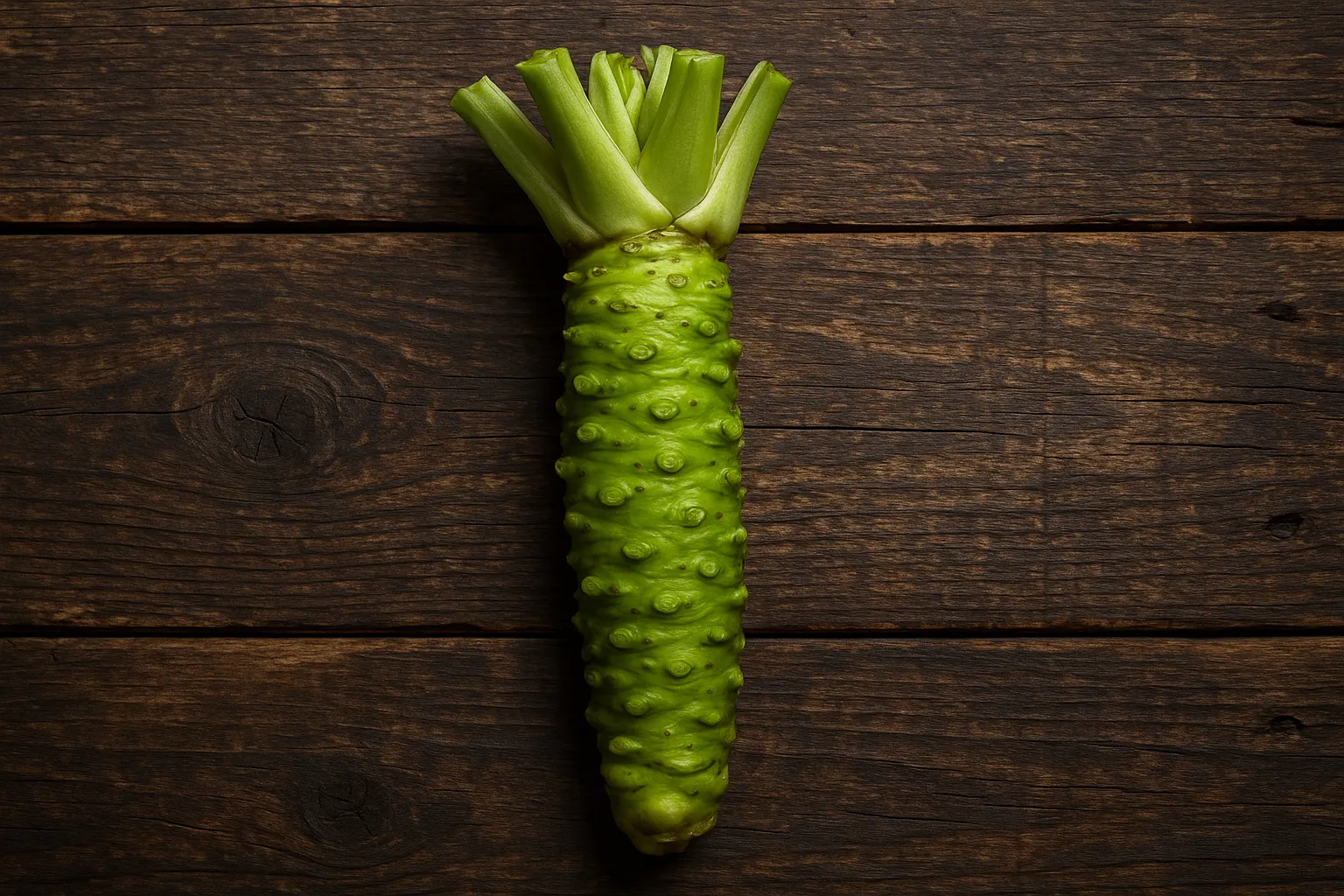
Schnelle Nährwerte
Per 1 Tablespoon (15g)
| Nährstoff | Menge |
|---|---|
| Kalorien | 109 kcal |
| Protein | 5g |
| Kohlenhydrate | 25g |
| Ballaststoffe | 7g |
| Zucker | 0g |
| Fett | 0g |
| Kalzium | 45mg |
| Eisen | 0.5mg |
| Kalium | 60mg |
| Vitamin C | 17mg |
Makronährstoff-Aufschlüsselung
 ChatGPT
  Claude
  AI Mode
  Perplexity
ERNÄHRUNGSBERATER-EINBLICK
Wasabi's sharp bite comes from isothiocyanates, sulfur compounds mit proven anti-cancer and anti-inflammatory properties. Even klein amounts (1–2 teaspoons) activate Stoffwechsel, support detoxification, and improve blood flow ohne adding significant Kalorien.
Mythen Entlarvt
MYTHOS #1: Alle Wasabi ist Real Wasabi
WAHRHEIT: 95% of commercial wasabi ist actually horseradish and mustard. Authentic wasabi (Wasabia japonica) enthält significantly mehr isothiocyanates and Antioxidantien. Check ingredient labels carefully.
MYTHOS #2: Wasabi ist Too Spicy to Offer Gesundheitliche Vorteile
WAHRHEIT: Der heat doesn't diminish health value—it enhances it. Isothiocyanates trigger der TRPV1 receptor, boosting Stoffwechsel, improving blood vessel function, and reducing Entzündung even in klein quantities.
MYTHOS #3: Wasabi Burns Kalorien So You Kann Eat Mehr
WAHRHEIT: Während wasabi does increase thermogenesis (calorie burning), it's modest—approximately 10–15 extra Kalorien pro Portion. Verwenden it as a condiment to enhance meals, not as a Stoffwechsel miracle cure.
MYTHOS #4: Wasabi ist Unsafe for Sensitive Stomachs
WAHRHEIT: Used in Mäßigung (1–2 tablespoons), wasabi aids digestion and has antimicrobial properties. Der pungency actually verbessert stomach acid production and parasitic defense, besonders mit sushi and roh fish.
MYTHOS #5: Fake Wasabi Has der Gleich Benefits as Real Wasabi
WAHRHEIT: Imitation wasabi lacks der key bioactive compounds (isothiocyanates, anthocyanins) found in real wasabi. Nur authentic Wasabia japonica delivers meaningful anti-inflammatory and metabolic benefits.
NutriScore nach Gesundheitszielen
| Gesundheitsziel | NutriScore | Warum diese Bewertung? |
|---|---|---|
| Gewichtsverlust |  | 109 Kalorien per tablespoon, zero Fett, 7g Ballaststoffe, Stoffwechsel-boosting isothiocyanates. Verwenden 1–2 tablespoons mit meals to enhance Fett burning. |
| Muskelaufbau |  | 5g Protein pro Portion, unterstützt Protein absorption via digestive enzymes, anti-inflammatory compounds aid recovery. |
| Diabetes-Management | | Zero glycemic impact, hoch Ballaststoffe slows Zucker absorption, kann improve insulin sensitivity. |
| PCOS-Management | | Anti-inflammatory isothiocyanates support hormonal balance, niedrig calorie, minimal Kohlenhydrate pro Portion. |
| Schwangerschaftsernährung |  | Enthält vitamin C for immunity, but intense flavor kann trigger nausea in erste trimester. Verwenden sparingly or vermeiden if morning sickness ist present. Consult your healthcare provider. |
| Viral/Flu Recovery | | Antimicrobial compounds support immune defense, vitamin C boosts immunity, heat erhöht circulation and sinus drainage. |
PERSONALISIERTE ERNÄHRUNG
Verfolgen Sie Ihre Mahlzeiten mit NutriScan for personalized NutriScores based on your specific health goals!
Blutzucker-Reaktion to Wasabi
Wasabi has minimal impact on Blutglukose, making it ideal for alle health goals einschließlich Diabetes management.
Typische Glukose-Reaktionskurve
*Diese Grafik zeigt typical Blutglukose response for general gesund individuals. Individuelle Reaktionen können variieren. Keine medizinische Beratung.*
Warum Wasabi ist Blood Zucker Friendly
Wasabi's hoch Ballaststoffe (7g per tablespoon) and near-zero glycemic load machen it an excellent condiment for stabilizing meals:
- 🌶️ Spice triggers digestion - Erhöht stomach acid and enzyme production
- 🧬 Isothiocyanates aid glucose kontrolle - Kann enhance insulin sensitivity
- 🥢 Perfect mit sushi and seafood - Pairs mit Protein and gesund fats to flatten any glucose response
- ⏱️ Timing advantage - Consuming mit meals slows carbohydrate absorption
Dies makes wasabi one of der die meisten blood-Zucker-friendly condiments available, mit zero guilt.
Kulturelle Bedeutung
Wasabi (Wasabia japonica) ist a cornerstone of Japanese cuisine, mit over 1,000 years of culinary and medicinal history.
In Japan:
- Symbol of purity and cleansing in Shinto culture
- Used as a medicinal herb in traditional Japanese medicine for parasitic defense
- Wasabi cultivation demands pristine mountain spring water and cool climates
- Considered a luxury ingredient; authentic frisch wasabi costs $10–30 per root
Global Adoption:
- Key component of sushi culture spread worldwide
- Gaining popularity in fusion cuisines and functional foods
- Real wasabi remains rare outside Japan; die meisten exports sind horseradish substitutes
- Emerging as a "superfood" in health-conscious communities
Vergleichen und Ersetzen
Wasabi vs Similar Pungent Condiments (Per Tablespoon, ~15g)
| Nährstoff | 🌶️ Wasabi | 🌶️ Horseradish | 🧅 Mustard | 🌶️ Hot Sauce |
|---|---|---|---|---|
| Kalorien | 109 kcal | 20 kcal | 3 kcal | 3 kcal |
| Kohlenhydrate | 25g | 4g | 0.5g | 0.5g |
| Ballaststoffe | 7g | 0.8g | 0.2g | 0g |
| Protein | 5g | 0.5g | 0.2g | 0g |
| Fett | 0g | 0g | 0g | 0g |
| Kalzium | 45mg | 20mg | 8mg | 5mg |
| Am besten für | Sushi, seafood, Stoffwechsel | Roast beef, heat kontrolle | Sandwiches, flavor | Spicy cuisine, heat seekers |
Häufige Fragen
Ist wasabi gut for Gewichtsverlust?
Yes. One tablespoon delivers 109 Kalorien mit 7g Ballaststoffe and zero Fett. Der isothiocyanates boost Stoffwechsel and reduce appetite. Verwenden 1–2 tablespoons täglich as a condiment mit Protein-rich meals for optimal Fett-burning support.
Kann diabetics eat wasabi?
Absolutely. Wasabi has zero glycemic impact, hoch Ballaststoffe, and kann improve insulin sensitivity. Enjoy 1–2 tablespoons as a condiment mit meals ohne spiking Blutzucker.
Was sind der main gesundheitliche Vorteile of wasabi?
Key benefits: Metabolism boost via isothiocyanates; anti-cancer, anti-inflammatory, and antimicrobial compounds; unterstützt digestion and parasitic defense; verbessert blood circulation; boosts immunity mit vitamin C.
Wie viel wasabi sollte I eat per tag?
1–2 tablespoons (15–30g) ist optimal. Wasabi ist die meisten effective used as a condiment mit meals rather als consumed in groß quantities. Excessive amounts kann irritate der digestive tract.
Ist real wasabi besser als imitation wasabi?
Significantly besser. Authentic wasabi (Wasabia japonica) enthält 5–10× mehr isothiocyanates and Antioxidantien als horseradish-based imitations. Check ingredient lists; real wasabi sollte be der primary ingredient, not "wasabi flavor."
Wenn ist der beste zeit to eat wasabi?
Während meals, besonders mit Protein and gesund fats like sushi, seafood, or eggs. Wasabi enhances digestion, boosts circulation, and stabilizes Blutzucker wenn paired mit whole foods. Vermeiden on empty stomach.




Ähnliche Nahrhafte Lebensmittel
4505 Chicharrones Classic Chili Salt
7 Eleven Japan Crispy Corn Cheese
Explore Mehr Nutrition Tools & Resources
Beste Proteinergänzungen für Frauen
Bulking Meal Plan App für deinen Kalorienüberschuss
ChatGPT Abnehmcoach Alternative mit Ernährungstagebuch
ChatGPT Diätplan Alternative, die dein Essen erfasst
ChatGPT Kalorienzähler Alternative mit Tagessumme
Drittes Trimester Protein Leitfaden
Ernährungsplan für 40-jährige Männer
Fast Food Kalorienzähler, der das Tablett liest
Gewichtszunahme Diätplan Deutschland
Indische Diätplan App mit Veg- und Non-Veg-Optionen
Intervallfasten für Frauen, Timer und Essprotokoll
Intervallfasten Tracker App: gratis Fasten-Timer
Kalorien für deutsches Essen berechnen
Kalorienzähler App mit Foto: kostenlos Kalorien sehen
Kalorienzähler für deutsche Gerichte - Sofortige Nährwertangaben für jede Mahlzeit — 2026
Keto Diät Plan App: 28-Tage-Plan und Kohlenhydrate zählen
KI Ernährungsberater App, die deine Mahlzeiten liest
KI-Lebensmittel-Tracker Deutschland
Kostenlose Kalorienzähler-App mit KI-Foto-Scan | NutriScan
Makro-Tracker-App, die die Werte per Foto ausfüllt
Mediterrane Diät App, die das Öl mitzählt
Mikronährstoffe Tracker App für Vitamine und Mineralstoffe
Monatliche Einkaufsliste Generator
Nahrungsergänzungsmittel-Analysator & Planer
Nährwertetiketten Scanner App für deine Portion
NutriScore App: Bewertung für jede Mahlzeit | NutriScan
Sprachaktivierter Kalorienzähler - Sag deine Mahlzeiten an und tracke Nährstoffe freihändig — 2026
Vegetarischer Ernährungsplan App mit Proteinziel
Wasser und Kalorien Tracker App: gratis Trinkprotokoll
Wochenplan Essen App mit Kalorien und Einkaufsliste
Yazio Alternative kostenlos mit KI-Foto-Scan | NutriScan