PCOS Grocery List: Shopping and Pantry Swap Checklist
 ChatGPT
  Claude
  AI Mode
  Perplexity
A PCOS grocery list is an ordinary grocery list with the insulin load taken out. Protein in every meal, non-starchy vegetables by the armful, low-GI fruit eaten with fat or protein, intact whole grains instead of milled ones, and fats that calm inflammation rather than feed it. The list below is sorted the way a supermarket is sorted, so you can shop it top to bottom.
TL;DR - PCOS Pantry Transformation Guide
Who it's for: Women with PCOS looking to manage symptoms through dietary changes
Main outcomes: Better insulin sensitivity, balanced hormones, improved energy, clearer skin, more regular periods
Key steps: Pantry audit -> Strategic food swaps -> Stock PCOS-friendly essentials -> Meal prep for success
Timeframe: Energy improvements in 2-3 weeks, hormonal changes in 2-3 months
What the evidence says: a 2025 meta-analysis in Frontiers in Nutrition found high-fiber and low-GI diets reduced fasting glucose and HOMA-IR in women with PCOS
Standing in front of an open pantry with no idea which jar helps and which one hurts is where most PCOS diets stall. The World Health Organization estimates PCOS affects 10% to 13% of reproductive-aged women, and StatPearls puts the share with an abnormal degree of insulin resistance at 33% to 66%, so what lands in the cart carries more weight here than it does for most people.
This is my complete PCOS grocery and pantry swap checklist: what to buy in each section of the store, 30 swaps sorted by meal, and the version of the list to use when weight loss is the goal. No elimination diets, no expensive supplements, just food you can buy on your next shop.
What Makes a Grocery List PCOS Friendly
Three tests decide whether an item belongs on a PCOS friendly grocery list. Does it raise blood sugar slowly rather than sharply? Does it bring protein, fiber or fat that slows the rest of the meal down? Does it leave inflammation alone instead of adding to it? An item that passes all three goes in the cart. An item that fails all three usually sits on the PCOS foods to avoid list instead.
Take a common setup, and treat it as an example rather than a case study: a 32-year-old office worker with irregular periods, weight that sits around her middle, and an energy crash before every afternoon meeting. The pantry behind that week is cereal, white bread, flavored yogurt and a jar of honey for the coffee. Nothing in it is unusual, and every item in it is working against her insulin.
That pantry is the part she can change on one shop, without an elimination diet or a supplement order. The rest of this post is the list she would take to the store.
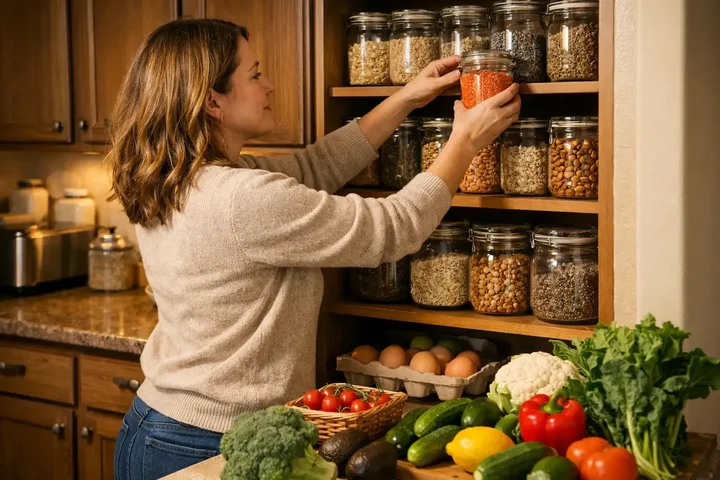 Organizing your pantry with PCOS-friendly foods makes healthy eating the default choice
The connection between your pantry and your hormones is stronger than you might think. Johns Hopkins Medicine explains that many women with the condition have insulin resistance, meaning the body cannot use insulin well, insulin levels build up, and that may push androgen levels higher. What you eat moves insulin directly. Every time you reach into your pantry, you're either supporting your hormones or working against them.
 Cooking with whole foods becomes enjoyable when your kitchen is properly stocked
Understanding the PCOS-Food Connection
Before we jump into the checklist, let me break down why certain foods affect PCOS more than others.
Your body processes different foods in different ways. Simple carbohydrates like white bread and sugary snacks digest quickly, causing rapid spikes in blood sugar. When blood sugar spikes, your pancreas releases more insulin to manage it. For women with PCOS, this creates a problematic cycle - high insulin levels can trigger your ovaries to produce more androgens (those "male hormones" that cause symptoms like acne and excess hair growth).
On the flip side, foods that digest slowly - like whole grains, fiber-rich vegetables, and healthy fats - keep your blood sugar stable. Stable blood sugar means stable insulin, which means better hormone balance.
The Key Insight
A 2024 review by Scannell and colleagues in Proceedings of the Nutrition Society reports an inverse relationship between Mediterranean diet adherence and PCOS features, particularly insulin resistance and hyperandrogenemia, and ties it to anti-inflammatory components of the pattern such as carotenoids, polyphenols and omega-3 fats. The same authors are clear that the evidence is observational and not yet strong enough to guide clinical practice.
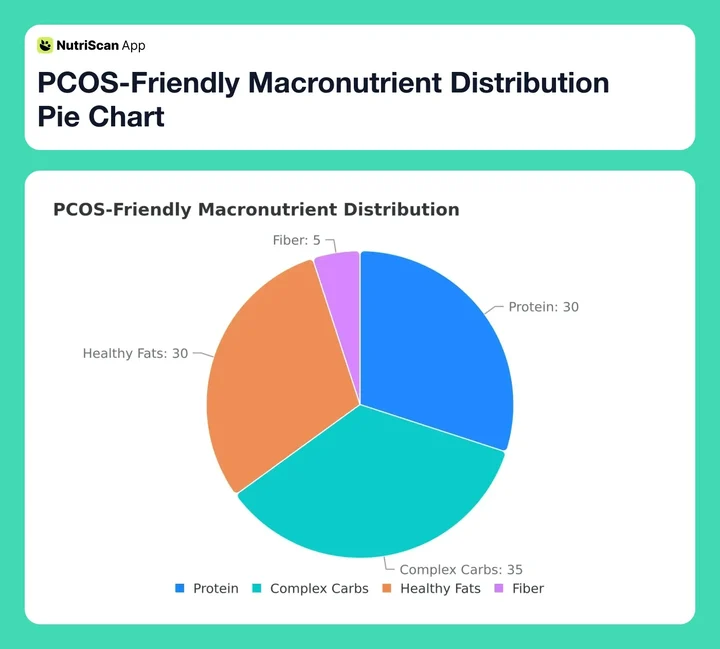 Figure 1: Recommended macronutrient distribution for PCOS management - focus on protein, complex carbs, and healthy fats
The Complete PCOS Grocery List: What to Buy
Let's get practical. Here's what to add to your shopping cart next time you're at the store.
Proteins That Support Hormone Balance
Protein is your best friend when managing PCOS. It keeps you full, stabilizes blood sugar, and supports muscle health. Here's what to stock:
Fish and Seafood
- Salmon (wild-caught when possible)
- Sardines
- Mackerel
- Cod
- Shrimp
These fatty fish are packed with omega-3 fatty acids. A 2024 review in Nutrients reports that omega-3 supplementation lowered HOMA-IR and hs-CRP, an inflammation marker, in women with PCOS. Aim for 2-3 servings per week.
Poultry and Eggs
- Chicken breast (skinless)
- Turkey
- Eggs (whole eggs are fine - the yolk contains important nutrients)
Plant-Based Proteins
- Lentils
- Chickpeas
- Black beans
- Tofu
- Tempeh
- Edamame
Plant-based proteins come with the added bonus of fiber, which is particularly helpful for PCOS management.
Vegetables: Fill Half Your Plate
Non-starchy vegetables should be the foundation of your PCOS-friendly diet. They're low in calories, high in fiber, and packed with antioxidants that fight inflammation.
Leafy Greens
- Spinach
- Kale
- Swiss chard
- Arugula
- Romaine lettuce
Cruciferous Vegetables
- Broccoli
- Cauliflower
- Brussels sprouts
- Cabbage
These vegetables contain compounds that may help your body process estrogen more efficiently.
Other Non-Starchy Vegetables
- Bell peppers (all colors)
- Tomatoes
- Zucchini
- Cucumber
- Mushrooms
- Asparagus
- Green beans
- Celery
Fruits: Nature's Sweet Treats
Contrary to what some extreme diets suggest, fruit is not the enemy when you have PCOS. The key is choosing fruits with a lower glycemic impact and eating them with protein or fat.
Best Choices
- Berries (blueberries, strawberries, raspberries, blackberries)
- Apples
- Pears
- Citrus fruits (oranges, grapefruit, lemons)
- Cherries
- Peaches
Why Berries Are Excellent
Berries are particularly excellent because they're loaded with antioxidants and have a relatively low glycemic index. They also contain fiber that helps slow down sugar absorption.
Whole Grains and Complex Carbs
Yes, you can eat carbs with PCOS! The type of carbs matters far more than the quantity. Barr and colleagues put 21 women with PCOS on a 12-week isocaloric low-GI diet in the Journal of the Academy of Nutrition and Dietetics and measured improved insulin sensitivity with no weight change, so the carb swap did the work on its own.
Stock Your Pantry With
- Quinoa
- Brown rice
- Steel-cut oats
- Barley
- Buckwheat
- Whole grain bread (check the label - first ingredient should be "whole")
- Whole wheat pasta
- Sweet potatoes
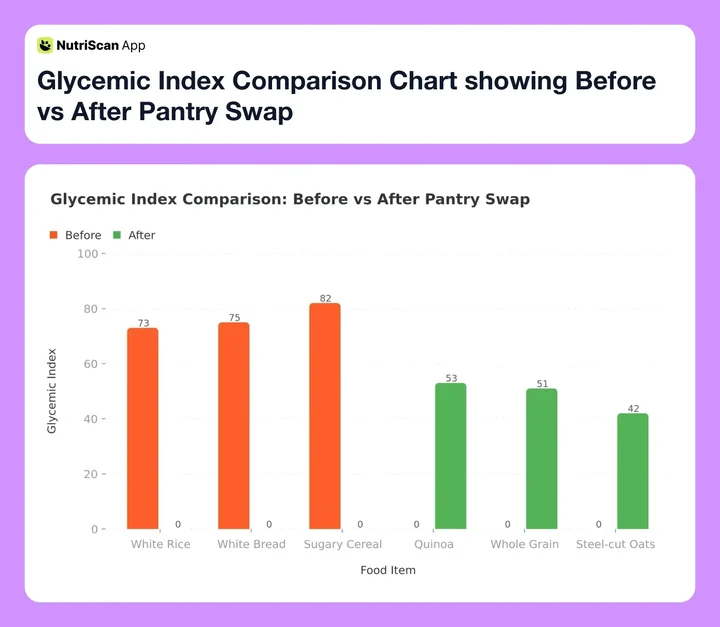 Figure 2: Glycemic index comparison - notice how swapping to whole grains significantly lowers GI values
Healthy Fats: Your Hormone Helpers
Fat doesn't make you fat - the right fats actually help your hormones function properly. Here's what to keep on hand:
Oils
- Extra virgin olive oil
- Avocado oil
- Coconut oil (in moderation)
Nuts and Seeds
- Almonds
- Walnuts (excellent omega-3 source)
- Chia seeds
- Flaxseeds
- Pumpkin seeds
- Sunflower seeds
Other Sources
- Avocados
- Olives
- Natural nut butters (check labels for added sugars)
Dairy and Alternatives
Dairy can be tricky for some women with PCOS. Some find it triggers inflammation, while others tolerate it well. Listen to your body.
If You Tolerate Dairy
- Greek yogurt (plain, unsweetened)
- Kefir
- Low-fat cheese in moderation
Dairy Alternatives
- Unsweetened almond milk
- Oat milk
- Coconut milk
- Cashew milk
Check Labels
Always check labels for added sugars - many plant milks contain surprising amounts.
Herbs, Spices, and Flavor Boosters
These small additions make a big difference:
- Cinnamon (may help with blood sugar regulation)
- Turmeric (anti-inflammatory properties)
- Ginger
- Garlic
- Cumin
- Black pepper
- Fresh herbs (basil, parsley, cilantro, mint)

The Ultimate Pantry Swap Checklist
Now for the fun part - let's swap out the foods that aren't serving your hormones for better alternatives. I've organized this as a simple "swap this for that" format.
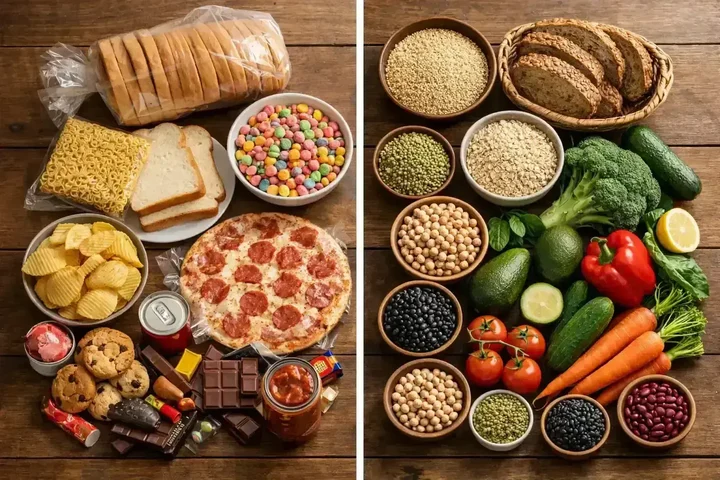 The visual difference between a standard pantry and a PCOS-optimized one
Breakfast Swaps
| Instead of This | Try This | Why It Helps |
|---|---|---|
| Sugary cereals | Steel-cut oats with berries | Slow-releasing energy, fiber boost |
| White bread toast | Whole grain or sourdough bread | Lower glycemic impact |
| Fruit juice | Whole fruit with nut butter | Fiber slows sugar absorption |
| Flavored yogurt | Plain Greek yogurt with cinnamon | 3x more protein, no added sugar |
| Regular pancakes | Oat flour or almond flour pancakes | More protein and fiber |
| Granola bars | Handful of nuts and seeds | Healthy fats, no hidden sugars |
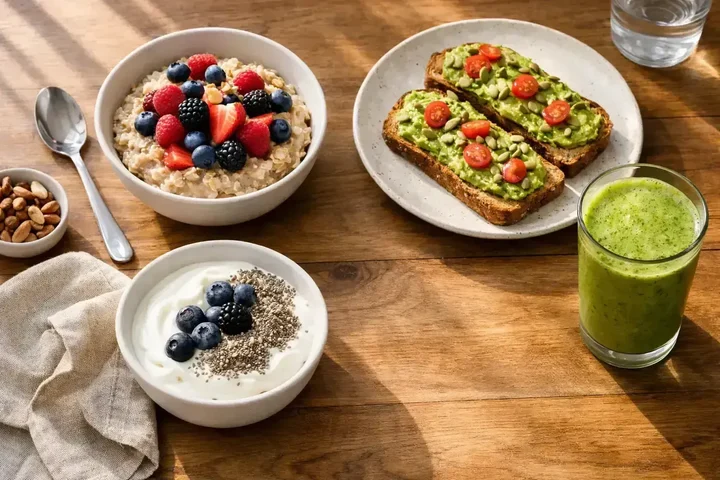 A PCOS-friendly breakfast spread that keeps blood sugar stable all morning
Breakfast is the meal most worth fixing first, because it sets the blood sugar pattern for the rest of the day. Our PCOS breakfast frameworks go deeper on the protein and fiber targets behind these swaps.
Lunch and Dinner Swaps
| Instead of This | Try This | Why It Helps |
|---|---|---|
| White rice | Quinoa or cauliflower rice | More protein, lower GI |
| White pasta | Whole wheat or legume pasta | Extra fiber, steadier blood sugar |
| Fried chicken | Grilled or baked chicken | Less inflammatory |
| French fries | Roasted sweet potato wedges | Lower GI, more nutrients |
| Creamy dressings | Olive oil and lemon | Healthy fats without additives |
| Regular burger buns | Lettuce wraps | Reduces refined carbs |
Snack Swaps
| Instead of This | Try This | Why It Helps |
|---|---|---|
| Potato chips | Roasted chickpeas | Protein and fiber |
| Cookies | Dark chocolate (70%+ cacao) | Antioxidants, less sugar |
| Candy | Fresh berries | Natural sweetness with fiber |
| Crackers | Cucumber with hummus | Vegetables plus protein |
| Ice cream | Frozen banana "nice cream" | No added sugar |
| Packaged snack bars | Apple slices with almond butter | Whole food combination |
Beverage Swaps
| Instead of This | Try This | Why It Helps |
|---|---|---|
| Soda | Sparkling water with lemon | Zero sugar, stays refreshing |
| Energy drinks | Matcha or green tea | Natural energy, antioxidants |
| Sweetened coffee drinks | Black coffee with cinnamon | No sugar, metabolism support |
| Packaged fruit juice | Infused water with cucumber/mint | Hydration without sugar spike |
| Regular tea with sugar | Spearmint tea (unsweetened) | May help reduce androgens |
| Alcohol | Kombucha | Gut-friendly probiotics |
Pantry Staple Swaps
| Instead of This | Try This | Why It Helps |
|---|---|---|
| Refined sugar | Monk fruit or stevia | No blood sugar impact |
| Vegetable oil | Extra virgin olive oil | Anti-inflammatory properties |
| All-purpose flour | Almond or coconut flour | Lower carb, more protein |
| Regular peanut butter | Natural almond butter | No added oils or sugars |
| Store-bought sauces | Homemade with fresh ingredients | Control over ingredients |
| White vinegar | Apple cider vinegar | May support blood sugar control |
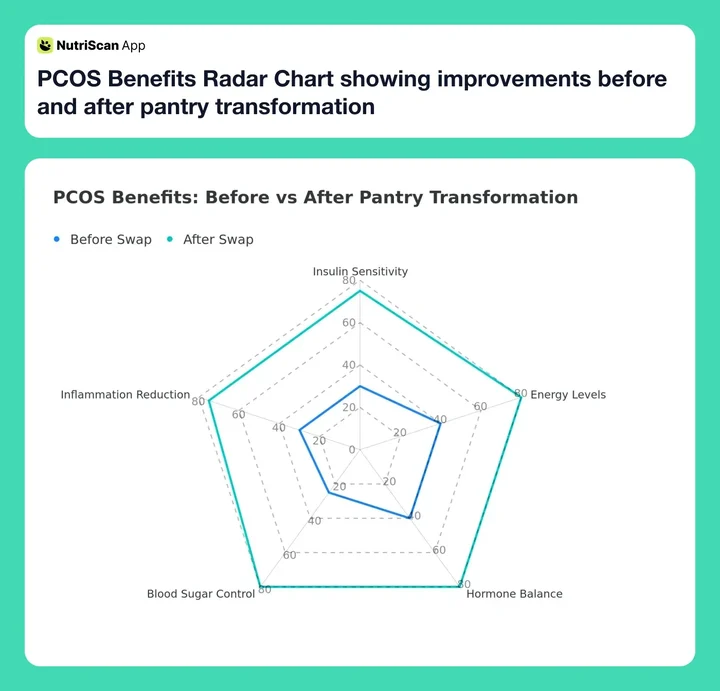 Figure 3: The multi-dimensional benefits of pantry transformation on PCOS symptoms
Grocery List for PCOS Weight Loss: What Changes
If weight loss is the goal, the list does not change much. What changes is the ratio between the columns and the portion of the calorie-dense items.
- Protein goes up first. Aim for a protein source at every meal, not just dinner. Protein blunts the blood sugar rise from whatever it is eaten with, and it is the item most people under-buy.
- Buy vegetables in volume, not variety. Two or three non-starchy vegetables you actually cook beat eight that rot. Frozen counts.
- Cap the calorie-dense health foods. Nuts, nut butters, olive oil, avocado and dried fruit all belong on the list, and all of them are easy to eat past hunger. Buy them in small packs rather than family jars.
- Keep the whole grains, shrink the serving. Quinoa, oats and brown rice stay. A cup of cooked grain per meal instead of two does more for a deficit than cutting the food group.
- Stop buying the drinks that carry calories. Juice, sweetened coffee, and alcohol are the easiest line items to remove from a cart.
Weight loss with PCOS tends to move in steps rather than a straight line, and a stall is normal rather than a sign the list is wrong. If the scale has been flat for weeks, why PCOS weight loss plateaus covers what to change before you cut calories again. Run your numbers through the PCOS Macro Calculator to see how much protein and how many carbs your own targets call for.
7 Actionable Tips for Your PCOS Pantry Transformation
Tip 1: Do a Pantry Audit First
Before you go shopping, take 30 minutes to go through your current pantry. Check expiration dates and read labels. Look for hidden sugars (anything ending in "-ose" is a sugar). Remove or donate items that don't serve your health goals.
Tip 2: Read Labels Like a Detective
The front of the package is marketing. The truth is in the ingredients list and nutrition facts. For PCOS, look for products with at least 3-5g of fiber per serving and 10-15g of protein. Watch out for added sugars hiding under names like high-fructose corn syrup, dextrose, or maltose. Using a tool like NutriScore can help you quickly evaluate food quality.
Tip 3: Shop the Perimeter First, But Don't Skip the Middle
Fresh produce, proteins, and dairy alternatives line the store's perimeter. But don't skip the center aisles - that's where you'll find whole grains, beans, nuts, and seeds. These center-aisle foods are often budget-friendly and last longer. If you are shopping for insulin resistance without a PCOS diagnosis, the same logic drives our diabetic grocery list for stable blood sugar.
Tip 4: Prep for Success
When you get home, take 20 minutes to prep. Wash and cut vegetables, portion out nuts into small containers, and cook a batch of quinoa or brown rice. Having PCOS-friendly foods ready to grab makes healthy eating the easy choice.
Tip 5: Keep Emergency Snacks Ready
Stock your desk, car, and bag with PCOS-friendly snacks. Almonds, protein bars (check the sugar content), and individual nut butter packets can save you from vending machine temptations when hunger strikes.
Tip 6: Start With One Meal
Don't try to change everything at once. Start by improving just your breakfast for two weeks. Once that feels natural, move on to lunch, then dinner. Small, consistent changes beat dramatic overhauls that don't stick.
Tip 7: Track What Works for YOU
Every body is different. What works for one woman with PCOS might not work for another. Pay attention to how different foods make you feel. Do certain foods give you energy? Do others cause bloating or fatigue? This personal data is gold.
Use NutriScan to Track Your Progress
This is where an app like NutriScan for PCOS becomes incredibly useful. Instead of guessing about your nutrition, you can simply take a picture of your meal and get instant analysis of calories, proteins, fats, carbs, and all micro-nutrients. The app tracks your eating patterns over time, helping you identify which foods support your PCOS management and which ones might be triggering symptoms. You can also use our PCOS Macro Calculator to determine your ideal daily intake.
The Pantry Swap Worth Making First
If you only change one thing this week, change this one.
Replace all liquid sweeteners with Ceylon cinnamon.
Most women with PCOS reach for honey, maple syrup, or agave when they want something sweet. These liquid sweeteners spike blood sugar fast, even the "natural" ones. That spike triggers an insulin surge, which causes a crash 2-3 hours later. That crash is what drives the afternoon cravings.
Ceylon cinnamon gives you the warm, sweet flavor without the sugar load. A 2023 umbrella meta-analysis in Diabetology & Metabolic Syndrome found cinnamon supplementation lowered fasting plasma glucose, serum insulin and HOMA-IR in women with PCOS, while noting that the insulin and HOMA-IR evidence rests on small, short trials. Add 1/2 teaspoon to your oatmeal, coffee, or yogurt in place of sweetener.
What the swap does and does not do:
Cinnamon is not an appetite drug, and no study has measured what it does to cravings. What the trials support is steadier fasting glucose and lower insulin resistance. The reason that matters for cravings is mechanical: a flatter blood sugar curve means no 3 p.m. crash, and the crash is what sends most people looking for sugar in the first place.
How to make the swap:
- Get Ceylon cinnamon (not Cassia - check the label)
- Start with 1/4 teaspoon daily, work up to 1/2-1 teaspoon
- Add to morning oatmeal, coffee, smoothies, or Greek yogurt
- Remove liquid sweeteners from your pantry entirely
The point of the swap is that it works on blood sugar rather than on willpower.
Your PCOS Grocery Shopping List, Step by Step
Ready to transform your kitchen? Follow these steps for a smooth transition.
Step 1: Schedule Your Pantry Clean-Out Day
Pick a day when you have 2-3 hours. Put on some music, grab a trash bag and a donation box. Go through every shelf, drawer, and cabinet.
Step 2: Sort Everything Into Three Piles
- Keep: Whole foods, PCOS-friendly items
- Donate: Unopened items that don't fit your new eating plan
- Toss: Expired items or opened products you won't use
Step 3: Create Your PCOS-Friendly Shopping List
Using the checklist above, write down what you need to replace. Focus on stocking these categories:
- Proteins (fish, poultry, legumes)
- Non-starchy vegetables
- Low-GI fruits
- Whole grains
- Healthy fats
- Herbs and spices
Step 4: Go Shopping With Purpose
Eat before you shop (hungry shopping leads to impulse buys). Stick to your list. Read labels on anything packaged.
Step 5: Organize Your New Pantry Strategically
Put PCOS-friendly snacks at eye level. Store treats (if you keep any) in harder-to-reach places. Group similar items together so meal prep is easy.
Step 6: Plan Your First Week of Meals
Using your new ingredients, plan out 5-7 days of meals. Nothing fancy - even just knowing "Monday is salmon with vegetables" removes daily decision fatigue. Our 7-day anti-inflammatory PCOS meal plan maps this exact shopping list onto a week of veg and non-veg meals, and NutriScan's diet plan guide covers the personalized version.
Step 7: Set Up a Simple Tracking System
Whether it's a food journal, an app like NutriScan, or notes on your phone, track what you eat and how you feel. After a month, you'll have useful insights about which foods work best for your body.
 The feeling when your pantry transformation starts showing real results
Three Swap Scenarios, Start to Finish
These are composite examples rather than case studies, built to show what a single swap looks like in an ordinary week.
The 10 a.m. crash
Breakfast is a bagel with cream cheese, and the energy is gone before the first meeting. The swap is overnight oats with chia seeds and berries: same two minutes in the morning, far slower release, and no reason to hunt for a snack at 10.
The evening picker
Crackers and cheese in front of the TV, every night, without deciding to. The swap is vegetable sticks with hummus plus a handful of walnuts, prepped on the shelf where the crackers used to sit. Fiber, protein and fat in the same slot.
The weekend reset
One Saturday spent clearing refined foods out of the cupboards and restocking from the list above. Nothing changes on Saturday. What changes is that every decision the following week is made from a pantry where the easy option is also the right one.
The Science Behind the Swaps
Let me share why these swaps work at a deeper level.
Fiber and Insulin Sensitivity
When you eat fiber-rich foods, they slow down digestion. This means glucose enters your bloodstream gradually rather than all at once. The 2025 Frontiers in Nutrition meta-analysis cited above found high-fiber diets significantly reduced HOMA-IR and fasting glucose in women with PCOS, and also cut the free androgen index while raising SHBG.
Omega-3s and Inflammation
Chronic inflammation is common in PCOS and worsens symptoms. Omega-3 fatty acids found in fatty fish, walnuts, and flaxseeds have anti-inflammatory effects. The Nutrients review cited earlier found omega-3 supplementation reduced serum hs-CRP and malondialdehyde in women with PCOS while raising total antioxidant capacity. Those trials used supplements rather than fish on a plate, so read food as the slower version of the same lever.
Protein and Blood Sugar Balance
Protein takes longer to digest than carbohydrates, keeping you fuller longer and preventing blood sugar spikes. Put a protein source next to the carbohydrate in a meal and the whole meal moves more slowly.
Antioxidants and Hormone Health
Colorful fruits and vegetables contain antioxidants that help combat oxidative stress - another factor in PCOS development. Berries, leafy greens, and brightly colored vegetables are particularly rich in these protective compounds.
Common Mistakes to Avoid
Mistake 1: Going Too Extreme Too Fast
Dramatically cutting entire food groups overnight rarely works long-term. Instead, make gradual swaps that you can maintain.
Mistake 2: Believing All "Health Foods" Are PCOS-Friendly
Many products marketed as healthy are actually loaded with sugar or refined ingredients. Granola, flavored yogurt, and smoothie bowls can be sugar bombs in disguise. Always read labels.
Mistake 3: Ignoring Portion Sizes
Even healthy foods can affect blood sugar if eaten in large amounts. A small handful of nuts is nutritious; eating half the jar in one sitting is not.
Mistake 4: Forgetting About Beverages
Liquid calories from sodas, juices, and fancy coffee drinks add up fast and spike blood sugar quickly. Many women focus on food swaps but forget their drinks.
Mistake 5: Not Planning Ahead
Without a plan, you'll reach for whatever is convenient - which usually isn't the PCOS-friendly option. Meal prep and planning are essential.
Conclusion: Your Kitchen, Your Medicine Cabinet
Managing PCOS through diet doesn't require perfection. It requires consistency and smart choices. Your pantry is the foundation of those choices. When your kitchen is stocked with hormone-supporting foods, eating well becomes the default, not the exception.
Start small. Maybe this week you just swap your breakfast cereal for oats. Next week, trade white rice for quinoa. The week after, stock up on more vegetables. Every small change adds up to significant improvements over time.
Remember, you're not just changing what you eat - you're changing how your body functions. You're supporting your hormones, reducing inflammation, and improving insulin sensitivity with every meal.
Your PCOS journey is unique, and what works for someone else might need adjustment for you. That's why tracking your meals and how they make you feel is so powerful. Tools like NutriScan for PCOS can help you understand exactly what's in your food and identify patterns in your nutrition that affect your symptoms.
You've got this. One swap at a time.

Frequently Asked Questions
Q1: How quickly will I see results after changing my diet for PCOS?
A: Results vary from person to person, but many women notice improvements in energy levels and digestion within 2-3 weeks. Hormonal changes like more regular periods may take 2-3 months of consistent dietary changes. Skin improvements often appear around the 4-6 week mark. The key is consistency - sticking with your swaps long enough for your body to respond.
Q2: Do I need to completely eliminate dairy and gluten if I have PCOS?
A: Not necessarily. While some women with PCOS find relief by reducing dairy or gluten, it's not required for everyone. The best approach is to pay attention to how your body responds. Try reducing one at a time for 3-4 weeks and notice any changes. If you feel better without dairy or gluten, consider limiting them. If you don't notice a difference, there's no need to eliminate them entirely. Focus first on reducing refined sugars and processed foods - these have the most impact for most women with PCOS.
Q3: Are there any fruits I should completely avoid with PCOS?
A: You don't need to completely avoid any fruits. However, some fruits have a higher glycemic impact than others. Watermelon, pineapple, and overripe bananas can cause faster blood sugar spikes. The trick is pairing fruit with protein or fat - apple slices with almond butter, berries with Greek yogurt, or pear slices with cheese. This combination slows down sugar absorption. Also, choose whole fruits over fruit juices, as the fiber in whole fruit helps regulate blood sugar response.
Q4: How can I manage PCOS-friendly eating on a tight budget?
A: Eating for PCOS doesn't have to break the bank. Buy frozen vegetables and berries - they're just as nutritious as fresh and last longer. Purchase whole grains like oats, brown rice, and dried beans in bulk. Canned fish like sardines and mackerel are affordable omega-3 sources. Eggs are one of the most budget-friendly protein sources. Focus on seasonal produce which is typically cheaper. Cook at home more often - even simple meals save money compared to eating out. Planning your meals for the week also reduces food waste and impulse purchases.
Q5: Can I still eat out at restaurants while following a PCOS-friendly diet?
A: Yes, you can! Eating out requires some strategy but is completely doable. Look for grilled proteins instead of fried options. Ask for vegetables as your side instead of fries or rice. Request dressings and sauces on the side so you control the amount. Choose restaurants with customizable options. Don't be afraid to ask how dishes are prepared. Many cuisines offer naturally PCOS-friendly options - Mediterranean restaurants with grilled fish and vegetables, Asian restaurants with stir-fried proteins and vegetables, or Mexican places where you can build a salad bowl. Using NutriScan, you can even scan your restaurant meal to understand its nutritional content and make informed choices about portion sizes.
Q6: What should be on a PCOS friendly grocery list?
A: Six sections cover it. Protein (fatty fish, eggs, poultry, lentils, chickpeas, tofu), non-starchy vegetables (leafy greens, cruciferous vegetables, peppers, zucchini), low-GI fruit (berries, apples, pears, citrus), intact whole grains (quinoa, steel-cut oats, brown rice, barley), anti-inflammatory fats (olive oil, walnuts, chia, flaxseed, avocado), and flavor that helps rather than hurts (cinnamon, turmeric, ginger, garlic). An item earns a spot if it raises blood sugar slowly, brings fiber, protein or fat along with it, and does not add to inflammation.
Q7: What changes on a grocery list for PCOS weight loss?
A: The foods stay the same and the ratios change. Buy more protein so every meal has a source rather than just dinner. Buy non-starchy vegetables in volume rather than variety, frozen included. Buy the calorie-dense health foods (nuts, nut butter, olive oil, avocado, dried fruit) in small packs, since those are the items easiest to eat past hunger. Keep whole grains on the list and plan around one cup cooked per meal. Drop the drinks that carry calories: juice, sweetened coffee and alcohol.
Q8: How do I turn this into a one-week PCOS shopping list?
A: Pick two proteins, three non-starchy vegetables, one low-GI fruit, one whole grain and one healthy fat, then multiply by the meals you actually cook that week. That is roughly 9 to 12 line items, not 60. Add one pantry swap from the tables each week instead of replacing everything at once, and run the same PCOS shopping list for two or three weeks before changing it.