Requesón: Calorías, Nutrición y Beneficios para la Salud
La potencia proteica viral de 2025—repleta de caseína de digestión lenta, baja en calorías y perfecta para ganar músculo, perder peso y el estilo de vida alto en proteínas de moda.
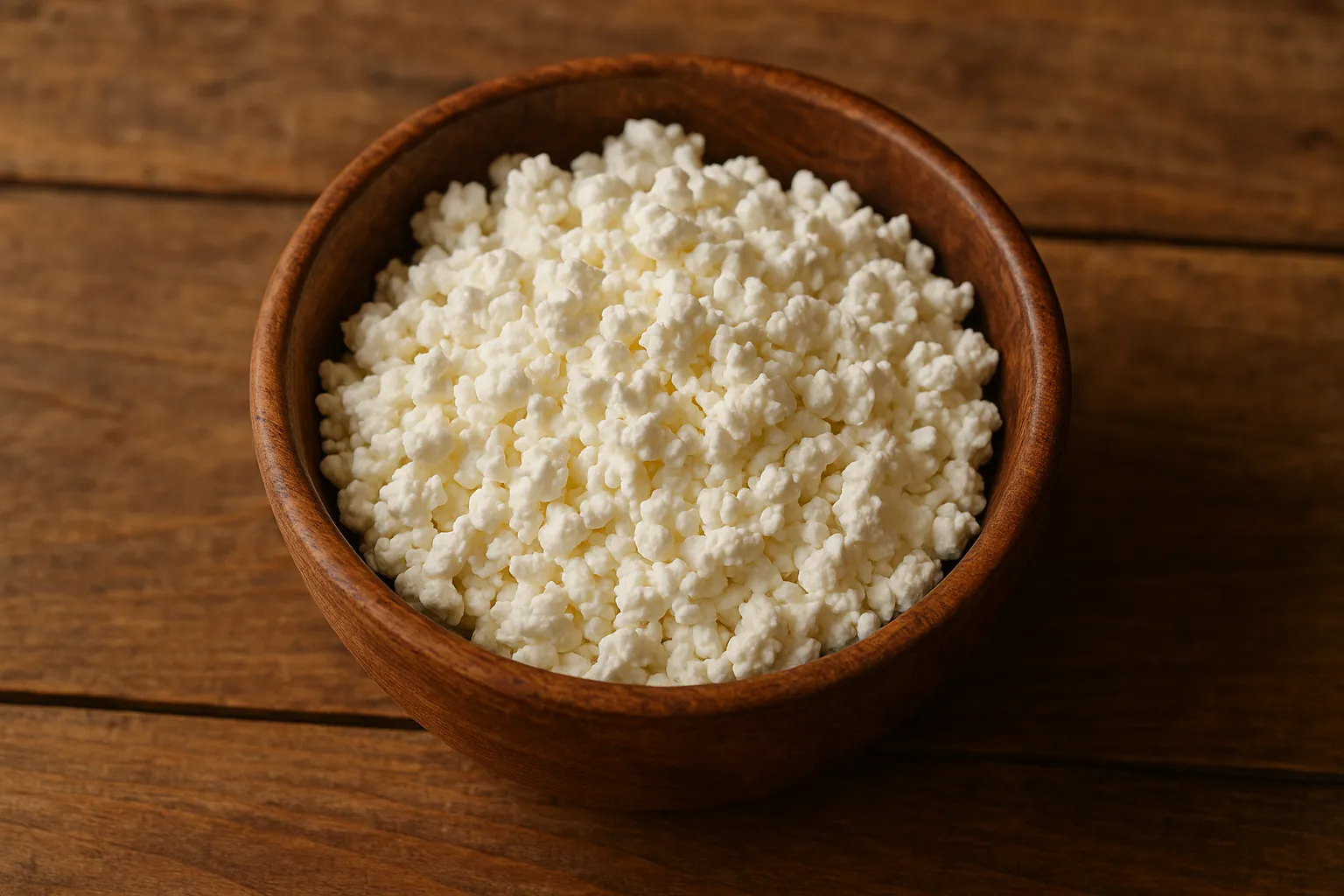
Información Nutricional Rápida
Per 1/2 Cup (113 g)
| Nutriente | Cantidad |
|---|---|
| Calorías | 111 kcal |
| Proteínas | 12.5 g |
| Carbohidratos | 3.8 g |
| Azúcares | 3.8 g |
| Grasas | 5 g |
| Sodio | 411 mg |
| Calcio | 94 mg |
| Phosphorus | 171 mg |
| Selenium | 11 mcg |
| Vitamina B12 | 0.6 mcg |
Desglose de Macronutrientes
 ChatGPT
  Claude
  AI Mode
  Perplexity
PERSPECTIVA DEL NUTRICIONISTA
Requesón queso contiene 80% casein proteínas, cuál digests slowly over 6-8 hours, providing sustained amino acid release. La investigación muestra it aumenta muscle proteínas synthesis rates ambos at rest and durante exercise recovery, making it el ideal pre-sleep proteínas for construcción muscular. Con 25% más proteínas que Griego yogurt por porción, it's dominating el 2025 alto-proteínas food trend.
Desmintiendo Mitos
MITO #1: Queso Requesón Es Fattening
REALIDAD: Requesón queso es bajo-calorie (98 cal per 100 g) and alto-proteínas (11 g). Bajo-grasas versions have solo 1-2% grasas. El TikTok viral trend proves its pérdida de peso benefits—sales jumped 20% in 2025 as personas discovered its alto satiety and bajo calorie density. Elegir 1% or 2% milkfat versions for optimal lean proteínas.
MITO #2: Todo Proteínas Sources Son Iguales para Construcción Muscular
REALIDAD: Requesón queso's casein proteínas proporciona superior sustained amino acid release vs whey. Pre-sleep queso requesón supplementation aumenta muscle proteínas synthesis, muscle mass, and strength durante resistance training. El slow digestion (6-8 hours) previene overnight muscle breakdown mejor que fast proteins.
MITO #3: El Alto Sodio Content Makes It Unhealthy
REALIDAD: Despite 364 mg sodio per 100 g (16% DV), la investigación muestra no negative blood pressure effects from queso requesón consumption. El combination of calcio, potasio, and bioactive peptides puede offset sodio concerns. Bajo-sodio varieties (140 mg/100 g) son disponible, or rinse regular queso requesón to reduce sodio by 60%.
MITO #4: Queso Requesón Es Solo a Bland Diet Food
REALIDAD: El 2025 TikTok trend exploded queso requesón into creative recipes: ice cream, bagels, flatbreads, wraps, and desserts. Its mild flavor makes it versatile for sweet (berries, honey) or savory (herbs, vegetables) preparations. Food influencers created strawberry cheesecake ice cream, banana cream pie, and proteínas-packed horneado goods.
MITO #5: Griego Yogurt Es Mejor Que Queso Requesón for Proteínas
REALIDAD: Requesón queso proporciona 25% más proteínas que Griego yogurt por porción (12.5 g vs 10 g per 1/2 cup). Mientras Griego yogurt has más probiotics, queso requesón wins for pure proteínas density and casein's slow-release benefits for construcción muscular and satiety.
MITO #6: Queso Requesón Causes Digestive Issues Due to Dairy
REALIDAD: Requesón queso es menor in lactose que milk (3-4 g vs 12 g por taza) due to el fermentation process. Muchos lactose-sensitive personas tolerate queso requesón mejor que milk. El live cultures in algunos brands add probiotic benefits. Elegir lactose-gratis varieties if highly sensitive.
NutriScore por Objetivos de Salud
| Objetivo de Salud | NutriScore | ¿Por qué esta puntuación? |
|---|---|---|
| Pérdida de Peso |  | 98 cal per 100 g, 11 g proteínas proporciona alto satiety. Slow-digesting casein keeps you lleno 3-4 hours. Perfect as snacks or antes bed. |
| Ganancia Muscular | | Aumenta muscle proteínas synthesis rates. 12.5 g casein per 1/2 cup proporciona sustained amino acid release. Ideal pre-sleep proteínas. |
| Control de Diabetes | | Reduce gestational diabetes risk 59%. Bajo carb (3.4 g/100 g), alto proteínas mejora insulin response. Excellent for azúcar en sangre control. |
| Control del SOP | | Alto proteínas, bajo carb apoya insulin sensitivity. 11 g proteínas per 100 g ayuda manage peso and hormone balance. Elegir bajo-grasas versions. |
| Nutrición en el Embarazo | | Inversely associated con gestational hypertension and diabetes. Rich in calcio (94 mg per 1/2 cup), proteínas for fetal development. Safe diario. |
| Viral/Recuperación de Gripe |  | Easy to digest, alto proteínas apoya immune function and muscle preservation. Gentle on stomach. Watch sodio if dehydrated. |
NUTRICIÓN PERSONALIZADA
¡Rastrea tus comidas con NutriScan para personalizados NutriScores based on your specific health goals!
Respuesta de Azúcar en Sangre al Requesón
Understanding queso requesón's impact on glucosa en sangre ayuda optimize its usar for control de diabetes and energy stability.
Curva de Respuesta de Glucosa Típica
Este gráfico muestra respuesta típica de glucosa en sangre para individuos sanos en general. Las respuestas individuales pueden variar. No es consejo médico.
Proteínas-Powered Glucose Control
Requesón queso has minimal azúcar en sangre impact (bajo GI ~30) due to solo 3.4 g carbohidratos per 100 g. La investigación muestra it actually aumenta insulin response 3.6-fold, improving glucose uptake:
- 🍓 Add fresco berries - Natural sweetness con fibra slows absorption further
- 🥜 Mix con nuts or seeds - Saludable fats enhance satiety and nutrient absorption
- 🍌 Pair con fruit - Proteínas blunts fruit's glycemic impact by 40-50%
- 🥖 Spread on whole grain toast - Alto proteínas reduce bread's GI significativamente
La investigación muestra queso requesón induces 3.6-fold greater insulin response que glucose alone, improving glycemic control in type 2 diabetes.
Significado Cultural
Requesón queso originated in ancient Mesopotamia around 5000 BCE as a method to preserve milk through acid fermentation, making it one of humanity's oldest queso varieties.
In America:
- Gained popularity durante World War I as affordable proteínas durante meat shortages
- 1950s-1970s: Diet culture staple paired con canned peaches
- 1980s-2000s: Declined in popularity con Griego yogurt rise
- 2023-2025: TikTok Renaissance – Sales jumped 20% annually, viral recipes caused nationwide shortages
2025 Viral Trend Impact:
- TikTok recipe videos skyrocketed popularity (queso requesón ice cream, bagels, flatbreads)
- Organic Valley reported "selling faster que we puede hacer it"
- Driven by alto-proteínas, bajo-azúcar, GLP-1 diet compatibility
- Spring 2023: Requesón queso ice cream recipes went viral
- 2025: 30%+ sales growth for major brands
Global Variations:
- Tvorog (Eastern Europe) – Drier, mayor grasas content, usado in blintzes and pastries
- Paneer (India) – Firm pressed queso requesón for cooking
- Quark (Germany) – Smoother, creamier European variant
Comparar y Sustituir
Queso Requesón vs Similar Alto-Proteínas Foods (Per 100 g)
| Nutriente | 🧀 Queso Requesón | 🥛 Griego Yogurt | 🧀 Ricotta | 🥛 Skyr |
|---|---|---|---|---|
| Calorías | 98 kcal | 97 kcal | 174 kcal | 63 kcal |
| Proteínas | 11 g | 10 g | 11.3 g | 11 g |
| Carbohidratos | 3.4 g | 3.6 g | 3 g | 4 g |
| Grasas | 4.3 g | 5 g | 13 g | 0.2 g |
| Sodio | 364 mg | 35 mg | 84 mg | 40 mg |
| Calcio | 83 mg | 115 mg | 207 mg | 150 mg |
| Proteínas Type | 80% casein (slow) | 80% casein (slow) | Whey + casein mix | 80% casein (slow) |
| Mejor Para | Muscle gain, pre-sleep proteínas | Probiotics, gut health | Italian cooking, alto calcio | Bajo-grasas, alto proteínas |
Preguntas Frecuentes
Es queso requesón bueno for pérdida de peso?
Yes, queso requesón es excellent for pérdida de peso. Con solo 98 calorías per 100 g and 11 g proteínas, it proporciona exceptional satiety per calorie.
Peso loss benefits: Slow-digesting casein keeps you lleno 3-4 hours; alto proteínas aumenta thermogenesis; bajo calorie density allows larger porciones; 2025 TikTok viral trend confirmed its pérdida de peso popularity.
Mejor practices: Consume as snacks between meals; eat 1/2 cup antes bed to prevent overnight hunger; pair con vegetables or fruit; elegir 1% or 2% milkfat versions for optimal lean proteínas.
Es queso requesón bueno for ganancia muscular?
Absolutely—queso requesón es one of el mejor muscle-building foods. La investigación muestra it aumenta muscle proteínas synthesis rates ambos at rest and durante recovery from exercise.
Muscle-building benefits: 12.5 g casein proteínas per 1/2 cup proporciona sustained amino acid release for 6-8 hours; previene overnight muscle breakdown; apoya resistance training adaptations; aumenta muscle mass and strength cuando consumed pre-sleep.
Optimal timing: 1/2-1 cup 30-60 minutes antes bed; post-workout con fruit for glycogen and proteínas; throughout día as alto-proteínas snacks.
Cómo mucho proteínas es in queso requesón?
Requesón queso contiene 11-12 g proteínas per 100 g. A standard 1/2 cup porción (113 g) proporciona 12.5 g proteínas—25% más que Griego yogurt por porción.
Proteínas quality: 80% casein (slow-digesting), 20% whey (fast-digesting); complete proteínas con todo esencial amino acids; alto leucine content for muscle proteínas synthesis.
Comparison: 1/2 cup queso requesón (12.5 g proteínas) vs 1/2 cup Griego yogurt (10 g proteínas) vs 1 whole egg (6 g proteínas).
¿Pueden los diabéticos comer queso requesón?
Yes, diabetics puede and debería eat queso requesón. La investigación muestra queso requesón consumption reduce gestational diabetes risk by 59% and mejora insulin response.
Benefits for diabetics: Solo 3.4 g carbohidratos per 100 g (muy bajo); aumenta insulin response 3.6-fold, improving glucose uptake; alto proteínas stabilizes azúcar en sangre; bajo glycemic index (~30).
Mejor practices: Pair con fibra-rich vegetables or berries; consume con meals to blunt carb absorption; elegir plain varieties sin added azúcares; monitor azúcar en sangre response initially.
Por qué es queso requesón trending on TikTok in 2025?
Requesón queso sales jumped 20% in 2025 following viral TikTok recipe videos. El trend caused nationwide shortages as producers struggled to mantener up con demand.
Por qué it went viral: Alto proteínas (11 g per 100 g), bajo azúcar, optimal for GLP-1 diets; versatile for recipes (ice cream, bagels, flatbreads, wraps); fits health-conscious, alto-proteínas lifestyle trend; Spring 2023 viral queso requesón ice cream recipes exploded.
Popular recipes: Strawberry cheesecake ice cream, banana cream pie, queso requesón bagels, proteínas flatbreads, alto-proteínas desserts. Organic Valley reported 30%+ sales growth in 2025.
Es queso requesón alto in sodio?
Yes, regular queso requesón es relatively alto in sodio (364 mg per 100 g, 16% DV). Sin embargo, este hasn't been shown to negatively impact blood pressure.
Sodio context: La investigación muestra no adverse blood pressure effects despite sodio content; calcio, potasio, and bioactive peptides puede offset sodio; fermented products contain ACE-inhibiting biopeptides.
Bajo-sodio options: Bajo-sodio queso requesón (140 mg per 100 g, 60% reduction); rinse regular queso requesón to reduce sodio 50-60%; elegir "no salt added" varieties; límite to 1 porción diario if sodio-sensitive.
Cuando es el mejor tiempo to eat queso requesón?
Depends on your goal:
- Ganancia Muscular: 30-60 minutes antes bed (casein previene overnight muscle breakdown, sustained amino acid release for 6-8 hours).
- Pérdida de Peso: As snacks between meals or antes bed (alto satiety, previene late-night hunger).
- Diabetes: Con or después meals containing carbohidratos (proteínas blunts glucose spike, mejora insulin response).
- General Health: Cualquier tiempo as alto-proteínas snack or meal component.
Pro tip: Pre-sleep queso requesón consumption es scientifically proven to increase muscle proteínas synthesis and support muscle mass gains durante resistance training.
Cómo mucho queso requesón debería I eat per día?
General guidelines:
- 1/2 cup (113 g) – Optimal for la mayoría adults (111 cal, 12.5 g proteínas)
- 1 cup (226 g) – Athletes, ganancia muscular goals (222 cal, 25 g proteínas)
- 1/4-1/2 cup – Peso loss, menor calorie needs
Evitar excess: Más que 1-1.5 cups diario puede provide too mucho sodio (730-1100 mg, 32-48% DV) unless using bajo-sodio varieties. Balance con otro proteínas sources for amino acid variety.
Track queso requesón intake con NutriScan aplicación to optimize porciones for your goals.


Alimentos Nutritivos Similares
4505 Chicharrones Classic Chili Salt
7 Eleven Japan Crispy Corn Cheese
Explora Más Herramientas y Recursos Nutricionales
App de agua y calorías gratis con registro diario
App de ayuno intermitente gratis con temporizador
App de macros: NutriScan las rellena desde una foto
App de plan de comidas para volumen limpio
App de plan de comidas vegetariano con objetivo de proteína
App de Plan de Dieta India Vegetariana y No Vegetariana
App de plan de dieta mediterránea que cuenta el aceite
App nutricionista con IA que lee tus comidas
App para Subir de Peso: Plan de Dieta con IA
Ayuno Intermitente para Mujeres, Timer y Registro de Comidas
Coach de pérdida de peso ChatGPT: con registro
Contador de Calorías Activado por Voz - Di tus Comidas y Rastrea Nutrición Sin Manos — 2026
Contador de calorías ChatGPT: alternativa que no lo olvida
Contador de Calorías con IA: calorías con fotos, gratis
Contador de calorías de comida rápida con foto
Contador de calorías gratis con fotos | NutriScan
Contador de Calorías para Comida Española - Información Nutricional Instantánea — 2026
Escáner de Etiquetas Nutricionales para tu Ración Real
Generador Lista de Compras Keto
Generador Lista de Compras Mensual
Guía Proteína Tercer Trimestre
Plan de comidas semanal con calorías y lista de compras
Plan de dieta ChatGPT: alternativa que registra comidas
Plan de Dieta para Ganar Peso España