Haldiram's Soya Sticks: calorías, nutrición y beneficios para la salud
Crispy soya-based Indian snack packed con plant proteínas, masala seasoning, and traditional namkeen flavor for mindful munching.
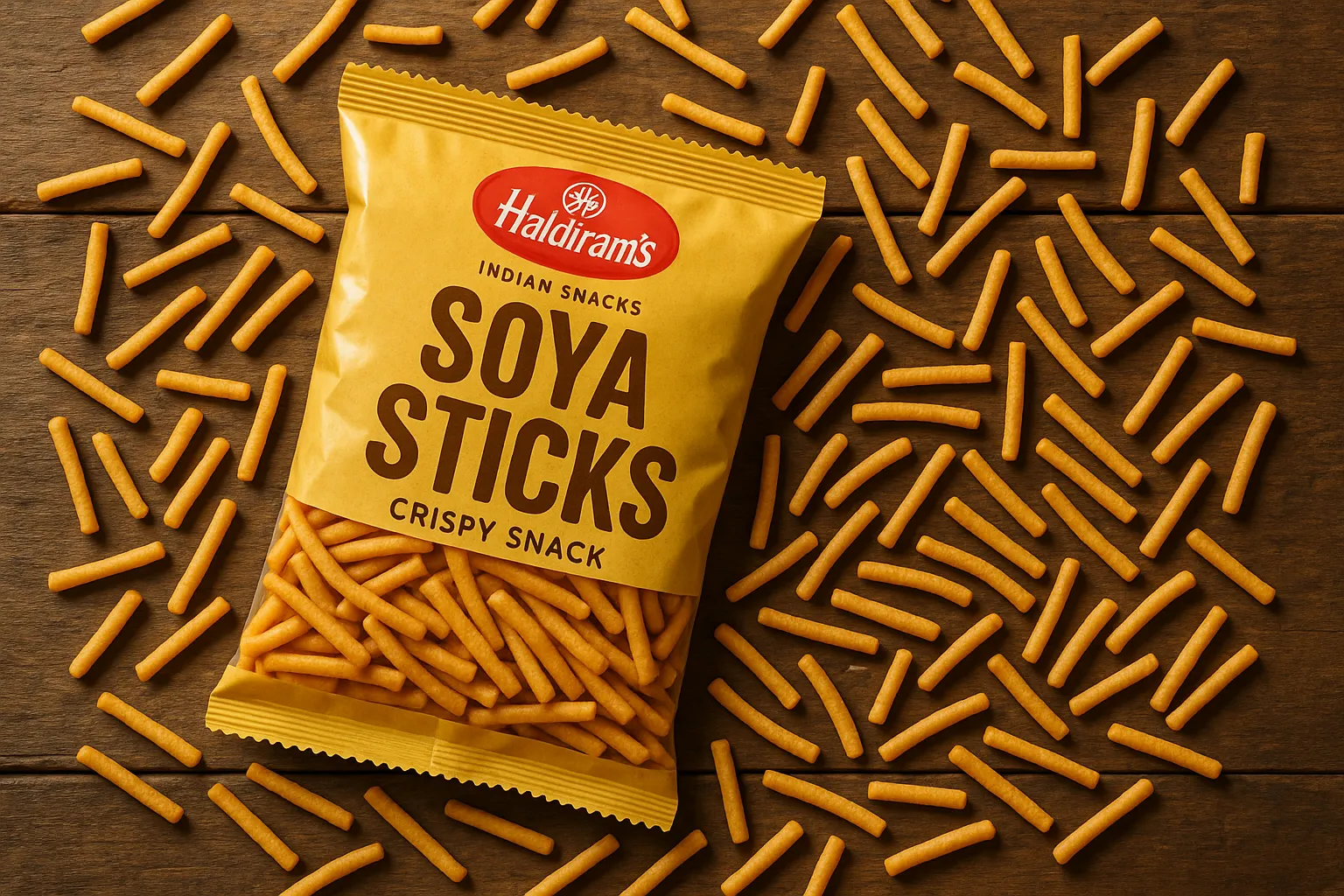
Datos Rápidos de Nutrición
Por 100g Serving
| Nutriente | Cantidad |
|---|---|
| Calorías | 510 kcal |
| Proteínas | 25g |
| Carbohidratos | 47g |
| Fibra | 8g |
| Azúcares | 3g |
| Grasas | 25g |
| Grasas Saturadas | 4g |
| Sodio | 850mg |
| Hierro | 4.5mg |
| Calcio | 180mg |
Desglose de Macronutrientes
 ChatGPT
  Claude
  AI Mode
  Perplexity
CONSEJO DEL NUTRICIONISTA
Haldiram's Soya Sticks provide 25g of plant-based proteínas por 100g, making them one of el highest-proteínas Indian namkeen options. El soy proteínas contiene todo nine esencial amino acids and ofrece saludable para el corazón isoflavones. Control de porciones es esencial due to alto calorie density.
Mitos vs Realidad
MITO #1: Soya Sticks Son a Saludable Snack for Diario Eating
REALIDAD: Mientras alto in proteínas (25g por 100g), Soya Sticks contain 510 calorías and 850mg sodio por 100g. Diario consumption puede lead to excess sodio intake linked to hypertension. Límite to 2-3 times weekly in 20-30g porciones for beneficios para la salud sin drawbacks.
MITO #2: Todo Soya Products Disrupt Hormones
REALIDAD: Moderado soy consumption (25-50g proteínas diario) es safe for la mayoría personas. Soy isoflavones don't negatively affect testosterone or estrogen in saludable adults. Solo evitar if you have thyroid conditions or soy allergies. El 7-8g soy proteínas in a 30g Soya Sticks porción es bien within safe limits.
MITO #3: Frito Snacks Have Zero Nutritional Value
REALIDAD: Despite deep-frying, Soya Sticks retain valuable nutrientes incluyendo 25g proteínas, 8g fibra, and 4.5mg hierro por 100g. El bioavailability of soy proteínas remains alto incluso después processing. Sin embargo, el alto-grasas preparation adds 25g grasas por 100g, so control de porciones remains crucial.
MITO #4: Plant Proteínas Es Inferior to Animal Proteínas
REALIDAD: Soy proteínas es a complete proteínas con todo nine esencial amino acids. Los estudios muestran soy proteínas es as effective as whey for construcción muscular cuando consumed in adequate amounts. A 30g Soya Sticks porción proporciona 7.5g proteínas, comparable to one egg.
MITO #5: Namkeen Es Solo Empty Calorías
REALIDAD: Quality matters. Haldiram's Soya Sticks provide meaningful nutrition: 25g proteínas apoya muscle maintenance; 8g fibra aids digestion; calcio and hierro support bone and blood health. El key es treating it as a proteínas snack (20-30g) rather que mindless munching (100g+).
MITO #6: Soya Causes Peso Gain
REALIDAD: Peso gain comes from calorie surplus, not specific foods. At 510 calorías por 100g, overeating Soya Sticks puede contribute to peso gain. Sin embargo, el 25g proteínas and 8g fibra promote satiety, potentially reducing overall calorie intake cuando consumed mindfully in pequeño porciones (20-30g).
NutriScore por Objetivos de Salud
| Objetivo de Salud | NutriScore | ¿Por qué esta puntuación? |
|---|---|---|
| Pérdida de Peso |  | Alto calorías (510 por 100g) require strict control de porciones, but 25g proteínas and 8g fibra promote fullness. Límite to 20-30g porciones. |
| Ganancia Muscular |  | Excellent plant proteínas source (25g por 100g) for vegetarians. Bueno post-workout snack combined con carbohidratos for glycogen replenishment. |
| Control de Diabetes | | Alto carbohidratos (47g por 100g) but proteínas and fibra help moderado azúcar en sangre response. Límite to 15-20g porciones, monitor glucose. |
| Control del SOP | | Plant proteínas apoya hormone balance, but alto sodio and calorías require moderación. 20g porción proporciona proteínas sin excess calorías. |
| Nutrición en el Embarazo | | Soy proteínas and hierro support fetal development, calcio aids salud ósea. Límite to 30g porciones due to sodio; elegir bajo-salt varieties. |
| Viral/Recuperación de Gripe | | Proteínas apoya immune function, but alto sodio puede cause water retention. Mejor options exist for hydration and recovery; usar sparingly as proteínas source. |
NUTRICIÓN PERSONALIZADA
Registra tus comidas con NutriScan para personalizados NutriScores based on your specific health goals!
Respuesta de Azúcar en Sangre to Soya Sticks
Understanding cómo Soya Sticks affect glucosa en sangre ayuda optimize porción sizes and timing for mejor metabolic health.
Curva Típica de Respuesta de Glucosa
Este gráfico muestra respuesta típica de glucosa en sangre para individuos sanos en general. Las respuestas individuales pueden variar. No es consejo médico.
Cómo to Optimize Respuesta de Azúcar en Sangre
Pairing Soya Sticks con additional proteínas or saludable fats further slows glucose absorption and reduce el peak:
- 🥛 Buttermilk or lassi - Adds probiotics and dilutes sodio
- 🥒 Cucumber raita or salad - Proporciona hydration and fibra
- 🥜 Crudo almendras or walnuts - Additional saludable fats slow digestion
- 🍋 Nimbu pani (lemon water) - Ayuda con hydration and sodio balance
El 25g proteínas and 8g fibra in Soya Sticks ya provide moderado azúcar en sangre control compared to bajo-proteínas namkeen, but estos pairings enhance el effect mientras balancing sodio intake.
Importancia Cultural
Soya-based snacks emerged in India durante el 1970s as affordable, proteínas-rich alternatives to traditional namkeen hecho from lentils and gram flour.
In India:
- Haldiram's pioneered soya-based namkeen in Indian market
- Popular vegetarian proteínas source in proteínas-conscious households
- Frecuentemente served durante festivals and family gatherings
- Regional variations include diferente spice blends across North and West India
- Parte of el broader soya revolution addressing proteínas deficiency
Global Impact:
- Soy cultivation apoya sustainable agriculture con nitrogen-fixing properties
- India es among top 5 soy-consuming nations globally
- Soy products offer affordable proteínas in developing economies
- Growing demand for plant-based proteins drives innovation
Compara y Sustituye
Haldiram's Soya Sticks vs Similar Snacks (Por 100g)
| Nutriente | 🥨 Soya Sticks | 🥨 Bhujia | 🥜 Tostado Chana | 🥨 Moong Dal |
|---|---|---|---|---|
| Calorías | 510 kcal | 535 kcal | 370 kcal | 450 kcal |
| Carbohidratos | 47g | 52g | 61g | 58g |
| Fibra | 8g | 4g | 12g | 6g |
| Proteínas | 25g | 12g | 20g | 15g |
| Grasas | 25g | 32g | 5g | 18g |
| Sodio | 850mg | 950mg | 15mg | 750mg |
| Hierro | 4.5mg | 2.8mg | 4.8mg | 3.2mg |
| Mejor Para | Alto proteínas needs | Traditional taste | Peso loss, bajo grasas | Balanced snacking |
Preguntas Frecuentes
Son Haldiram's Soya Sticks bueno for pérdida de peso?
Soya Sticks puede support pérdida de peso in strict moderación. Mientras el 25g proteínas promueve fullness, at 510 calorías por 100g, control de porciones es critical.
Mejor practices: Límite to 20-30g porciones (aproximadamente 150 calorías); eat as a planned snack, not mindless munching; pair con vegetables or buttermilk; track porciones con NutriScan aplicación.
¿Pueden los diabéticos comer Haldiram's Soya Sticks?
Diabetics puede eat Soya Sticks in muy pequeño porciones (15-20g). El alto proteínas and fibra help moderado azúcar en sangre response compared to otro frito snacks.
Tips for diabetics:
- Maximum 20g porción (aproximadamente 100 calorías, 9g carbohidratos)
- Siempre consume con meals or proteínas-rich foods
- Mejor timing: con lunch rather que as standalone snack
- Monitor glucosa en sangre 2 hours después eating
- Elegir bajo-salt versions cuando disponible
El proteínas-to-carb ratio es mejor que la mayoría namkeen, but total carb content (47g por 100g) todavía requires careful portioning.
Cómo mucho proteínas es in Haldiram's Soya Sticks?
Haldiram's Soya Sticks contain 25g of proteínas por 100g, making them one of el highest-proteínas Indian snacks. A typical 30g porción proporciona aproximadamente 7.5g complete plant proteínas con todo nine esencial amino acids.
For ganancia muscular or vegetarian proteínas needs, a 40-50g porción puede provide 10-12.5g proteínas, comparable to a proteínas-rich meal component.
Qué son el main beneficios para la salud of Soya Sticks?
Key Benefits:
- Alto Plant Proteínas: 25g complete proteínas apoya muscle maintenance and repair
- Dietary Fibra: 8g fibra aids salud digestiva and satiety
- Heart Health: Soy isoflavones puede help reduce LDL cholesterol
- Hierro Source: 4.5mg hierro apoya oxygen transport and previene anemia
- Calcio Content: 180mg calcio apoya salud ósea
- Vegetarian Nutrition: Complete amino acid profile for vegetarian diets
Cuando es el mejor tiempo to eat Soya Sticks?
Depends on your goal:
- Pérdida de Peso: Mid-morning or afternoon snack (20-30g porción), not late night. Pair con vegetables.
- Ganancia Muscular: Post-workout proteínas snack (40-50g) or between meals to meet proteínas targets.
- Diabetes: Con lunch or dinner to slow carb absorption; evitar as standalone snack.
- General Health: Mid-día snack con hydrating beverages to balance sodio.
IMPORTANT NOTE
Evitar eating grande porciones antes bed due to alto calorie and sodio content. Siempre pair con water or hydrating beverages.
Son Soya Sticks healthier que otro namkeen?
Soya Sticks offer unique nutritional advantages but aren't universally "healthier."
Advantages over otro namkeen:
- Mayor proteínas (25g vs 8-15g in la mayoría namkeen)
- Mejor fibra content (8g vs 2-4g in bhujia)
- Complete amino acid profile from soy
- Menor in grasas saturadas que algunos frito options
Similar drawbacks:
- Alto calorías (510 vs 450-550 for la mayoría namkeen)
- Alto sodio (850mg vs 750-1000mg)
- Deep-frito con added oils
Recommendation: Elegir Soya Sticks cuando prioritizing proteínas intake; elegir tostado chana or horneado options for pérdida de peso; elegir moong dal for balanced nutrition.
Cómo muchos Soya Sticks debería I eat por porción?
Recomendado Portions:
- 20-30g porción - Peso loss, diabetes, general snacking (100-150 calorías)
- 30-40g porción - Active adults, maintenance diet (150-200 calorías)
- 40-50g porción - Muscle gain, alto proteínas needs, athletes (200-250 calorías)
Visual Guide: 20g es aproximadamente a pequeño handful; 30g fills a pequeño katori (bowl); 50g es a medium katori.
Evitar: Eating directly from el packet. Siempre porción into a bowl and track con NutriScan aplicación to prevent overeating.
Puede I eat Soya Sticks diario?
Generalmente no recomendado diario due to alto sodio (850mg por 100g) and calorie density.
Mejor approach:
- 2-3 times weekly at la mayoría (for general health)
- Alternate con otro proteínas sources (tostado chana, nuts, yogurt)
- Strict control de porciones cuando consuming (20-30g maximum)
- Monitor sodio intake from otro meals on días you eat Soya Sticks
Diario soya consumption es safe from a proteínas perspective, but el frito, salted nature of Soya Sticks makes them mejor suited as an occasional proteínas snack rather que a staple food.


Similar Nutritivo Snacks
4505 Chicharrones Classic Chili Salt
7 Eleven Japan Crispy Corn Cheese
Explore Más Nutrition Tools & Resources
App de agua y calorías gratis con registro diario
App de ayuno intermitente gratis con temporizador
App de macros: NutriScan las rellena desde una foto
App de plan de comidas para volumen limpio
App de plan de comidas vegetariano con objetivo de proteína
App de Plan de Dieta India Vegetariana y No Vegetariana
App de plan de dieta mediterránea que cuenta el aceite
App nutricionista con IA que lee tus comidas
App para Subir de Peso: Plan de Dieta con IA
Ayuno Intermitente para Mujeres, Timer y Registro de Comidas
Coach de pérdida de peso ChatGPT: con registro
Contador de Calorías Activado por Voz - Di tus Comidas y Rastrea Nutrición Sin Manos — 2026
Contador de calorías ChatGPT: alternativa que no lo olvida
Contador de Calorías con IA: calorías con fotos, gratis
Contador de calorías de comida rápida con foto
Contador de calorías gratis con fotos | NutriScan
Contador de Calorías para Comida Española - Información Nutricional Instantánea — 2026
Escáner de Etiquetas Nutricionales para tu Ración Real
Generador Lista de Compras Keto
Generador Lista de Compras Mensual
Guía Proteína Tercer Trimestre
Plan de comidas semanal con calorías y lista de compras
Plan de dieta ChatGPT: alternativa que registra comidas
Plan de Dieta para Ganar Peso España