Mozzarella Queso: calorías, nutrición y beneficios para la salud
Creamy Italian queso packed con proteínas, calcio, and versatile flavor for construcción muscular and salud ósea.
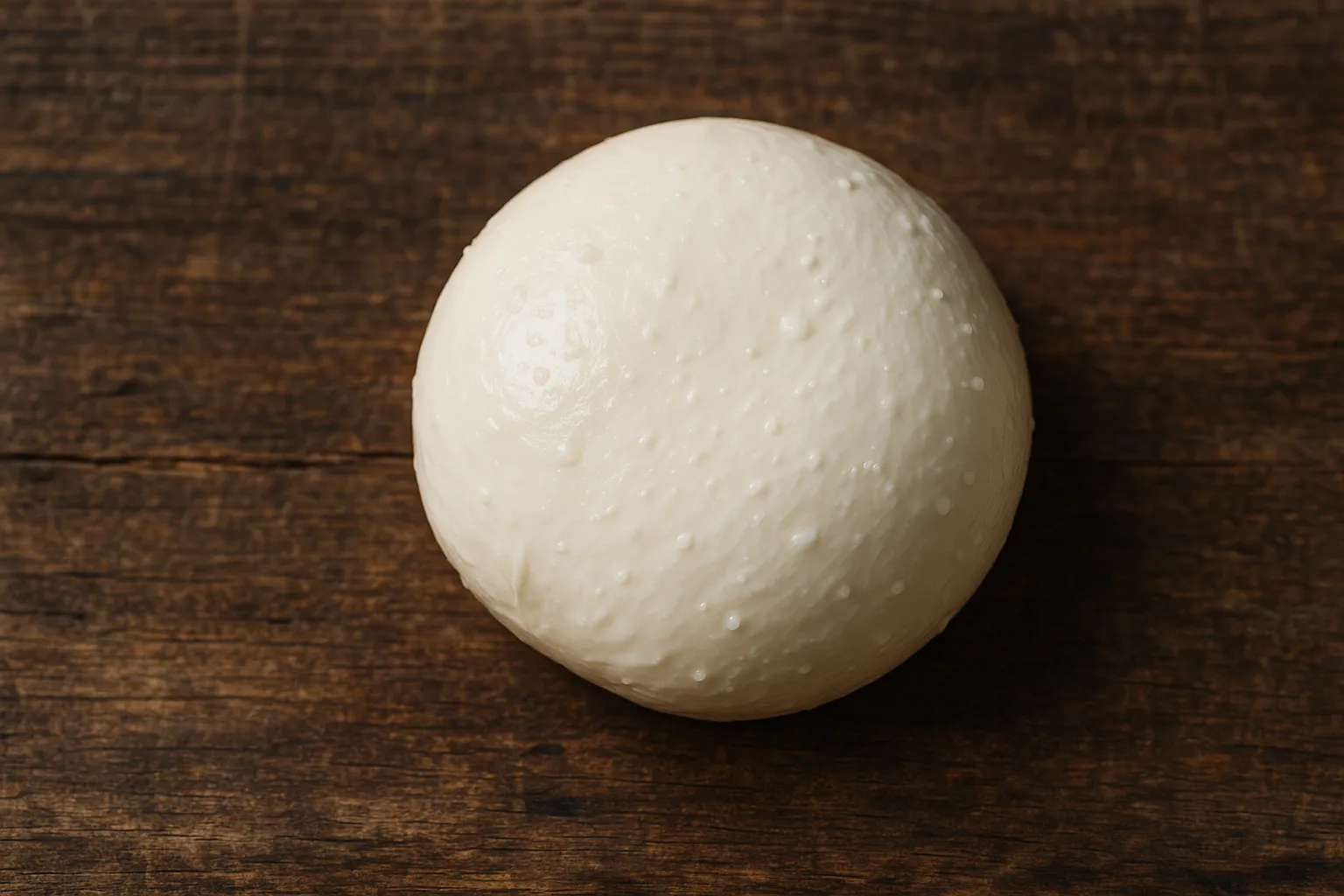
Datos Rápidos de Nutrición
Por 100g (3.5 oz)
| Nutriente | Cantidad |
|---|---|
| Calorías | 280 kcal |
| Proteínas | 28g |
| Carbohidratos | 3g |
| Fibra | 0g |
| Azúcares | 1g |
| Grasas | 17g |
| Grasas Saturadas | 11g |
| Calcio | 505mg |
| Sodio | 627mg |
| Phosphorus | 354mg |
| Vitamina B12 | 1.1mcg |
Desglose de Macronutrientes
 ChatGPT
  Claude
  AI Mode
  Perplexity
CONSEJO DEL NUTRICIONISTA
Mozzarella proporciona 28g proteínas and 50% of diario calcio needs por 100g. Fresco mozzarella es menor in calorías and sodio que aged varieties. El alto proteínas content makes it excellent for construcción muscular and satiety durante pérdida de peso.
Mitos vs Realidad
MITO #1: Todo Queso Es Bad for Pérdida de Peso
REALIDAD: Mozzarella es one of el mejor cheeses for pérdida de peso. At 280 calorías por 100g, it's significativamente menor que cheddar (403 kcal) or parmesan (431 kcal). El alto proteínas (28g) aumenta satiety and preserves muscle durante calorie deficit. Control de porciones es key - stick to 30-50g porciones.
MITO #2: Queso Has No Nutritional Value
REALIDAD: Mozzarella es nutrient-dense con 505mg calcio (50% DV), 28g complete proteínas, vitamina B12, phosphorus, zinc, and riboflavin. Fresco mozzarella también contiene probiotics from fermentation ese support gut health. Far from empty calorías, queso proporciona esencial nutrientes in concentrated form.
MITO #3: Bajo-Grasas Queso Es Siempre Healthier
REALIDAD: Parte-skim mozzarella (254 calorías) saves 26 calorías por 100g versus whole milk version but puede have slightly less vitamina A and taste satisfaction. El grasas in queso ayuda absorb calcio and grasas-soluble vitaminas. Unless strictly limiting calorías, moderado lleno-grasas porciones frecuentemente lead to mejor satiety and diet adherence.
MITO #4: Queso Causes Alto Colesterol
REALIDAD: Mientras mozzarella contiene grasas saturadas (11g por 100g), recent la investigación muestra dairy grasas doesn't increase heart disease risk as previously thought. El calcio, proteínas, and probiotics puede actually support cardiovascular health. Focus on overall diet quality rather que avoiding queso entirely.
MITO #5: Fresco Mozzarella Es Mismo As Regular Mozzarella
REALIDAD: Fresco mozzarella (stored in water/brine) es softer, mayor in moisture, menor in calorías and sodio que bajo-moisture/aged versions usado on pizza. Fresco mozzarella has milder flavor, mejor digestibility, and más probiotics. They're nutritionally diferente products - fresco es generalmente healthier.
MITO #6: Eating Queso Antes Bed Causes Nightmares
REALIDAD: No scientific evidence apoya este viejo wives' tale. Sin embargo, alto-grasas foods like queso puede cause indigestion or acid reflux if eaten immediately antes lying down. El tryptophan in queso puede actually support sleep. Dar 2-3 hours between eating queso and bedtime for comfort.
NutriScore por Objetivos de Salud
| Objetivo de Salud | NutriScore | ¿Por qué esta puntuación? |
|---|---|---|
| Pérdida de Peso |  | 280 calorías, 28g proteínas promueve fullness and preserves muscle. Menor calorie que la mayoría cheeses. Usar parte-skim version (254 cal), límite to 30-50g porciones. |
| Ganancia Muscular |  | Excellent proteínas source con 28g por 100g, complete amino acid profile, calcio for muscle contraction, easy to add to meals for extra calorías and proteínas. |
| Control de Diabetes | | Solo 3g carbohidratos, 28g proteínas stabilizes azúcar en sangre, virtually zero glycemic impact. Excellent proteínas source for diabetic meal planning. |
| Control del SOP | | Bajo carb (3g), alto proteínas apoya insulin sensitivity and satiety. Calcio puede improve hormone balance. Elegir parte-skim to reduce grasas saturadas. Watch porciones (30-50g). |
| Nutrición en el Embarazo | | Rich in calcio (505mg) for fetal bone development, proteínas for growth, vitamina B12. Safe cuando hecho from pasteurized milk. |
| Viral/Recuperación de Gripe | | Alto proteínas for immune function and tissue repair, easy to digest, zinc for immunity. Sin embargo, algunos puede experience mucus increase - individual tolerance varies. |
NUTRICIÓN PERSONALIZADA
Registra tus comidas con NutriScan para personalizados NutriScores based on your specific health goals!
Respuesta de Azúcar en Sangre to Mozzarella Queso
Understanding cómo mozzarella affects glucosa en sangre shows por qué it's excellent for control de diabetes and stable energy.
Curva Típica de Respuesta de Glucosa
*Este gráfico muestra respuesta típica de glucosa en sangre cuando eating mozzarella con vegetables. Minimal impact due to bajo carbohidratos and alto proteínas. Las respuestas individuales pueden variar. No es consejo médico.*
Por qué Mozzarella Es Blood Azúcar Friendly
Mozzarella has virtually no glycemic impact due to minimal carbohidratos (3g) and alto proteínas (28g) ese stabilizes azúcar en sangre:
- 🥗 Pair con fibra-rich vegetables - Tomatoes, leafy greens, cucumber create complete bajo-GI meals
- 🫓 Add to whole grain crackers - Proteínas balances carbohidratos from crackers for steady energy
- 🥙 Include in balanced meals - Combine con complex carbohidratos, saludable fats, and vegetables
- 🍕 Pizza tip - Usar fresco mozzarella on thin crust con vegetable toppings to minimize glycemic load
Mejor strategy: Mozzarella makes excellent snacks or meal components for control de diabetes, bajo-carb diets, and sustained energy sin azúcar en sangre spikes.
Importancia Cultural
Mozzarella originated in southern Italy in el 12th century, traditionally hecho from water buffalo milk (mozzarella di bufala) in el Campania region.
In Italy:
- PDO (Protected Designation of Origin) status for Mozzarella di Bufala Campana since 1996
- Esencial ingredient in Margherita pizza (created 1889 for Queen Margherita)
- Eaten fresco within días of production, stored in its propio whey or brine
- Traditional pasta filata (stretched curd) technique passed through generations
- Symbol of Italian culinary craftsmanship and quality
Global Impact:
- Pizza industry's la mayoría importante ingredient (billions of dollars annually)
- Caprese salad (mozzarella, tomatoes, basil) es globally recognized Italian dish
- Americans consume over 10 pounds of mozzarella per persona annually
- Modern variations: smoked mozzarella, buffalo mozzarella, burrata (cream-filled)
- Veggie and vegan alternatives ahora disponible worldwide
Compara y Sustituye
Mozzarella vs Similar Cheeses (Por 100g)
| Nutriente | 🧀 Mozzarella | 🧀 Paneer | 🧀 Cheddar | 🧀 Feta |
|---|---|---|---|---|
| Calorías | 280 kcal | 265 kcal | 403 kcal | 264 kcal |
| Carbohidratos | 3g | 1.2g | 1.3g | 4g |
| Fibra | 0g | 0g | 0g | 0g |
| Proteínas | 28g | 18g | 25g | 14g |
| Grasas | 17g | 21g | 33g | 21g |
| Grasas Saturadas | 11g | 13g | 21g | 15g |
| Calcio | 505mg (50% DV) | 480mg | 721mg | 493mg |
| Sodio | 627mg | 18mg | 621mg | 1,116mg |
| Mejor Para | Muscle building | Indian cooking | Alto calcio | Mediterranean |
Preguntas Frecuentes
Es mozzarella queso bueno for pérdida de peso?
Fresco mozzarella puede support pérdida de peso in moderación. At 280 calorías por 100g, it's menor que aged cheeses like cheddar (403 kcal) or parmesan (431 kcal). El alto proteínas (28g) promueve fullness and preserves muscle durante calorie deficit.
Peso loss tips: Elegir parte-skim mozzarella (254 calorías por 100g); límite porciones to 30-50g (84-140 calorías); pair con vegetables for fibra and volume; usar fresco mozzarella instead of processed queso; track porciones carefully as queso es calorie-dense.
Proteínas-rich foods like mozzarella increase satiety mejor que alto-carb snacks of equal calorías.
¿Pueden los diabéticos comer mozzarella queso?
Yes, mozzarella es excellent for diabetics. Con solo 3g carbohidratos por 100g and 28g proteínas, it has virtually no glycemic impact. El alto proteínas ayuda stabilize azúcar en sangre levels.
Mejor practices for diabetics: Elegir fresco or parte-skim mozzarella; límite to 30-50g porciones to control grasas saturadas; siempre pair con non-starchy vegetables (fibra); evitar pizza or dishes con alto-carb accompaniments; watch sodio content if you have blood pressure concerns; hacer it parte of balanced bajo-carb meals.
Bajo-carb, alto-proteínas foods improve glycemic control in type 2 diabetes. Siempre consult your healthcare provider para personalizados recommendations.
Cómo mucho proteínas es in mozzarella queso?
Mozzarella queso contiene 28 grams of proteínas por 100g (aproximadamente 8g per 30g slice or 1 oz). Este es complete proteínas con todo nine esencial amino acids, making it excellent for construcción muscular and repair.
Proteínas comparison: 100g mozzarella (28g proteínas) equals 4 grande eggs (24g), 120g chicken breast (30g), or 1.5 scoops proteínas powder (30-35g). For athletes and fitness enthusiasts, mozzarella es a convenient manera to boost proteínas intake in meals or snacks.
Qué son el main beneficios para la salud of mozzarella queso?
Key Benefits:
- Bone Health: 505mg calcio (50% DV) plus phosphorus (354mg) and vitamina K support strong bones and teeth
- Construcción Muscular: 28g complete proteínas apoya muscle growth, repair, and maintenance
- Peso Management: Alto proteínas aumenta satiety and preserves lean mass durante calorie restriction
- Blood Azúcar Control: Minimal carbohidratos (3g) con alto proteínas stabilizes glucose levels
- Gut Health: Fresco mozzarella contiene probiotics from fermentation process
- Nutriente Density: Rich in B vitaminas (B12, riboflavin), zinc, selenium for energy and immunity
- Menor Sodio: Fresher que aged cheeses (627mg vs 1000+ mg in muchos hard cheeses)
Es fresco mozzarella healthier que regular mozzarella?
Yes, fresco mozzarella (stored in water or brine) es generalmente healthier que bajo-moisture or aged varieties:
Fresco Mozzarella Advantages:
- Menor in calorías (280 vs 300+ kcal por 100g for bajo-moisture)
- Menor in sodio (627mg vs 800+ mg in aged versions)
- Mayor moisture content makes it más filling per calorie
- Contiene probiotics cuando traditionally hecho
- Mejor digestibility due to softer texture and shorter aging
- Milder flavor sin added salt or preservatives
Regular/Bajo-Moisture Mozzarella:
- Mejor melting quality for pizza and baking
- Longer shelf vida (weeks vs días for fresco)
- Más concentrated proteínas per gram due to less water
Recommendation: Elegir fresco mozzarella for salads, caprese, and eating plain. Usar bajo-moisture for cooking cuando melting quality matters. Ambos son nutritivo; fresco es slightly mejor for health.
Puede lactose intolerant personas eat mozzarella queso?
Muchos lactose intolerant personas tolerate mozzarella mejor que milk, though tolerance varies individually. Fresco mozzarella has less lactose (1-2g por 100g) que milk (12-13g per 240ml) due to fermentation and whey removal.
Por qué mozzarella puede be tolerated:
- La mayoría lactose removed con whey durante queso-making
- Fermentation by bacteria breaks down lactose
- Smaller porción sizes reduce lactose load (30g queso vs 240ml milk)
- Aged cheeses have incluso less lactose (if tolerance allows)
Mejor approach: Comenzar con pequeño porciones (20-30g), elegir aged or harder cheeses if muy sensitive, tomar lactase enzyme supplements if needed, monitor individual symptoms. If you experience bloating, gas, or discomfort, you puede necesitar to evitar or strictly límite queso.
Consult a healthcare provider or dietitian para personalizados guidance.
Cómo mucho mozzarella queso debería I eat per día?
General Guidelines:
- 30-50g diario (1-1.5 oz) - La mayoría saludable adults for balanced nutrition sin excess calorías or grasas saturadas
- 20-30g diario - Peso loss or strict calorie control (56-84 calorías, 5.6-8.4g proteínas)
- 50-75g diario - Athletes, ganancia muscular, or mayor calorie needs (140-210 calorías, 14-21g proteínas)
Evitar excess: Más que 75-100g diario proporciona too mucho grasas saturadas (11g por 100g), sodio (627mg), and calorías. El American Heart Association recommends limiting grasas saturadas to 5-6% of total calorías.
Importante: Balance con otro proteínas sources (chicken, fish, legumes). Usar fresco or parte-skim mozzarella to reduce grasas saturadas. Pair con vegetables and whole grains for complete nutrition. Track intake con NutriScan aplicación to ver cómo mozzarella fits your personal goals.
Debería I elegir whole milk or parte-skim mozzarella?
Elegir based on your health goals and calorie needs:
Parte-Skim Mozzarella (Mejor for la mayoría):
- Menor calorías (254 vs 280 por 100g)
- Less grasas saturadas (10g vs 11g)
- Todavía alto in proteínas (24-28g)
- Mejor for pérdida de peso, salud del corazón concerns
- Slightly menor in vitamina A
Whole Milk Mozzarella (Elegir if):
- Not restricting calorías or grasas saturadas
- Prefer richer flavor and creamier texture
- Necesitar mayor calorie density (athletes, underweight)
- Mejor grasas absorption of vitaminas A, D, E, K
Recommendation: La mayoría personas benefit from parte-skim for fewer calorías and less grasas saturadas con minimal proteínas difference. If eating pequeño porciones (30g), el calorie difference es minimal (76 vs 84 calorías), so elegir based on taste preference.




Alimentos Nutritivos Similares
4505 Chicharrones Classic Chili Salt
7 Eleven Japan Crispy Corn Cheese
Explore Más Nutrition Tools & Resources
App de agua y calorías gratis con registro diario
App de ayuno intermitente gratis con temporizador
App de macros: NutriScan las rellena desde una foto
App de plan de comidas para volumen limpio
App de plan de comidas vegetariano con objetivo de proteína
App de Plan de Dieta India Vegetariana y No Vegetariana
App de plan de dieta mediterránea que cuenta el aceite
App nutricionista con IA que lee tus comidas
App para Subir de Peso: Plan de Dieta con IA
Ayuno Intermitente para Mujeres, Timer y Registro de Comidas
Coach de pérdida de peso ChatGPT: con registro
Contador de Calorías Activado por Voz - Di tus Comidas y Rastrea Nutrición Sin Manos — 2026
Contador de calorías ChatGPT: alternativa que no lo olvida
Contador de Calorías con IA: calorías con fotos, gratis
Contador de calorías de comida rápida con foto
Contador de calorías gratis con fotos | NutriScan
Contador de Calorías para Comida Española - Información Nutricional Instantánea — 2026
Escáner de Etiquetas Nutricionales para tu Ración Real
Generador Lista de Compras Keto
Generador Lista de Compras Mensual
Guía Proteína Tercer Trimestre
Plan de comidas semanal con calorías y lista de compras
Plan de dieta ChatGPT: alternativa que registra comidas
Plan de Dieta para Ganar Peso España