Mutton Pieces: calorías, nutrición y beneficios para la salud
Premium proteínas source packed con hierro, B12, and carnitine for muscle growth, strength, and energy recovery.
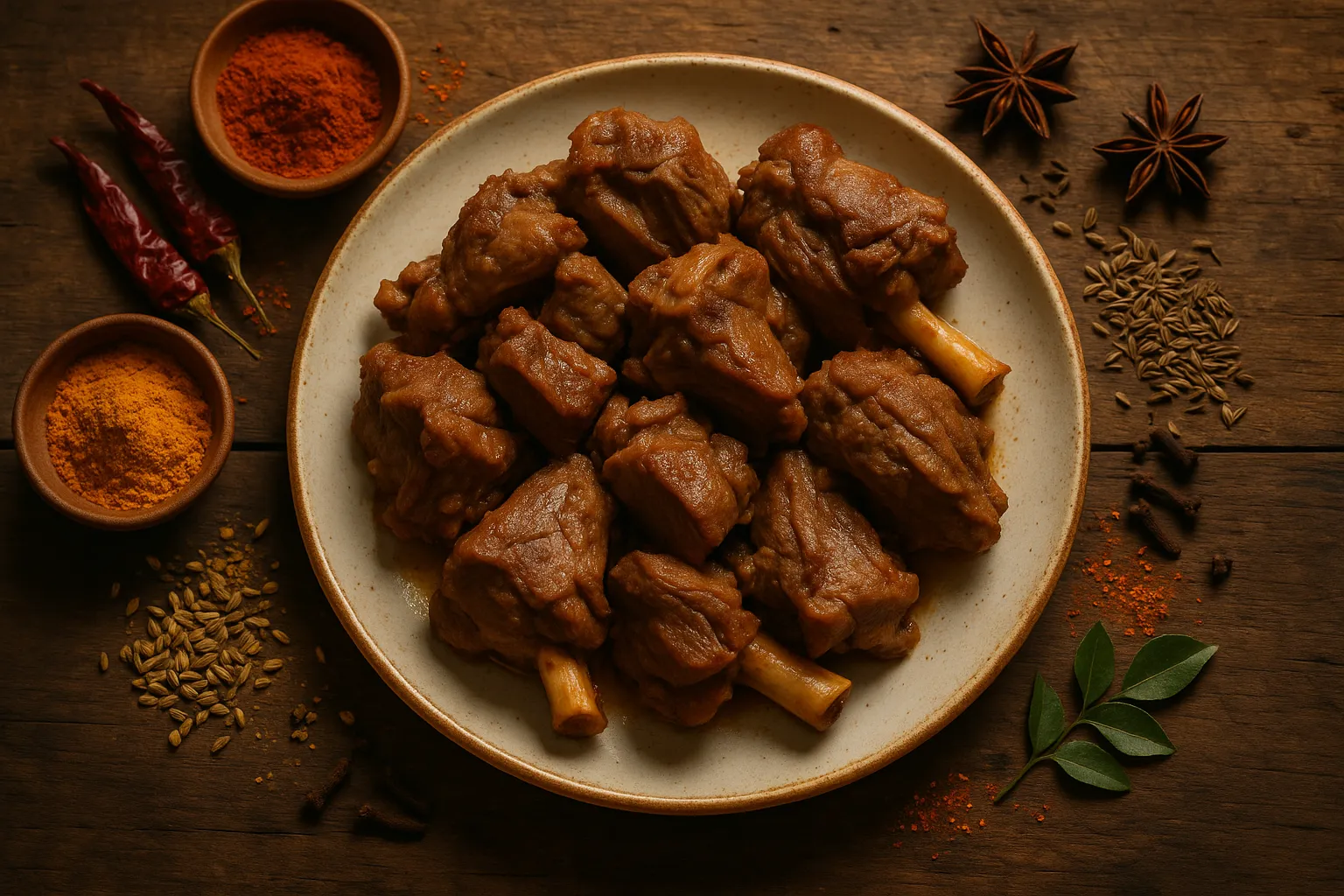
Datos Rápidos de Nutrición
Por 100g Cocido Mutton Pieces
| Nutriente | Cantidad |
|---|---|
| Calorías | 215 kcal |
| Proteínas | 30.8g |
| Carbohidratos | 0g |
| Fibra | 0g |
| Azúcares | 0g |
| Grasas | 11.2g |
| Hierro | 3.5mg |
| Vitamina B12 | 2.0mcg |
| Selenium | 32mcg |
| Zinc | 6.5mg |
Desglose de Macronutrientes
 ChatGPT
  Claude
  AI Mode
  Perplexity
CONSEJO DEL NUTRICIONISTA
Mutton contiene heme hierro con 15-35% bioavailability, far superior to plant-based hierro. El B12 content (2.0mcg por 100g) covers 33% of diario needs, supporting nerve health and energy metabolismo. Pairing mutton con tomato-based curries boosts hierro absorption via vitamina C.
Mitos vs Realidad
MITO #1: Mutton Es Too Alto in Grasas
REALIDAD: Mutton grasas es largely oleic acid and conjugated linoleic acid, ambos cardio-protective. At 11.2g grasas por 100g, it's moderado. Trim visible grasas and usar lean cuts to reduce further.
MITO #2: Mutton Causes Alto Colesterol
REALIDAD: Dietary cholesterol has minimal impact on blood cholesterol for la mayoría personas. Mutton's nutrientes—carnitine, B12, and carnosine—actually support metabolic health. Elegir lean porciones and prepare con saludable para el corazón methods.
MITO #3: Mutton Es Bad for Digestion
REALIDAD: Mutton es highly digestible cuando cocido properly. Pressure cooking, slow cooking, or boiling breaks down tough fibers. Combine con yogurt-based curries and fibra-rich vegetables for optimal digestion.
MITO #4: Mutton Has No Benefits Over Chicken
REALIDAD: Mutton has 2.7x más hierro, 2x más B12, and exclusive amino acids like carnitine que chicken. For ganancia muscular and anemia prevention, mutton wins; chicken es leaner for grasas loss.
MITO #5: Processed Mutton Products Son Safe
REALIDAD: Mutton sausages, patties, and processed cuts frecuentemente contain added salt, preservatives, and trans fats. Elegir fresco, whole mutton pieces; prepare at hogar for lleno nutritional control.
MITO #6: Mutton Es Unsuitable for Hot Climates
REALIDAD: Mutton's carnitine content aids metabolismo and body temperature regulation. Eaten in moderado porciones (150g) con cooling spices (mint, coriander), it's suitable año-round in traditional Indian cuisines.
NutriScore por Objetivos de Salud
| Objetivo de Salud | NutriScore | ¿Por qué esta puntuación? |
|---|---|---|
| Pérdida de Peso |  | 215 calorías, 0 carbohidratos, 30.8g proteínas promueve satiety; carnitine enhances grasas burning. Límite to 150g, pair con vegetables. |
| Ganancia Muscular |  | 30.8g complete proteínas; carnitine boosts energy; zinc (6.5mg) apoya testosterone. Post-workout: 200g mutton + carbohidratos for optimal growth. |
| Control de Diabetes | | Zero carbohidratos, alto proteínas stabilizes azúcar en sangre. Trim grasas to reduce calorías. Mejor timing: lunch or dinner paired con fibra-rich vegetables. |
| Control del SOP | | Alto proteínas reduce insulin spikes; hierro apoya energy; evitar processed cuts. 150g diario con non-starchy veggies. |
| Nutrición en el Embarazo | | Rich in hierro (critical for anemia prevention) and B12 (fetal neural development). Eat lean cuts twice weekly. |
| Viral/Recuperación de Gripe | | Alto proteínas aids tissue repair; B12 apoya immune function; easily digestible cuando slow-cocido. Soft curry (100g) apoya quick recovery. |
NUTRICIÓN PERSONALIZADA
Registra tus comidas con NutriScan para personalizados NutriScores based on your specific health goals!
Respuesta de Azúcar en Sangre to Mutton
Mutton has zero carbohidratos, so it produces no glucosa en sangre spike. Its alto proteínas content triggers sustained satiety and steady energy release.
Curva Típica de Respuesta de Glucosa
Este gráfico muestra respuesta típica de glucosa en sangre para individuos sanos en general. Las respuestas individuales pueden variar. No es consejo médico.
Cómo to Maximize Benefits
Pairing mutton con non-starchy vegetables and saludable fats enhances micronutrient absorption and promueve satiety:
- 🥒 Cucumber & tomato salad - Vitamina C enhances hierro absorption
- 🥦 Leafy greens (spinach, fenugreek) - Synergistic hierro content
- 🫘 Lentils or beans side dish - Plant-based hierro + fibra complements mutton proteínas
- 🫒 Mustard or olive oil dressing - Saludable fats aid grasas-soluble vitamina absorption
Este combination maximizes micronutrient bioavailability and extends satiety, making mutton a complete nutritional meal.
Importancia Cultural
Mutton holds deep roots in Indian, Middle Eastern, and Mediterranean cuisines for centuries.
In India:
- Central to regional cuisines: Rogan Josh, Nihari, Keema, Haleem
- Traditional Eid and festive meals (especialmente Muslim and Hindu communities)
- Ayurveda values mutton for strength (bala) and tissue nourishment
- Popular in Kashmir, Hyderabad, Lucknow, and coastal regions
- Goat meat (similar nutrition) preferred in South India and rural areas
Global Impact:
- Primary meat in Central Asia, Middle East, and parts of Europe
- 500+ million goats and sheep globally supporting food security
- Sustainable: menor environmental footprint que beef due to smaller body size
Compara y Sustituye
Mutton vs Similar Proteins (Por 100g)
| Nutriente | 🥩 Mutton (Cocido) | 🐔 Chicken Breast | 🐑 Lamb Pieces | 🥓 Pork (Lean) |
|---|---|---|---|---|
| Calorías | 215 kcal | 165 kcal | 198 kcal | 242 kcal |
| Proteínas | 30.8g | 31.0g | 28.4g | 27.0g |
| Grasas | 11.2g | 3.6g | 9.2g | 17.2g |
| Hierro | 3.5mg | 1.3mg | 1.8mg | 0.7mg |
| B12 | 2.0mcg | 0.3mcg | 2.4mcg | 0.5mcg |
| Zinc | 6.5mg | 0.6mg | 6.0mg | 2.5mg |
| Selenium | 32mcg | 27mcg | 28mcg | 36mcg |
| Mejor Para | Muscle gain, anemia, strength | Peso loss, alto proteínas, simplicity | Muscle gain, premium hierro | Moderado grasas profile |
Preguntas Frecuentes
Es mutton bueno for ganancia muscular?
Yes, mutton es excellent for ganancia muscular. At 30.8g proteínas por 100g con todo nine esencial amino acids plus carnitine and creatine, mutton apoya muscle proteínas synthesis. Eat 150-200g diario post-workout paired con complex carbohidratos for optimal results. Mutton surpasses chicken in growth factors.
¿Pueden los diabéticos comer mutton?
Absolutely. Mutton has zero carbohidratos and alto proteínas, making it diabetic-ideal. Alto proteínas intake mejora insulin sensitivity sin azúcar en sangre spikes. Elegir lean cuts, trim visible grasas, límite porciones to 150g, and pair con non-starchy vegetables like spinach or cauliflower for sustained control.
Cómo mucho hierro es in mutton?
Mutton proporciona 3.5mg hierro por 100g—todo heme hierro, cuál has 15-35% bioavailability versus 2-20% for plant hierro. Este covers 19% of el adult diario requirement. Pairing mutton con vitamina C (tomato, lemon) puede boost hierro absorption by 3-4x.
Qué son el main beneficios para la salud of mutton?
Mutton delivers alto proteínas for muscle growth; heme hierro (highly absorbable) for oxygen transport and anemia prevention; B12 for nerve and energy health; zinc for immune function and testosterone; selenium for antioxidant defense; carnitine for grasas metabolismo and energy. It's a nutrient-dense whole food.
Es mutton healthier que chicken?
Ambos son saludable; choice depends on goals. Mutton: mayor in hierro (3.5mg vs 1.3mg), B12 (2.0mcg vs 0.3mcg), zinc (6.5mg vs 0.6mg)—ideal for ganancia muscular, anemia recovery, strength. Chicken: leaner (3.6g vs 11.2g grasas)—mejor for strict pérdida de peso. Mutton es más nutrient-dense; chicken es calorie-efficient.
Cómo debería I cook mutton for mejor nutrition?
Boil, grill, slow cook, or pressure cook to preserve nutrientes and reduce toughness. Curry preparation con yogurt (adds probiotics) and tomato (adds vitamina C for hierro absorption) es ideal. Evitar deep-frying; it adds unnecessary calorías and oxidative damage. Aim for 30-45 minutes cooking; doneness aids digestibility.
Es mutton safe to eat regularly?
Yes, 150-200g mutton diario es safe for la mayoría adults. Monitor for gout risk if you have a family history (mutton has purines; stay hydrated). Trim visible grasas, elegir lean cuts, and balance con vegetables. Pregnant women debería elegir tender cuts and eat 2-3 times weekly due to hierro concentration.
Cómo does mutton compare to beef?
Mutton and beef son similar in proteínas (30.8g vs 26g por 100g). Mutton has más hierro (3.5mg vs 2.6mg) and less grasas (11.2g vs 15g lean cut). Mutton es mayor in CLA (heart-protective); beef mayor in carnosine. Elegir based on availability; ambos support muscle and strength goals equally.
Puede I eat mutton con diabetes and pérdida de peso together?
Yes, mutton es ideal for ambos. Zero carbohidratos prevent azúcar en sangre spikes; 30.8g proteínas promueve satiety and muscle retention durante calorie restriction. Eat 120-150g diario, pair con fibra-rich vegetables, and include light exercise to preserve muscle mientras losing grasas.
Qué's el difference between mutton and goat meat?
Goat meat es leaner (11% grasas vs mutton's 11.2%), slightly menor in calorías (143 vs 215), and más tender. Ambos have similar proteínas (26g vs 30.8g) and hierro (3.5mg). Goat es preferred in South India; mutton in North India. Nutritionally equivalent for la mayoría health goals.


Alimentos Nutritivos Similares
4505 Chicharrones Classic Chili Salt
7 Eleven Japan Crispy Corn Cheese
Explore Más Nutrition Tools & Resources
App de agua y calorías gratis con registro diario
App de ayuno intermitente gratis con temporizador
App de macros: NutriScan las rellena desde una foto
App de plan de comidas para volumen limpio
App de plan de comidas vegetariano con objetivo de proteína
App de Plan de Dieta India Vegetariana y No Vegetariana
App de plan de dieta mediterránea que cuenta el aceite
App nutricionista con IA que lee tus comidas
App para Subir de Peso: Plan de Dieta con IA
Ayuno Intermitente para Mujeres, Timer y Registro de Comidas
Coach de pérdida de peso ChatGPT: con registro
Contador de Calorías Activado por Voz - Di tus Comidas y Rastrea Nutrición Sin Manos — 2026
Contador de calorías ChatGPT: alternativa que no lo olvida
Contador de Calorías con IA: calorías con fotos, gratis
Contador de calorías de comida rápida con foto
Contador de calorías gratis con fotos | NutriScan
Contador de Calorías para Comida Española - Información Nutricional Instantánea — 2026
Escáner de Etiquetas Nutricionales para tu Ración Real
Generador Lista de Compras Keto
Generador Lista de Compras Mensual
Guía Proteína Tercer Trimestre
Plan de comidas semanal con calorías y lista de compras
Plan de dieta ChatGPT: alternativa que registra comidas
Plan de Dieta para Ganar Peso España