Paneer Bhurji: calorías, nutrición y beneficios para la salud
Alto-proteínas Indian scrambled queso requesón dish combining complete proteínas, esencial nutrientes, and traditional spices for construcción muscular and satiety.
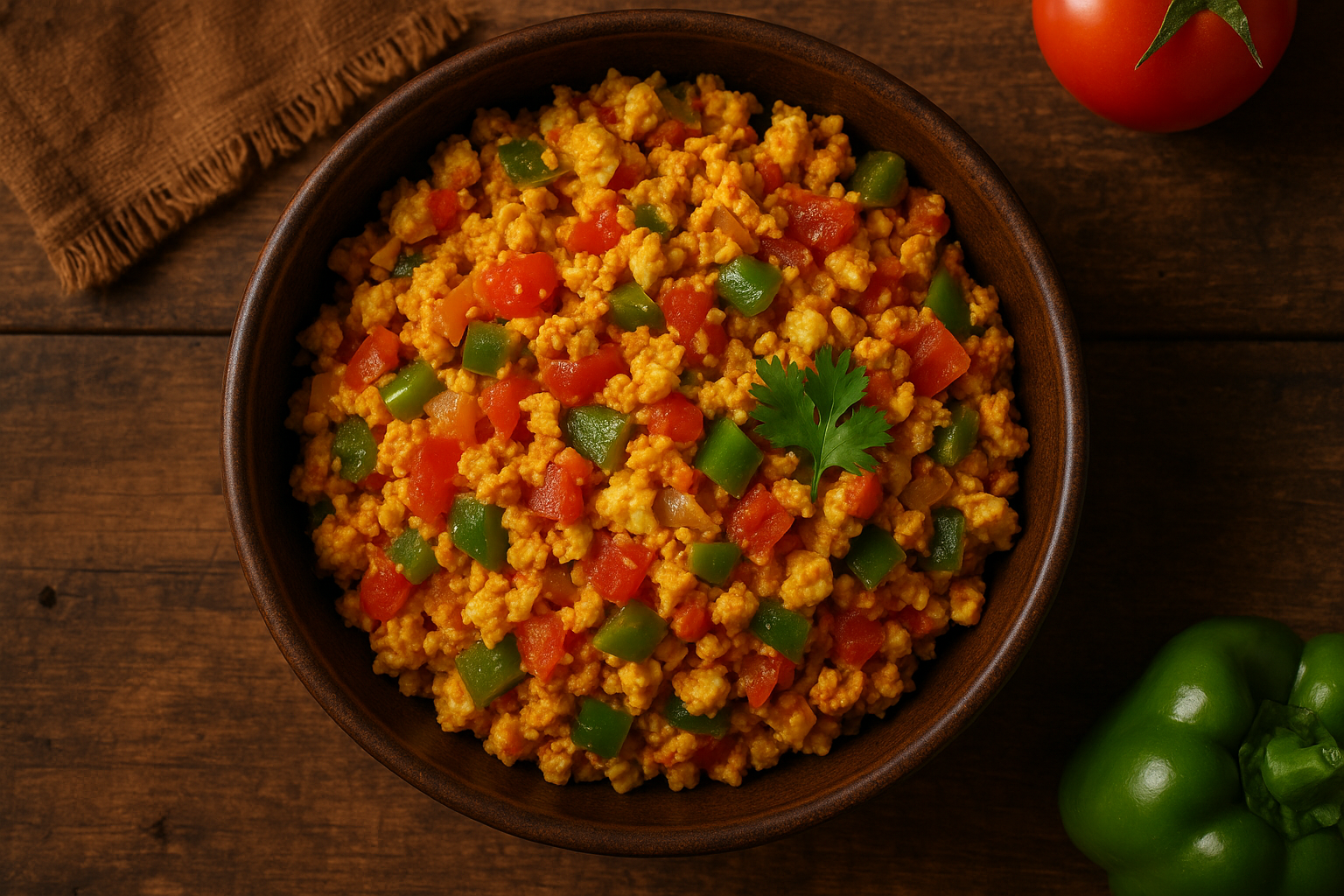
Datos Rápidos de Nutrición
Por 100g (aproximadamente 1/2 cup)
| Nutriente | Cantidad |
|---|---|
| Calorías | 265 kcal |
| Proteínas | 18g |
| Carbohidratos | 3.5g |
| Fibra | 0.5g |
| Azúcares | 2.4g |
| Grasas | 21g |
| Grasas Saturadas | 12g |
| Calcio | 480mg |
| Phosphorus | 294mg |
| Vitamina B12 | 0.8mcg |
| Sodio | 340mg |
Desglose de Macronutrientes
 ChatGPT
  Claude
  AI Mode
  Perplexity
CONSEJO DEL NUTRICIONISTA
Paneer bhurji proporciona 18g of complete proteínas por 100g con todo esencial amino acids, making it an excellent vegetarian proteínas source. El alto calcio content (480mg) apoya salud ósea and muscle function.
Mitos vs Realidad
MITO #1: Paneer Bhurji es Too Alto in Grasas for Pérdida de Peso
REALIDAD: Mientras paneer contiene 21g grasas por 100g, la mayoría es beneficioso grasas saturadas ese promueve satiety. El 18g proteínas ayuda preserve muscle durante pérdida de peso. Control porciones (100-150g) and usar minimal cooking oil for effective peso management.
MITO #2: Paneer Bhurji Raises Colesterol
REALIDAD: Recent la investigación muestra dairy grasas doesn't significativamente raise LDL cholesterol. Paneer proporciona beneficioso nutrientes like conjugated linoleic acid (CLA). Moderación es key—2-3 porciones per semana con vegetables and whole grains es saludable para el corazón.
MITO #3: Todo Proteínas Sources Son Equal
REALIDAD: Paneer proporciona complete proteínas con todo 9 esencial amino acids, unlike la mayoría plant proteins (dal, beans). It has alto biological value similar to eggs and meat, making it superior for construcción muscular and recovery.
MITO #4: Paneer es Bad for Diabetics Porque of Grasas Content
REALIDAD: Paneer bhurji es actually excellent for diabetics con solo 3.5g carbohidratos. El alto proteínas and grasas content help stabilize azúcar en sangre levels. Glycemic index es muy bajo (less que 15), making it ideal for glucose control.
MITO #5: Paneer Bhurji es Unhealthy Street Food
REALIDAD: Cuando prepared at hogar con quality paneer and minimal oil, paneer bhurji es nutrient-dense. El no saludable reputation comes from excessive oil in restaurant versions. Homemade con 1-2 tsp oil por porción es a saludable, balanced meal.
NutriScore por Objetivos de Salud
| Objetivo de Salud | NutriScore | ¿Por qué esta puntuación? |
|---|---|---|
| Pérdida de Peso |  | Alto proteínas (18g) promueve satiety and muscle preservation. Control oil to 1-2 tsp por porción, límite to 100-150g porciones. |
| Ganancia Muscular |  | Excellent complete proteínas (18g) con todo esencial amino acids for muscle recovery and growth. Perfect post-workout meal. |
| Control de Diabetes | | Muy bajo carbohidratos (3.5g), alto proteínas stabilizes azúcar en sangre. Minimal glucose impact, ideal for diabetic meal plans. |
| Control del SOP | | Bajo-carb, alto-proteínas profile apoya insulin sensitivity and hormone balance. Calcio aids hormonal regulation. |
| Nutrición en el Embarazo | | Complete proteínas for fetal development, calcio for bones, B12 for neural health. Usar pasteurized paneer for safety. |
| Viral/Recuperación de Gripe | | Alto proteínas apoya immune function and tissue repair. Easy to digest, nutrient-dense for recovery. |
NUTRICIÓN PERSONALIZADA
Registra tus comidas con NutriScan para personalizados NutriScores based on your specific health goals!
Respuesta de Azúcar en Sangre to Paneer Bhurji
Paneer bhurji has minimal impact on glucosa en sangre due to its alto proteínas and bajo carbohydrate content, making it ideal for azúcar en sangre management.
Curva Típica de Respuesta de Glucosa
Este gráfico muestra respuesta típica de glucosa en sangre para individuos sanos en general. Las respuestas individuales pueden variar. No es consejo médico.
Optimal Pairings for Balanced Meals
Combining paneer bhurji con complex carbohidratos and fibra creates perfectly balanced meals:
- 🫓 Whole wheat roti or chapati - Adds fibra and complex carbohidratos
- 🥗 Mixed vegetable salad - Aumenta fibra, vitaminas, minerales
- 🌶️ Bell peppers and tomatoes in el bhurji - Boosts antioxidantes and fibra
- 🥒 Cucumber raita - Adds probiotics and hydration
Este combination proporciona sustained energy, complete nutrition, and optimal satiety.
Importancia Cultural
Paneer bhurji es a beloved North Indian street food and hogar-cocido staple, particularmente popular in Punjab, Delhi, and Maharashtra.
In Indian Tradition:
- Iconic Mumbai street food served con pav (bread rolls)
- Quick weeknight dinner staple in North Indian households
- Popular breakfast option con paratha or toast
- Festive variation: Paneer bhurji masala con extra spices
Regional Variations:
- Mumbai Pav Bhaji Style - Spicier con extra butter and pav
- Punjabi Style - Rich con cream, kasuri methi (fenugreek)
- Gujarati Style - Slightly sweet con jaggery
- Maharashtrian Anda-Paneer Bhurji - Mixed con scrambled eggs
Modern Adaptations:
- Paneer bhurji wrap/roll for portable meals
- Paneer bhurji pizza topping
- Paneer bhurji stuffed paratha
Compara y Sustituye
Paneer Bhurji vs Similar Alto-Proteínas Dishes (Por 100g)
| Nutriente | 🥘 Paneer Bhurji | 🥚 Scrambled Eggs | 🍗 Chicken Breast | 🥜 Tofu Scramble |
|---|---|---|---|---|
| Calorías | 265 kcal | 154 kcal | 165 kcal | 76 kcal |
| Proteínas | 18g | 13g | 31g | 8g |
| Carbohidratos | 3.5g | 1.1g | 0g | 1.9g |
| Grasas | 21g | 11g | 3.6g | 4.8g |
| Calcio | 480mg | 56mg | 15mg | 350mg |
| Vitamina B12 | 0.8mcg | 1.3mcg | 0.3mcg | 0mcg |
| Hierro | 0.2mg | 1.8mg | 0.9mg | 5.4mg |
| Mejor Para | Vegetarian ganancia muscular | Balanced proteínas breakfast | Lean construcción muscular | Vegan bajo-calorie |
Preguntas Frecuentes
Es paneer bhurji bueno for pérdida de peso?
Paneer bhurji puede support pérdida de peso cuando prepared thoughtfully. At 18g proteínas por 100g, it promueve satiety, preserves muscle mass durante calorie deficit, and has minimal carbohidratos (3.5g).
Peso loss tips: Usar minimal oil (1-2 tsp por porción instead of 1-2 tbsp); límite porciones to 100-150g per meal; add extra vegetables (onions, tomatoes, bell peppers) to increase volume; pair con salad or roti instead of paratha; track total diario calorías con NutriScan aplicación.
Calorie comparison: Homemade (1-2 tsp oil): 265 cal/100g vs Restaurant-style (excess oil): 350+ cal/100g.
¿Pueden los diabéticos comer paneer bhurji?
Paneer bhurji es excellent for diabetics. Con solo 3.5g carbohidratos and 18g proteínas por 100g, it has minimal azúcar en sangre impact. El glycemic index es muy bajo (less que 15).
Diabetic benefits: Alto proteínas stabilizes azúcar en sangre; muy bajo carb content previene spikes; saludable fats slow glucose absorption; calcio apoya insulin sensitivity.
Mejor practices: Pair con 1 whole wheat roti or vegetables; evitar white bread or paratha; monitor porción sizes (150-200g es optimal); prepare con minimal oil to control overall calorías.
Cómo mucho proteínas es in paneer bhurji?
Paneer bhurji contiene aproximadamente 18g of proteínas por 100g, making it one of el mejor alto-proteínas vegetarian options.
Proteínas comparison:
- 100g paneer bhurji = 18g proteínas
- 150g porción = 27g proteínas (nearly 50% of diario needs for la mayoría adults)
- 200g generous porción = 36g proteínas (ideal post-workout meal)
El proteínas es complete, containing todo 9 esencial amino acids necessary for construcción muscular, similar to eggs and meat.
Es paneer bhurji bueno for ganancia muscular?
Paneer bhurji es excellent for ganancia muscular. It proporciona complete proteínas con alto biological value, todo esencial amino acids incluyendo leucine (key for muscle proteínas synthesis), and convenient vegetarian proteínas for strength training.
Muscle-building strategy: Post-workout meal (150-200g proporciona 27-36g proteínas); combine con complex carbohidratos (brown rice, whole wheat roti) for glycogen replenishment; consume within 30-60 minutes después training for optimal recovery; add extra paneer chunks for 20-22g proteínas por 100g.
Muchos Indian bodybuilders and athletes rely on paneer as their primary proteínas source.
Qué son el main beneficios para la salud of paneer bhurji?
Key Benefits:
- Complete Proteínas Source: 18g proteínas con todo esencial amino acids for muscle, tissue repair, and satiety
- Bone Health: 480mg calcio (48% DV) and phosphorus for strong bones
- Blood Azúcar Control: Muy bajo carbohidratos, alto proteínas stabilize glucose levels
- Vitamina B12: Apoya energy production, red blood cells, and nervous system
- Peso Management: Alto proteínas promueve fullness and metabolic boost
- Construcción Muscular: Ideal for vegetarians needing quality proteínas
Cómo puede I hacer paneer bhurji healthier?
Simple modifications for healthier paneer bhurji:
- Reduce oil: Usar 1-2 tsp instead of 2-3 tbsp (saves 100-150 calorías)
- Add vegetables: Mix in tomatoes, bell peppers, onions, peas for fibra and nutrientes
- Usar bajo-grasas paneer: Elegir paneer hecho from toned milk (reduce grasas by 30-40%)
- Control salt: Límite to 1/4 tsp; usar spices for flavor instead
- Boost nutrition: Add turmeric (anti-inflammatory), kasuri methi (fibra, hierro)
- Smart pairings: Serve con whole wheat roti or salad instead of paratha or white bread
Healthier recipe: 200g paneer + 1 tsp oil + 100g vegetables + spices = 320 calorías, 36g proteínas, 6g fibra.
Track your customized paneer bhurji con NutriScan aplicación for precise nutrition analysis.
Puede I eat paneer bhurji cada día?
Generalmente safe for la mayoría personas, but variety es importante for balanced nutrition.
Considerations for diario consumption:
- Proteínas diversity: Rotate con otro proteínas sources (dal, eggs, chicken, fish) for complete nutrient spectrum
- Saturated grasas: 12g grasas saturadas por 100g; límite total grasas saturadas to 20g diario
- Sodio: 340mg por porción; monitor total diario sodio intake (stay under 2,300mg)
- Calorie control: Ensure paneer bhurji fits your diario calorie budget
Mejor approach: Consume 3-4 times per semana rather que diario, alternating con otro proteínas sources. If eating diario, usar bajo-grasas paneer and extra vegetables.
Special populations: Diabetics and SOP - safe diario; ganancia muscular - excellent diario post-workout; pérdida de peso - 3-4 times per semana con control de porciones.


Alimentos Nutritivos Similares
4505 Chicharrones Classic Chili Salt
7 Eleven Japan Crispy Corn Cheese
Explore Más Nutrition Tools & Resources
App de agua y calorías gratis con registro diario
App de ayuno intermitente gratis con temporizador
App de macros: NutriScan las rellena desde una foto
App de plan de comidas para volumen limpio
App de plan de comidas vegetariano con objetivo de proteína
App de Plan de Dieta India Vegetariana y No Vegetariana
App de plan de dieta mediterránea que cuenta el aceite
App nutricionista con IA que lee tus comidas
App para Subir de Peso: Plan de Dieta con IA
Ayuno Intermitente para Mujeres, Timer y Registro de Comidas
Coach de pérdida de peso ChatGPT: con registro
Contador de Calorías Activado por Voz - Di tus Comidas y Rastrea Nutrición Sin Manos — 2026
Contador de calorías ChatGPT: alternativa que no lo olvida
Contador de Calorías con IA: calorías con fotos, gratis
Contador de calorías de comida rápida con foto
Contador de calorías gratis con fotos | NutriScan
Contador de Calorías para Comida Española - Información Nutricional Instantánea — 2026
Escáner de Etiquetas Nutricionales para tu Ración Real
Generador Lista de Compras Keto
Generador Lista de Compras Mensual
Guía Proteína Tercer Trimestre
Plan de comidas semanal con calorías y lista de compras
Plan de dieta ChatGPT: alternativa que registra comidas
Plan de Dieta para Ganar Peso España