Peanut Masala: calorías, nutrición y beneficios para la salud
Proteínas-packed Indian snack hecho from tostado peanuts con spices, offering saludable para el corazón fats and esencial nutrientes for cada health goal.
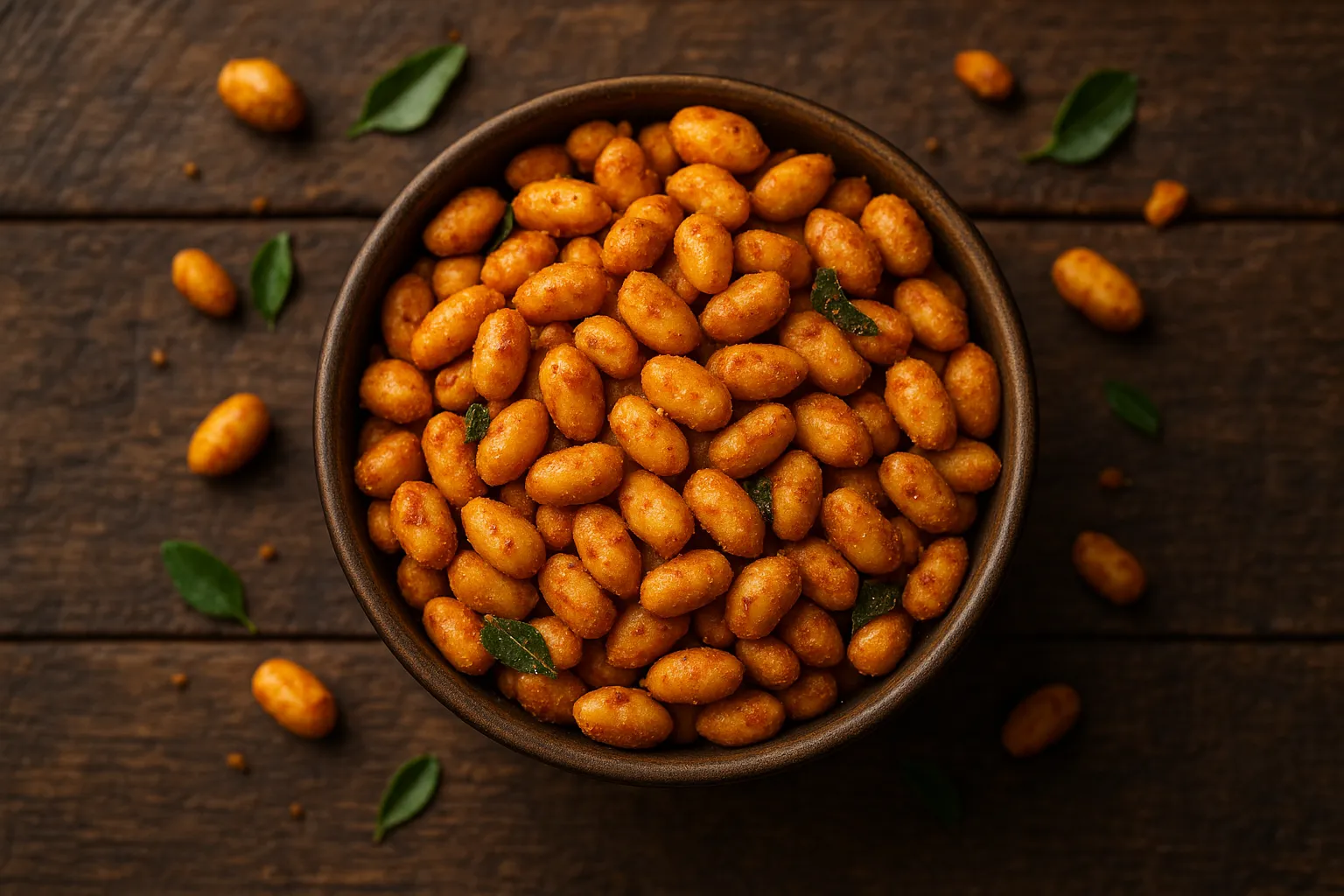
Datos Rápidos de Nutrición
Por 100g (Dry Tostado)
| Nutriente | Cantidad |
|---|---|
| Calorías | 587 kcal |
| Proteínas | 24.35g |
| Carbohidratos | 21.26g |
| Fibra | 8.5g |
| Azúcares | 4.2g |
| Grasas | 49.66g |
| Sodio | 6mg |
| Magnesio | 168mg |
| Phosphorus | 358mg |
| Vitamina E | 6.9mg |
Desglose de Macronutrientes
 ChatGPT
  Claude
  AI Mode
  Perplexity
CONSEJO DEL NUTRICIONISTA
Peanuts provide 24g proteínas and 50g saludable fats por 100g, making them one of el la mayoría nutrient-dense snacks. El monoungrasas saturadass support salud del corazón and help control appetite. Control de porciones es key: stick to 30-40g (1/4 cup) diario.
Mitos vs Realidad
MITO #1: Peanuts Cause Peso Gain
REALIDAD: Los estudios muestran peanut consumption es associated con menor body peso. El proteínas (24g) and fibra (8.5g) promote fullness, and el saludable fats boost metabolismo. Peso gain happens from excessive porciones, not moderado peanut intake (30-40g diario).
MITO #2: Diabetics Debería Evitar Peanuts
REALIDAD: Peanuts have a muy bajo glycemic index (GI 14) and puede improve azúcar en sangre control. La investigación muestra regular peanut consumption puede reduce diabetes risk and improve HbA1c levels. Mejor practices: 30-40g diario, elegir unsalted varieties.
MITO #3: Peanuts Son Bad for Heart Health
REALIDAD: Peanuts contain saludable para el corazón monoungrasas saturadass ese menor LDL cholesterol. Studies link peanut consumption to reduced heart disease risk. El issue es excessive sodio in salted varieties and trans fats in frito peanuts. Elegir dry-tostado, unsalted peanuts.
MITO #4: Peanuts No Tienen Nutritional Value
REALIDAD: Peanuts son nutrient powerhouses: 24g proteínas, 168mg magnesio (40% DV), 358mg phosphorus, 6.9mg vitamina E, and bioactive compounds like resveratrol. They rival muchos superfoods in antioxidant content.
MITO #5: Crudo Peanuts Son Healthier Que Tostado
REALIDAD: Roasting actually aumenta antioxidant content, mejora digestibility, and reduce anti-nutrientes ese block mineral absorption. Dry-tostado peanuts (no oil) son el healthiest option. Evitar honey-tostado or oil-tostado varieties con added azúcares and fats.
MITO #6: Peanuts Cause Inflamación
REALIDAD: Peanuts have a balanced omega-6 to omega-3 ratio and contain anti-inflammatory compounds like resveratrol and p-coumaric acid. Los estudios muestran peanuts reduce inflamación markers cuando eaten as parte of a balanced diet. Solo concern: aflatoxin contamination in moldy peanuts (rare con quality brands).
NutriScore por Objetivos de Salud
| Objetivo de Salud | NutriScore | ¿Por qué esta puntuación? |
|---|---|---|
| Pérdida de Peso |  | 587 calorías por 100g requires control de porciones. 30g porción (176 calorías) proporciona satiety con 7g proteínas and 3g fibra. Límite to 30-40g diario; elegir unsalted. |
| Ganancia Muscular |  | Excellent plant proteínas source (24g por 100g) con saludable fats for hormone production. Eat 40-50g post-workout for muscle recovery and growth. Calorie-dense for bulking. |
| Control de Diabetes | | Muy bajo GI (14), alto fibra and saludable fats stabilize azúcar en sangre. La investigación muestra improved HbA1c. Porción: 30-40g diario. |
| Control del SOP | | Proteínas and saludable fats improve insulin sensitivity. Bajo GI previene azúcar en sangre spikes. Porción: 30g diario as a snack; elegir unsalted. |
| Nutrición en el Embarazo | | Rich in folate, proteínas, and saludable fats for fetal development. Magnesio previene leg cramps. Límite to 30-40g; evitar if allergy risk. |
| Viral/Recuperación de Gripe | | Alto proteínas apoya immune function, vitamina E es antioxidant. Easy to digest cuando ground into powder. Moderado porciones (20-30g); pair con fluids. |
NUTRICIÓN PERSONALIZADA
Registra tus comidas con NutriScan para personalizados NutriScores based on your specific health goals!
Respuesta de Azúcar en Sangre to Peanut Masala
Understanding cómo peanuts affect your glucosa en sangre puede help you hacer informed decisions aproximadamente cuando and cómo to eat them.
Curva Típica de Respuesta de Glucosa
Este gráfico muestra respuesta típica de glucosa en sangre para individuos sanos en general. Las respuestas individuales pueden variar. No es consejo médico.
Cómo Peanuts Stabilize Blood Azúcar
Peanuts have a muy bajo glycemic index (GI 14) and actually help stabilize azúcar en sangre cuando paired con mayor-GI foods:
- 🍞 Con whole grain bread - Reduce overall glycemic load of el meal
- 🍌 Con fruit - Slows azúcar absorption from natural fruit azúcares
- 🥣 Con breakfast cereal - Balances quick-digesting carbohidratos
- 🍚 Con rice - Lowers post-meal azúcar en sangre spike
Este makes peanuts an excellent addition to meals for azúcar en sangre management, especialmente beneficioso for diabetics and SOP.
Importancia Cultural
Peanuts have been cultivated for over 7,600 years, originating in South America antes spreading globally.
In India:
- Introduced by Portuguese traders in 16th century, ahora grown in Gujarat, Andhra Pradesh, Tamil Nadu
- Masala peanuts (tostado con spices) son a beloved street food and teatime snack
- Usado in festival preparations (chikki, laddu) and religious offerings
- Popular varieties: groundnut chutney (South India), sing bhujia (North India)
- India es el 2nd largest peanut producer globally (25% world production)
Global Impact:
- Consumed in 100+ countries as peanut butter, snacks, cooking oil
- Sustainable crop: nitrogen-fixing, drought-resistant, enriches soil
- Major proteínas source in developing countries (cost-effective alternative to meat)
- Peanut allergies affect 1-2% population (growing concern in Western countries)
Compara y Sustituye
Peanut Masala vs Similar Nuts/Seeds (Por 100g)
| Nutriente | 🥜 Peanut Masala | 🌰 Almendras | 🌻 Anacardos | 🌰 Walnuts |
|---|---|---|---|---|
| Calorías | 587 kcal | 579 kcal | 553 kcal | 654 kcal |
| Carbohidratos | 21.3g | 21.6g | 30.2g | 13.7g |
| Fibra | 8.5g | 12.5g | 3.3g | 6.7g |
| Proteínas | 24.4g | 21.2g | 18.2g | 15.2g |
| Grasas | 49.7g | 49.9g | 43.8g | 65.2g |
| Vitamina E | 6.9mg | 25.6mg | 0.9mg | 0.7mg |
| Magnesio | 168mg | 270mg | 292mg | 158mg |
| Mejor Para | Highest proteínas, bajo cost | Vitamina E, salud del corazón | Creamy texture, copper | Omega-3s, brain health |
Preguntas Frecuentes
Son peanuts bueno for pérdida de peso?
Yes, peanuts support pérdida de peso cuando eaten in moderación. A 30g porción (aproximadamente 1/4 cup) has 176 calorías but proporciona 7g proteínas and 3g fibra ese promote fullness for hours.
Research findings: Los estudios muestran peanut consumption es associated con menor body peso and reduced obesity risk. El saludable fats boost metabolismo and increase calorie burn.
Mejor practices for pérdida de peso: Límite to 30-40g (1/4 cup) diario; elegir dry-tostado, unsalted peanuts; eat as a mid-morning or afternoon snack; evitar honey-tostado or frito varieties; don't exceed porción size (weigh on kitchen scale initially).
¿Pueden los diabéticos comer peanuts?
Absolutely. Peanuts son one of el mejor snacks for diabetics. They have a muy bajo glycemic index (GI 14) and son rich in saludable fats, proteínas, and fibra ese stabilize azúcar en sangre.
Research evidence: Los estudios muestran regular peanut consumption puede improve HbA1c levels, reduce diabetes risk by 21%, and prevent post-meal azúcar en sangre spikes.
Tips for diabetics: Eat 30-40g diario, preferably as a snack between meals; pair con vegetables or fruit to further menor glycemic load; elegir unsalted, dry-tostado varieties; monitor azúcar en sangre to confirm individual response; evitar sweetened or frito peanuts.
Peanuts son a diabetes superfood cuando consumed mindfully.
Cómo mucho proteínas es in peanut masala?
Peanut masala contiene 24.35g of proteínas por 100g - mayor que la mayoría nuts and comparable to meat. A typical 30g porción proporciona 7.3g proteínas, equivalent to 1 grande egg.
Este makes peanuts an excellent plant-based proteínas source for vegetarians and vegans. El proteínas contiene todo esencial amino acids, though menor in methionine (combine con grains for complete proteínas).
For ganancia muscular or alto-proteínas diets, 40-50g peanuts (10-12g proteínas) hacer an ideal post-workout snack or meal addition.
Qué son el main beneficios para la salud of peanuts?
Key Benefits:
- Heart Health: 50g monoungrasas saturadass menor LDL cholesterol and reduce heart disease risk by 21%
- Peso Management: Proteínas and fibra promote fullness; studies link peanuts to menor body peso
- Blood Azúcar Control: Muy bajo GI (14) stabilizes azúcar en sangre; beneficioso for diabetes prevention
- Brain Function: Vitamina E, niacin, and folate support cognitive health and reduce dementia risk
- Construcción Muscular: 24g proteínas apoya muscle growth and recovery
- Antioxidant Power: Resveratrol, p-coumaric acid fight inflamación and aging
- Energy Production: Magnesio (168mg) and B vitaminas support metabolismo and energy
Importante: Elegir unsalted, dry-tostado peanuts to maximize benefits.
Son tostado peanuts healthier que crudo?
Yes, tostado peanuts son generalmente healthier que crudo for several reasons:
Advantages of roasting:
- Aumenta antioxidant content (especialmente p-coumaric acid) by 22%
- Mejora digestibility and nutrient absorption
- Reduce anti-nutrientes (phytic acid) ese block mineral absorption
- Enhances flavor sin adding calorías (dry-tostado)
- Kills potential aflatoxin-producing molds
Mejor roasting method: Dry-tostado (no oil) at hogar or tienda-bought. Evitar oil-tostado (adds 50+ calorías por porción) and honey-tostado (adds azúcar).
Temperature matters: Roast at 140-160°C to maximize antioxidantes mientras preserving vitamina E.
Cómo muchos peanuts debería I eat per día?
General Guidelines:
- 30-40g diario (aproximadamente 1/4 cup or 28-35 peanuts) - La mayoría personas (176-235 calorías, 7-10g proteínas)
- 20-30g - Peso loss or calorie-restricted diets
- 40-50g - Muscle gain, athletes, alto-proteínas needs
- 30-40g - Diabetes, SOP (mejor para azúcar en sangre control)
Importante considerations:
- Alto calorie density (587 kcal por 100g) requires strict control de porciones
- Siempre measure porciones (usar kitchen scale or 1/4 cup measure)
- Elegir unsalted, dry-tostado varieties to evitar excess sodio
- Spread throughout día rather que eating todo at once
Registra tus comidas con NutriScan aplicación to ver cómo peanuts fit your personal calorie and proteínas goals.
Son salted or unsalted peanuts mejor?
Unsalted peanuts son significativamente mejor for health:
Sodio comparison: Unsalted: 6mg por 100g; Salted: 400-600mg por 100g.
Health concerns con salted peanuts: Excess sodio raises blood pressure; aumenta water retention and bloating; puede worsen kidney function in esos con kidney disease; triggers overeating (salt enhances flavor and palatability).
Cuando to elegir unsalted: Hypertension, heart disease, kidney disease, pérdida de peso (reduce cravings), diabetes (mejor control de porciones).
Flavor alternatives: Lightly season unsalted peanuts at hogar con black pepper, cumin, chili powder, lemon zest, or garlic powder for flavor sin excess sodio.
Mejor practice: Siempre elegir unsalted, dry-tostado peanuts for diario consumption. Reserve salted varieties for occasional treats solo.


Alimentos Nutritivos Similares
4505 Chicharrones Classic Chili Salt
7 Eleven Japan Crispy Corn Cheese
Explore Más Nutrition Tools & Resources
App de agua y calorías gratis con registro diario
App de ayuno intermitente gratis con temporizador
App de macros: NutriScan las rellena desde una foto
App de plan de comidas para volumen limpio
App de plan de comidas vegetariano con objetivo de proteína
App de Plan de Dieta India Vegetariana y No Vegetariana
App de plan de dieta mediterránea que cuenta el aceite
App nutricionista con IA que lee tus comidas
App para Subir de Peso: Plan de Dieta con IA
Ayuno Intermitente para Mujeres, Timer y Registro de Comidas
Coach de pérdida de peso ChatGPT: con registro
Contador de Calorías Activado por Voz - Di tus Comidas y Rastrea Nutrición Sin Manos — 2026
Contador de calorías ChatGPT: alternativa que no lo olvida
Contador de Calorías con IA: calorías con fotos, gratis
Contador de calorías de comida rápida con foto
Contador de calorías gratis con fotos | NutriScan
Contador de Calorías para Comida Española - Información Nutricional Instantánea — 2026
Escáner de Etiquetas Nutricionales para tu Ración Real
Generador Lista de Compras Keto
Generador Lista de Compras Mensual
Guía Proteína Tercer Trimestre
Plan de comidas semanal con calorías y lista de compras
Plan de dieta ChatGPT: alternativa que registra comidas
Plan de Dieta para Ganar Peso España