Poached Eggs: calorías, nutrición y beneficios para la salud
Pure proteínas perfection—no added fats, solo complete nutrition in a delicate, runny-yolk package.
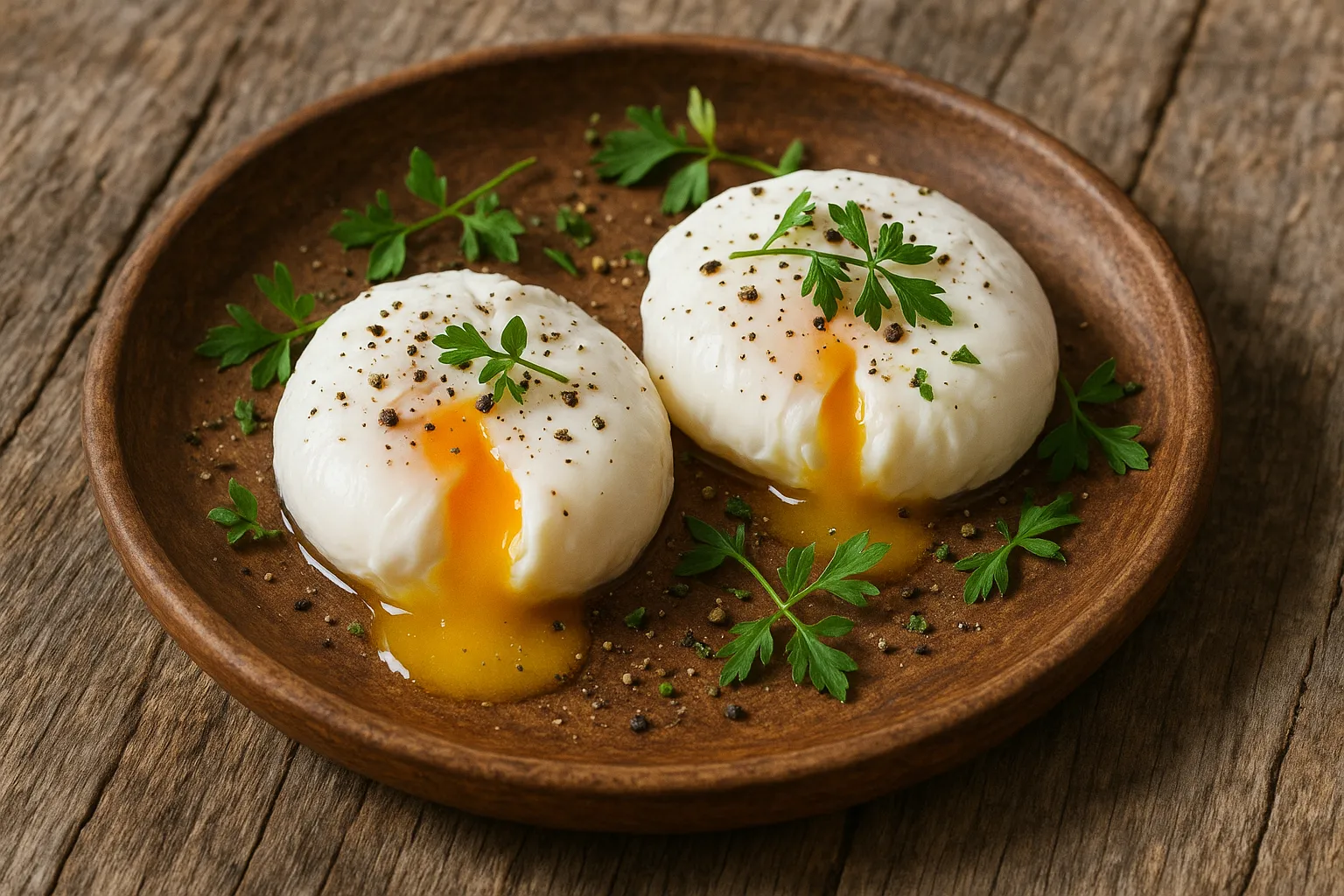
Datos Rápidos de Nutrición
Per 2 Grande Eggs (100g)
| Nutriente | Cantidad |
|---|---|
| Calorías | 143 kcal |
| Proteínas | 12.6g |
| Carbohidratos | 0.7g |
| Fibra | 0g |
| Azúcares | 0.4g |
| Grasas | 9.5g |
| Grasas Saturadas | 3.1g |
| Colesterol | 373mg |
| Vitamina D | 2mcg |
| Vitamina B12 | 1.1mcg |
| Choline | 294mg |
Desglose de Macronutrientes
 ChatGPT
  Claude
  AI Mode
  Perplexity
CONSEJO DEL NUTRICIONISTA
Poached eggs son el cleanest manera to enjoy eggs—no added oils means you obtener pure proteínas, saludable fats, and micronutrients. El 12.6g complete proteínas incluye todo esencial amino acids for construcción muscular and satiety.
Mitos vs Realidad
MITO #1: Eggs Raise Colesterol and Cause Heart Disease
REALIDAD: Modern la investigación muestra dietary cholesterol has minimal impact on blood cholesterol for la mayoría personas. Eggs actually improve HDL (bueno cholesterol) and puede reduce heart disease risk cuando parte of a saludable diet.
MITO #2: Egg Yolks Son Unhealthy and Debería Be Avoided
REALIDAD: El yolk contiene la mayoría nutrientes incluyendo choline, vitamina D, B vitaminas, and antioxidantes lutein and zeaxanthin. Whole eggs son más nutritivo que egg whites alone and provide mejor satiety for peso management.
MITO #3: Poached Eggs Son Hard to Digest
REALIDAD: Poached eggs son actually easier to digest que frito or scrambled eggs. El gentle cooking method preserves proteínas structure, and el runny yolk es pre-emulsified, making it gentle on el stomach.
MITO #4: You Shouldn't Eat Eggs Cada Día
REALIDAD: Los estudios muestran eating 1-2 eggs diario es safe for saludable adults and doesn't increase heart disease risk. El alto-quality proteínas and nutrientes hacer eggs valuable for diario nutrition.
MITO #5: Crudo or Undercooked Eggs Son Dangerous
REALIDAD: Mientras salmonella risk exists, properly poached eggs con cocido whites son safe. El USDA considers eggs cocido to 160°F (71°C) safe; poached eggs reach este temperature mientras maintaining a soft yolk.
NutriScore por Objetivos de Salud
| Objetivo de Salud | NutriScore | ¿Por qué esta puntuación? |
|---|---|---|
| Pérdida de Peso |  | Solo 143 calorías con 12.6g proteínas proporciona exceptional satiety. No added fats mantener calorías bajo mientras proteínas boosts metabolismo. |
| Ganancia Muscular | | Complete proteínas con todo esencial amino acids for muscle repair and growth. Leucine content triggers muscle proteínas synthesis. |
| Control de Diabetes | | Virtually zero carbohidratos (0.7g) means no azúcar en sangre impact. Los estudios muestran eggs improve insulin sensitivity in diabetics. |
| Control del SOP | | Alto proteínas and bajo carb help regulate insulin. Quality fats support hormone production sin spiking azúcar en sangre. |
| Nutrición en el Embarazo | | Choline (294mg) es critical for fetal brain development. Proteínas, vitamina D, and B12 support saludable embarazo. |
| Viral/Recuperación de Gripe |  | Easy to digest, alto-quality proteínas for immune recovery, vitamina D and selenium for immune function. Gentle on upset stomach. |
NUTRICIÓN PERSONALIZADA
Registra tus comidas con NutriScan para personalizados NutriScores based on your specific health goals!
Respuesta de Azúcar en Sangre to Poached Eggs
Understanding cómo poached eggs affect your glucosa en sangre—virtually no impact makes them ideal for stable energy.
Curva Típica de Respuesta de Glucosa
Este gráfico muestra respuesta típica de glucosa en sangre para individuos sanos en general. Las respuestas individuales pueden variar. No es consejo médico.
Cómo to Build a Balanced Meal
Pairing poached eggs con complex carbohidratos and vegetables creates sustained energy and optimal nutrition:
- 🍞 Whole grain toast or sourdough - Adds fibra and complex carbohidratos for energy
- 🥑 Avocado or guacamole - Proporciona saludable fats and potasio
- 🥬 Sautéed spinach or kale - Adds hierro, vitaminas, and fibra
- 🍅 Fresco tomatoes or salsa - Vitamina C enhances hierro absorption from eggs
Este combination proporciona complete nutrition con steady azúcar en sangre for 4-6 hours.
Importancia Cultural
Poached eggs have been a culinary staple across cultures for centuries, valued for their pure, delicate texture.
In Western Cuisine:
- French "œufs pochés" elevated egg poaching to an art form in classical cuisine
- British Eggs Benedict (poached eggs on English muffins con hollandaise) es a brunch icon
- Italian "uova in purgatorio" features poached eggs in tomato sauce
- American diners serve poached eggs as a healthier breakfast alternative
Global Variations:
- Middle Eastern shakshuka uses a similar technique con eggs in spiced tomato sauce
- Japanese onsen tamago (hot spring eggs) son gently poached in bajo-temperature water
- Turkish çılbır features poached eggs over yogurt con chili butter
- Growing popularity in health-conscious global cuisine for clean eating
Compara y Sustituye
Poached Eggs vs Otro Egg Preparations (Per 2 Grande Eggs)
| Nutriente | 🥚 Poached Eggs | 🍳 Frito Eggs | 🍳 Scrambled Eggs | 🥚 Hervido Eggs |
|---|---|---|---|---|
| Calorías | 143 kcal | 185 kcal | 203 kcal | 155 kcal |
| Carbohidratos | 0.7g | 0.8g | 2.2g | 1.1g |
| Fibra | 0g | 0g | 0g | 0g |
| Proteínas | 12.6g | 13g | 13.6g | 12.6g |
| Grasas | 9.5g | 13.4g | 15g | 10.6g |
| Colesterol | 373mg | 373mg | 373mg | 373mg |
| Vitamina D | 2mcg | 2mcg | 2mcg | 2mcg |
| Added Grasas | 0g | ~4g (oil/butter) | ~5g (butter/oil) | 0g |
| Mejor Para | Peso loss, clean eating | Mayor calorías, flavor | Creamier texture, mayor cal | Meal prep, portability |
Preguntas Frecuentes
Son poached eggs bueno for pérdida de peso?
Yes, poached eggs son excellent for pérdida de peso. At solo 143 calorías for 2 eggs con 12.6g proteínas, they provide exceptional satiety sin el added fats from frying.
Mejor practices: Eat 2-3 poached eggs for breakfast con vegetables; pair con whole grain toast for fibra; el alto proteínas boosts metabolismo by 20-30% for hours; no added oil keeps calorías minimal mientras maintaining fullness.
¿Pueden los diabéticos comer poached eggs?
Yes, diabetics puede safely eat poached eggs. Con solo 0.7g carbohidratos por porción, they have virtually no impact on azúcar en sangre levels.
Tips for diabetics: Eggs provide zero glycemic load; los estudios muestran eggs puede improve insulin sensitivity; pair con alto-fibra vegetables or whole grains; evitar alto-carb accompaniments like white toast or hash browns; mejor timing es breakfast for sustained energy.
Cómo mucho proteínas es in poached eggs?
Two poached eggs contain 12.6g of complete proteínas con todo nine esencial amino acids in optimal ratios. Este makes eggs one of el highest quality proteínas sources disponible (proteínas digestibility score: 100).
For ganancia muscular or alto-proteínas diets, 2-3 poached eggs provide 19-25g proteínas; combine con Griego yogurt or queso requesón for incluso más proteínas; usar as post-workout meal for muscle recovery.
Qué son el main beneficios para la salud of poached eggs?
Key Benefits:
- Complete Proteínas: Todo esencial amino acids for muscle maintenance and satiety
- Brain Health: Choline (294mg) apoya memory, cognition, and fetal brain development
- Eye Health: Lutein and zeaxanthin protect against macular degeneration and cataracts
- Bone Health: Vitamina D and phosphorus support bone density
- Energy Production: B vitaminas convert food into cellular energy
- Immune Support: Selenium, vitamina A, and zinc boost immune function
Cuando es el mejor tiempo to eat poached eggs?
Depends on your goal:
- Pérdida de Peso: Breakfast (proteínas aumenta satiety and metabolismo for hours).
- Ganancia Muscular: Post-workout within 2 hours (complete proteínas for muscle repair).
- Diabetes: Breakfast or lunch (zero azúcar en sangre impact, sustained energy).
- Embarazo: Cualquier tiempo (choline needs son highest durante embarazo).
IMPORTANT NOTE
Ensure egg whites son fully cocido (opaque, not translucent) to minimize salmonella risk.
Son poached eggs mejor que frito eggs?
Yes, poached eggs son nutritionally superior to frito eggs:
Poached Advantages:
- 50-100 fewer calorías - No added oil or butter
- 4-5g less grasas - Cleaner macros for peso management
- Mejor nutrient preservation - Gentle cooking protects heat-sensitive vitaminas
- Easier to digest - No oxidized fats from alto-heat frying
- Menor inflamación - No advanced glycation end products (AGEs) from frying
Cuando to elegir frito: If you necesitar extra calorías or prefer crispy edges for taste.
Cómo muchos poached eggs debería I eat per día?
General Guidelines:
- 2-3 eggs diario - Safe for la mayoría saludable adults (1-2 for breakfast, 1 as snack)
- 1-2 eggs diario - If you have alto cholesterol or heart disease (consult doctor)
- 3-4 eggs diario - Athletes, ganancia muscular, or alto-proteínas diets
- 2 eggs diario durante embarazo - Proporciona choline, proteínas, and folate
Nota: La investigación muestra 1-3 eggs diario doesn't increase heart disease risk in saludable individuals.
Registra tus comidas con NutriScan aplicación to ver cómo poached eggs fit your personal nutrition goals.
Puede I eat poached eggs on a keto diet?
Perfect for keto - Con solo 0.7g carbohidratos and 9.5g grasas per 2 eggs, poached eggs son ideal keto food.
Keto tips: Pair con avocado, bacon, or queso for más grasas; add butter or hollandaise sauce to increase grasas ratio; combine con bajo-carb vegetables like spinach or mushrooms; 2-3 eggs provide proteínas sin excess ese podría kick you out of ketosis.


Alimentos Nutritivos Similares
4505 Chicharrones Classic Chili Salt
7 Eleven Japan Crispy Corn Cheese
Explore Más Nutrition Tools & Resources
App de agua y calorías gratis con registro diario
App de ayuno intermitente gratis con temporizador
App de macros: NutriScan las rellena desde una foto
App de plan de comidas para volumen limpio
App de plan de comidas vegetariano con objetivo de proteína
App de Plan de Dieta India Vegetariana y No Vegetariana
App de plan de dieta mediterránea que cuenta el aceite
App nutricionista con IA que lee tus comidas
App para Subir de Peso: Plan de Dieta con IA
Ayuno Intermitente para Mujeres, Timer y Registro de Comidas
Coach de pérdida de peso ChatGPT: con registro
Contador de Calorías Activado por Voz - Di tus Comidas y Rastrea Nutrición Sin Manos — 2026
Contador de calorías ChatGPT: alternativa que no lo olvida
Contador de Calorías con IA: calorías con fotos, gratis
Contador de calorías de comida rápida con foto
Contador de calorías gratis con fotos | NutriScan
Contador de Calorías para Comida Española - Información Nutricional Instantánea — 2026
Escáner de Etiquetas Nutricionales para tu Ración Real
Generador Lista de Compras Keto
Generador Lista de Compras Mensual
Guía Proteína Tercer Trimestre
Plan de comidas semanal con calorías y lista de compras
Plan de dieta ChatGPT: alternativa que registra comidas
Plan de Dieta para Ganar Peso España